
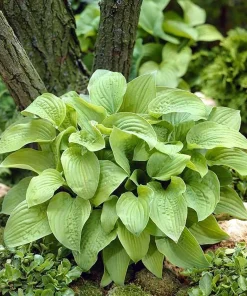
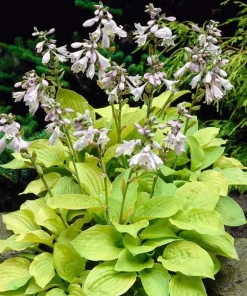
August Moon Hosta Live Plant – Golden Green Foliage – Quart Pot – Outdoor Shade Plant
Original price was: $51.99.$41.99Current price is: $41.99.
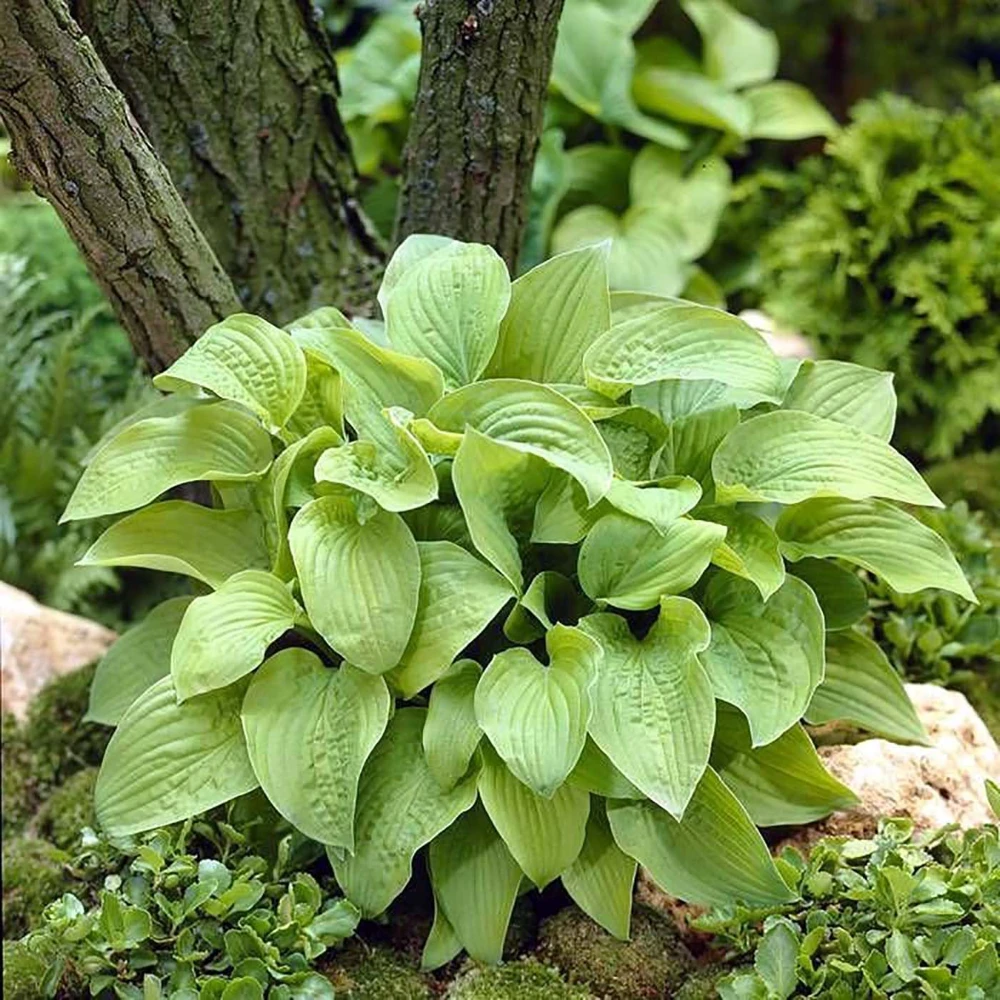
Enhance your shade garden with the beautiful August Moon Hosta live plant. This variety features striking golden-green, heart-shaped foliage with rippled margins, growing 20-24 inches tall. Ideal for zones 3-8, it thrives in part sun to full shade, offering vibrant color and low-maintenance beauty.
Estimated arrival
Sep 29
Oct 04 - Oct 06
Oct 09 - Oct 13
Shop With Confidence
30-Day Plant Health Guarantee
Arrives damaged? We’ll replace it free — see our return policy.
Responsive Support
Email us anytime, we reply within 1 business day.
Expert Packaging
Temperature-controlled shipping to protect your plants in transit.
Secure Checkout
Pay safely with Visa, Mastercard, PayPal.
Plant Specifications
-
USDA Hardiness Zone
3-8 -
Soil Type
Well-draining, rich, organic soil -
Sunlight Exposure
Part Sun to Shade -
Expected Planting Period
Spring to early fall
Overview
Introduce a touch of radiant elegance to your garden with the captivating august moon hosta live plant. This East Asian native, scientifically known as Hosta sieboldiana ‘August Moon’, is celebrated for its lush, golden-green, heart-shaped foliage that brightens up even the deepest shade. Gardeners worldwide cherish hostas for their diverse colors, heights, and textures, making them an indispensable element in any shade garden design. The ‘August Moon’ variety is particularly striking, offering a vibrant contrast to darker greens and adding a sophisticated glow to your landscape. It’s a robust and versatile plant that promises to transform your outdoor spaces with its magnificent presence. Whether you’re looking to fill a shady border, create a stunning focal point, or add texture to a woodland garden, this hosta is an excellent choice. Its ability to thrive in challenging light conditions makes it a favorite among both novice and experienced gardeners seeking reliable and beautiful shade solutions. The august moon hosta live plant arrives ready to plant, ensuring a smooth transition to its new home and a quick start to its impressive growth.
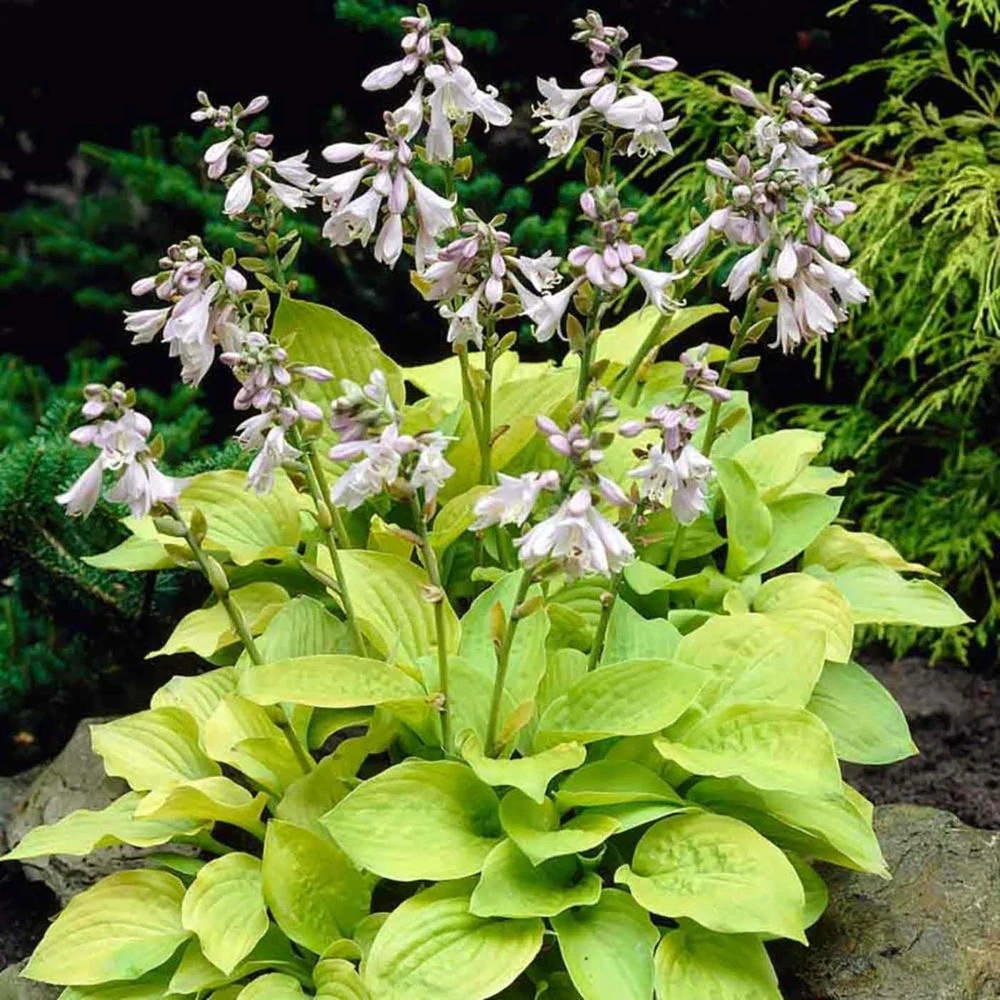
Beyond its aesthetic appeal, the Hosta ‘August Moon’ is a testament to nature’s beauty and resilience. Its mounding habit and impressive size create a substantial visual impact, making it a natural centerpiece. This particular cultivar is known for its vigor and ability to establish quickly, rewarding you with a mature display of foliage within a year. The bell-shaped, grayish-white flowers that emerge on tall scapes in mid-July through early August add another layer of charm, attracting pollinators and providing a delicate vertical accent above the dense foliage. Choosing the august moon hosta live plant means investing in a plant that offers year-round interest and requires minimal intervention once established, embodying both beauty and practicality for your garden.
Key Benefits
The august moon hosta live plant offers a multitude of benefits, making it an exceptional choice for any garden. Its unique characteristics contribute to both the aesthetic and practical aspects of your landscape design. Enjoy the beauty and ease of this remarkable perennial.
- Stunning Golden-Green Foliage: The signature wide, heart-shaped leaves boast a beautiful golden-green hue with subtly rippled margins, providing a radiant focal point in shaded areas. This vibrant color remains consistent throughout the growing season, offering continuous visual interest.
- Excellent Shade Tolerance: Thriving in part sun to deep shade, this hosta is perfect for illuminating dark corners of your garden where other plants struggle. It’s a reliable performer in low-light conditions, ensuring your shaded beds are never dull.
- Low Maintenance & Easy Care: Once established, the august moon hosta care is minimal. It requires little attention beyond regular watering, making it ideal for busy gardeners or those seeking an effortless yet impactful plant. It doesn’t typically require dividing, simplifying long-term care.
- Vigorous & Large Growth Habit: This mounding hosta reaches an impressive mature size of 20-24 inches tall and 36-42 inches wide, creating a lush, full display. Its substantial presence makes it an excellent choice for ground cover, mass plantings, or as a specimen plant.
- Beautiful Mid-Summer Blooms: In mid-July through early August, delicate bell-shaped, grayish-white flowers emerge on tall 28-inch scapes, adding a graceful vertical element and attracting pollinators to your garden.
- Versatile Landscape Use: Whether used in borders, containers, woodland gardens, or around water features, its adaptability and striking appearance make it suitable for a wide range of landscape designs. The shade loving hosta is truly versatile.
- Hardy & Resilient: Suitable for USDA Zones 3-8, this hosta is incredibly cold-hardy and resilient, ensuring it returns year after year with vibrant new growth. Its robust nature contributes to its long lifespan in the garden.
Plant Care & Growing Tips
Ensuring the success of your august moon hosta live plant is straightforward with proper care. These resilient plants are renowned for their adaptability, particularly in shaded environments. For optimal growth and vibrant foliage, understanding their basic needs is key. Begin by selecting a site that receives part sun to full shade. While ‘August Moon’ can tolerate some morning sun, intense afternoon sun can scorch its golden-green leaves, diminishing their color and health. Filtered light or dappled shade under deciduous trees is often ideal, mimicking its natural woodland habitat. Adequate air circulation is also important to prevent fungal issues.
When it comes to watering, hostas prefer consistently moist soil, especially during dry spells and in their first year of establishment. Aim for deep watering sessions rather than frequent shallow ones, allowing the water to penetrate the root zone. However, ensure the soil is well-draining to prevent waterlogging, which can lead to root rot. A rich, organic soil amended with compost will provide the necessary nutrients and improve drainage. Fertilize in early spring with a balanced slow-release granular fertilizer formulated for perennials to support vigorous growth. Protecting your golden hosta plant from slugs and snails, common hosta pests, can be achieved through various organic or chemical methods, such as slug baits or hand-picking.
The hosta sieboldiana ‘August Moon’ is incredibly hardy, thriving in USDA Zones 3-8. It’s important to plant them at the correct depth, ensuring the crown is level with the soil surface. Space plants 18-24 inches apart to allow for their mature spread. While generally low-maintenance, a layer of mulch around the base can help retain soil moisture, suppress weeds, and regulate soil temperature. These hostas typically take about one year to fully establish themselves, so patience is key. Propagation can be done by dividing plants in late summer or early spring, though ‘August Moon’ doesn’t necessarily need frequent division to maintain its health and vigor, making it a truly easy-care perennial.
Size & Details
This offering is for one august moon hosta live plant, shipped in a quart-sized pot, ready for immediate planting. Each plant is carefully nurtured to ensure it arrives healthy and robust, prepared to thrive in your garden. Upon maturity, this vigorous mounding hosta will reach an impressive height of 20 to 24 inches and spread wide, typically 36 to 42 inches. Its substantial size creates a beautiful, lush groundcover or an impactful specimen plant. The plant will establish itself within approximately one year after planting, rapidly filling out to its mature dimensions and displaying its characteristic golden-green foliage.
Bell-shaped, grayish-white flowers are borne on sturdy scapes that rise to about 28 inches in height, typically blooming from mid-July through early August. This perennial is well-suited for USDA Hardiness Zones 3-8, indicating its excellent cold tolerance. It performs best in part sun to full shade conditions, making it a perfect choice for illuminating darker garden areas. The plant should be spaced 18-24 inches apart to allow for its mature growth. With its low-care requirements and stunning visual appeal, the august moon hosta care is minimal, providing maximum garden enjoyment.
Frequently Asked Questions
- Q: How big does this plant get? A: The august moon hosta live plant typically grows to a mature height of 20-24 inches and spreads 36-42 inches wide, forming a beautiful, mounding clump. Its substantial size makes it a great choice for filling space in shade gardens.
- Q: What size pot does it come in? A: This hosta is shipped as a live plant in a quart-sized pot, ensuring it has a healthy root system ready for transplanting into your garden or a larger container.
- Q: Is this an indoor or outdoor plant? A: The ‘August Moon’ Hosta is primarily an outdoor plant, ideally suited for shade gardens, borders, and woodland settings. While some hostas can be grown indoors with specific care, this variety thrives best outdoors.
- Q: How much sunlight does it need? A: This shade loving hosta prefers part sun to full shade. It can tolerate some morning sun, but intense afternoon sun should be avoided as it can scorch the leaves and fade their golden color.
- Q: Is this plant easy to care for? A: Yes, ‘August Moon’ Hosta is known for being very low-maintenance. Once established, it requires consistent moisture but is otherwise quite resilient and doesn’t demand frequent attention, making august moon hosta care relatively easy.
- Q: What condition will it arrive in? A: Your august moon hosta live plant will arrive carefully packaged, healthy, and actively growing, ready to be planted in your garden. We take great care to ensure safe transit.
- Q: Is it shipped in soil? A: Yes, the plant is shipped in its quart-sized pot with soil, providing a stable environment for its roots during shipping and facilitating a smooth transition to your garden.
- Q: How long until it blooms? A: Bell-shaped, grayish-white flowers typically appear on 28-inch scapes from mid-July through early August, usually in its first or second year after planting, once established.
- Q: When is the best time to plant? A: Spring or early fall are generally the best times to plant hostas, allowing them to establish their root systems before extreme heat or cold. However, potted plants can be planted throughout the growing season.
- Q: Will it survive winter in my zone? A: Yes, this golden hosta plant is hardy in USDA Zones 3-8, meaning it is well-suited to survive cold winters in those regions and will re-emerge in spring.
- Q: What’s the minimum temperature it can tolerate? A: Being hardy in Zone 3, the ‘August Moon’ Hosta can typically tolerate winter temperatures down to -40°F (-40°C) once established.
- Q: Can I use this for ground cover? A: Absolutely! With its vigorous, mounding growth and substantial spread, the hosta sieboldiana ‘August Moon’ is an excellent choice for creating a lush, low-maintenance ground cover in shaded areas.
Be the first to review “August Moon Hosta Live Plant – Golden Green Foliage – Quart Pot – Outdoor Shade Plant”
People Also Viewed
Vegetable Seeds
Fordhook 242 Lima Bean Seeds – Bush Vegetable Seeds – 20 Count
Reviews
There are no reviews yet.