
Alocasia Amazonica ‘Polly’ Live Plant – African Mask Elephant Ear Houseplant Indoor
Original price was: $60.99.$49.99Current price is: $49.99.
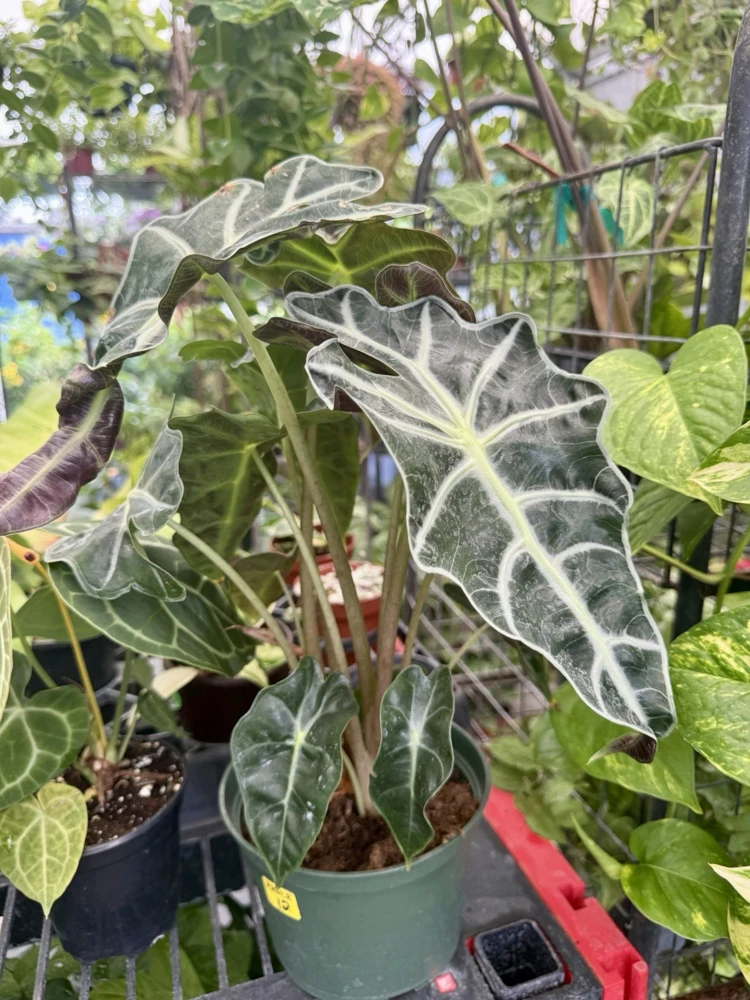
Add a touch of the tropics to your home with the striking Alocasia Amazonica Polly live plant. Also known as the African Mask Plant, this houseplant features dramatic, deep green leaves with prominent, contrasting veins. It’s a perfect choice for plant enthusiasts seeking a unique and eye-catching indoor specimen. Enjoy its exotic beauty and vibrant foliage.
Estimated arrival
Oct 27
Nov 01 - Nov 03
Nov 06 - Nov 10
Shop With Confidence
30-Day Plant Health Guarantee
Arrives damaged? We’ll replace it free — see our return policy.
Responsive Support
Email us anytime, we reply within 1 business day.
Expert Packaging
Temperature-controlled shipping to protect your plants in transit.
Secure Checkout
Pay safely with Visa, Mastercard, PayPal.
Plant Specifications
-
USDA Hardiness Zone
USDA zones 9-11 (when grown outdoors) -
Soil Type
Well-draining, rich potting mix -
Sunlight Exposure
Bright indirect light -
Expected Planting Period
Year-round indoors
Overview
Introducing the captivating Alocasia Amazonica Polly live plant, a true jewel among houseplants. Commonly known as the African Mask Plant or Elephant Ear, this stunning Alocasia variety is celebrated for its dramatic foliage and exotic appeal. Each leaf is a work of art, featuring a deep, glossy green surface contrasted sharply by prominent, silvery-white veins and wavy, scalloped edges. This creates a mesmerizing, mask-like appearance that instantly elevates any indoor plant collection. Originating from the tropical rainforests, the Alocasia Amazonica Polly live plant thrives in environments that mimic its natural habitat, making it a fantastic choice for adding a lush, jungle-like ambiance to your home or office. Its compact size makes it suitable for tabletops, shelves, or as a vibrant accent in a larger plant arrangement. This live plant is delivered ready to thrive in your care, bringing an immediate touch of tropical elegance.
Key Benefits
The Alocasia Amazonica Polly live plant offers numerous benefits, making it a beloved choice for plant lovers. Its unique appearance and relatively manageable care routine contribute to its popularity:
- Exotic Visual Appeal: The striking contrast of deep green and silvery-white veins on its arrow-shaped leaves makes it an instant focal point, adding a sophisticated, tropical aesthetic to any room.
- Compact & Versatile: With its moderate growth habit, this African Mask Plant is ideal for smaller spaces, desks, or as part of a diverse indoor plant display. It doesn’t require excessive room to make a big impact.
- Air Purifying Qualities: Like many houseplants, the Alocasia Amazonica Polly live plant contributes to a healthier indoor environment by helping to filter out common airborne toxins, promoting better air quality.
- Unique Leaf Texture: The thick, leathery leaves and their distinctive texture are a tactile delight, adding another dimension to its ornamental value beyond just color.
- Conversation Starter: Its dramatic and unusual appearance is sure to spark interest and admiration from guests, making it a great conversation piece.
- Enhances Modern Decor: The bold lines and rich colors of the Alocasia Polly complement contemporary interior designs, providing a natural element that stands out.
- Rewarding Growth: Watching new leaves unfurl in their full glory is a deeply satisfying experience for plant parents, offering a sense of connection to nature.
Plant Care & Growing Tips
Caring for your Alocasia Amazonica Polly live plant involves understanding its tropical origins to provide the best possible environment. This plant thrives in bright, indirect light. Direct sunlight can scorch its delicate leaves, leading to discoloration, while too little light may cause leggy growth and duller leaf patterns. A north or east-facing window is often ideal, or a few feet away from a south or west-facing window with sheer curtains. When it comes to Alocasia Polly watering, consistency is key. Keep the soil consistently moist but never soggy. Allow the top inch or two of soil to dry out slightly between waterings. Overwatering can lead to root rot, a common issue for Alocasias. Conversely, allowing the soil to dry out completely for extended periods can cause stress and leaf droop. High humidity is crucial for the African Mask Plant. You can increase humidity by misting daily, placing the pot on a pebble tray with water, or using a humidifier, especially in drier climates or during winter months. The ideal temperature range is between 65-80°F (18-27°C); avoid temperatures below 60°F (15°C) as this can harm the plant. Use a well-draining, rich potting mix that retains some moisture but allows excess water to escape. Fertilize every 2-4 weeks during the growing season (spring and summer) with a balanced liquid fertilizer diluted to half strength. Reduce or stop fertilizing during fall and winter. Yellowing leaves can indicate overwatering or nutrient deficiency, while browning leaf tips often point to low humidity. Regular inspection for pests like spider mites and mealybugs is also important for maintaining the health of your Elephant Ear houseplant indoor.
Size & Details
The Alocasia Amazonica Polly live plant typically grows to a compact and manageable size, making it an excellent choice for various indoor settings. While exact dimensions can vary based on growing conditions, most mature specimens reach an average height of 1-2 feet (30-60 cm) and a similar spread. The plant is usually shipped as a young, healthy specimen in a nursery pot, ready for you to acclimate to its new home. Its growth rate is moderate, with new leaves unfurling regularly under optimal conditions, each one contributing to its striking silhouette. This tropical beauty is known for its relatively quick response to good care, rewarding attentive growers with vibrant, expanding foliage. The plant will arrive carefully packaged to ensure its health and vitality during transit, ready to continue its journey as a magnificent tropical indoor plants display.
Frequently Asked Questions
- Q: How big does this Alocasia Amazonica Polly live plant get? A: The Alocasia Amazonica Polly live plant typically grows to be about 1 to 2 feet tall and wide, making it a perfect size for tabletops or shelves. Its compact nature allows it to fit well in most indoor spaces without becoming too overwhelming.
- Q: Is this an indoor or outdoor plant? A: This is primarily an Elephant Ear houseplant indoor. While it can be placed outdoors in very warm, humid, and shaded conditions during summer, it is not frost-tolerant and thrives best in a controlled indoor environment.
- Q: How much sunlight does it need? A: The Alocasia Polly prefers bright, indirect light. Avoid direct sunlight, which can scorch its leaves, and too little light, which can cause it to become leggy and lose its vibrant coloration.
- Q: Is this plant easy to care for? A: While not the absolute easiest, with proper attention to humidity and Alocasia Polly watering, it is quite manageable. It’s considered moderately easy and very rewarding for those willing to provide consistent care.
- Q: What condition will it arrive in? A: Your live plant will arrive carefully packaged to minimize stress during transit, ensuring it reaches you healthy and ready to thrive in its new home. It will typically be in a nursery pot.
- Q: How often should I water my African Mask Plant? A: You should water your African Mask Plant care when the top 1-2 inches of soil feel dry to the touch. It prefers consistently moist, but not soggy, soil. Overwatering is a common issue, so always check the soil moisture before watering again.
- Q: What kind of soil is best for Alocasia Polly? A: A well-draining, rich potting mix that retains some moisture is ideal. A blend of potting soil, perlite, and orchid bark or coco coir works well to provide both drainage and aeration.
- Q: Will it survive winter in my zone? A: As a tropical plant, the Alocasia Polly is not cold-hardy. It will not survive frost or prolonged cold temperatures and should be kept indoors in temperatures above 60°F (15°C) during winter.
- Q: Is the Alocasia Amazonica Polly pet-safe? A: No, Alocasia plants are considered toxic if ingested by pets and humans due to calcium oxalate crystals. Keep this tropical indoor plants specimen out of reach of curious pets and children.
- Q: What are common signs of an unhealthy Alocasia Polly? A: Yellowing leaves can indicate overwatering or nutrient deficiency. Brown, crispy leaf edges often signal low humidity, while drooping leaves can be a sign of both underwatering or overwatering, requiring a check of the soil moisture.
Be the first to review “Alocasia Amazonica ‘Polly’ Live Plant – African Mask Elephant Ear Houseplant Indoor”
People Also Viewed
Houseplants
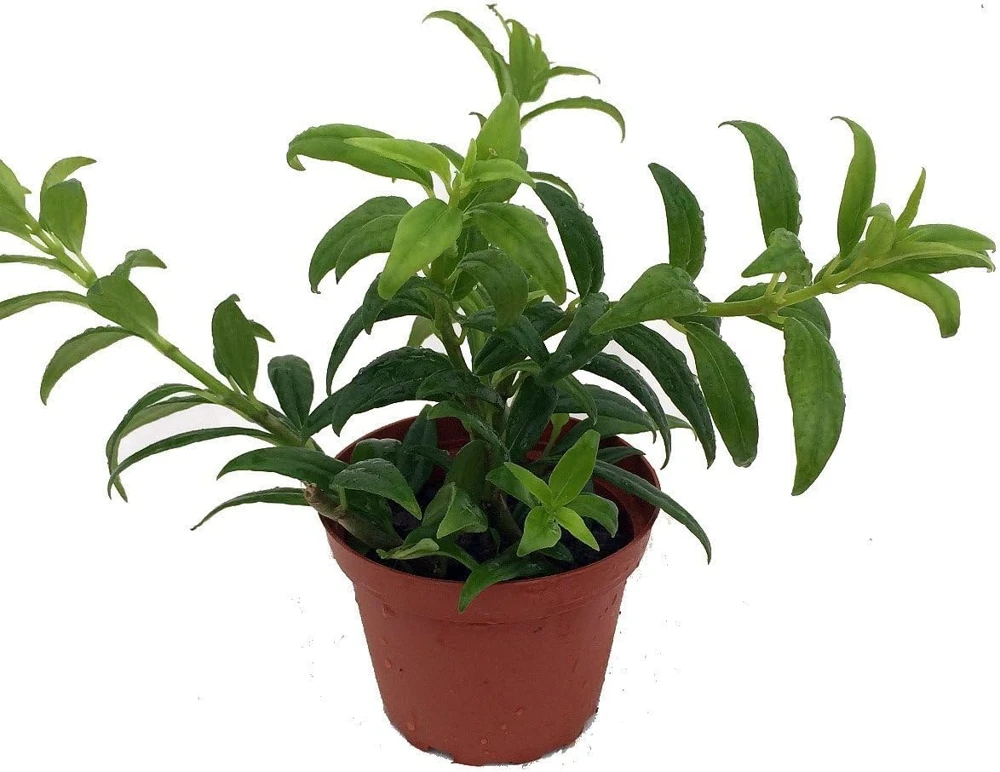
Goldfish Plant (Nematanthus gregarius) Live Plant – 2.5″ Pot – Indoor Flowering Houseplant
Reviews
There are no reviews yet.