

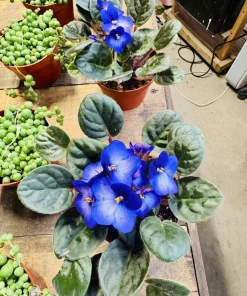
African Violet Live Plant – Potted Houseplant for Indoor Decor
Original price was: $64.99.$44.99Current price is: $44.99.
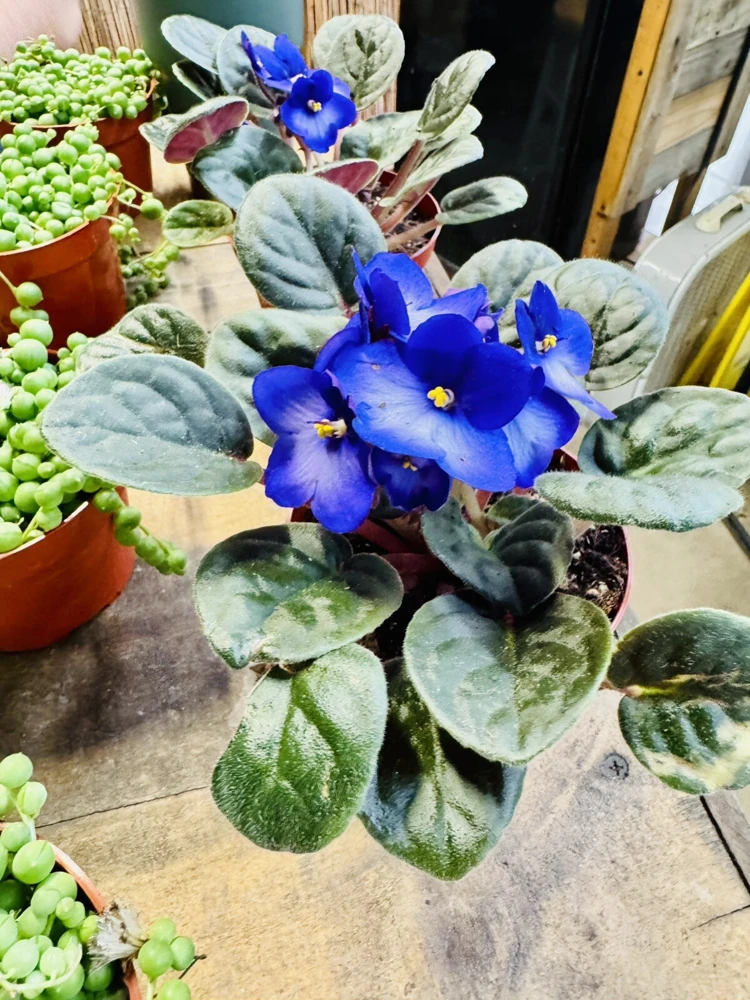
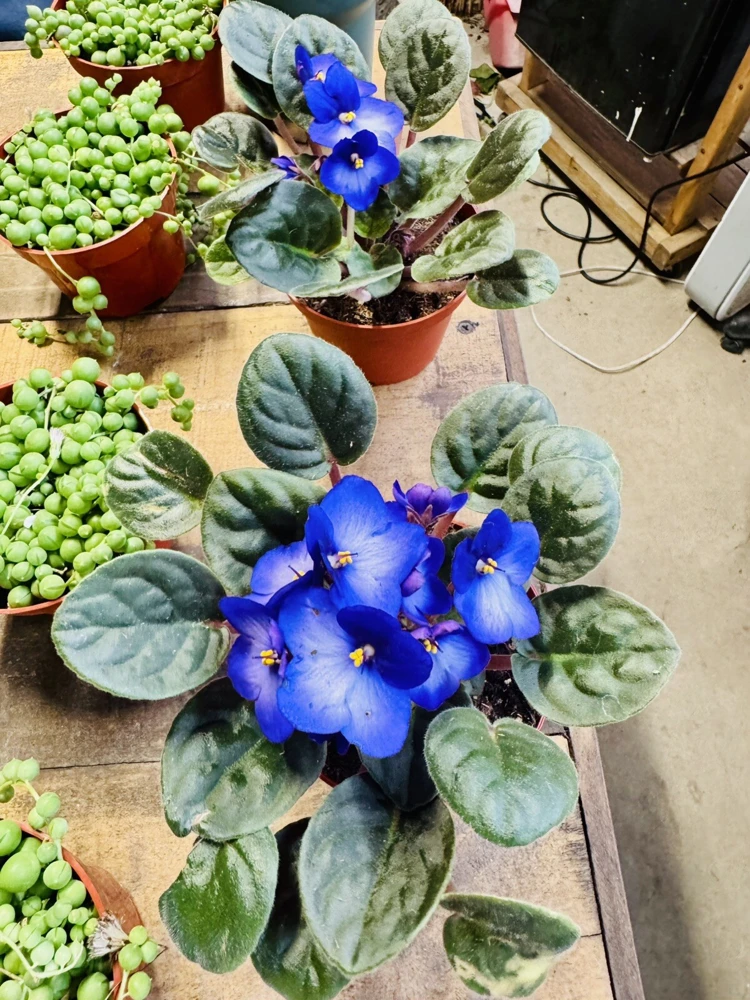
Bring charming beauty to your home with an African Violet live plant. This popular houseplant features velvety leaves and vibrant, long-lasting blooms. Perfect for tabletops and windowsills, it’s known for its relatively easy care and ability to thrive indoors, making it an excellent choice for both new and experienced plant enthusiasts.
Estimated arrival
Oct 27
Nov 01 - Nov 03
Nov 06 - Nov 10
Shop With Confidence
30-Day Plant Health Guarantee
Arrives damaged? We’ll replace it free — see our return policy.
Responsive Support
Email us anytime, we reply within 1 business day.
Expert Packaging
Temperature-controlled shipping to protect your plants in transit.
Secure Checkout
Pay safely with Visa, Mastercard, PayPal.
Plant Specifications
-
USDA Hardiness Zone
Year-round indoors -
Soil Type
Well-draining African Violet potting mix -
Sunlight Exposure
Bright indirect light -
Expected Planting Period
Year-round indoors
Overview
Welcome a touch of elegance into your home with a beautiful African Violet live plant. Renowned for its stunning, often purple, pink, or white flowers and soft, fuzzy leaves, the African Violet (Saintpaulia) is a beloved indoor flowering plant. This compact and charming plant is a fantastic choice for adding vibrant color and natural beauty to any room. Unlike many other houseplants, African Violets are celebrated for their continuous blooming cycles when given proper care, providing cheer year-round. They are particularly known for their ability to thrive in typical indoor environments, making them accessible to a wide range of plant lovers. Whether you’re starting your indoor garden or looking to expand your collection, the African Violet offers rewarding beauty and a delightful presence.
Originating from the tropical regions of East Africa, these plants have adapted wonderfully to indoor conditions, making them one of the most popular indoor flowering plants globally. Their relatively small size makes them ideal for windowsills, desks, or shelves, where their delicate flowers can be admired up close. The African Violet’s appeal lies not only in its beauty but also in the satisfaction of nurturing its blooms. With a little attention to its specific needs, you can enjoy a continuous display of colorful flowers.
Key Benefits
The African Violet live plant offers numerous benefits, making it an excellent addition to almost any home. Beyond its undeniable aesthetic appeal, this plant provides several advantages that enhance your living space and well-being.
- Continuous Blooms: One of the most cherished qualities of the African Violet is its capacity for nearly continuous flowering. With optimal conditions, you can enjoy its beautiful blossoms for many months, adding consistent color and cheer to your indoor environment.
- Compact Size: African Violets are perfectly sized for small spaces, making them ideal for apartments, offices, or crowded windowsills. They don’t require extensive room to flourish, allowing you to enjoy their beauty without sacrificing space.
- Air Purification: Like many houseplants, African Violets contribute to better indoor air quality by absorbing common household toxins and releasing oxygen. This creates a healthier and more refreshing atmosphere in your home.
- Easy to Propagate: African Violets are surprisingly easy to propagate from leaf cuttings, allowing you to share your beautiful plant with friends and family or expand your own collection. This makes them a rewarding plant for those who enjoy gardening.
- Stress Reduction: The act of caring for plants and being surrounded by nature has been shown to reduce stress and improve mood. The vibrant blooms and lush foliage of the African Violet live plant can create a calming and uplifting environment.
- Versatile Decor: With a wide array of flower colors and leaf patterns, African Violets can complement various interior design styles, from traditional to modern. They add a sophisticated touch of living decor to any room.
- Beginner-Friendly: While they have specific needs, understanding African Violet care is relatively straightforward, making them an excellent choice for those new to indoor gardening. Once their preferences are met, they thrive beautifully.
Plant Care & Growing Tips
Proper African Violet care is key to ensuring your plant thrives and produces abundant blooms. These beautiful plants have specific requirements, but once you understand them, they are quite easy to maintain. Start by placing your African Violet in a location that receives bright, indirect light. An east-facing window is often ideal, providing gentle morning sun. Avoid direct, harsh sunlight, especially in the afternoon, as this can scorch their delicate leaves. Insufficient light, on the other hand, will result in fewer flowers and leggy growth.
Watering is crucial for African Violets. They prefer consistently moist soil but absolutely detest having wet feet. Water when the top inch of soil feels dry to the touch. It’s best to water from the bottom by placing the pot in a saucer of water for about 20-30 minutes, allowing the plant to soak up what it needs. Alternatively, water from the top, being careful not to get water on the leaves, as this can cause unsightly spots. Use room temperature water, as cold water can shock the plant. Good drainage is essential, so ensure your pot has drainage holes. A specialized African Violet potting mix, which is typically light and well-draining, is highly recommended for optimal root health.
African Violets thrive in consistent temperatures between 65-75°F (18-24°C) and high humidity. If your home is dry, consider placing the plant on a pebble tray filled with water (ensuring the pot doesn’t sit directly in the water) or using a small humidifier. Fertilize every 2-4 weeks during the growing season (spring and summer) with a balanced liquid fertilizer specifically formulated for African Violets, diluted to half strength. Remove spent flowers and yellowing leaves promptly to encourage new growth and flowering. Watch out for common pests like mealybugs or spider mites; treat them with insecticidal soap if they appear. Understanding these aspects of African Violet care will lead to a healthy, blooming plant.
Size & Details
This offering is for one African Violet live plant, typically shipped in a 2-4 inch nursery pot. The plant will be well-rooted and actively growing, ready to be placed in your home. Mature African Violets generally reach a compact size of about 6-10 inches in diameter, making them perfect for windowsills, desks, or as part of a larger plant display. The exact size and color of the blooms may vary depending on the specific variety and growing conditions, but you can expect classic African Violet characteristics. These plants are known for their relatively slow to moderate growth rate, allowing them to maintain their charming, compact form for extended periods. They will arrive carefully packaged to ensure a safe journey to your doorstep, ready to bring immediate beauty to your indoor space. Expect them to settle in quickly and begin producing their delightful flowers under proper African Violet care.
Frequently Asked Questions
- Q: How big does this plant get? A: An African Violet live plant typically grows to be about 6-10 inches in diameter when mature. Its compact size makes it ideal for small spaces like windowsills and desks.
- Q: Is this an indoor or outdoor plant? A: African Violets are primarily indoor plants. They thrive in controlled indoor environments and are not suited for outdoor conditions in most climates, especially where temperatures drop below 60°F.
- Q: Is this plant easy to care for? Is it good for beginners? A: While African Violets have specific care requirements, they are generally considered easy to care for once you understand their needs. They are a good choice for beginners willing to learn about proper African Violet care, especially regarding light and watering.
- Q: What condition will it arrive in? A: Your African Violet live plant will arrive carefully packaged in a nursery pot, healthy and ready to grow. We take great care to ensure the plant is protected during transit.
- Q: Can I use tap water for my African Violet? A: It’s best to use room temperature water that has been left out for 24 hours to allow chlorine to dissipate, or use filtered water. Cold tap water can shock the plant and cause leaf spotting.
- Q: How often do African Violets bloom? A: With proper care, including adequate light and fertilization, African Violets can bloom almost continuously throughout the year, taking short breaks between flowering cycles.
- Q: Is the African Violet a pet-safe houseplant? A: Yes, African Violets are generally considered non-toxic and are a great choice if you are looking for pet-safe houseplants. However, it’s always best to prevent pets from ingesting any plant material.
- Q: What type of soil is best for African Violets? A: African Violets prefer a light, well-draining, and slightly acidic potting mix. Specialized African Violet potting mixes are readily available and highly recommended for their specific needs.
- Q: How much sunlight does it need? A: African Violets require bright, indirect light. An east-facing window is often perfect. Avoid direct sun, especially in the afternoon, which can scorch the leaves.
- Q: How can I encourage more blooms on my African Violet? A: To encourage more blooms, ensure your plant receives sufficient bright, indirect light, consistent watering, and regular feeding with a fertilizer specifically formulated for African Violets. Also, promptly remove spent flowers.
Be the first to review “African Violet Live Plant – Potted Houseplant for Indoor Decor”
People Also Viewed

Reviews
There are no reviews yet.