
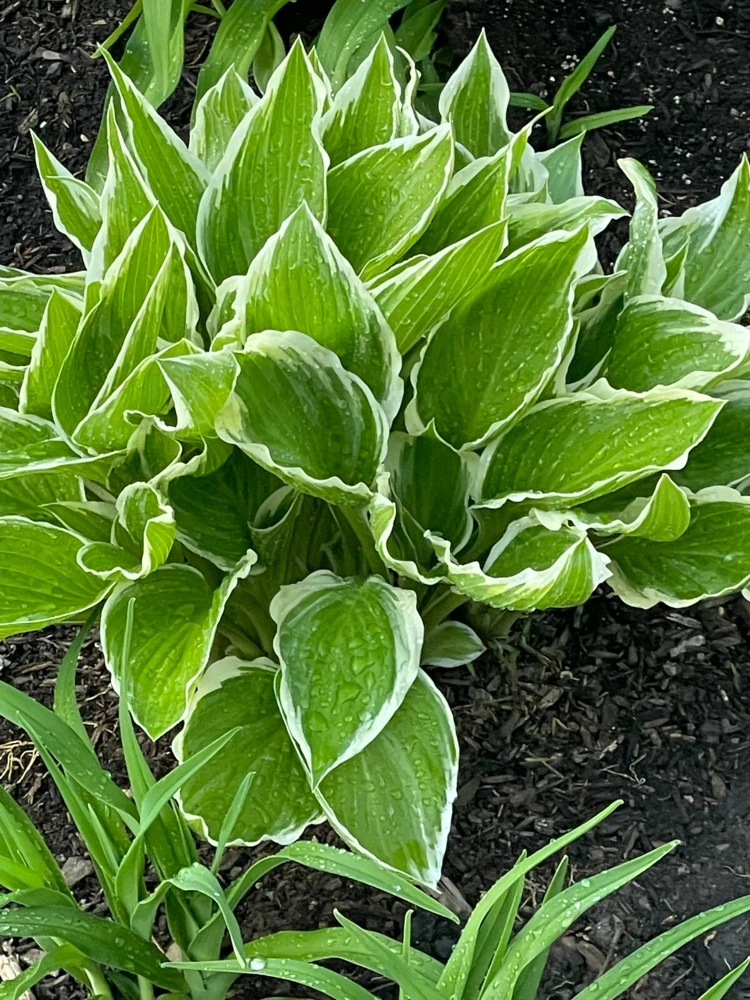
6 White & Green Hosta Bare Root Perennial Plant – Outdoor Foliage
Original price was: $90.00.$80.99Current price is: $80.99.
Transform your garden with this 6-pack of white and green Hosta bare root plants. These robust perennials are ideal for shade gardens, offering striking variegated foliage and minimal maintenance. Perfect for borders, ground cover, or container planting, adding a touch of elegance to any outdoor space.
Estimated arrival
Oct 10
Oct 15 - Oct 17
Oct 20 - Oct 24
Shop With Confidence
30-Day Plant Health Guarantee
Arrives damaged? We’ll replace it free — see our return policy.
Responsive Support
Email us anytime, we reply within 1 business day.
Expert Packaging
Temperature-controlled shipping to protect your plants in transit.
Secure Checkout
Pay safely with Visa, Mastercard, PayPal.
Plant Specifications
-
USDA Hardiness Zone
USDA Zones 3-9 -
Soil Type
Rich, well-draining soil -
Sunlight Exposure
Partial to full shade -
Expected Planting Period
Spring or early fall
Overview
Bring vibrant life and lush foliage to your garden with our white and green Hosta bare root plants. This offering includes six healthy bare roots, ready to establish themselves and flourish in your outdoor spaces. Hostas, often referred to as plantain lilies, are celebrated for their diverse and striking leaf patterns, making them a cornerstone of shade garden design. These particular varieties feature beautiful green leaves accented with crisp white margins, providing a stunning contrast and brightening up dimly lit areas. As a perennial, once planted, these Hostas will return year after year, growing larger and more magnificent with each passing season, offering enduring beauty with minimal effort. They are an excellent choice for gardeners seeking reliable, ornamental plants that thrive where many others struggle.
Our Hosta perennial plant selection is chosen for its vigor and adaptability, ensuring a successful planting experience for both novice and experienced gardeners. The bare root form allows for easy shipping and planting, quickly establishing robust root systems when given the right conditions. These plants are primarily valued for their ornamental leaves, which create a captivating texture and color palette in garden beds, beneath trees, or along pathways. Prepare to enjoy a season-long display of elegant foliage that provides a serene and sophisticated backdrop to other garden elements.
Key Benefits
Adding white and green Hosta bare root plants to your garden provides numerous advantages beyond their aesthetic appeal:
- Exceptional Shade Tolerance: Hostas are renowned for their ability to thrive in partial to full shade, making them perfect for those tricky garden spots where direct sunlight is limited. They bring life and color to areas where other plants might struggle.
- Stunning Variegated Foliage: The distinctive green and white leaves offer a captivating visual interest, creating bright spots and elegant contrasts in your landscape. This variegation makes each plant a focal point.
- Low Maintenance & Easy Care: Once established, these Hosta perennial plants require very little attention, making them an excellent choice for busy gardeners or those new to gardening. They are generally pest-resistant and quite hardy.
- Long-Lived Perennial: Enjoy their beauty year after year as they return faithfully each spring, often growing larger and more impressive over time. This makes them a sustainable and cost-effective garden solution.
- Versatile Landscaping Use: Ideal for borders, mass plantings, ground cover, container gardening, or as an accent plant. Their mounding habit fills space beautifully and complements a wide range of garden styles.
- Attracts Hummingbirds: While primarily grown for foliage, Hostas do produce delicate bell-shaped flowers on tall scapes, which can attract hummingbirds to your garden.
- Enhances Garden Texture: The broad leaves provide a wonderful textural element, contrasting beautifully with finer-leafed plants and adding depth and dimension to your garden design.
Plant Care & Growing Tips
Caring for your white and green Hosta bare root plants is straightforward, ensuring they establish well and provide years of enjoyment. Hostas thrive in consistent moisture and rich, well-draining soil. For sunlight, they prefer partial to full shade. While some varieties can tolerate a bit of morning sun, intense afternoon sun can scorch their leaves, especially the variegated types. Aim for locations that receive dappled light throughout the day or full shade. Good air circulation around the plants helps prevent fungal issues.
When it comes to watering, keep the soil consistently moist, but not waterlogged. Deep watering once or twice a week is generally better than frequent shallow watering, especially during dry spells. Newly planted bare roots will require more frequent watering until they are established. Fertilize in early spring with a balanced, slow-release granular fertilizer or an organic compost. Avoid over-fertilizing, which can lead to lush growth but weaker plants. These outdoor shade plants are quite resilient, but protection from slugs and snails is often necessary, as they are fond of Hosta leaves. Organic slug baits or physical barriers can be effective.
The optimal soil pH for Hostas is neutral to slightly acidic. Amending heavy clay soils with organic matter will improve drainage, while sandy soils will benefit from compost to retain moisture. Hostas are generally hardy in USDA zones 3-9. In colder zones, mulching can help protect the bare roots over winter. Division can be done in early spring or fall if plants become overcrowded, which also provides more plants for your garden. With minimal effort, your easy care Hosta will flourish.
Size & Details
This offering includes six individual white and green Hosta bare root plants. Bare roots are dormant plants shipped without soil, allowing for easier transport and a robust start once planted. Upon arrival, they may appear as a cluster of roots with a small crown; this is perfectly normal for a bare root. When planted, these bare roots will begin to sprout foliage, developing into mature plants that typically reach a height of 1-2 feet and spread of 2-3 feet, depending on the specific variety and growing conditions. The growth rate is moderate, with significant foliage development occurring in the first growing season and continued expansion in subsequent years.
These variegated Hosta foliage plants are ready for planting in spring after the last frost or in early fall. They are shipped in a dormant state to ensure successful transplantation. Expect to see initial shoots within a few weeks of planting, with full foliage development throughout the spring and summer. The size and vigor of the mature plant will depend on soil quality, watering, and light exposure. Each bare root is carefully inspected to ensure it is healthy and ready to thrive in your garden.
Frequently Asked Questions
- Q: How big do these Hosta plants get? A: These white and green Hosta bare root plants typically grow to a mature height of 1-2 feet and can spread 2-3 feet wide, forming an attractive clump of foliage. The exact size can vary based on growing conditions and specific variety.
- Q: Is this an indoor or outdoor plant? A: Hostas are primarily outdoor perennial plants, specifically suited for shade gardens. They are not typically grown as indoor houseplants due to their dormancy requirements and light preferences.
- Q: How much sunlight does it need? A: Hostas thrive in partial to full shade. Morning sun is generally acceptable, but they should be protected from harsh afternoon sun, which can scorch their delicate leaves and diminish the vibrancy of their variegated Hosta foliage.
- Q: Is this plant easy to care for? A: Yes, Hostas are considered very easy to care for, especially once established. They require consistent moisture and protection from slugs and snails, but otherwise are quite low maintenance, making them an excellent easy care Hosta.
- Q: What condition will it arrive in? A: Your order will arrive as six healthy bare root plants. These are dormant plants without soil or leaves, ready for planting directly into your garden. They will sprout new growth once planted in suitable conditions.
- Q: When is the best time to plant these bare roots? A: The best time to plant Hosta bare roots is in early spring after the last frost, or in early fall before the ground freezes. This allows them ample time to establish their root system.
- Q: Will it survive winter in my zone? A: Hostas are very cold hardy and typically survive winters in USDA Zones 3-9. In colder zones, a layer of mulch can provide additional protection during the dormant period.
- Q: Can these Hostas be grown in containers? A: Yes, Hostas can be successfully grown in containers, provided they have adequate drainage and are kept consistently moist. Container-grown Hostas may require more frequent watering than those in the ground.
- Q: What type of soil do Hostas prefer? A: Hostas prefer rich, well-draining soil with a neutral to slightly acidic pH. Amending the soil with organic matter like compost will benefit their growth significantly.
- Q: Do these Hostas produce flowers? A: While primarily grown for their attractive foliage, Hostas do produce delicate, bell-shaped flowers on tall scapes, often in shades of lavender or white, which can attract hummingbirds.
Be the first to review “6 White & Green Hosta Bare Root Perennial Plant – Outdoor Foliage”
People Also Viewed
Shrub Seeds
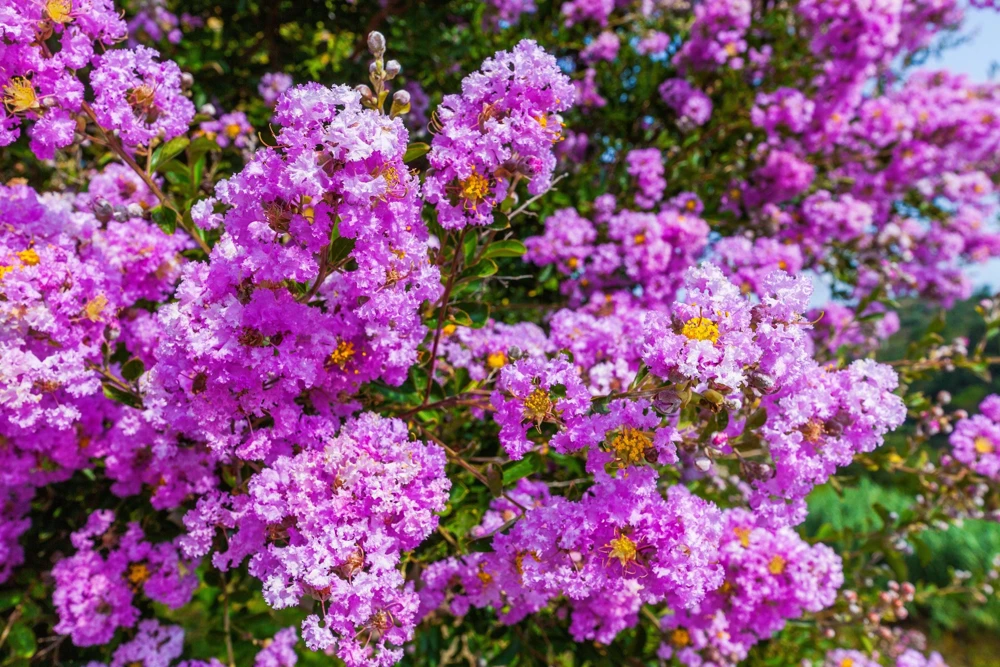
Lilac Crepe Myrtle Seeds – Lagerstroemia Indica – 35 Count – Light Purple Flowering Shrub
Reviews
There are no reviews yet.