
50 Yellow Double Strawflower Seeds – Helichrysum Bracteatum – Everlasting Flower
Original price was: $36.99.$16.99Current price is: $16.99.
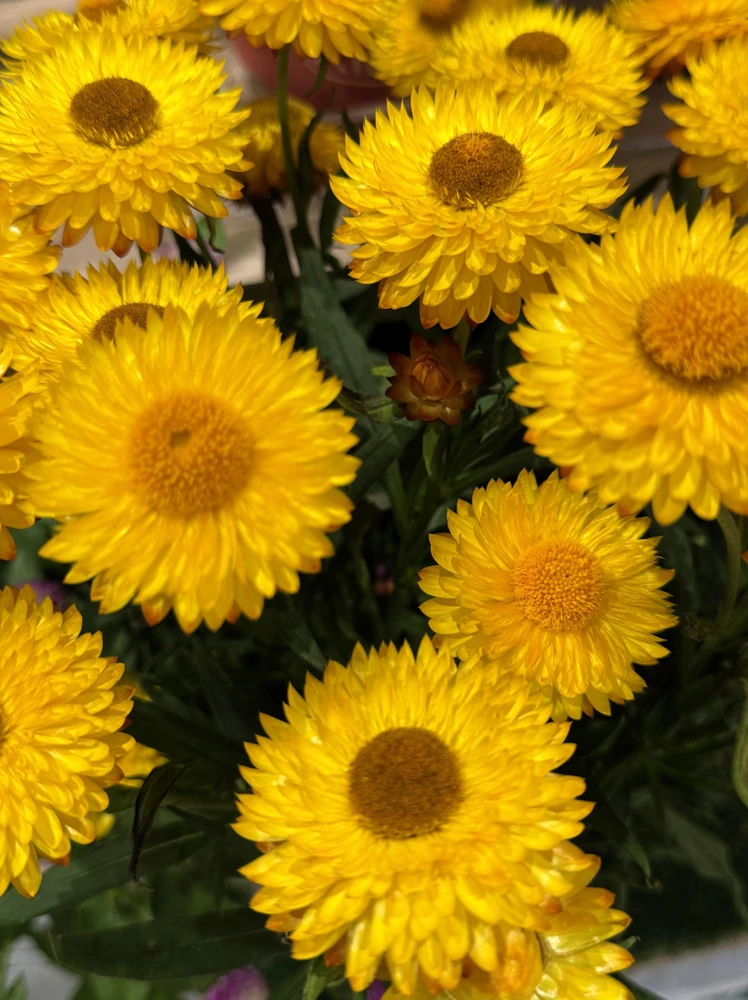
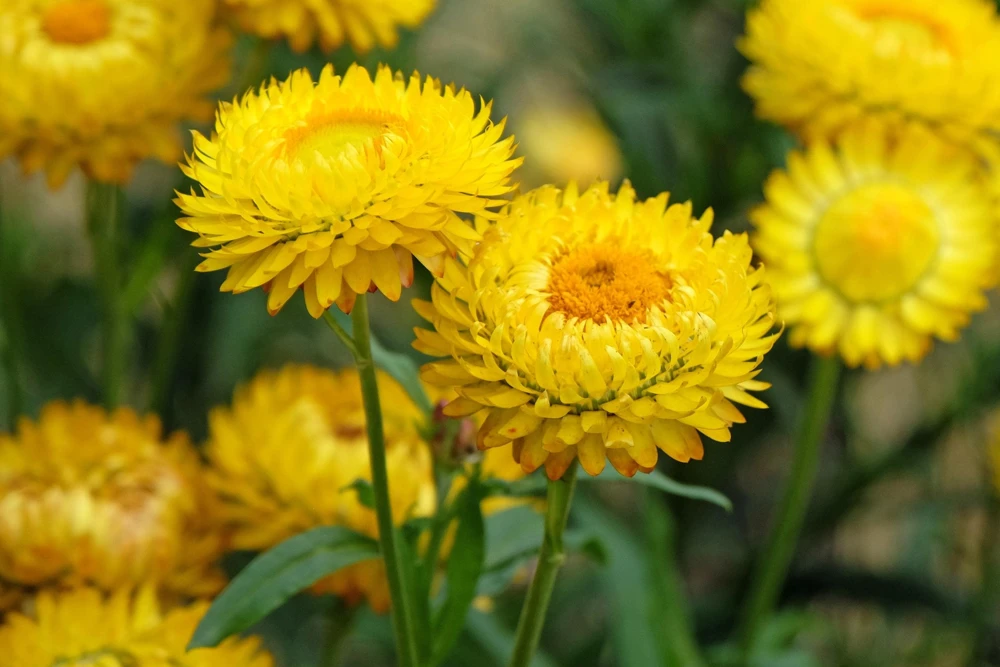
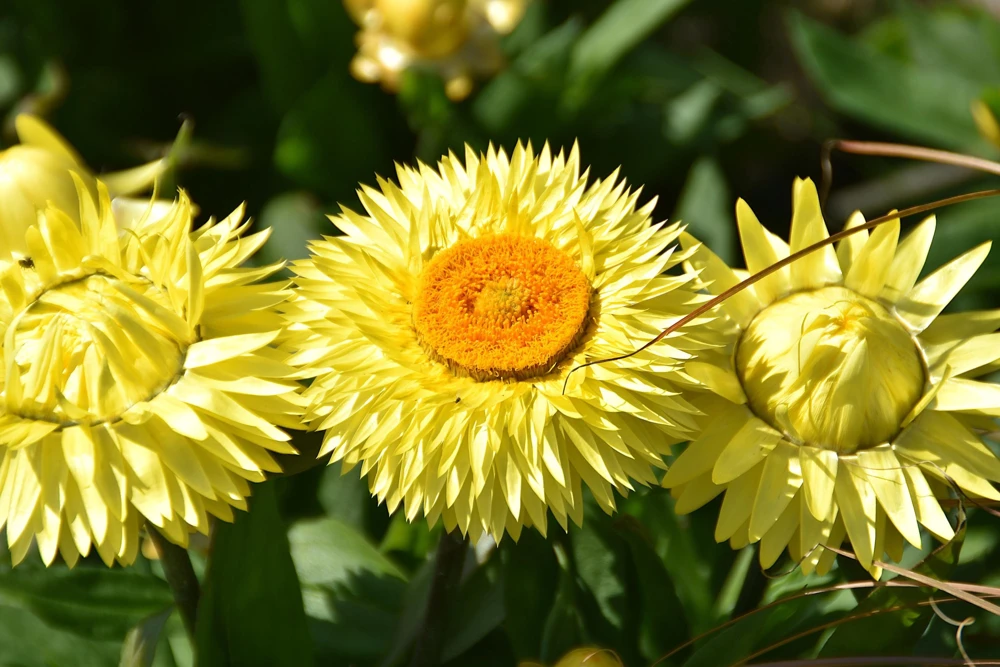
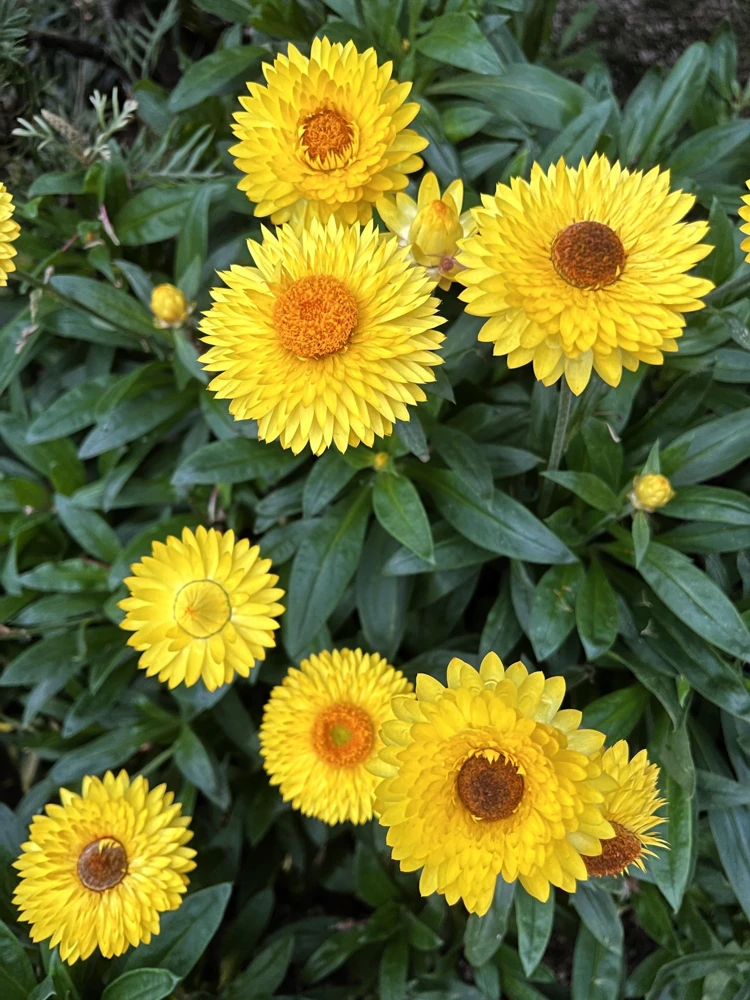
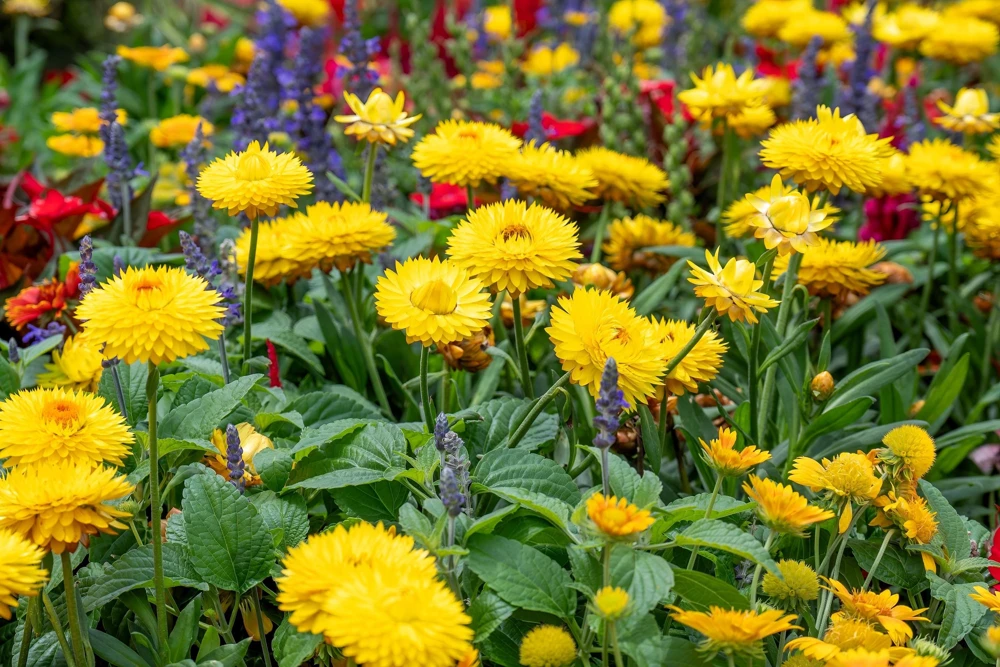
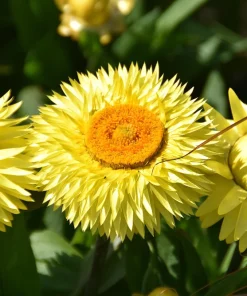
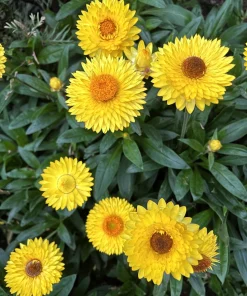
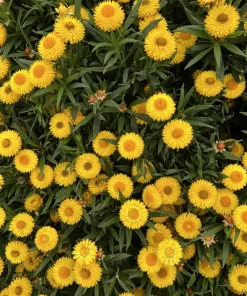
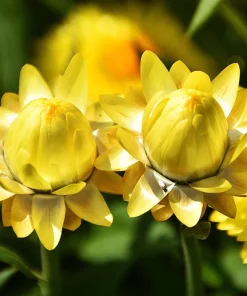
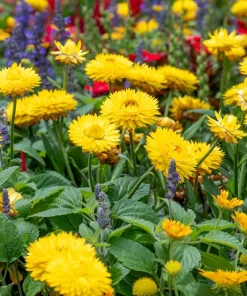
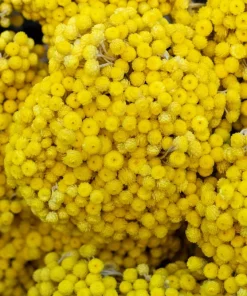
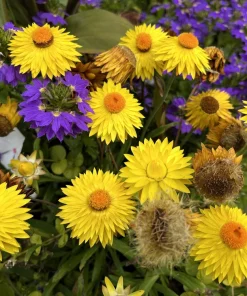
Cultivate stunning yellow double strawflower seeds (Helichrysum Bracteatum) for vibrant, long-lasting blooms. These everlasting flower seeds are ideal for cutting and drying, adding cheerful color to any garden. Enjoy these beautiful, deer resistant flower seeds that thrive in full sun.
Estimated arrival
Sep 14
Sep 19 - Sep 21
Sep 24 - Sep 28
Shop With Confidence
30-Day Plant Health Guarantee
Arrives damaged? We’ll replace it free — see our return policy.
Responsive Support
Email us anytime, we reply within 1 business day.
Expert Packaging
Temperature-controlled shipping to protect your plants in transit.
Secure Checkout
Pay safely with Visa, Mastercard, PayPal.
Plant Specifications
-
USDA Hardiness Zone
N/A (Grown as annual, reseeds easily) -
Soil Type
Average to well-draining soil -
Sunlight Exposure
Full sun -
Expected Planting Period
Outdoors after frost / Indoors weeks before last frost
Overview
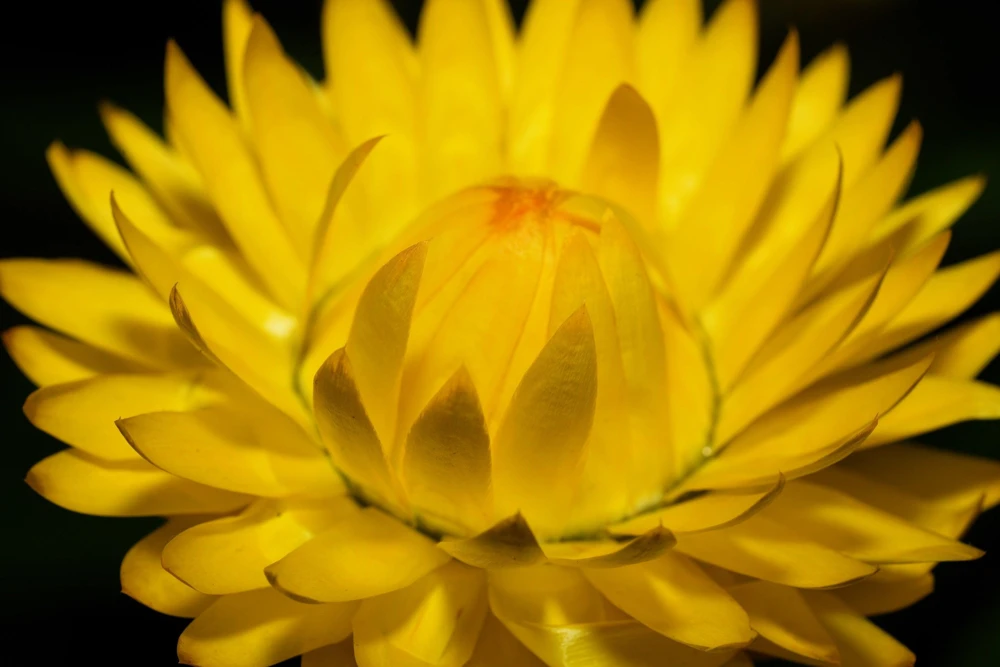
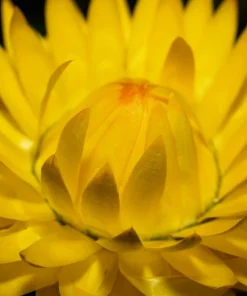
Embark on a rewarding gardening journey with our premium yellow double strawflower seeds. Each packet contains 50 high-quality seeds of Helichrysum Bracteatum Monstrosum, also known as Xerochrysum Bracteatum, promising a garden full of vibrant yellow, double-blooming flowers. The strawflower is renowned for its unique papery texture, earning it the nickname ‘everlasting flower’ due to its ability to retain its color and form long after being cut and dried. This makes them an exceptional choice for floral arrangements, crafts, and adding permanent beauty to your home. These easy-to-grow annuals bring a cheerful disposition to any sunny garden bed or container, providing continuous blooms throughout the entire summer season. Their striking appearance and hardy nature make them a favorite among gardeners seeking both beauty and resilience.
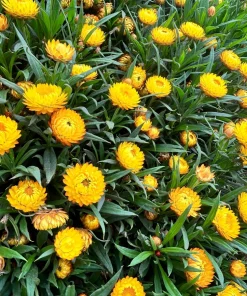
Cultivating Helichrysum bracteatum seeds is a delightful experience, yielding plants that reach an impressive height of 36 to 48 inches. The 2-3 inch double blooms are a spectacle, attracting beneficial pollinators while deterring deer, making them a practical and attractive addition to your landscape. Whether you are an experienced gardener or just starting, these seeds offer a straightforward path to a spectacular floral display. Their adaptability and low maintenance requirements ensure that you can enjoy their beauty with minimal fuss, transforming your outdoor space into a haven of color and charm.
Key Benefits
Discover the numerous advantages of incorporating yellow double strawflower seeds into your garden. These remarkable flowers offer a blend of aesthetic appeal and practical benefits, making them a superb choice for various gardening needs.
- Everlasting Blooms: The primary appeal of strawflowers is their ‘everlasting’ quality. Once dried, these flowers retain their vibrant yellow color and distinctive texture indefinitely, making them perfect for long-lasting bouquets, wreaths, and other decorative crafts. You can enjoy their beauty year-round.
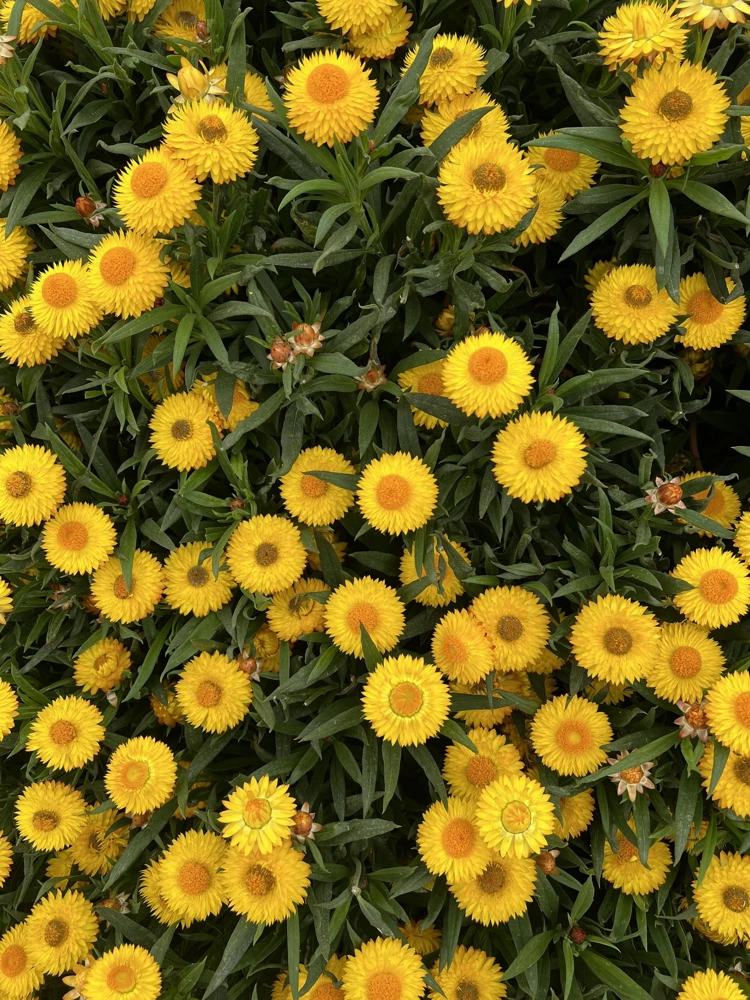
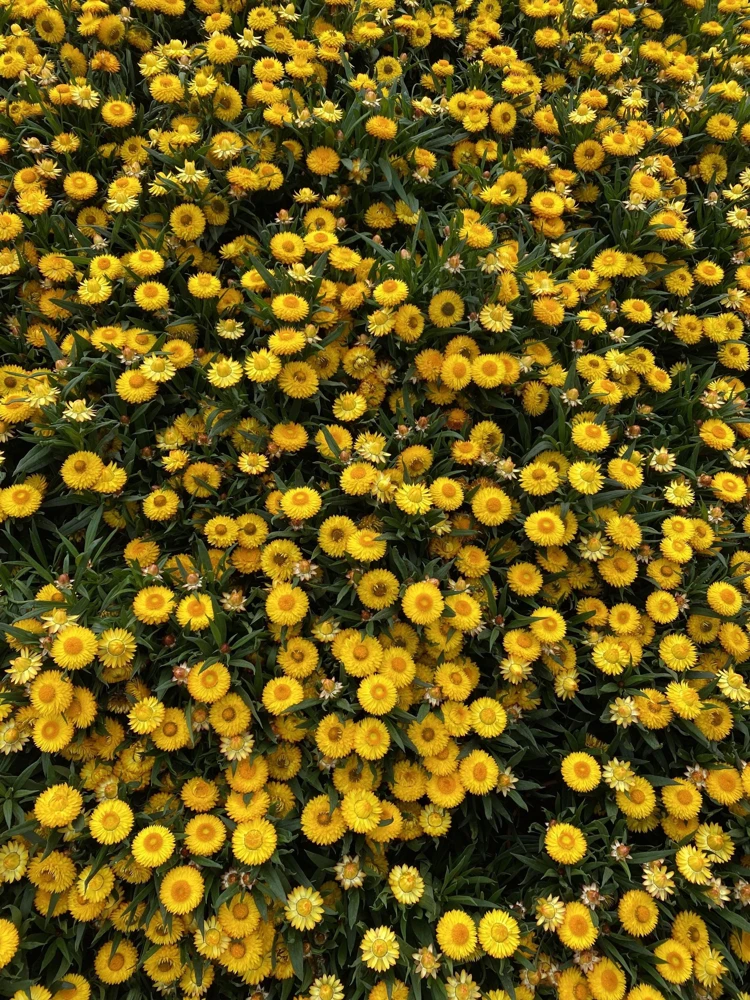
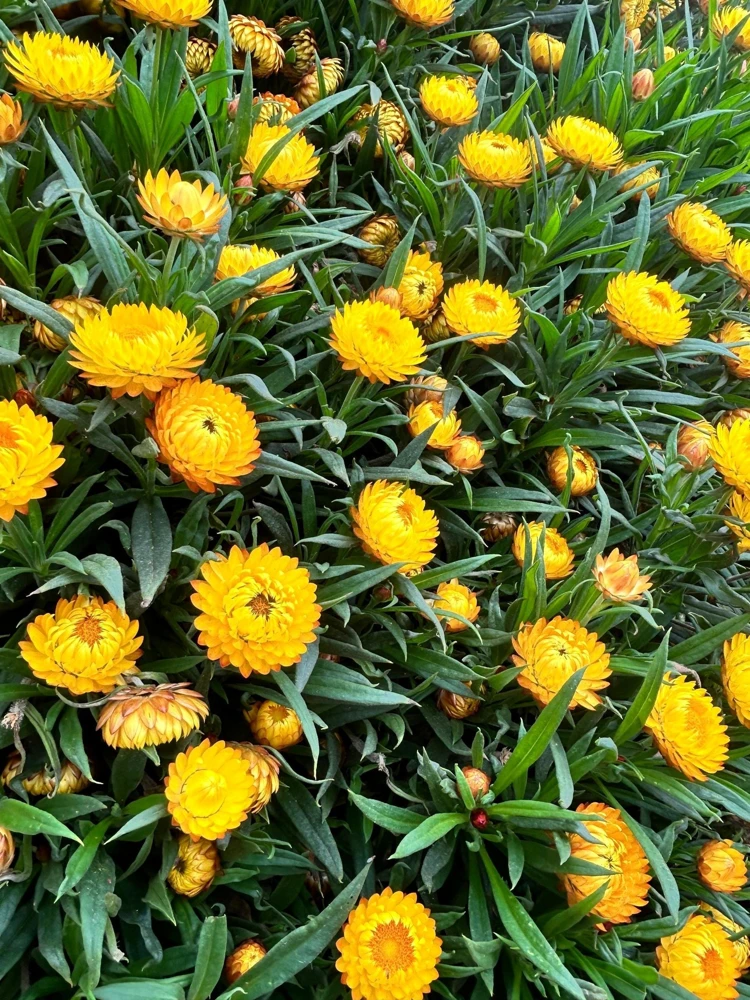
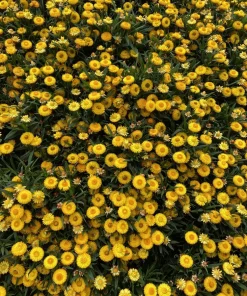
- Vibrant Garden Color: These seeds produce stunning 2-3 inch double yellow blooms that provide a continuous splash of cheerful color throughout the entire summer. They are excellent for brightening up garden beds, borders, and containers, creating a lively and inviting atmosphere.
- Excellent for Cutting & Drying: If you love fresh flowers but wish they lasted longer, strawflowers are your answer. Their sturdy stems and durable petals make them ideal for cutting. Drying them is simple, allowing you to create beautiful, permanent floral arrangements for your home.
- Deer Resistant: For gardeners in areas prone to deer, these deer resistant flower seeds offer peace of mind. Deer typically avoid strawflowers, helping to protect your vibrant blooms from being eaten, ensuring a more successful and beautiful garden.
- Attracts Pollinators: While deterring deer, strawflowers are highly attractive to beneficial pollinators such as bees and butterflies. Planting them helps support local ecosystems and encourages biodiversity in your garden, contributing to a healthier environment.
- Low Maintenance & Drought Tolerant: Once established, strawflowers are remarkably resilient. They prefer average to dry soil conditions and are quite drought-tolerant, making them an excellent choice for xeriscaping or gardens in drier climates. They require minimal fuss for maximum impact.
- Acts Like a Perennial: Although technically an annual, the strawflower often readily reseeds itself in many climates, giving the impression of a perennial. This natural propagation means you might enjoy new strawflower plants year after year without replanting, especially when you grow strawflower from seed.
Plant Care & Growing Tips
Successfully growing yellow double strawflower seeds is straightforward, even for novice gardeners, given their robust and adaptable nature. These beautiful plants thrive with proper care, ensuring a spectacular display of everlasting blooms. For optimal growth, it’s crucial to understand their specific needs regarding light, soil, water, and general maintenance.
Sunlight Requirements: Strawflowers are sun-loving plants, demanding full sun exposure to produce their most abundant and vibrant blooms. Aim for at least 6-8 hours of direct sunlight per day. Planting them in a location that receives ample morning sun is ideal, as it helps to dry dew from the leaves, reducing the risk of fungal issues. In extremely hot climates, some afternoon shade can be beneficial, but generally, more sun equals more flowers. If you’re looking to grow strawflower from seed indoors before transplanting, ensure they receive strong light from a south-facing window or under grow lights to prevent legginess.
Watering Schedule and Soil Moisture: These plants are quite drought-tolerant once established, preferring average to dry soil conditions. Overwatering is a common mistake and can lead to root rot. Water thoroughly when the top inch or two of soil feels dry to the touch, then allow the soil to dry out slightly before the next watering. Good drainage is paramount. During prolonged dry spells or extreme heat, more frequent watering may be necessary, especially for plants in containers. Reduce watering in cooler, wetter weather. This careful approach to moisture will help your Helichrysum bracteatum seeds develop into strong, healthy plants.
Soil Type and Drainage: Strawflowers are not particularly fussy about soil type but absolutely require well-draining soil. They can tolerate a range of soil pH, from slightly acidic to slightly alkaline. A sandy loam or a loamy soil enriched with some organic matter provides an excellent growing medium. If your soil is heavy clay, amend it with compost, perlite, or sand to improve drainage. Poorly draining soil will lead to various problems, including root rot, so ensuring good drainage is key to success when you grow strawflower from seed. Plant spacing should be approximately 6 inches apart to allow for proper air circulation and root development.
Temperature Range and Hardiness: Strawflowers are typically grown as annuals in most regions, meaning they complete their life cycle within one growing season. However, they are known to readily reseed themselves, acting like a perennial in many zones. They prefer warm temperatures and are sensitive to frost. Plant outdoors after all danger of frost has passed in spring. They generally thrive in temperatures between 65-85°F (18-29°C). While specific USDA hardiness zones are not applicable for annuals, their ability to reseed makes them a delightful surprise year after year, particularly for those passionate about everlasting flower seeds.
Fertilization: Strawflowers are not heavy feeders and generally do not require extensive fertilization. If your soil is poor, you can amend it with a balanced, slow-release granular fertilizer at planting time, or a liquid feed at half strength once a month during the peak growing season. Avoid over-fertilizing, especially with high-nitrogen fertilizers, as this can promote leafy growth at the expense of flowers. Focus on healthy soil structure and adequate sunlight for the best blooms. Consistent care will ensure your yellow double strawflower seeds produce abundant and vibrant flowers.
Common Problems and Solutions: Strawflowers are relatively pest and disease resistant. The most common issues arise from improper watering. Watch out for powdery mildew in humid conditions or if plants are too crowded; ensure good air circulation. Aphids can occasionally be a problem; a strong spray of water or insecticidal soap can usually manage them. Slugs and snails might be attracted to young seedlings; use organic slug bait or physical barriers if needed. Overall, these are robust plants that reward minimal effort with beautiful, long-lasting flowers.
Size & Details
Each packet contains 50 Seeds of the vibrant Yellow Double Strawflower (Helichrysum Bracteatum Monstrosum). These plants are known for their impressive growth, reaching a mature height of 36 to 48 inches, making them an excellent choice for adding vertical interest to your garden beds or as a striking backdrop. The distinctive double blooms, measuring 2 to 3 inches in diameter, showcase a rich yellow hue that maintains its color exceptionally well, even after drying. When planting outdoors, ensure a spacing of approximately 6 inches between each plant to allow for optimal growth and air circulation. The strawflower boasts an extended bloom time, offering continuous flowering throughout the entire summer season, providing a constant source of cheerful color and valuable cutting material. For those looking to grow strawflower from seed, these plants are adaptable and will reward diligent care with an abundance of flowers. The seeds are typically planted outdoors after the last frost or can be started indoors several weeks prior to the last frost date for an earlier display.
Frequently Asked Questions
- Q: How big do these strawflower plants get? A: These yellow double strawflower seeds will grow into plants that typically reach a height of 36 to 48 inches (3 to 4 feet) tall, making them a substantial and eye-catching addition to your garden.
- Q: Are these plants suitable for containers? A: Yes, strawflowers can be grown successfully in large containers, provided they have good drainage and sufficient space for their root system. Ensure the container is at least 10-12 inches in diameter for mature plants.
- Q: How much sunlight do these strawflowers need? A: Strawflowers thrive in full sun, requiring at least 6-8 hours of direct sunlight daily to produce the most abundant and vibrant blooms. They are not suited for shady locations.
- Q: Is this plant easy to care for? A: Yes, strawflowers are considered low-maintenance plants. Once established, they are drought-tolerant and relatively pest-free, making them an excellent choice for both beginner and experienced gardeners.
- Q: When is the best time to plant these seeds? A: You can plant Helichrysum bracteatum seeds outdoors after the last frost in spring, or start them indoors 6-8 weeks before the last expected frost date for an earlier bloom.
- Q: Can I dry these flowers for arrangements? A: Absolutely! Strawflowers are famously known as ‘everlasting flowers’ because they retain their color and shape beautifully when dried, making them perfect for long-lasting floral arrangements and crafts.
- Q: Are these strawflowers deer resistant? A: Yes, strawflowers are generally considered deer resistant flower seeds. Deer typically avoid eating them, which is a great advantage for gardeners in areas with deer populations.
- Q: What kind of soil do strawflowers prefer? A: Strawflowers prefer average to dry soil with excellent drainage. They are not particular about soil type but cannot tolerate soggy conditions, which can lead to root rot.
- Q: Will these plants reseed themselves? A: While technically annuals, strawflowers are known to readily reseed themselves in many climates, often giving the appearance of perennial growth in subsequent years.
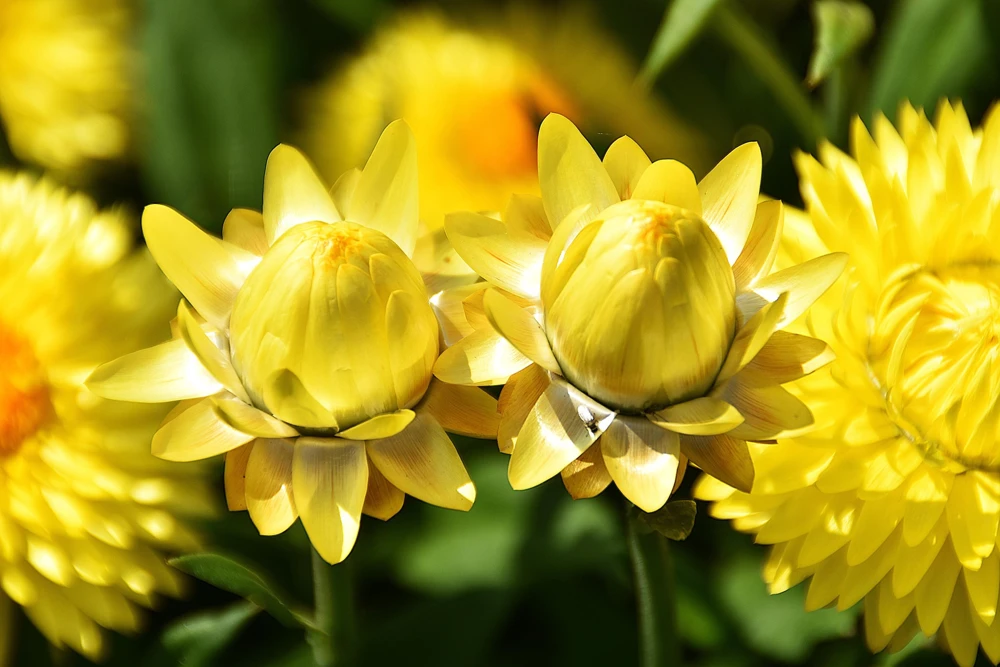
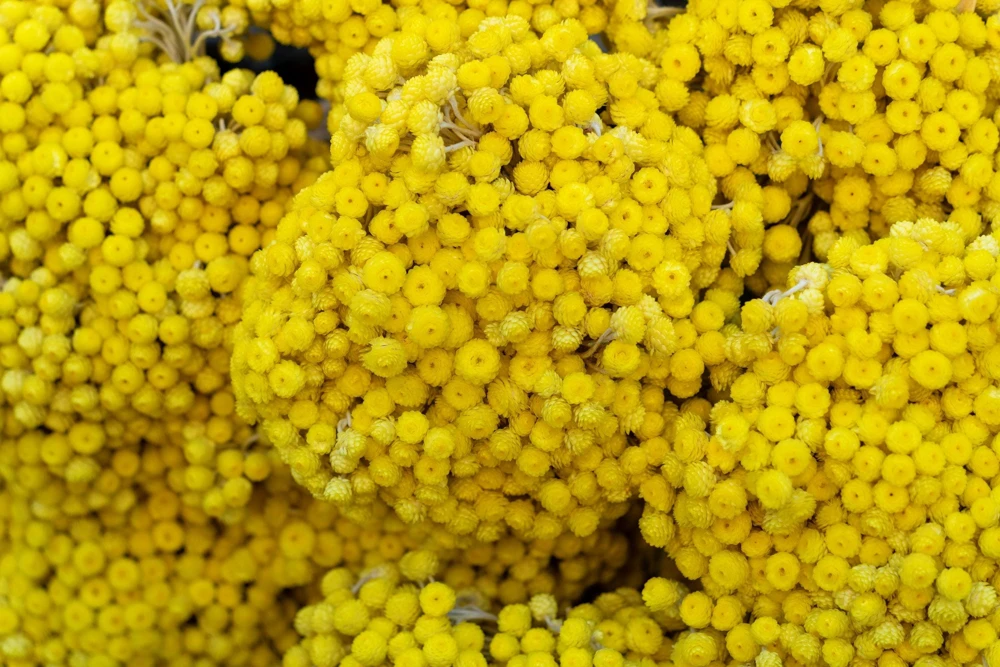
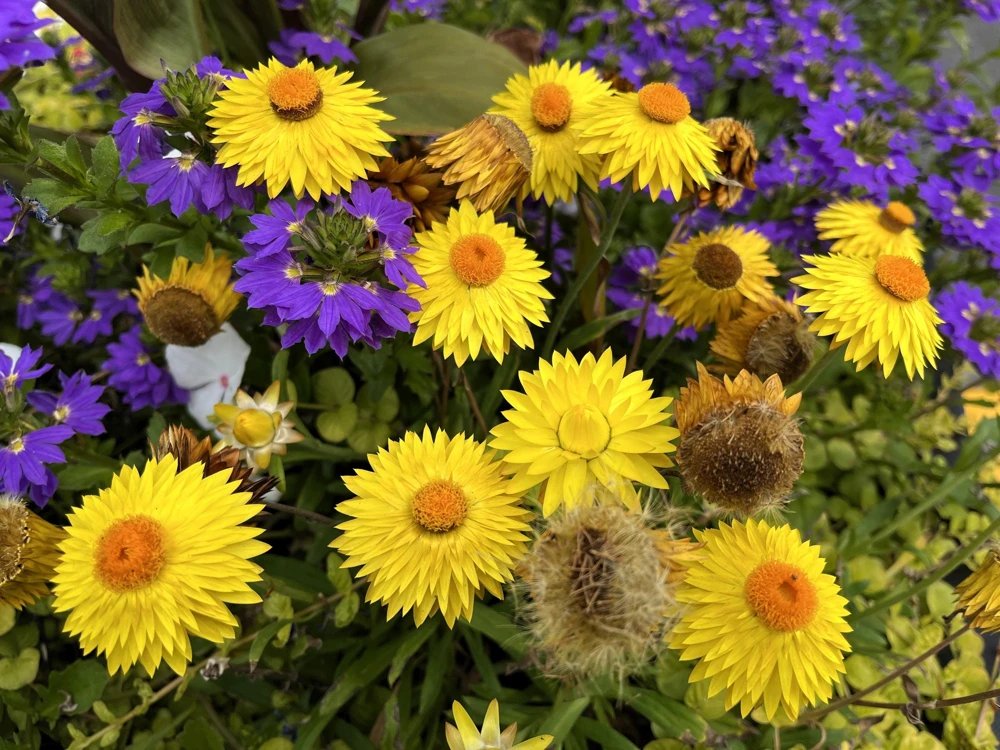
- Q: What color are the blooms? A: These specific everlasting flower seeds will produce beautiful, bright yellow, double-form blooms, adding a cheerful splash of color to your garden.
Be the first to review “50 Yellow Double Strawflower Seeds – Helichrysum Bracteatum – Everlasting Flower”
People Also Viewed
Vegetable Seeds
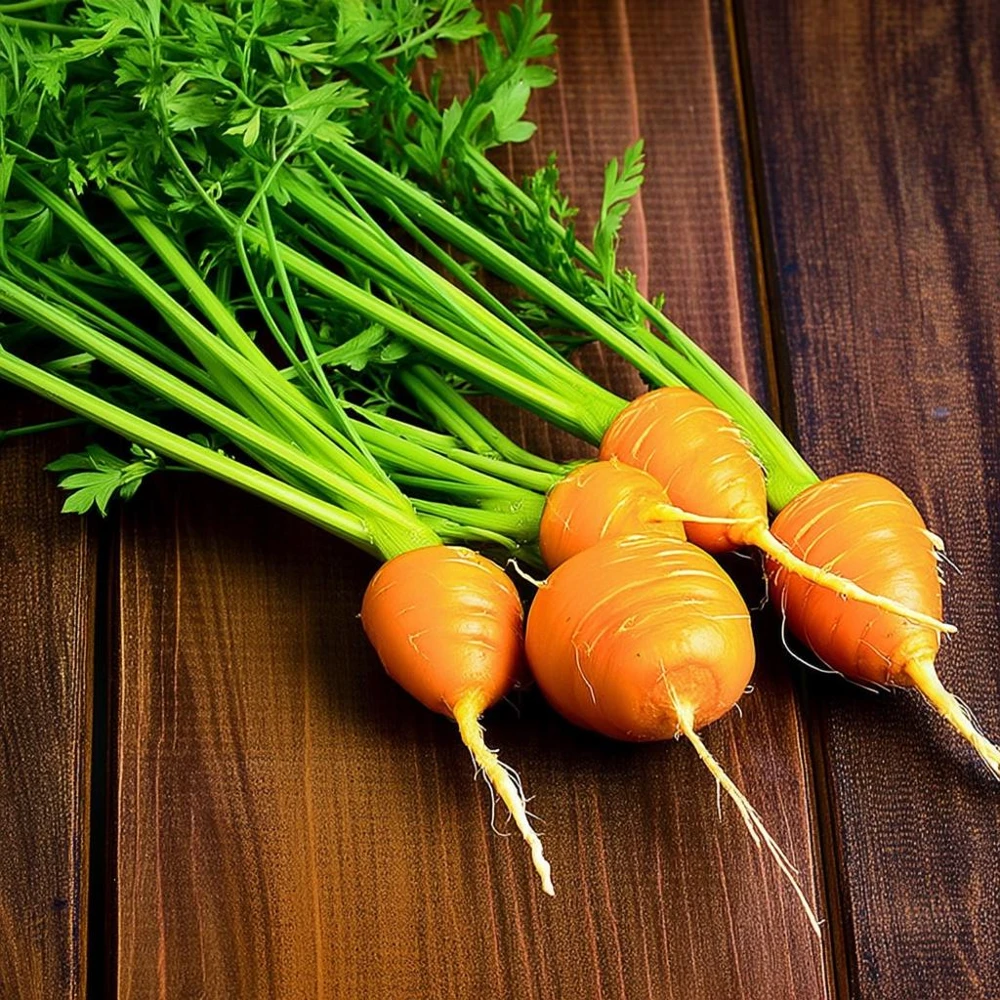
Organic Parisian Carrot Seeds – Heirloom Round Carrots (250 Seeds) – Vegetable Seeds
Flower Seeds
Himalayan Blue Poppy Seeds – Meconopsis Grandis Perennial Blue Flower – 500 Seeds for Home Garden
Reviews
There are no reviews yet.