


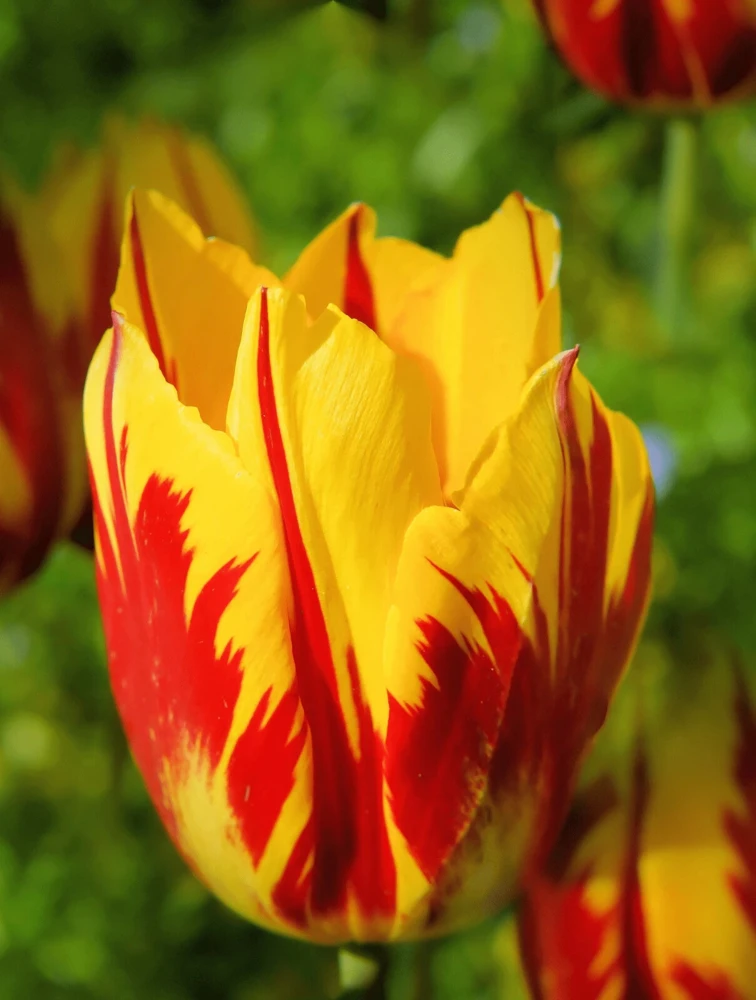
50 Tulip Seeds – Fresh Flowering Tulip Seeds for Garden Planting
Original price was: $49.99.$24.99Current price is: $24.99.
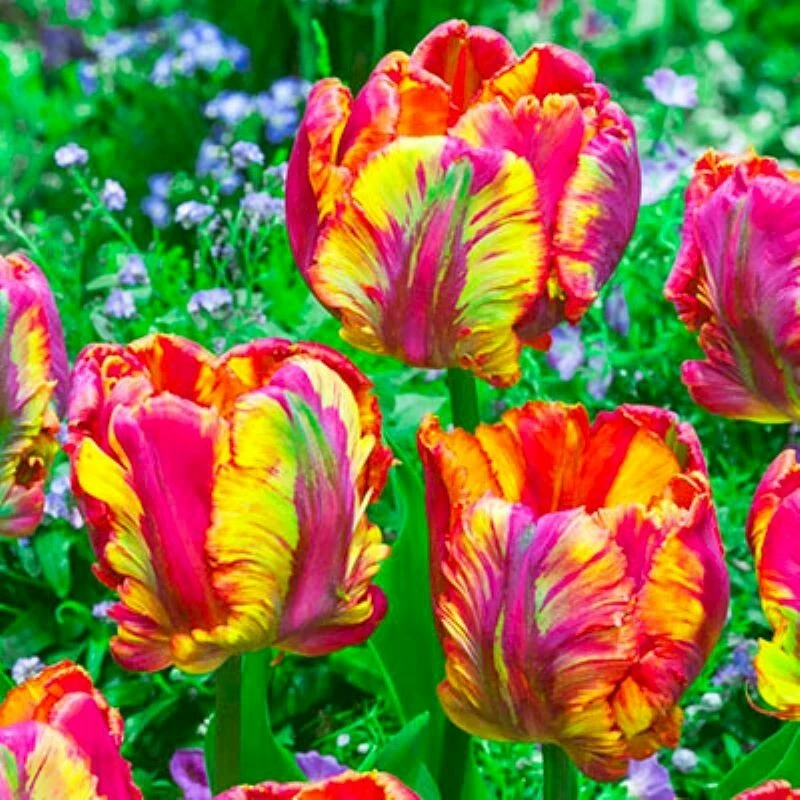
Cultivate a stunning garden with our pack of 50 tulip seeds. These fresh tulip seeds are perfect for growing vibrant, beautiful flowering tulips, adding a touch of elegance to any outdoor space.
Estimated arrival
Oct 25
Oct 30 - Nov 01
Nov 04 - Nov 08
Shop With Confidence
30-Day Plant Health Guarantee
Arrives damaged? We’ll replace it free — see our return policy.
Responsive Support
Email us anytime, we reply within 1 business day.
Expert Packaging
Temperature-controlled shipping to protect your plants in transit.
Secure Checkout
Pay safely with Visa, Mastercard, PayPal.
Plant Specifications
-
USDA Hardiness Zone
USDA zones 3-8 -
Soil Type
Well-draining, fertile soil -
Sunlight Exposure
Full sun -
Expected Planting Period
Fall
Overview
Transform your garden into a breathtaking display of color with our premium pack of 50 tulip seeds. This generous quantity allows you to sow a spectacular bed of these beloved spring flowers. Unlike traditional bulbs, growing tulip seeds offers a unique and rewarding experience, allowing you to witness the entire life cycle of these magnificent plants from germination. Our fresh tulip seeds are carefully selected to ensure high viability and are ready to grow, promising a beautiful outcome for both novice and experienced gardeners. Tulips, scientifically known as Tulipa, are iconic for their elegant cup-shaped blooms and a vast array of colors, making them a staple in spring gardens worldwide. Planting seeds provides an economical way to achieve a vibrant, diverse tulip patch.
Embark on the journey of growing your own tulips and enjoy the satisfaction of nurturing these exquisite flowers from their very beginning. Each seed holds the potential for a stunning bloom, contributing to a truly personalized garden landscape. Our fresh tulip seeds are an excellent choice for anyone looking to add a splash of spring charm to their outdoor living areas, creating an inviting and picturesque environment.
Key Benefits
Growing tulips from seeds offers numerous advantages, allowing you to enjoy the beauty and wonder of these flowers with a unique sense of accomplishment. Our tulip seeds provide an accessible and rewarding gardening experience.
- Cost-Effective Gardening: Planting tulip seeds is significantly more economical than purchasing mature bulbs, allowing you to cultivate a larger, more diverse collection of tulips for a fraction of the cost. This makes extensive garden projects more feasible and budget-friendly.
- Rewarding Growing Experience: Witnessing the full life cycle of a tulip, from a tiny seed to a magnificent bloom, is an incredibly fulfilling experience for any gardener. It offers a deeper connection to nature and a greater appreciation for the plant’s development.
- Genetic Diversity: Seeds often produce tulips with slight variations, leading to a unique and diverse display of colors and forms in your garden. This natural genetic variation can result in delightful surprises and one-of-a-kind blooms that you won’t find with cloned bulbs.
- Extended Bloom Season: By planting seeds, you can often achieve a staggered blooming period, extending the joy of flowering tulips in your garden over a longer duration. This provides continuous visual interest throughout the spring season.
- Propagation Potential: For dedicated gardeners, growing from seed opens up possibilities for propagating new varieties and expanding your tulip collection. It’s a fundamental step for those interested in plant breeding and horticultural experimentation.
- Educational Value: It’s an excellent educational project for families and children, teaching patience, biology, and the wonders of plant growth. Understanding how to grow tulip from seed can inspire a lifelong love for gardening.
- Fresh and Viable: Our fresh tulip seeds are selected for their viability, ensuring a higher success rate for germination and healthy plant development, giving you the best possible start to your tulip garden.
Plant Care & Growing Tips
Successfully growing tulip seeds requires patience and attention to specific environmental conditions. While different from planting bulbs, the process is incredibly rewarding. To begin, select a well-draining location in your garden that receives at least 6 hours of full sun daily. Tulips thrive in rich, fertile soil. Amend your garden bed with organic matter such as compost to improve soil structure and nutrient content. Ensure the soil pH is neutral to slightly acidic, ideally between 6.0 and 7.0. Proper drainage is crucial, as tulips do not tolerate soggy conditions, which can lead to rot.
Sow your tulip seeds in the fall, about 6-8 weeks before the first hard frost. This allows them to undergo a period of cold stratification, which is essential for germination. Plant the seeds about 1/4 inch deep and space them 2-3 inches apart. Lightly cover with soil and water gently. Keep the soil consistently moist but never waterlogged. Germination can be slow and sporadic, often taking several weeks or even months. Providing a consistent moisture level is key during this initial phase. Once seedlings emerge, thin them to about 6 inches apart to allow for proper air circulation and growth. Protecting young seedlings from pests and harsh weather conditions is also important.
Watering requirements for mature plants will depend on rainfall, but generally, tulips need about an inch of water per week during their growing season. Reduce watering after the blooms fade and the foliage begins to yellow. Fertilize established plants in early spring with a balanced, slow-release fertilizer to support strong growth and vibrant blooms. Protecting your emerging seedlings from common garden pests like slugs and snails is important. Learning the best practices for a tulip planting guide will set you up for success, ensuring your garden flourishes with beautiful blooms. Remember that tulips grown from seed typically take 3-7 years to produce their first flower, but the wait is well worth it for the unique and beautiful results.
Size & Details
This package contains 50 tulip seeds, providing ample opportunity to establish a beautiful and extensive tulip patch in your garden. Each seed is a potential future bloom, offering a unique journey from seed to flower. When mature, tulips typically grow to a height of 12-24 inches, depending on the specific variety, with a spread of about 4-6 inches per plant. The growth rate from seed is initially slow, with the first leaves emerging in spring after fall planting. However, it takes several years for the plants to develop enough energy to produce their first flowers. Expect your first blooms anywhere from 3 to 7 years after sowing, a testament to the patience and dedication of a true gardener. These seeds are ideal for outdoor planting, designed to thrive in a garden bed where they can receive adequate sunlight and space to develop into stunning flowering tulip seeds.
Frequently Asked Questions
- Q: How big do tulips grown from seed get? A: Tulips grown from seed typically reach a mature height of 12-24 inches, with a spread of 4-6 inches, depending on the specific variety and growing conditions. The size can vary, but they generally achieve similar dimensions to bulbs once mature enough to flower.
- Q: Is this an indoor or outdoor plant? A: These tulip seeds are primarily intended for outdoor planting. Tulips require a period of cold dormancy (stratification) to germinate and thrive, making them best suited for garden beds where they can experience natural seasonal changes.
- Q: How much sunlight do tulip seeds need to grow? A: Once germinated and growing, tulips require at least 6 hours of full sun per day to produce strong plants and abundant blooms. Ensure your planting location offers adequate sunlight exposure for optimal growth.
- Q: Is growing tulip from seed easy for beginners? A: While growing tulips from seed requires more patience and specific conditions than planting bulbs, it is a rewarding experience. Following a good tulip planting guide and providing consistent care can make it achievable for beginners willing to learn.
- Q: What condition will the seeds arrive in? A: The 50 tulip seeds will arrive as fresh, viable seeds, ready for planting. They are carefully packaged to ensure their quality and readiness for germination upon arrival, setting you up for success.
- Q: How long until tulips grown from seed bloom? A: Tulips grown from seed can take a considerable amount of time to reach maturity and produce their first flowers, typically ranging from 3 to 7 years. This longer timeline is due to the plant needing to build up sufficient energy stores.
- Q: What is the best time to plant tulip seeds? A: The best time to plant tulip seeds is in the fall, approximately 6-8 weeks before the first anticipated hard frost. This timing allows the seeds to undergo the necessary cold stratification period for successful germination in the spring.
- Q: What kind of soil do tulips need? A: Tulips prefer rich, fertile, and well-draining soil with a neutral to slightly acidic pH (6.0-7.0). Amending your soil with organic matter like compost will greatly benefit their growth and prevent waterlogging.
- Q: Will these tulip seeds survive winter in my zone? A: If planted in the fall in appropriate USDA hardiness zones (generally 3-8, depending on variety), the seeds will undergo natural cold stratification during winter. The resulting plants are hardy and will emerge in spring.
- Q: Can I collect seeds from my own tulips? A: Yes, once your tulips have flowered and the seed pods mature, you can collect the seeds. This is an excellent way to continue the cycle of growing flowering tulip seeds and potentially develop new varieties over time.
Be the first to review “50 Tulip Seeds – Fresh Flowering Tulip Seeds for Garden Planting”
People Also Viewed



Flower Seeds
Reviews
There are no reviews yet.