



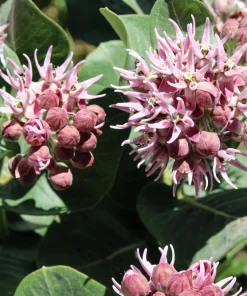
50 Showy Milkweed Asclepias Speciosa Flower Seeds – Pollinator Friendly
Original price was: $36.99.$16.99Current price is: $16.99.
Cultivate a vibrant garden with 50 Showy Milkweed Asclepias Speciosa Flower Seeds. These perennial seeds are perfect for attracting monarch butterflies and other beneficial pollinators, adding beauty and ecological value to your outdoor space.
Estimated arrival
Sep 17
Sep 22 - Sep 24
Sep 27 - Oct 01
Shop With Confidence
30-Day Plant Health Guarantee
Arrives damaged? We’ll replace it free — see our return policy.
Responsive Support
Email us anytime, we reply within 1 business day.
Expert Packaging
Temperature-controlled shipping to protect your plants in transit.
Secure Checkout
Pay safely with Visa, Mastercard, PayPal.
Plant Specifications
-
USDA Hardiness Zone
USDA zones 3-9 -
Soil Type
Well-draining soil -
Sunlight Exposure
Full sun -
Expected Planting Period
Spring to early summer (after stratification)
Overview
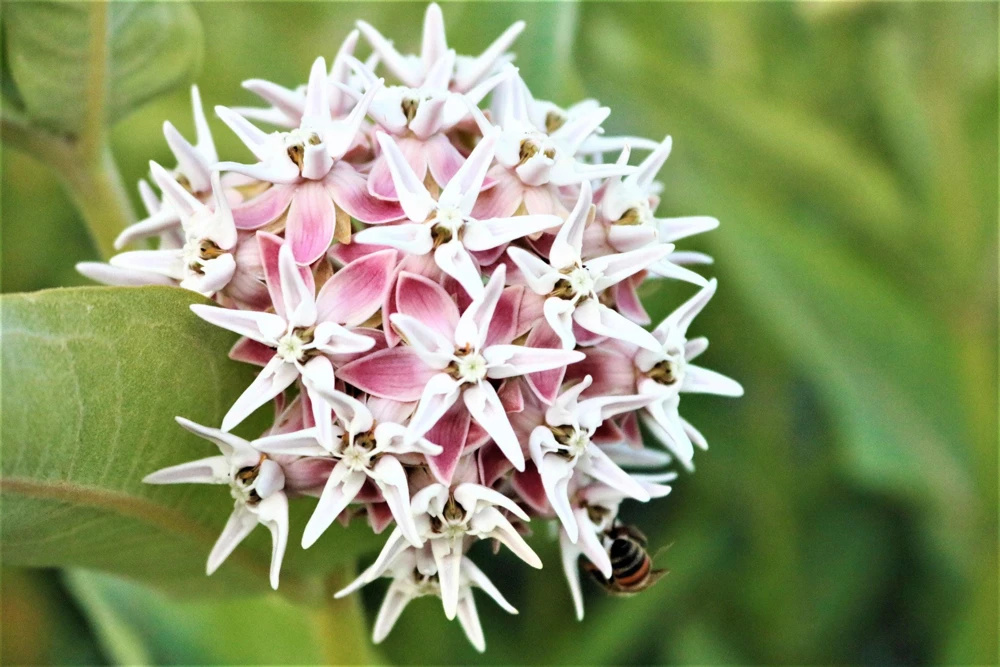
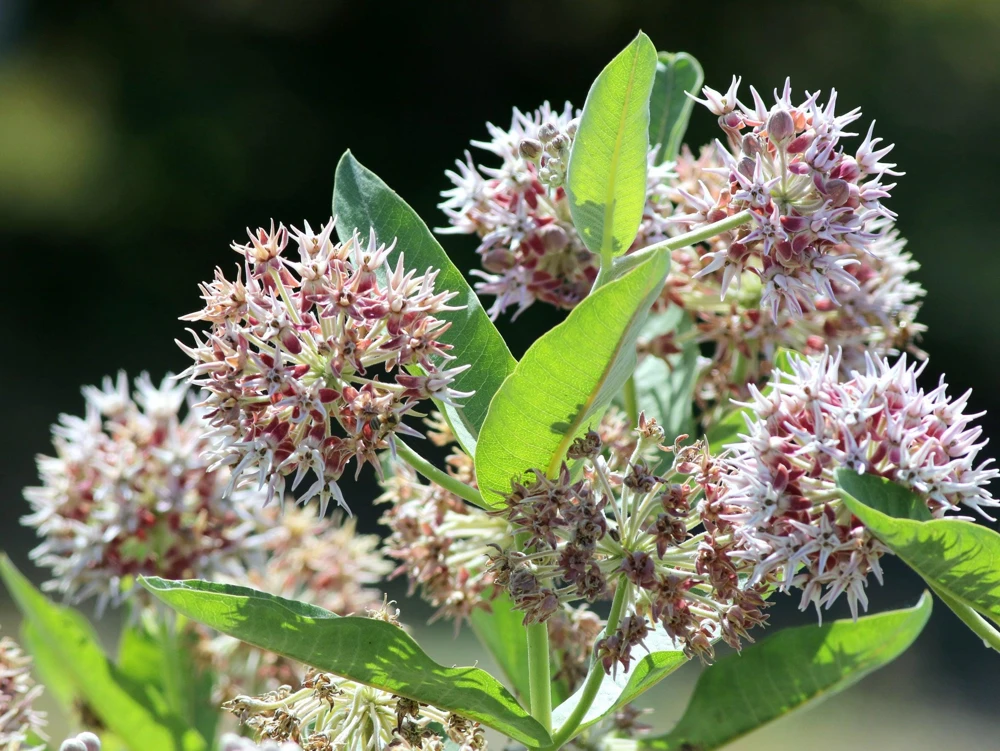
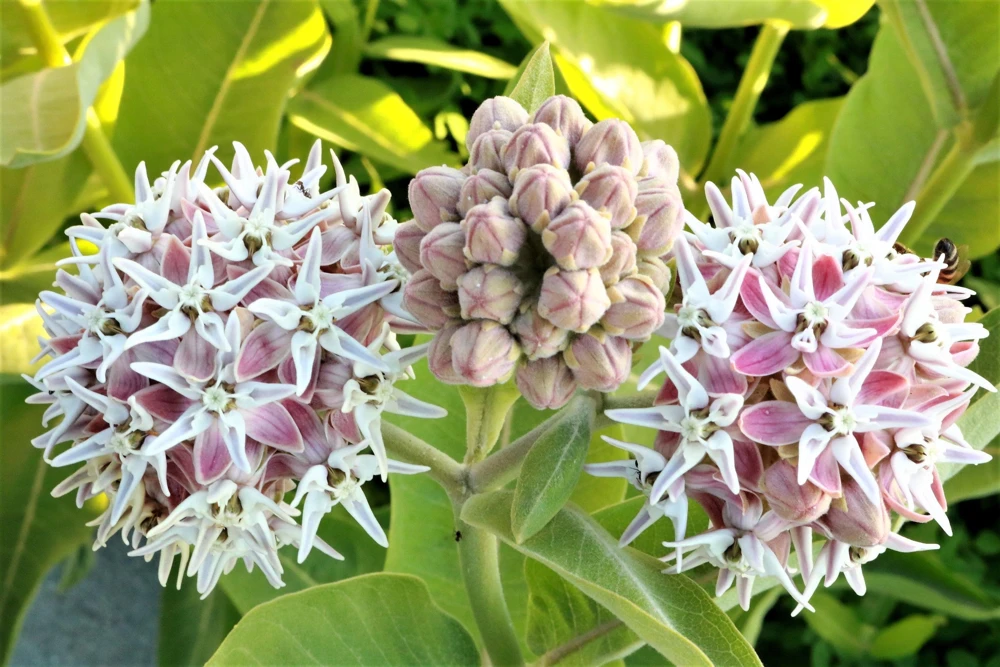
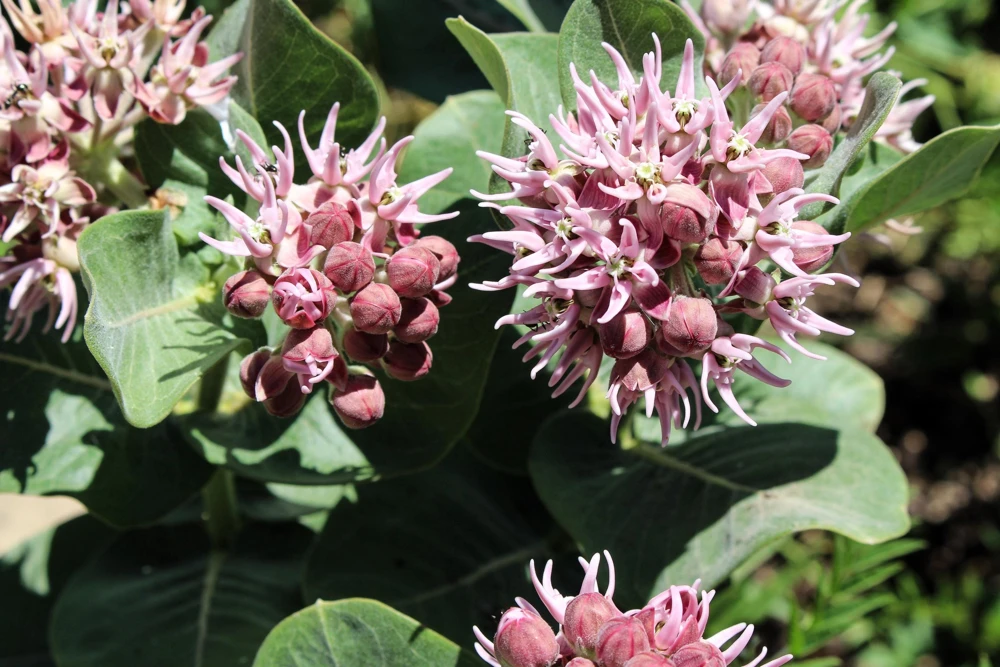
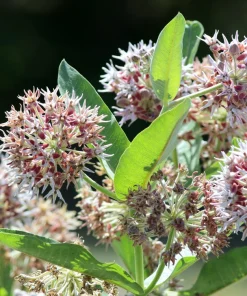
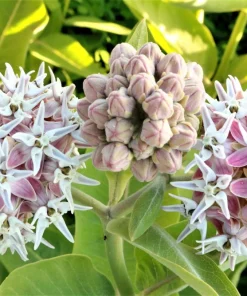
Transform your garden into a haven for wildlife with these premium showy milkweed seeds. Each packet contains 50 Showy Milkweed Asclepias Speciosa Flower Seeds, offering a fantastic opportunity to cultivate a native plant that is crucial for the survival of monarch butterflies. Asclepias Speciosa, commonly known as Showy Milkweed, is celebrated for its stunning pinkish-purple flower clusters and its vital role as a host plant for monarch caterpillars. Beyond its ecological importance, this perennial adds significant aesthetic appeal to any garden with its robust growth and attractive blooms. Growing milkweed from seed is a rewarding experience, allowing you to witness the full life cycle of these magnificent plants and their interaction with pollinators.
These seeds provide a cost-effective and engaging way to establish a thriving patch of Showy Milkweed, contributing to local biodiversity and supporting the monarch population. Whether you’re an experienced gardener or just starting, these easy-to-grow seeds will help you create a beautiful and purposeful garden. The plants are known for their resilience and ability to adapt to various soil conditions, making them a reliable choice for many regions across the United States. Prepare to enjoy the sight of monarchs fluttering around your garden, laying eggs, and feasting on the lush foliage of your newly grown asclepias speciosa seeds.
Key Benefits
Planting showy milkweed seeds offers numerous advantages for both your garden and the environment. These benefits extend beyond just their visual appeal, contributing significantly to a healthy ecosystem:
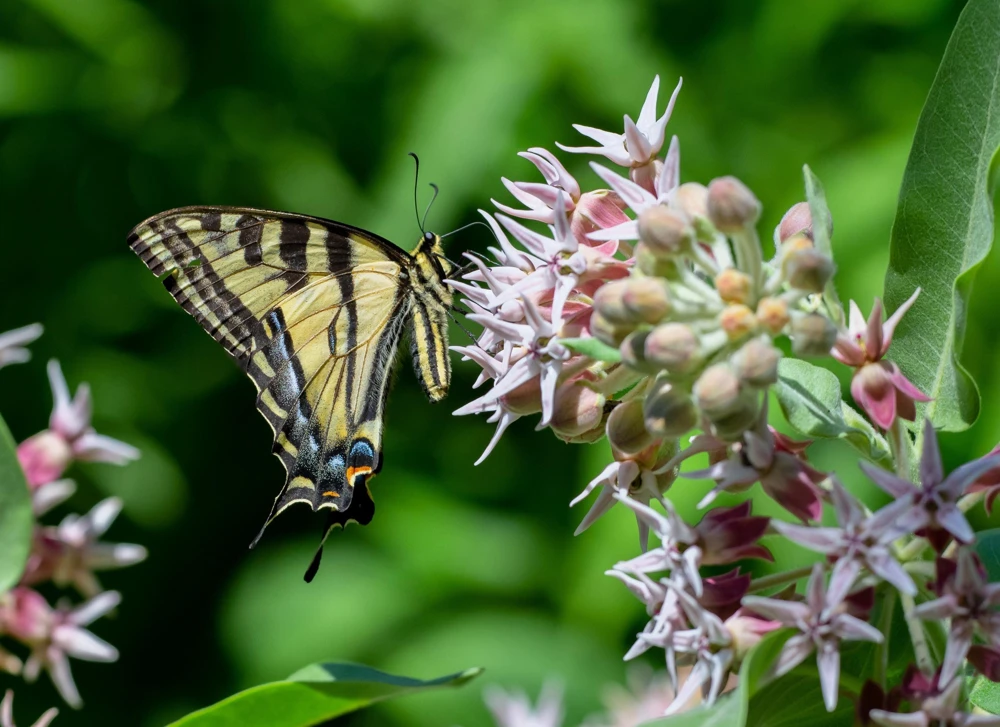
- Monarch Butterfly Habitat: Showy Milkweed is the primary host plant for monarch butterfly caterpillars. By planting these seeds, you provide essential food and shelter, directly supporting the monarch population and aiding in their conservation efforts. Witnessing the transformation from caterpillar to butterfly is a truly magical experience.
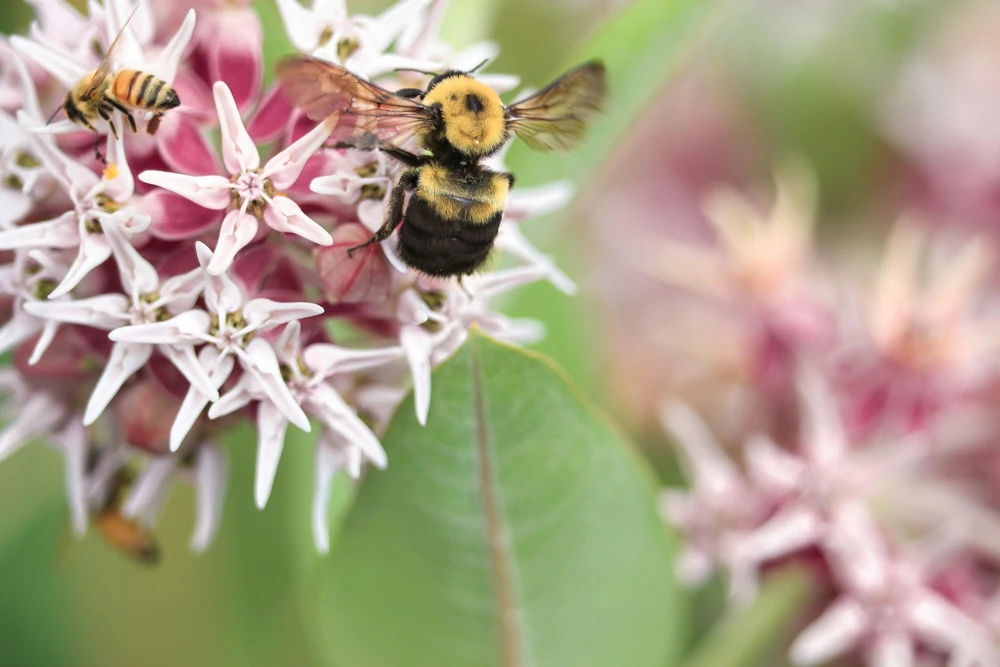
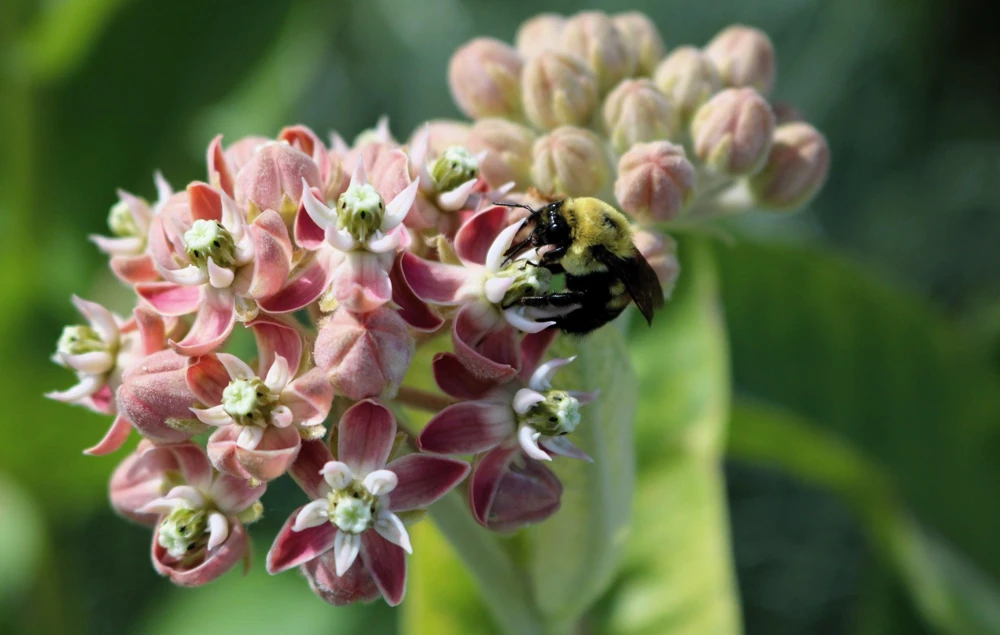
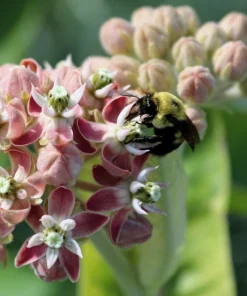
- Attracts Pollinators: The vibrant pink-purple flowers are a magnet for a wide array of pollinators, including bees, hummingbirds, and other beneficial insects. This increases the overall health and productivity of your garden by promoting cross-pollination.
- Drought-Tolerant and Resilient: Once established, Asclepias Speciosa seeds grow into plants that are remarkably drought-tolerant and adaptable to various conditions. This makes them a low-maintenance choice for many garden settings, requiring less frequent watering.
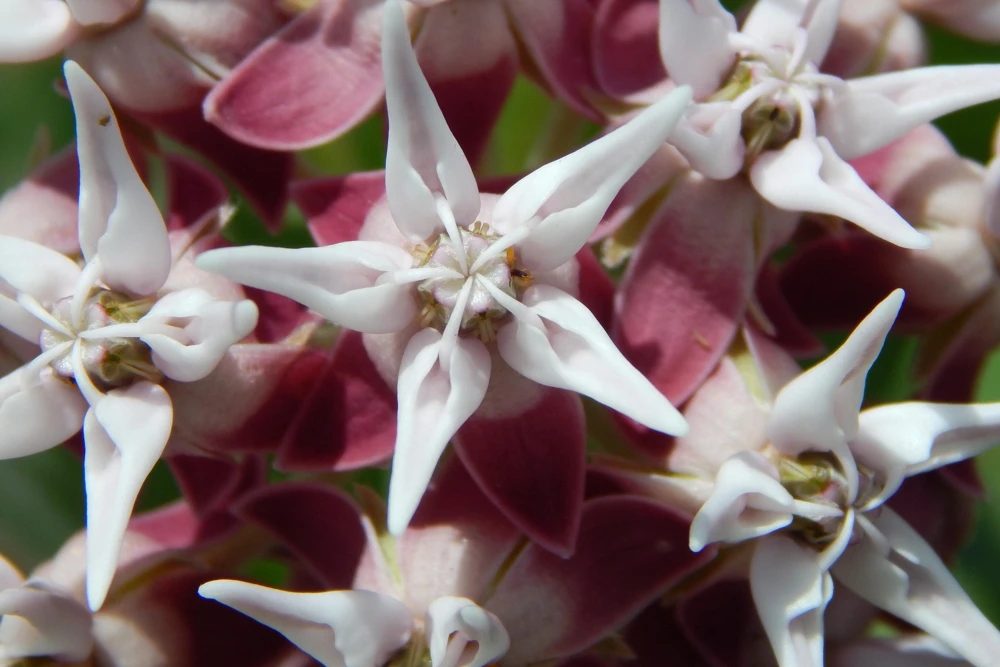
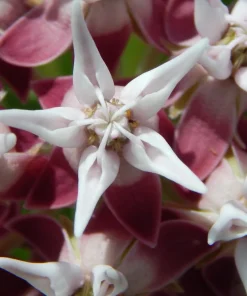
- Beautiful Garden Addition: With their striking star-shaped flowers and attractive foliage, Showy Milkweed plants add significant ornamental value to any landscape. They create a visually appealing focal point and complement other garden plants beautifully.
- Native Plant Advantage: As a native species, Showy Milkweed is well-adapted to local climates and ecosystems, requiring less intervention and contributing to the natural balance of your region. This also helps in reducing the spread of non-native invasive species.
- Easy to Grow from Seed: These showy milkweed seeds are relatively easy to germinate and establish, making them suitable for gardeners of all experience levels. The process of growing them from seed is both educational and deeply satisfying.
- Long Blooming Period: Enjoy the beauty of Showy Milkweed flowers for an extended period during the summer months, providing continuous nectar for pollinators and consistent visual interest in your garden.
Plant Care & Growing Tips
Successfully growing showy milkweed seeds requires attention to a few key details, ensuring healthy plants that will flourish and support monarch butterflies. Start by understanding the importance of stratification, a cold treatment period that mimics winter conditions and helps break seed dormancy. You can achieve this by placing the seeds in a damp paper towel inside a plastic bag in your refrigerator for 30-60 days before planting. This step is crucial for successful germination of asclepias speciosa seeds.
When it comes to planting, choose a site that receives full sun, meaning at least 6-8 hours of direct sunlight per day. Showy Milkweed thrives in well-draining soil and can tolerate a variety of soil types, including sandy, loamy, or clay soils, as long as they are not waterlogged. Plant the seeds about 1/4 inch deep and 6-12 inches apart. Water gently after planting to ensure good seed-to-soil contact. Keep the soil consistently moist until germination, which typically occurs within 10-20 days after stratification. Once seedlings emerge, reduce watering but ensure the soil does not completely dry out, especially during hot periods. Established plants are quite drought-tolerant and will only need occasional watering.
Showy Milkweed is hardy in USDA zones 3-9, making it suitable for a wide range of climates. It generally doesn’t require heavy fertilization; a light application of a balanced, slow-release fertilizer in early spring can be beneficial, especially in poor soils. Watch out for common pests like aphids, which can be managed with a strong spray of water or insecticidal soap. Avoid using systemic pesticides, as these can harm monarch caterpillars and other beneficial insects. Regular weeding around young plants will help reduce competition for nutrients and water. By following these tips, you’ll be well on your way to a thriving pollinator garden seeds haven.
Size & Details
This product includes a packet containing 50 Showy Milkweed Asclepias Speciosa Flower Seeds, providing ample opportunity to establish a robust stand of this vital plant. Once mature, Showy Milkweed plants typically grow to a height of 2-5 feet (60-150 cm) and spread about 1-3 feet (30-90 cm) wide, forming attractive clumps. The seeds are suitable for direct sowing outdoors after the last frost or can be started indoors several weeks before transplanting. The growth rate is moderate, with plants generally blooming in their second year when grown from seed, though some may produce flowers in their first year under ideal conditions. The flowers are typically a beautiful pinkish-purple, appearing in dense, rounded clusters at the top of the stems during the summer months (June to August).
These seeds are unbranded and come in a standard seed packet, ready for planting. The mature plants are perennials, meaning they will return year after year, providing a continuous source of nectar and host plant material for monarchs. Expect the plants to produce distinctive seed pods in late summer or early fall, which will eventually split open to release fluffy, wind-dispersed seeds. This natural reseeding can help expand your milkweed patch over time. The robust nature of these plants makes them an excellent choice for naturalized areas, meadows, and perennial borders, ensuring your monarch butterfly plant seeds contribute to a lasting ecological impact.
Frequently Asked Questions
- Q: How many seeds are included in this pack? A: This pack contains 50 Showy Milkweed Asclepias Speciosa Flower Seeds, providing a generous quantity for planting a significant area or multiple smaller patches in your garden.
- Q: Is this an indoor or outdoor plant? A: Showy Milkweed (Asclepias Speciosa) is primarily an outdoor plant, thriving in garden beds, meadows, and naturalized areas. It requires full sun exposure to flourish and produce abundant blooms and foliage.
- Q: How much sunlight does Showy Milkweed need? A: Showy Milkweed requires at least 6-8 hours of direct sunlight per day to grow optimally. Planting in a sunny location is crucial for strong growth and prolific flowering.
- Q: Is this plant easy to care for? A: Yes, once established, Showy Milkweed is considered relatively easy to care for. It’s drought-tolerant and adaptable to various soil types, making it a good choice for gardeners looking for low-maintenance options, especially when you grow milkweed from seed.
- Q: What condition will the seeds arrive in? A: The seeds will arrive in a protective packet, ensuring they are dry and ready for stratification and planting. They are unbranded and packaged for freshness and viability.
- Q: How long until Showy Milkweed blooms from seed? A: When grown from seed, Showy Milkweed typically blooms in its second year, though some vigorous plants may produce flowers in their first year. The plant focuses on establishing a strong root system initially.
- Q: What USDA Hardiness Zones are suitable for Showy Milkweed? A: Showy Milkweed is hardy in USDA zones 3-9, indicating its ability to withstand a wide range of winter temperatures across most of North America. This wide range makes it an excellent choice for many regions looking to support pollinator garden seeds.
- Q: Do these seeds need cold stratification? A: Yes, asclepias speciosa seeds benefit significantly from cold stratification (a period of cold, moist conditions) for 30-60 days before planting to improve germination rates. This mimics natural winter conditions.
- Q: Will these plants attract monarch butterflies? A: Absolutely! Showy Milkweed is a crucial host plant for monarch caterpillars and a vital nectar source for adult monarch butterflies, making these monarch butterfly plant seeds essential for their lifecycle.
- Q: What type of soil is best for Showy Milkweed? A: Showy Milkweed prefers well-draining soil and can tolerate a range of soil types, including sandy, loamy, or clay soils. Good drainage is more important than specific soil composition.
Be the first to review “50 Showy Milkweed Asclepias Speciosa Flower Seeds – Pollinator Friendly”
People Also Viewed





Uncategorized
Dryopteris Jurassic Gold Perennial Fern Live Starter Plant Ships in Pot, Shade Fern Plant





Vegetable Seeds


Flower Seeds
Baby Blue Eyes Flower Seeds – Nemophila Menziesii – 200 Seeds – Delicate Sky-Blue Blooms
Reviews
There are no reviews yet.