
5 Lily of the Valley Bulbs – Fragrant White Perennial Flowers for Shade Gardens
Original price was: $31.99.$16.99Current price is: $16.99.
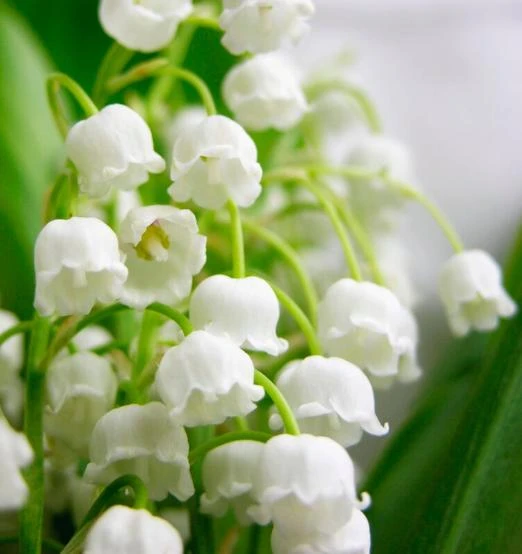
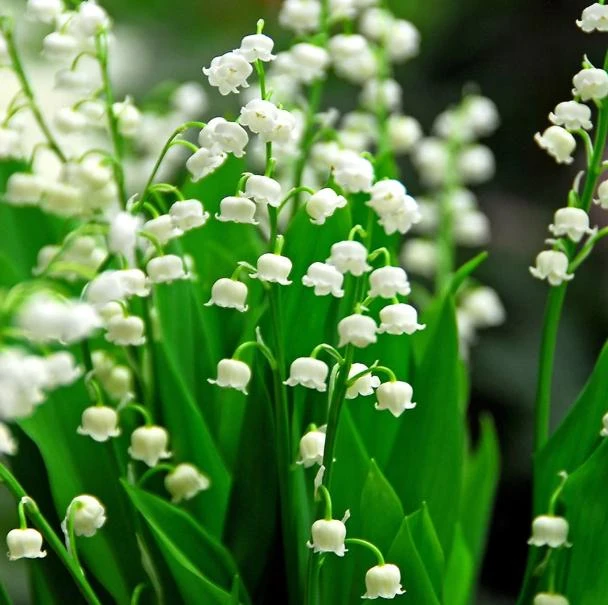
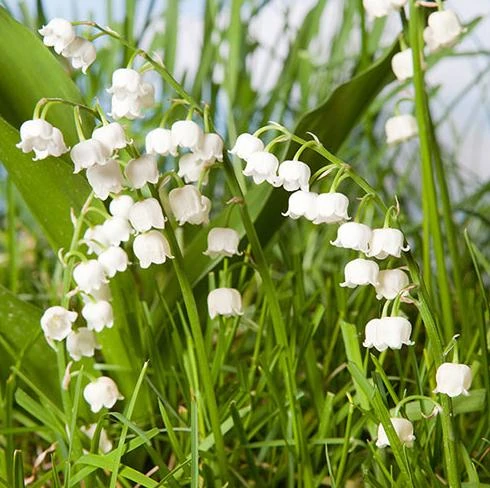
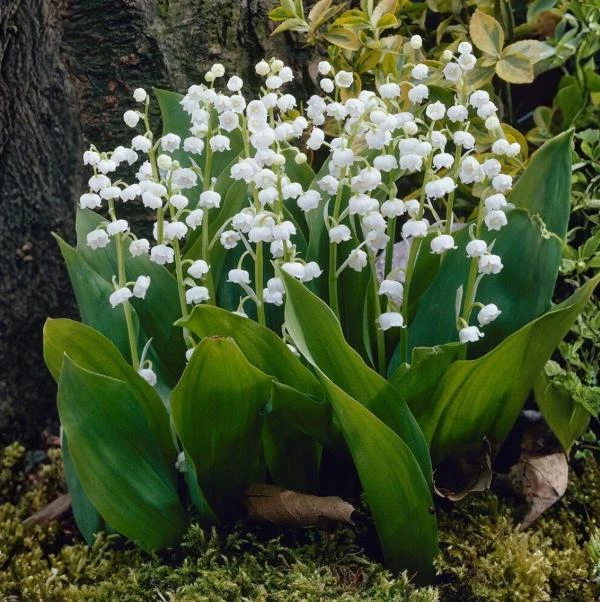
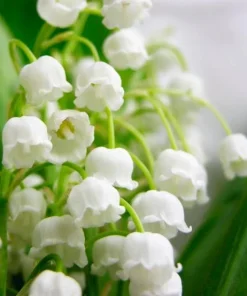
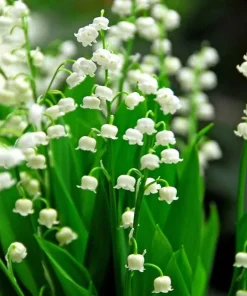
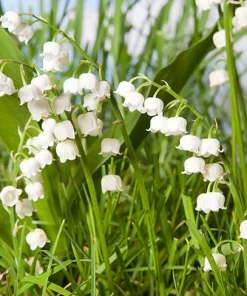
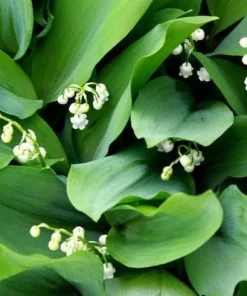
Introduce timeless elegance with this set of 5 Lily of the Valley bulbs. Perfect for creating a serene, naturalized look, these fragrant perennial bulbs produce charming white bell-shaped flowers and thrive in shaded landscapes. Enjoy their exquisite scent and low-maintenance beauty year after year.
Estimated arrival
Oct 10
Oct 15 - Oct 17
Oct 20 - Oct 24
Shop With Confidence
30-Day Plant Health Guarantee
Arrives damaged? We’ll replace it free — see our return policy.
Responsive Support
Email us anytime, we reply within 1 business day.
Expert Packaging
Temperature-controlled shipping to protect your plants in transit.
Secure Checkout
Pay safely with Visa, Mastercard, PayPal.
Plant Specifications
-
USDA Hardiness Zone
2-9 -
Soil Type
Moist, rich, well-drained soil -
Sunlight Exposure
Partial shade to full shade -
Expected Planting Period
Fall or early spring
Overview
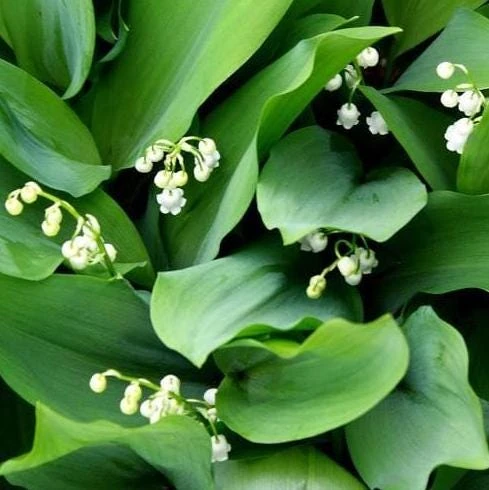
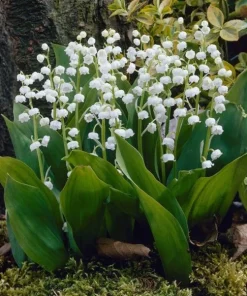
Introduce timeless elegance and enchanting fragrance to your garden with this set of 5 Lily of the Valley bulbs. Known for their delicate, nodding white bell-shaped flowers and broad, glossy green leaves, Lily of the Valley bulbs are a beloved perennial choice for woodland gardens and shaded landscapes. These resilient plants (Convallaria majalis) spread gracefully to form dense colonies, providing a lush carpet of foliage and an unforgettable aroma from spring to early summer. Perfect for creating a serene, naturalized look, these lily of the valley bulbs are a gardener’s delight, offering consistent beauty year after year with minimal effort. Their classic appeal makes them a wonderful addition to any garden seeking both visual charm and delightful scent, making them ideal for anyone looking to plant lily of the valley.
Key Benefits
Planting these lily of the valley bulbs offers a multitude of advantages for your outdoor space. They are not only beautiful but also incredibly rewarding to cultivate, making growing lily of the valley a truly satisfying experience.
- Exquisite Fragrance: Enjoy the intensely sweet and captivating scent of these flowers, which can perfume an entire garden area, making it a truly sensory experience. These fragrant perennial bulbs are renowned for their powerful aroma.
- Charming White Blooms: The delicate, bell-shaped white flowers add a touch of classic elegance and purity to any garden setting, creating a serene and inviting atmosphere.
- Excellent Groundcover: These plants are exceptional at forming dense colonies, effectively covering shaded areas with attractive foliage and flowers, suppressing weeds naturally.
- Low Maintenance Perennial: Once established, growing lily of the valley requires very little care, returning year after year with increasing vigor and spread.
- Shade Loving: Thrives in partial to full shade, making it an ideal solution for those tricky garden spots where other flowering plants struggle to grow. These are perfect shade garden flowers.
- Deer Resistant: The natural properties of Lily of the Valley tend to deter deer, offering a worry-free planting option in areas prone to wildlife.
- Early Season Interest: Provides beautiful blooms and lush foliage from spring into summer, extending the period of garden enjoyment.
Plant Care & Growing Tips
To ensure your lily of the valley bulbs flourish, understanding their specific care requirements is key. These plants are relatively easy to grow once established, making them suitable for gardeners of all experience levels. When considering how to plant lily of the valley, remember they prefer cooler, shadier conditions.
For sunlight, Lily of the Valley bulbs thrive in partial shade to full shade. While they can tolerate some morning sun, intense afternoon sun can scorch their leaves, especially in warmer climates. Ideal light conditions mimic their natural woodland habitat. Regarding soil and water, these plants prefer moist, rich, well-drained soil. A humus-rich woodland soil is perfect, so amending your planting area with compost or leaf mold will greatly benefit growth. Consistent moisture is crucial, particularly during the spring blooming season. Avoid letting the soil dry out completely, but also ensure good drainage to prevent waterlogging, which can lead to bulb rot. The ideal temperature range for these plants is between 40°F and 75°F (4°C and 24°C).
These fragrant perennial bulbs are hardy in USDA Zones 2 to 9, making them adaptable to a wide range of climates. Fertilization is generally not heavily required if planted in rich soil. However, a light application of a balanced slow-release granular fertilizer in early spring can encourage more vigorous growth and blooming. Common problems are few, but watch for slugs and snails, especially in damp conditions. Proper spacing and good air circulation will help prevent fungal issues. For successful growing lily of the valley, ensure consistent moisture without overwatering, especially during establishment.
Size & Details
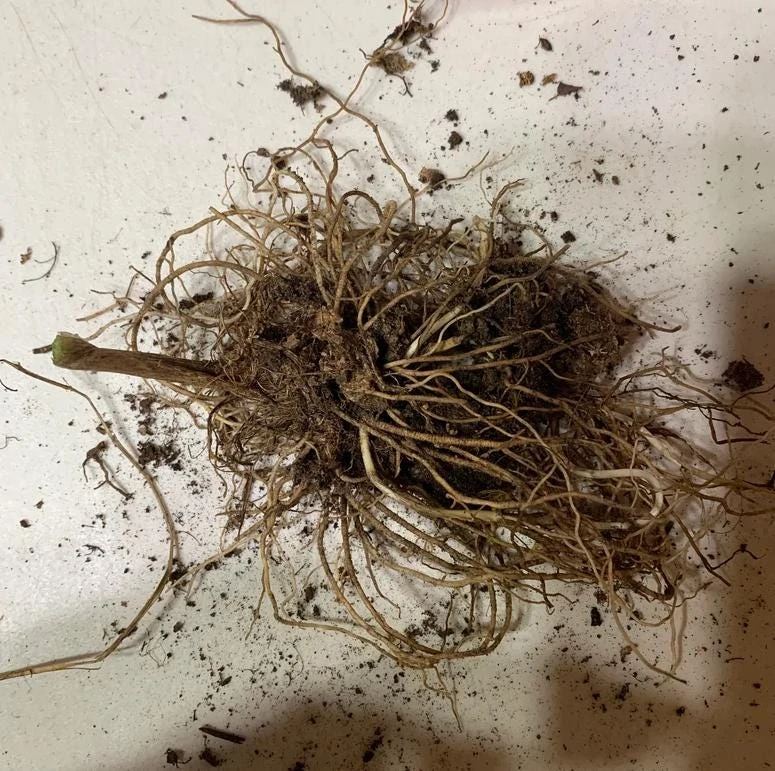
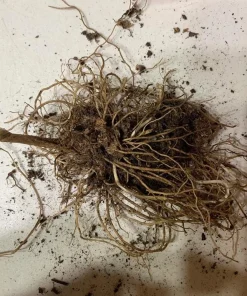
This offering includes a set of 5 Lily of the Valley bulbs (Convallaria majalis), ready for planting. Each bulb is carefully selected to ensure vigorous growth and abundant blooms. Once established, these plants typically grow to a height of 6-12 inches (15-30 cm) with a similar spread, forming dense colonies over time. They are known for their moderate to fast growth rate, quickly filling in shaded areas. The bulbs are shipped dormant, ready to be planted upon arrival. Expect charming white bell-shaped flowers to emerge in spring to early summer, bringing their unforgettable fragrance to your garden for many years as robust fragrant perennial bulbs.
Frequently Asked Questions
- Q: How big do these Lily of the Valley plants get? A: Once established, Lily of the Valley bulbs typically grow to about 6-12 inches (15-30 cm) tall and spread to form dense clumps of foliage and flowers.
- Q: Are these an indoor or outdoor plant? A: These are primarily outdoor plants, perfect for woodland gardens, shaded beds, or as groundcover. While they can be forced indoors for temporary display, they thrive best outdoors.
- Q: How much sunlight do Lily of the Valley bulbs need? A: They prefer partial to full shade. Too much direct sun, especially in the afternoon, can scorch their leaves. They are excellent shade garden flowers.
- Q: Is growing lily of the valley difficult for beginners? A: No, Lily of the Valley is considered a very low-maintenance plant once established. They are resilient and return year after year with minimal care, making them great for all gardening levels.
- Q: What condition will the bulbs arrive in? A: Your lily of the valley bulbs will arrive dormant, ready for planting. This is the ideal state for successful establishment.
- Q: When is the best time to plant lily of the valley? A: The best time to plant Lily of the Valley bulbs is in the fall or early spring, allowing them to establish roots before the growing season.
- Q: Will these survive winter in my zone? A: These fragrant perennial bulbs are hardy in USDA Zones 2 to 9, meaning they are well-adapted to survive cold winters in a wide range of climates and return each spring.
- Q: Are Lily of the Valley deer resistant? A: Yes, Lily of the Valley is known to be deer resistant, making it a good choice for gardens where deer might be a problem.
- Q: What kind of soil do these plants prefer? A: They thrive in moist, rich, well-drained soil, ideally amended with organic matter like compost or leaf mold to mimic a woodland environment.
- Q: How often should I water my Lily of the Valley? A: Keep the soil consistently moist, especially during dry periods and the spring blooming season. Avoid letting the soil dry out completely, but also ensure good drainage.
Be the first to review “5 Lily of the Valley Bulbs – Fragrant White Perennial Flowers for Shade Gardens”
People Also Viewed

Uncategorized
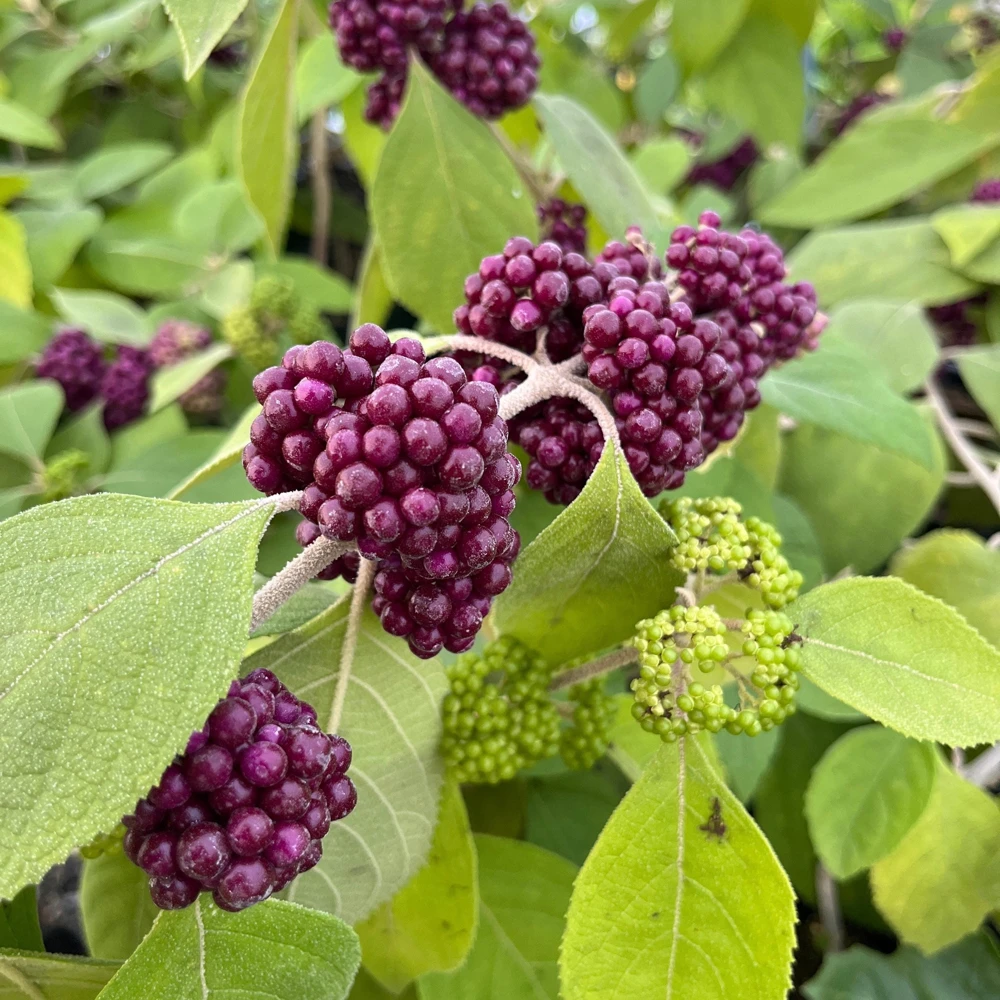
Mexican Beautyberry, Black Beutyberry – Callicarpa acuminata – Live Plant in 4 Inch Pot


Reviews
There are no reviews yet.