
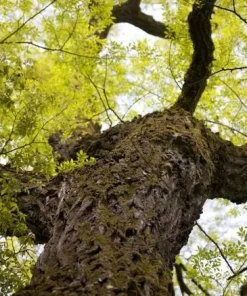
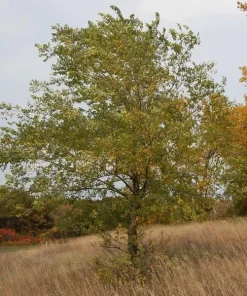
3 Siberian Elm Tree Ulmus pumila Live Plant, 12-24″ Bare Root Starter
Original price was: $101.99.$76.99Current price is: $76.99.
Cultivate a resilient Siberian Elm tree (Ulmus pumila) with this 3-pack of 12-24 inch bare root starter plants. Known for its fast growth and adaptability, the Ulmus pumila plant is an excellent choice for various landscapes.
Estimated arrival
Sep 29
Oct 04 - Oct 06
Oct 09 - Oct 13
Shop With Confidence
30-Day Plant Health Guarantee
Arrives damaged? We’ll replace it free — see our return policy.
Responsive Support
Email us anytime, we reply within 1 business day.
Expert Packaging
Temperature-controlled shipping to protect your plants in transit.
Secure Checkout
Pay safely with Visa, Mastercard, PayPal.
Plant Specifications
-
USDA Hardiness Zone
USDA Zones 3-9 -
Soil Type
Well-draining soil, adaptable to various types -
Sunlight Exposure
Full sun -
Expected Planting Period
Early spring
Overview
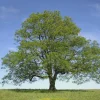
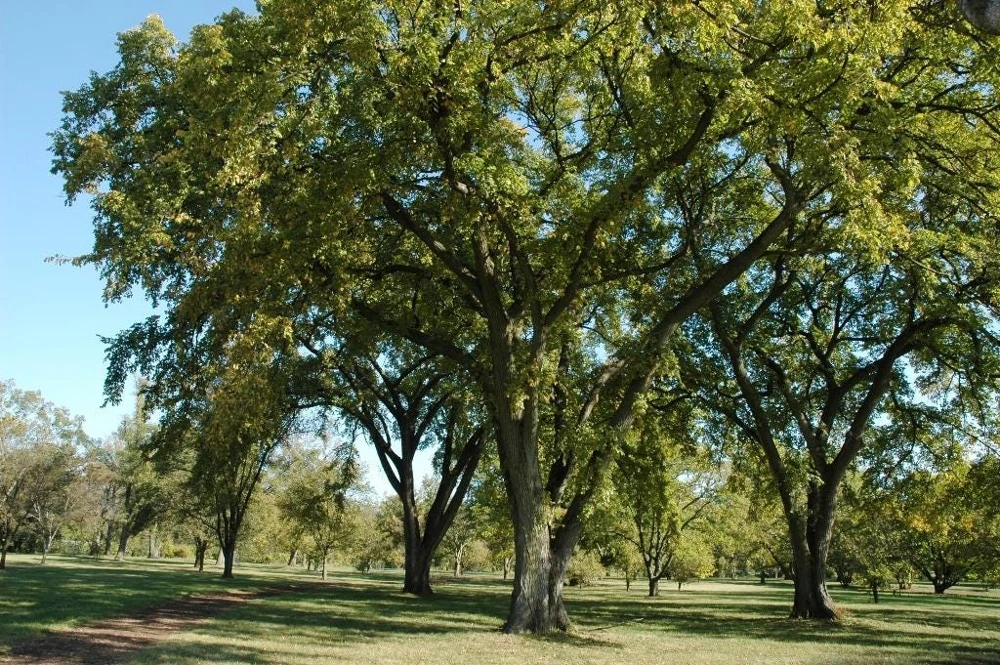
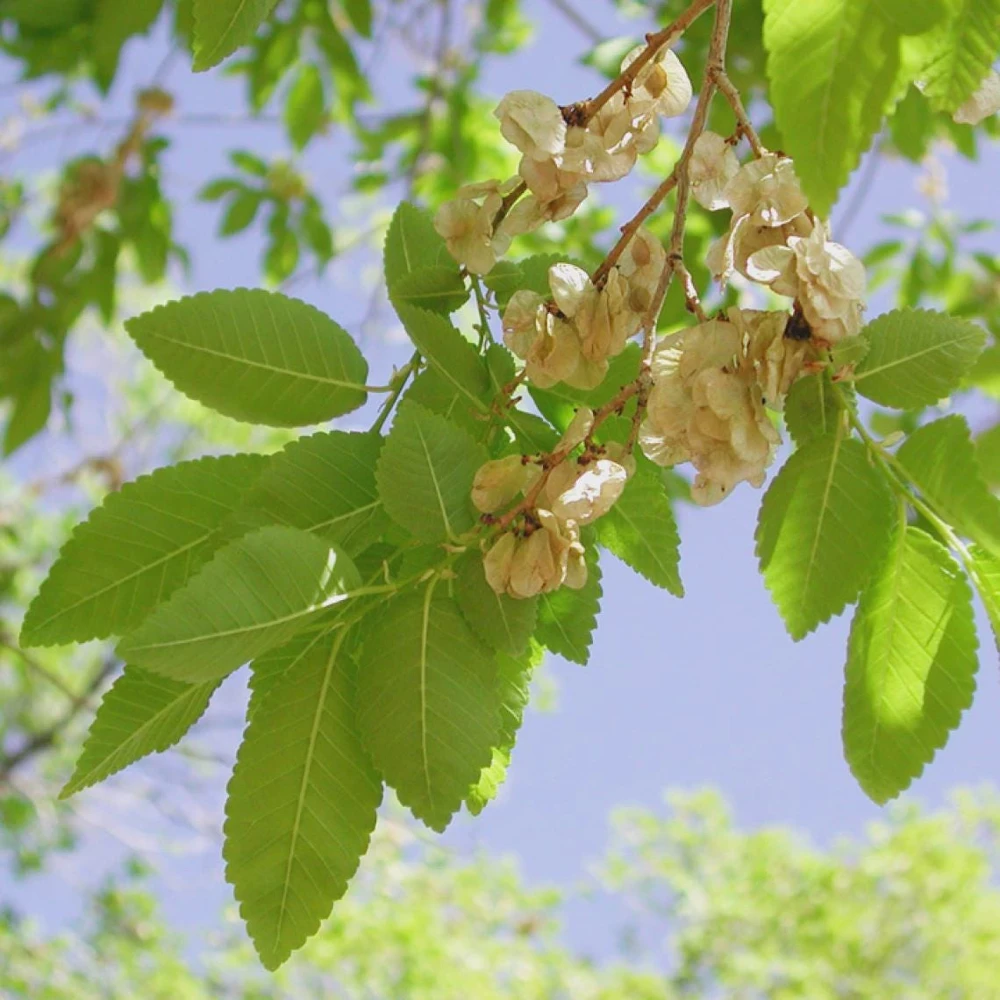
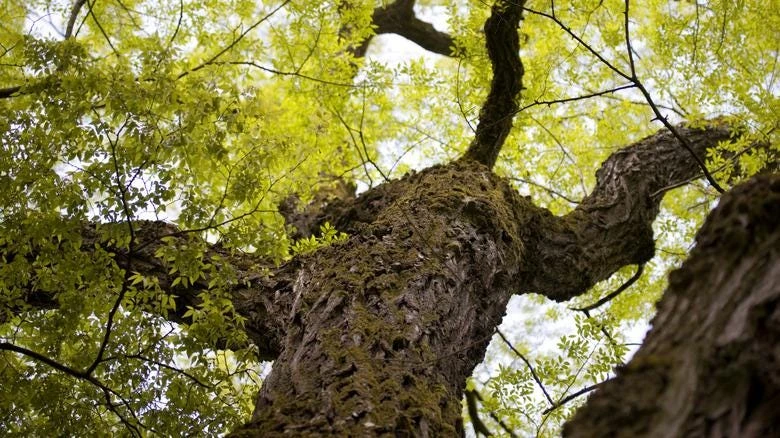
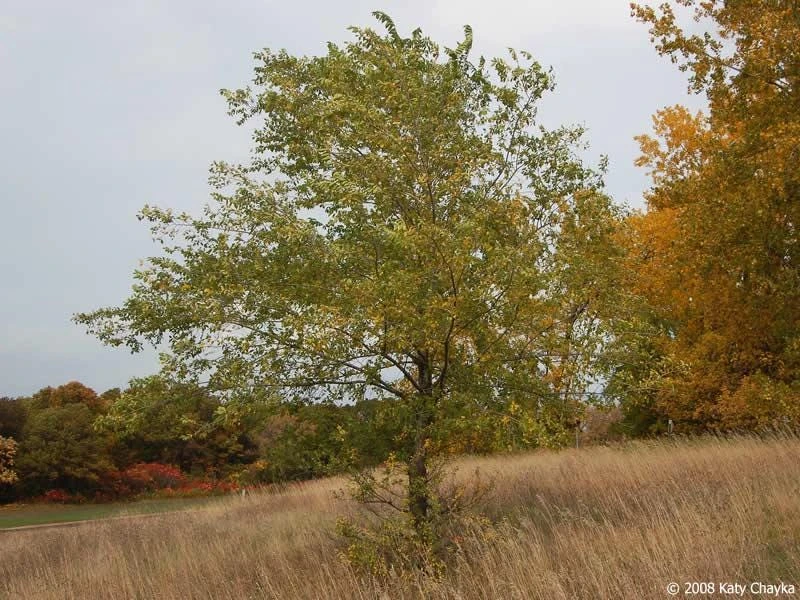
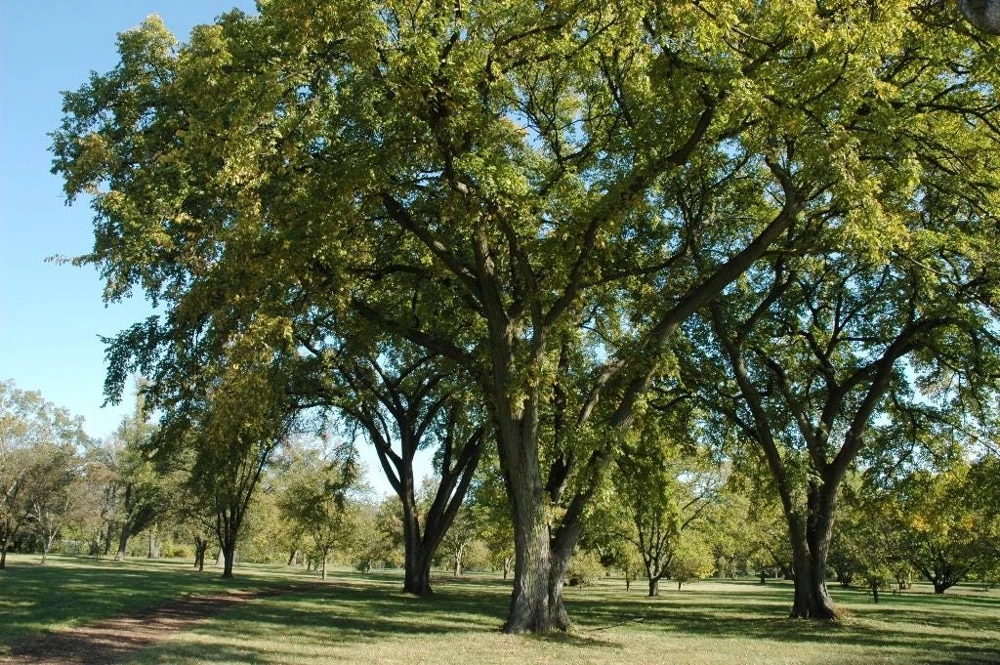
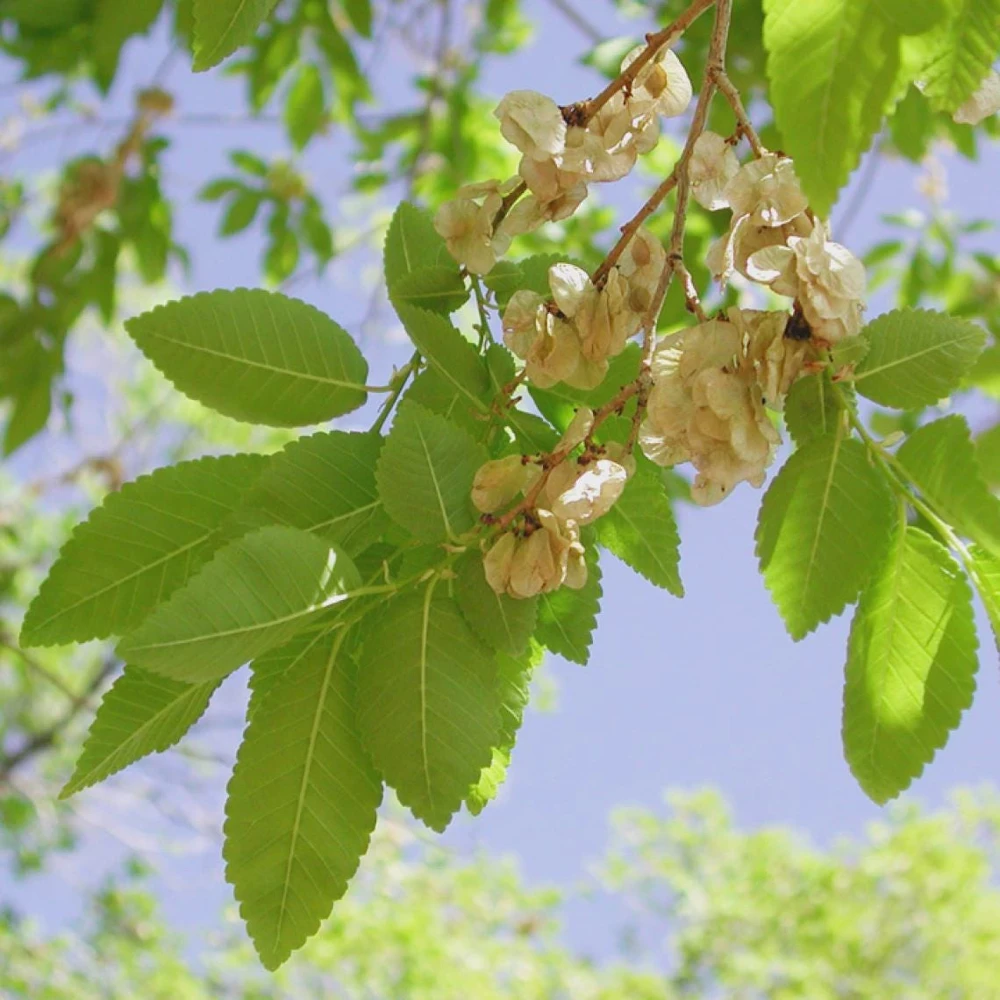
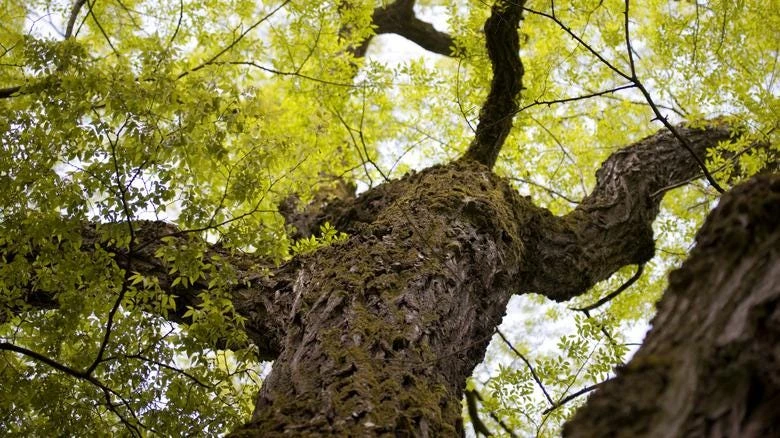
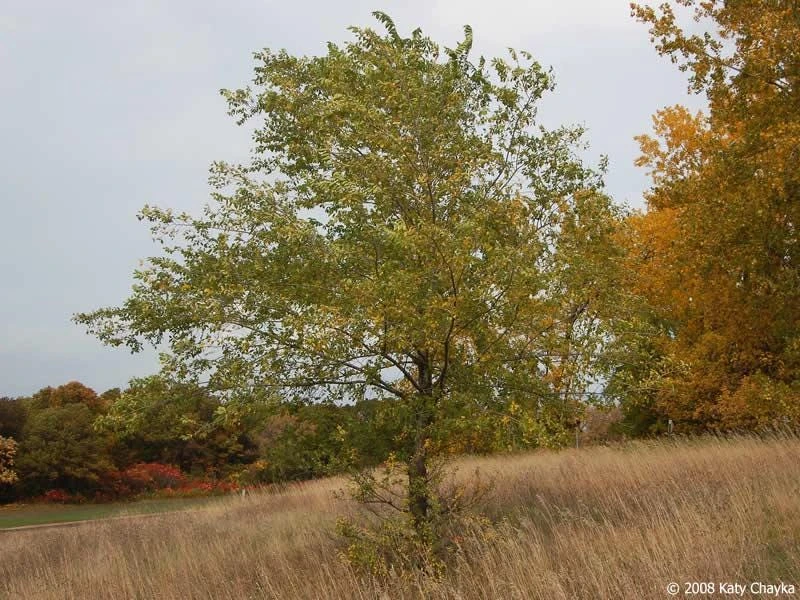
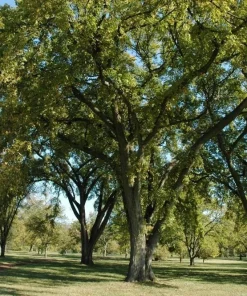
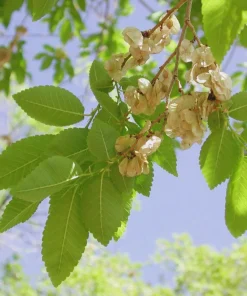
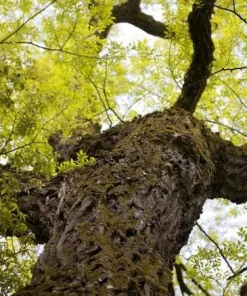
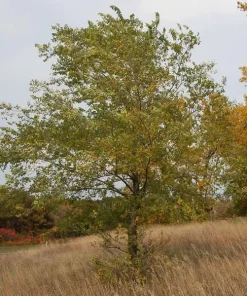
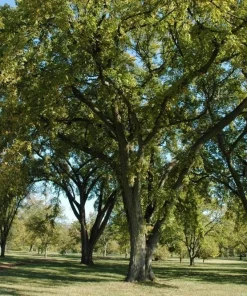
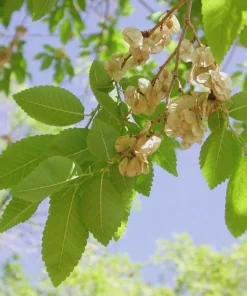
Introduce the robust and adaptable Siberian Elm tree (Ulmus pumila) to your landscape. This offering includes three 12-24 inch bare root starter plants, ready for planting. Also known as the dwarf or Asiatic elm, the Ulmus pumila plant is a fast-growing deciduous tree native to East Asia. It was introduced to the U.S. in the 1860s, valued for its extreme hardiness and notable resistance to Dutch elm disease. Typically reaching heights of 30–70 feet, the Siberian Elm tree forms an open, rounded crown, providing substantial shade and visual interest.
Despite its common name, the Siberian Elm tree is a versatile and resilient choice for many planting scenarios. Its rapid growth rate makes it a popular option for quick establishment in new gardens or for creating windbreaks. These young, bare root tree specimens are an economical way to add significant tree coverage to your property, allowing you to watch them mature from starter plants into impressive trees.
Key Benefits
The Siberian Elm tree offers numerous advantages for both seasoned gardeners and those looking to enhance their outdoor spaces. Its remarkable resilience and rapid growth are just some of the reasons to consider this species.
- Extreme Hardiness: The Ulmus pumila plant is exceptionally tough, thriving in a wide range of challenging conditions where other trees might struggle. It is highly resistant to drought and various soil types.
- Fast Growth Rate: Experience quick establishment and noticeable growth, making it ideal for creating shade or privacy screens in a relatively short period compared to slower-growing species.
- Disease Resistance: Unlike many other elm varieties, the Siberian Elm tree is known for its strong resistance to Dutch elm disease, ensuring a healthier and longer-lived tree.
- Adaptable to Various Soils: This hardy elm tree can tolerate a broad spectrum of soil conditions, from poor, dry soils to more fertile loams, making it a flexible choice for diverse landscapes.
- Windbreak Potential: Due to its rapid growth and mature size, the fast growing tree is excellent for establishing effective windbreaks, protecting homes and other plants from strong winds.
- Erosion Control: Its extensive root system helps to stabilize soil, making it a valuable plant for erosion control on slopes or disturbed areas.
- Wildlife Habitat: The mature Siberian Elm tree provides shelter and nesting sites for various birds and small animals, contributing to local biodiversity.
Plant Care & Growing Tips
Caring for your Siberian Elm tree is relatively straightforward, thanks to its inherent hardiness. These trees are known for their ability to thrive with minimal intervention once established. When planting your bare root tree, ensure the location receives ample sunlight and has well-draining soil to encourage strong root development. Dig a hole wide enough to accommodate the roots without bending them, and backfill with native soil, gently tamping down to remove air pockets.
While mature Ulmus pumila plant specimens are drought-tolerant, young starter plants will require regular watering during their first growing season to help them establish. Water deeply and consistently, especially during dry periods, ensuring the soil remains moist but not waterlogged. Once established, supplemental watering is generally only needed during prolonged dry spells. Fertilization is typically not required for this hardy elm tree in average soils, but if growth appears stunted, a balanced, slow-release tree fertilizer can be applied in spring.
Pruning should focus on developing a strong central leader and removing any crossing or weak branches. While the Siberian Elm tree is known for brittle branches, proper structural pruning when young can mitigate this issue. Monitor for pests and diseases, though this species is notably resistant to Dutch elm disease. Overall, the fast growing tree is a low-maintenance option that rewards growers with rapid development and resilience.
Size & Details
This offering includes three Siberian Elm tree starter plants, each measuring 12-24 inches tall. These are supplied as bare root tree specimens, meaning they are shipped without soil around their roots, which is a common and efficient method for shipping deciduous trees. Upon arrival, it’s crucial to plant them promptly to ensure successful establishment. The mature height of a Ulmus pumila plant can range from 30 to 70 feet, with a spread almost as wide, forming a broad, rounded canopy. The growth rate is considered fast, often adding several feet of height per year under optimal conditions.
These starter plants provide an excellent foundation for growing a substantial tree. While the initial size is modest, their rapid growth ensures they will quickly become a prominent feature in your landscape. Prepare for a tree that will offer significant shade and presence once fully grown. The hardy elm tree is an investment in your outdoor space that will mature beautifully over time, providing environmental benefits and aesthetic appeal.
Frequently Asked Questions
- Q: How big will the Siberian Elm tree get? A: The Siberian Elm tree typically grows to an impressive height of 30–70 feet, with a similar spread, creating a wide, rounded crown. Its mature size offers significant shade and landscape presence.
- Q: Is this an indoor or outdoor plant? A: The Ulmus pumila plant is an outdoor tree, best suited for planting in gardens, parks, or as a street tree. It requires ample space to grow to its full potential.
- Q: How much sunlight does a Siberian Elm need? A: This hardy elm tree thrives in full sun, meaning it needs at least 6 hours of direct sunlight per day to achieve optimal growth and health.
- Q: Is this bare root tree easy to care for? A: Yes, the Siberian Elm tree is considered low-maintenance once established. It’s known for its drought tolerance and adaptability, making it suitable for beginners and busy gardeners alike.
- Q: What condition will the bare root tree arrive in? A: The trees will arrive as bare root tree specimens, meaning they are dormant and shipped without soil around their roots. This method is standard for shipping young deciduous trees and ensures they are ready for planting.
- Q: When is the best time to plant a Siberian Elm? A: The best time to plant bare root Ulmus pumila plant trees is in early spring, after the last hard frost but before the heat of summer. This allows the roots to establish before the growing season.
- Q: Will the fast growing tree survive winter in my zone? A: The Siberian Elm tree is extremely hardy and typically thrives in a wide range of USDA hardiness zones, generally from zone 3 to 9, making it suitable for most climates across the U.S.
- Q: What kind of soil does the Siberian Elm prefer? A: This versatile fast growing tree is highly adaptable and can grow in various soil types, including sandy, clay, and loamy soils, provided they are well-draining.
- Q: How quickly does the Siberian Elm grow? A: The Siberian Elm tree is known for its fast growth rate, often adding several feet of height per year under good growing conditions, making it an excellent choice for quick landscape impact.
- Q: Is the Siberian Elm resistant to Dutch elm disease? A: Yes, a significant benefit of the Ulmus pumila plant is its strong resistance to Dutch elm disease, a common and devastating disease for many other elm species.
Be the first to review “3 Siberian Elm Tree Ulmus pumila Live Plant, 12-24″ Bare Root Starter”
People Also Viewed
Flowers
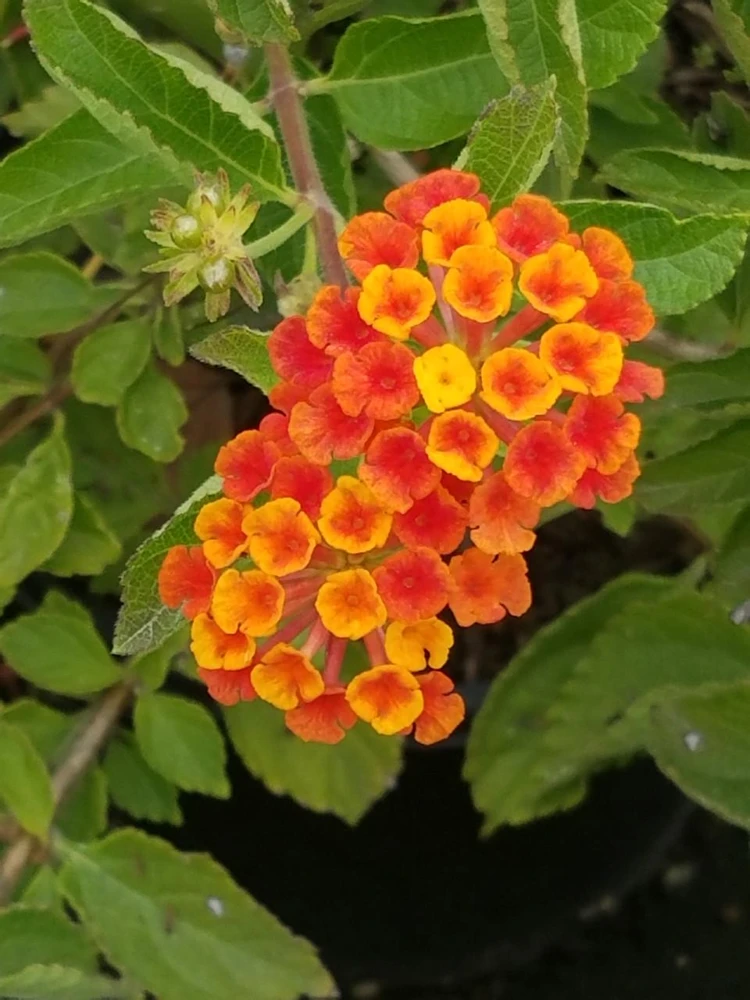
Lantana Spreading Sunset Live Plants – Trailing Orange Red Blooms, 5-9″ Tall, 2-Pack, Outdoor
Houseplants
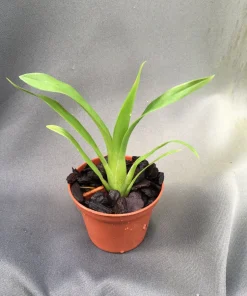
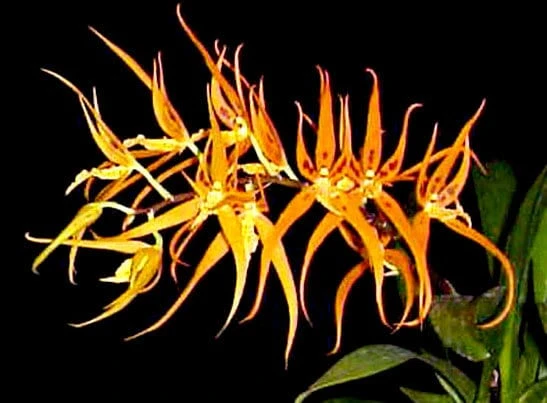
Brassia Orange Delight ‘Hilo Sunrise’ Orchid Live Plant – 2.5″ Pot – Yellow-Orange Flowers
Flower Plants
Pink Purple Fuchsia Live Plant – Bi-Color Flowers – 4-6 inch Tall – 5 inch Pot – Indoor/Outdoor
Reviews
There are no reviews yet.