

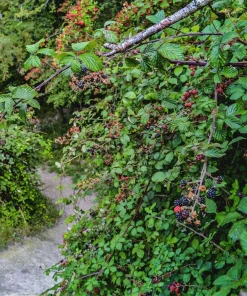
3 Chickasaw Blackberry Starter Plug Live Plant – Rubus fruticosus – USDA Zones 5-9
Original price was: $93.99.$68.99Current price is: $68.99.
Cultivate your own flavorful harvest with this chickasaw blackberry live plant. Known for its high yield and excellent fruit quality, this hardy variety is perfect for home gardeners. Each order includes 3 Chickasaw Blackberry Starter Plug plants, ready for planting.
Estimated arrival
Sep 29
Oct 04 - Oct 06
Oct 09 - Oct 13
Shop With Confidence
30-Day Plant Health Guarantee
Arrives damaged? We’ll replace it free — see our return policy.
Responsive Support
Email us anytime, we reply within 1 business day.
Expert Packaging
Temperature-controlled shipping to protect your plants in transit.
Secure Checkout
Pay safely with Visa, Mastercard, PayPal.
Plant Specifications
-
USDA Hardiness Zone
5-9 -
Soil Type
Well-draining, fertile soil (pH 6.0-6.5) -
Sunlight Exposure
Full sun (6-8 hours direct sunlight) -
Expected Planting Period
Spring to early summer
Overview
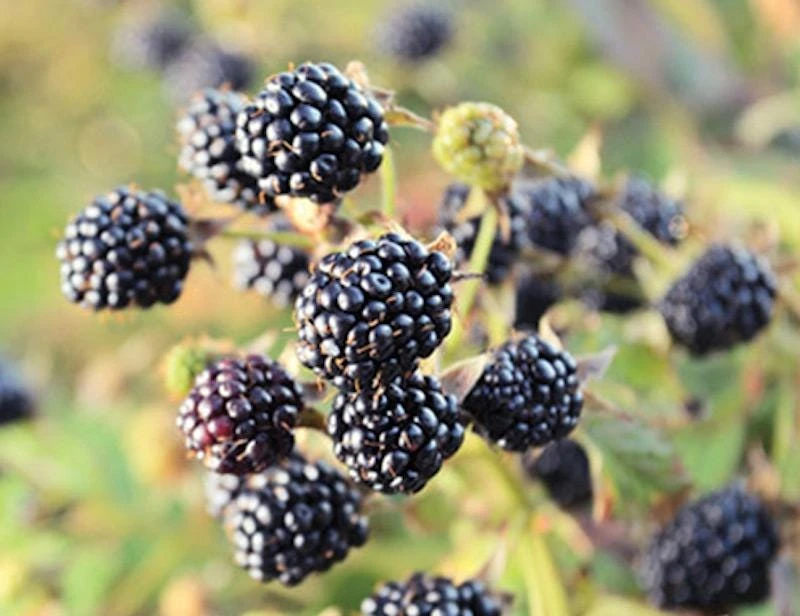
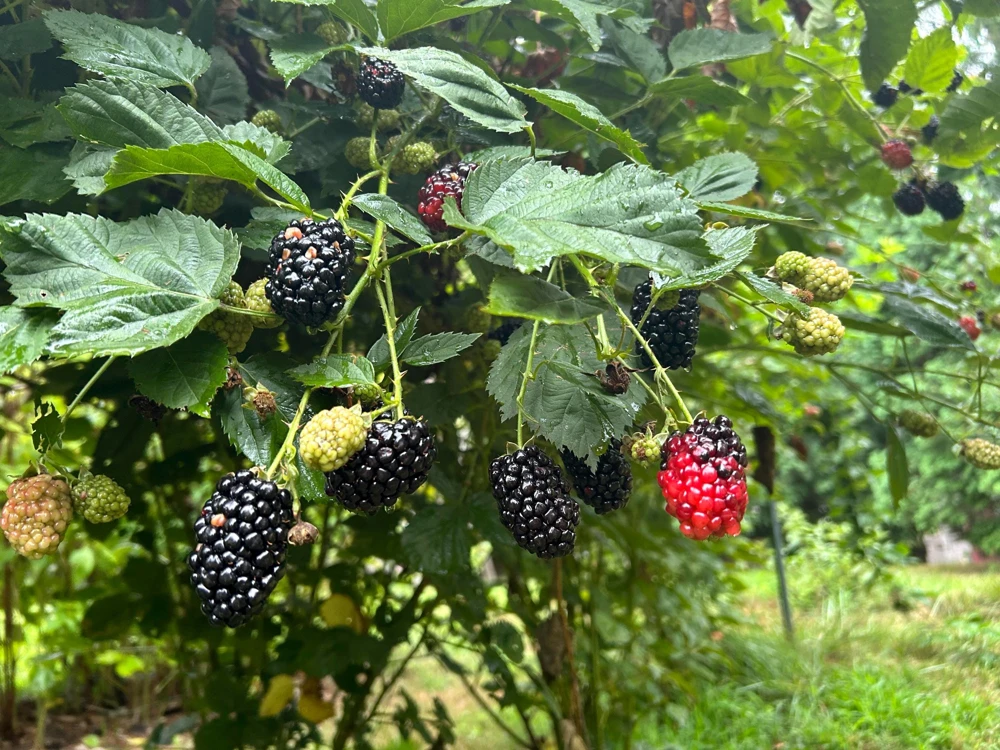
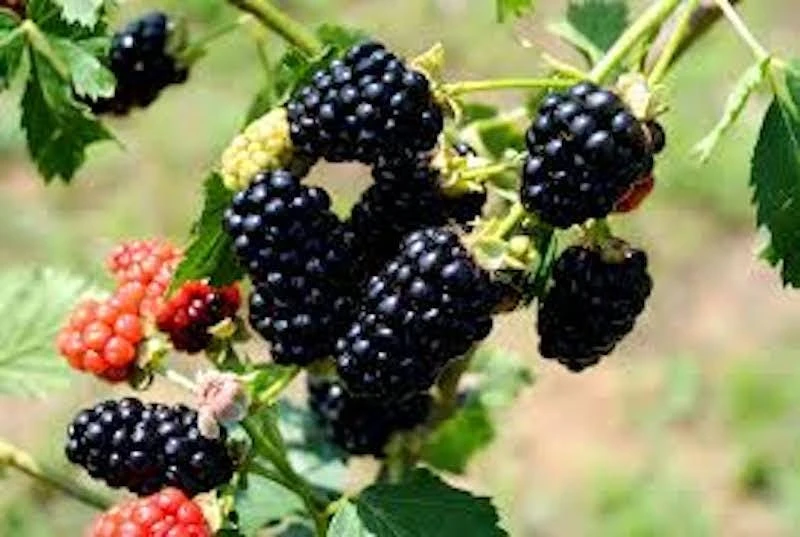
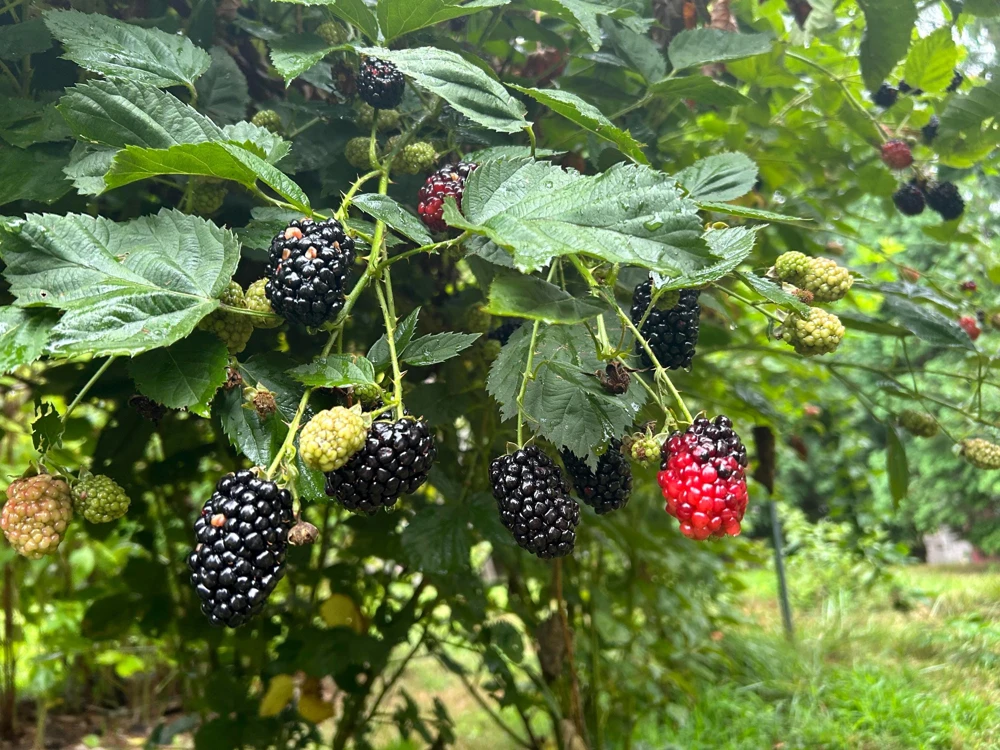
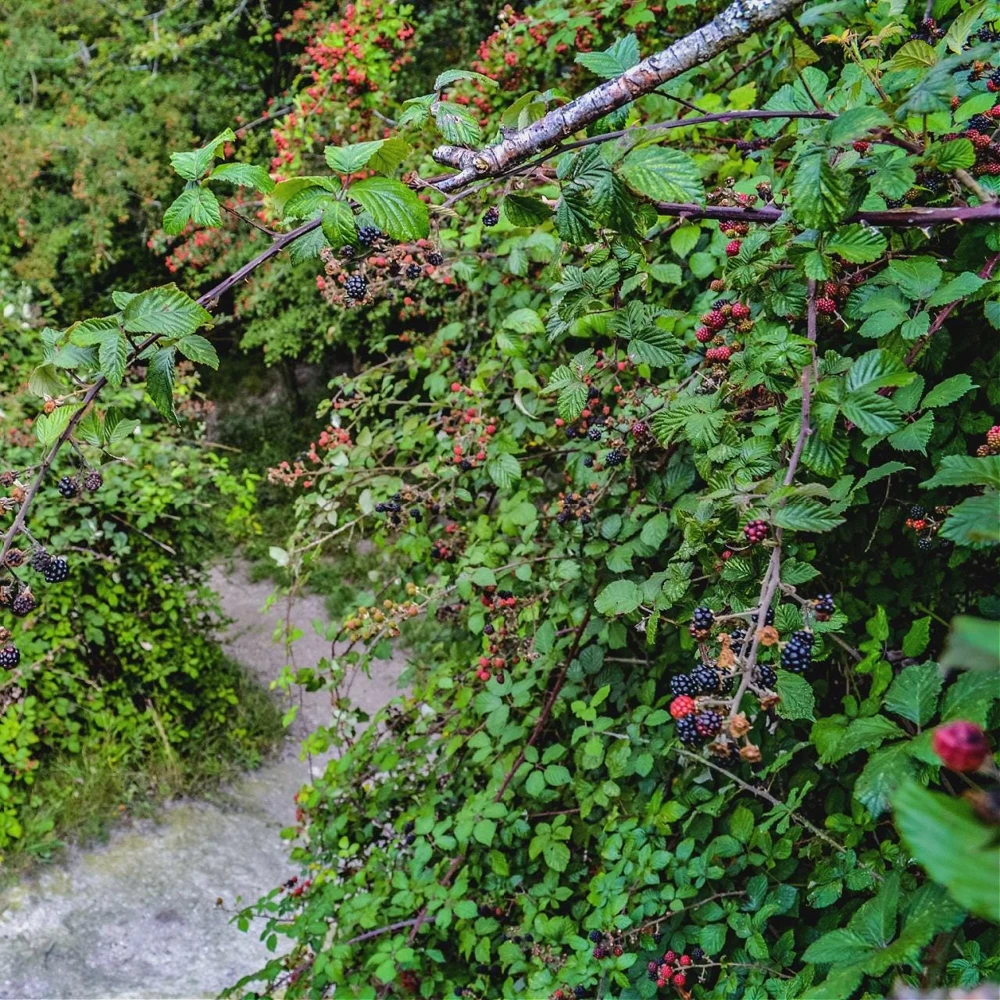
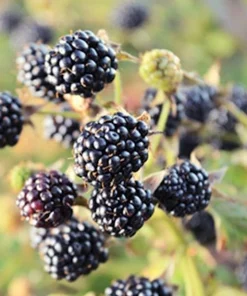
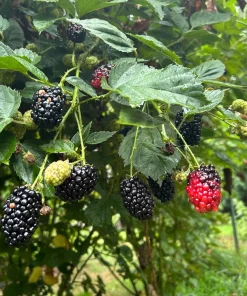
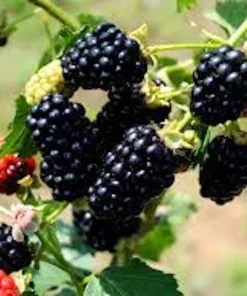
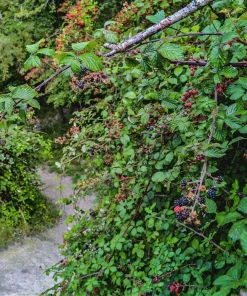
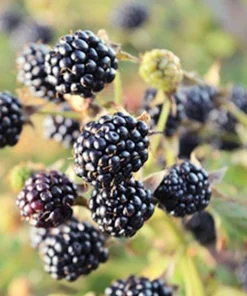
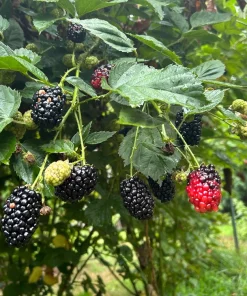
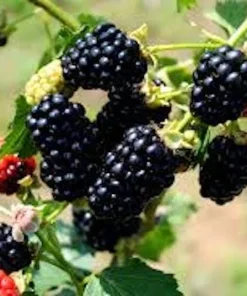
Embark on a rewarding gardening journey with the chickasaw blackberry live plant. This exceptional cultivar, scientifically known as Rubus fruticosus ‘Chickasaw’, is a popular, high-yielding, and erect-growing blackberry variety. Developed by the University of Arkansas, it’s celebrated for producing very large, glossy black fruits that boast an excellent flavor profile and superior post-harvest characteristics. These qualities make it a favorite among both commercial growers and home gardeners alike. Our offering includes 3 Chickasaw Blackberry Starter Plug plants, providing a strong foundation for a bountiful harvest. Whether you’re an experienced horticulturist or just starting your edible garden, the ‘Chickasaw’ blackberry offers a reliable and delicious return on your effort.
The ‘Chickasaw’ blackberry is a robust and hardy plant, making it suitable for a wide range of climates. Its erect growth habit means it requires less support than trailing varieties, simplifying its care and management. The substantial size and rich taste of its berries are truly a highlight, perfect for fresh eating, baking, jams, or freezing. This variety is an excellent choice for anyone looking to add a productive and delightful fruit producer to their landscape. Learning how to grow chickasaw blackberry is a straightforward process, promising sweet rewards.
Key Benefits
The chickasaw blackberry live plant offers numerous advantages for the home gardener, transforming your outdoor space into a productive and beautiful edible landscape. Its robust nature and high-quality fruit make it a standout choice.
- Exceptional Fruit Quality: Produces very large, glossy black berries with a deliciously sweet and tangy flavor, perfect for fresh consumption or culinary uses.
- High Yielding: Known for its prolific fruiting, ensuring a generous harvest season after season, providing an abundance of berries for your family.
- Erect Growth Habit: This cultivar grows upright, reducing the need for extensive trellising and making it easier to manage and harvest compared to trailing varieties.
- Hardy & Adaptable: Recommended for USDA Hardiness Zones 5-9, demonstrating excellent resilience to various climate conditions and making it a reliable choice for many regions.
- Good Post-Harvest Characteristics: The berries maintain their quality well after picking, making them suitable for storage, freezing, and transportation, preserving their delicious taste.
- Disease Resistance: The ‘Chickasaw’ variety exhibits good resistance to common blackberry diseases, contributing to its overall hardiness and ease of care.
- Attractive Landscape Addition: Beyond its fruit, the vigorous green foliage and seasonal white flowers add ornamental value to your garden. Cultivating a chickasaw blackberry live plant enhances both the beauty and productivity of your home.
Plant Care & Growing Tips
Proper care is essential to ensure your chickasaw blackberry live plant thrives and produces abundant fruit. These hardy plants are relatively low-maintenance once established, but a few key practices will maximize your yield and plant health. Understanding chickasaw blackberry care will lead to a successful harvest. These plants prefer a location with full sun, meaning at least 6-8 hours of direct sunlight per day. Adequate sunlight is crucial for fruit development and overall plant vigor. While they are adaptable, a south-facing or west-facing exposure in your garden is ideal for optimal growth and ripening of the berries.
When it comes to soil, ‘Chickasaw’ blackberries thrive in well-draining, fertile soil with a pH between 6.0 and 6.5. Amending heavy clay soils with organic matter like compost can significantly improve drainage and provide essential nutrients. Consistent watering is important, especially during flowering and fruiting periods. Aim for about 1 inch of water per week, either from rainfall or irrigation. Avoid overwatering, as this can lead to root rot. Fertilize in early spring with a balanced slow-release fertilizer or a granular fertilizer specifically formulated for berries, following package instructions. Pruning is vital for maintaining plant health and maximizing fruit production. In late winter or early spring, remove any dead, damaged, or weak canes. After fruiting, cut back canes that have produced fruit to the ground, as blackberries fruit on second-year canes. This practice encourages new growth and better air circulation, which helps prevent diseases. For those looking to grow chickasaw blackberry, these tips are fundamental.
The ‘Chickasaw’ blackberry is generally quite resilient, but monitoring for common pests and diseases can help maintain plant health. Good air circulation through proper spacing and pruning helps prevent fungal issues. This variety is recommended for USDA Hardiness Zones 5-9, indicating its ability to withstand cold winters in these regions. In colder parts of its zone range, some winter protection like mulching around the base can be beneficial. Understanding these aspects of rubus fruticosus chickasaw care will help you cultivate a healthy and productive patch.
Size & Details
Each order provides 3 Chickasaw Blackberry Starter Plug plants, ready to be transplanted into your garden. These starter plugs are young, vigorous plants with established root systems, ensuring a strong start. When mature, the ‘Chickasaw’ blackberry typically grows to an erect height of 4-6 feet with a similar spread, forming a productive and manageable bush. Its erect growth habit makes it less prone to sprawling and simplifies maintenance. The growth rate is moderate, with plants typically beginning to produce fruit in their second year after planting.
The ‘Chickasaw’ blackberry is a thorny variety, which is characteristic of many robust blackberry cultivars. The fruit production season typically occurs in early to mid-summer, providing a delicious harvest over several weeks. These plants are shipped in a compact form to minimize stress during transit, and upon arrival, they should be carefully unpacked and watered. Planting them promptly in their permanent location will help them acclimate and establish quickly. This particular chickasaw blackberry live plant is a fantastic investment for long-term fruit production in your garden.
Frequently Asked Questions
- Q: How big does a chickasaw blackberry live plant get? A: A mature ‘Chickasaw’ blackberry plant typically grows to an erect height of 4-6 feet with a similar spread. Its upright growth habit makes it relatively compact and easy to manage in the garden.
- Q: Is this an indoor or outdoor plant? A: The ‘Chickasaw’ blackberry is an outdoor plant, best suited for garden beds or large containers where it can receive full sun exposure. It is a fruiting bush that requires outdoor conditions to thrive and produce berries.
- Q: How much sunlight does the chickasaw blackberry live plant need? A: This plant requires full sun, meaning at least 6-8 hours of direct sunlight per day, for optimal growth and fruit production. More sunlight generally leads to more abundant and sweeter berries.
- Q: Is this plant easy to care for? A: Yes, the ‘Chickasaw’ blackberry is considered relatively easy to care for, especially for its high yield. It requires consistent watering, annual pruning, and a sunny location with well-draining soil. Learning chickasaw blackberry care is straightforward.
- Q: What condition will the chickasaw blackberry live plant arrive in? A: Your order of 3 Chickasaw Blackberry Starter Plug plants will arrive as young, healthy plants with established root systems, carefully packaged to ensure their safe journey. They will be ready for immediate planting upon arrival.
- Q: How long until it blooms and produces fruit? A: ‘Chickasaw’ blackberry plants typically begin to bloom and produce fruit in their second year after planting. Fruit production usually occurs in early to mid-summer, providing a generous harvest.
- Q: Will it survive winter in my zone? A: The ‘Chickasaw’ blackberry is a hardy variety, recommended for USDA Hardiness Zones 5-9. It is well-adapted to survive cold winters within these zones, though extra mulch can be beneficial in the colder parts of its range.
- Q: Is this a thornless blackberry plant? A: No, the ‘Chickasaw’ blackberry is known to be a thorny variety. While some modern cultivars are thornless, ‘Chickasaw’ retains its thorns, which are typical of many robust blackberry types.
- Q: Can I grow this plant in a container? A: Yes, you can grow chickasaw blackberry in a large container, at least 15-20 gallons in size, to allow for adequate root development. Ensure the container has good drainage and the plant receives sufficient sunlight and water.
- Q: What are the best uses for ‘Chickasaw’ blackberries? A: The large, flavorful berries are excellent for fresh eating, baking into pies and cobblers, making jams, jellies, and sauces, or freezing for later use. Their versatility is a key benefit of the rubus fruticosus chickasaw.
Be the first to review “3 Chickasaw Blackberry Starter Plug Live Plant – Rubus fruticosus – USDA Zones 5-9”
People Also Viewed
Reviews
There are no reviews yet.