


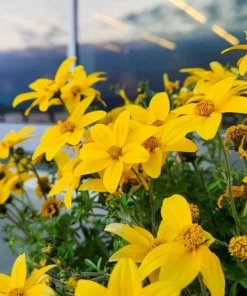
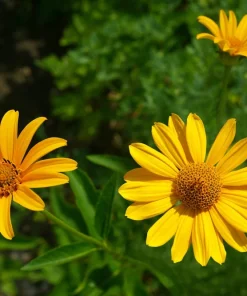
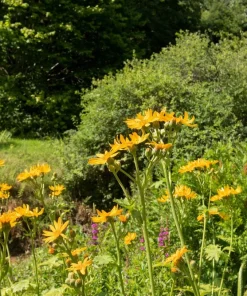
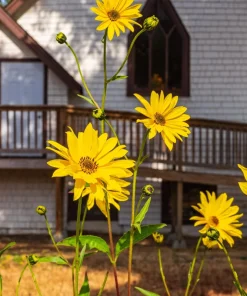
250 Maximilian Sunflower Seeds – Helianthus Maximiliani Flower Seeds
Original price was: $37.99.$17.99Current price is: $17.99.
Cultivate stunning Maximilian Sunflower seeds, a robust perennial known for its towering stature and bright yellow blooms. Ideal for attracting pollinators and creating a vibrant prairie aesthetic in your garden.
Estimated arrival
Sep 17
Sep 22 - Sep 24
Sep 27 - Oct 01
Shop With Confidence
30-Day Plant Health Guarantee
Arrives damaged? We’ll replace it free — see our return policy.
Responsive Support
Email us anytime, we reply within 1 business day.
Expert Packaging
Temperature-controlled shipping to protect your plants in transit.
Secure Checkout
Pay safely with Visa, Mastercard, PayPal.
Plant Specifications
-
USDA Hardiness Zone
USDA zones 3-9 -
Soil Type
Well-draining soil -
Sunlight Exposure
Full sun -
Expected Planting Period
Spring after last frost or fall
Overview
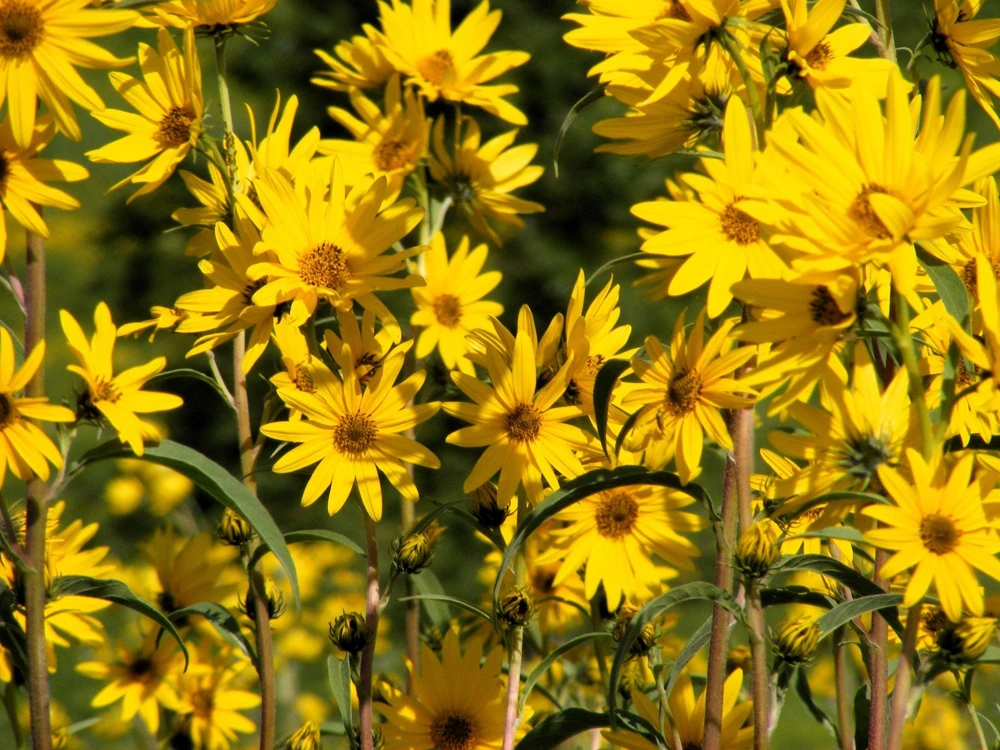
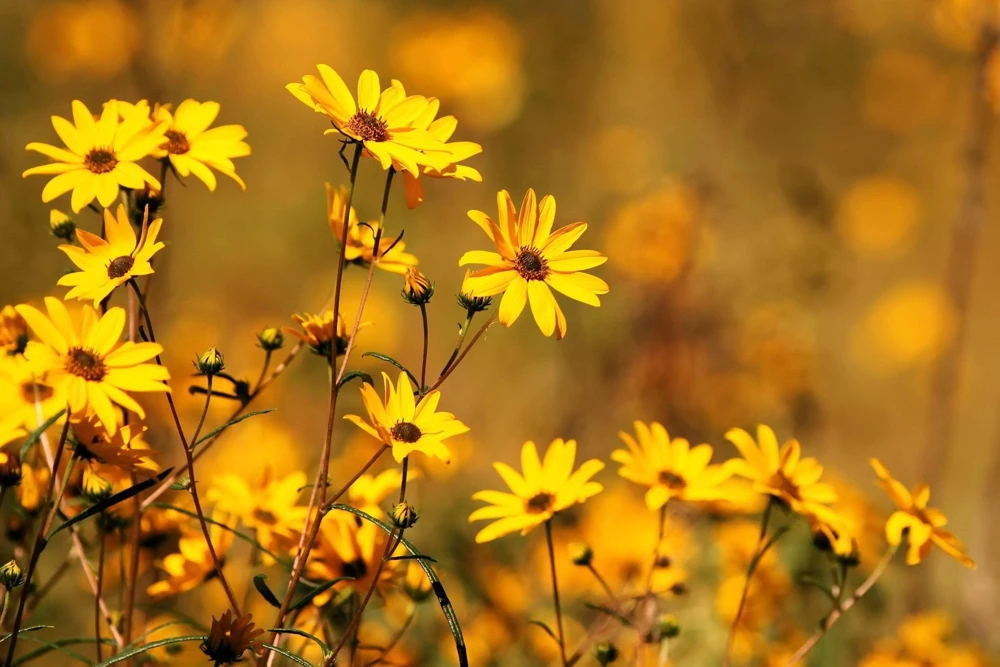
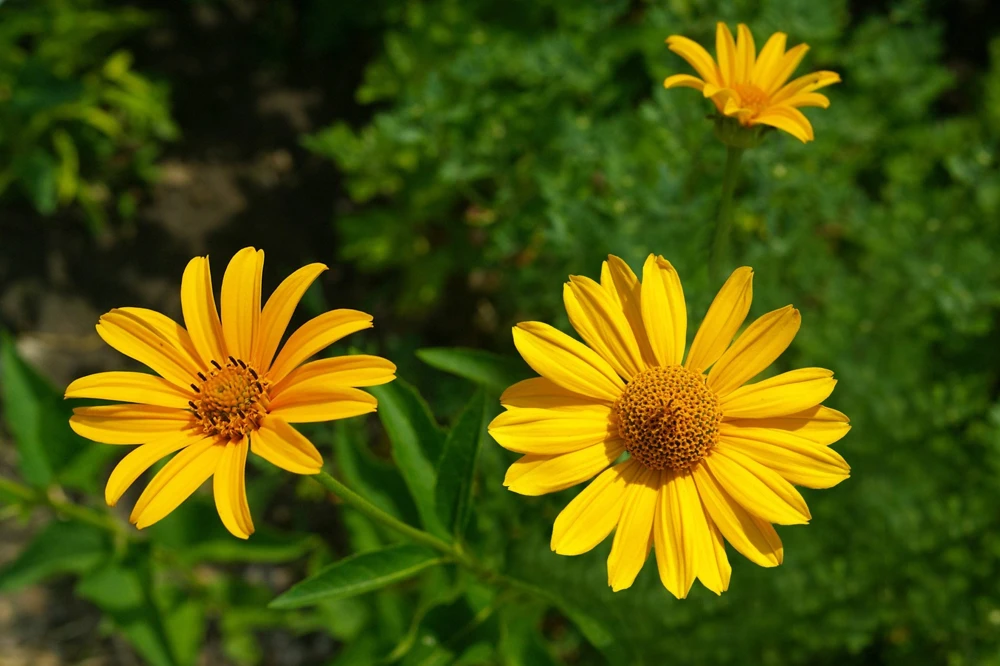
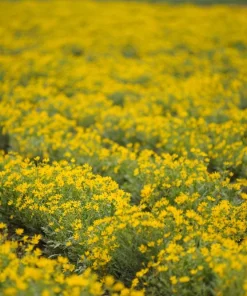
Bring the beauty of the American prairie to your garden with these Maximilian Sunflower seeds. Also known as Helianthus maximiliani or prairie sunflower, this native perennial is renowned for its impressive height and abundant golden-yellow flowers that bloom profusely from late summer into fall. Unlike typical annual sunflowers, the Maximilian Sunflower is a hardy, drought-tolerant plant that returns year after year, forming dense clumps that provide excellent visual interest and wildlife habitat. These seeds offer a fantastic opportunity to establish a naturalized area, create a stunning backdrop for other plants, or enhance a pollinator garden with a reliable and visually striking species.
Key Benefits
Planting Maximilian Sunflower seeds offers a multitude of advantages for your landscape and local ecosystem. This robust plant is not only beautiful but also highly beneficial:
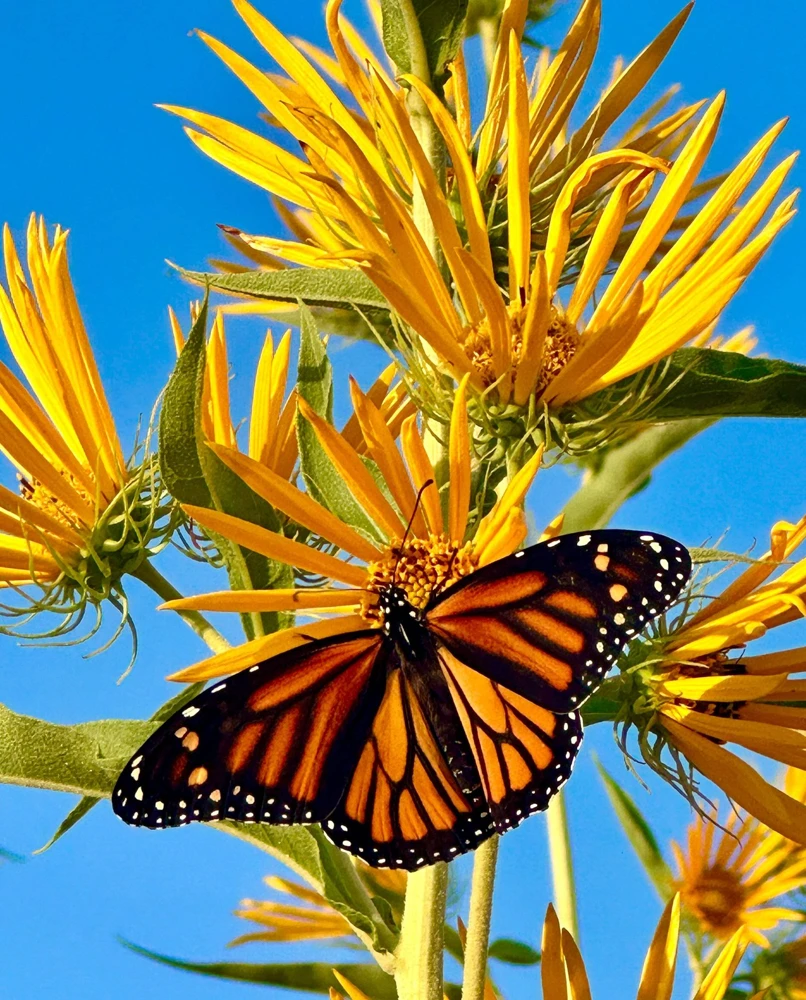
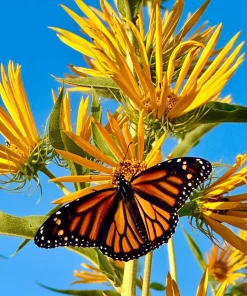
- Attracts Pollinators: The vibrant yellow flowers are a magnet for bees, butterflies, and other beneficial insects, supporting local biodiversity and aiding in the pollination of other plants in your garden.
- Drought Tolerant: Once established, these Helianthus maximiliani plants are exceptionally resilient to dry conditions, making them a low-maintenance choice for various climates and water-wise gardening.
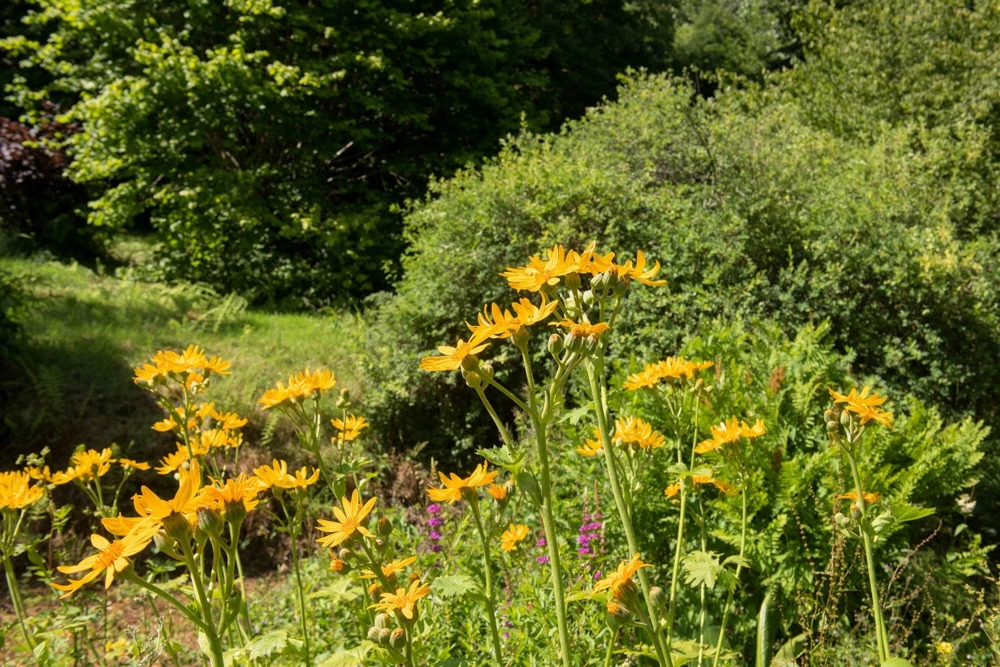
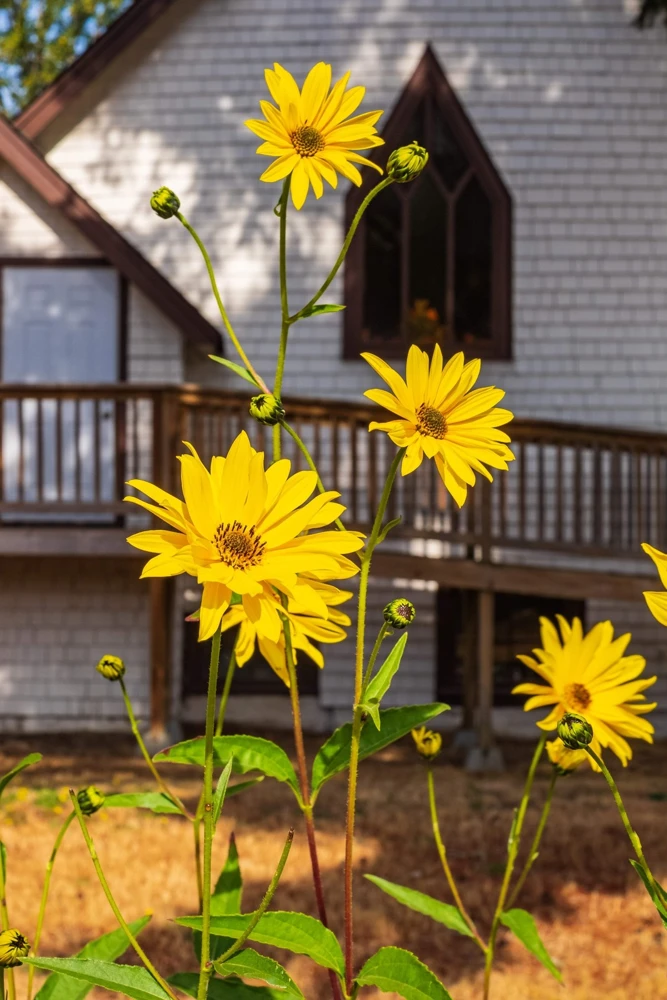
- Tall and Striking Visual Impact: Growing up to 10 feet or more, the tall sunflower provides an excellent vertical element in your garden design, perfect for creating natural screens or dramatic backdrops.
- Perennial Growth: Enjoy beautiful blooms year after year without the need for replanting. These native perennial seeds establish long-lasting colonies that expand over time.
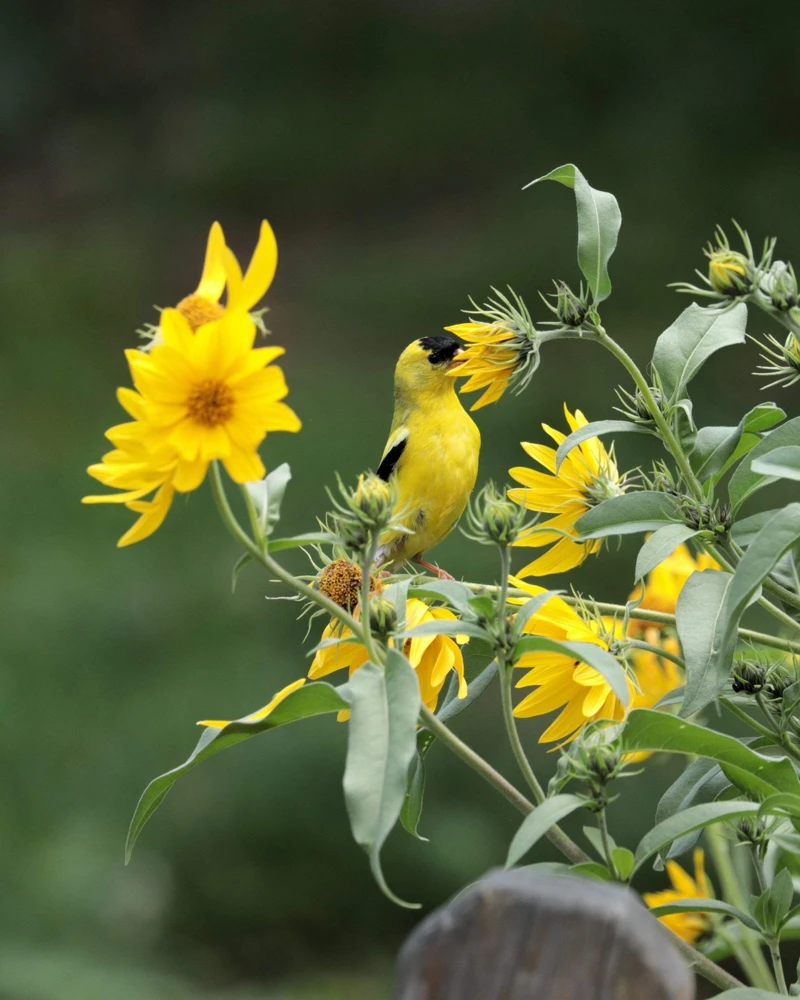
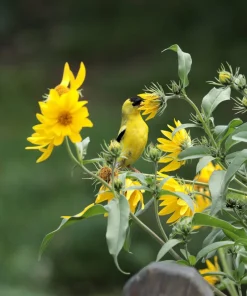
- Wildlife Habitat: The seeds provide a valuable food source for birds, especially finches, in the fall and winter, contributing to a thriving garden ecosystem.
- Erosion Control: Their deep root systems help stabilize soil, making them an excellent choice for slopes or areas prone to erosion.
- Adaptable to Various Soils: While preferring well-draining soil, Maximilian Sunflowers are quite adaptable and can thrive in a range of soil types, including clay and sandy soils.
Plant Care & Growing Tips
Growing Maximilian Sunflower seeds is a rewarding experience, as these plants are known for their hardiness and relatively low maintenance. For optimal growth, choose a site that receives full sun, meaning at least 6-8 hours of direct sunlight per day. While they can tolerate some partial shade, abundant flowering is best achieved in sunny conditions. These sunflowers prefer well-draining soil but are adaptable to a variety of soil types, including sandy, loamy, or clay soils. Avoid overly wet or waterlogged conditions, as this can lead to root rot. Once established, the prairie sunflower is quite drought-tolerant, requiring minimal supplemental watering, especially in areas with moderate rainfall. During prolonged dry spells, occasional deep watering will help maintain vigor.
Plant seeds in spring after the last frost, or in fall for natural stratification. Sow seeds about ¼ to ½ inch deep and 6-12 inches apart. Thin seedlings to 1-3 feet apart once they are a few inches tall to allow for proper air circulation and growth. Maximilian Sunflowers typically don’t require heavy fertilization; an annual application of compost in the spring is usually sufficient to support their vigorous growth. Deadheading spent flowers can encourage more blooms and prevent excessive self-seeding, though leaving some seed heads will provide food for birds. These plants are generally pest and disease resistant, making them an easy-care addition to most gardens. They are hardy in USDA zones 3-9, tolerating a wide range of temperatures.
Size & Details
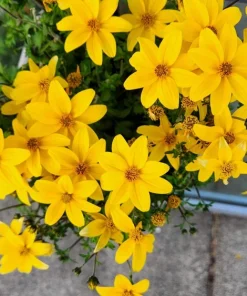
This offering includes 250 Maximilian Sunflower seeds, providing ample opportunity to establish a robust and beautiful stand of these impressive perennials. Each Helianthus maximiliani plant typically grows to a height of 3 to 10 feet, with some specimens reaching up to 12 feet under ideal conditions. The plants form clumps that can spread 2 to 4 feet wide, creating a dense and impactful presence in the landscape. Flowers are bright yellow, approximately 2-3 inches in diameter, and bloom profusely along the tall stems. These seeds are ready for planting and will develop into mature plants that typically begin flowering in late summer (August) and continue through fall (October), offering a prolonged period of vibrant color and ecological benefit. Expect germination within 10-20 days under suitable conditions, with established plants reaching their full height and flowering potential in their second year.
Frequently Asked Questions
- Q: How tall do Maximilian Sunflowers get? A: Maximilian Sunflower seeds will grow into plants that typically reach heights of 3 to 10 feet, with some individual plants capable of growing up to 12 feet tall, creating a dramatic vertical element in your garden.
- Q: Are these plants perennial or annual? A: Helianthus maximiliani is a hardy perennial, meaning it will return year after year from its root system, unlike annual sunflowers that complete their life cycle in one season.
- Q: What kind of sunlight does the prairie sunflower need? A: The prairie sunflower thrives in full sun, requiring at least 6-8 hours of direct sunlight per day for the best flowering performance and overall plant health.
- Q: When is the best time to plant these seeds? A: You can plant Maximilian Sunflower seeds in the spring after the last frost or in the fall. Fall planting allows for natural cold stratification, which can improve germination rates the following spring.
- Q: Are these sunflowers good for attracting pollinators? A: Yes, these tall sunflower plants are excellent for attracting a wide variety of pollinators, including bees, butterflies, and other beneficial insects, due to their abundant and nectar-rich flowers.
- Q: What kind of soil do they prefer? A: While adaptable to many soil types, native perennial seeds like these prefer well-draining soil. They can tolerate sandy, loamy, or clay soils but do not do well in consistently wet conditions.
- Q: How much watering do Maximilian Sunflowers need? A: Once established, Maximilian Sunflowers are quite drought-tolerant and require minimal watering. They generally only need supplemental water during extended periods of drought.
- Q: Will birds eat the seeds from these sunflowers? A: Yes, the seeds produced by the Maximilian Sunflower seeds are a favorite food source for many bird species, especially finches, providing excellent winter forage.
- Q: How wide do the clumps spread? A: Each clump of Maximilian Sunflower can spread approximately 2 to 4 feet wide, forming dense stands over time.
- Q: Are these plants suitable for beginners? A: Yes, Maximilian Sunflowers are relatively easy to grow and maintain, making them an excellent choice for both experienced gardeners and beginners looking for a low-maintenance, high-impact plant.
Be the first to review “250 Maximilian Sunflower Seeds – Helianthus Maximiliani Flower Seeds”
People Also Viewed
Reviews
There are no reviews yet.