


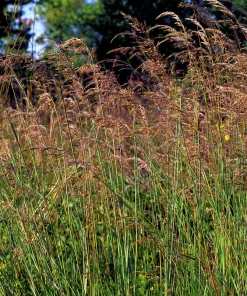
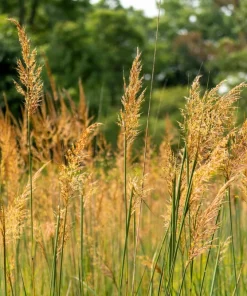
250 Indiangrass Seeds – Sorghastrum Nutans Native Grass Seeds for Landscaping
Original price was: $37.99.$17.99Current price is: $17.99.
Discover the beauty of the American prairie with our premium pack of Indiangrass seeds. Each pack contains 250 high-quality Sorghastrum Nutans seeds, perfect for cultivating a stunning native landscape, supporting local wildlife, and adding ornamental appeal to your garden. These native grass seeds are an excellent choice for erosion control and creating a naturalized area.
Estimated arrival
Sep 17
Sep 22 - Sep 24
Sep 27 - Oct 01
Shop With Confidence
30-Day Plant Health Guarantee
Arrives damaged? We’ll replace it free — see our return policy.
Responsive Support
Email us anytime, we reply within 1 business day.
Expert Packaging
Temperature-controlled shipping to protect your plants in transit.
Secure Checkout
Pay safely with Visa, Mastercard, PayPal.
Plant Specifications
-
USDA Hardiness Zone
USDA Zones 4-9 -
Soil Type
Well-draining soil -
Sunlight Exposure
Full sun -
Expected Planting Period
Late fall to early spring
Overview
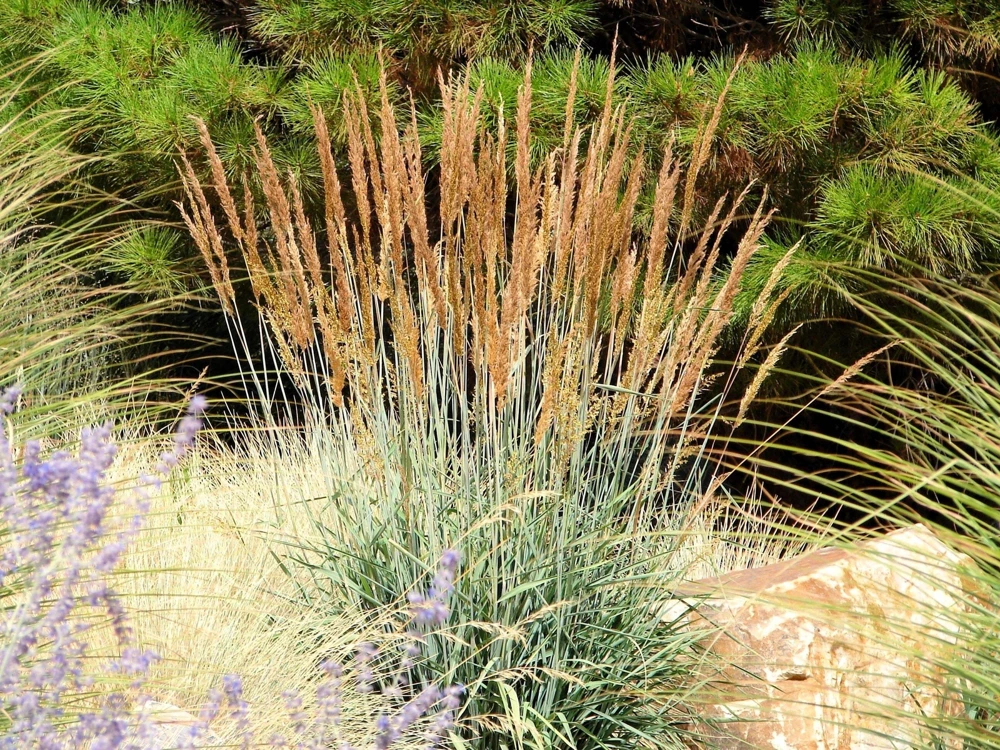
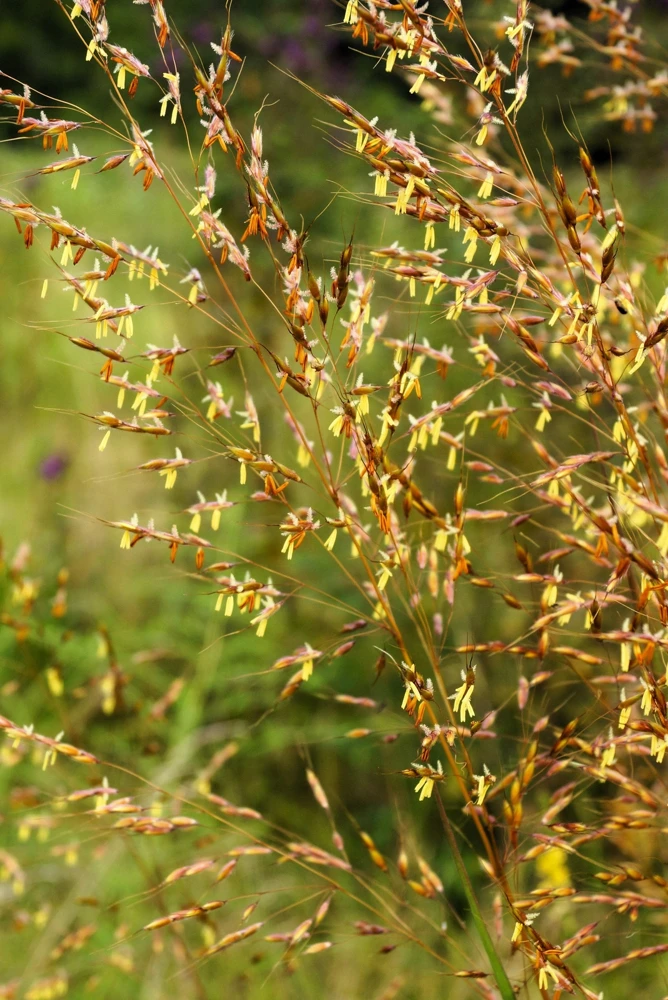
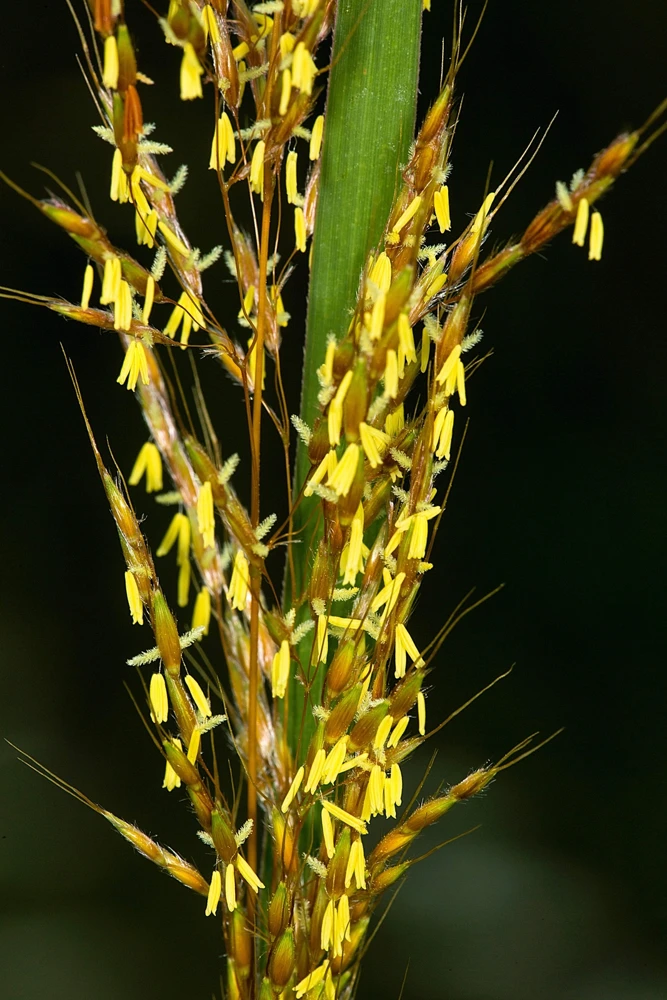
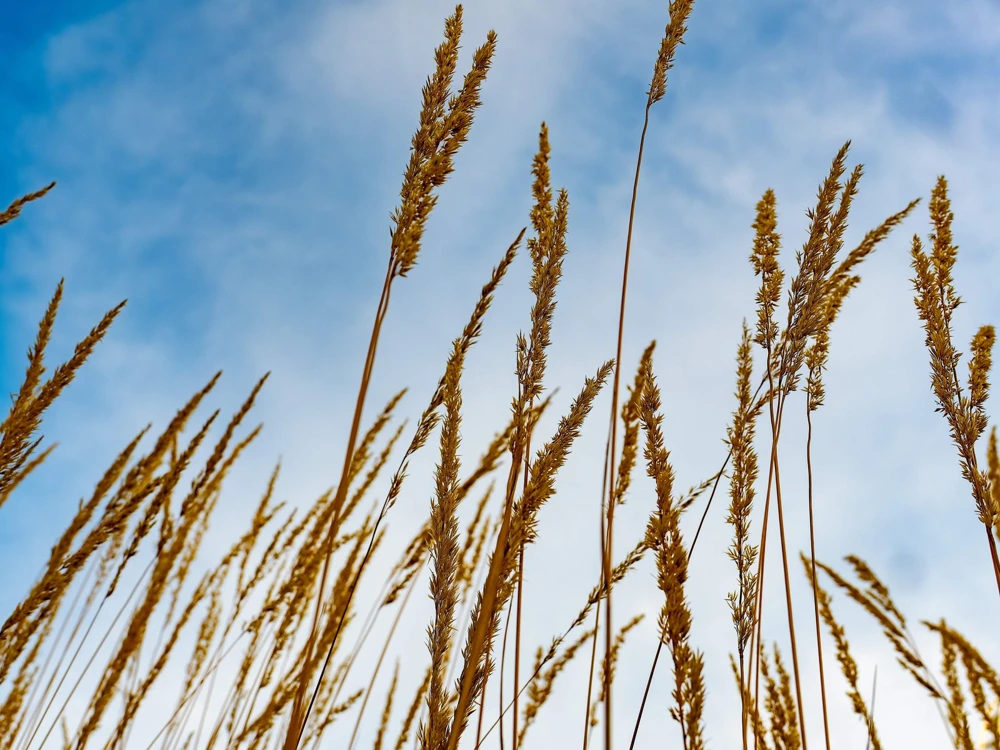
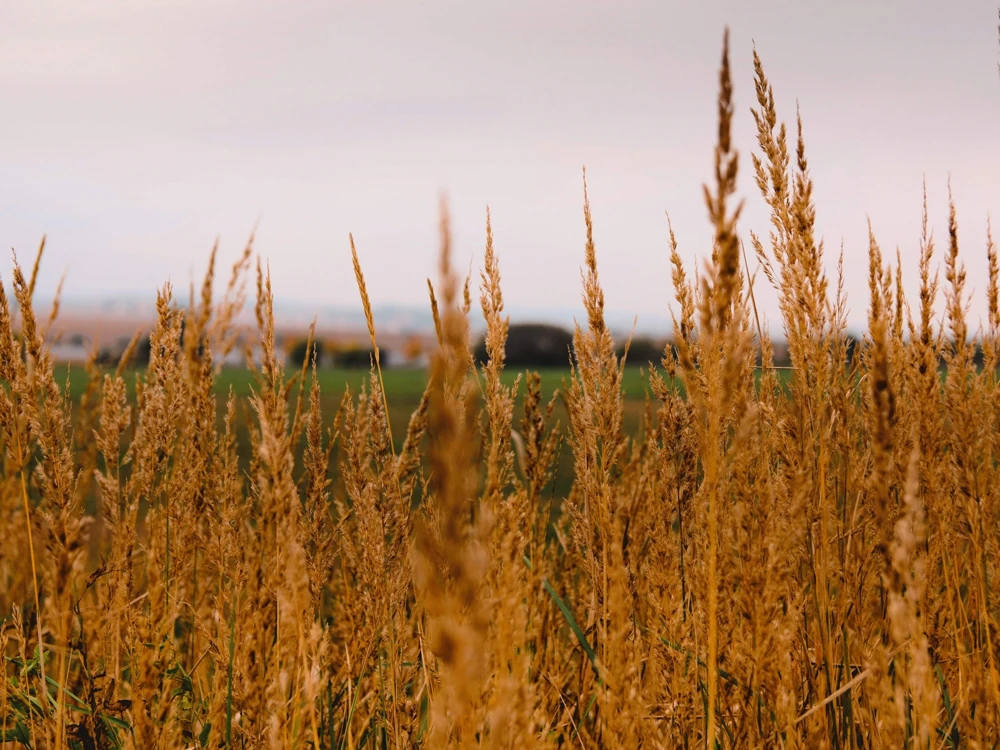
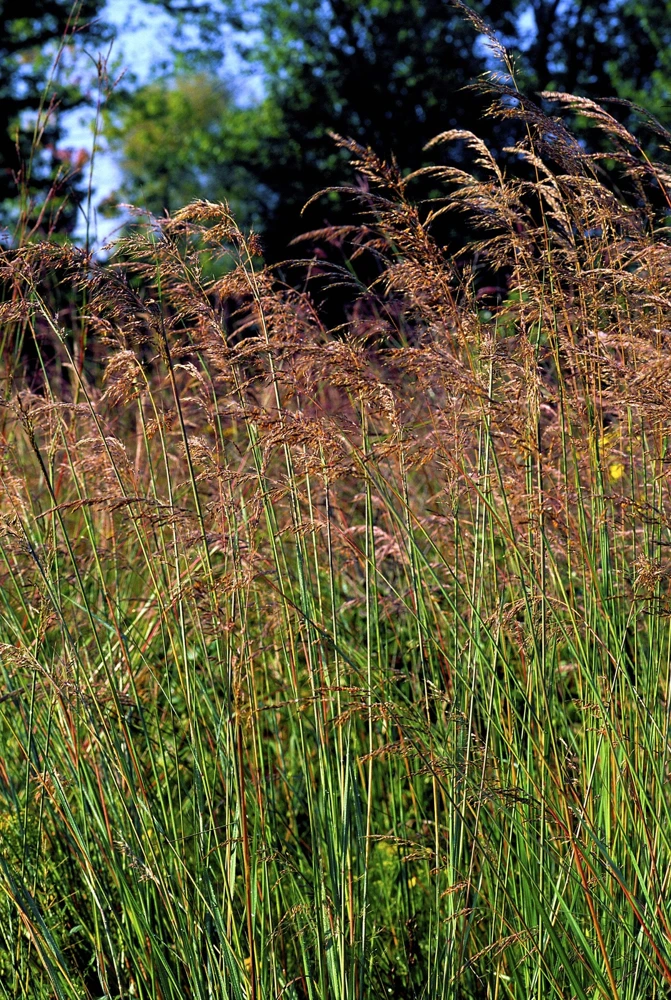
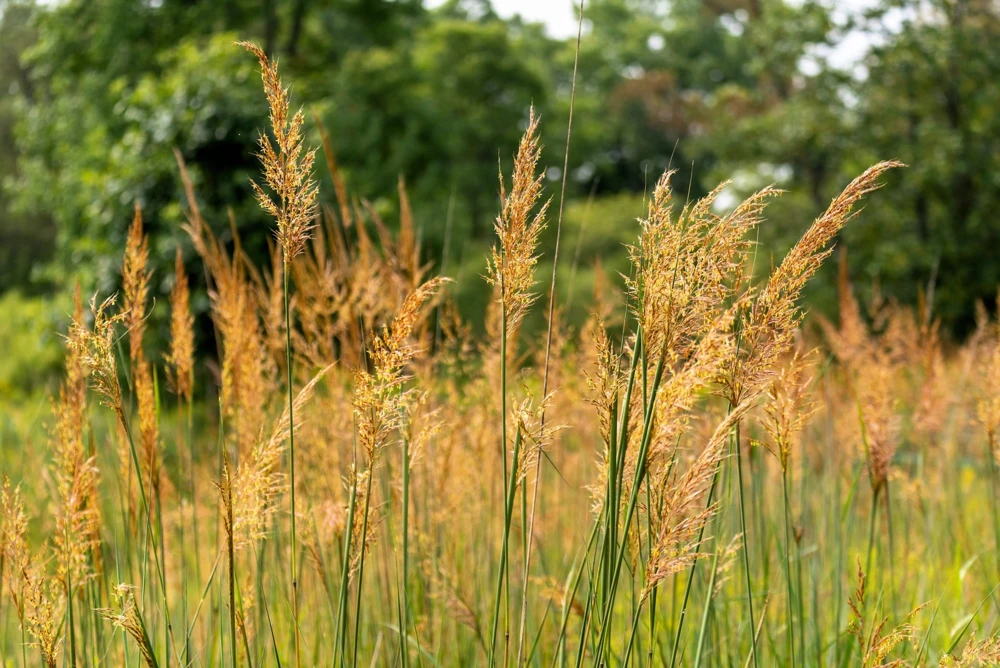
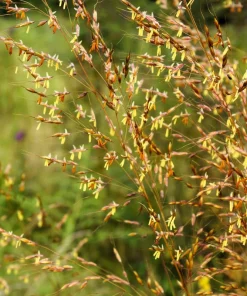
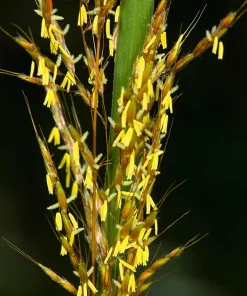
Cultivate a piece of America’s natural heritage with our premium Indiangrass seeds. This offering includes 250 high-quality Sorghastrum Nutans seeds, allowing you to establish a robust and beautiful stand of one of the most iconic native grasses of North America. Known for its striking golden-bronze plumes in late summer and fall, Indiangrass (Sorghastrum nutans) adds significant visual interest and ecological value to any landscape. These native grass seeds are perfect for restoration projects, creating wildlife habitats, or simply enhancing your garden with a touch of natural elegance. Indiangrass is a warm-season perennial grass that thrives in a variety of conditions, making it a versatile and resilient choice for many regions.
Originating from the vast prairies, Sorghastrum Nutans seeds germinate into plants that can reach impressive heights, often exceeding 6 feet, providing a dramatic backdrop or a living screen. Its deep root system helps prevent soil erosion and improves soil health, making it an environmentally friendly option. Whether you’re looking to attract beneficial insects, provide shelter for small animals, or simply enjoy the rustling sounds of the prairie, growing Indiangrass seeds is a rewarding endeavor that connects you with nature’s enduring beauty.
Key Benefits
Planting Indiangrass seeds offers a multitude of benefits for both your landscape and the local ecosystem. This resilient grass is an excellent choice for sustainable gardening practices.
- Ecological Support: As a vital component of prairie ecosystems, Sorghastrum Nutans seeds grow into plants that provide essential food and habitat for numerous wildlife species, including birds and beneficial insects, contributing to biodiversity.
- Erosion Control: The extensive and deep root system of Indiangrass is highly effective at stabilizing soil, preventing erosion, and improving soil structure, especially on slopes or in areas prone to runoff.
- Drought Tolerance: Once established, Indiangrass is remarkably drought-tolerant, requiring minimal irrigation and making it an ideal choice for water-wise landscaping.
- Low Maintenance: This native grass is generally pest and disease resistant, reducing the need for chemical treatments and making it an easy-care addition to your garden.
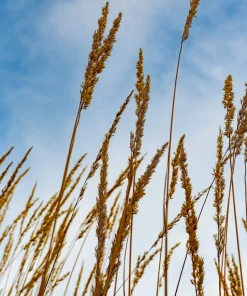
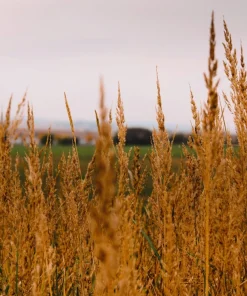
- Stunning Ornamental Value: With its tall, stately form and distinctive golden-bronze seed heads, Indiangrass provides year-round visual interest, adding texture and movement to your landscape, especially in fall and winter.
- Adaptability: Indiangrass thrives in a wide range of soil types and conditions, from moist to dry, making it a versatile option for various garden settings.
- Carbon Sequestration: Perennial grasses like Indiangrass play a role in sequestering carbon, helping to mitigate climate change and promote a healthier environment. These ornamental grass seeds are a great choice for eco-conscious gardeners.
Plant Care & Growing Tips
Growing Indiangrass seeds is relatively straightforward, especially when you understand its natural preferences. Indiangrass is a warm-season grass, meaning it performs best in the heat of summer. For optimal growth, these native grass seeds prefer full sun exposure, ideally receiving at least 6-8 hours of direct sunlight per day. While it can tolerate partial shade, too much shade can lead to weaker growth and fewer seed heads. When considering how to grow Indiangrass, soil preparation is key. Indiangrass is adaptable to a wide range of soil types, from sandy to clay, but it thrives in well-draining soil. Avoid overly wet or waterlogged conditions, as this can lead to root rot. A soil pH between 6.0 and 8.0 is generally suitable.
Watering should be consistent during the establishment phase, ensuring the soil remains moist but not saturated. Once established, Indiangrass is highly drought-tolerant and will typically only need supplemental watering during prolonged dry spells. Fertilization is usually not necessary, as this grass is adapted to nutrient-poor soils. If your soil is particularly poor, a light application of a balanced, slow-release fertilizer in early spring can be beneficial. Indiangrass is hardy in USDA zones 4-9, making it suitable for a broad range of climates. In colder zones, the foliage will die back in winter and re-emerge in spring. Consider planting these ornamental grass seeds in areas where they can truly shine.
Size & Details
Our offering includes a generous pack of 250 high-quality Indiangrass seeds, providing ample opportunity to establish a significant planting. Once mature, Indiangrass typically grows to a height of 4 to 7 feet, with some specimens reaching up to 8 feet, especially in fertile conditions. The plant forms a clump that can spread slowly over time through rhizomes, creating a dense stand. The characteristic golden-bronze plumes, which are the main ornamental feature, emerge in late summer and persist through fall and into winter, adding seasonal interest. These Sorghastrum Nutans seeds are shipped as dormant seeds, ready for planting during the appropriate season. Expect initial germination within 2-4 weeks under ideal conditions, with full establishment taking 1-2 years as the extensive root system develops. This grass has a moderate to fast growth rate, quickly filling in designated areas.
Frequently Asked Questions
- Q: How big does Indiangrass get? A: Indiangrass typically grows between 4 to 7 feet tall, with some plants reaching up to 8 feet under optimal conditions. Its upright growth habit makes it a striking addition to any landscape.
- Q: Is this an indoor or outdoor plant? A: Indiangrass is an outdoor perennial grass. It is best suited for open landscapes, prairies, gardens, and naturalized areas where it can receive full sun exposure.
- Q: How much sunlight does Indiangrass need? A: For best results, Indiangrass requires full sun, meaning at least 6-8 hours of direct sunlight per day. It can tolerate some partial shade, but growth may be less vigorous.
- Q: Is Indiangrass easy to care for? A: Yes, Indiangrass is considered a low-maintenance plant once established. It is drought-tolerant, generally pest-free, and does not require frequent fertilization, making it good for beginners.
- Q: What condition will the Indiangrass seeds arrive in? A: Your Indiangrass seeds will arrive as dormant, ready-to-plant seeds. They are carefully packaged to ensure freshness and viability for successful germination.
- Q: When is the best time to plant Indiangrass seeds? A: The best time to plant Sorghastrum Nutans seeds is in late fall or early spring, after the last frost. This allows for cold stratification if needed and optimal germination conditions.
- Q: Will Indiangrass survive winter in my zone? A: Indiangrass is hardy in USDA zones 4-9. In colder zones, the foliage will die back in winter but the plant will reliably return from its roots in the spring.
- Q: What type of soil does Indiangrass prefer? A: While adaptable to many soil types, Indiangrass thrives in well-draining soil. It can tolerate sandy, loamy, or clay soils, but good drainage is important to prevent root issues.
- Q: Can Indiangrass be used for erosion control? A: Absolutely. The deep and fibrous root system of Indiangrass makes it an excellent choice for erosion control, especially on slopes, riverbanks, and other areas susceptible to soil loss.
- Q: What are the main benefits of planting native grass seeds like Indiangrass? A: Planting native grass seeds like Indiangrass offers numerous benefits, including supporting local wildlife, improving soil health, providing excellent erosion control, and offering significant drought tolerance once established.
Be the first to review “250 Indiangrass Seeds – Sorghastrum Nutans Native Grass Seeds for Landscaping”
People Also Viewed
Vegetable Seeds



Uncategorized

Reviews
There are no reviews yet.