
-26%

20 Dwarf Crested Iris Plants – Iris Cristata Bare Root Wildflower Native
Original price was: $95.99.$70.99Current price is: $70.99.
Bring charming early spring blooms to your garden with these 20 Dwarf Crested Iris plants. Expertly cultivated as Iris Cristata bare root specimens, these native wildflowers are ideal for naturalizing, rock gardens, or woodland settings, providing a carpet of delicate blue-purple flowers.
Estimated arrival
Sep 29
Oct 04 - Oct 06
Oct 09 - Oct 13
Shop With Confidence
30-Day Plant Health Guarantee
Arrives damaged? We’ll replace it free — see our return policy.
Responsive Support
Email us anytime, we reply within 1 business day.
Expert Packaging
Temperature-controlled shipping to protect your plants in transit.
Secure Checkout
Pay safely with Visa, Mastercard, PayPal.
Plant Specifications
-
USDA Hardiness Zone
USDA Zones 3-9 -
Soil Type
Well-draining, rich loam -
Sunlight Exposure
Partial shade to full shade -
Expected Planting Period
Early spring or fall
Overview
Transform your garden into a spring wonderland with these exquisite dwarf crested iris plants. You will receive a generous quantity of 20 bare root plants, ready to establish quickly in your landscape. Known by its botanical name, Iris Cristata bare root, this charming native wildflower is celebrated for its compact size and stunning early season blooms. Perfect for gardeners seeking low-maintenance beauty, these plants thrive in a variety of settings, from shaded woodland borders to sunny rock gardens. The delicate blue-purple flowers, often adorned with a distinctive white or yellow crest, create a breathtaking display that signals the arrival of warmer weather. As a native species, Iris Cristata bare root is an excellent choice for supporting local pollinators and enhancing the biodiversity of your outdoor space. These hardy plants are a fantastic addition for naturalizing, ground cover, or adding a touch of wild elegance to your perennial beds.
The appeal of dwarf crested iris plants lies not only in their beauty but also in their resilience. They are well-suited to various climates and soil conditions, making them a versatile option for many gardeners across the US. When planted in groups, they form a lush carpet of foliage that remains attractive even after the flowering season, providing year-round interest. This offering of 20 plants ensures you have ample stock to create a significant impact, whether you’re filling a large area or distributing them among different garden zones. Embrace the natural charm of these wildflowers and enjoy the vibrant splash of color they bring each spring.
Key Benefits
Adding dwarf crested iris plants to your garden offers a multitude of advantages, enriching your outdoor space with beauty and ecological value. These small yet mighty plants provide significant benefits:
-
Early Spring Blooms: Be among the first to welcome spring with a spectacular display of blue-purple flowers, often appearing before many other perennials. This early color brightens the landscape after winter.
-
Native Wildflower: As a native wildflower iris, Iris Cristata supports local ecosystems, providing a valuable nectar source for early pollinators like bees and butterflies, contributing to biodiversity.
-
Low Maintenance: Once established, these crested iris are remarkably self-sufficient, requiring minimal care. They are drought-tolerant and disease-resistant, making them ideal for busy gardeners.
-
Versatile Landscaping: Their compact size and spreading habit make them perfect for ground cover, rock gardens, woodland edges, naturalized areas, or even container planting. They adapt well to various garden designs.
-
Shade Tolerant: Unlike many flowering plants, dwarf crested iris plants thrive in partial to full shade, making them an excellent choice for brightening dimly lit areas under trees or along north-facing walls.
-
Deer Resistant: Generally, deer tend to leave these plants alone, which is a significant advantage for gardens in areas with wildlife activity.
-
Erosion Control: Their shallow, spreading root system helps stabilize soil on slopes or banks, making them useful for erosion control in challenging garden spots.
Plant Care & Growing Tips
Caring for your dwarf crested iris plants is relatively straightforward, ensuring a rewarding display of blooms year after year. These resilient plants are quite forgiving, making them suitable for gardeners of all experience levels. When planting your Iris Cristata bare root, choose a location with partial shade to full shade, though they can tolerate more sun if the soil remains consistently moist. In hotter climates, more shade is preferable to prevent scorching. Aim for 3-6 hours of morning sun or dappled light throughout the day.
Regarding watering, crested iris care involves keeping the soil consistently moist, especially during dry spells or their first growing season. However, they are sensitive to overly wet conditions, so ensure excellent drainage. Once established, they become quite drought-tolerant. The ideal soil type is a rich, well-draining loam. Amend heavy clay soils with organic matter like compost to improve drainage and fertility. They prefer a slightly acidic to neutral pH (6.0-7.0). These plants are hardy in USDA Zones 3-9, making them suitable for a wide range of climates across the US. They are tolerant of cold winters and hot summers, provided their basic needs are met.
Fertilization is typically not a major concern for native wildflower iris. If your soil is poor, a light application of a balanced, slow-release granular fertilizer in early spring can be beneficial. Avoid high-nitrogen fertilizers, which can promote foliage growth at the expense of flowers. Deadhead spent blooms to maintain a tidy appearance, but allow the foliage to remain until it yellows naturally, as it helps store energy for the following year’s blooms. Dividing clumps every 3-5 years in late summer or early fall can help rejuvenate the plants and prevent overcrowding, ensuring continued vigorous growth and abundant small iris flowers.
Size & Details
This offering includes 20 Dwarf Crested Iris plants, supplied as healthy bare root specimens. These plants are mature enough to establish quickly and begin blooming in their first or second spring. Iris Cristata bare root typically grows to a compact height of 6-10 inches (15-25 cm) tall with a similar spread, forming dense clumps over time. Each plant will develop multiple fans of bright green, sword-like foliage, providing attractive texture even when not in bloom. The delicate blue-purple flowers, often featuring a distinctive white or yellow crest, measure approximately 1-2 inches across and bloom profusely in early to mid-spring. The bare root format allows for easy planting and ensures the plants adapt well to their new environment. Expect these dwarf crested iris plants to fill out and naturalize over a few seasons, creating a stunning carpet of color. The growth rate is moderate, allowing them to establish a strong root system and spread gently through rhizomes.
Frequently Asked Questions
-
Q: How big do these Dwarf Crested Iris plants get? A: Dwarf Crested Iris plants typically grow to a compact height of 6-10 inches (15-25 cm) tall and spread about 6-12 inches wide, forming attractive clumps over time. They are ideal for ground cover or front-of-border planting.
-
Q: Is this an indoor or outdoor plant? A: These are primarily outdoor plants, well-suited for garden beds, rock gardens, woodland settings, and naturalized areas. They are hardy and designed to thrive in various outdoor climates.
-
Q: How much sunlight does the native wildflower iris need? A: Native wildflower iris prefers partial shade to full shade, meaning about 3-6 hours of morning sun or dappled light throughout the day. In hotter regions, more shade is beneficial to protect the foliage.
-
Q: What condition will the Iris Cristata bare root arrive in? A: Your Iris Cristata bare root plants will arrive as dormant, healthy bare root specimens, carefully packaged to ensure freshness. They are ready for immediate planting upon arrival to minimize transplant shock.
-
Q: When is the best time to plant these crested iris? A: The best time to plant bare root crested iris care is typically in early spring or fall, allowing them to establish their root systems before extreme temperatures. This timing promotes robust growth and flowering.
-
Q: Are these dwarf crested iris plants good for beginners? A: Yes, dwarf crested iris plants are excellent for beginner gardeners due to their low-maintenance nature, drought tolerance once established, and general resilience to pests and diseases.
-
Q: Will these small iris flowers survive winter in my zone? A: Yes, these small iris flowers are very cold hardy, thriving in USDA Zones 3-9. They are well-adapted to surviving cold winters and will re-emerge beautifully each spring.
-
Q: How often should I water my newly planted dwarf crested iris? A: For newly planted bare roots, keep the soil consistently moist but not waterlogged until the plants are established. Once established, they are quite drought-tolerant and will only need watering during extended dry periods.
-
Q: Can I grow these in containers? A: While primarily a garden plant, dwarf crested iris plants can be grown in containers, especially in colder zones, provided the container is wide enough for their spreading rhizomes and has excellent drainage. Ensure they receive adequate moisture.
-
Q: What are the best companion plants for native wildflower iris? A: Excellent companion plants for native wildflower iris include other shade-loving perennials like hostas, ferns, trilliums, foamflowers, and bleeding hearts, which create a harmonious woodland garden setting.
Be the first to review “20 Dwarf Crested Iris Plants – Iris Cristata Bare Root Wildflower Native”
People Also Viewed
-24%
Out of stock
Original price was: $83.99.$63.99Current price is: $63.99.
-63%
Original price was: $31.99.$11.99Current price is: $11.99.
-22%
Original price was: $113.99.$88.99Current price is: $88.99.
-19%
Original price was: $36.99.$29.99Current price is: $29.99.
-57%
Original price was: $43.99.$18.99Current price is: $18.99.
-22%
Uncategorized
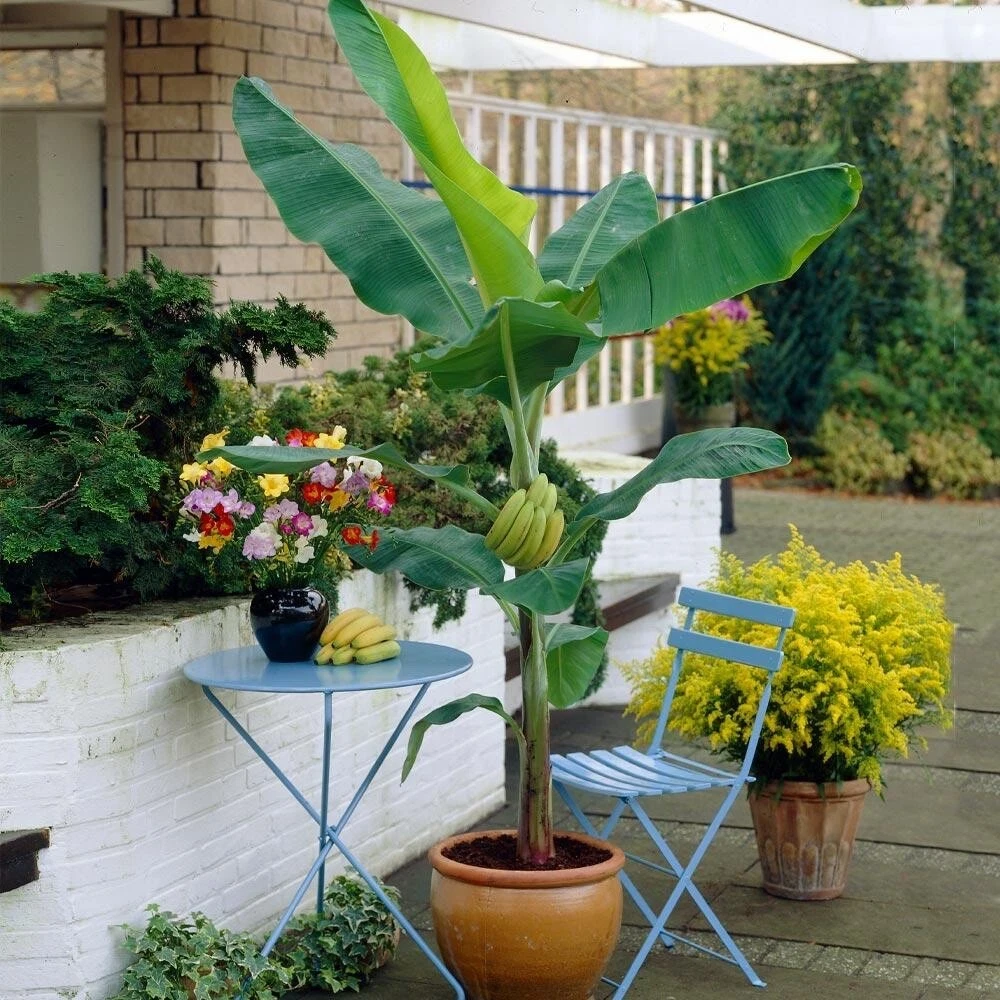
Organic Banana Gran Nain Musa Live Starter Plant Ships in Pot, Banana Tree, Tropical Fruit Plant
Original price was: $39.98.$30.99Current price is: $30.99.
-35%
Original price was: $70.99.$45.99Current price is: $45.99.
-61%
Original price was: $40.99.$15.99Current price is: $15.99.
-25%
Original price was: $101.99.$76.99Current price is: $76.99.
Reviews
There are no reviews yet.