
Serviceberry ‘Amelanchier arborea’ Live Plant – 16-24 Inches Tall, 2-3 Years Old
Original price was: $64.89.$44.89Current price is: $44.89.
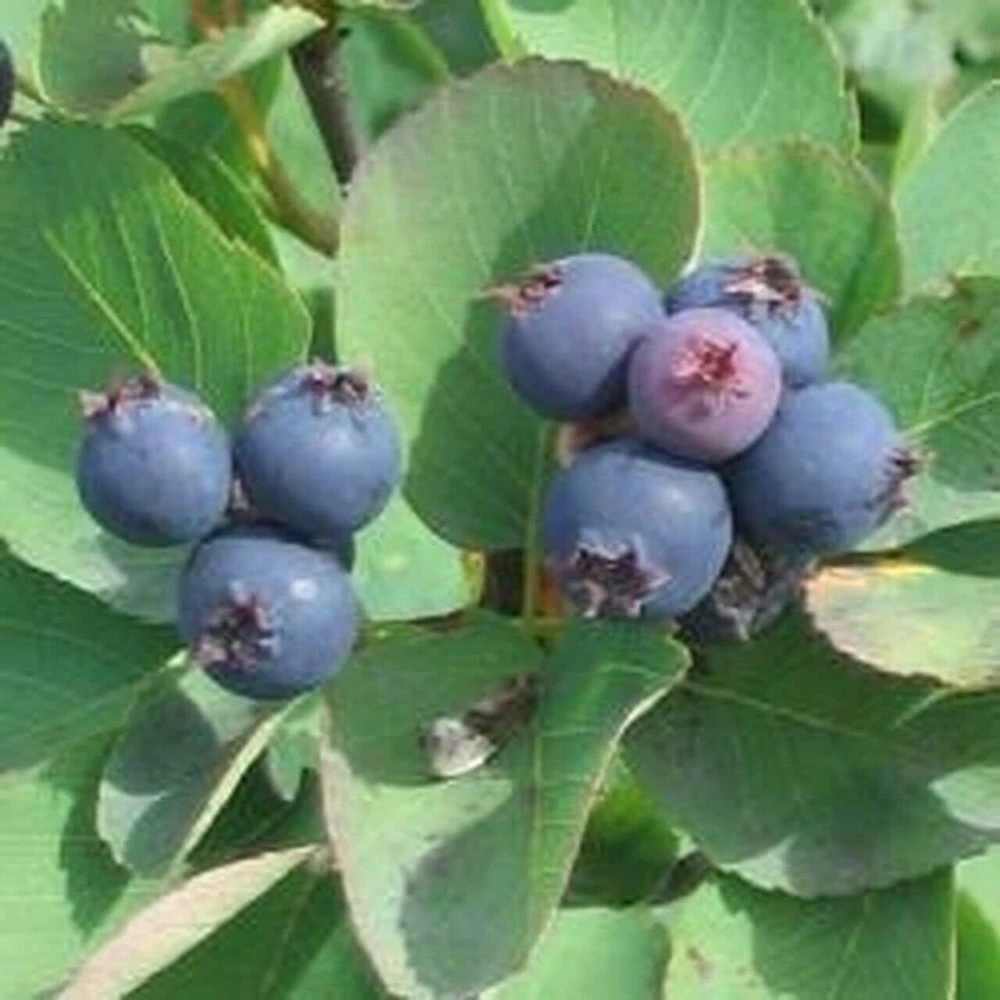
Bring seasonal beauty to your garden with a serviceberry live plant. This ‘Amelanchier arborea’ specimen, 16-24 inches tall and 2-3 years old, offers attractive white flowers in spring, edible berries in summer, and vibrant fall foliage, making it a versatile and beneficial addition to any landscape.
Estimated arrival
Oct 15
Oct 20 - Oct 22
Oct 25 - Oct 29
Shop With Confidence
30-Day Plant Health Guarantee
Arrives damaged? We’ll replace it free — see our return policy.
Responsive Support
Email us anytime, we reply within 1 business day.
Expert Packaging
Temperature-controlled shipping to protect your plants in transit.
Secure Checkout
Pay safely with Visa, Mastercard, PayPal.
Plant Specifications
-
USDA Hardiness Zone
USDA Zones 4-8 -
Soil Type
Well-draining, moist, slightly acidic to neutral soil -
Sunlight Exposure
Full sun to partial shade -
Expected Planting Period
Early spring or fall
Overview
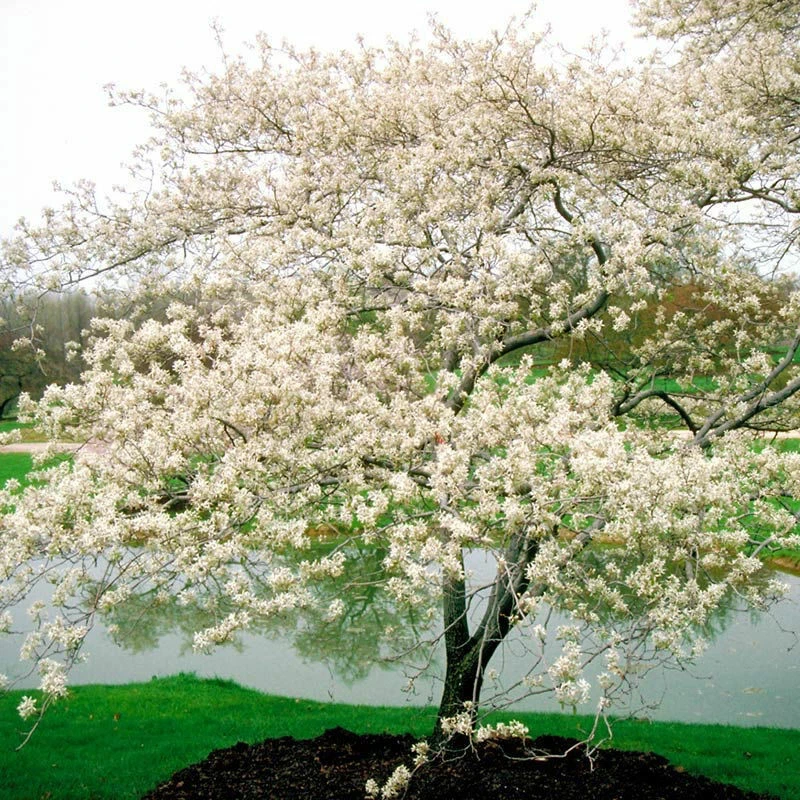
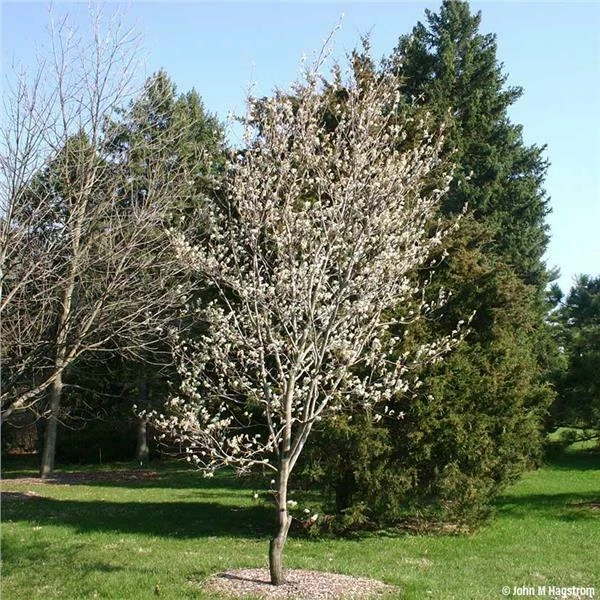
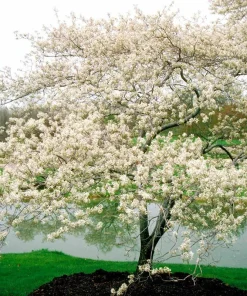
Introduce a touch of native elegance to your landscape with the serviceberry live plant, specifically the ‘Amelanchier arborea’ variety. This deciduous tree, also known as Downy Serviceberry or Juneberry, is celebrated for its multi-seasonal appeal. In early spring, before its leaves fully emerge, it bursts into a cloud of delicate white flowers, providing a vital early nectar source for pollinators. As spring transitions to summer, these flowers give way to small, sweet, edible berries that ripen to a deep purple, attracting birds and offering a delicious treat for humans. The ‘Amelanchier arborea’ then showcases attractive green foliage throughout the summer, culminating in brilliant orange and red hues in the fall, ensuring continuous visual interest. This particular serviceberry live plant is a healthy specimen, measuring 16 to 24 inches tall and approximately 2 to 3 years old, ready to establish itself and thrive in your garden.
The serviceberry live plant is a versatile choice for various garden settings, from naturalized areas and woodland gardens to more formal landscapes as a small ornamental tree or large shrub. Its moderate growth rate and relatively compact size make it suitable for a range of garden designs. Beyond its aesthetic qualities, the Serviceberry plays an important ecological role, supporting local wildlife with its flowers and fruit. Choosing ‘Amelanchier arborea’ means investing in a resilient and rewarding addition to your outdoor space that provides beauty and benefits year after year.
Key Benefits
The serviceberry live plant offers a multitude of benefits, making it a highly desirable choice for any gardener looking to enhance their outdoor space with a plant that provides year-round interest and ecological value.
- Multi-Seasonal Beauty: Enjoy a spectacular display of white, star-shaped flowers in early spring, followed by attractive green foliage through summer, and finally, brilliant orange-red fall color. This continuous seasonal interest ensures your garden remains vibrant.
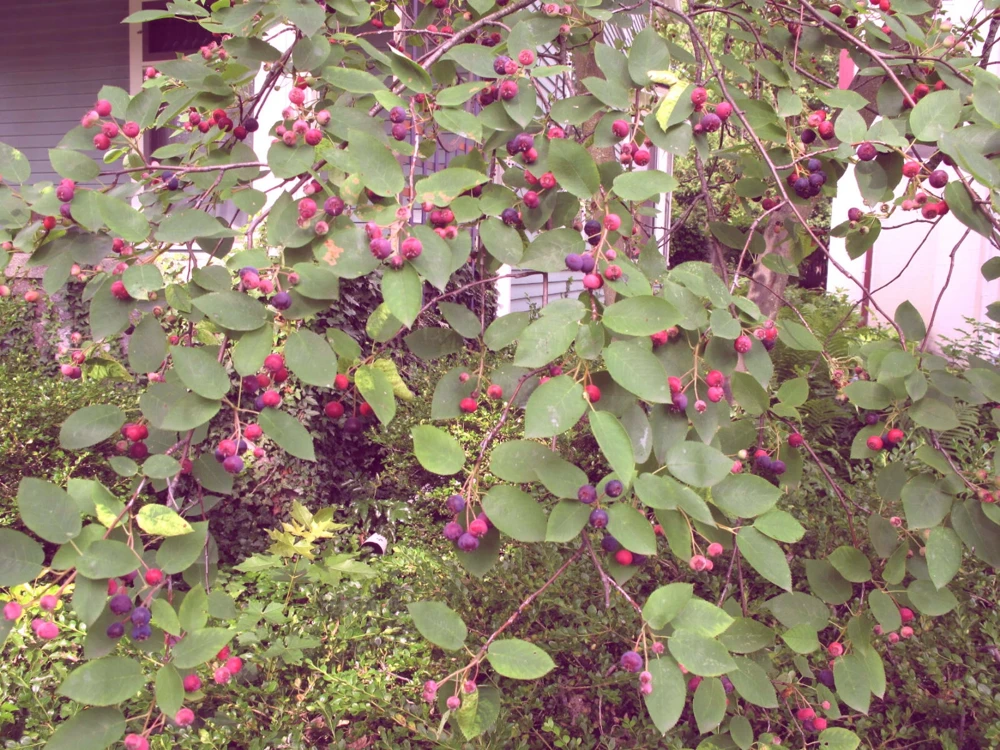
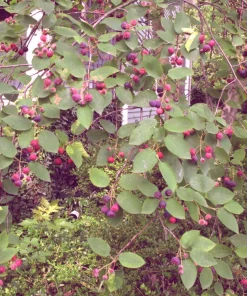
- Edible & Delicious Berries: In early summer, the plant produces small, sweet, purplish-red berries, often called Juneberries. These berries are not only tasty for humans, perfect for jams, pies, or eating fresh, but also a favorite food source for birds and other wildlife.
- Attracts Pollinators & Wildlife: The early spring blossoms of the serviceberry live plant are an essential nectar source for bees and other early emerging pollinators. The berries provide sustenance for a variety of bird species, making your garden a haven for local fauna.
- Adaptable & Resilient: ‘Amelanchier arborea’ is known for its hardiness and adaptability to a range of soil types and environmental conditions. It is relatively low-maintenance once established, making it suitable for both experienced and novice gardeners.
- Native Plant Benefits: As a native shrub to North America, the Serviceberry is well-suited to local climates and ecosystems. Planting native species like Amelanchier arborea helps support biodiversity and creates a more sustainable landscape.
- Versatile Landscape Use: Whether you desire a small ornamental tree, a large shrub, or an accent plant in a mixed border, the Serviceberry fits beautifully. It can be used in naturalized areas, along woodland edges, or as a focal point in a garden bed.
- Moderate Size: This plant typically maintains a manageable size, making it suitable for smaller gardens where a large tree might be too overwhelming. It provides vertical interest without dominating the space.
Plant Care & Growing Tips
Caring for your serviceberry live plant, ‘Amelanchier arborea’, is relatively straightforward, ensuring it thrives and provides its multi-seasonal beauty for years to come. Serviceberries prefer a location with full sun to partial shade. For optimal flowering and fruiting, aim for at least 6 hours of direct sunlight per day. While it can tolerate some shade, too much shade may result in fewer flowers and berries, and less vibrant fall foliage. When planting, ensure the soil is well-draining. Serviceberries are adaptable to a variety of soil types, including clay, loam, and sand, but they prefer moist, slightly acidic to neutral soils. Avoid waterlogged conditions, as this can lead to root rot.
Regular watering is crucial during the first year after planting to help establish a strong root system. Once established, the serviceberry live plant is moderately drought-tolerant, but consistent moisture during dry spells will promote healthier growth and better fruit production. A layer of mulch around the base of the plant can help retain soil moisture, regulate soil temperature, and suppress weeds. Fertilization is typically not necessary for established plants in rich soil, but if your soil is poor, a balanced, slow-release granular fertilizer applied in early spring can be beneficial. Pruning should be done in late winter or early spring while the plant is dormant. Remove any dead, damaged, or crossing branches to maintain good air circulation and shape. You can also thin out older stems to encourage new growth.
While generally robust, monitoring your serviceberry tree care for common issues is good practice. Pests like aphids or borers and diseases such as powdery mildew or rust can occasionally affect serviceberries. Good air circulation, proper watering, and maintaining overall plant health are the best preventative measures. The Amelanchier arborea is generally hardy and resilient, making it a rewarding choice for many gardeners. Understanding how to grow serviceberry successfully involves providing adequate light, well-drained soil, and consistent care, especially during its establishment phase.
Size & Details
This offering is for one healthy serviceberry live plant, specifically the ‘Amelanchier arborea’ variety. Each plant stands between 16 to 24 inches tall at the time of shipping, representing a young but well-established specimen. These plants are approximately 2 to 3 years old, having developed a robust root system and multiple branches, preparing them for successful transplanting into your garden. The plant is shipped as a live, growing specimen, often dug up fresh to ensure vitality upon arrival.
The ‘Amelanchier arborea’ typically grows into a small, multi-stemmed tree or large shrub, reaching a mature height of 15 to 25 feet and a spread of 10 to 15 feet. Its growth rate is moderate, meaning it will establish itself and show noticeable growth each year without becoming overly aggressive. Expect to see its beautiful white blossoms in early spring, followed by edible berries in early summer, and impressive fall foliage. This native shrub is ready to provide years of beauty and ecological benefit to your landscape.
Frequently Asked Questions
- Q: How big does this serviceberry live plant get? A: This particular serviceberry live plant is currently 16 to 24 inches tall and 2-3 years old. At maturity, the ‘Amelanchier arborea’ typically grows to a height of 15 to 25 feet with a spread of 10 to 15 feet, forming a lovely small tree or large shrub.
- Q: Is this an indoor or outdoor plant? A: The Amelanchier arborea is an outdoor plant, perfectly suited for garden landscapes, naturalized areas, or as an ornamental tree in yards. It is not intended for indoor cultivation.
- Q: How much sunlight does the serviceberry need? A: Serviceberries thrive in full sun to partial shade. For the best flowering, fruiting, and fall color, aim for at least 6 hours of direct sunlight per day.
- Q: What condition will the serviceberry live plant arrive in? A: Your serviceberry live plant will arrive as a healthy, live specimen, typically dug up fresh to ensure its vigor for transplanting. It will be carefully packaged to protect it during transit.
- Q: When is the best time to plant a serviceberry? A: The best time to plant a serviceberry is in early spring or fall when temperatures are moderate. This allows the plant to establish its root system before extreme summer heat or winter cold.
- Q: Is this plant easy to care for? A: Yes, the Serviceberry is considered relatively easy to care for once established. It’s adaptable to various soil types and is known for its hardiness, making serviceberry tree care manageable for most gardeners.
- Q: Can I eat the berries from this serviceberry? A: Yes, the berries produced by the ‘Amelanchier arborea’ are edible and quite delicious! They ripen to a purple-red in early summer and can be enjoyed fresh or used in various recipes like jams and pies.
- Q: Will the serviceberry survive winter in my zone? A: The ‘Amelanchier arborea’ is a very hardy plant, typically suited for USDA Zones 4-8. If you are within these zones, it should tolerate winter conditions well, though young plants may benefit from winter protection in the colder parts of its range.
- Q: What kind of soil does a serviceberry prefer? A: This native shrub prefers well-draining soil. It is adaptable to sandy, loamy, or clay soils, but performs best in moist, slightly acidic to neutral conditions.
- Q: How long until the serviceberry blooms and produces fruit? A: Since this is a 2-3 year old plant, it may begin flowering and fruiting within the next year or two after planting, depending on establishment and growing conditions.
Be the first to review “Serviceberry ‘Amelanchier arborea’ Live Plant – 16-24 Inches Tall, 2-3 Years Old”
People Also Viewed
Reviews
There are no reviews yet.