

New England Aster Seeds – 300 Count – Vibrant Purple Blooms for Pollinators
Original price was: $31.99.$11.99Current price is: $11.99.
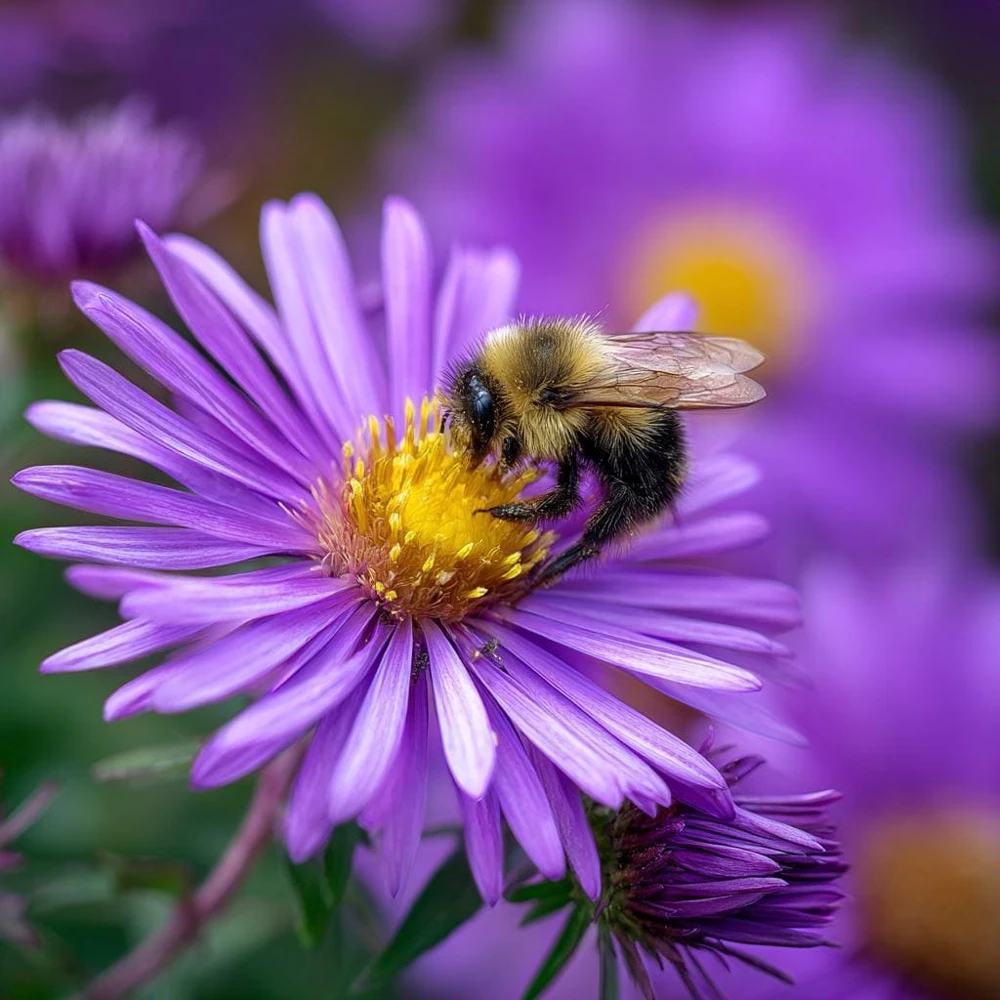
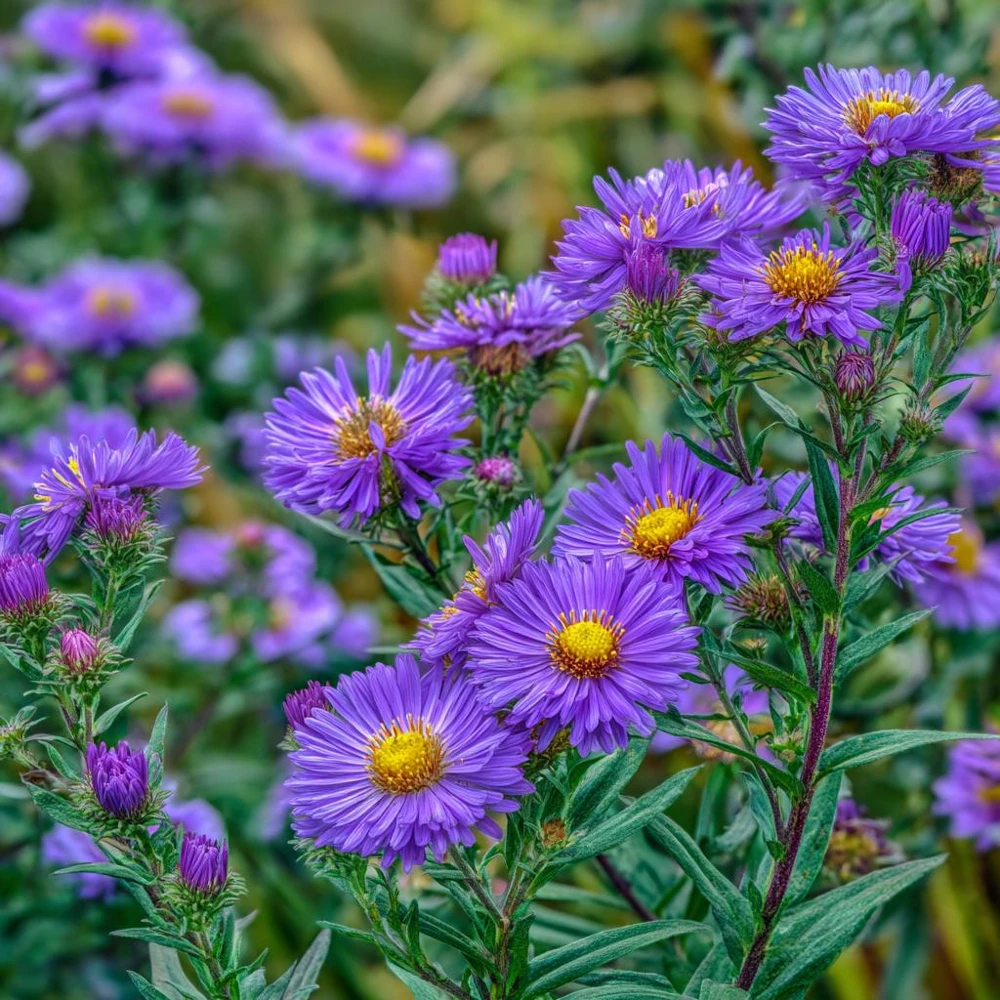
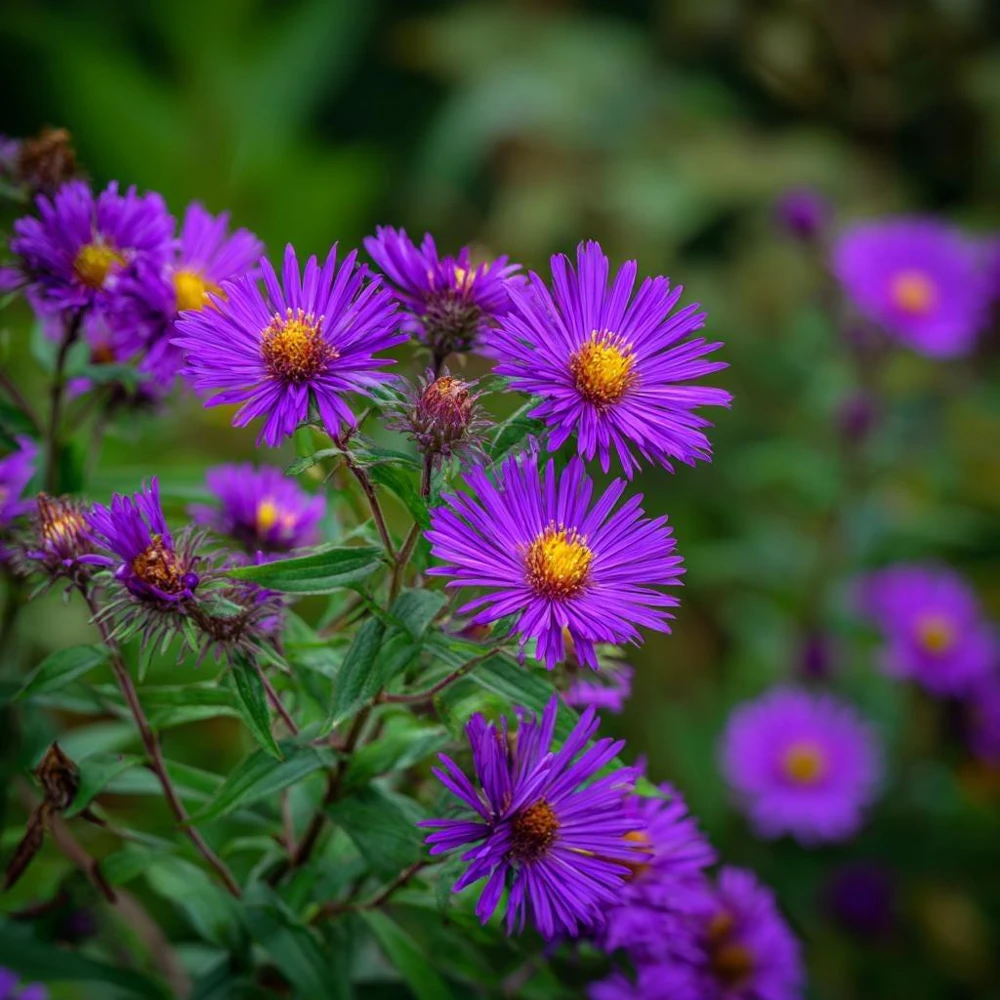
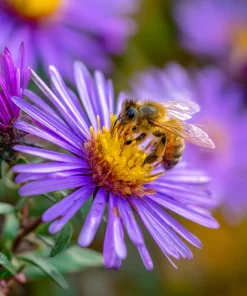
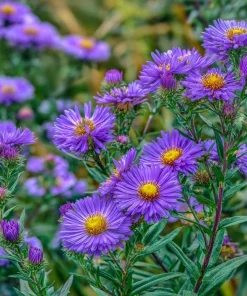
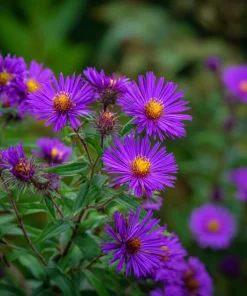
Cultivate stunning purple blooms with these New England Aster seeds. Each packet contains 300 New England Aster seeds, perfect for creating a vibrant, pollinator-friendly fall garden. These easy-to-grow wildflowers attract bees and butterflies, adding long-lasting color and ecological value to your landscape.
Estimated arrival
Oct 14
Oct 19 - Oct 21
Oct 24 - Oct 28
Shop With Confidence
30-Day Plant Health Guarantee
Arrives damaged? We’ll replace it free — see our return policy.
Responsive Support
Email us anytime, we reply within 1 business day.
Expert Packaging
Temperature-controlled shipping to protect your plants in transit.
Secure Checkout
Pay safely with Visa, Mastercard, PayPal.
Plant Specifications
-
USDA Hardiness Zone
USDA zones 3-8 -
Soil Type
Well-draining soil -
Sunlight Exposure
Full sun to partial shade -
Expected Planting Period
Early spring to late spring
Overview
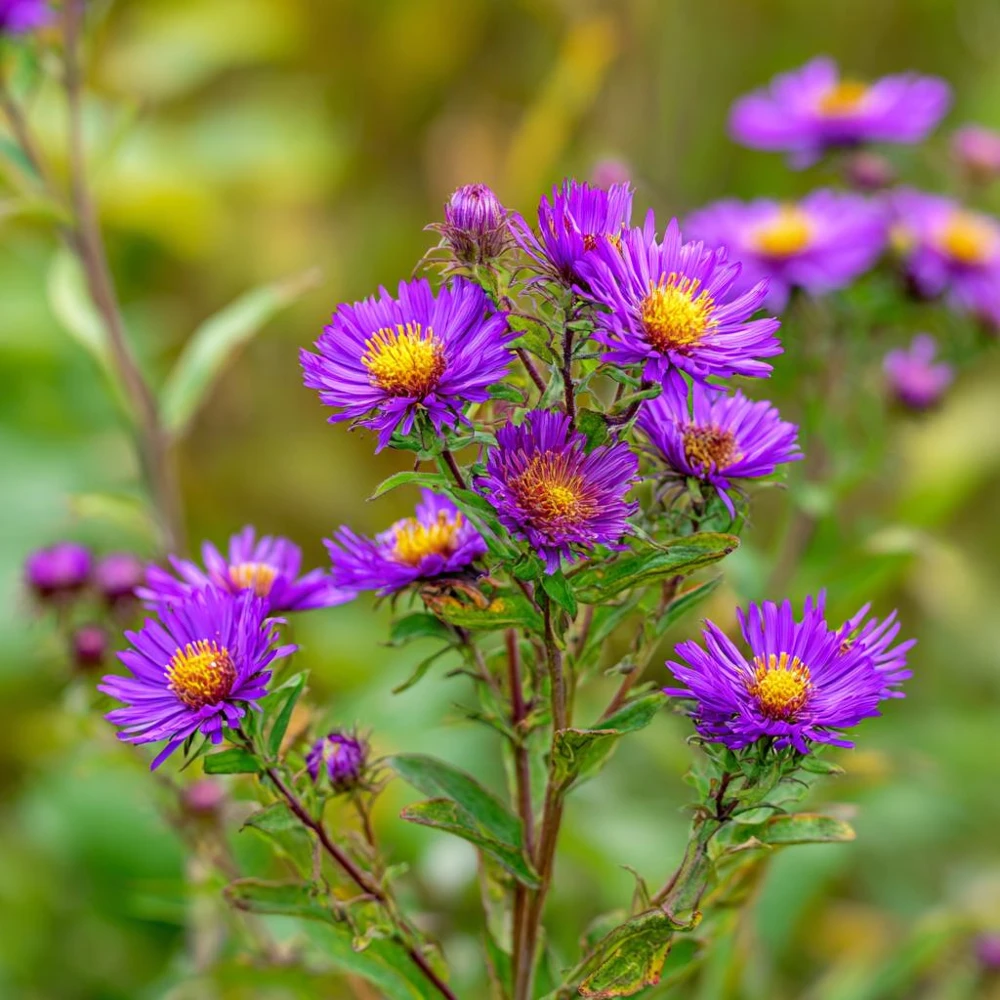
Bring the beauty of late summer and fall to your garden with New England Aster seeds. This packet contains 300 New England Aster seeds (Symphyotrichum novae-angliae), allowing you to grow a stunning display of vibrant purple daisy-like flowers with bright yellow centers. Revered for their robust nature and spectacular autumn blooms, these perennial wildflowers are an essential addition to any garden seeking to extend its color palette into the cooler months. Not only do they provide a visual feast, but they also serve a crucial role in supporting local ecosystems, making them a top choice for those looking for pollinator friendly seeds.
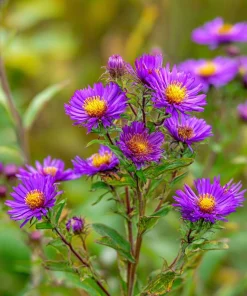
New England Aster is a native North American wildflower known for its tall, sturdy stems and abundant blossoms. These plants thrive in various conditions, making them suitable for borders, meadows, and naturalized areas. Growing from purple aster seeds offers a rewarding experience for gardeners of all levels, transforming your outdoor space into a haven for beneficial insects and adding significant aesthetic appeal.
Key Benefits
Cultivating New England Aster seeds offers a multitude of advantages for both your garden and the environment. These remarkable plants contribute significantly to biodiversity and visual interest.
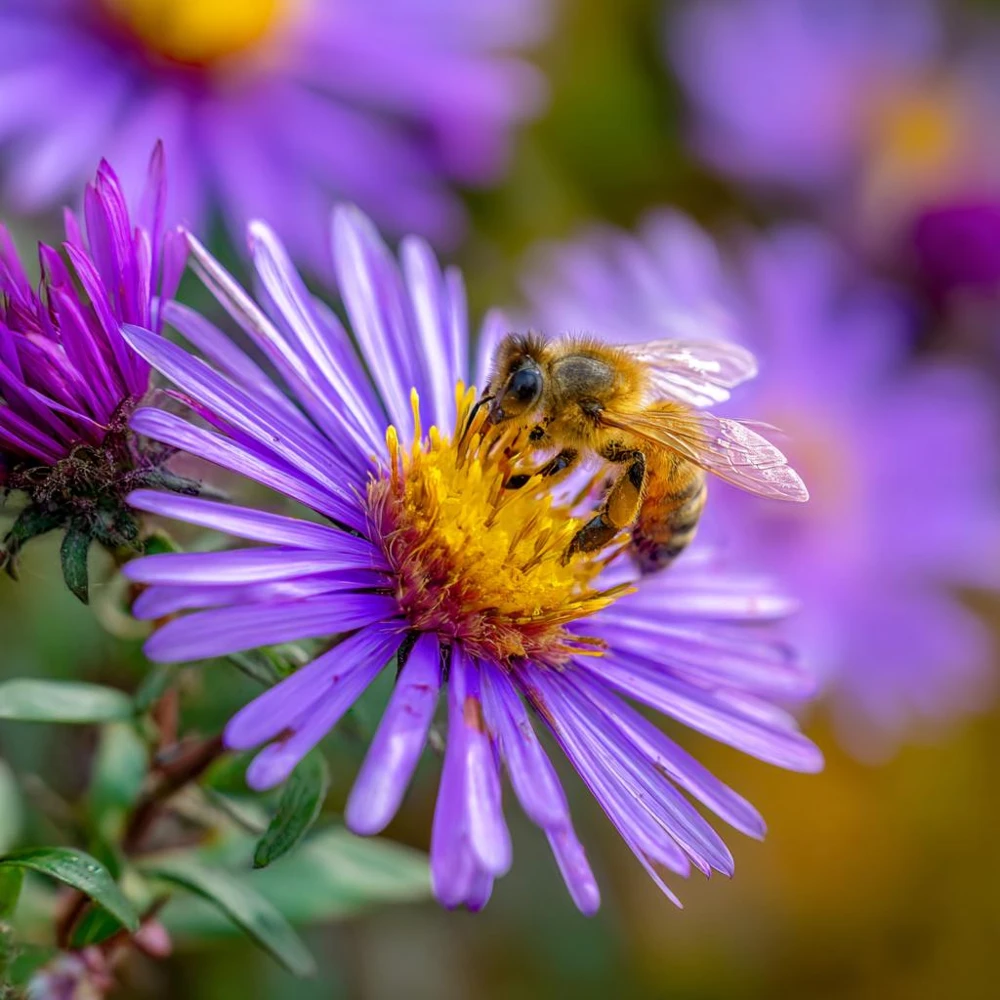
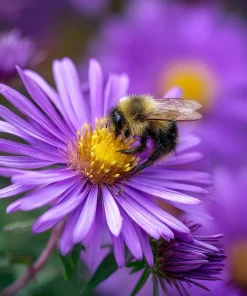
- Attracts Pollinators: The nectar-rich flowers are a magnet for bees, butterflies, and other beneficial insects, providing a vital food source in late summer and fall. This makes them excellent pollinator friendly seeds for supporting local wildlife.
- Vibrant Fall Color: Enjoy a spectacular display of vibrant purple blooms that extend your garden’s beauty well into autumn, long after many other flowers have faded.
- Low Maintenance: Once established, New England Aster plants are remarkably resilient and require minimal care, tolerating various soil conditions and some drought.
- Hardy Perennial: These plants return year after year, offering consistent beauty without the need for annual replanting, making them a sustainable choice for your landscape.
- Versatile Garden Use: Ideal for garden beds, borders, naturalized areas, and meadows, adding vertical interest and a burst of color.
- Deer Resistant: Generally unappealing to deer, helping to protect your garden’s beauty from common garden pests.
- Easy to Grow from Seed: These purple aster seeds germinate reliably, making it simple to establish a large patch of these beautiful wildflowers.
Plant Care & Growing Tips
Growing New England Aster seeds into thriving plants is a straightforward process, making them suitable for both novice and experienced gardeners. For best results, sow seeds indoors 6–8 weeks before the last frost date, or directly outdoors in early spring once all danger of frost has passed. Lightly press the Symphyotrichum novae-angliae seeds into well-drained soil; do not cover, as light is essential for germination. Maintain consistent soil moisture throughout the germination period, which typically takes 14–21 days. Once seedlings have developed 2–3 true leaves, carefully transplant them, spacing plants 12–18 inches apart to allow for healthy growth and air circulation.
New England Asters flourish in full sun to partial shade, requiring at least 6 hours of direct sunlight daily for optimal blooming. They prefer moderately fertile, well-drained soil but are adaptable to a range of soil types. Water regularly during dry spells, especially during the establishment phase, though mature plants exhibit good drought tolerance. Deadheading spent flowers can encourage a longer blooming period and prevent excessive self-seeding. These low-maintenance perennials are known for their resilience and ability to provide stunning late-season color, making them a perfect addition to any fall garden seeds collection.
These plants are generally hardy in USDA zones 3-8. Fertilize sparingly; an annual application of compost or a balanced slow-release fertilizer in spring is usually sufficient. Watch for powdery mildew in humid conditions; ensuring good air circulation can help prevent this. By following these simple care instructions, your New England Aster seeds will transform into a magnificent display of color, attracting pollinators and enhancing the beauty of your garden year after year.
Size & Details
Each packet contains 300 New England Aster seeds, providing ample opportunity to establish a robust and colorful planting. When mature, New England Aster plants typically reach a height of 3 to 6 feet and a spread of 2 to 3 feet, creating an impressive vertical element in your garden. These perennial wildflowers grow at a moderate rate, usually blooming in their second year when grown from seed, though some may produce a few flowers in their first season under ideal conditions. The vigorous growth habit ensures a dense and floriferous display, especially when planted in groups.
The seeds are shipped in a protective packet, ensuring their viability upon arrival. These seeds are ready for immediate sowing or can be stored in a cool, dry place for future planting. The vibrant purple blooms, characteristic of purple aster seeds, are known for their striking appearance in late summer and fall, making them an excellent choice for extending the seasonal interest of your garden. Embrace the opportunity to grow these beautiful and beneficial wildflowers from Symphyotrichum novae-angliae seeds.
Frequently Asked Questions
- Q: How big do New England Aster plants get? A: New England Aster plants typically grow to a height of 3 to 6 feet and can spread 2 to 3 feet wide, providing a substantial presence in the garden. Their tall, sturdy stems offer excellent vertical interest.
- Q: Is this an indoor or outdoor plant? A: New England Aster is an outdoor perennial wildflower, best suited for garden beds, borders, and naturalized areas where it can receive ample sunlight and space to grow.
- Q: How much sunlight do New England Aster seeds need to grow? A: These plants thrive in full sun to partial shade, ideally requiring at least 6 hours of direct sunlight per day for the best flowering performance.
- Q: Are these purple aster seeds easy to care for? A: Yes, New England Aster plants are considered low-maintenance once established. They are adaptable to various soil conditions and are relatively drought-tolerant, making them a great choice for beginners and experienced gardeners alike.
- Q: What condition will the New England Aster seeds arrive in? A: The New England Aster seeds will arrive in a sealed packet, ensuring their freshness and viability for planting. They are ready to be sown according to the provided instructions.
- Q: How long until New England Aster blooms from seed? A: Most New England Aster plants grown from seed will begin to bloom in their second year, providing beautiful purple flowers from late summer into fall. Some may produce a few blooms in their first year under optimal conditions.
- Q: Will these fall garden seeds attract pollinators? A: Absolutely! New England Aster is renowned for being a fantastic source of nectar and pollen for bees, butterflies, and other beneficial insects in the late season, making them excellent pollinator friendly seeds.
- Q: What USDA hardiness zones are suitable for New England Aster? A: New England Aster is generally hardy in USDA zones 3 through 8, making it a resilient choice for a wide range of climates across North America.
- Q: Can I collect seeds from my New England Aster plants? A: Yes, you can allow some spent flowers to go to seed, and you may be able to collect them for future planting or allow them to self-seed naturally in your garden.
- Q: What is the best soil type for Symphyotrichum novae-angliae? A: Symphyotrichum novae-angliae prefers moderately fertile, well-drained soil, but it is quite adaptable and can tolerate a range of soil types.
Be the first to review “New England Aster Seeds – 300 Count – Vibrant Purple Blooms for Pollinators”
People Also Viewed

Reviews
There are no reviews yet.