
Miracle Berry Live Plant – 2 ft Tall – 3 Gal Pot – Flavor Enhancer
$141.76
Experience the extraordinary with a miracle berry live plant. This unique fruit temporarily alters your perception of taste, making sour foods sweet. Standing 2 ft tall and shipping in a 3-gallon pot, it’s a fascinating addition to any garden or patio.
Estimated arrival
Sep 14
Sep 19 - Sep 21
Sep 24 - Sep 28
Shop With Confidence
30-Day Plant Health Guarantee
Arrives damaged? We’ll replace it free — see our return policy.
Responsive Support
Email us anytime, we reply within 1 business day.
Expert Packaging
Temperature-controlled shipping to protect your plants in transit.
Secure Checkout
Pay safely with Visa, Mastercard, PayPal.
Plant Specifications
-
USDA Hardiness Zone
USDA Zones 9-11 (outdoors); Year-round indoors in all zones -
Soil Type
Acidic, well-draining potting mix (pH 4.5-5.5) -
Sunlight Exposure
Bright, indirect light to partial shade -
Expected Planting Period
Year-round indoors; Spring to early summer outdoors (in suitable zones)
Overview
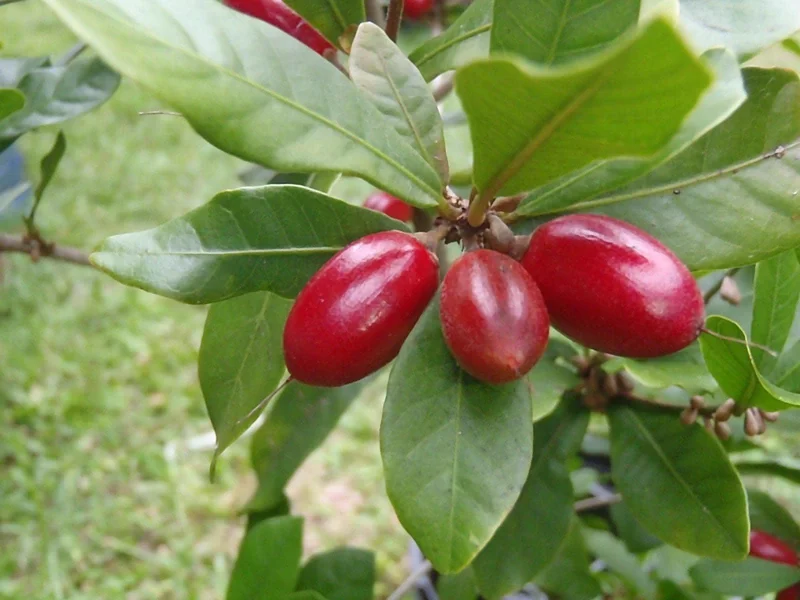
Introduce an extraordinary botanical wonder to your home with the miracle berry live plant. Known botanically as Synsepalum dulcificum, this remarkable shrub produces small, red berries that possess a unique glycoprotein called miraculin. When consumed, these seemingly ordinary berries temporarily modify your taste receptors, causing sour and acidic foods to taste incredibly sweet. Imagine lemons tasting like lemonade, vinegar like apple cider, or even certain vegetables transforming into delightful treats. This fascinating phenomenon makes the miracle fruit plant a popular choice for culinary adventurers, health-conscious individuals looking to reduce sugar intake, and anyone seeking a truly unique gardening experience. Our healthy miracle berry live plant arrives approximately 2 feet tall, ready to thrive and surprise you with its enchanting fruit.
The miracle berry live plant is more than just a novelty; it’s a conversation starter and a source of natural wonder. Originating from West Africa, this evergreen shrub is relatively easy to grow in the right conditions, making it accessible to a wide range of gardeners. Whether you’re an experienced horticulturist or a curious beginner, cultivating your own source of taste-altering fruit is an immensely rewarding endeavor. Prepare to amaze friends and family as you host “flavor tripping” parties, exploring a new dimension of taste with this incredible plant.
Key Benefits
The miracle berry live plant offers a multitude of benefits beyond its taste-altering properties, making it a valuable addition to your plant collection. Its unique attributes contribute to both culinary exploration and personal well-being.
- Unique Taste Alteration: The primary benefit is the temporary alteration of taste perception. For up to two hours after consuming a miracle berry live plant fruit, sour and acidic foods will taste sweet without any added sugar, offering a novel culinary experience and a healthier way to enjoy certain dishes.
- Culinary Experimentation: Unlock a new world of flavors. Use the berries to enhance the taste of natural foods like fruits (lemons, limes, grapefruits), vegetables, and even certain beverages, making healthy eating more enjoyable.
- Sugar Reduction Aid: For those looking to cut down on sugar, the miracle fruit plant provides a natural alternative to sweeten foods. It allows you to savor the sweetness without the calories or artificial ingredients.
- Decorative Appeal: Beyond its fruit, the miracle berry live plant is an attractive evergreen shrub with glossy green leaves and small, bright red berries, adding a touch of exotic beauty to your home or garden.
- Educational and Entertaining: It serves as an excellent educational tool for children and adults alike, demonstrating natural biological phenomena. It’s also incredibly entertaining for gatherings and parties, creating memorable taste tests.
- Potential Health Benefits: While primarily known for taste alteration, the berries are a natural fruit and can be a part of a healthy diet, encouraging the consumption of nutrient-rich, tart foods that might otherwise be less appealing.
Plant Care & Growing Tips
Caring for your miracle berry live plant requires attention to specific environmental conditions to ensure its health and fruit production. These plants thrive in warm, humid environments, reminiscent of their native West African climate.
Sunlight Requirements: Your miracle berry live plant prefers bright, indirect light. While it can tolerate some morning sun, protect it from harsh afternoon sun, especially in warmer climates, as this can scorch its leaves. If growing indoors, place it near a south or east-facing window, or under grow lights, ensuring it receives at least 6-8 hours of bright light daily. In outdoor settings, choose a location with dappled shade or where it receives morning sun and afternoon shade.
Watering Schedule and Soil Moisture: Consistent moisture is crucial for the miracle fruit plant. The soil should be kept consistently moist but never waterlogged. Water thoroughly when the top inch of soil feels dry to the touch. During warmer months or when the plant is actively growing, it may require more frequent watering. Reduce watering slightly in cooler months. Ensure good drainage to prevent root rot, which is a common issue for these plants if overwatered. Humidity is also important; consider misting the leaves regularly or placing the pot on a pebble tray filled with water.
Soil Type and Drainage: The miracle berry live plant thrives in acidic, well-draining soil with a pH between 4.5 and 5.5. A good potting mix for acid-loving plants, such as those formulated for azaleas or rhododendrons, is ideal. You can also create your own mix using peat moss, pine bark fines, and perlite to ensure excellent drainage and acidity. Avoid heavy, compact soils that retain too much moisture. Repotting should be done every 1-2 years or when the plant becomes root-bound, moving up to a slightly larger pot.
Temperature Range and USDA Hardiness Zone: These plants are sensitive to cold. They prefer temperatures between 65°F and 85°F (18°C-29°C) and should not be exposed to temperatures below 40°F (4°C). For outdoor cultivation, the miracle berry live plant is best suited for USDA Zones 9-11. In cooler climates, it must be grown in containers and brought indoors during the colder months. Protect it from drafts and sudden temperature fluctuations.
Fertilization: Fertilize your miracle berry live plant every 2-4 weeks during the growing season (spring and summer) with a balanced, acid-forming fertilizer. Look for fertilizers specifically designed for acid-loving plants. Follow the product instructions for dilution and application. Reduce or stop fertilization during the dormant winter months. Over-fertilization can harm the plant, so always err on the side of caution.
Common Problems: Watch out for common pests like spider mites, mealybugs, and scale insects. Inspect your plant regularly and treat any infestations promptly with organic insecticidal soap. Yellowing leaves can indicate overwatering, nutrient deficiency, or a pH imbalance. Adjust your watering schedule and check soil pH if this occurs. Ensuring proper care will lead to a healthy and productive miracle berry live plant.
Size & Details
This offering is for one robust miracle berry live plant, carefully cultivated and ready for its new home. Each plant stands approximately 2 feet tall from the base of the pot to the top of the foliage, providing a significant head start for growth and fruit production. It is shipped securely in a 3-gallon nursery pot, ensuring the root system is well-established and protected during transit. The plant’s mature size can reach up to 5-8 feet tall and wide in ideal conditions, though it can be maintained at a smaller size with pruning, making it suitable for both indoor and outdoor container growing.
The miracle fruit plant has a moderate growth rate, and with proper care, you can expect it to begin producing fruit within 1-2 years of planting. The berries typically appear several times a year in cycles, offering a continuous supply of this extraordinary fruit. The plant’s evergreen nature ensures year-round green foliage, adding beauty to your space even when not in fruit. This Synsepalum dulcificum specimen is a fantastic choice for anyone looking to grow a unique and rewarding fruit-bearing plant.
Frequently Asked Questions
- Q: How big does this miracle berry live plant get? A: This plant is shipped at about 2 feet tall. With proper care, it can grow up to 5-8 feet tall and wide, but it can be pruned to maintain a smaller, more manageable size for container growing.
- Q: What size pot does it come in? A: The miracle berry live plant is shipped in a 3-gallon nursery pot, providing a healthy root system and a good start for growth.
- Q: Is this an indoor or outdoor plant? A: It can be grown both indoors and outdoors. It thrives outdoors in USDA Zones 9-11. In cooler climates, it must be brought indoors during winter or grown permanently as a houseplant.
- Q: How much sunlight does it need? A: The miracle fruit plant prefers bright, indirect light. If indoors, place it near a bright window. Outdoors, choose a spot with morning sun and afternoon shade to protect it from harsh direct sunlight.
- Q: Is this plant easy to care for? A: While it has specific needs regarding soil acidity, consistent moisture, and temperature, it is considered moderately easy to care for, especially for those familiar with acid-loving plants.
- Q: What condition will it arrive in? A: Your miracle berry live plant will arrive as a healthy, live specimen, approximately 2 feet tall, securely rooted in its 3-gallon pot, and carefully packaged to ensure safe transit.
- Q: Is it shipped in soil? A: Yes, the plant is shipped fully rooted in its 3-gallon nursery pot with appropriate soil, ready for you to place in your desired location or repot.
- Q: Can I use the fruit of the miracle berry live plant in cooking? A: Absolutely! The primary use of the fruit is to temporarily alter your taste perception, making sour foods taste sweet. It’s fantastic for experimenting with various foods and beverages.
- Q: Is it pet-safe? A: While generally considered non-toxic, it’s always best to prevent pets from ingesting parts of any houseplant. Consult a veterinarian for specific concerns about your pets.
- Q: What’s the minimum temperature this plant can tolerate? A: The Synsepalum dulcificum is sensitive to cold and should not be exposed to temperatures below 40°F (4°C). It prefers warmer conditions, ideally between 65°F and 85°F.
- Q: When is the best time to plant a miracle berry live plant? A: If planting outdoors in suitable zones, spring or early summer is ideal. For indoor growing, it can be planted year-round, ensuring stable indoor conditions.
Be the first to review “Miracle Berry Live Plant – 2 ft Tall – 3 Gal Pot – Flavor Enhancer”
People Also Viewed
Flower Plants
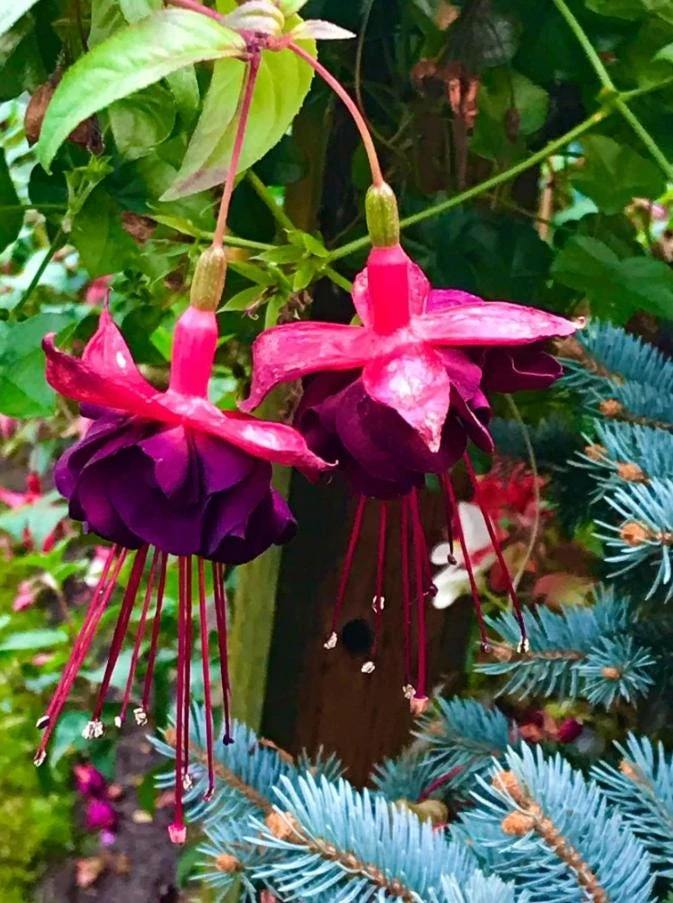
Voodoo Fuchsia Live Plant – Exotic Flowering Ornamental – 6″ Pot – Shade-Loving Hanging Basket
Reviews
There are no reviews yet.