

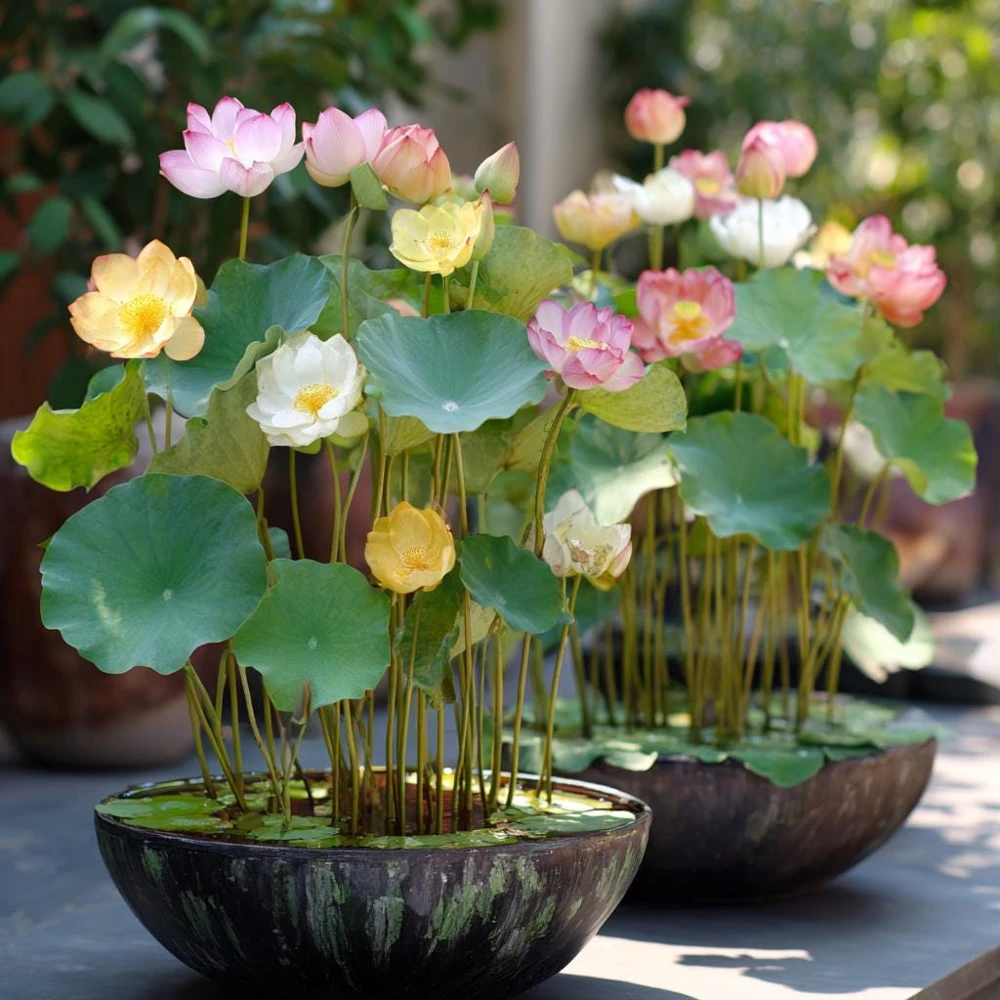
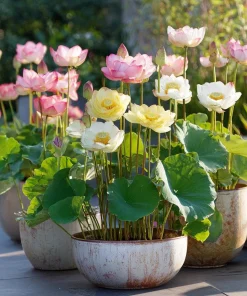
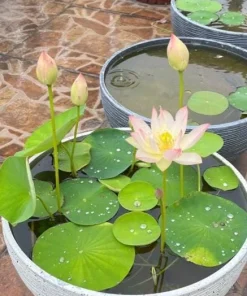
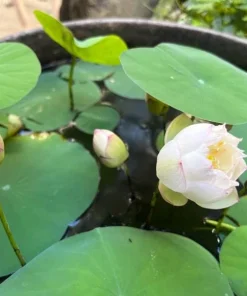
Edible Lotus Seeds Mix – Grow Your Own Aquatic Plants – 5 Seeds for Pond & Container
Original price was: $36.99.$16.99Current price is: $16.99.
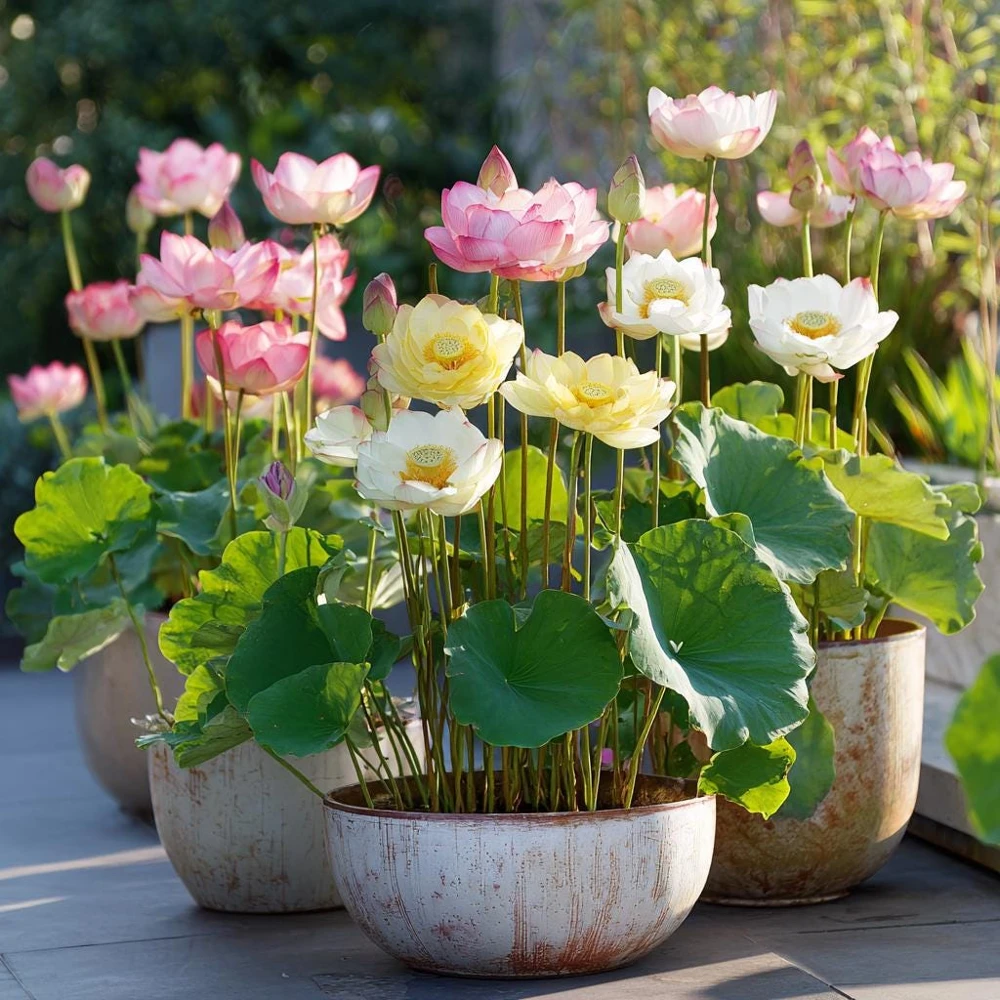
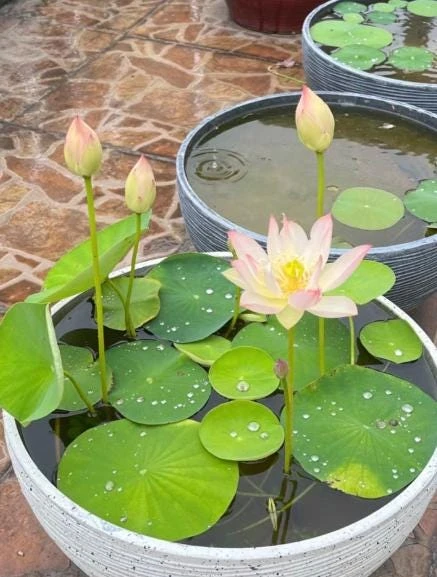
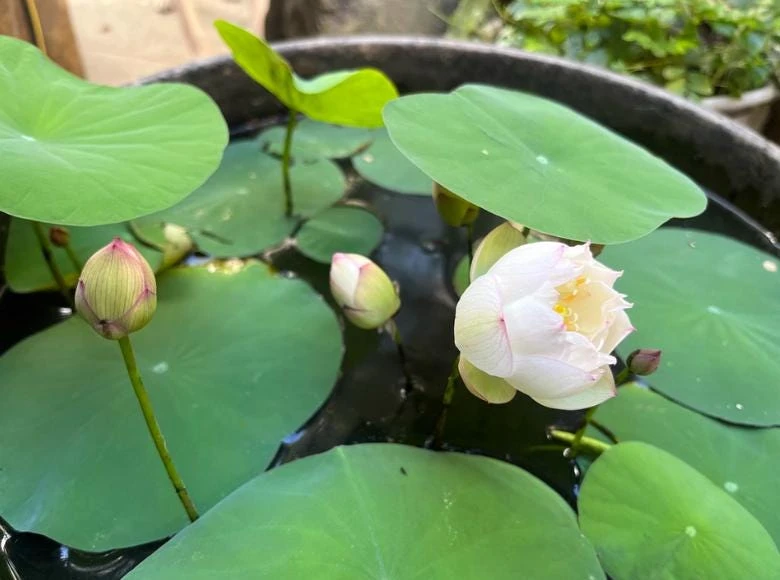
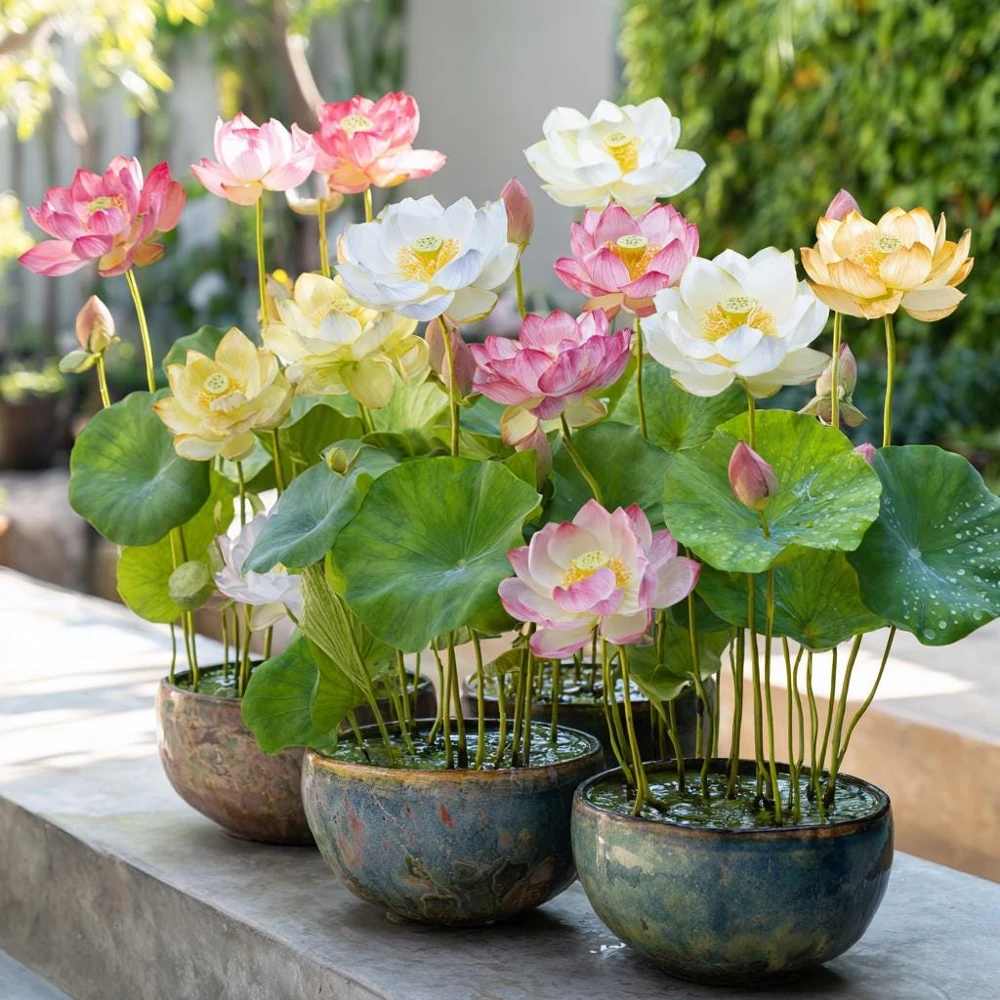
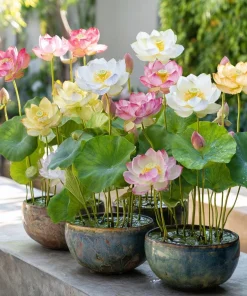
Cultivate your own beautiful and nutritious edible lotus seeds with this premium mix. Each pack contains 5 lotus seeds for planting, perfect for aquatic gardens, ponds, or containers. Enjoy both stunning blooms and harvestable seeds for culinary uses.
Estimated arrival
Oct 14
Oct 19 - Oct 21
Oct 24 - Oct 28
Shop With Confidence
30-Day Plant Health Guarantee
Arrives damaged? We’ll replace it free — see our return policy.
Responsive Support
Email us anytime, we reply within 1 business day.
Expert Packaging
Temperature-controlled shipping to protect your plants in transit.
Secure Checkout
Pay safely with Visa, Mastercard, PayPal.
Plant Specifications
-
USDA Hardiness Zone
USDA zones 4-11 (with winter protection for colder zones) -
Soil Type
Heavy, nutrient-rich clay-based soil -
Sunlight Exposure
Full sun (6-8+ hours daily) -
Expected Planting Period
Spring to early summer
Overview
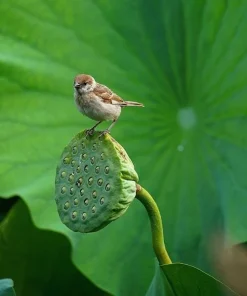
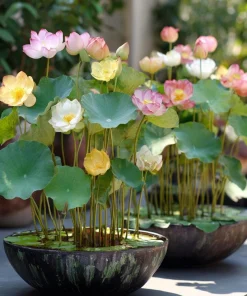
Discover the joy of growing your own aquatic produce with our premium edible lotus seeds mix. This selection offers a diverse range of lotus varieties, perfect for cultivating in your backyard pond, water feature, or even indoor containers. Each seed promises the potential for a magnificent lotus plant, yielding not only beautiful, ornamental blooms but also highly nutritious and versatile edible seeds. Known for their delicate flavor and subtle crunch, these lotus seeds are a culinary delight, ideal for snacking, cooking, or traditional recipes. Growing lotus seeds for planting is a rewarding experience, connecting you with nature and providing a unique food source right at home. Our mix ensures a variety of tastes and textures, making your homegrown harvest truly special. Embrace the tranquility and abundance that a lotus plant brings to any garden.
These aquatic plant seeds are carefully selected to provide a high germination rate, allowing even novice gardeners to succeed. The transformation from a small seed to a grand lotus flower and then to a seed-bearing pod is a fascinating journey. Enjoy the dual benefits of aesthetic beauty and practical utility, enhancing your outdoor or indoor space with these remarkable plants.
Key Benefits
Cultivating lotus plants from our edible lotus seeds mix offers a wealth of advantages, both ornamental and practical. These benefits extend from the visual appeal of their blooms to the nutritional value of their seeds.
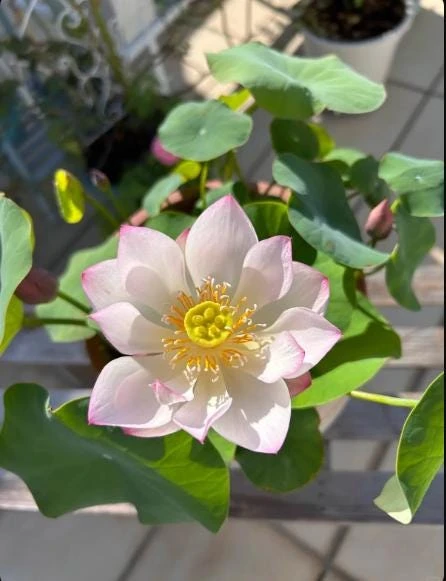
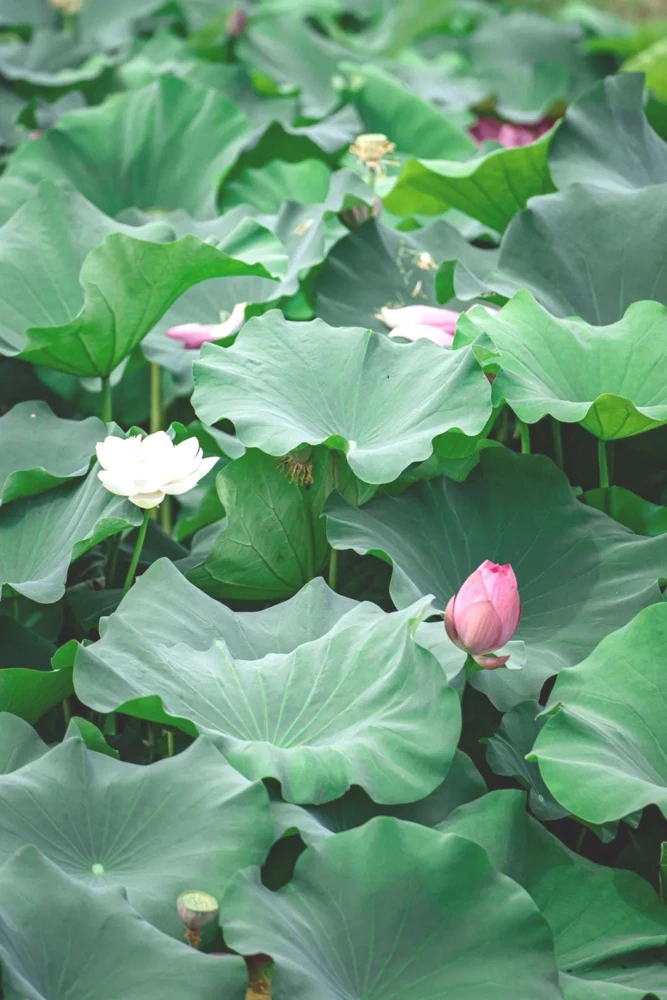
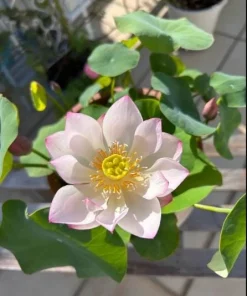
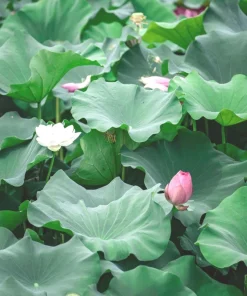
- Stunning Ornamental Blooms: Lotus plants produce large, vibrant flowers that add an exotic and serene beauty to any water garden, pond, or large container. Their striking appearance creates a focal point and enhances landscape aesthetics.
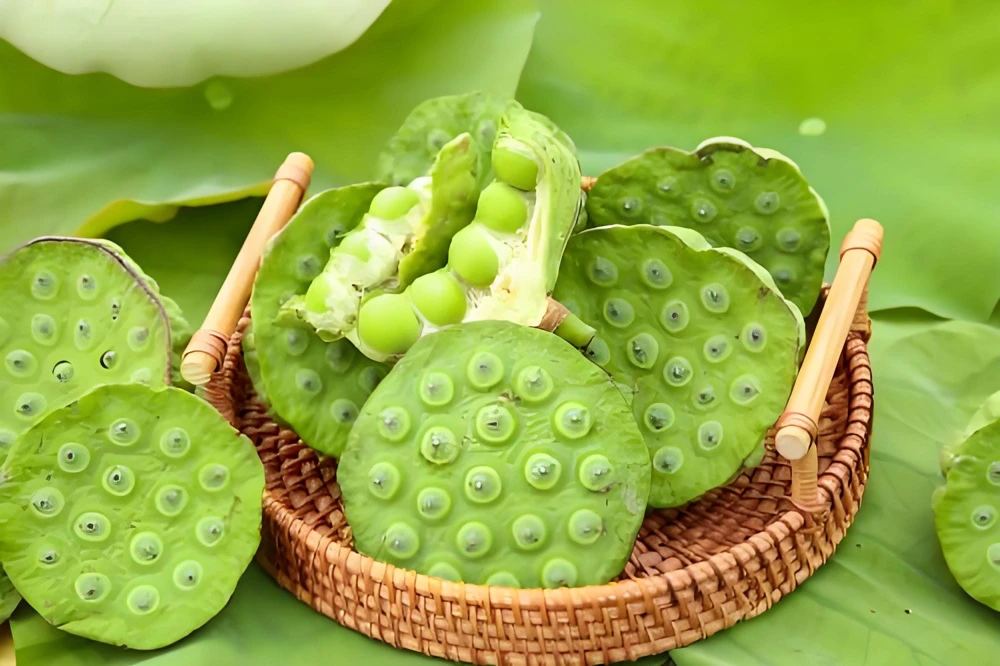
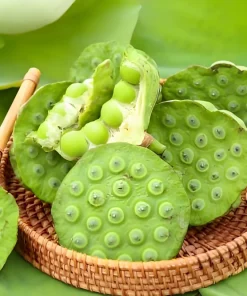
- Nutritious Edible Seeds: The seeds harvested from these lotus plants are a healthy and versatile food source. They are rich in protein, fiber, and essential minerals, making them perfect for snacking, adding to stir-fries, soups, or desserts.
- Easy to Grow: Despite their exotic appearance, grow lotus from seed is surprisingly straightforward with proper care. They are adaptable to various water environments, from shallow containers to deeper ponds, making them accessible for many gardeners.
- Promotes Local Ecosystem: Aquatic plants like lotus can contribute to a healthy pond ecosystem by providing shade and habitat for aquatic life, and helping to maintain water quality.
- Therapeutic Gardening Experience: The process of nurturing lotus plants from seed to bloom can be a calming and meditative activity, offering a unique connection to nature and a sense of accomplishment.
- Sustainable Food Source: Growing your own lotus seeds for planting allows for a sustainable and fresh supply of edible seeds, reducing reliance on store-bought alternatives and ensuring freshness.
- Versatile Culinary Uses: Beyond snacking, the mature lotus seeds can be dried and stored, then used in a myriad of dishes, from savory to sweet, adding a unique texture and mild flavor.
Plant Care & Growing Tips
Successfully growing edible lotus seeds into thriving plants requires attention to a few key environmental factors. Begin by scarifying the hard outer shell of each seed with a file or sandpaper until you see a lighter layer, taking care not to damage the inner embryo. After scarification, soak the seeds in warm water (around 70-80°F or 21-27°C) for 12-24 hours, changing the water daily. You’ll notice the seeds beginning to swell and sprout within a few days. Once sprouts appear, transfer them to a container with 2-4 inches of heavy, nutrient-rich soil at the bottom, topped with several inches of water.
Lotus plants thrive in full sun, requiring at least 6-8 hours of direct sunlight daily. Maintain a consistent water level, ensuring the soil remains submerged. The ideal water temperature for growth is between 70-85°F (21-29°C). Fertilize lightly once the plant has developed several leaves, using an aquatic plant fertilizer specifically designed for pond plants. Avoid over-fertilizing younger plants. Regularly remove any yellowing or decaying leaves to promote healthy growth and prevent disease. For those looking to grow lotus from seed in colder climates, ensure they are brought indoors or provided with protection during winter months, as most varieties are not frost-tolerant. Proper lotus plant care will ensure robust growth and abundant yields.
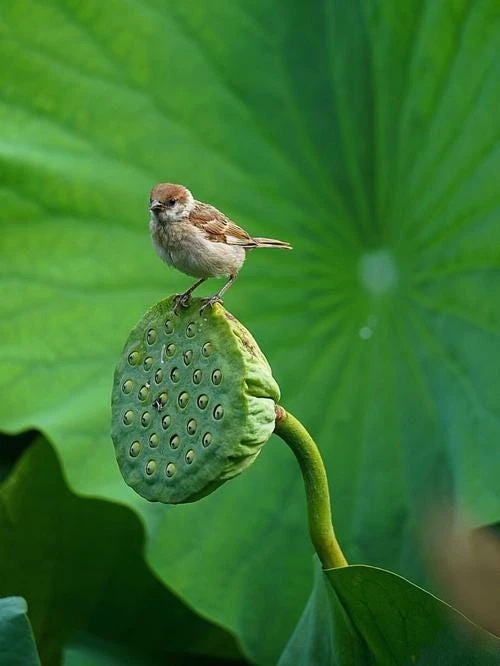
As your aquatic plant seeds develop, thin seedlings to ensure adequate space for each plant to establish a strong root system and grow to its full potential. The plant will produce rhizomes that spread, and if growing in a container, ensure it is sufficiently large (at least 15-20 gallons) to accommodate growth. Harvest edible seeds once the pods mature and dry, which typically occurs after the flowers have faded and the center of the flower head has developed into a seed pod. The seeds can be removed, shelled, and then prepared for consumption or further storage.
Size & Details
This offering includes 5 lotus seeds for planting, providing a diverse mix of varieties suitable for edible purposes. Each seed is carefully selected for viability, ensuring a higher chance of successful germination and growth. Once established, lotus plants can vary significantly in size, with leaves reaching diameters of 12-24 inches and flowers often spanning 6-12 inches across. The plant’s overall height above the water can range from 2-4 feet, depending on the variety and growing conditions. These seeds are intended for cultivation in various aquatic environments, from large garden ponds to decorative water features or spacious containers.
Growth rate is moderate to fast, with germination typically occurring within 1-3 weeks under ideal conditions. First leaves usually emerge within a month, and mature plants can produce flowers and seeds within the first growing season. The seeds are shipped in a protective package to maintain their integrity during transit. This mix is ideal for those looking to enjoy both the ornamental beauty and culinary benefits of growing their own lotus. With diligent lotus plant care, you can expect a rewarding harvest.
Frequently Asked Questions
- Q: How do I prepare the edible lotus seeds for planting? A: Before planting, you must scarify the hard outer shell of each seed using a file or sandpaper until you see a lighter inner layer. Afterward, soak the seeds in warm water, changing it daily, until they swell and sprout.
- Q: What kind of container is best for growing lotus from seed? A: For vigorous growth, a large, non-draining container or pot of at least 15-20 gallons is recommended. This allows sufficient space for the rhizomes to spread and the plant to mature, especially if you intend to harvest seeds.
- Q: How much sunlight do lotus plants need? A: Lotus plants thrive in full sun, requiring a minimum of 6-8 hours of direct sunlight per day. Adequate sunlight is crucial for both robust growth and the production of beautiful flowers and viable seeds.
- Q: Is this mix suitable for growing aquatic plant seeds indoors? A: Yes, with sufficient light and a large enough container, you can successfully grow lotus indoors. Ensure it receives ample direct sunlight or is supplemented with appropriate grow lights to mimic outdoor conditions.
- Q: How long does it take for a lotus plant to flower and produce seeds? A: Under optimal conditions and with proper lotus plant care, lotus plants grown from seed can begin to flower and produce seed pods within their first growing season, typically a few months after germination.
- Q: What are the best conditions for water temperature? A: Lotus plants prefer warm water temperatures, ideally between 70-85°F (21-29°C), for optimal germination and growth. Cooler temperatures can significantly slow down or halt development.
- Q: Can I really eat the seeds from these plants? A: Yes, these are specifically selected as edible lotus seeds. Once the pods mature and dry, the seeds can be harvested, shelled, and consumed fresh, roasted, or used in various culinary applications.
- Q: What kind of soil should I use for planting these lotus seeds for planting? A: Use a heavy, nutrient-rich soil, such as a clay-based garden soil, for the bottom layer of your container. Avoid light, floating soil mixes that can contaminate your water.
Be the first to review “Edible Lotus Seeds Mix – Grow Your Own Aquatic Plants – 5 Seeds for Pond & Container”
People Also Viewed
Reviews
There are no reviews yet.