
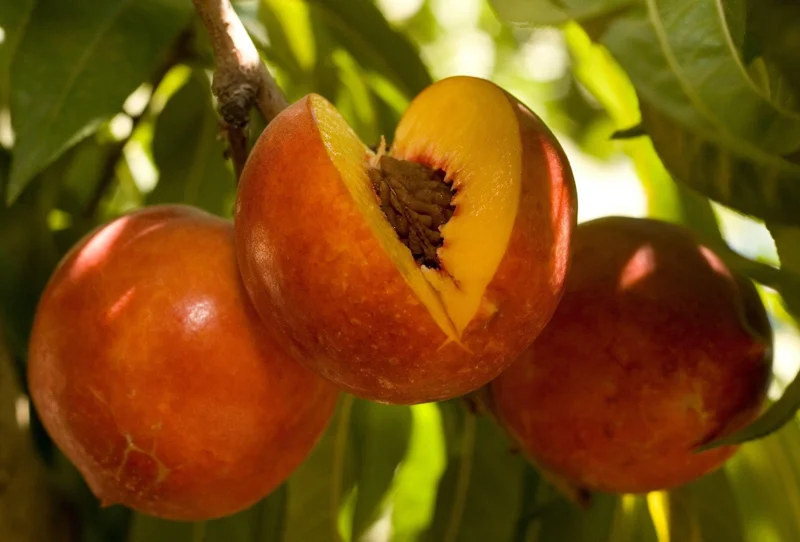
Double Delight Nectarine Tree – Live Plant, 2-3 ft Tall, Sweet Yellow Freestone Fruit, Outdoor
$137.76
Cultivate your own delicious fruit with the Double Delight Nectarine Tree. This 2-3 ft tall live plant offers sensational, sweet yellow freestone nectarines and magnificent double pink flowers, making it a beautiful and productive addition to any garden.
Estimated arrival
Sep 14
Sep 19 - Sep 21
Sep 24 - Sep 28
Shop With Confidence
30-Day Plant Health Guarantee
Arrives damaged? We’ll replace it free — see our return policy.
Responsive Support
Email us anytime, we reply within 1 business day.
Expert Packaging
Temperature-controlled shipping to protect your plants in transit.
Secure Checkout
Pay safely with Visa, Mastercard, PayPal.
Plant Specifications
-
USDA Hardiness Zone
USDA zones 5-9 (approx. 300 chill hours) -
Soil Type
Well-draining, fertile loam -
Sunlight Exposure
Full sun (6-8+ hours daily) -
Expected Planting Period
Late winter to early spring
Overview
Introduce a truly remarkable specimen to your home orchard with the Double Delight Nectarine Tree. This exceptional live plant, typically arriving 2 to 3 feet tall, is renowned for its dual appeal: not only does it produce an abundance of consistently best-flavored yellow nectarines, but it also boasts magnificent double pink flowers that add ornamental beauty to your landscape. The fruit of this productive tree is characterized by its dark red skin and freestone nature, making it easy to enjoy. Each bite delivers a sweet, unusually rich flavor that has consistently scored very high in taste tests. As a heavy-bearing tree, it promises a generous harvest, typically ready for picking from early to mid-July in Central California. It is also self-fruitful, meaning you only need one tree to produce fruit, and requires approximately 300 chill hours, making it suitable for a variety of climates. This freestone nectarine plant is a must-have for any fruit enthusiast.
The Double Delight Nectarine Tree (Prunus persica var. nucipersica ‘Double Delight’) is a cultivar celebrated for its outstanding fruit quality and ornamental value. Its robust nature and self-fruitful characteristic simplify the gardening process, allowing even novice gardeners to enjoy a successful harvest. The vibrant pink blooms in spring provide a stunning visual display before giving way to the delectable fruit. This particular yellow nectarine tree offers a rewarding experience from bloom to harvest, transforming your garden into a source of both beauty and bounty.
Key Benefits
The Double Delight Nectarine Tree offers numerous advantages to the home gardener, combining aesthetic appeal with a high yield of delicious fruit. Its unique characteristics make it a standout choice for those looking to enhance their outdoor space with a productive and beautiful specimen.
- Exceptional Fruit Quality: Enjoy consistently best-flavored yellow nectarines that are sweet, juicy, and rich in flavor. These freestone nectarines are easy to prepare and are highly rated in taste tests, ensuring a premium culinary experience.
- Ornamental Value: Beyond its fruit, this tree is a visual delight, showcasing magnificent double pink flowers in spring. These blooms add a vibrant splash of color to your garden, making it an attractive focal point even before the fruit appears.
- Heavy Bearing: The Double Delight Nectarine Tree is known for its prolific production, providing a generous harvest of fruit each season. This ensures you’ll have plenty of fresh nectarines to enjoy and share.
- Self-Fruitful: This variety is self-pollinating, meaning you only need one tree to produce fruit. This simplifies planting and ensures a successful harvest without the need for companion trees.
- Adaptable Growth: With a chill hour requirement of approximately 300 hours, this tree is suitable for a wide range of temperate climates, allowing many gardeners to successfully cultivate this delicious fruit.
- Easy Harvest: The freestone nature of the fruit makes it simple to pit and prepare for eating, baking, or preserving. Harvest typically occurs early to mid-July, providing fresh summer treats.
- Disease Resistance: While specific resistance levels vary, nectarine trees generally benefit from good cultural practices to thrive, and this robust variety is a strong performer in many home gardens, contributing to a healthy fruit tree outdoor environment.
Plant Care & Growing Tips
Caring for your Double Delight Nectarine Tree will ensure a bountiful harvest and vibrant blooms. Nectarine trees thrive with proper attention to their specific needs for sunlight, water, and soil. To begin, select a planting location that receives full sun, meaning at least 6-8 hours of direct sunlight per day. Adequate sunlight is crucial for fruit development and overall tree health. Ensure good air circulation around the tree to help prevent fungal diseases. When planting, dig a hole that is twice as wide as the root ball and just as deep. Carefully place the tree, ensuring the graft union is above the soil line, and backfill with native soil, gently tamping down to remove air pockets. Water thoroughly after planting.
Watering is critical, especially during the first few years as the tree establishes itself, and during fruit development. Aim for consistent moisture, but avoid waterlogging the soil. A good rule of thumb is to water deeply once or twice a week, depending on your climate and soil type. Check the soil moisture by sticking your finger a few inches deep; if it feels dry, it’s time to water. The ideal soil for a yellow nectarine tree is well-draining, fertile loam with a pH between 6.0 and 7.0. Amending heavy clay soils with organic matter can improve drainage. Fertilize your tree in early spring before new growth begins, using a balanced fruit tree fertilizer according to package directions. Pruning is essential for fruit production and tree shape. Prune in late winter while the tree is dormant to remove dead or diseased branches, improve air circulation, and open up the canopy to sunlight. Thinning fruit in late spring can also lead to larger, higher-quality nectarines.
The Double Delight Nectarine Tree requires approximately 300 chill hours, making it suitable for USDA hardiness zones where winter temperatures provide sufficient cold without extreme freezes. Protect young trees from severe frost if necessary. Monitor for common pests and diseases throughout the growing season and address them promptly with appropriate organic or conventional treatments. Regular inspection will help catch issues early, ensuring your nectarine tree care routine keeps your plant healthy and productive. With diligent care, your tree will reward you with years of delicious fruit and stunning blossoms, making this freestone nectarine plant a cherished part of your garden.
Size & Details
This Double Delight Nectarine Tree is typically shipped as a live plant, standing approximately 2 to 3 feet tall from the base of the root system to the tip of the highest branch. It arrives ready for planting, usually in a nursery pot or as a bare-root specimen, depending on the season and supplier. This size makes it ideal for immediate establishment in your garden or orchard. The tree is a heavy-bearing variety, and with proper care, it will grow into a mature fruit-producing tree. Nectarines are generally harvested from early to mid-July in Central California, and this variety requires about 300 chill hours to set fruit effectively. Its mature size will vary depending on pruning practices, but it generally grows to a moderate height, perfect for home gardens.
The growth rate of the Double Delight Nectarine Tree is considered moderate, allowing it to establish a strong root system and branch structure over time. Expect the tree to begin producing fruit within a few years of planting, with increasing yields as it matures. The rich, sweet flavor of the yellow freestone nectarines is a direct result of the tree’s genetic quality and proper cultivation. This robust tree is designed to provide both beauty and an abundant harvest, making it a valuable long-term investment for any gardener interested in growing their own fruit.
Frequently Asked Questions
- Q: How big will the Double Delight Nectarine Tree get when mature? A: With proper care and pruning, the Double Delight Nectarine Tree typically grows to a moderate height, often between 12-15 feet tall and wide, making it suitable for most home gardens. Its size can be managed with regular pruning to fit your specific space.
- Q: Is this an indoor or outdoor plant? A: The Double Delight Nectarine Tree is an outdoor plant. It requires full sun exposure and specific chill hours during winter to produce fruit, making it unsuitable for long-term indoor cultivation. It thrives in a garden or orchard setting.
- Q: How much sunlight does this nectarine tree need? A: For optimal growth and fruit production, your Double Delight Nectarine Tree needs full sun, which means at least 6-8 hours of direct sunlight per day. More sun generally leads to sweeter fruit and a healthier tree.
- Q: Is this tree easy to care for, especially for beginners? A: While growing fruit trees requires some commitment, the Double Delight Nectarine Tree is considered relatively straightforward for beginners, especially given its self-fruitful nature. Consistent watering, annual fertilization, and proper pruning are key to success.
- Q: What condition will the nectarine tree arrive in? A: Your Double Delight Nectarine Tree will arrive as a live plant, typically 2-3 feet tall. It will be carefully packaged to ensure its health during transit, usually in a nursery pot with soil or as a dormant bare-root plant, depending on the season.
- Q: When is the best time to plant a Double Delight Nectarine Tree? A: The best time to plant a Double Delight Nectarine Tree is in late winter or early spring, after the danger of hard frost has passed, when the tree is dormant. This allows it to establish its root system before the heat of summer.
- Q: What USDA hardiness zones is this yellow nectarine tree suitable for? A: The Double Delight Nectarine Tree generally thrives in USDA hardiness zones 5-9, requiring approximately 300 chill hours. It’s important to check if your specific zone meets this chill hour requirement for successful fruiting.
- Q: Can I use the nectarines for baking and preserving? A: Absolutely! The sweet, rich flavor and freestone nature of the nectarines from your freestone nectarine plant make them excellent for fresh eating, baking pies and tarts, making jams, or canning for later enjoyment.
- Q: How long until the Double Delight Nectarine Tree starts producing fruit? A: Typically, a young Double Delight Nectarine Tree will start producing fruit within 2-4 years after planting, with yields increasing as the tree matures and establishes itself in your garden. Consistent care helps accelerate this process.
- Q: What kind of soil does a nectarine tree prefer? A: This fruit tree outdoor variety prefers well-draining, fertile soil with a slightly acidic to neutral pH (6.0-7.0). Amending heavy clay soils with organic matter can significantly improve drainage and aeration, which are crucial for root health.
Be the first to review “Double Delight Nectarine Tree – Live Plant, 2-3 ft Tall, Sweet Yellow Freestone Fruit, Outdoor”
People Also Viewed
Flower Seeds
3000+ Giant Rattle Poppy Seeds – P. Somniferum Flower Seeds – Massive Heads & Blooms, White
Reviews
There are no reviews yet.