
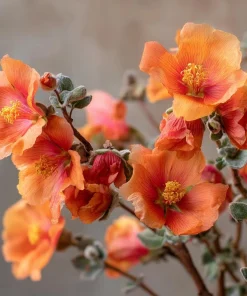
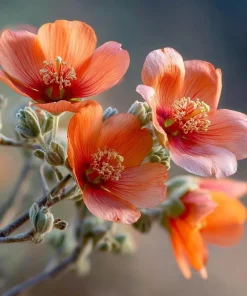
Desert Globemallow Seeds – Sphaeralcea ambigua Wildflower – 100 Seeds for Xeriscaping
Original price was: $30.99.$10.99Current price is: $10.99.
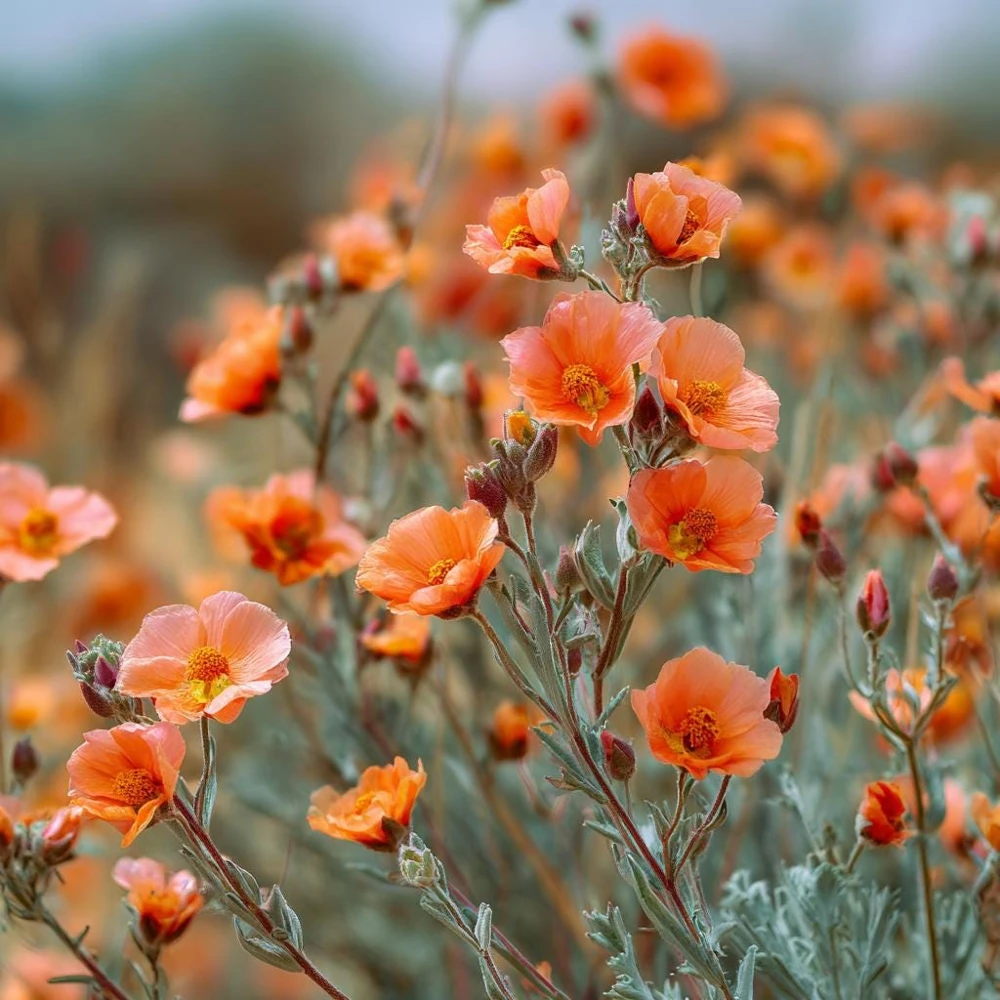
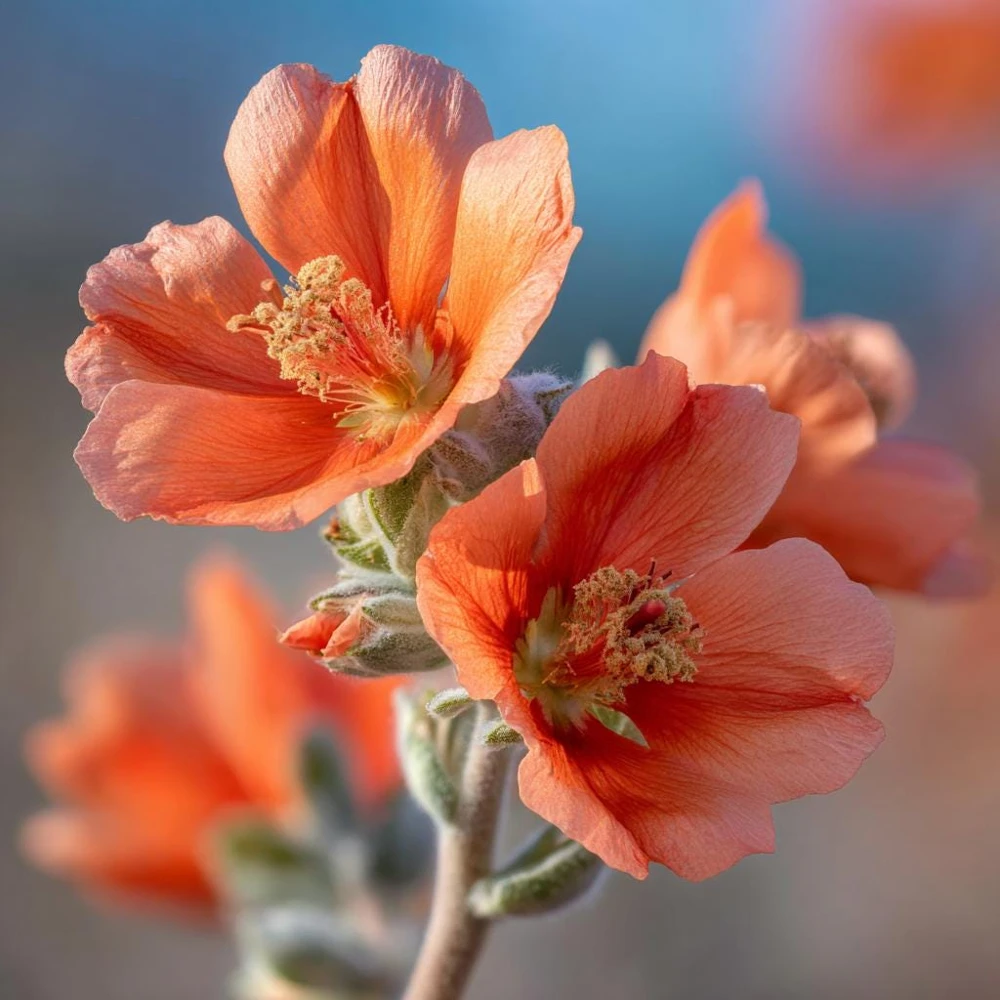
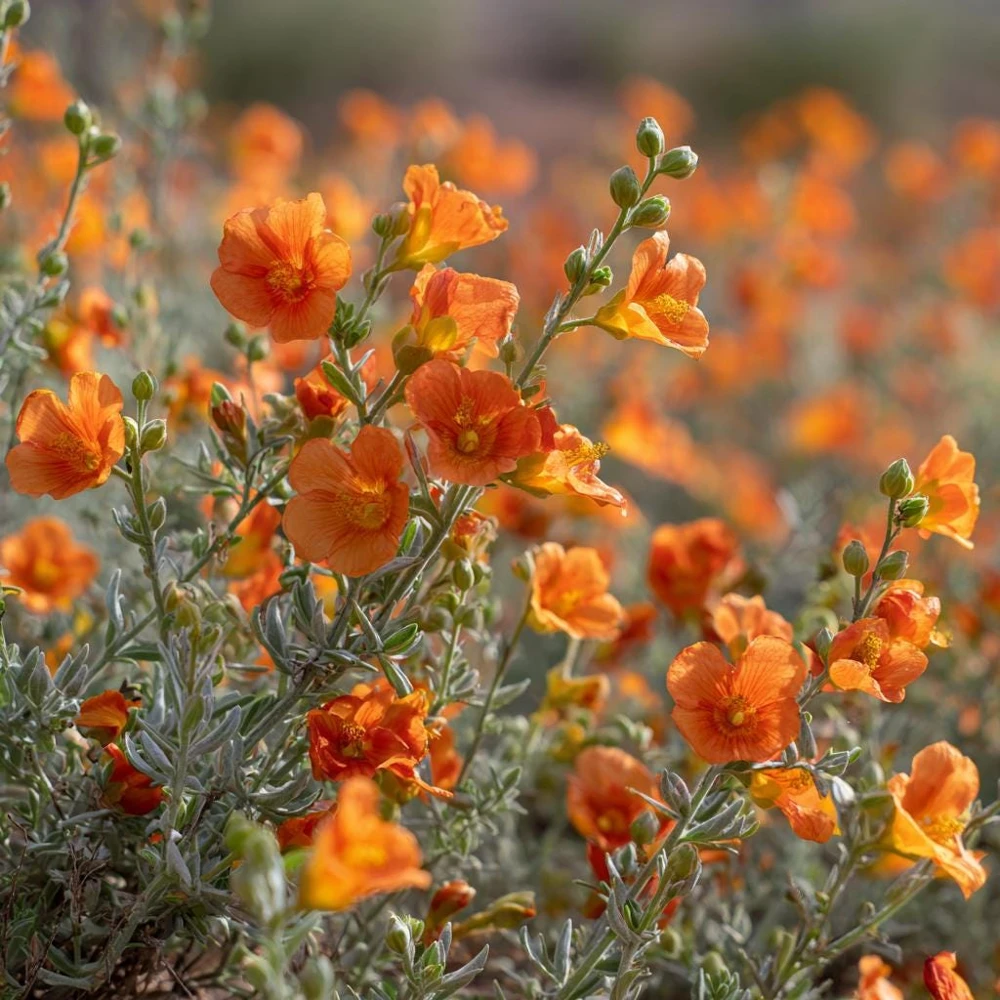
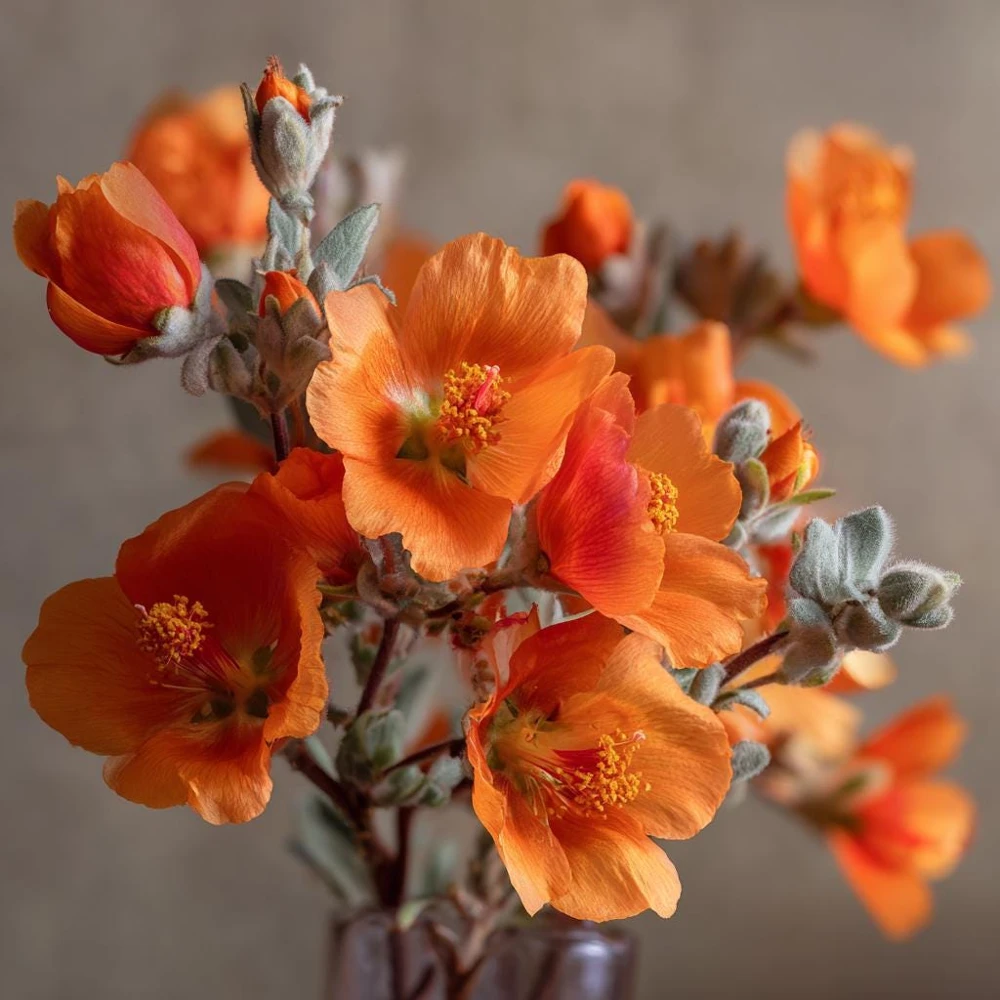
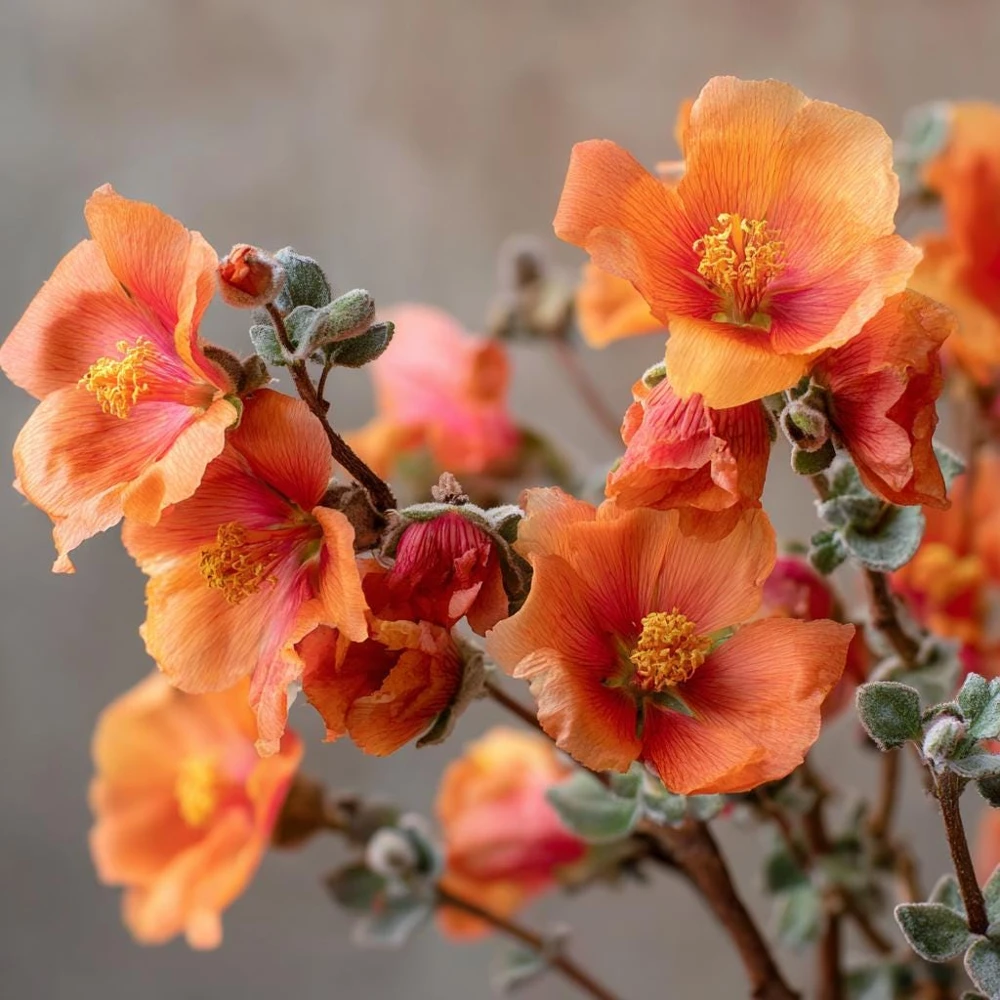
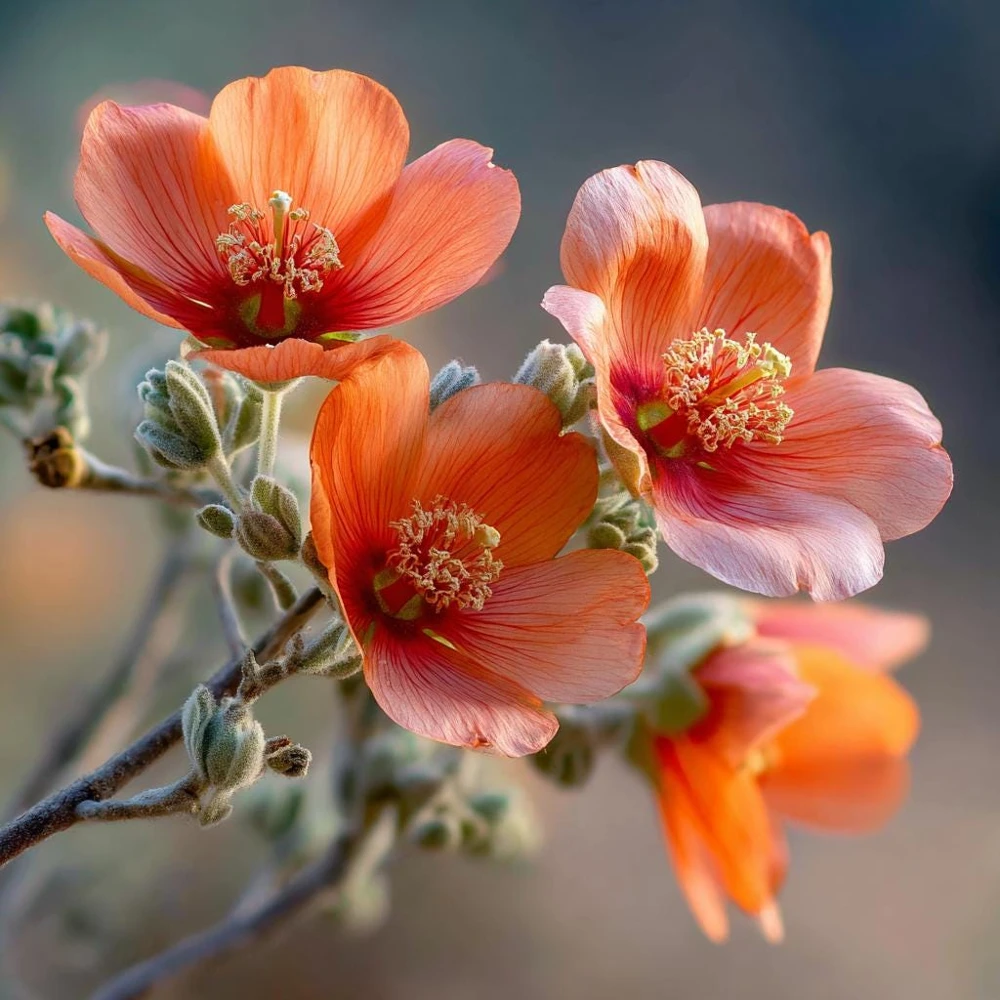
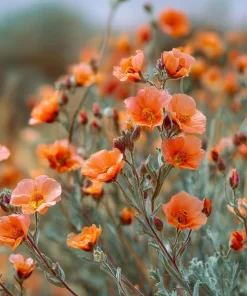
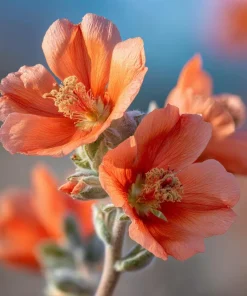
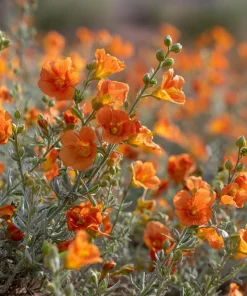
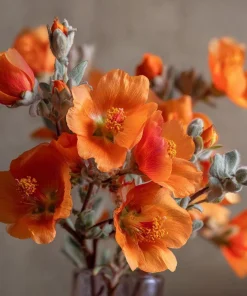
Cultivate vibrant apricot-orange blooms with desert globemallow seeds. These sphaeralcea ambigua wildflower seeds grow into a hardy, drought-tolerant perennial, ideal for xeriscaping and attracting pollinators in hot, dry climates. Perfect for creating a beautiful, low-maintenance desert wildflower garden.
Estimated arrival
Oct 14
Oct 19 - Oct 21
Oct 24 - Oct 28
Shop With Confidence
30-Day Plant Health Guarantee
Arrives damaged? We’ll replace it free — see our return policy.
Responsive Support
Email us anytime, we reply within 1 business day.
Expert Packaging
Temperature-controlled shipping to protect your plants in transit.
Secure Checkout
Pay safely with Visa, Mastercard, PayPal.
Plant Specifications
-
USDA Hardiness Zone
USDA zones 7-10 -
Soil Type
Well-drained, sandy soil -
Sunlight Exposure
Full sun -
Expected Planting Period
Fall or early spring
Overview
Discover the beauty and resilience of the American Southwest with our premium desert globemallow seeds. Each packet contains 100 seeds of Sphaeralcea ambigua, commonly known as desert globemallow wildflower. This stunning perennial is celebrated for its radiant apricot-orange, cup-shaped blooms that emerge profusely in spring and early summer, creating a vibrant spectacle in any landscape. Native to arid regions, Sphaeralcea ambigua thrives in challenging conditions, making it an excellent choice for sustainable gardening and xeriscaping projects. Its silvery-gray foliage provides a beautiful contrast to the bright flowers, attracting native bees and other beneficial pollinators to your garden. These seeds offer an opportunity to cultivate a truly remarkable and low-maintenance native plant.
The desert globemallow wildflower is not just visually appealing; it’s also an ecological asset. Its deep taproots help stabilize soil and its nectar-rich flowers support local insect populations. Whether you’re an experienced gardener or a beginner looking to add resilient beauty to your outdoor space, these seeds provide the foundation for a thriving desert garden. Experience the joy of growing a plant that combines striking aesthetics with incredible hardiness, embodying the spirit of the desert. Learn how to grow globemallow successfully with our comprehensive guide.
Key Benefits
Adding desert globemallow seeds to your garden offers a multitude of advantages, transforming your outdoor space into a vibrant and ecologically friendly haven:
- Stunning Visual Appeal: Enjoy a prolonged display of brilliant apricot-orange flowers that bring a warm, inviting glow to your landscape from spring through early summer. The unique cup shape and profusion of blooms create a captivating focal point.
- Exceptional Drought Tolerance: Once established, sphaeralcea ambigua wildflower plants are incredibly resilient to dry conditions, requiring minimal watering. This makes them perfect for water-wise gardening and reducing your environmental footprint.
- Attracts Pollinators: The nectar-rich flowers are a magnet for native bees, butterflies, and other beneficial pollinators, contributing to local biodiversity and supporting ecosystem health right in your backyard.
- Low Maintenance: This hardy perennial thrives in poor, sandy soils and requires little care beyond initial establishment. It’s an ideal choice for gardeners seeking beauty without constant attention.
- Xeriscaping Essential: An indispensable plant for desert wildflower seeds and xeriscape designs, providing vibrant color and texture in arid environments where other plants struggle.
- Soil Improvement: The deep root system of the desert globemallow helps to stabilize soil and can improve soil structure over time, particularly in sandy or disturbed areas.
- Adaptable to Poor Soils: Unlike many ornamental plants, Sphaeralcea ambigua flourishes in nutrient-poor soils, making it an excellent option for challenging garden spots.
Plant Care & Growing Tips
Successfully growing desert globemallow seeds into flourishing plants is straightforward with the right approach. For optimal germination, direct sow outdoors in fall or early spring. This allows the seeds to experience natural stratification, which can aid in germination. Choose a location with full sun exposure, meaning at least 6-8 hours of direct sunlight daily. The soil should be well-drained and sandy; drought tolerant seeds like these prefer lean conditions rather than rich, overly moist soil. Lightly cover the desert globemallow seeds with approximately 1/8 inch of soil and keep the area lightly moist until germination. You can expect germination to occur within 14–21 days under warm conditions.
Once seedlings emerge, thin them to be 12–18 inches apart to provide ample space for mature growth and air circulation. Established sphaeralcea ambigua wildflower plants are extremely drought tolerant and prefer infrequent, deep watering rather than frequent shallow watering. Overwatering or rich soil can lead to leggy growth or root rot. Fertilization is generally not necessary in suitable soil conditions. Prune lightly after the main flowering period to maintain a tidy shape and encourage a fresh flush of growth or a second, smaller bloom. This resilient native perennial is well-suited for USDA zones 7-10, demonstrating excellent cold hardiness in these regions. Learning how to grow globemallow effectively means understanding its preference for arid, sunny environments.
Size & Details
These desert globemallow seeds will develop into a mature plant typically reaching a height of 2-3 feet and a similar spread, creating a rounded, bushy form. The growth rate is moderate, with plants establishing themselves well within the first year and producing abundant blooms by the second year. Each packet contains 100 seeds, providing a generous quantity for planting a significant area or multiple garden beds. The seeds are small, indicative of their wild origin, and are best sown directly into the garden. Plants will begin flowering in late spring to early summer, with blooms often lasting for several weeks, especially if spent flowers are occasionally removed.
The mature sphaeralcea ambigua wildflower is an upright perennial with a somewhat open structure, featuring attractive silvery-green foliage that complements its vibrant flowers. These plants are shipped as a packet of seeds, ready for you to sow and cultivate. With proper care, these drought tolerant seeds will transform into a robust and long-lived addition to your garden, providing years of color and ecological benefits. It’s an ideal choice for naturalized areas, rock gardens, and borders where its hardiness and beauty can truly shine. We provide everything you need to grow globemallow from seed.
Frequently Asked Questions
- Q: How big does a Desert Globemallow plant get? A: A mature desert globemallow wildflower typically grows to be about 2-3 feet tall and equally wide, forming a bushy, rounded perennial. Its size makes it suitable for various garden settings without becoming too dominant.
- Q: Is this an indoor or outdoor plant? A: Desert globemallow seeds are intended for outdoor cultivation. This plant thrives in full sun and dry conditions, making it an excellent choice for xeriscaping, desert gardens, and other outdoor landscapes.
- Q: How much sunlight does Desert Globemallow need? A: Sphaeralcea ambigua requires full sun, meaning at least 6-8 hours of direct sunlight per day, to produce the most abundant blooms and maintain healthy growth. It is a true sun-lover.
- Q: Is this plant easy to care for? A: Yes, desert globemallow is considered very easy to care for, especially once established. It is drought-tolerant and thrives in poor soils, making it a low-maintenance option for busy gardeners.
- Q: What condition will the seeds arrive in? A: Your desert globemallow seeds will arrive as a packet of dry, viable seeds, ready for sowing. They are carefully packaged to ensure their quality and readiness for planting.
- Q: When is the best time to plant Desert Globemallow seeds? A: The best time to plant these drought tolerant seeds is in the fall or early spring. Fall planting allows for natural cold stratification, which can improve germination rates for this desert wildflower seeds type.
- Q: Will Desert Globemallow survive winter in my zone? A: Desert globemallow is a hardy perennial suitable for USDA zones 7-10. It is well-adapted to surviving cold winters within these zones, often returning stronger each spring.
- Q: How long until Desert Globemallow blooms from seed? A: While some plants may produce a few blooms in their first year from seed, significant flowering typically begins in the second year. Once established, it will bloom profusely every spring and early summer.
- Q: What type of soil does Desert Globemallow prefer? A: Sphaeralcea ambigua wildflower thrives in well-drained, sandy, or even rocky soils. It does not do well in heavy clay or overly rich, moist soils, which can lead to root issues.
- Q: Can I use these seeds to attract pollinators? A: Absolutely! The vibrant apricot-orange flowers of the desert globemallow are highly attractive to native bees, butterflies, and other beneficial pollinators, making it an excellent choice for a pollinator garden.
Be the first to review “Desert Globemallow Seeds – Sphaeralcea ambigua Wildflower – 100 Seeds for Xeriscaping”
People Also Viewed
Succulents
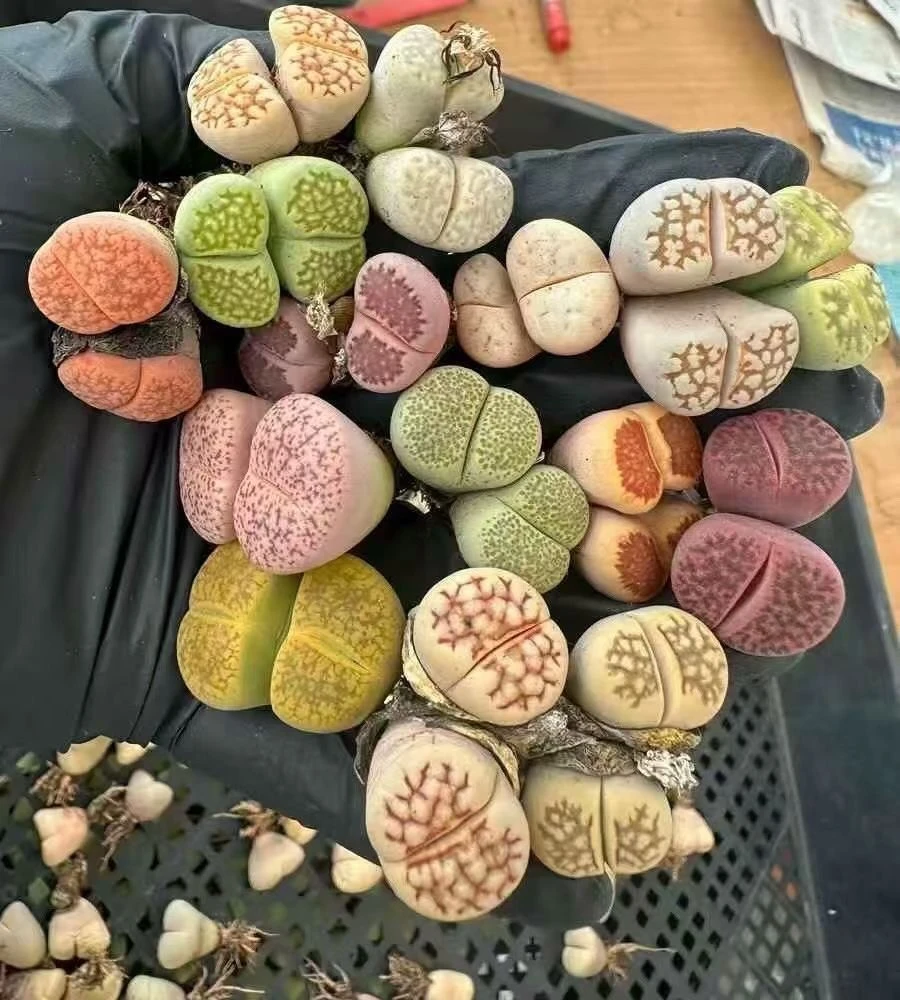
5 Assorted Double Head Lithops Living Stones – 6-Year-Old Rare Succulent Plants Bare Root
Reviews
There are no reviews yet.