

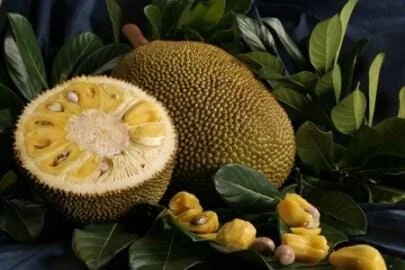
Jakfruit Grafted Tree – Live Plant – 1 to 2 Feet Tall – Tropical Fruit
$97.76
Bring the tropics to your garden with a grafted jakfruit tree, standing 1 to 2 feet tall. This live plant promises to deliver the world’s largest tree-borne fruit, offering a unique blend of flavors. Perfect for enthusiasts looking to explore exotic fruit cultivation.
Estimated arrival
Sep 14
Sep 19 - Sep 21
Sep 24 - Sep 28
Shop With Confidence
30-Day Plant Health Guarantee
Arrives damaged? We’ll replace it free — see our return policy.
Responsive Support
Email us anytime, we reply within 1 business day.
Expert Packaging
Temperature-controlled shipping to protect your plants in transit.
Secure Checkout
Pay safely with Visa, Mastercard, PayPal.
Plant Specifications
-
USDA Hardiness Zone
USDA zones 9-11 -
Soil Type
Well-draining, fertile, rich in organic matter -
Sunlight Exposure
Full sun -
Expected Planting Period
Spring to early summer (outdoors), year-round (indoors)
Overview
Embark on an exciting journey of tropical fruit cultivation with this impressive grafted jakfruit tree. Known for producing the largest tree-borne fruit in the world, the jakfruit (Artocarpus heterophyllus) is a captivating addition to any garden or greenhouse. This live plant arrives as a healthy, vigorous specimen, typically standing 1 to 2 feet tall, ready to establish itself and eventually yield abundant, delicious fruit. Jakfruit trees are renowned for their versatility; the fruit can be enjoyed both green as a savory vegetable or ripe as a sweet, aromatic treat. Its unique flavor profile, often compared to a fusion of mango, banana, pineapple, and cantaloupe, makes it a highly sought-after delicacy. Growing your own grafted jakfruit tree ensures you’ll have access to fresh, organic fruit right from your backyard, allowing you to experience the full spectrum of its culinary potential.
The grafting process ensures that this tree will mature faster and bear fruit earlier than seedlings, providing a more predictable and bountiful harvest. Despite their potential for large size in tropical climates, these trees can be managed with annual pruning, making them suitable for various garden sizes or even large containers in cooler regions. Imagine harvesting up to 200 lbs of fruit per year from a well-established tree. This remarkable plant offers both ornamental beauty and a fantastic food source, making it a truly rewarding investment for any plant lover.
Key Benefits
Cultivating a grafted jakfruit tree offers a multitude of benefits, from its unique fruit to its lush, tropical appearance. It’s a plant that promises both aesthetic appeal and culinary adventure.
- Produces the World’s Largest Tree Fruit: Experience the awe of growing colossal fruits, typically weighing 10-35 lbs, with records exceeding 275 lbs. This makes the jackfruit live plant a conversation starter and a true garden marvel.
- Versatile Culinary Uses: Enjoy the fruit in both its green and ripe stages. Green jakfruit can be boiled, fried, grilled, roasted, or prepared in savory dishes as a meat substitute, while ripe fruit offers a sweet, aromatic flavor.
- Faster Fruiting with Grafting: Grafted trees mature and bear fruit much quicker than seed-grown trees, allowing you to enjoy harvests sooner. This method also ensures desirable fruit characteristics from the parent plant.
- High Yield Potential: A mature grafted jakfruit tree can produce a substantial amount of fruit, potentially up to 200 lbs annually, providing a generous supply for personal consumption or sharing.
- Unique Flavor Profile: The ripe fruit boasts a complex and delicious taste, often described as a mix of mango, banana, pineapple, and cantaloupe, with a hint of bubblegum.
- Ornamental Value: Beyond its fruit, the jakfruit tree adds a lush, tropical aesthetic to your landscape with its large, glossy green leaves, creating a vibrant focal point.
- Rich in Nutrients: Jakfruit is packed with vitamins, minerals, and fiber, contributing to a healthy diet whether consumed as a fruit or vegetable.
Plant Care & Growing Tips
Proper care is essential for a thriving grafted jakfruit tree. These tropical plants require specific conditions to flourish and produce their magnificent fruit. They thrive in warm, humid environments and need consistent attention to watering and soil. For optimal growth, choose a location that receives abundant sunlight. Jakfruit trees prefer full sun, meaning at least 6-8 hours of direct sunlight per day. In extremely hot climates, some afternoon shade can be beneficial to prevent leaf scorch, especially for younger plants. When considering growing jakfruit at home, remember that protection from cold temperatures is crucial. They are best suited for USDA Zones 9-11, where temperatures rarely drop below freezing. If you live in a cooler zone, growing in a large container that can be moved indoors during winter is an excellent option.
Watering is a critical aspect of jakfruit plant care. Young trees need consistent moisture, so water thoroughly when the top inch of soil feels dry, ensuring good drainage to prevent root rot. As the tree matures, it becomes more tolerant of short dry spells but will perform best with regular watering, especially during fruiting periods. The ideal soil for a jakfruit tree is well-draining, fertile, and rich in organic matter, with a slightly acidic to neutral pH (6.0-7.5). Amending heavy clay soils with compost or sand can improve drainage. Fertilize your tree regularly during the growing season with a balanced fertilizer, increasing potassium once flowering begins to promote fruit development. Pruning should focus on maintaining a manageable size, removing dead or diseased branches, and shaping the tree for ease of harvest. Annual pruning can keep the tree at a desired height, such as 12′ x 12′, encouraging prolific fruiting and making the fruit easier to reach.
Common problems to watch for include pests like aphids or mealybugs, which can be managed with organic insecticidal soaps. Fungal diseases can occur in overly humid conditions or with poor air circulation, so ensure adequate spacing between plants. By following these guidelines on how to grow jakfruit, you can ensure a healthy, productive tree that will provide you with delicious fruit for years to come.
Size & Details
This offering is for a healthy, vibrant grafted jakfruit tree, typically measuring 1 to 2 feet in height from the base of the plant to the tip of its tallest stem. It is shipped as a live plant, carefully packaged to ensure its safe arrival at your doorstep. The tree is established in a nursery pot, ready for transplanting into a larger container or directly into your garden if conditions permit. Grafting ensures a quicker establishment and earlier fruit production, often within 3-5 years under ideal conditions. Jakfruit trees are known for their fast growth rate once established, quickly developing into substantial specimens. While they can grow quite large in their native tropical habitats, they respond well to pruning, allowing you to manage their size according to your space and preferences. Expect a robust root system and healthy foliage upon arrival, indicative of a well-cared-for young tree.
Frequently Asked Questions
- Q: How big does this plant get? A: This grafted jakfruit tree is 1 to 2 feet tall upon arrival. With proper care and pruning, it can be maintained at a manageable size of around 12 feet tall and wide, though in ideal tropical conditions, it can grow much larger if left unpruned.
- Q: What size pot does it come in? A: The tree is shipped in a standard nursery pot, typically a 1-gallon or 2-gallon size, providing ample space for its initial growth and safe transport.
- Q: Is this an indoor or outdoor plant? A: While jakfruit trees are tropical and thrive outdoors in USDA Zones 9-11, they can be grown in large containers and moved indoors during colder months in non-tropical climates. It’s a versatile jackfruit live plant.
- Q: How much sunlight does it need? A: Jakfruit trees require full sun, meaning at least 6-8 hours of direct sunlight per day, to produce the best fruit yields.
- Q: Is this plant easy to care for? A: While it requires specific tropical conditions, a grafted jakfruit tree is relatively easy to care for once its light, water, and temperature needs are met. Consistent watering and feeding are key.
- Q: What condition will it arrive in? A: Your jakfruit tree will arrive as a healthy, live plant, carefully packaged to minimize stress during transit. Some minor leaf drop may occur, but the plant will quickly recover.
- Q: When is the best time to plant? A: The best time to plant your jakfruit tree is in spring or early summer, after all danger of frost has passed, to allow it ample time to establish before cooler weather.
- Q: Can I use the fruit in cooking? A: Absolutely! Green (unripe) jakfruit is excellent as a vegetable or meat substitute in savory dishes, while ripe jakfruit is sweet and delicious eaten fresh or used in desserts. Knowing how to grow jakfruit opens up many culinary possibilities.
- Q: Will it survive winter in my zone? A: If you are outside of USDA Zones 9-11, you will need to protect your grafted jakfruit tree from cold by bringing it indoors or providing adequate frost protection.
- Q: What kind of soil does it prefer? A: Jakfruit trees prefer well-draining, fertile soil rich in organic matter. A slightly acidic to neutral pH is ideal for optimal growth.
Be the first to review “Jakfruit Grafted Tree – Live Plant – 1 to 2 Feet Tall – Tropical Fruit”
People Also Viewed
Reviews
There are no reviews yet.