
Black Gum Tree Live Plant – Nyssa sylvatica, 18-24″ Tall, 3.5″ Pot
Original price was: $51.18.$31.99Current price is: $31.99.
Bring outstanding fall color to your landscape with this Black Gum Tree live plant. Also known as Nyssa sylvatica tree, this native shade tree offers beautiful foliage and supports local wildlife. Arrives potted, 18-24 inches tall in a 3.5-inch pot, ready for outdoor planting.
Estimated arrival
Oct 14
Oct 19 - Oct 21
Oct 24 - Oct 28
Shop With Confidence
30-Day Plant Health Guarantee
Arrives damaged? We’ll replace it free — see our return policy.
Responsive Support
Email us anytime, we reply within 1 business day.
Expert Packaging
Temperature-controlled shipping to protect your plants in transit.
Secure Checkout
Pay safely with Visa, Mastercard, PayPal.
Plant Specifications
-
USDA Hardiness Zone
USDA Zones 4-9 -
Soil Type
Moist, well-draining, acidic soil -
Sunlight Exposure
Full sun to partial shade -
Expected Planting Period
Spring to early fall
Overview
Introduce a touch of natural elegance and vibrant seasonal change to your garden with the Black Gum Tree live plant. This distinguished deciduous tree, scientifically known as Nyssa sylvatica tree, is highly prized for its exceptional ornamental qualities, particularly its outstanding fall color. Native to eastern North America, the Black Gum is a resilient and adaptable species that thrives in various conditions, making it an excellent choice for a wide range of landscapes. It’s not just a beautiful specimen; it’s also a valuable addition to any ecosystem, providing food and shelter for local wildlife. Our Black Gum Tree live plant arrives healthy and ready for planting, allowing you to establish a stunning focal point in your yard that will be admired for generations.
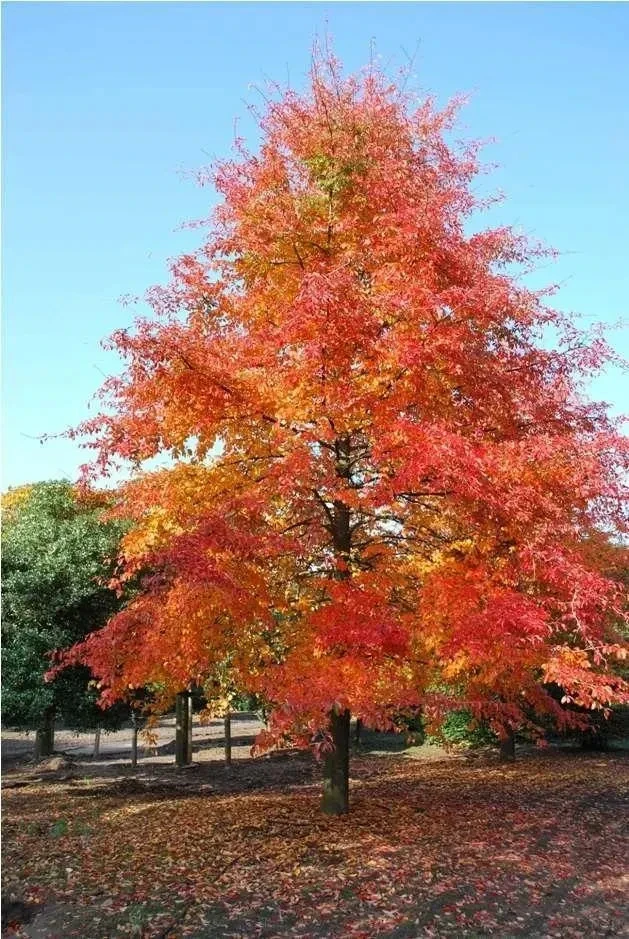
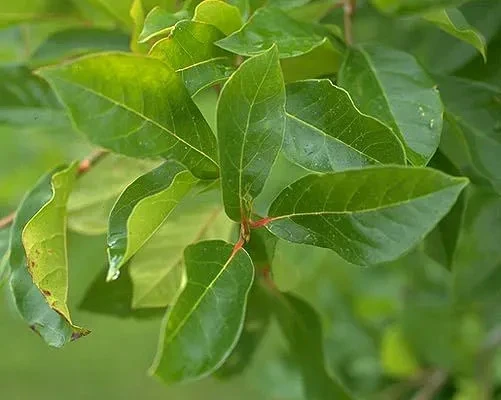
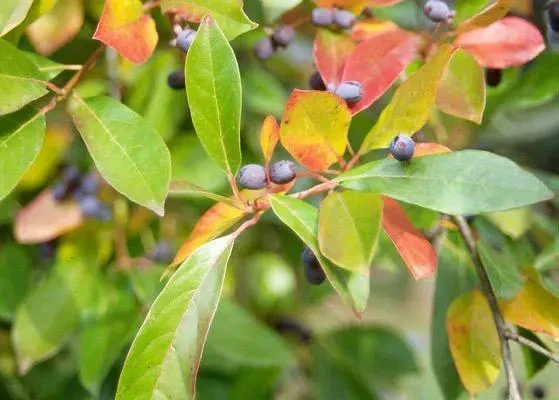
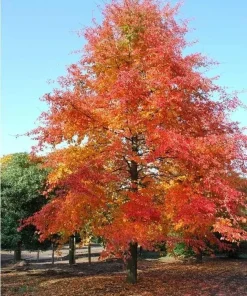
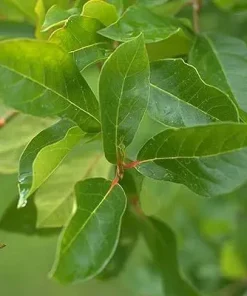
The Black Gum tree is characterized by its glossy green leaves throughout spring and summer, which then transform into a spectacular display of fiery reds, oranges, and purples in autumn. This dramatic change makes it one of the most sought-after trees for autumn landscaping. Beyond its visual appeal, the Black Gum Tree live plant is known for its strong, straight trunk and horizontal branching, creating a graceful, somewhat pyramidal to oval crown. It’s a low-maintenance tree that offers year-round interest and contributes significantly to biodiversity.
Key Benefits
Choosing a Black Gum Tree for your garden offers numerous advantages, from aesthetic beauty to ecological benefits. This versatile tree is a superb investment for any property, providing long-lasting enjoyment and value.
- Outstanding Fall Color: The primary draw of the Black Gum Tree live plant is its unparalleled autumn foliage. Its leaves transition through a brilliant spectrum of reds, oranges, purples, and even yellows, creating a breathtaking display that outshines many other deciduous trees. This makes it a perfect choice for adding dramatic visual interest to your landscape during the fall season.
- Native Shade Tree: As a native shade tree, the Black Gum is well-adapted to local climates and soil conditions, requiring less intervention once established. It provides excellent shade in the warmer months, helping to cool your home and outdoor living spaces, and contributing to energy efficiency.
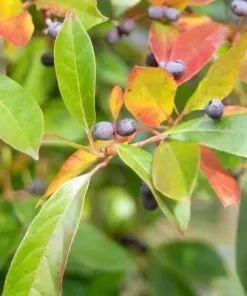
- Wildlife Attraction: The Nyssa sylvatica produces small, dark blue fruits that are a vital food source for many bird species and other wildlife in late summer and fall. Its dense canopy also offers shelter and nesting sites, making your garden a haven for local fauna.
- Low Maintenance: Once established, the Black Gum Tree live plant is remarkably low-maintenance. It is generally resistant to most pests and diseases, and it tolerates a range of soil conditions, reducing the need for extensive care and chemical treatments.
- Year-Round Interest: While famous for its fall color, the Black Gum also offers attractive green foliage in spring and summer, and its distinctive bark and branching pattern provide architectural interest in winter. This ensures your garden remains engaging throughout all four seasons.
- Adaptable and Resilient: This tree is known for its adaptability, thriving in various soil types, including wet and dry conditions, and tolerating both full sun and partial shade. Its resilience makes it a reliable choice for diverse planting locations.
- Attractive Form: The Black Gum develops a beautiful, often pyramidal to oval shape with age, presenting a stately and elegant silhouette in the landscape. Its graceful habit enhances the overall aesthetic appeal of any garden design.
Plant Care & Growing Tips
Caring for your Black Gum Tree live plant is relatively straightforward, especially once it’s established. Understanding its basic needs will ensure healthy growth and the vibrant fall display it’s known for. This outdoor tree for landscaping prefers a location where it can receive adequate sunlight and has room to grow to its mature size.
When selecting a planting site, aim for full sun to partial shade. While it can tolerate partial shade, the most brilliant fall colors are generally achieved in full sun (at least 6 hours of direct sunlight per day). The Black Gum is adaptable to a variety of soil types, but it thrives best in moist, well-draining, acidic soils. It can tolerate wet conditions, making it suitable for areas with poor drainage, but also performs well in average garden soils. Dig a hole that is twice as wide as the root ball and just as deep. Carefully remove the plant from its 3.5-inch pot and loosen any circling roots before placing it in the hole. Backfill with soil, gently tamping down to remove air pockets, and water thoroughly.
Watering is crucial during the first few years after planting to help the tree establish a strong root system. Provide consistent moisture, especially during dry periods, ensuring the soil remains evenly damp but not waterlogged. Once established, the Nyssa sylvatica tree is moderately drought-tolerant. Fertilization is generally not required if your soil is reasonably fertile, but if growth seems slow, a balanced, slow-release fertilizer can be applied in early spring. Pruning should be minimal, primarily to remove dead, damaged, or crossing branches to maintain a healthy structure. The Black Gum is hardy in USDA zones 4-9, making it suitable for a wide range of climates across the United States. Protect young trees from deer, as they may browse on the foliage.
Size & Details
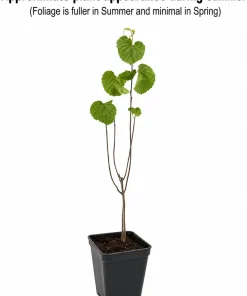
This Black Gum Tree live plant is supplied as a young sapling, typically measuring 18-24 inches tall from the top of the soil in its 3.5-inch nursery pot. This size is ideal for transplanting, allowing the tree to acclimate quickly to its new environment and begin establishing its root system. The tree is carefully packaged to ensure it arrives healthy and ready for planting in your garden. The Black Gum is known for its moderate to fast growth rate, typically adding 1-2 feet per year once established, eventually reaching a mature height of 30-50 feet with a spread of 20-30 feet. Its broadleaf foliage provides dense shade during the growing season.
Planting this outdoor tree for landscaping in spring or early fall is recommended to give it the best chance to establish before extreme weather conditions. Expect to see the characteristic brilliant fall color develop in the first few years after planting, becoming more intense as the tree matures. This single specimen will grow into a majestic shade tree, providing beauty and ecological benefits for decades.
Frequently Asked Questions
- Q: How big does this Black Gum Tree get? A: A mature Black Gum Tree live plant typically reaches a height of 30-50 feet and a spread of 20-30 feet. Its growth rate is moderate to fast, adding 1-2 feet per year once established in ideal conditions.
- Q: What size pot does it come in? A: This Black Gum Tree live plant is shipped in a 3.5-inch nursery pot, and the tree itself is 18-24 inches tall from the soil line. It’s ready for immediate transplanting into your garden.
- Q: Is this an indoor or outdoor plant? A: The Black Gum Tree (Nyssa sylvatica tree) is an outdoor tree, ideal for landscaping. It requires ample space to grow and thrives in garden settings, not indoors.
- Q: How much sunlight does it need? A: For the best growth and most vibrant fall color, a Black Gum Tree needs full sun (at least 6 hours of direct sunlight daily). It can tolerate partial shade, but fall foliage may be less intense.
- Q: Is this plant easy to care for? A: Yes, once established, the Black Gum Tree live plant is considered low-maintenance. It’s adaptable to various conditions and generally resistant to pests and diseases, making it a good choice for many gardeners.
- Q: What condition will it arrive in? A: Your Black Gum Tree will arrive as a healthy, live potted plant, carefully packaged to minimize stress during transit. It will be secured to prevent damage and ensure it reaches you in optimal condition for planting.
- Q: When is the best time to plant a Black Gum Tree? A: The best times to plant your Black Gum Tree live plant are in early spring or early fall. This allows the tree to establish its root system before the stress of summer heat or winter cold.
- Q: Will it survive winter in my zone? A: The Black Gum Tree is hardy in USDA Zones 4-9. If you live within these zones, your tree should successfully survive winter outdoors once it has established.
- Q: What is the main appeal of a Black Gum Tree? A: The main appeal of the Black Gum is its spectacular and consistent fall color, which includes brilliant shades of red, orange, and purple. It’s also valued as a native shade tree and for its ecological benefits to wildlife.
- Q: Can I use a Black Gum Tree for urban landscaping? A: Yes, the Black Gum is relatively tolerant of urban conditions, including some air pollution, making it a suitable choice for urban and suburban landscaping where space allows for its mature size.
Be the first to review “Black Gum Tree Live Plant – Nyssa sylvatica, 18-24″ Tall, 3.5″ Pot”
People Also Viewed
Reviews
There are no reviews yet.