
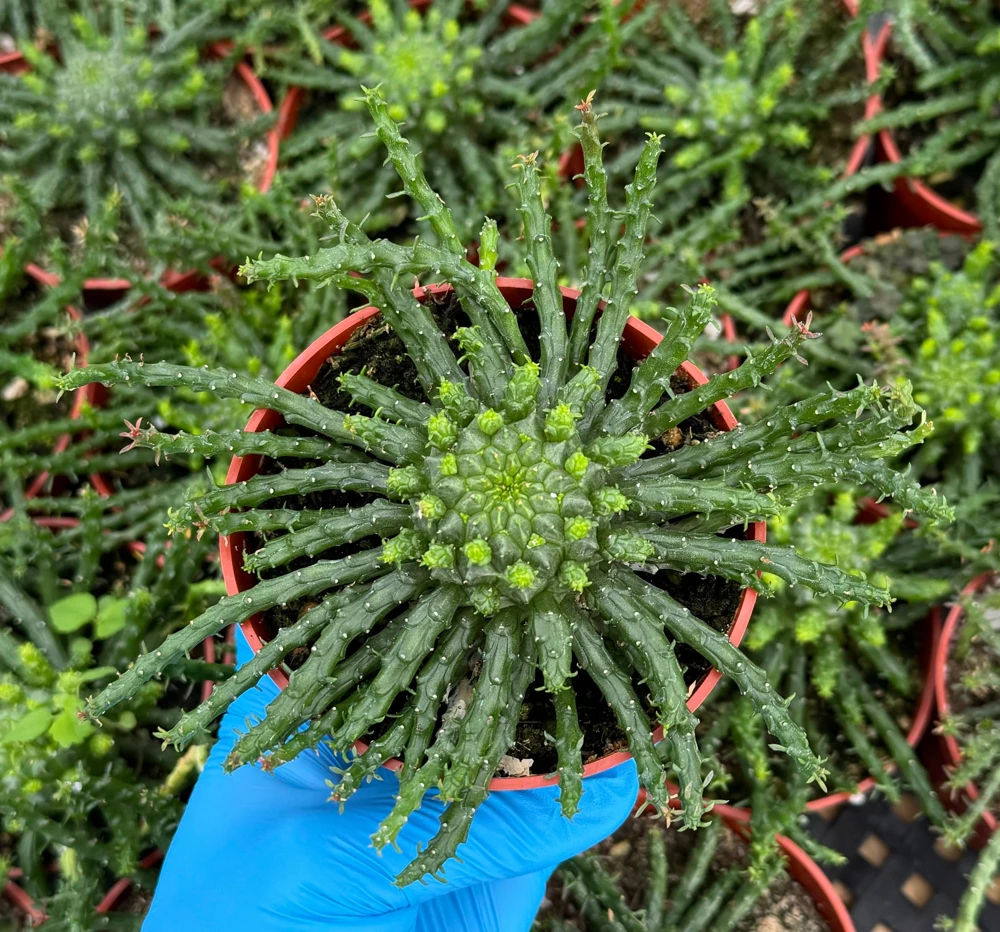
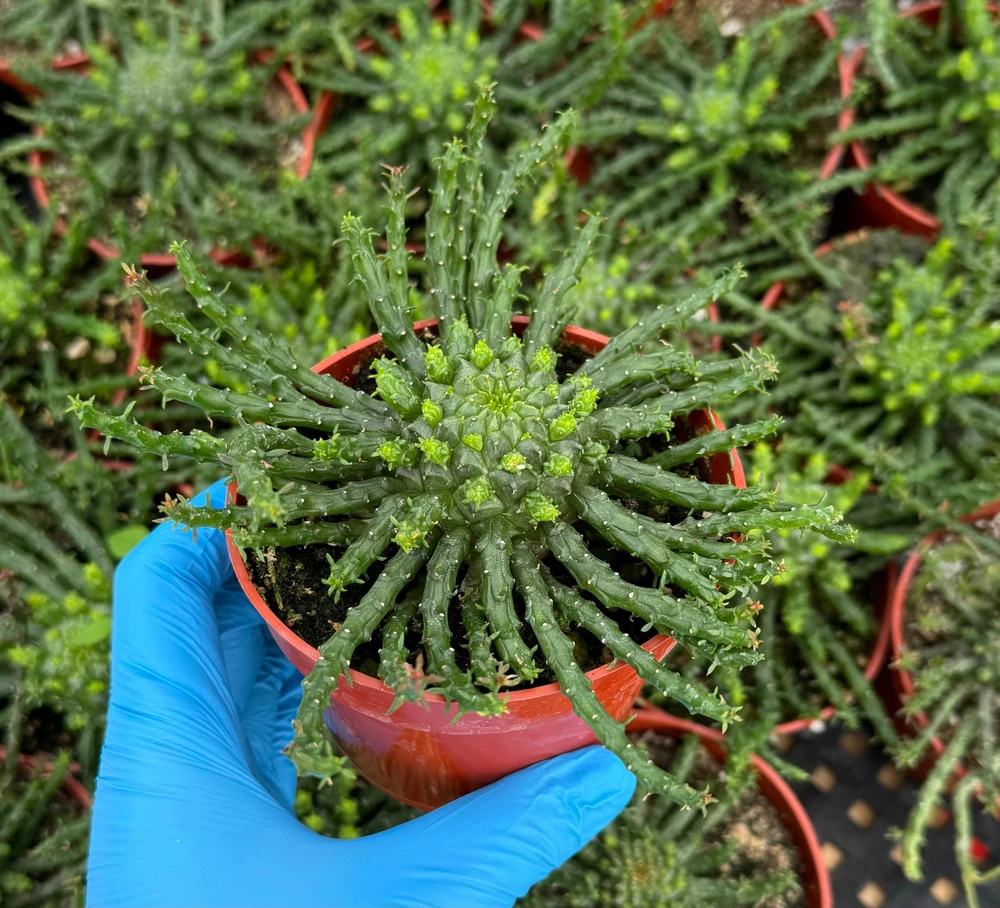
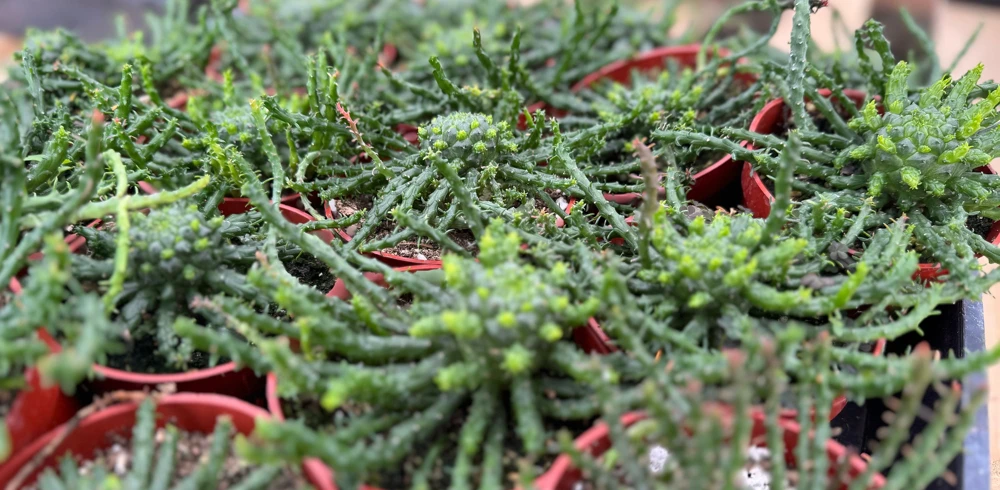
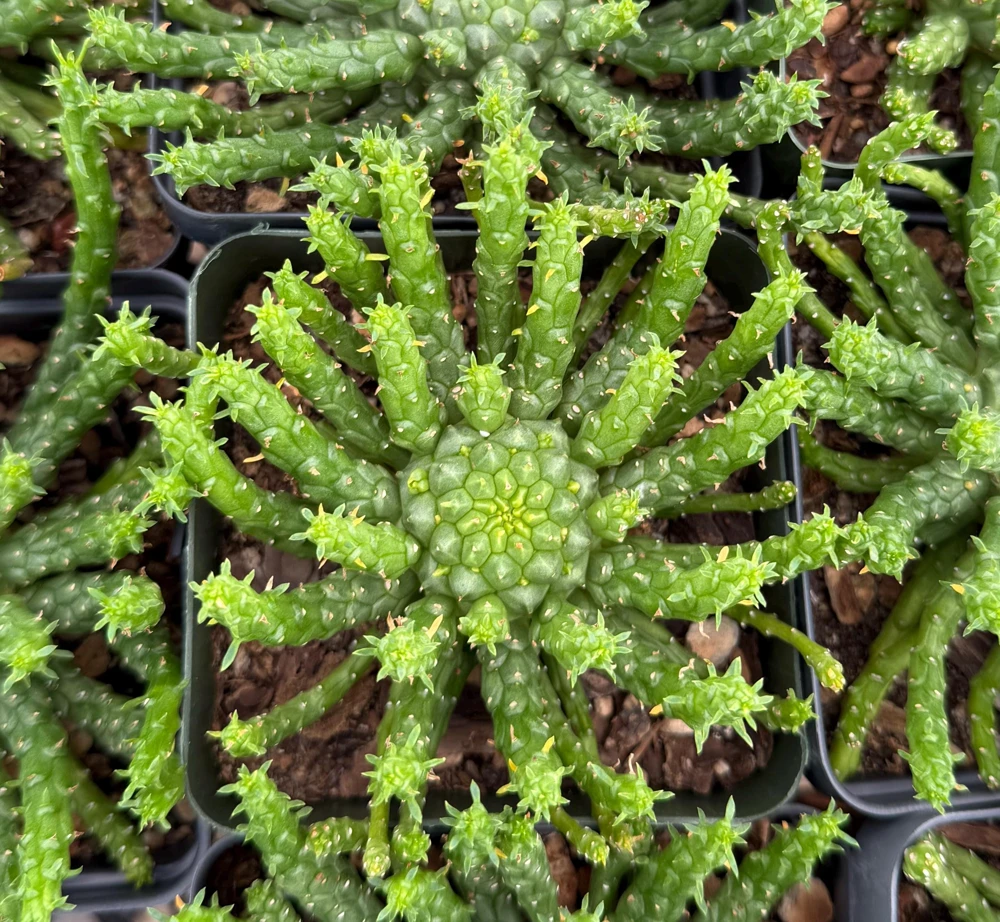
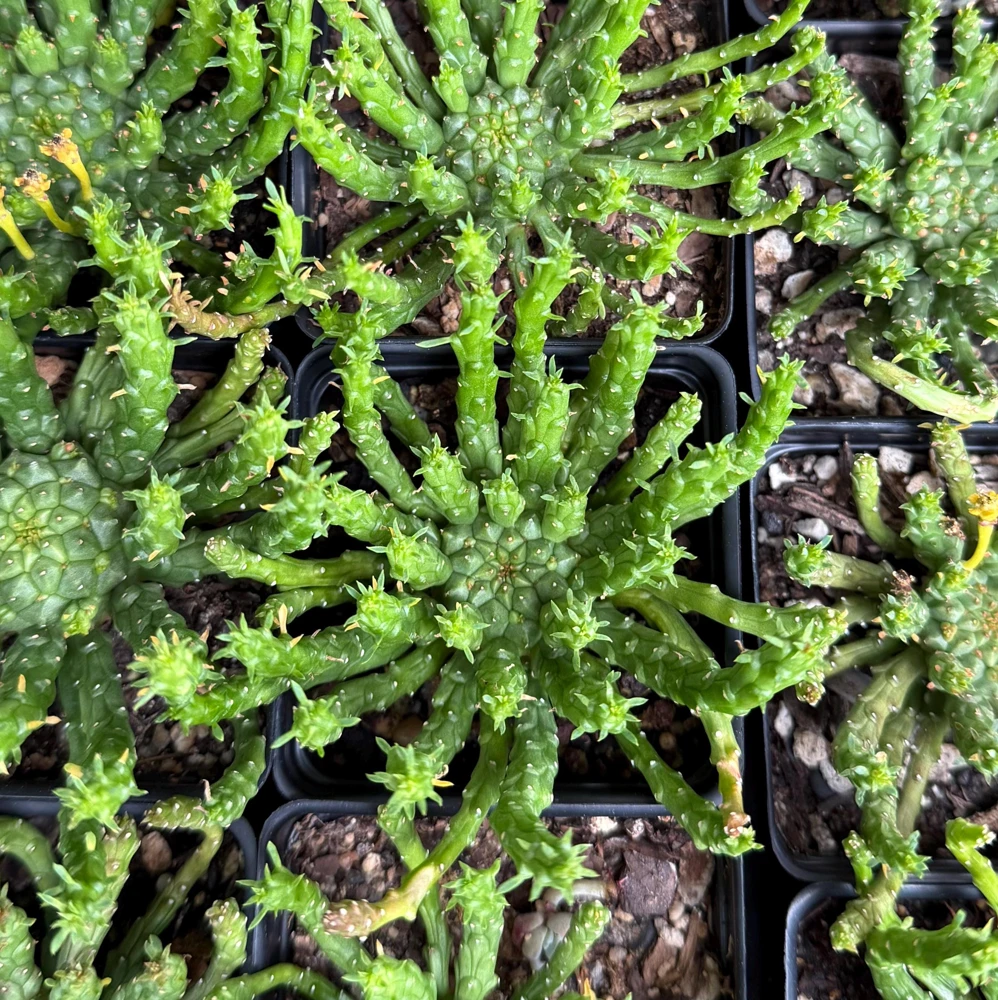
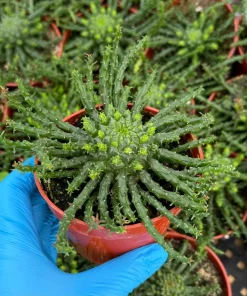
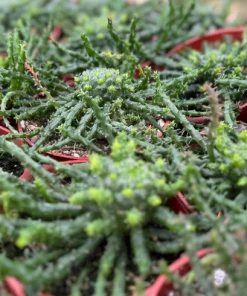
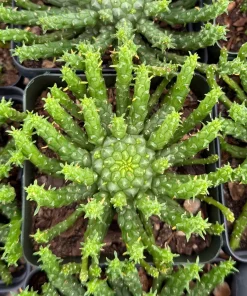
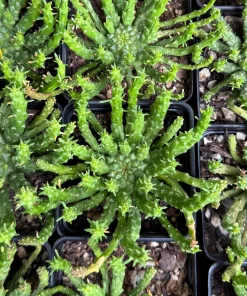
Medusa’s Head Plant – Euphorbia Flanaganii Live Succulent – 4 Inch or 6 Inch Pot – Indoor/Outdoor
Original price was: $63.54.$43.54Current price is: $43.54.
Bring home the captivating medusa’s head plant, also known as Euphorbia flanaganii. This unique succulent features serpent-like stems, perfect for adding an exotic touch to any indoor or outdoor collection. Available in 4 inch or 6 inch pots, it’s an easy-care choice for plant enthusiasts.
Estimated arrival
Oct 23
Oct 28 - Oct 30
Nov 02 - Nov 06
Shop With Confidence
30-Day Plant Health Guarantee
Arrives damaged? We’ll replace it free — see our return policy.
Responsive Support
Email us anytime, we reply within 1 business day.
Expert Packaging
Temperature-controlled shipping to protect your plants in transit.
Secure Checkout
Pay safely with Visa, Mastercard, PayPal.
Plant Specifications
-
USDA Hardiness Zone
USDA zones 9-11 -
Soil Type
Well-draining succulent or cactus mix -
Sunlight Exposure
Full sun to bright indirect light -
Expected Planting Period
Year-round indoors; Spring to early summer outdoors
Overview
Introduce a truly unique botanical specimen to your collection with the medusa’s head plant. This live succulent, scientifically known as Euphorbia flanaganii, is a fascinating addition for both seasoned plant enthusiasts and beginners alike. Native to South Africa, it earns its mythological name from the striking appearance of multiple serpent-like stems emerging from a central point, creating an otherworldly display. Each plant is carefully cultivated and offered in either a 4 inch or 6 inch nursery pot, ready to thrive in its new home. Its distinctive form and relatively low maintenance requirements make it a popular choice for those seeking an unusual and visually appealing plant.
The Euphorbia flanaganii is a succulent plant, meaning it stores water in its fleshy stems, making it highly drought-tolerant and forgiving for those who might occasionally forget to water. Its unique growth habit and intriguing texture provide a natural conversation starter, perfect for desks, windowsills, or as part of a larger succulent arrangement. This plant is not just a green accent; it’s a living sculpture that adds character and intrigue to any space.
Key Benefits
The medusa’s head plant offers a multitude of benefits, making it an excellent choice for a variety of settings. Its distinctive appearance is just the beginning of what this remarkable succulent brings to your home or garden.
- Striking Ornamental Appeal: The primary benefit of the medusa’s head plant is its incredibly unique and dramatic appearance. Its thick, fleshy, cylindrical stems resemble the mythical Medusa’s head, providing an exotic and artistic focal point wherever it’s placed. This plant is a living sculpture that adds visual interest year-round.
- Low Maintenance & Drought-Tolerant: As a succulent, Euphorbia flanaganii is exceptionally easy to care for. It thrives on neglect, requiring infrequent watering and minimal attention, making it perfect for busy individuals or those new to plant care. Its drought tolerance means it can withstand periods without water, reducing the risk of overwatering.
- Versatile Indoor & Outdoor Plant: This plant adapts well to various environments. It can be a captivating indoor houseplant, thriving in bright, sunny windows, or an intriguing addition to outdoor succulent gardens in warmer climates. The african milk bar succulent is suitable for container gardening, rock gardens, or xeriscaping.
- Unique Growth Habit: The way its stems radiate outwards from a central point is truly captivating. This unique growth pattern makes it stand out from other succulents and adds dynamic texture to any plant collection. Small, triangular leaves arranged in a spiral pattern further enhance its distinctive look.
- Collector’s Item: Due to its unusual form and relatively uncommon nature compared to more traditional succulents, the Euphorbia flanaganii is highly sought after by plant collectors. It’s an excellent piece to add to a collection of rare or exotic plants, offering a unique specimen that is sure to impress.
- Easy to Propagate: For those interested in expanding their collection or sharing with friends, this succulent is relatively easy to propagate from cuttings, allowing you to create more of these fascinating plants.
Plant Care & Growing Tips
Caring for your medusa’s head plant is straightforward, making it a rewarding experience for gardeners of all levels. Understanding its basic needs will ensure your Euphorbia flanaganii thrives and continues to display its unique beauty.
Sunlight Requirements: This succulent absolutely loves bright light. For optimal growth and to maintain its compact form, provide at least 6 hours of direct sunlight per day. When grown indoors, a south-facing window is ideal. If direct sun is too intense, especially in hot climates, some afternoon shade can prevent scorching. Outdoors, full sun to partial sun is suitable, but ensure it’s acclimated gradually to prevent shock.
Watering Schedule and Soil Moisture: Overwatering is the most common cause of problems for succulents. Allow the soil to dry out completely between waterings. When you do water, do so thoroughly until water drains from the bottom of the pot. In warmer months (spring and summer), you might water every 2-4 weeks. In cooler, dormant months (fall and winter), reduce watering significantly, perhaps once a month or even less. Always check the soil moisture with your finger before watering. This approach is key to keeping your african milk bar succulent healthy.
Soil Type and Drainage Requirements: The medusa’s head plant requires extremely well-draining soil. A specialized cactus or succulent potting mix is ideal. You can also create your own mix by combining regular potting soil with perlite, pumice, or coarse sand in a 1:1 ratio. Good drainage is critical to prevent root rot, so ensure your pot has drainage holes.
Temperature Range and USDA Hardiness Zone:Euphorbia flanaganii prefers warm temperatures and is not frost-tolerant. It thrives in temperatures between 60°F and 85°F (15°C and 29°C). If grown outdoors, it is generally hardy in USDA zones 9-11. In colder climates, it must be brought indoors before temperatures drop below 50°F (10°C). Protect it from cold drafts and extreme temperature fluctuations.
Fertilization Schedule and Type: Fertilize sparingly during the growing season (spring and summer) with a balanced, diluted liquid fertilizer formulated for succulents or cacti. Fertilize once every 2-3 months at half strength. Avoid fertilizing during the dormant winter months. Excessive fertilization can lead to leggy growth and damage to the plant.
Common Problems and Solutions: Watch out for signs of overwatering, such as mushy stems or yellowing leaves, which indicate root rot. If this occurs, stop watering and repot into fresh, dry soil. Pests like mealybugs or spider mites can occasionally appear; treat with insecticidal soap or neem oil. Ensure good air circulation to prevent fungal issues. Providing adequate light and proper watering will prevent most issues for your unusual indoor plants.
Size & Details
The medusa’s head plant (Euphorbia flanaganii) is a compact and intriguing succulent that typically grows to a manageable size. Its stems can reach up to 12 inches (30 cm) in height, spreading outwards to create a unique, mounded form. Each live plant is shipped in a nursery pot, available in either a 4 inch or 6 inch diameter, providing a healthy root system ready for transplanting or continued growth in its current container. The exact height and spread will vary depending on the pot size selected and the age of the plant, but generally, they are provided at a stage suitable for immediate display.
This succulent exhibits a moderate growth rate, gradually expanding its unique ‘head’ of stems over time. It is a long-lived plant when given proper care, offering years of enjoyment. It is delivered as a healthy, established potted plant, ensuring a smooth transition to your home or garden. Its robust nature makes it an excellent choice for those seeking drought tolerant plants with distinctive character.
Frequently Asked Questions
- Q: How big does this plant get? A: The medusa’s head plant typically grows up to 12 inches (30 cm) tall, with its unique serpent-like stems spreading outwards from a central point. Its overall size depends on growing conditions and pot size.
- Q: What size pot does it come in? A: This Euphorbia flanaganii is available and shipped in either a 4 inch or a 6 inch nursery pot, providing a good foundation for its continued growth.
- Q: Is this an indoor or outdoor plant? A: The medusa’s head plant can thrive both indoors and outdoors. It makes an excellent indoor houseplant in bright, sunny locations and can be grown outdoors in warmer climates (USDA zones 9-11).
- Q: How much sunlight does it need? A: This succulent requires bright light, preferably at least 6 hours of direct sunlight daily. Indoors, place it in a south-facing window. Outdoors, full sun to partial sun is ideal.
- Q: Is this plant easy to care for? A: Yes, the medusa’s head plant is considered an easy-care succulent, especially for beginners. Its drought-tolerant nature means it’s forgiving if you forget to water occasionally.
- Q: What condition will it arrive in? A: Your african milk bar succulent will arrive as a healthy, established live plant in its nursery pot, carefully packaged to ensure its safe journey.
- Q: Is it shipped in soil? A: Yes, the plant is shipped securely in its original well-draining potting mix within the nursery pot.
- Q: How long until it blooms? A: Euphorbia flanaganii produces small, inconspicuous greenish-yellow flowers, typically when mature and under optimal growing conditions. Blooming time can vary.
- Q: When is the best time to plant? A: As a potted plant, it can be planted or repotted year-round indoors. If planting outdoors in suitable climates, spring or early summer is generally best.
- Q: Will it survive winter in my zone? A: If you are in USDA zones 9-11, it can likely survive winter outdoors. In colder zones, it must be brought indoors before temperatures drop below 50°F (10°C) to protect it from frost.
- Q: What’s the minimum temperature it can tolerate? A: The medusa’s head plant is sensitive to cold and should not be exposed to temperatures consistently below 50°F (10°C).
| Size | 4", 6" |
|---|
Be the first to review “Medusa’s Head Plant – Euphorbia Flanaganii Live Succulent – 4 Inch or 6 Inch Pot – Indoor/Outdoor”
People Also Viewed



Vegetable Seeds
Morris Heading Collard Green Vegetable Seeds – 1500 Seeds – Annual – Brassica Oleracea



Vegetable Seeds
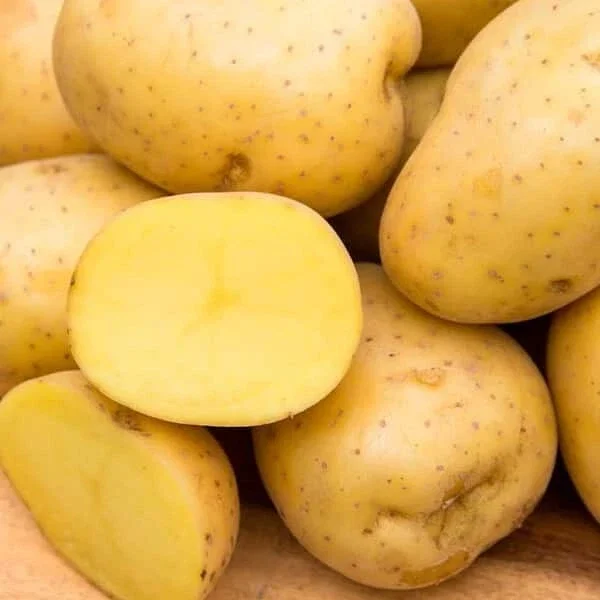
Yukon Gold Seed Potatoes for Planting – USDA Certified, 1000g


Reviews
There are no reviews yet.