
-31%
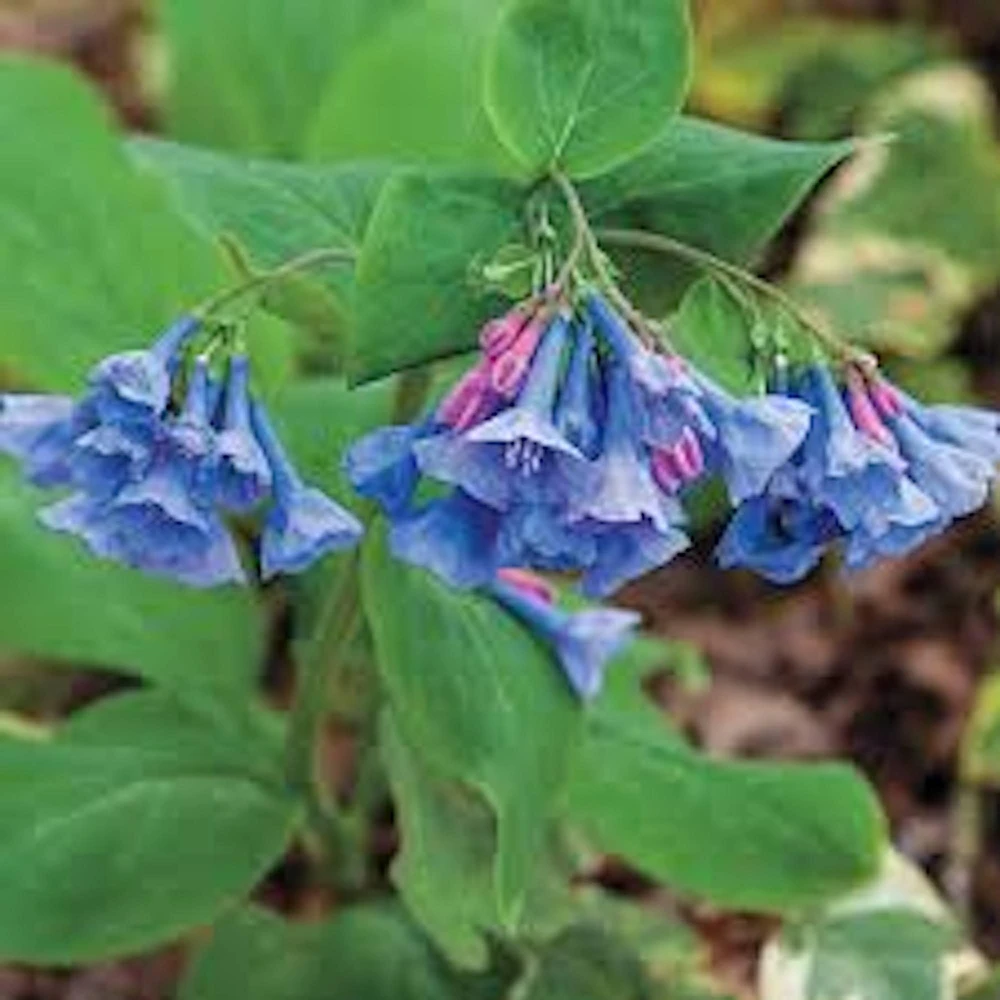
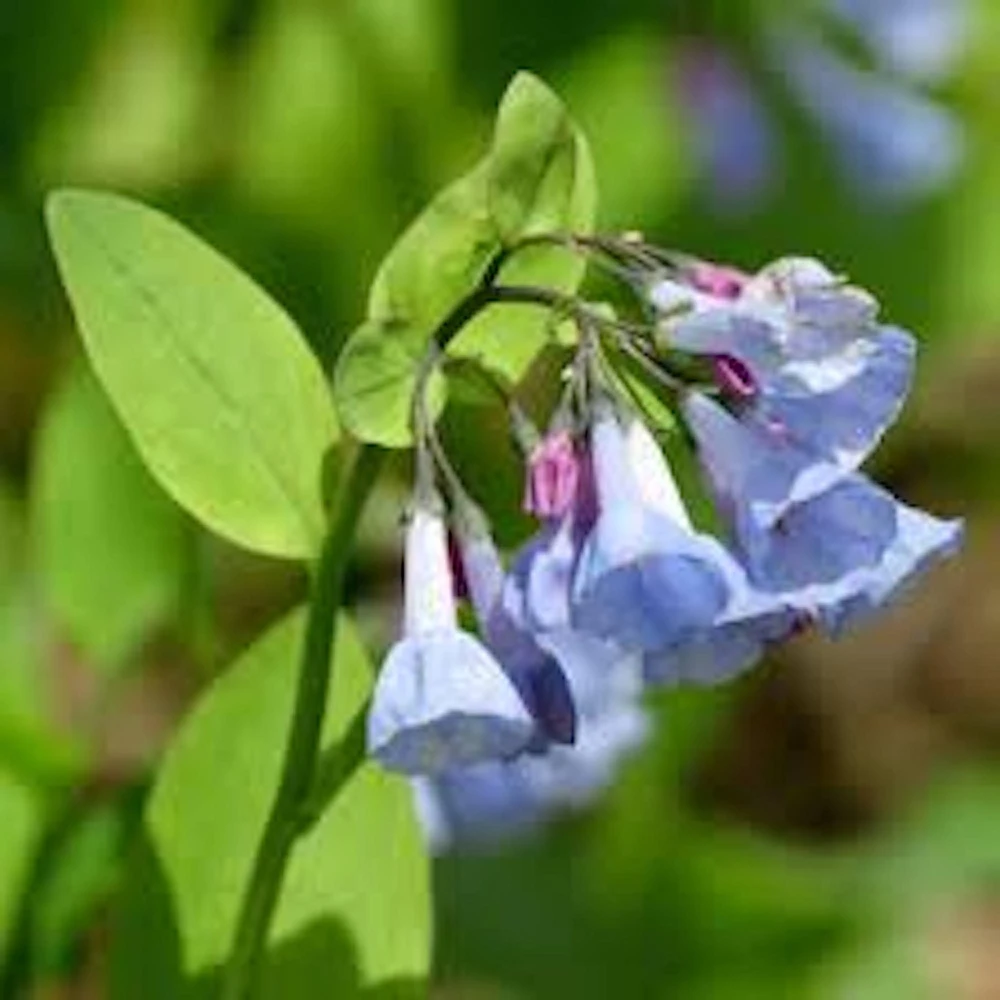
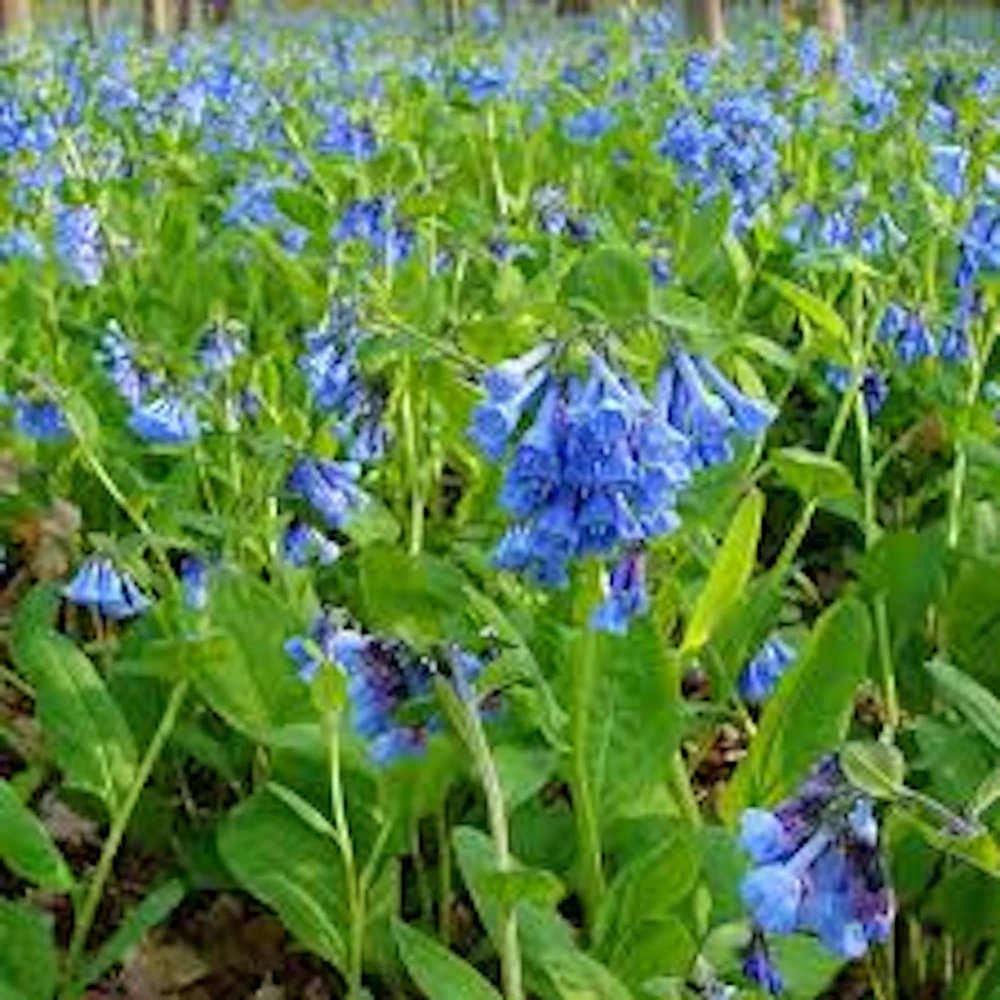
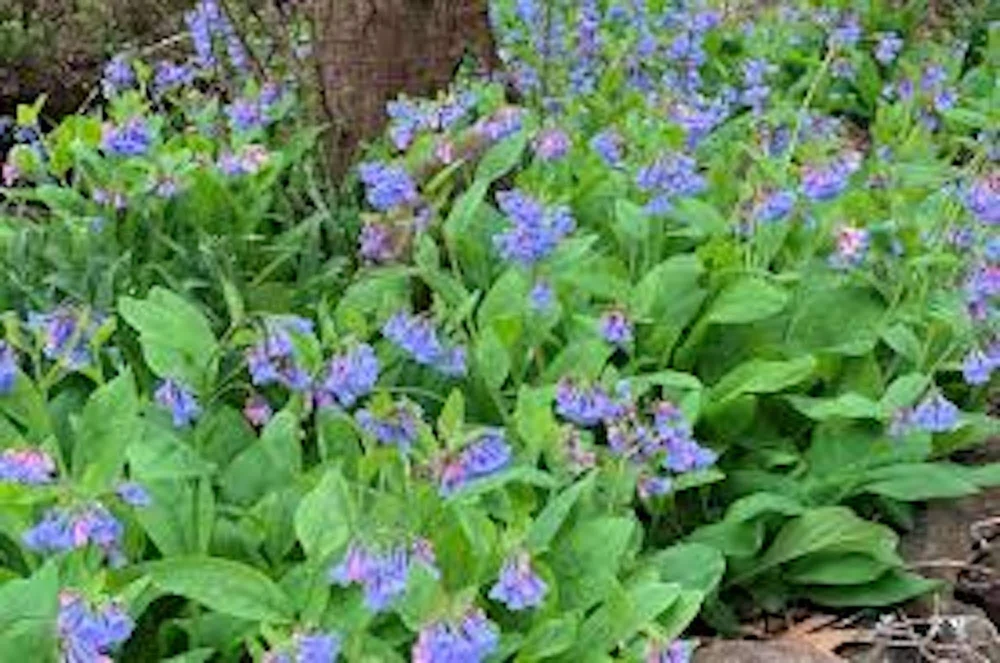
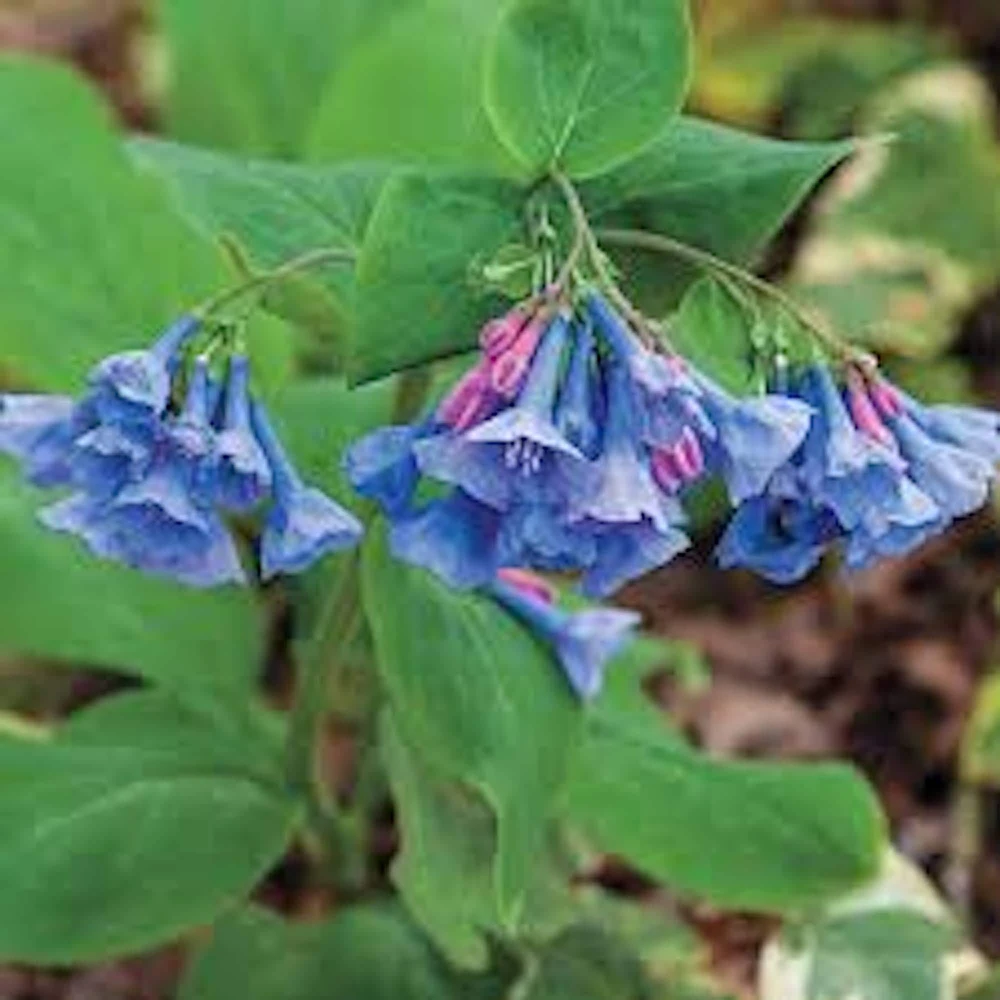
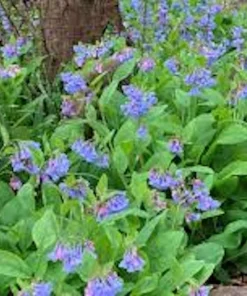
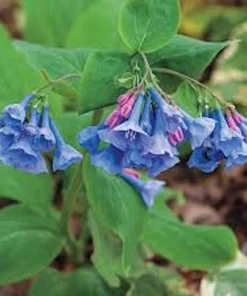
10 Virginia Bluebell Mertensia virginica Wildflower Bare Roots – Perennial
Original price was: $79.99.$54.99Current price is: $54.99.
Bring vibrant spring color to your shaded garden with 10 Virginia Bluebell bare roots. These native Mertensia virginica plants are stunning wildflowers, offering delicate pink-to-blue bell-shaped blooms that emerge as beautiful native spring ephemerals. Ideal for woodland gardens or naturalized areas.
Estimated arrival
Sep 29
Oct 04 - Oct 06
Oct 09 - Oct 13
Shop With Confidence
30-Day Plant Health Guarantee
Arrives damaged? We’ll replace it free — see our return policy.
Responsive Support
Email us anytime, we reply within 1 business day.
Expert Packaging
Temperature-controlled shipping to protect your plants in transit.
Secure Checkout
Pay safely with Visa, Mastercard, PayPal.
Plant Specifications
-
USDA Hardiness Zone
USDA Zones 3-8 -
Soil Type
Moist, rich, well-draining, slightly acidic to neutral soil -
Sunlight Exposure
Partial to full shade -
Expected Planting Period
Fall to early spring
Overview
Introduce a touch of native elegance to your garden with these 10 Virginia Bluebell bare roots. Virginia Bluebells, scientifically known as Mertensia virginica, are cherished North American wildflowers renowned for their breathtaking clusters of bell-shaped flowers. As quintessential native spring ephemerals, they burst forth with delicate pink buds that gracefully mature into sky-blue blossoms, creating a captivating display. These herbaceous perennials are a superb choice for naturalizing in woodland gardens, along stream banks, or in any shaded to partially shaded area where their beauty can be admired. Their ephemeral nature means they emerge in early spring, bloom spectacularly, and then recede by early summer, leaving space for other shade-loving plants to take over. Planting virginia bluebell bare roots is an excellent way to establish these charming flowers, providing a robust start for healthy growth and prolific blooming in subsequent seasons.
Mertensia virginica plants are not only beautiful but also play an important role in local ecosystems, providing early nectar for pollinators like bees and butterflies. Their distinctive bluish-green foliage adds texture even before the blooms appear, making them a delightful addition to any shade garden. These wildflowers are relatively low-maintenance once established, making them a rewarding choice for both novice and experienced gardeners looking to enhance their landscape with truly unique and vibrant spring color. The transformation of their flowers from pink to blue is a spectacle in itself, ensuring a dynamic and ever-changing display each spring.
Key Benefits
Adding virginia bluebell bare roots to your garden offers a multitude of benefits, from their aesthetic appeal to their ecological contributions. These beautiful plants are a truly special addition.
- Stunning Spring Blooms: Enjoy a captivating display of bell-shaped flowers that transition from delicate pink buds to vibrant blue blossoms, providing essential early spring color. This unique color change is a highlight of virginia bluebell wildflowers.
- Native and Pollinator-Friendly: As native wildflowers, Mertensia virginica plants are perfectly adapted to local conditions and provide crucial early nectar sources for pollinators such as bees and butterflies, supporting your garden’s biodiversity.
- Ephemeral Charm: Experience the unique cycle of a spring ephemeral; these plants emerge, bloom, and then gracefully recede by early summer, allowing other plants to fill their space and adding dynamic interest to your garden.
- Low Maintenance: Once established, growing virginia bluebells requires minimal care, thriving in their preferred shaded, moist environments without constant attention. They are a resilient choice for naturalized settings.
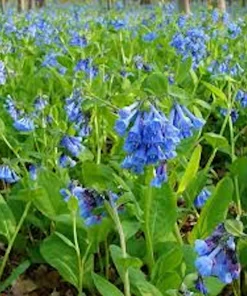
- Shade Garden Enhancement: Ideal for woodland gardens, shaded borders, or under deciduous trees, these bluebells flourish where many other flowering plants struggle, brightening up darker areas of your landscape. They are perfect for creating stunning naturalized drifts.
- Easy Establishment from Bare Roots: Planting virginia bluebell bare roots ensures a strong start, allowing the plants to quickly establish and produce robust growth and abundant blooms in the coming seasons. This method is highly effective for perennial establishment.
- Distinctive Foliage: Even before the flowers appear, the bluish-green foliage of Mertensia virginica plants adds an attractive textural element to the garden, contributing to its overall visual appeal.
Plant Care & Growing Tips
Growing virginia bluebells is a straightforward process, especially when starting with healthy bare roots. These lovely native spring ephemerals thrive in specific conditions that mimic their natural woodland habitat. They prefer a location with partial to full shade, especially protection from intense afternoon sun. While they can tolerate some morning sun, too much direct sunlight can scorch their delicate foliage and shorten their blooming period. Consider planting them under deciduous trees where they can receive sunlight in early spring before the canopy fills in, and then enjoy the shade during the warmer months.
The ideal soil for virginia bluebell bare roots is moist, rich, and well-draining, with a slightly acidic to neutral pH. Incorporating organic matter, such as compost or leaf mold, into the planting area will greatly improve soil structure, moisture retention, and nutrient content, providing an optimal environment for your Mertensia virginica plants. Consistent moisture is crucial, particularly during their active growth phase in spring. However, ensure the soil is not waterlogged, as this can lead to root rot. Once the foliage begins to yellow and die back in early summer, you can reduce watering as the plants enter dormancy. Fertilization is generally not heavily required in rich, organic soil; an annual top-dressing of compost in early spring is usually sufficient to provide the necessary nutrients for robust growth and vibrant blooms.
Virginia bluebells are hardy in USDA Zones 3-8, making them suitable for a wide range of climates. They are relatively pest and disease-free, further contributing to their low-maintenance appeal. After the plants go dormant, you can leave the faded foliage to naturally decompose, returning nutrients to the soil, or gently remove it if desired. These virginia bluebell wildflowers will naturalize and spread over time, forming beautiful colonies. For best results, plant the bare roots about 2-3 inches deep and 6-12 inches apart, ensuring the crown is just below the soil surface. With proper care, your garden will be graced with their stunning blue hues each spring.
Size & Details
This offering includes 10 Virginia Bluebell bare roots, ready for planting. Each bare root is a dormant perennial, representing a robust start for your garden. When established, Mertensia virginica plants typically grow to a height of 12 to 24 inches and spread about 12 to 18 inches wide, forming attractive clumps. These plants are shipped as dormant bare roots, which allows for easy handling and successful establishment. They are known for their moderate growth rate, establishing well within the first year and producing a more substantial bloom display in their second season and beyond. The flowering period for these virginia bluebell wildflowers typically occurs from late March to May, depending on your specific climate and growing conditions. The bare root form ensures that the plants arrive in a state ready to burst into life once planted in suitable conditions, offering a sustainable and effective way of adding these beautiful native plants to your landscape.
Frequently Asked Questions
- Q: How big do these Virginia Bluebell plants get? A: Mertensia virginica plants typically grow to a height of 12 to 24 inches (30-60 cm) and spread about 12 to 18 inches (30-45 cm) wide, forming attractive clumps in your garden.
- Q: Is this an indoor or outdoor plant? A: Virginia Bluebells are outdoor perennial wildflowers, best suited for naturalizing in garden beds, woodland areas, or shaded borders. They are not typically grown as indoor plants.
- Q: How much sunlight does it need? A: These virginia bluebell bare roots thrive in partial to full shade, preferring protection from the intense afternoon sun. Morning sun is generally acceptable.
- Q: Is this plant easy to care for? Is it good for beginners? A: Yes, growing virginia bluebells is relatively easy once established, making them a good choice for beginners. They require moist, well-draining soil and shade.
- Q: What condition will the bare roots arrive in? A: Your 10 Virginia Bluebell bare roots will arrive dormant and carefully packaged, ready for planting. This is the ideal state for successful perennial establishment.
- Q: How long until it blooms? A: While some bare roots may produce a few blooms in their first spring, a more substantial and established display of virginia bluebell wildflowers can typically be expected in their second year after planting.
- Q: What’s the best time to plant these bare roots? A: The best time to plant virginia bluebell bare roots is in the fall or very early spring, allowing them to establish their root system before the heat of summer or the emergence of new growth.
- Q: What type of soil do Virginia Bluebells prefer? A: Mertensia virginica plants prefer moist, rich, well-draining soil with a slightly acidic to neutral pH. Amending with organic matter is highly beneficial for growing virginia bluebells.
- Q: Will it survive winter in my zone? A: Virginia Bluebells are hardy perennials, suitable for USDA Zones 3-8, meaning they are well-adapted to survive winter in a wide range of temperate climates.
- Q: How do these plants contribute to the garden ecosystem? A: As native spring ephemerals, they provide essential early nectar for pollinators like bees and butterflies, supporting local wildlife and biodiversity.
Be the first to review “10 Virginia Bluebell Mertensia virginica Wildflower Bare Roots – Perennial”
People Also Viewed
-16%
Original price was: $159.99.$134.99Current price is: $134.99.
-23%
Original price was: $42.99.$32.99Current price is: $32.99.
-24%
Original price was: $62.99.$47.99Current price is: $47.99.
-36%
Flower Plants
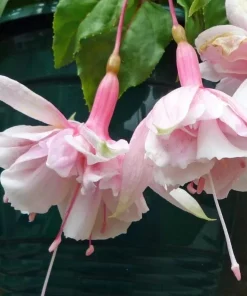
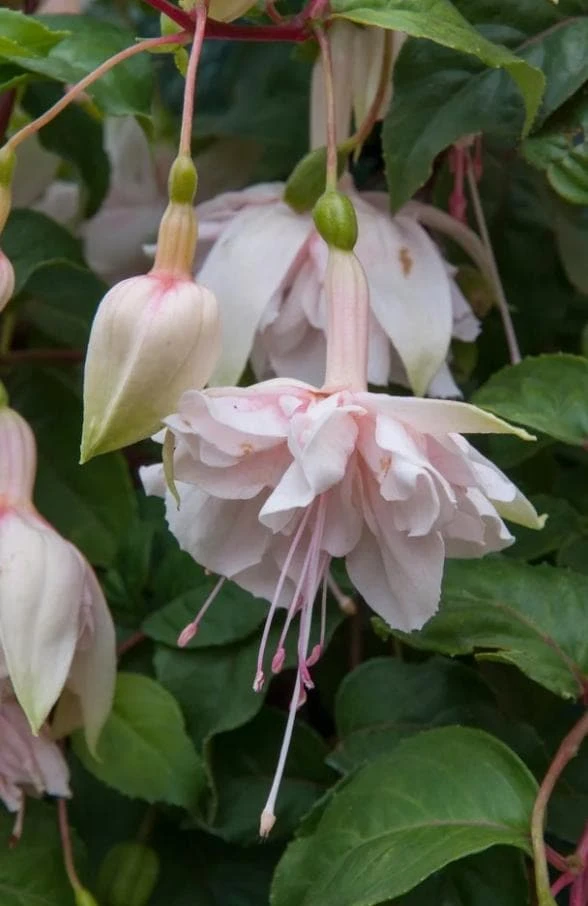
Pink Marshmallow Fuchsia Live Plant – 6″ Pot – Soft Pink Flowers – Shade-Loving Hanging Basket
Original price was: $55.99.$35.99Current price is: $35.99.
-42%
Original price was: $47.99.$27.99Current price is: $27.99.
-63%
Original price was: $31.99.$11.99Current price is: $11.99.
-50%
Original price was: $47.98.$23.99Current price is: $23.99.
-53%
Original price was: $37.99.$17.99Current price is: $17.99.
-57%
Vegetable Seeds
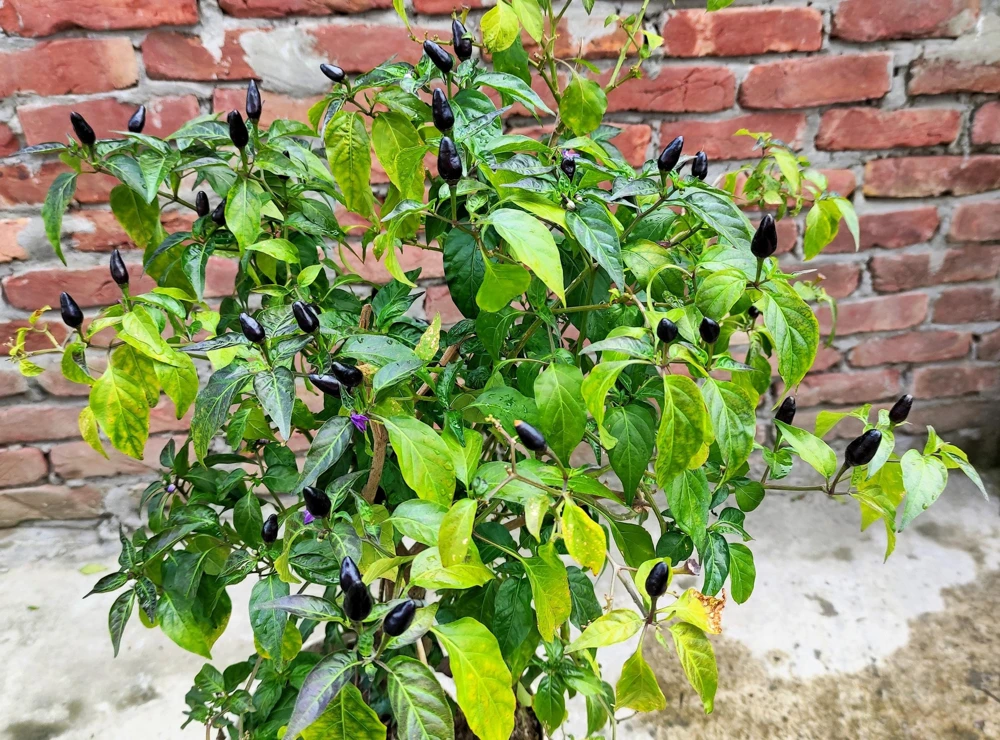
Filius Blue Pepper Seeds – Christmas Pepper Vegetable Seeds, 20 Count, Ornamental & Edible
Original price was: $34.89.$14.89Current price is: $14.89.
-26%
Original price was: $37.99.$27.99Current price is: $27.99.
Reviews
There are no reviews yet.