

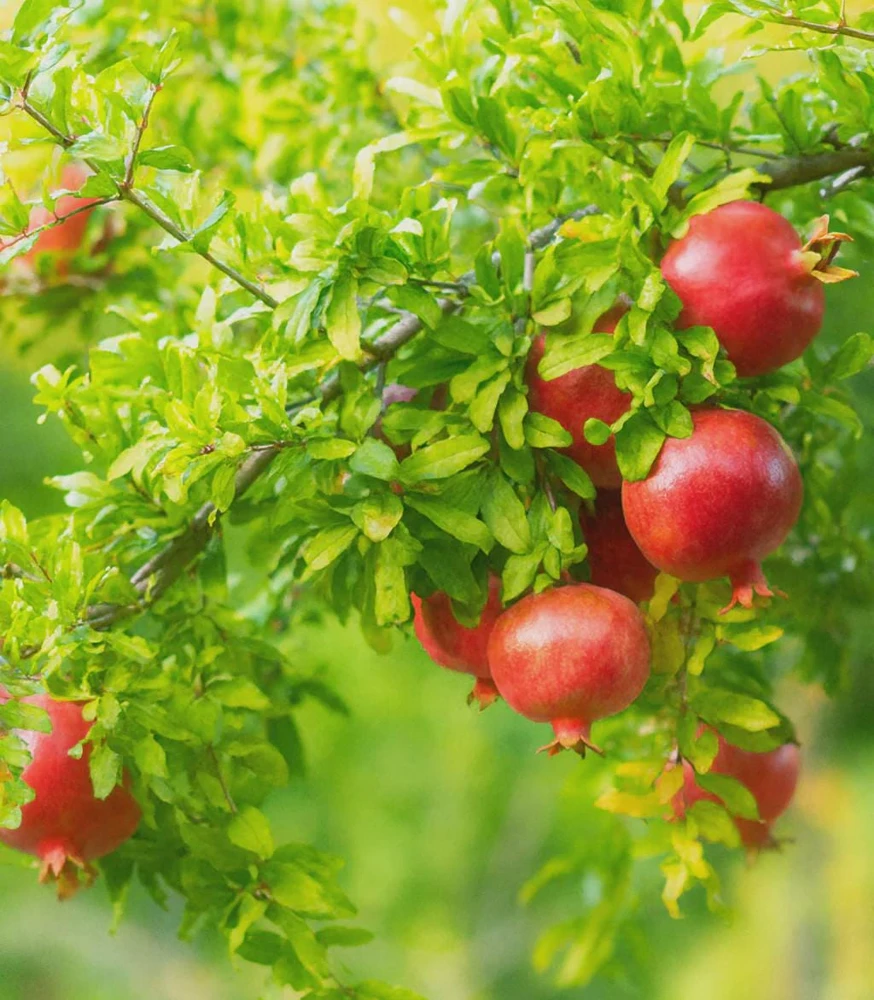
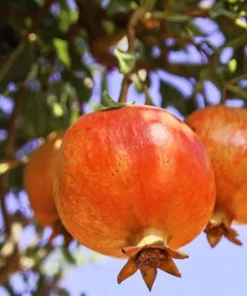
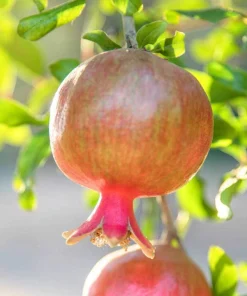
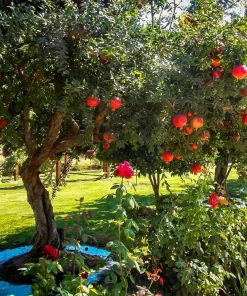
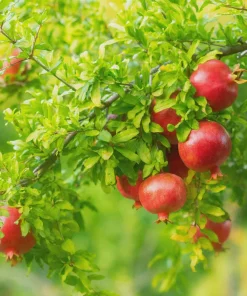
3 Salavatski Pomegranate Tree Starter Plant – Cold Hardy Live Plant
Original price was: $93.99.$68.99Current price is: $68.99.
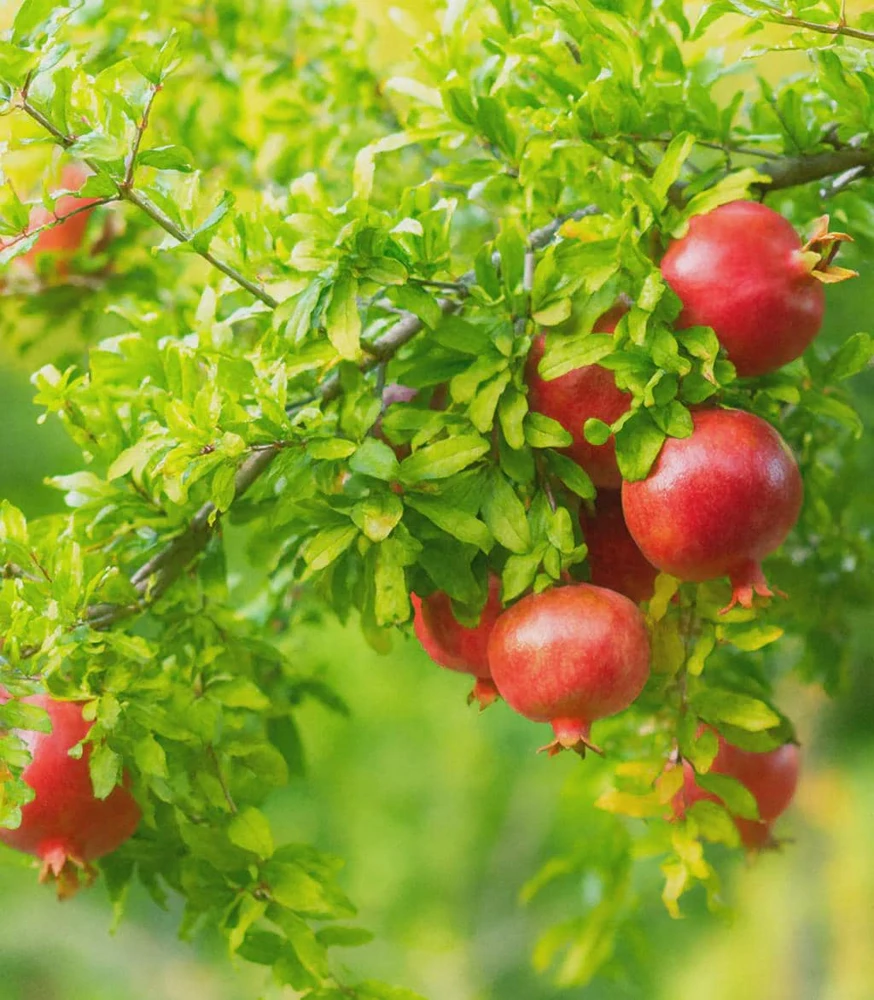
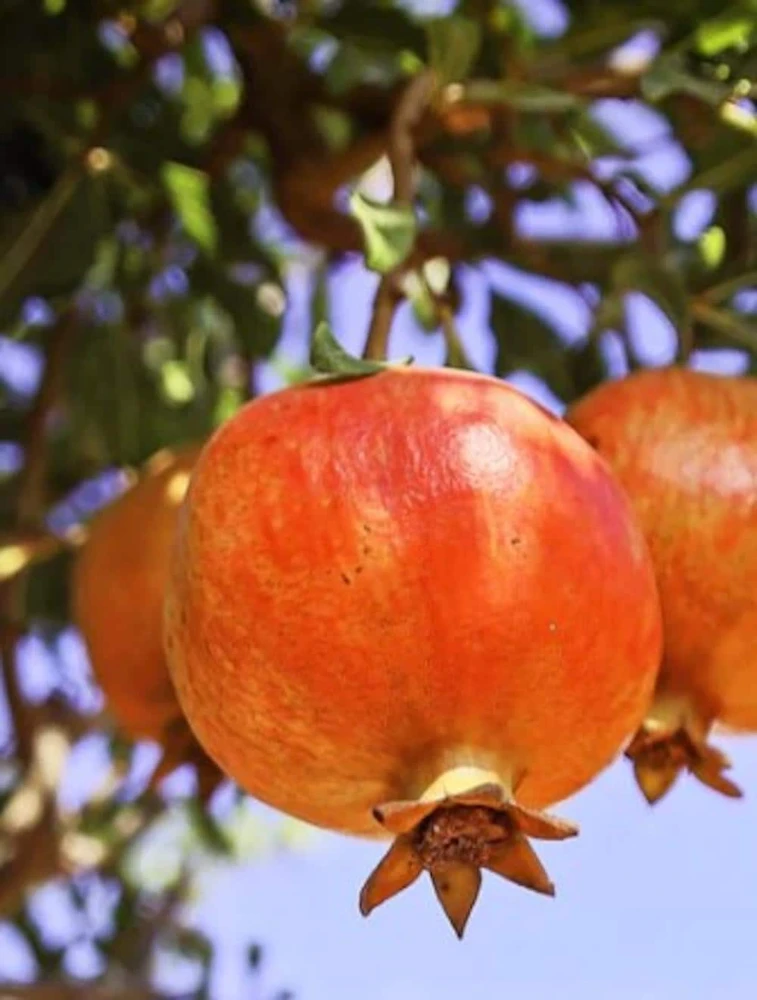
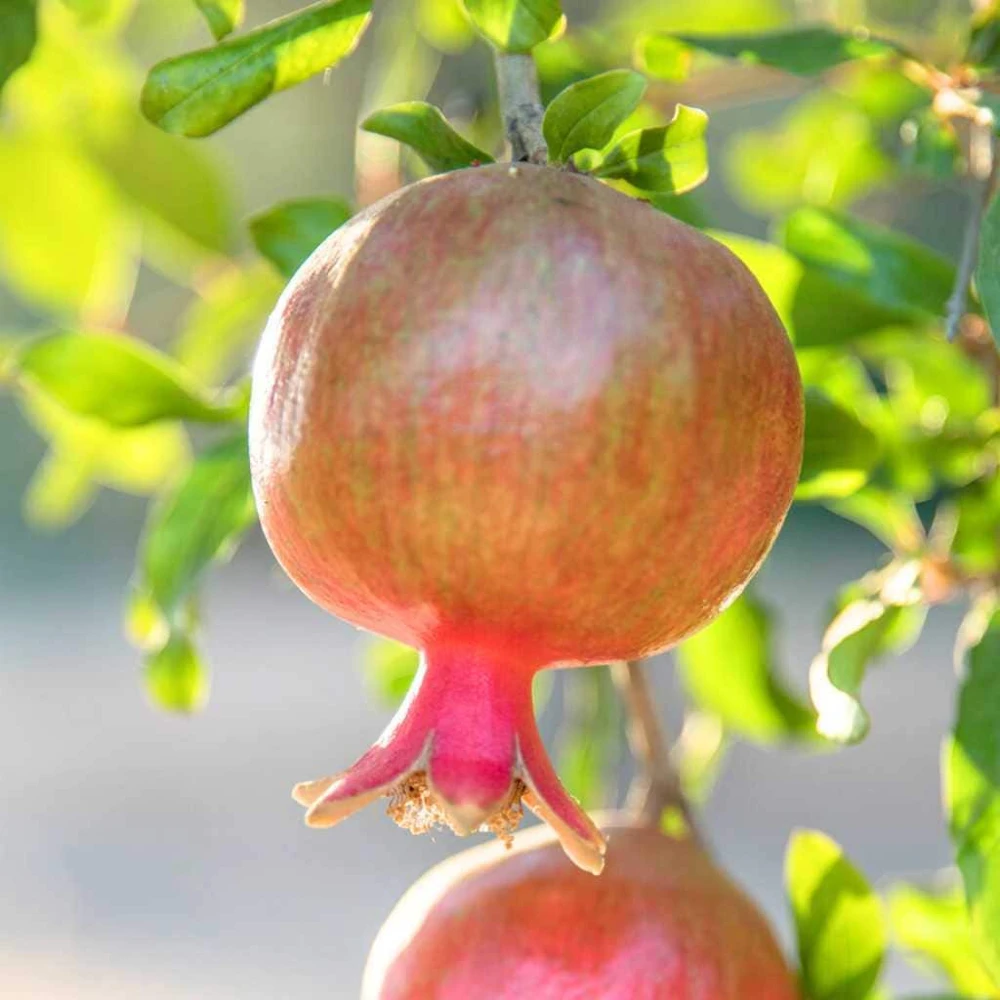
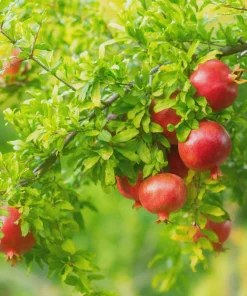
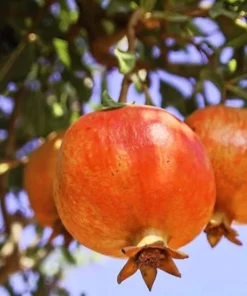
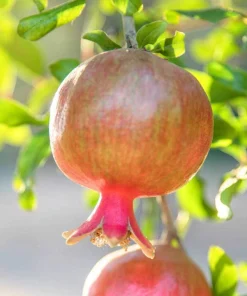
Cultivate your own delicious fruit with this Salavatski pomegranate tree starter plant. Known for its exceptional cold hardiness and vigorous growth, this pomegranate starter plant produces large, flavorful fruit, ideal for gardeners in cooler climates.
Estimated arrival
Sep 29
Oct 04 - Oct 06
Oct 09 - Oct 13
Shop With Confidence
30-Day Plant Health Guarantee
Arrives damaged? We’ll replace it free — see our return policy.
Responsive Support
Email us anytime, we reply within 1 business day.
Expert Packaging
Temperature-controlled shipping to protect your plants in transit.
Secure Checkout
Pay safely with Visa, Mastercard, PayPal.
Plant Specifications
-
USDA Hardiness Zone
USDA zones 6–9 -
Soil Type
Well-draining sandy loam -
Sunlight Exposure
Full sun -
Expected Planting Period
Late winter to early spring
Overview
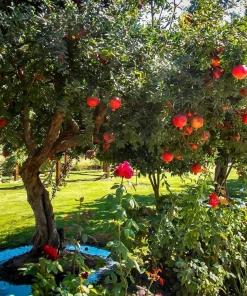
Embark on a rewarding gardening journey with the Salavatski pomegranate tree starter plant. This offering includes 3 individual starter plants of the highly sought-after ‘Salavatski’ variety, scientifically known as Punica granatum ‘Salavatski’. Originating from Afghanistan and adapted for fluctuating temperatures, this Russian variety is celebrated for its remarkable cold tolerance and robust growth. Gardeners in cooler regions can now enjoy the luxury of fresh, homegrown pomegranates, as this plant is specifically bred to withstand challenging climates. Its vigorous nature ensures a bountiful harvest of large, flavorful fruits, making it a fantastic addition to any fruit orchard or edible landscape. The Salavatski pomegranate tree is a testament to resilience and delicious yields.
The ‘Salavatski’ cultivar is a popular choice for those looking to grow pomegranates where other varieties might fail. Its ability to tolerate temperatures as low as 5°F, and potentially even below 0°F with adequate protection, makes it a truly unique and valuable plant. Each pomegranate starter plant provided is ready to establish itself in your garden, promising years of delicious fruit production. Whether you’re an experienced horticulturist or a budding gardener, this cold-hardy variety offers an exciting opportunity to expand your edible garden with a truly special fruit.
Key Benefits
The Salavatski pomegranate tree offers a multitude of benefits for the home gardener, blending ornamental appeal with practical fruit production. This robust plant is an excellent choice for those seeking a rewarding and resilient fruit-bearing specimen.
- Exceptional Cold Hardiness: The ‘Salavatski’ variety is renowned for its superior cold tolerance, thriving in USDA zones 6–9 and capable of surviving temperatures down to 5°F, and even lower with protection. This makes growing pomegranates possible in many regions previously considered too cold.
- Vigorous Growth: This variety exhibits strong, healthy growth, establishing quickly and developing into a productive fruit tree, ensuring a good yield.
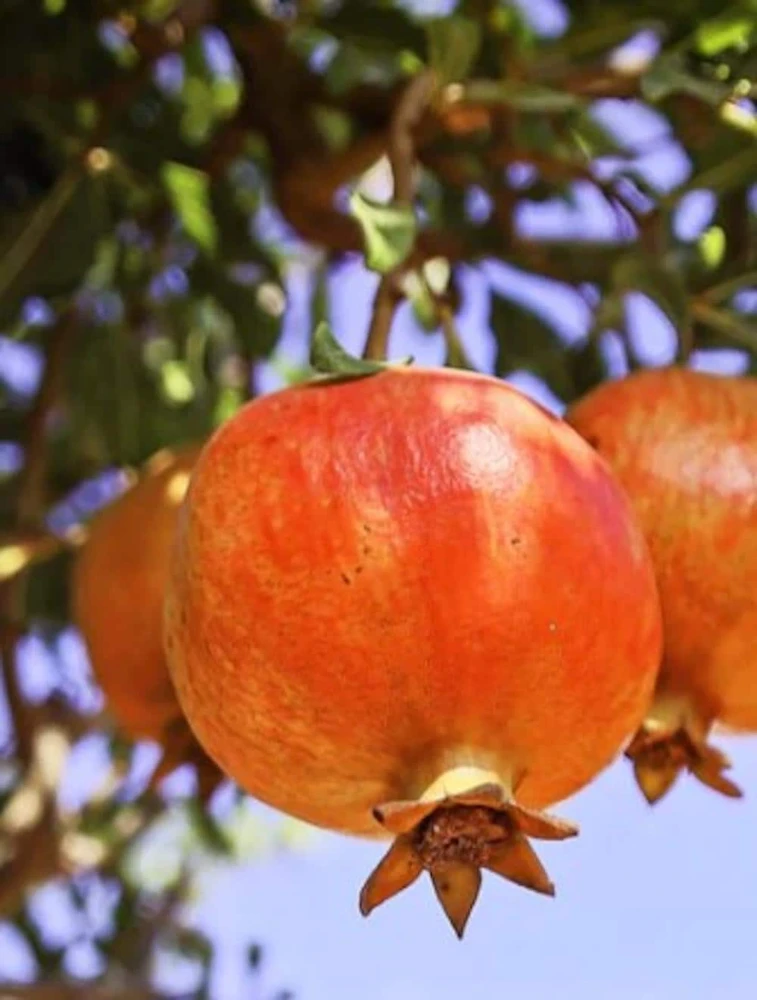
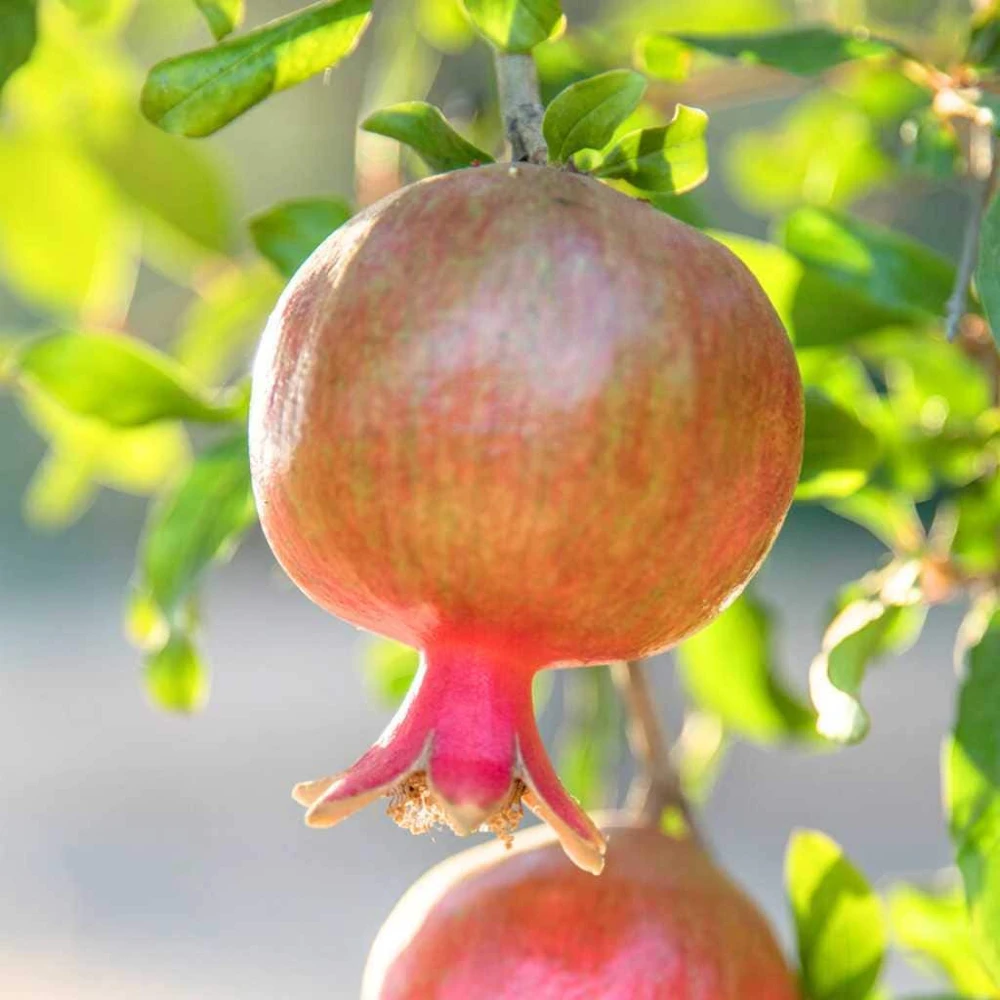
- Large, Flavorful Fruits: Enjoy an abundant harvest of sizable pomegranates known for their sweet and tart flavor, perfect for fresh eating, juices, or culinary creations.
- Drought Tolerance: Once established, the Salavatski pomegranate tree is relatively drought-tolerant, making it a sustainable choice for various climates and reducing water requirements.
- Adaptability: Originally bred for fluctuating temperatures, this plant is highly adaptable to different environmental conditions, making it a versatile choice for many garden settings.
- Ornamental Value: Beyond its fruit, the pomegranate tree boasts attractive foliage and vibrant flowers, adding aesthetic beauty to your landscape.
- Disease Resistance: Generally robust, this variety tends to exhibit good resistance to common pomegranate diseases, simplifying care and maintenance.
Plant Care & Growing Tips
Caring for your Salavatski pomegranate tree starter plants is straightforward, ensuring they grow into healthy, fruit-bearing specimens. These plants thrive in full sun, requiring at least 6-8 hours of direct sunlight daily for optimal fruit production and vigorous growth. Choose a location in your garden that receives ample sun exposure throughout the day. While pomegranates are relatively adaptable, they prefer well-draining soil. A sandy loam or loamy soil with a neutral to slightly acidic pH (6.0-7.0) is ideal. Ensure the planting site does not retain standing water, as this can lead to root rot. When planting, dig a hole twice as wide as the root ball and just as deep, gently spreading out the roots before backfilling with soil.
Watering is crucial, especially during the establishment phase. Water deeply and regularly after planting to help the roots settle. Once established, the cold hardy pomegranate is quite drought-tolerant, but consistent watering during dry spells and fruit development will lead to larger, juicier fruits. Reduce watering in the fall as the plant prepares for dormancy. Fertilize your pomegranate tree in early spring before new growth begins, using a balanced fertilizer or one slightly higher in phosphorus and potassium to encourage flowering and fruiting. Pruning should be done in late winter or early spring to remove dead or crossing branches, shape the tree, and encourage air circulation. For those interested in growing pomegranates, understanding these basic care principles will lead to a successful and productive plant.
Protection in colder zones is essential for maximizing the resilience of your Punica granatum Salavatski. While it’s a cold hardy pomegranate, in USDA zones at the lower end of its range (zone 6), consider providing winter protection, especially for young plants. Mulching heavily around the base of the tree can insulate the roots, and covering the plant with burlap or a frost cloth during extreme cold snaps can protect the branches. Monitor for common pests like aphids or scale and treat with organic solutions if necessary. With proper care, your pomegranate trees will flourish, providing delicious fruit for many years.
Size & Details
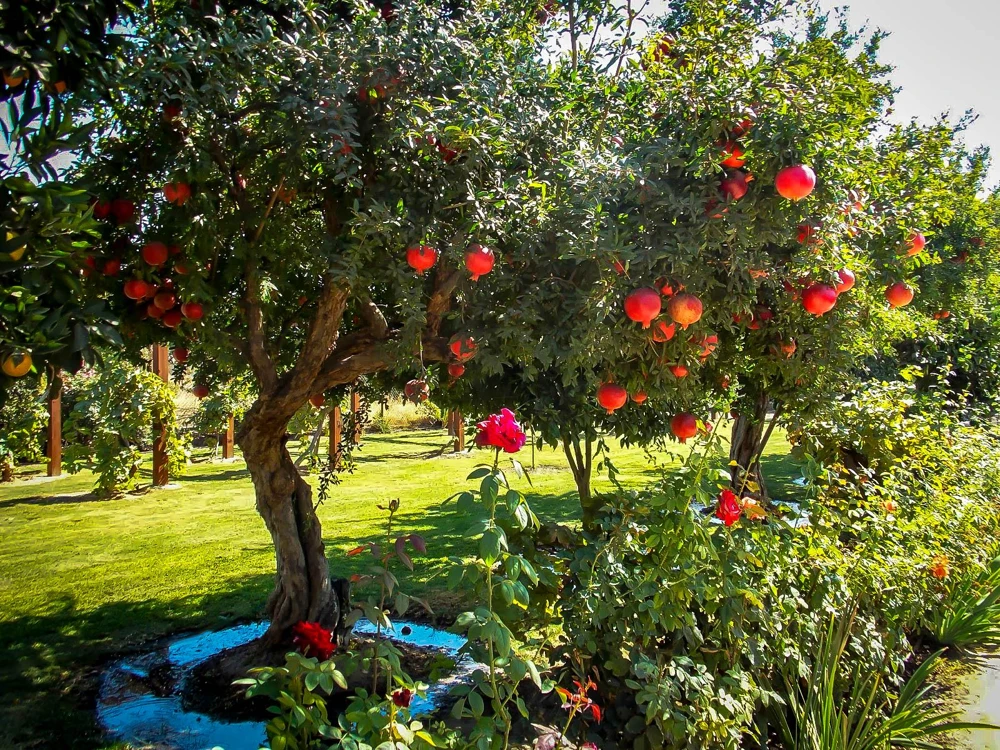
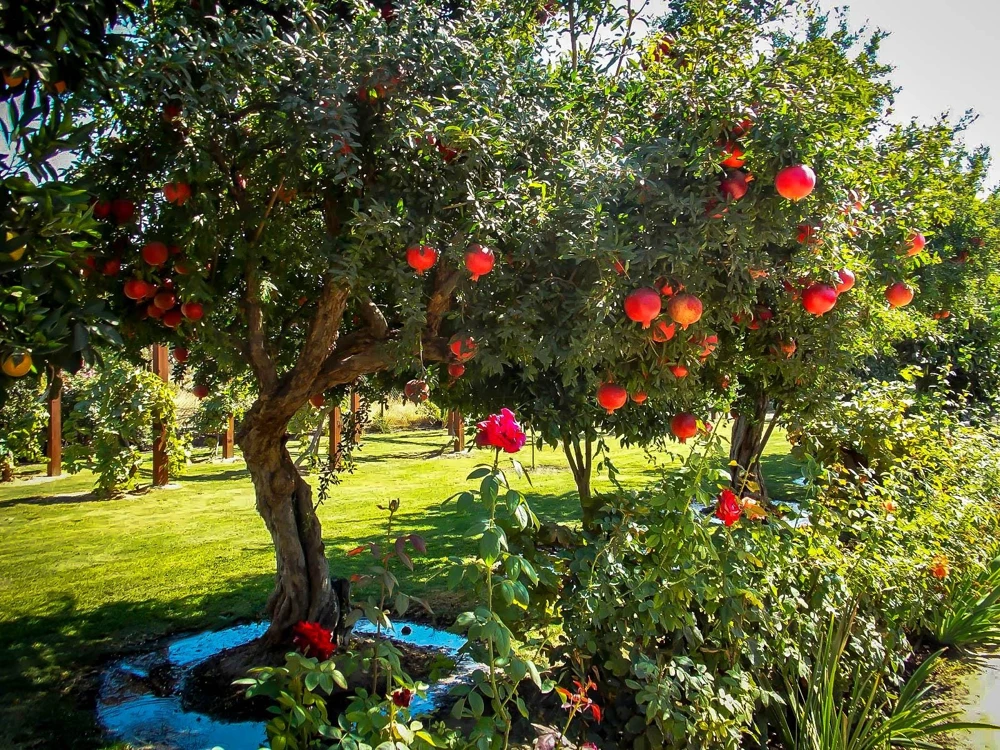
This offering includes 3 Salavatski pomegranate tree starter plants. These plants are shipped bare root, meaning they arrive without soil or a pot, which helps reduce transplant shock and allows for easier establishment in your garden. Upon arrival, it is recommended to plant them promptly. The ‘Salavatski’ variety typically grows to a height of 10-15 feet and a spread of 8-12 feet at maturity, though it can be pruned to a smaller, more shrub-like form. It exhibits a moderate to fast growth rate once established. Expect fruit production to begin within 2-3 years after planting, with increasing yields as the tree matures. These young plants provide an excellent foundation for a thriving and productive Salavatski pomegranate tree.
Frequently Asked Questions
- Q: How big will my Salavatski pomegranate tree get? A: At maturity, the ‘Salavatski’ pomegranate typically reaches a height of 10-15 feet with a spread of 8-12 feet. Its size can be managed with regular pruning to suit your garden space.
- Q: Is this an indoor or outdoor plant? A: The Salavatski pomegranate tree is an outdoor plant, specifically a fruit tree. It requires ample sunlight and space to grow and produce fruit effectively.
- Q: How much sunlight does a cold hardy pomegranate need? A: For optimal growth and fruit production, your pomegranate tree needs at least 6-8 hours of direct sunlight per day. Choose a sunny location in your garden.
- Q: Is this plant easy to care for? A: Yes, once established, the Salavatski pomegranate tree is relatively low-maintenance. It’s known for its hardiness and adaptability, making it a good choice for both experienced and novice gardeners interested in growing pomegranates.
- Q: What condition will the starter plants arrive in? A: The pomegranate starter plant will ship bare root, meaning without soil or a pot. This method ensures they are fresh and ready for immediate planting upon arrival.
- Q: When is the best time to plant this Punica granatum Salavatski? A: The best time to plant bare root pomegranates is in late winter or early spring, after the danger of hard frost has passed but before new growth fully begins.
- Q: Will it survive winter in my zone? A: The ‘Salavatski’ variety is exceptionally cold-hardy, suitable for USDA zones 6–9. With some protection, it can survive temperatures as low as 5°F and even below 0°F.
- Q: What type of soil is best for growing pomegranates? A: Pomegranates prefer well-draining soil, such as a sandy loam, with a neutral to slightly acidic pH. Good drainage is crucial to prevent root issues.
- Q: How long until my Salavatski pomegranate tree produces fruit? A: You can typically expect your ‘Salavatski’ pomegranate tree to begin producing fruit within 2-3 years after planting, with yields increasing as the tree matures.
- Q: Can I grow this cold hardy pomegranate in a large container? A: Yes, it is possible to grow a pomegranate tree in a large container, especially in colder zones where you might want to move it indoors for winter protection. Ensure the container is very large and has excellent drainage.
Be the first to review “3 Salavatski Pomegranate Tree Starter Plant – Cold Hardy Live Plant”
People Also Viewed


Reviews
There are no reviews yet.