
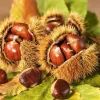
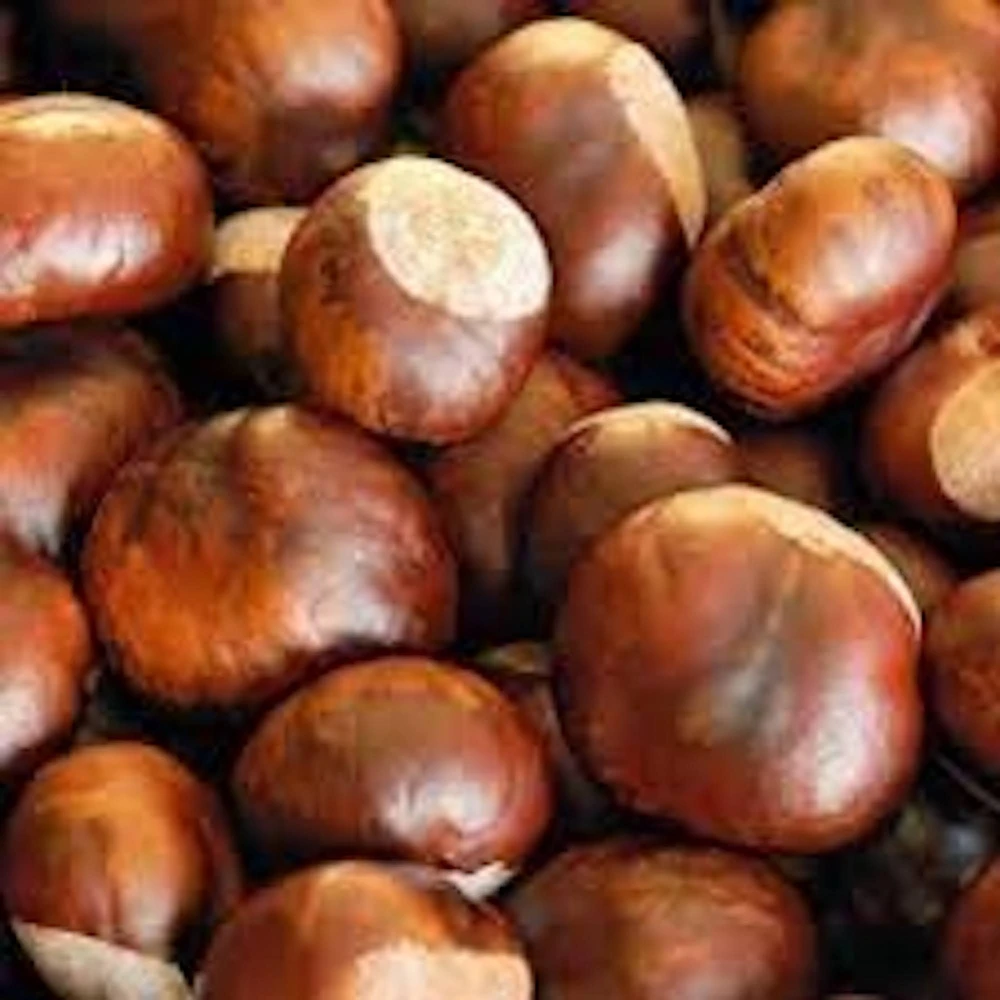
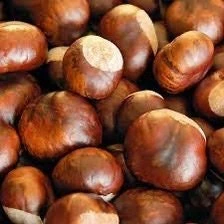
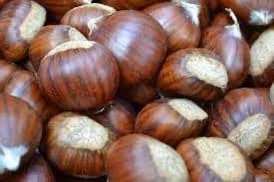
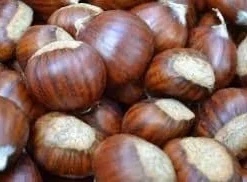
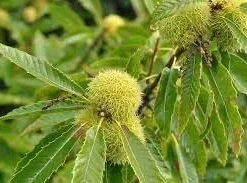
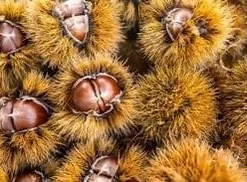
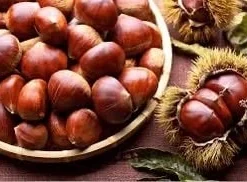
10 Dunstan Chestnut Tree Seeds – Blight Resistant American Hybrid
Original price was: $67.99.$42.99Current price is: $42.99.
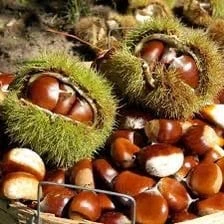
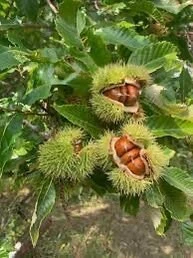
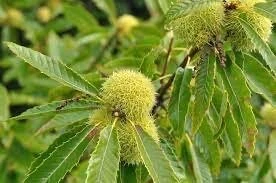
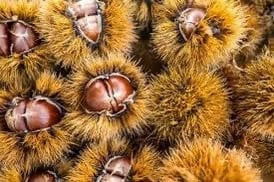
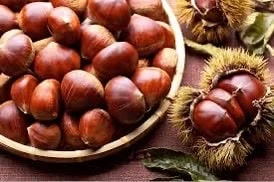
Cultivate a resilient future with Dunstan Chestnut tree seeds. This pack contains 10 blight resistant chestnut American hybrid seeds, perfect for planting and growing robust chestnut trees. Enjoy the benefits of a proven strain for wildlife or personal consumption.
Estimated arrival
Sep 29
Oct 04 - Oct 06
Oct 09 - Oct 13
Shop With Confidence
30-Day Plant Health Guarantee
Arrives damaged? We’ll replace it free — see our return policy.
Responsive Support
Email us anytime, we reply within 1 business day.
Expert Packaging
Temperature-controlled shipping to protect your plants in transit.
Secure Checkout
Pay safely with Visa, Mastercard, PayPal.
Plant Specifications
-
USDA Hardiness Zone
USDA zones 5-9 -
Soil Type
Well-draining, slightly acidic to neutral loam -
Sunlight Exposure
Full sun -
Expected Planting Period
Late winter to early spring
Overview
Embark on a journey to cultivate resilient and productive chestnut trees with our premium pack of Dunstan Chestnut tree seeds. These American hybrid seeds are renowned for their exceptional blight resistance, offering a robust solution for establishing a thriving chestnut grove. Each seed carries the genetic legacy of the original Dr. Dunstan strain, a testament to years of successful cultivation and consistent production of beautiful, nut-bearing trees. Whether you’re looking to enhance your property for wildlife, start a home orchard, or simply enjoy the unique satisfaction of growing your own food, these chestnut seeds provide an excellent foundation. They are carefully prepared and stored to ensure optimal viability upon arrival, ready to be nurtured into magnificent trees.
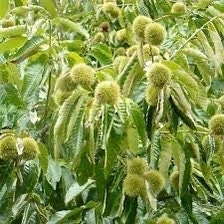
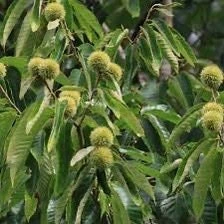
The Dunstan Chestnut is a remarkable achievement in tree breeding, combining the rapid growth and nut production of Chinese chestnuts with the stately form and flavor of the American chestnut. This particular strain is celebrated for its ability to withstand the devastating chestnut blight, making it a sustainable choice for reforestation efforts and personal planting projects across the United States. Our blight resistant chestnut seeds are an investment in the future, promising generations of delicious nuts and ecological benefits.
Key Benefits
Planting Dunstan Chestnut tree seeds offers a multitude of advantages, contributing to both ecological health and personal enjoyment. These seeds are a gateway to creating a sustainable food source and a vibrant habitat.
- Superior Blight Resistance: These American hybrid chestnuts are specifically bred to resist the chestnut blight, a disease that decimated native American chestnut populations. This ensures a higher success rate and longevity for your trees.
- Excellent Nut Production: Dunstan Chestnuts are known for producing abundant crops of large, sweet, and easily peeled nuts. These nuts are a favorite food source for deer, turkeys, and other wildlife, making them ideal for wildlife food plots.
- Fast Growth Rate: Compared to traditional American chestnuts, Dunstan Chestnuts grow relatively quickly, allowing you to enjoy mature trees and nut harvests sooner. This makes them a rewarding choice for impatient gardeners.
- Versatile Use: The nuts can be consumed by humans, roasted, baked, or used in various culinary dishes. They are also a highly nutritious and appealing food source for a wide range of forest animals, enhancing biodiversity.
- Ecological Restoration: By planting these American chestnut hybrid seeds, you contribute to the restoration of a historically significant tree species and help re-establish a vital component of forest ecosystems.
- Proven Strain: Derived from the Dr. Dunstan strain, these seeds come from a lineage that has been proven over many years to produce healthy, productive trees, giving you confidence in your planting efforts.
- Cold Stratified for Viability: Our seeds undergo proper cold stratification, ensuring they are ready for planting and have the best possible chance of germination. This crucial step mimics natural winter conditions.
Plant Care & Growing Tips
Successfully growing Dunstan Chestnut tree seeds requires attention to specific conditions to ensure strong germination and healthy tree development. These trees thrive in well-draining soil and benefit from adequate sunlight. When planting your chestnut seeds for planting, select a site that receives at least 6-8 hours of direct sunlight daily. Chestnuts prefer slightly acidic to neutral soil (pH 5.5-7.0) that is rich in organic matter. Avoid heavy clay soils or areas where water tends to collect, as poor drainage can lead to root rot. If your soil is heavy, consider amending it with compost and sand to improve aeration and drainage.
After planting, consistent moisture is crucial for young seedlings. Water regularly, especially during dry periods, ensuring the soil remains moist but not waterlogged. Once established, chestnut trees are relatively drought-tolerant but will benefit from supplemental watering during extended dry spells. Fertilize sparingly in the first year with a balanced, slow-release fertilizer designed for trees. As the trees mature, they can benefit from an annual application of compost or a balanced granular fertilizer in early spring. Protect young seedlings from deer and other wildlife, as they can browse on tender shoots. The chestnut tree for wildlife aspect means protecting them in their early stages is vital for their future role in supporting local fauna. Pruning should focus on removing dead or diseased branches and shaping the tree for good structure. These trees are hardy and generally thrive in USDA zones 5-9.
Size & Details
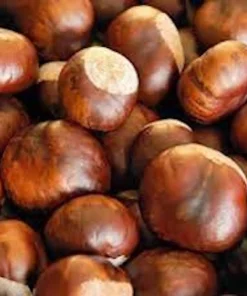
This offering includes 10 Dunstan Chestnut tree seeds, carefully selected and prepared for planting. Each seed is a potential future tree, capable of growing into a large, stately specimen. Mature Dunstan Chestnut trees typically reach heights of 30-50 feet with a spread of 20-30 feet, creating a significant canopy. The growth rate is considered moderate to fast, often adding 1-3 feet in height per year under optimal conditions. Nuts can begin to appear within 3-5 years of planting, with significant production starting around 5-8 years. These seeds are shipped pre-stratified in peat moss to maintain viability and are ready for immediate planting or continued cold storage in your refrigerator until the ideal planting time. The nuts themselves are typically 1 to 1.5 inches in diameter, making them a substantial and valuable food source.
Frequently Asked Questions
- Q: How big do Dunstan Chestnut trees get? A: Dunstan Chestnut tree seeds can grow into mature trees typically reaching heights of 30-50 feet and spreading 20-30 feet wide. Their size makes them suitable for larger properties or as a prominent feature in a landscape.
- Q: Is this an indoor or outdoor plant? A: Dunstan Chestnut trees are outdoor plants, requiring ample space and sunlight to thrive. They are not suitable for indoor cultivation beyond initial germination if intended for eventual outdoor planting.
- Q: How much sunlight do these seeds need to grow? A: To ensure vigorous growth, young Dunstan Chestnut trees need at least 6-8 hours of direct sunlight per day. Choose a planting location that receives full sun exposure throughout the day.
- Q: Is this plant easy to care for? A: While initial care for seedlings requires attention to moisture and protection from pests, established Dunstan Chestnut trees are relatively low-maintenance. They are a good choice for those looking for a productive tree that offers blight resistant chestnut benefits.
- Q: What condition will the seeds arrive in? A: Your chestnut seeds for planting will arrive carefully packed in peat moss and will be pre-stratified. This ensures they are in optimal condition for either immediate planting or continued cold storage until you’re ready to plant.
- Q: When is the best time to plant Dunstan Chestnut seeds? A: The best time to plant stratified Dunstan Chestnut seeds is in late winter or early spring, after the last hard frost, allowing them to germinate as the soil warms.
- Q: Will a chestnut tree for wildlife attract deer? A: Yes, Dunstan Chestnut trees are highly prized for their abundant and nutritious nuts, which are a favorite food source for deer, turkeys, and other wildlife. Planting them can significantly enhance wildlife activity on your property.
- Q: Can I eat the nuts from these trees? A: Absolutely! The nuts produced by Dunstan Chestnut trees are sweet, delicious, and excellent for human consumption. They can be roasted, boiled, or incorporated into various recipes.
- Q: What USDA hardiness zones are suitable for these trees? A: Dunstan Chestnut trees are generally hardy and well-suited for growing in USDA hardiness zones 5 through 9, making them adaptable to a wide range of climates across the United States.
- Q: How long until the trees produce nuts? A: While some trees may begin producing nuts as early as 3-5 years after planting, you can typically expect a significant harvest from your American chestnut hybrid trees starting around 5-8 years.
Be the first to review “10 Dunstan Chestnut Tree Seeds – Blight Resistant American Hybrid”
People Also Viewed
Reviews
There are no reviews yet.