
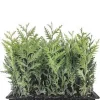
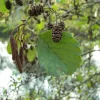

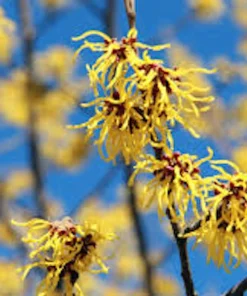
Witch Hazel Tree Live Plant – Hamamelis virginiana – 12-24in Tall Quart Pot
Original price was: $123.99.$98.99Current price is: $98.99.
Bring natural charm to your landscape with a Witch Hazel tree (Hamamelis virginiana). This native deciduous tree offers unique fall color and fragrant, spider-like blooms in late winter to early spring. Our Hamamelis virginiana live plant ships in a quart pot, ready for planting in USDA Zones 3-8, reaching 12-24 inches tall.
Estimated arrival
Sep 29
Oct 04 - Oct 06
Oct 09 - Oct 13
Shop With Confidence
30-Day Plant Health Guarantee
Arrives damaged? We’ll replace it free — see our return policy.
Responsive Support
Email us anytime, we reply within 1 business day.
Expert Packaging
Temperature-controlled shipping to protect your plants in transit.
Secure Checkout
Pay safely with Visa, Mastercard, PayPal.
Plant Specifications
-
USDA Hardiness Zone
3-8 -
Soil Type
Well-draining, rich in organic matter -
Sunlight Exposure
Full sun to partial shade -
Expected Planting Period
Spring or Fall
Overview
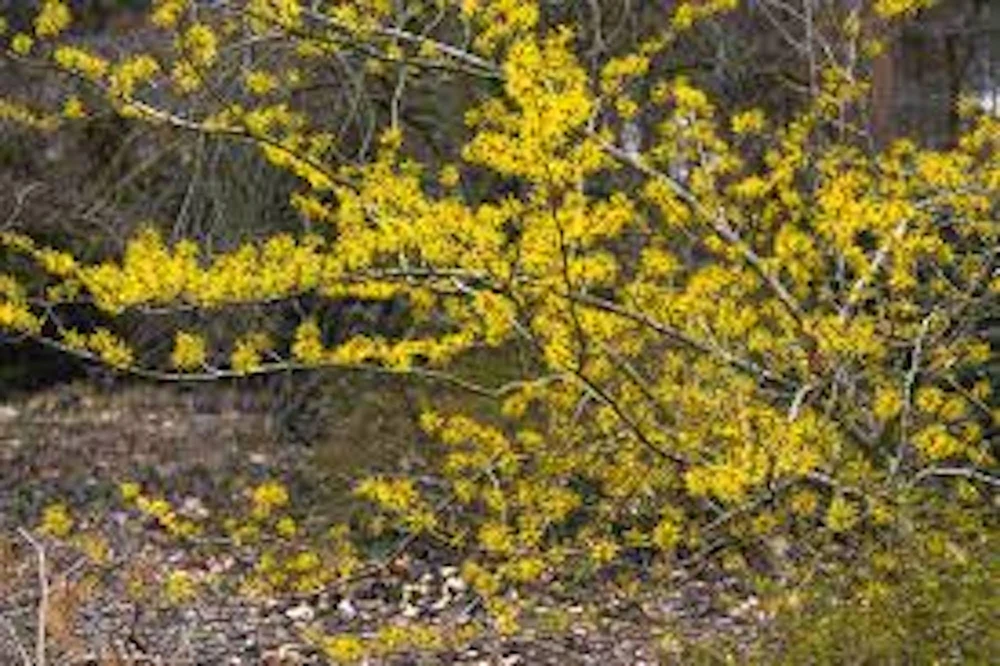
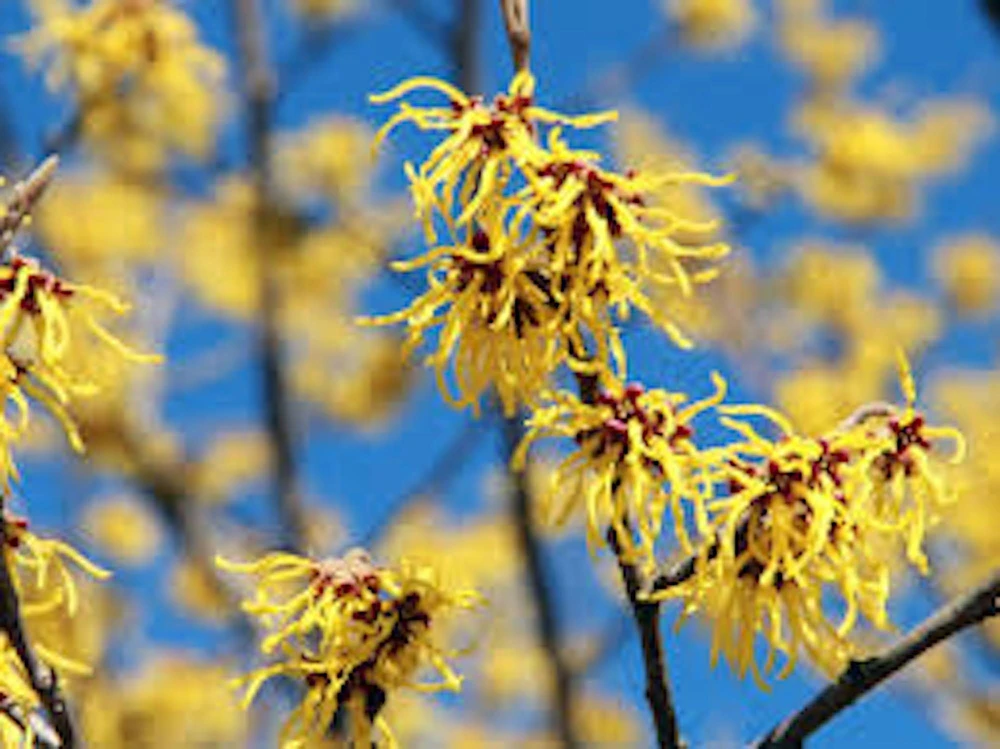
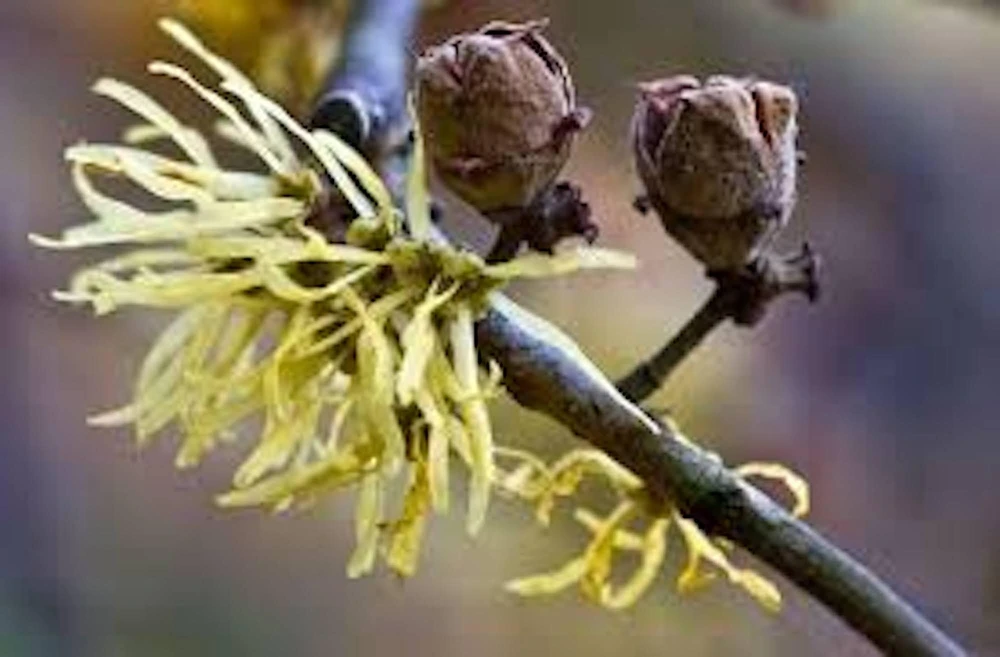
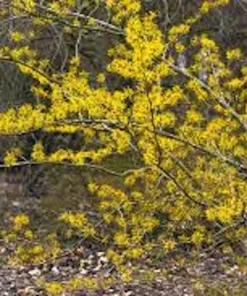
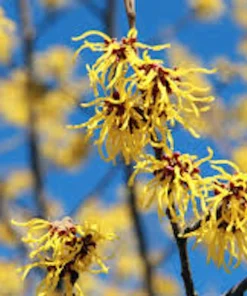
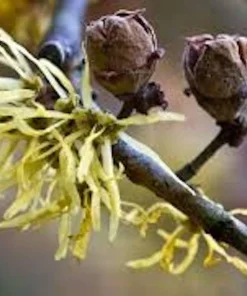
Introduce a touch of natural elegance to your garden with the Witch Hazel tree, scientifically known as Hamamelis virginiana. This remarkable deciduous tree is celebrated for its unique beauty and seasonal interest, making it a standout addition to any landscape. Unlike many plants that go dormant in colder months, the Witch Hazel tree brightens the late fall and early spring with its distinctive, spidery yellow flowers that emit a subtle, spicy fragrance. These blooms often appear even before the leaves emerge, offering a cheerful display when little else is in flower. As a native tree plant, Hamamelis virginiana is well-adapted to various North American climates, thriving particularly well in USDA Zones 3-8. It provides a beautiful structure with an upright, rounded shape, and its leaves turn a vibrant golden-yellow in autumn, ensuring year-round appeal. Each live plant is carefully nurtured to ensure it arrives healthy and ready to establish in your garden, providing years of enjoyment.
The Witch Hazel tree is not just visually appealing; it also plays an important role in local ecosystems, providing early pollen for pollinators. Its robust nature and relatively low maintenance requirements make it an excellent choice for both experienced gardeners and those new to planting trees. Whether you’re looking to enhance a woodland garden, create a natural screen, or simply add a specimen plant with unique characteristics, the Hamamelis virginiana is a superb option. Its resilience and adaptability contribute to its widespread appeal, making it a cherished component of native plant landscapes. This live plant is an investment in the beauty and ecological health of your outdoor space, offering seasonal drama and enduring charm.
Key Benefits
The Witch Hazel tree offers a multitude of benefits that make it a highly desirable addition to any garden. Its unique characteristics provide both aesthetic appeal and practical advantages, enhancing your outdoor living space significantly. This native tree plant is truly a versatile specimen.
- Seasonal Interest: Enjoy bright yellow, fragrant flowers in late fall or early spring, often before other plants emerge. The unique, strap-like petals of the Witch Hazel tree create an enchanting display, providing much-needed color and scent during cooler months.
- Vibrant Fall Foliage: Witness a spectacular transformation in autumn as the leaves turn brilliant shades of golden-yellow, adding a warm glow to your landscape. This consistent fall color is a highlight of the Hamamelis virginiana.
- Native Plant Benefits: As a native tree plant, it is well-adapted to local conditions, requiring less intervention and supporting local wildlife. It contributes to the biodiversity of your garden and the surrounding ecosystem.
- Low Maintenance: Once established, the Witch Hazel tree is relatively easy to care for, tolerant of a range of soil conditions and resistant to many common pests and diseases. This makes Witch Hazel plant care straightforward.
- Ecological Value: The early blooms provide an important food source for early emerging pollinators, contributing to a healthy garden ecosystem. This makes it a valuable addition for those interested in supporting local wildlife.
- Versatile Landscaping: Its upright, rounded growth habit makes it suitable for various landscape uses, including specimen planting, woodland gardens, or as part of a mixed border. Its adaptable nature allows for creative placement.
- Fragrant Blooms: The delicate, spicy fragrance of its flowers adds an extra sensory dimension to your garden, enhancing the overall outdoor experience during times when other scents are scarce.
Plant Care & Growing Tips
Proper Witch Hazel plant care ensures your Witch Hazel tree thrives and displays its full beauty. This resilient native tree prefers a site with full sun to partial shade. While it can tolerate some shade, particularly in hotter climates, more sunlight generally leads to better flowering and fall color. Aim for at least four to six hours of direct sunlight daily for optimal growth. When planting, ensure the soil is well-draining and rich in organic matter. While adaptable to various soil types, a slightly acidic to neutral pH is ideal. Amend heavy clay soils with compost to improve drainage and aeration, which is crucial for root health.
Watering is important, especially during the first year of establishment. Keep the soil consistently moist but not waterlogged. Once established, the Hamamelis virginiana is moderately drought-tolerant, but supplemental watering during prolonged dry spells will benefit its overall health and vigor. Mulching around the base of the tree with 2-4 inches of organic material helps retain soil moisture, regulate soil temperature, and suppress weeds. Fertilization is generally not necessary for healthy plants in good soil, but if growth is poor, a balanced slow-release fertilizer in early spring can be applied. Pruning should be minimal and primarily for shaping, removing dead or diseased branches, or to maintain a desired size. Prune after flowering to avoid cutting off the next season’s blooms. This shade tolerant tree is generally pest and disease resistant, making it a robust choice for many gardeners.
Size & Details
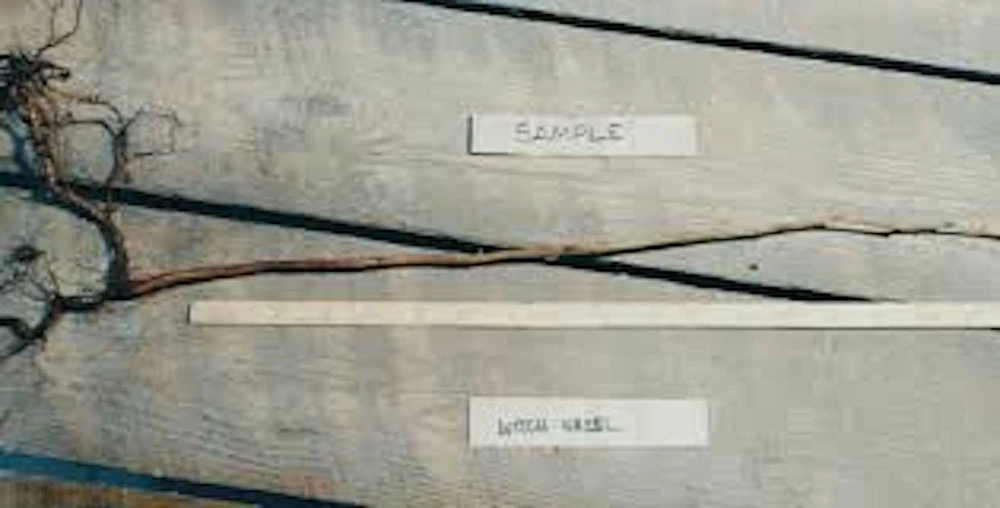
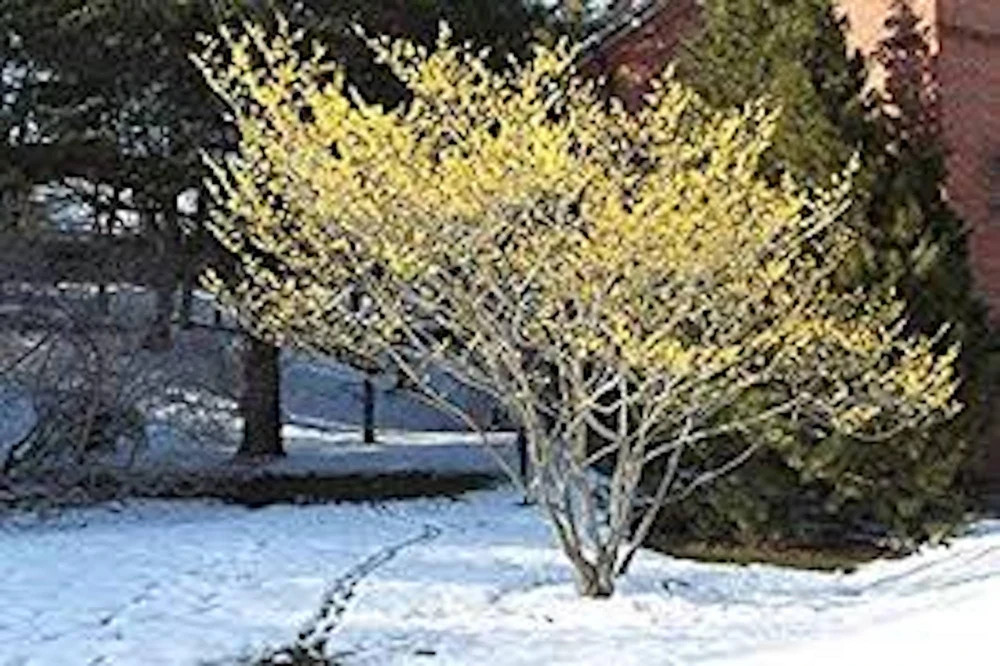
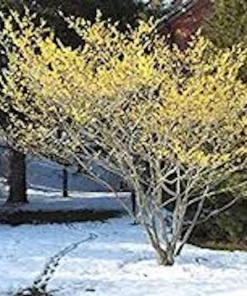
This offering includes a healthy Witch Hazel tree, Hamamelis virginiana, a live plant that stands approximately 12-24 inches tall upon arrival. It is shipped in a quart-sized pot, providing a well-established root system ready for transplanting into your garden. At maturity, the Witch Hazel tree typically reaches a height of 12 to 20 feet with a spread of 15 to 20 feet, though in ideal conditions, it can grow up to 25 feet tall. This species exhibits an upright, rounded growth habit, developing a pleasing natural form over time. It is a slow to moderately growing tree, adding about 6 to 12 inches of height per year under optimal conditions. It can take several years, typically around 5-10 years, to reach its full mature size, especially in the cooler, temperate climates where it naturally thrives. This native tree plant is suitable for USDA Hardiness Zones 3-8.
Frequently Asked Questions
- Q: How big does this Witch Hazel tree get? A: The Witch Hazel tree typically grows to a mature height of 12 to 20 feet with a spread of 15 to 20 feet. In optimal conditions, it may reach up to 25 feet.
- Q: Is this an indoor or outdoor plant? A: The Witch Hazel tree (Hamamelis virginiana) is an outdoor deciduous tree. It is not suitable for indoor cultivation.
- Q: How much sunlight does the Hamamelis virginiana need? A: This tree prefers full sun to partial shade. For best flowering and fall color, aim for at least 4-6 hours of direct sunlight daily. It can also be considered a shade tolerant tree, especially in hotter climates.
- Q: Is this plant easy to care for? A: Yes, once established, the Witch Hazel tree is relatively low maintenance. It’s adaptable to various soil types and generally resistant to pests and diseases, making Witch Hazel plant care straightforward.
- Q: What condition will the Witch Hazel tree arrive in? A: Your Witch Hazel tree will arrive as a healthy live plant, approximately 12-24 inches tall, planted in a quart pot with an established root system, ready for planting.
- Q: When is the best time to plant this native tree plant? A: The best time to plant a Hamamelis virginiana is in the spring or fall, allowing the roots to establish before extreme temperatures set in.
- Q: Will it survive winter in my zone? A: The Witch Hazel tree is hardy and thrives in USDA Zones 3-8, meaning it is well-suited to survive winters in a wide range of temperate climates.
- Q: What type of soil does Witch Hazel prefer? A: It prefers well-draining soil rich in organic matter, with a slightly acidic to neutral pH. Good drainage is crucial for its health.
Be the first to review “Witch Hazel Tree Live Plant – Hamamelis virginiana – 12-24in Tall Quart Pot”
People Also Viewed
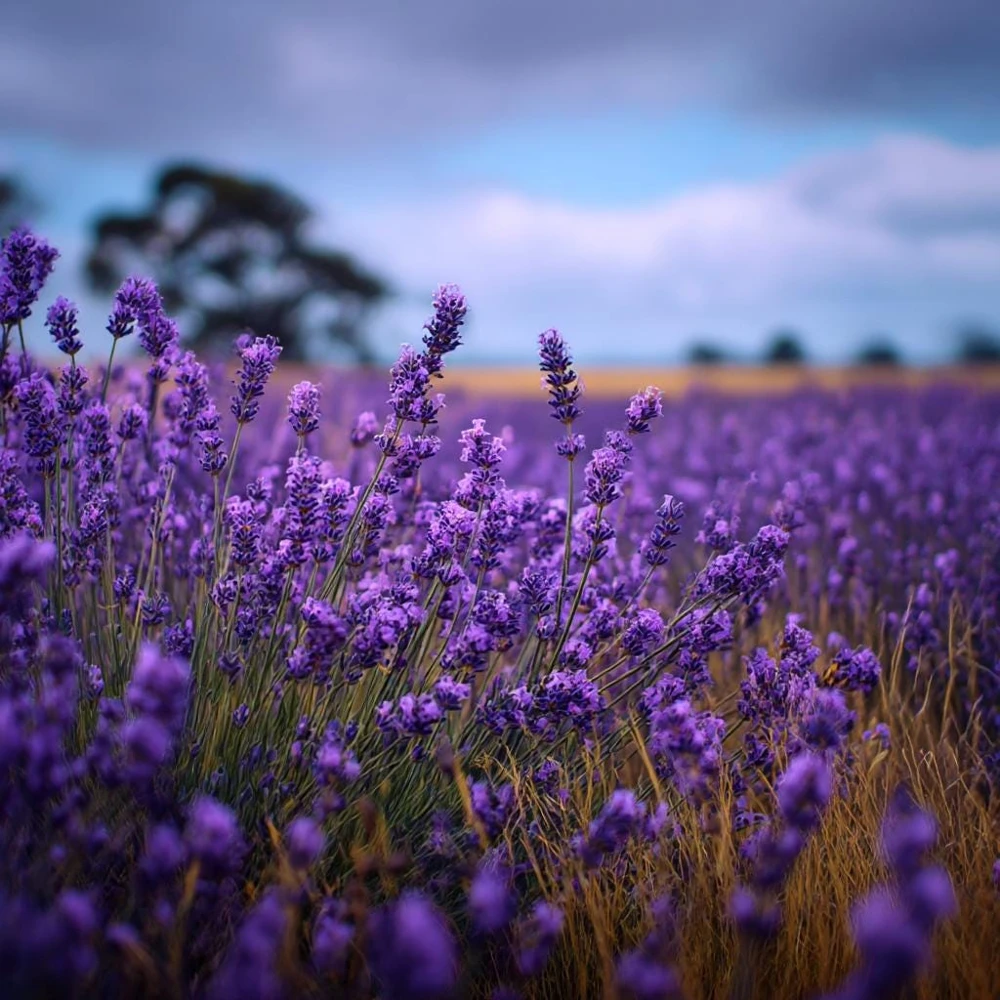
Flower Seeds
English Lavender Seeds – Vera Lavandula angustifolia – Fragrant Purple Flowers – 200+ Seeds
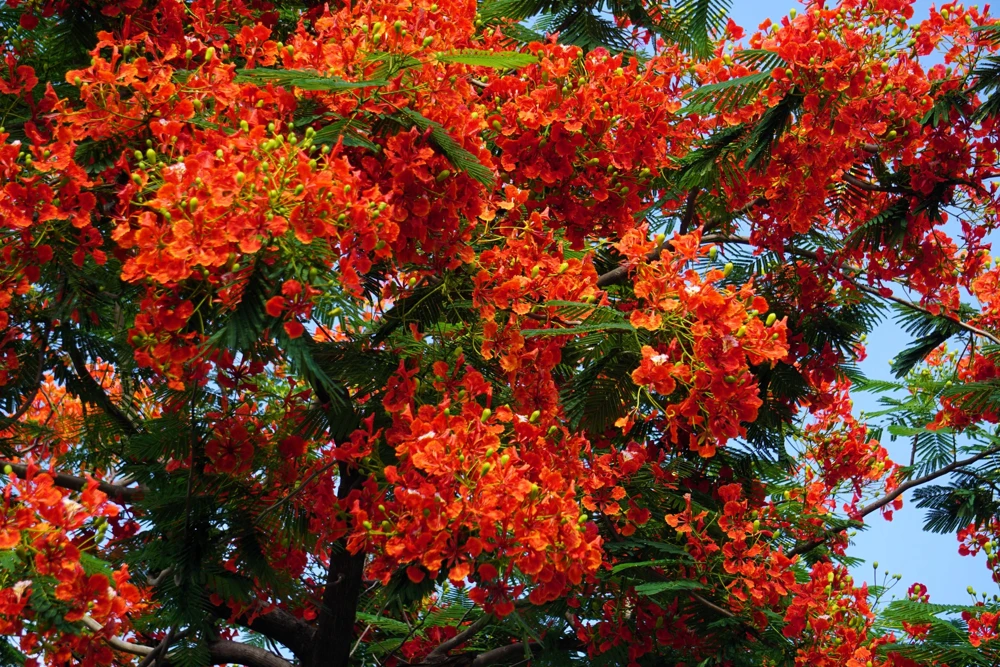
Tree Seeds
Royal Poinciana Tree Seeds – Delonix Regia Red Flame Flamboyant Flower – 10 Seeds Tropical
Flower Seeds
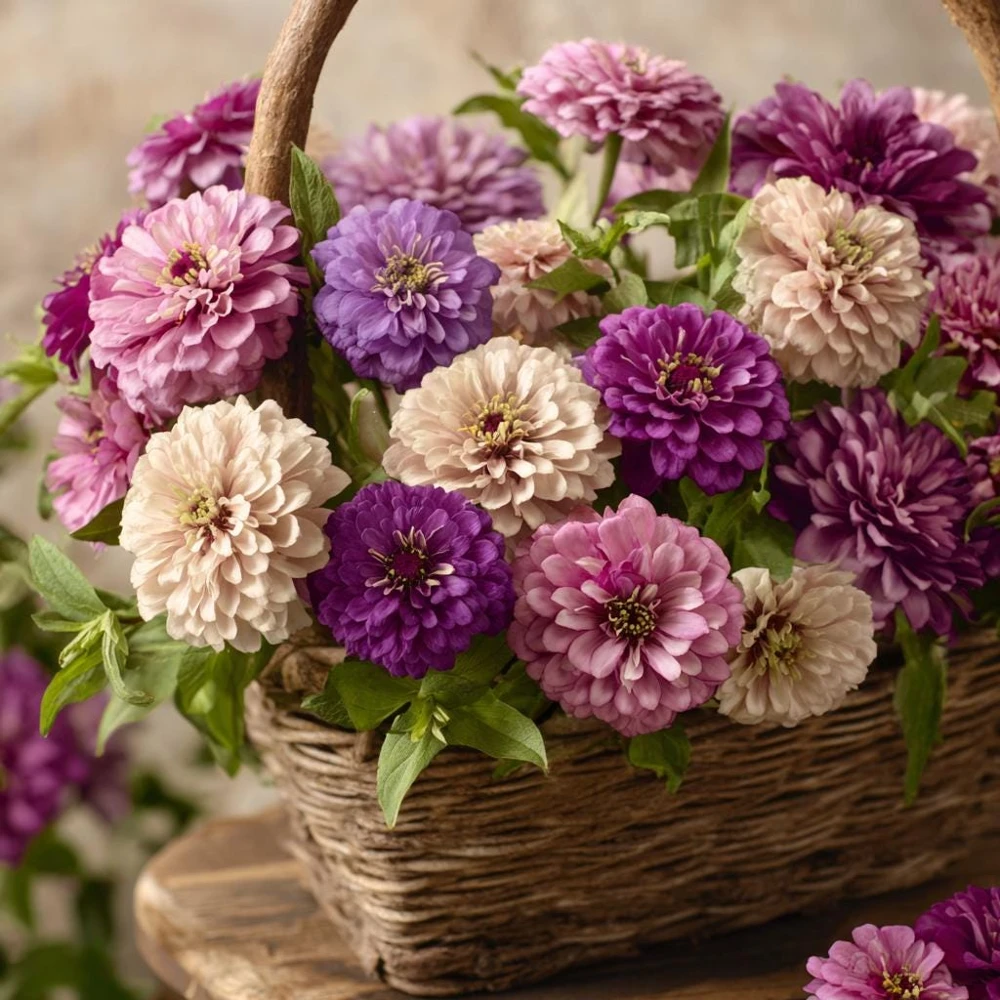
Blueberry Cheesecake Zinnia Seeds – Zinnia elegans – 100 Seed Mix – Lavender, Purple & Cream Blooms
Reviews
There are no reviews yet.