
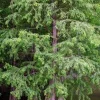
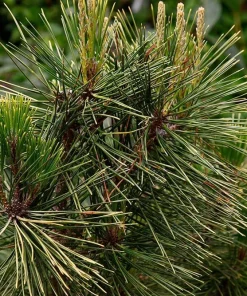
Japanese Black Pine (Pinus thunbergii) Starter Tree – Bare Root Live Plant
Original price was: $78.99.$53.99Current price is: $53.99.
Cultivate a classic with this Japanese Black Pine live plant. This Pinus thunbergii starter tree ships as a bare root pine tree, ideal for developing into a striking landscape feature or a captivating bonsai specimen. Known for its rugged beauty and resilience.
Estimated arrival
Sep 29
Oct 04 - Oct 06
Oct 09 - Oct 13
Shop With Confidence
30-Day Plant Health Guarantee
Arrives damaged? We’ll replace it free — see our return policy.
Responsive Support
Email us anytime, we reply within 1 business day.
Expert Packaging
Temperature-controlled shipping to protect your plants in transit.
Secure Checkout
Pay safely with Visa, Mastercard, PayPal.
Plant Specifications
-
USDA Hardiness Zone
USDA Zones 5-9 -
Soil Type
Well-draining, slightly acidic to neutral soil -
Sunlight Exposure
Full sun -
Expected Planting Period
Early spring or late fall
Overview
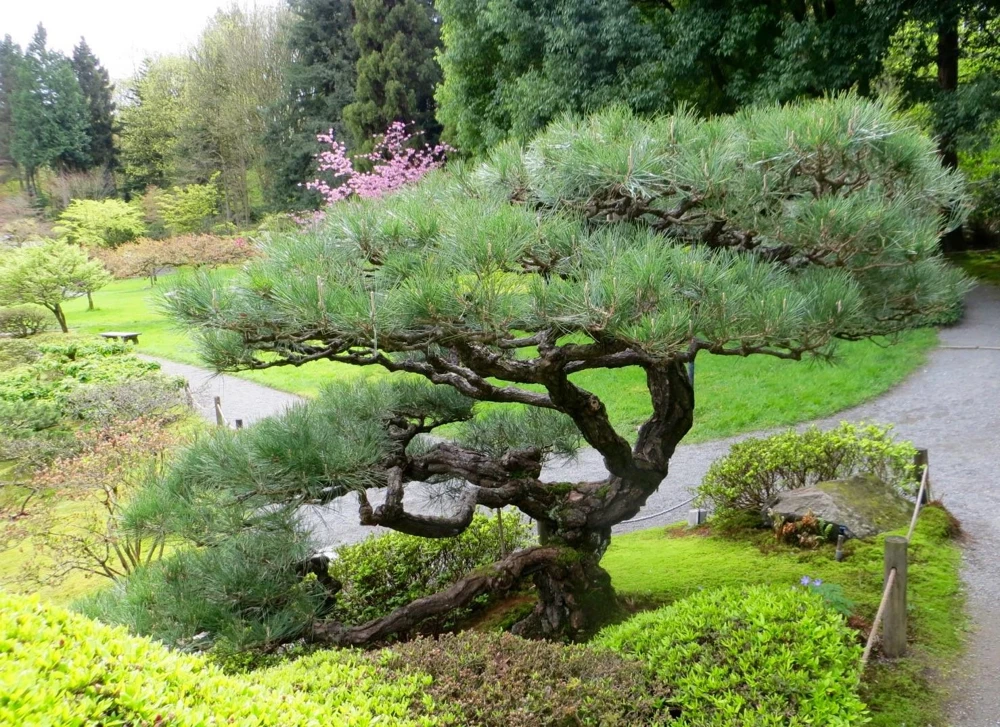
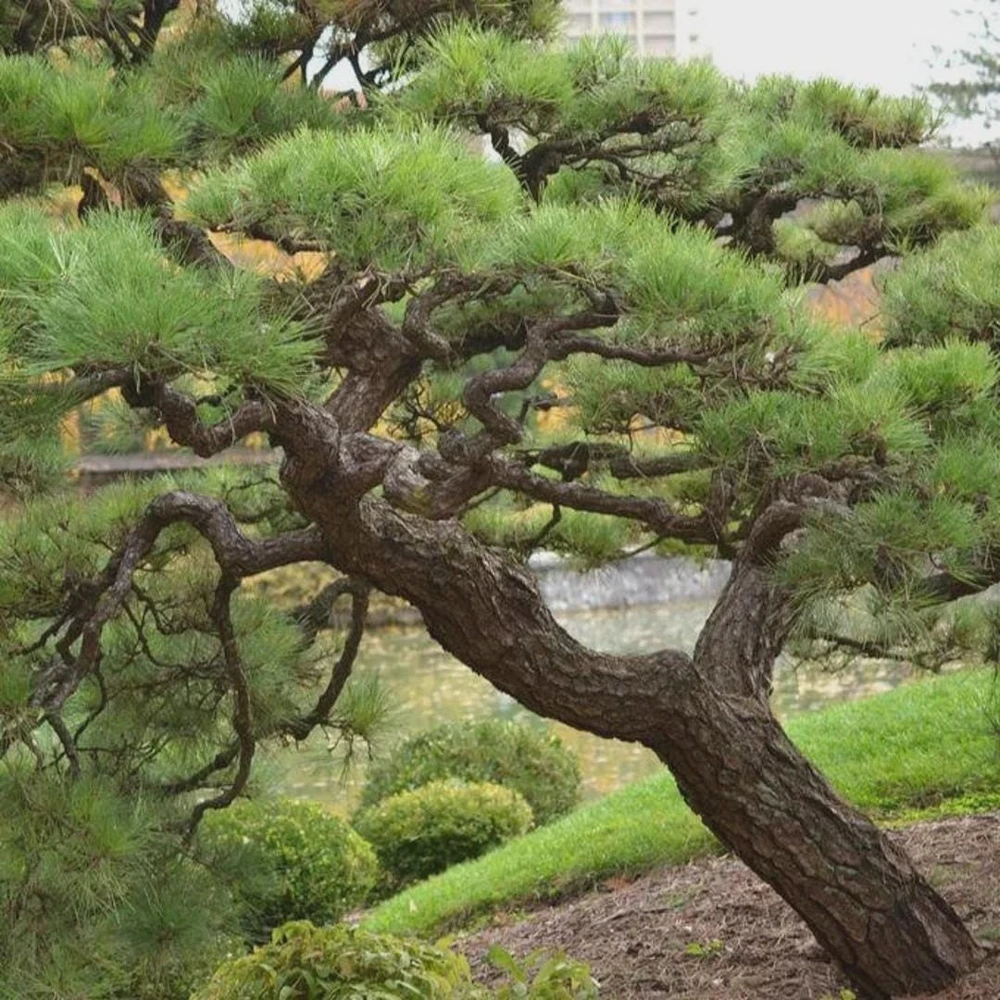
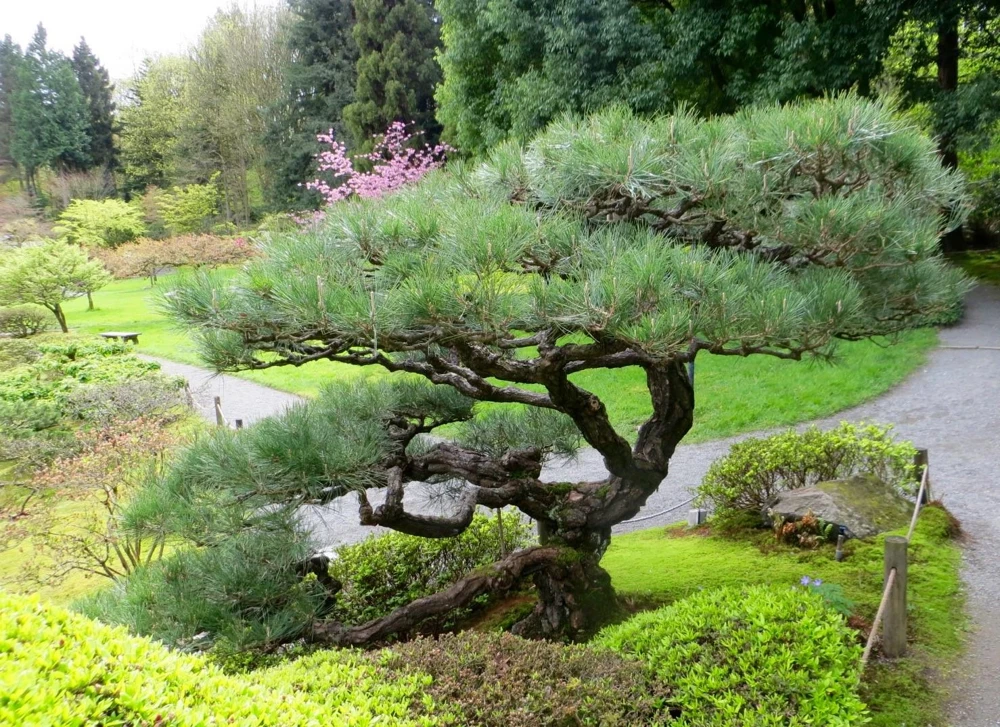
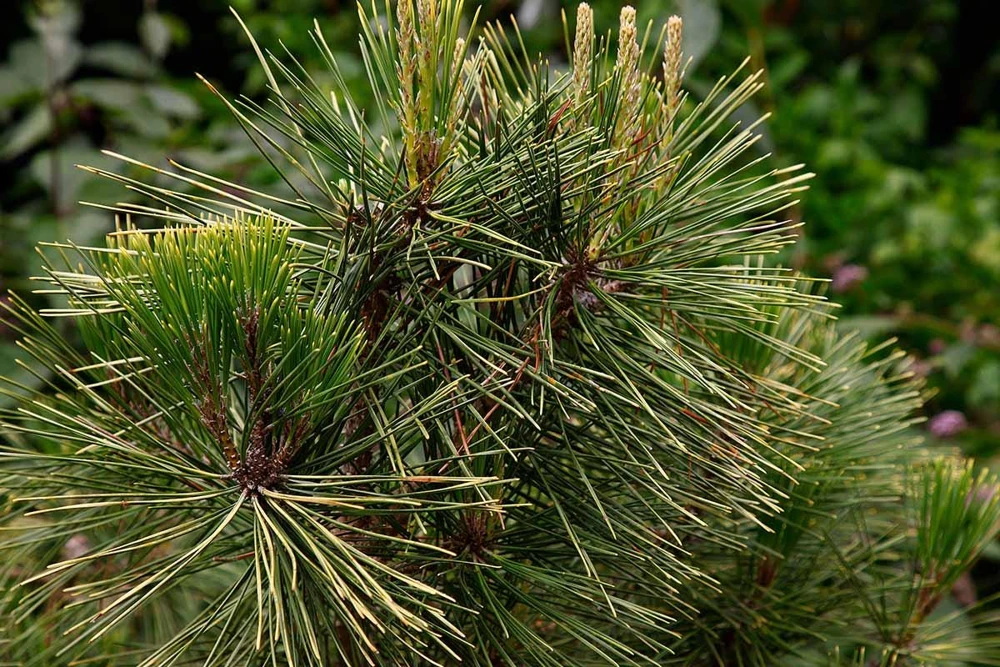
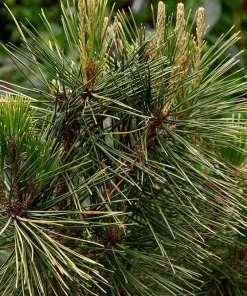
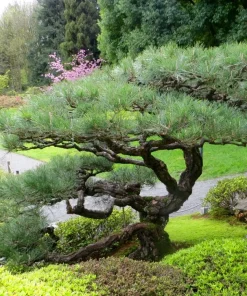
Bring the timeless elegance of Japanese gardening to your home with this Japanese Black Pine live plant. Known botanically as Pinus thunbergii, this iconic evergreen conifer is highly prized for its rugged, irregular form and distinctive dark gray-to-black scaly bark. Originating from the coastal regions of Japan and South Korea, the Japanese Black Pine live plant is a staple in traditional gardens and a premier choice for bonsai enthusiasts. This offering provides a healthy Pinus thunbergii starter tree, ready to be nurtured into a magnificent, long-lived specimen. Whether you dream of a stately garden tree or a meticulously sculpted bonsai, this plant offers a rewarding growing experience.
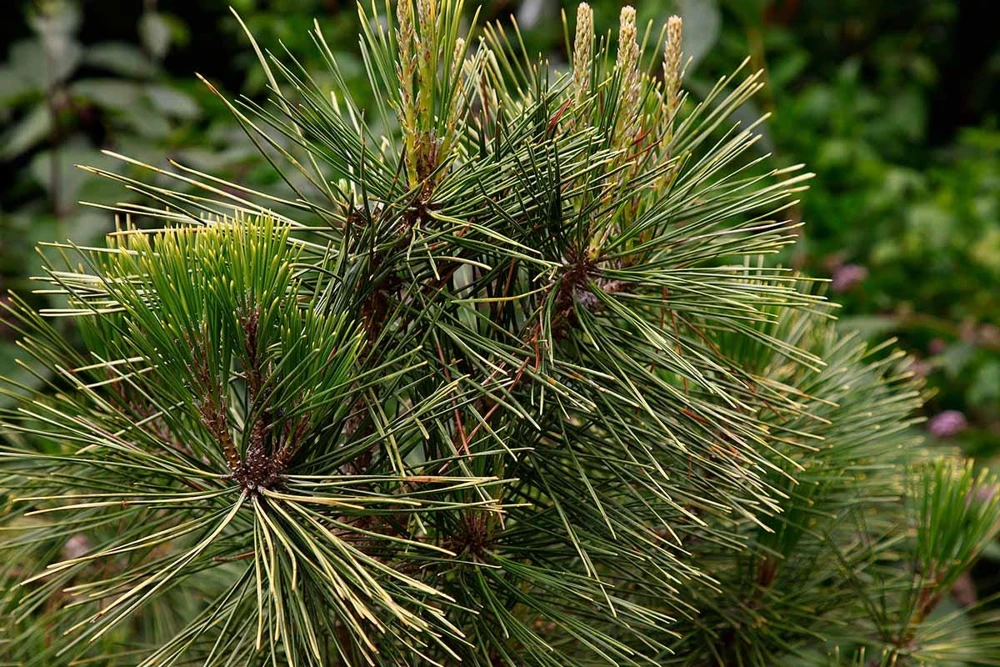
The Japanese Black Pine live plant is celebrated for its adaptability and strong constitution, making it suitable for a variety of growing conditions once established. Its needles are stiff, dark green, and grow in bundles of two, providing a dense, attractive canopy. This tree’s characteristic resilience to harsh coastal winds and salt spray highlights its robust nature, allowing it to thrive in diverse environments. Starting with a bare root pine tree ensures a strong foundation for future growth and allows for careful establishment in its new home.
Key Benefits
The Japanese Black Pine live plant offers numerous advantages, making it a highly desirable addition to any garden or bonsai collection. Its unique aesthetic and hardy nature contribute to its lasting appeal:
-
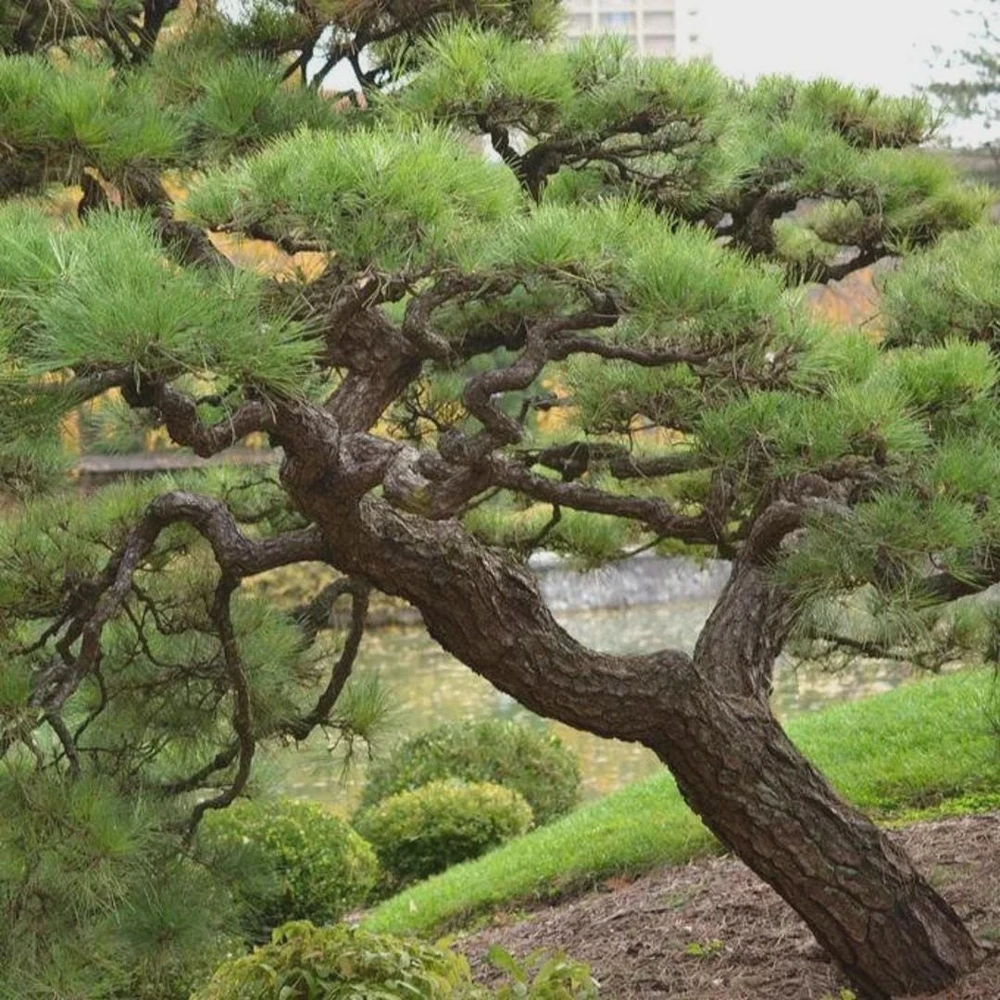
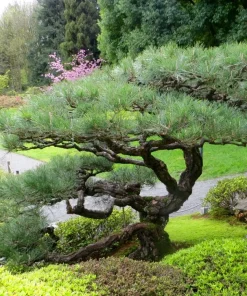
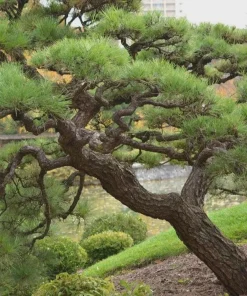
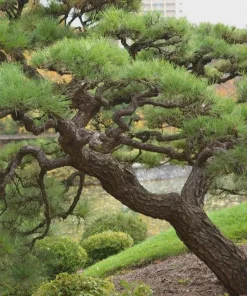
Exceptional Aesthetic Appeal: The Japanese Black Pine live plant develops a dramatic, irregular silhouette and rough, dark bark that adds significant character and visual interest to landscapes and bonsai displays. Its evergreen foliage provides year-round beauty.
-
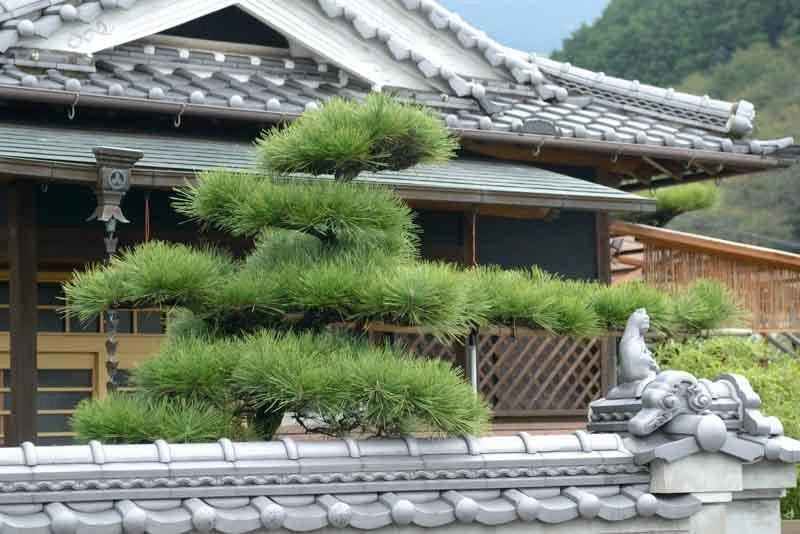
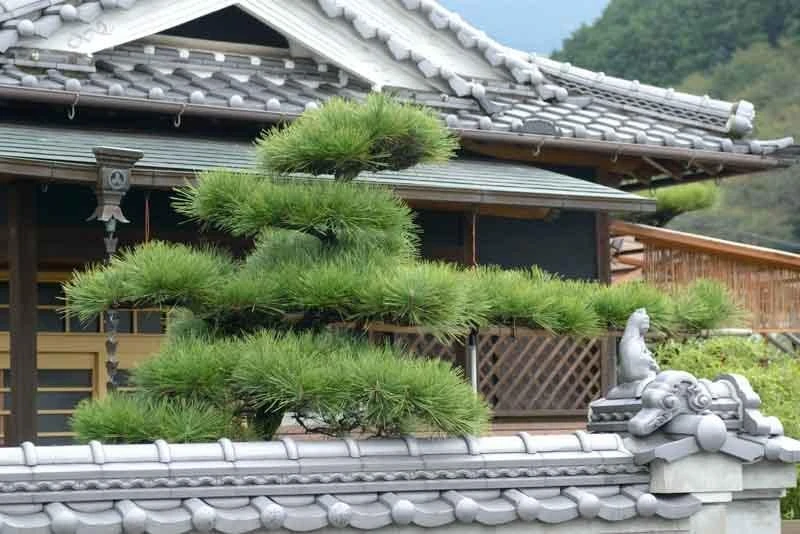
Ideal for Bonsai: Recognised globally as one of the most classic subjects for bonsai, its natural form and ability to withstand pruning make it perfect for shaping and training into intricate miniature trees. The Pinus thunbergii starter tree offers an excellent beginning for this art form.
-
Drought and Salt Tolerant: This species is remarkably resilient, tolerating coastal conditions, salt spray, and periods of drought once established, making it suitable for various climates and planting locations.
-
Low Maintenance: Once mature, the Japanese Black Pine live plant requires relatively low maintenance, primarily needing occasional pruning to maintain its desired shape and health. This makes Japanese Black Pine care manageable for many gardeners.
-
Long Lifespan: With proper care, Japanese Black Pines can live for hundreds of years, becoming a lasting legacy in your garden or a generational bonsai piece. This longevity adds significant value to your investment.
-
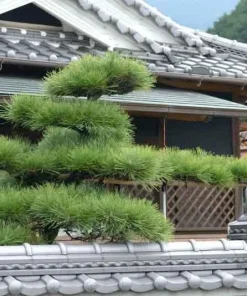
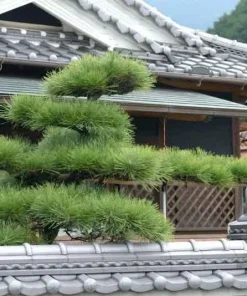
Versatile Landscape Use: Beyond bonsai, it serves as an excellent specimen tree, windbreak, or foundation planting in larger gardens, providing a strong architectural element.
Plant Care & Growing Tips
Successful Japanese Black Pine care begins with understanding its fundamental needs. This hardy conifer thrives in conditions that mimic its native coastal environment. For optimal growth, plant your bare root pine tree in a location that receives full sun, meaning at least 6-8 hours of direct sunlight per day. Good air circulation is also beneficial to prevent fungal issues. When planting, ensure the soil is well-draining, as pines are susceptible to root rot in waterlogged conditions. A slightly acidic to neutral soil pH (5.5-7.0) is ideal. Amend heavy clay soils with organic matter and sand to improve drainage, or consider planting in raised beds.
Watering is crucial during the establishment phase, especially for a Pinus thunbergii starter tree. Water deeply and regularly after planting to encourage root development, allowing the top few inches of soil to dry out between waterings. Once established, Japanese Black Pines are quite drought-tolerant, but supplemental watering during prolonged dry spells will benefit their health and vigor. Fertilize sparingly; pines are not heavy feeders. A balanced, slow-release evergreen fertilizer applied in early spring can support healthy growth, but avoid over-fertilizing, which can lead to excessive growth that is difficult to manage, especially for a bonsai pine tree. Pruning is an essential part of Japanese Black Pine care, particularly for shaping and maintaining its characteristic dense form or for bonsai training. Candle pruning in spring helps control growth and promotes denser foliage.
The Japanese Black Pine live plant is generally hardy and resilient. It is tolerant of a wide range of temperatures but prefers climates with distinct seasons. It is typically hardy in USDA Zones 5-9. Protect young trees from extreme winter winds in colder zones. Watch for common pests like pine needle scale or aphids, and treat with horticultural oil or appropriate insecticides if necessary. Good cultural practices, such as proper watering and air circulation, are the best defense against disease. With consistent, thoughtful Japanese Black Pine care, your tree will flourish and become a magnificent focal point.
Size & Details
This offering is for one Japanese Black Pine live plant (Pinus thunbergii) provided as a bare root pine tree. Bare root plants are shipped without soil around their roots when dormant, which minimizes transplant shock and allows for a robust establishment in your garden. The exact size of the starter tree will vary, but it will be a healthy young specimen ready for planting. When mature, a Japanese Black Pine live plant can reach heights of 20-60 feet with a spread of 20-40 feet in a landscape setting, though it can be maintained at much smaller sizes with regular pruning, especially when grown as a bonsai pine tree. Growth rate is considered medium, typically adding 12-24 inches per year under ideal conditions. This starter tree provides an excellent foundation for creating a long-lasting, beautiful addition to your outdoor space.
Frequently Asked Questions
-
Q: How big does this Japanese Black Pine live plant get? A: In a landscape setting, a mature Japanese Black Pine live plant can grow 20-60 feet tall and 20-40 feet wide. However, it can be kept much smaller through consistent pruning, making it ideal for bonsai or smaller garden spaces.
-
Q: Is this an indoor or outdoor plant? A: The Japanese Black Pine live plant is an outdoor plant. It requires full sun and the natural seasonal changes to thrive. It is not suitable for long-term indoor cultivation.
-
Q: How much sunlight does a Pinus thunbergii starter tree need? A: A Pinus thunbergii starter tree requires full sun, meaning at least 6-8 hours of direct sunlight per day, for optimal growth and health.
-
Q: Is this plant easy to care for? A: Once established, Japanese Black Pine care is relatively straightforward. It is a hardy tree, but consistent watering during establishment and regular pruning for shape are important, especially for a bonsai pine tree.
-
Q: What condition will the bare root pine tree arrive in? A: Your bare root pine tree will arrive dormant, carefully packaged without soil around its roots. This is a standard and healthy way to ship deciduous and some coniferous trees during their dormant season.
-
Q: When is the best time to plant a bare root Japanese Black Pine? A: The best time to plant a bare root pine tree is in early spring or late fall when the tree is dormant. This allows the roots to establish before the stress of summer heat or deep winter cold.
-
Q: What USDA zones is the Japanese Black Pine suitable for? A: The Japanese Black Pine live plant is typically hardy in USDA Zones 5-9, tolerating a range of temperatures and climates.
-
Q: Can I grow this as a bonsai pine tree? A: Yes, the Japanese Black Pine live plant is one of the most popular and classic choices for bonsai due to its rugged appearance, strong growth, and excellent response to training and pruning.
-
Q: What kind of soil does this tree prefer? A: This tree prefers well-draining soil with a slightly acidic to neutral pH. Sandy loam soils are ideal, but it can adapt to various soil types as long as drainage is good.
Be the first to review “Japanese Black Pine (Pinus thunbergii) Starter Tree – Bare Root Live Plant”
People Also Viewed

Vegetable Seeds
Reviews
There are no reviews yet.