
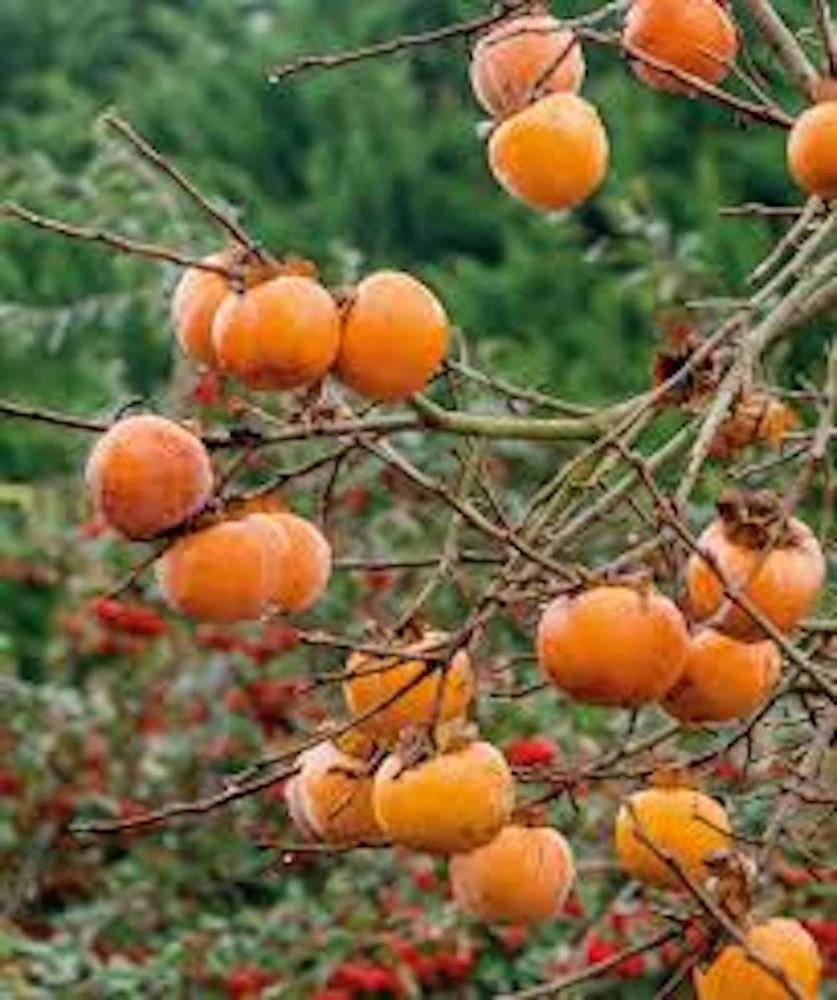
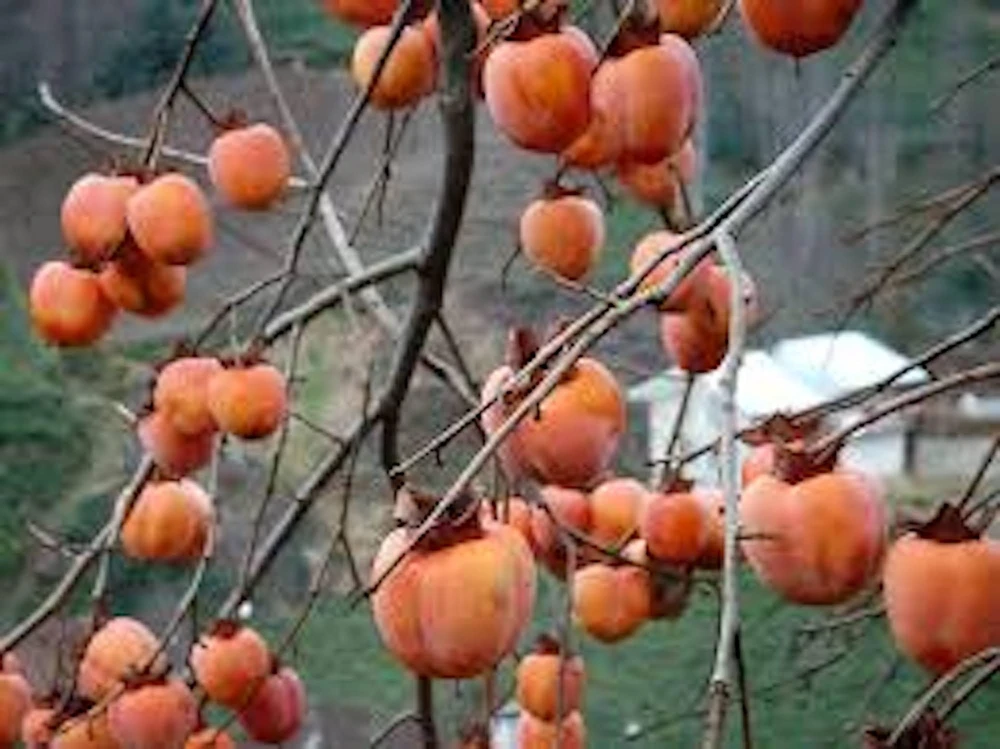
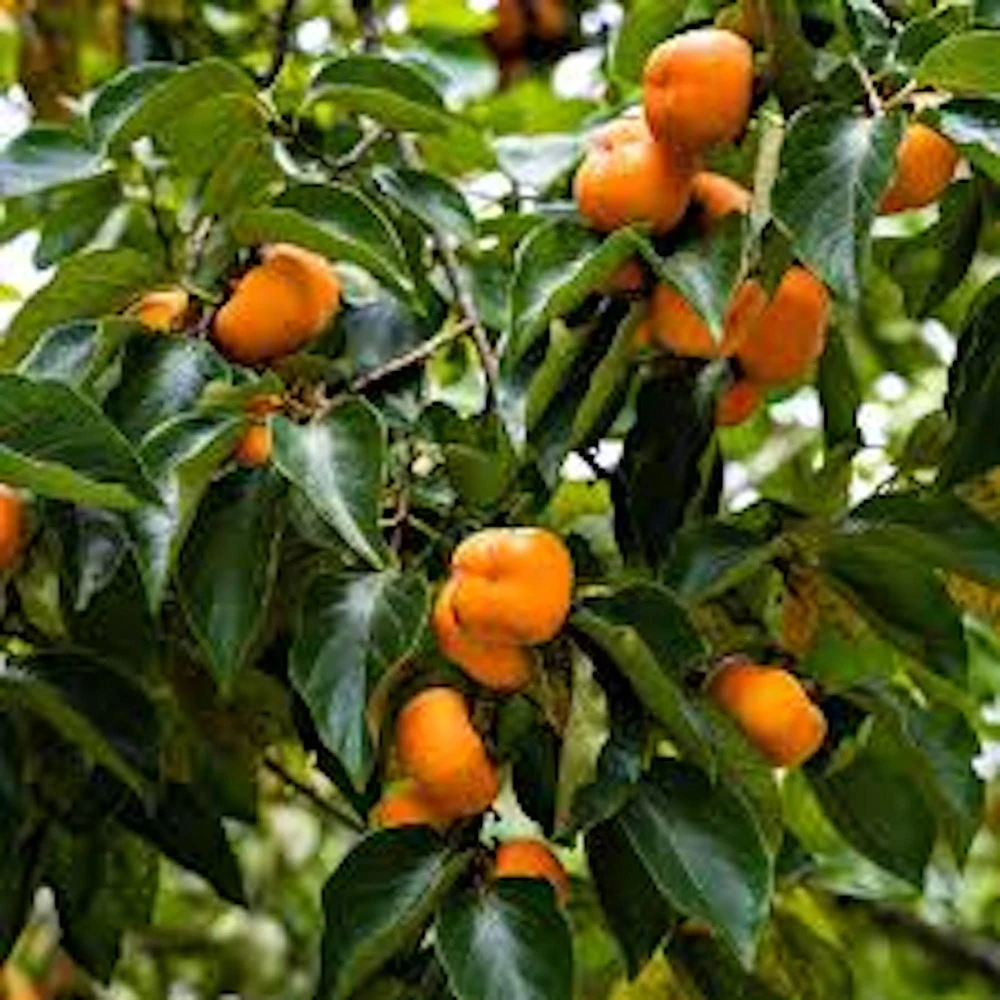
American Persimmon Tree Live Plant 12-24in Tall Diospyros virginiana Outdoor
Original price was: $74.99.$49.99Current price is: $49.99.
Cultivate your own delicious fruit with this American Persimmon Tree. This 12-24 inch Diospyros virginiana live bare root plant is ideal for outdoor planting, thriving in USDA Zones 4-9. Enjoy its robust growth and future harvests of sweet, native persimmons.
Estimated arrival
Sep 29
Oct 04 - Oct 06
Oct 09 - Oct 13
Shop With Confidence
30-Day Plant Health Guarantee
Arrives damaged? We’ll replace it free — see our return policy.
Responsive Support
Email us anytime, we reply within 1 business day.
Expert Packaging
Temperature-controlled shipping to protect your plants in transit.
Secure Checkout
Pay safely with Visa, Mastercard, PayPal.
Plant Specifications
-
USDA Hardiness Zone
4-9 -
Soil Type
Moist, well-draining soil; adaptable to sandy, rocky, or infertile soils -
Sunlight Exposure
Full sun to partial shade -
Expected Planting Period
Late winter to early spring
Overview
Introduce a piece of North American horticultural heritage to your landscape with the American Persimmon Tree. This offering is for a live bare root plant, measuring 12-24 inches tall, ready to establish itself and flourish in your garden. Known scientifically as Diospyros virginiana, this species is a robust, deciduous tree celebrated for its attractive foliage, ornamental value, and, most notably, its sweet, edible fruit. Often referred to as the common persimmon plant, it’s a versatile choice for gardeners looking for a native, low-maintenance fruit-bearing tree. The American Persimmon is a fantastic addition for those interested in sustainable gardening, attracting local wildlife, or simply enjoying the unique flavor of homegrown persimmons. Its adaptability to various soil types and climates makes it a reliable option for a wide range of growing conditions across the United States, providing beauty and bounty for years to come.
Key Benefits
The American Persimmon Tree offers a wealth of benefits, making it an excellent choice for both edible landscaping and ecological enhancement. Its resilience and unique characteristics provide long-term value and enjoyment for any gardener.
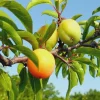
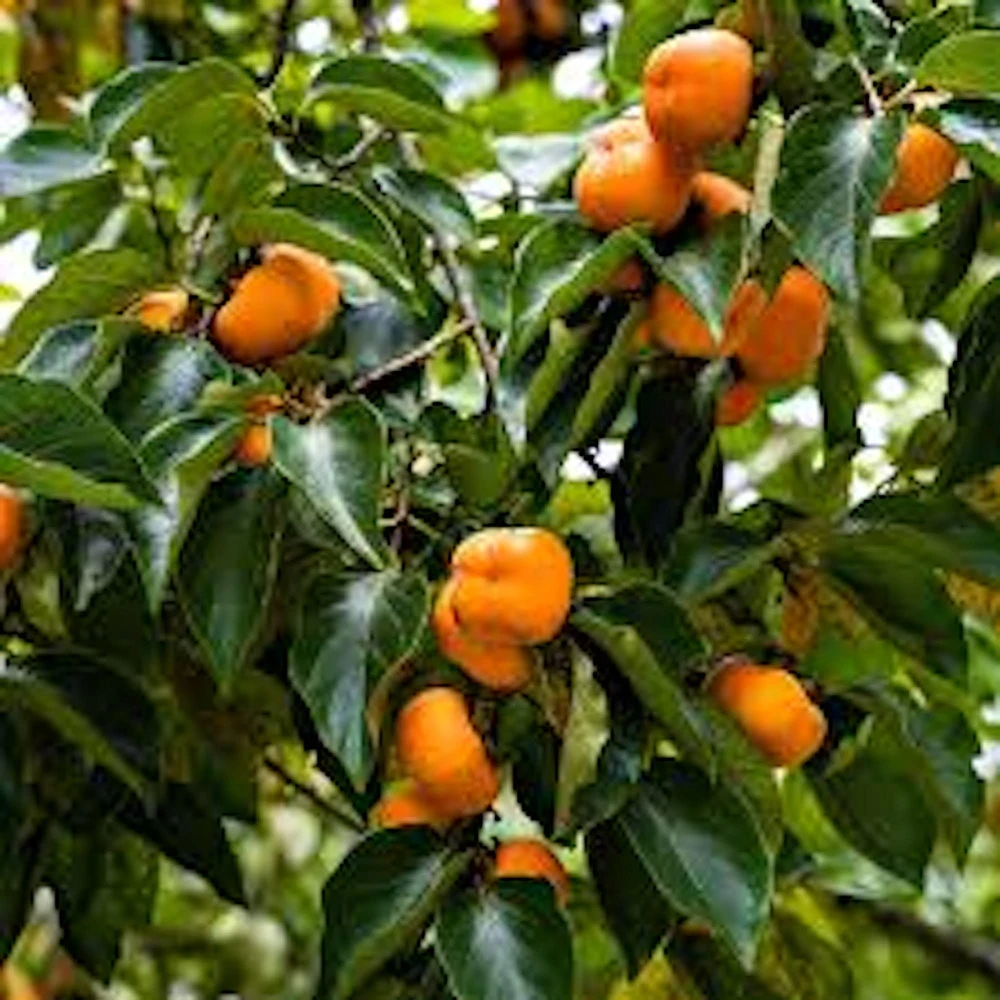
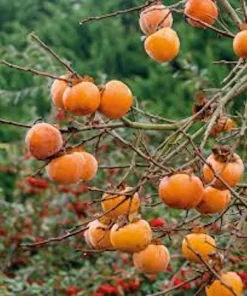
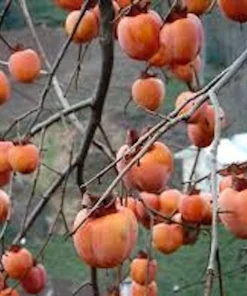
- Delicious Edible Fruit: The primary benefit is the production of sweet, flavorful persimmon fruits. These fruits are highly prized for their unique taste, especially after the first frost, and can be enjoyed fresh, dried, or used in various culinary applications like jams, pies, and puddings. Growing your own ensures a fresh, organic supply.
- Hardy & Adaptable: This native tree is incredibly tough, thriving in a wide range of USDA Zones (4-9) and tolerating diverse soil conditions, from sandy to clay. Its adaptability makes it suitable for many different climates and garden settings, from urban to rural.
- Wildlife Attractor: The fruits of the Diospyros virginiana are a favorite food source for many types of wildlife, including birds, deer, and other mammals, making it a valuable addition for promoting biodiversity in your yard. The tree also provides shelter and nesting sites.
- Low Maintenance: Once established, the American Persimmon Tree requires minimal care. It is naturally resistant to many common pests and diseases, reducing the need for extensive intervention and making it an ideal choice for busy gardeners or those new to fruit tree cultivation.
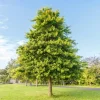
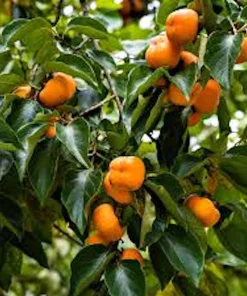
- Attractive Ornamental Value: Beyond its fruit, the tree boasts an appealing oval to round crown, attractive dark green leaves in summer, and a lovely yellow-orange fall color. Its distinctive bark adds winter interest, making it a beautiful landscape specimen throughout the year.
- Erosion Control: As a deep-rooted tree, the common persimmon plant can help stabilize soil, making it beneficial for erosion control, especially on slopes or in areas prone to soil degradation.
- Sustainable & Native: Planting a native species like the American Persimmon Tree supports local ecosystems and requires less water and resources once established compared to non-native alternatives. It’s an excellent choice for a sustainable garden.
Plant Care & Growing Tips
Caring for your American Persimmon Tree is relatively straightforward, thanks to its robust and adaptable nature. To ensure optimal growth and a bountiful harvest, understanding its basic requirements is key. This persimmon tree care guide will help you establish a healthy and productive tree.
For sunlight, the American Persimmon thrives in full sun to partial shade. Full sun (at least 6-8 hours of direct sunlight per day) is ideal for maximizing fruit production, but it can tolerate partial shade, especially in hotter climates where some afternoon shade can be beneficial. When it comes to watering, young trees require consistent moisture to establish a strong root system. Water deeply once or twice a week, especially during dry spells, for the first year or two. Once mature, the tree is quite drought-tolerant and will generally only need supplemental watering during extended periods of extreme dryness. The Diospyros virginiana is adaptable to various soil types, including sandy, rocky, or infertile soils, but it prefers moist, well-drained soil with a slightly acidic to neutral pH. Good drainage is crucial to prevent root rot. Incorporating organic matter into the planting hole can help improve soil structure and fertility.
The American Persimmon is hardy in USDA Zones 4-9, making it suitable for a wide range of temperate climates. It is highly tolerant of both heat and cold once established. Fertilization is not typically required for mature trees in fertile soil. However, for young trees or those in poor soil, a balanced, slow-release fertilizer can be applied in early spring. Avoid over-fertilizing, which can promote leafy growth at the expense of fruit production. Common problems are rare, but watch for leaf spot or powdery mildew in humid conditions, which can usually be managed with good air circulation and appropriate fungicides if severe. Deer may browse young trees, so protective measures like tree guards might be necessary during establishment. Following these persimmon tree care tips will help ensure your tree thrives.
Size & Details
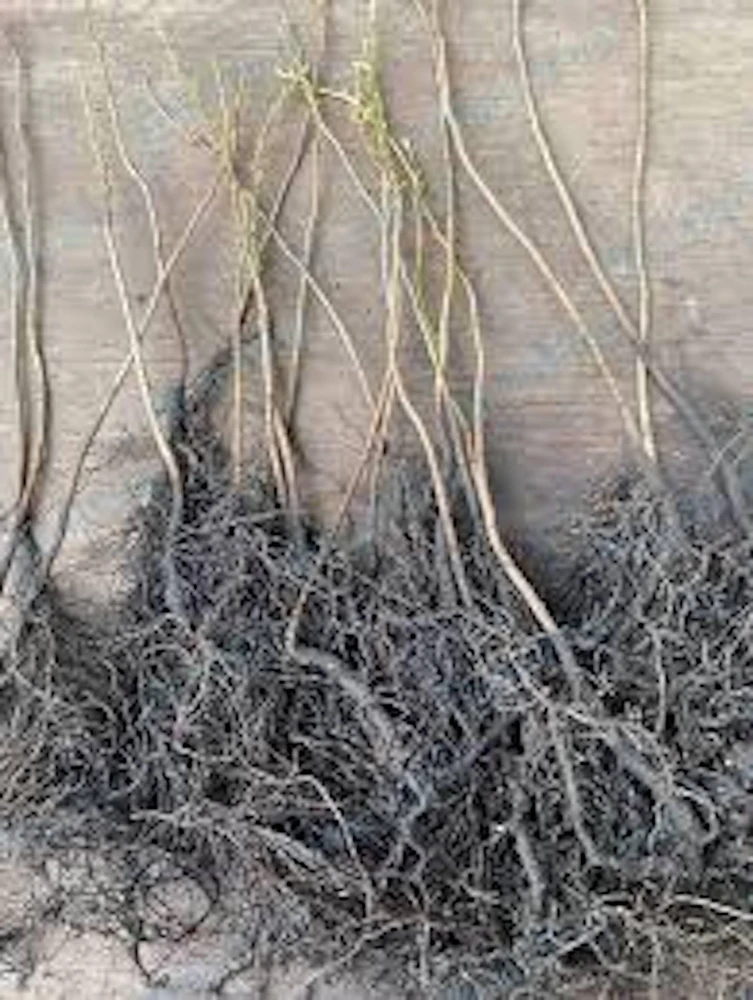
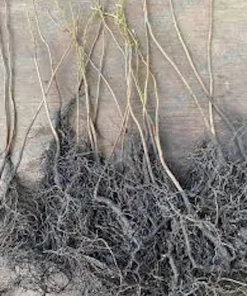
This offering is for one American Persimmon Tree (Diospyros virginiana) live bare root plant. Upon arrival, the tree will measure approximately 12-24 inches in height. Bare root plants are shipped without soil around their roots, which allows for easier transplanting and establishment when dormant. The mature height of this fast-growing tree typically ranges from 35 to 60 feet (10 to 18 meters) with an attractive oval to round crown, making it a significant landscape feature. The plant’s growth rate is considered moderate to fast, depending on growing conditions and care. It will begin to produce fruit within a few years of planting, with significant yields typically occurring once the tree reaches a more mature size. This is an excellent opportunity to plant a long-lived and productive edible fruit tree that will provide beauty and sustenance for decades.
Frequently Asked Questions
- Q: How big does this American Persimmon Tree get? A: This particular plant is 12-24 inches tall upon shipment. Once mature, a Diospyros virginiana tree typically reaches a height of 35 to 60 feet with a spread of 20 to 35 feet, forming a beautiful oval to round crown.
- Q: Is this an indoor or outdoor plant? A: The American Persimmon Tree is an outdoor plant. It is a deciduous tree that requires a period of dormancy and is best suited for planting directly in the ground in USDA Zones 4-9.
- Q: How much sunlight does it need? A: For best fruit production and overall health, the common persimmon plant prefers full sun, meaning at least 6-8 hours of direct sunlight daily. It can tolerate partial shade, but fruit yields may be reduced.
- Q: Is this plant easy to care for? A: Yes, the American Persimmon Tree is considered relatively easy to care for once established. It is known for its hardiness, adaptability, and resistance to many pests and diseases, making persimmon tree care manageable for most gardeners.
- Q: What condition will it arrive in? A: Your American Persimmon Tree will arrive as a live bare root plant. This means it will be dormant and without soil around its roots, which is the optimal way to ship and plant deciduous trees during their dormant season.
- Q: When is the best time to plant an American Persimmon Tree? A: The best time to plant a bare root edible fruit tree like the American Persimmon is in late winter or early spring, while the tree is still dormant, before new growth begins.
- Q: Will it survive winter in my zone? A: The Diospyros virginiana is very cold hardy and is suitable for planting in USDA Zones 4-9. This means it can withstand winter temperatures down to -30°F (-34°C) in Zone 4.
Be the first to review “American Persimmon Tree Live Plant 12-24in Tall Diospyros virginiana Outdoor”
People Also Viewed
Reviews
There are no reviews yet.