
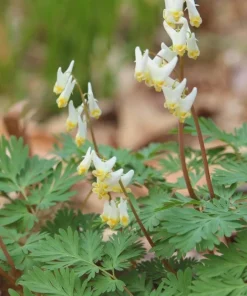
5 Dutchman’s Breeches Bare Root Plants – Dicentra cucullaria – White Flowers
Original price was: $71.99.$46.99Current price is: $46.99.
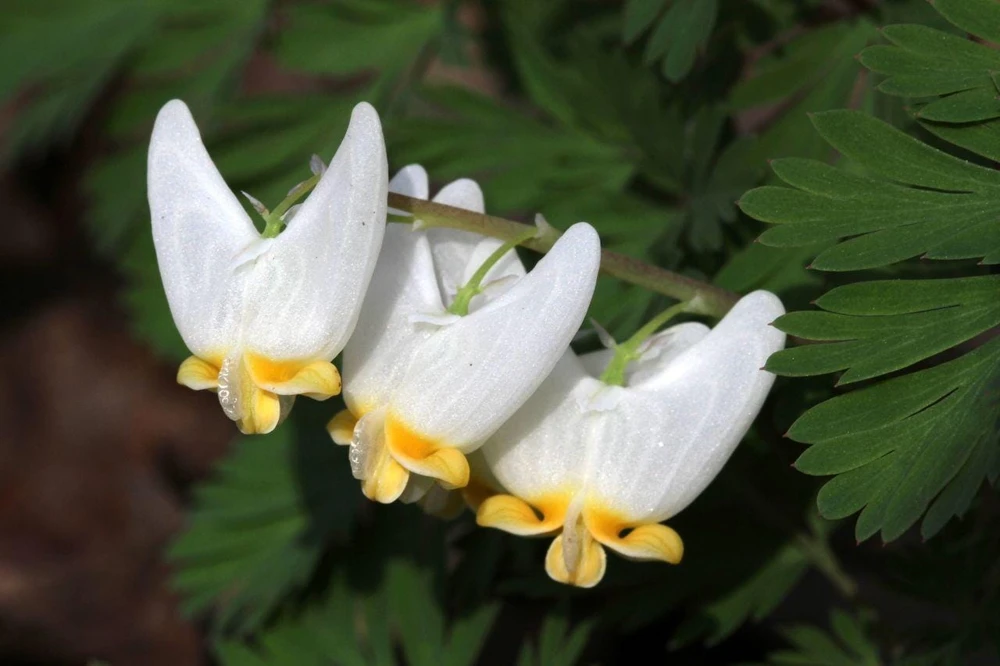
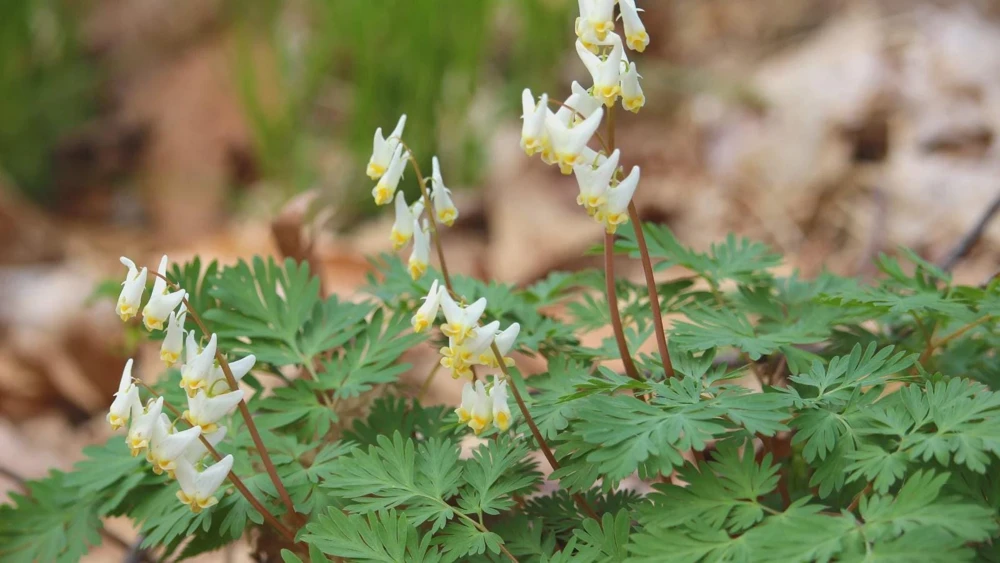
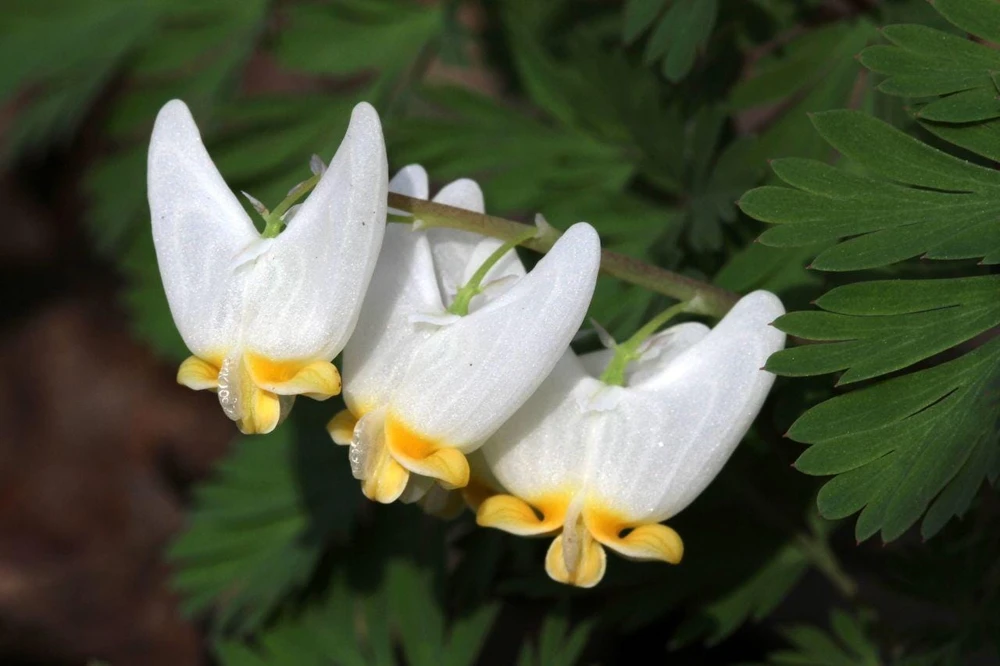
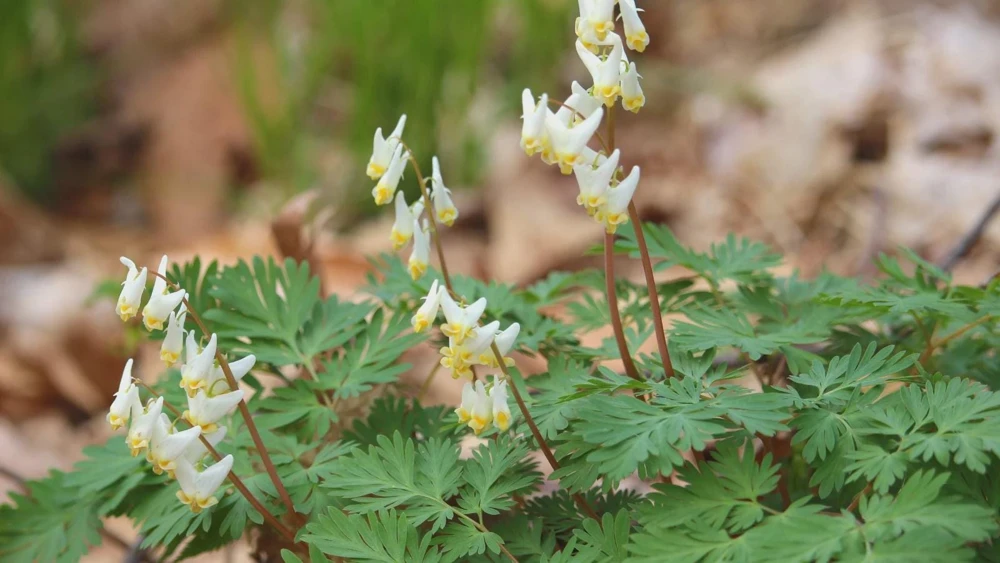
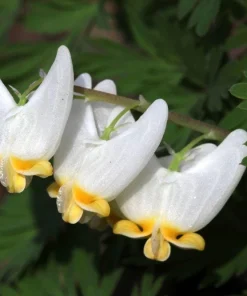
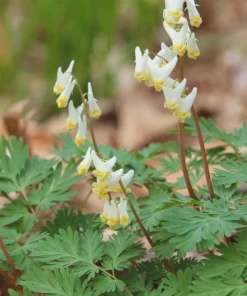
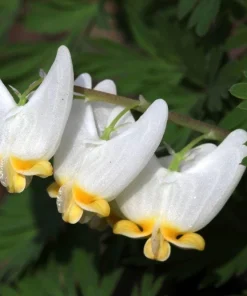
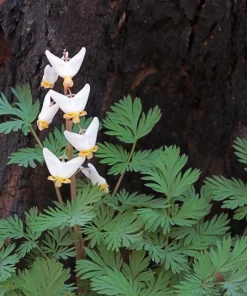
Bring unique charm to your shade garden with 5 Dutchman’s Breeches bare root plants. These Dicentra cucullaria plant specimens are native North American wildflowers known for their distinctive white, pantaloon-shaped blooms in early spring, creating a delicate and beautiful display.
Estimated arrival
Sep 29
Oct 04 - Oct 06
Oct 09 - Oct 13
Shop With Confidence
30-Day Plant Health Guarantee
Arrives damaged? We’ll replace it free — see our return policy.
Responsive Support
Email us anytime, we reply within 1 business day.
Expert Packaging
Temperature-controlled shipping to protect your plants in transit.
Secure Checkout
Pay safely with Visa, Mastercard, PayPal.
Plant Specifications
-
USDA Hardiness Zone
USDA zones 3-7 -
Soil Type
Rich, well-draining soil with high organic matter -
Sunlight Exposure
Partial to full shade -
Expected Planting Period
Early spring or fall
Overview
Introduce a touch of whimsical beauty to your garden with this offering of 5 Dutchman’s Breeches bare root plants. Scientifically known as Dicentra cucullaria, these delicate perennials are a true jewel of the North American woodlands. Each bare root is ready to establish and produce the plant’s iconic, intricate white flowers that famously resemble miniature, upside-down pantaloons. Ideal for naturalizing in shaded areas, Dicentra cucullaria plant specimens are a fantastic choice for gardeners seeking to create a serene and captivating spring landscape. Their ephemeral beauty emerges early in the season, providing a stunning display before many other plants have even begun to stir. This native woodland plant is not only visually appealing but also plays an important ecological role, supporting early pollinators.
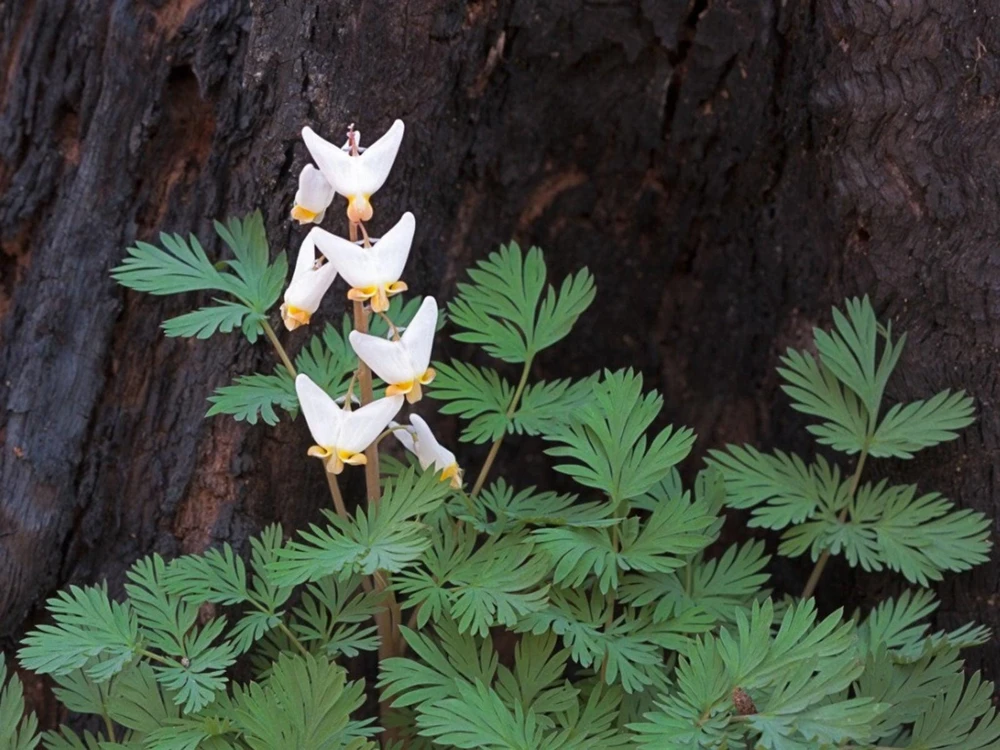
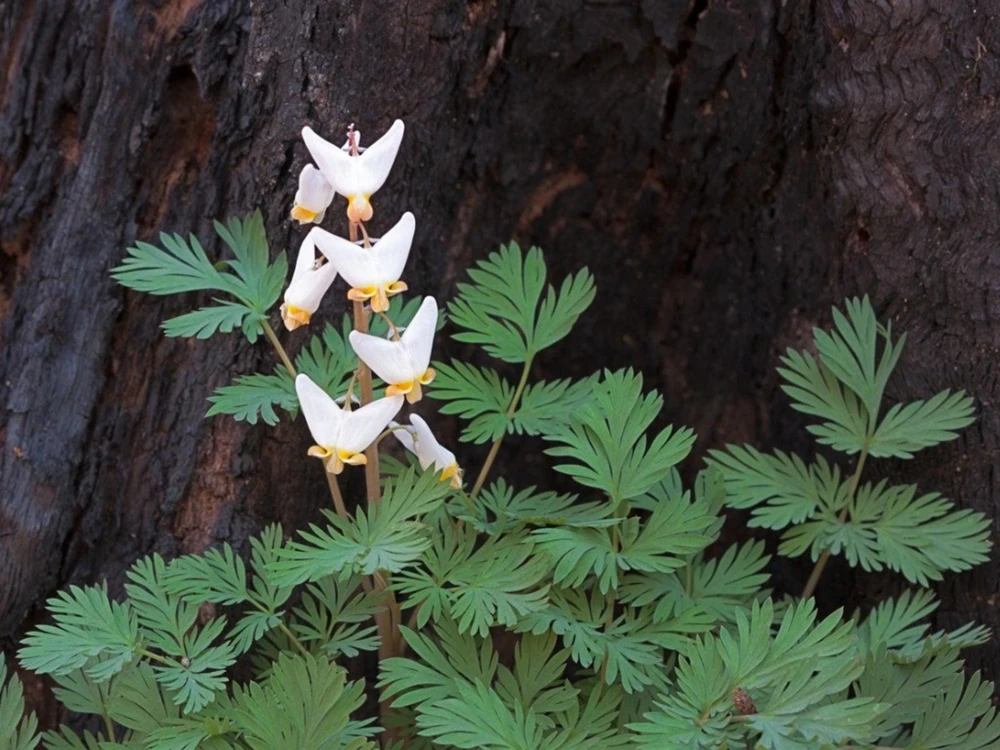
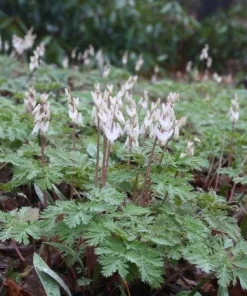
Dutchman’s Breeches bare root plants are beloved for their unique flower shape and their ability to thrive in dappled light conditions. They are a wonderful addition to woodland gardens, shaded borders, or naturalized areas where they can spread gently and create a carpet of charming blooms. The foliage is finely dissected and fern-like, adding an attractive texture to the garden even when the plant is not in bloom. These plants are relatively low-maintenance once established, making them a rewarding choice for both experienced and novice gardeners looking to enhance their outdoor spaces with a touch of native flora.
Key Benefits
The Dutchman’s Breeches bare root offers numerous advantages for the discerning gardener, transforming shaded areas into vibrant havens. Its distinctive features and growth habits make it a standout choice for various garden designs.
- Unique Ornamental Value: The most striking feature of the Dicentra cucullaria plant is its unusual, pantaloon-shaped white flowers. These intricate blooms emerge in early spring, providing an enchanting and conversation-starting display that is truly one-of-a-kind. They add a delicate, whimsical touch to any landscape.
- Native Woodland Plant: As a native to North America, Dutchman’s Breeches is perfectly adapted to local climates and ecosystems. This makes it an excellent choice for naturalizing, supporting local wildlife, and creating a biodiverse garden. It thrives in conditions similar to its natural habitat.
- Early Spring Bloom: One of the first wildflowers to appear in spring, it provides much-needed color and nectar for early pollinators when other plants are still dormant. This early bloom extends the gardening season and offers a refreshing burst of life after winter.
- Shade Garden Perennial: This plant is perfectly suited for shady spots where many other flowering plants struggle. It thrives under deciduous trees and in areas with filtered sunlight, making it an invaluable addition to woodland gardens and shaded borders.
- Low Maintenance: Once established, Dutchman’s Breeches requires minimal care. It’s a resilient plant that can spread gracefully, creating a beautiful groundcover without demanding constant attention, allowing gardeners more time to simply enjoy its beauty.
- Ephemeral Beauty: After blooming, the plant’s foliage typically dies back by early summer, allowing space for other summer-blooming perennials. This ephemeral nature means it won’t compete for resources later in the season and provides a dynamic element to your garden design.
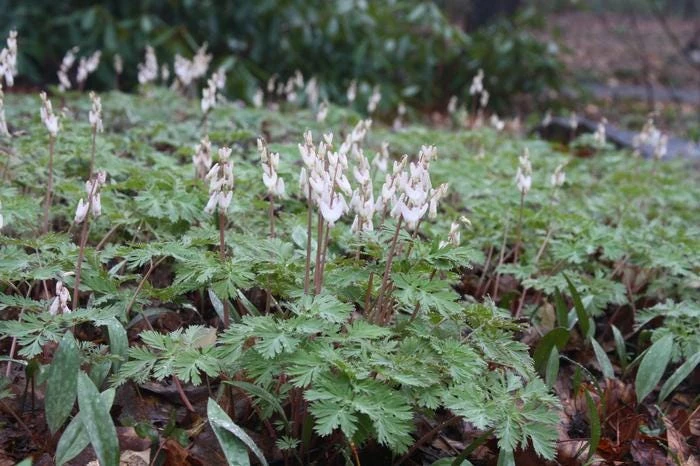
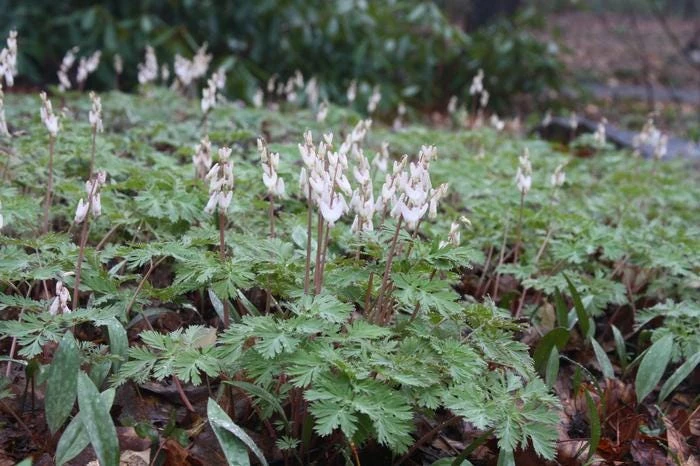
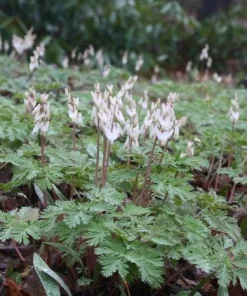
- Excellent for Naturalizing: Due to its ability to self-seed and spread, it’s an ideal candidate for naturalizing in woodland settings, creating stunning drifts of white flowers that enhance the natural aesthetic of your garden. It helps create a lush, authentic forest floor look.
Plant Care & Growing Tips
Caring for your Dutchman’s Breeches bare root is straightforward, especially when you understand its natural habitat preferences. These plants are best suited for shade gardens, mimicking the conditions of their native woodland environment. They prefer a location with partial to full shade, especially protection from hot afternoon sun. Dappled light under deciduous trees is ideal, as they can benefit from spring sunlight before the tree canopy fully develops, and then enjoy the shade during the warmer months. Avoid planting in areas with intense, direct sunlight, which can scorch their delicate foliage.
When it comes to soil, Dicentra cucullaria plant thrives in rich, well-draining soil that is high in organic matter. A slightly acidic to neutral pH is preferred. Amending your soil with compost or leaf mold before planting will provide the ideal conditions for robust growth. Consistent moisture is crucial, particularly during the spring growing season. The soil should remain evenly moist but never waterlogged, as this can lead to root rot. After the foliage dies back in early summer, the plants become dormant and require less water. These plants are cold-hardy, typically thriving in USDA zones 3-7, making them a resilient choice for many temperate climates.
Fertilization is generally not heavily required if the soil is already rich in organic matter. However, a light application of a balanced, slow-release granular fertilizer in early spring can encourage more vigorous growth and blooming. Be mindful of pests and diseases; while generally robust, watch for slugs and snails that might feed on young foliage. Ensure good air circulation to prevent fungal issues, especially in humid conditions. Understanding these care requirements will help you cultivate a thriving shade garden perennial that returns year after year with its charming white blooms.
Size & Details
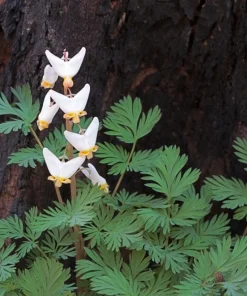
This offering includes 5 Dutchman’s Breeches bare root plants, providing a generous start for your garden. Each bare root is carefully harvested and prepared for planting, ensuring optimal establishment. When mature, the Dicentra cucullaria plant typically reaches a height of 6 to 12 inches (15-30 cm) with a similar spread, forming attractive clumps of delicate, fern-like foliage. The plants are relatively slow to spread but will naturalize over time, creating a beautiful, low-growing groundcover in ideal conditions. The distinctive white flowers emerge on leafless stalks above the foliage, adding to their unique charm.
These bare roots are best planted in early spring or fall. They are known for their ephemeral nature, meaning their foliage emerges in early spring, blooms, and then typically dies back by early to mid-summer as temperatures rise and the plant enters dormancy. This allows space for other summer-blooming plants to take over. Expect blooms to appear in mid to late spring, usually lasting for several weeks, depending on local conditions. The native woodland plant is a long-lived perennial, providing beauty for many years with proper care and suitable growing conditions.
Frequently Asked Questions
- Q: How big does this plant get? A: The Dicentra cucullaria plant typically grows to a height of 6 to 12 inches (15-30 cm) with a similar spread. It forms attractive, delicate clumps of foliage and flowers, making it suitable for the front of a border or as a groundcover.
- Q: What size pot does it come in? A: This product consists of 5 Dutchman’s Breeches bare root plants. They are shipped as dormant bare roots, not in pots, which allows for easy planting directly into your garden soil.
- Q: Is this an indoor or outdoor plant? A: Dutchman’s Breeches is primarily an outdoor plant, ideally suited for woodland gardens, shaded borders, and naturalized areas. It requires cold dormancy and specific light conditions that are difficult to replicate indoors.
- Q: How much sunlight does it need? A: This shade garden perennial thrives in partial to full shade. It prefers dappled light or morning sun with protection from intense afternoon sun, which can scorch its delicate leaves.
- Q: Is this plant easy to care for? A: Yes, once established in the right conditions (shade, rich, moist, well-draining soil), Dutchman’s Breeches is a relatively low-maintenance plant. It is quite resilient and will return reliably each spring.
- Q: What condition will it arrive in? A: Your 5 Dutchman’s Breeches bare root plants will arrive dormant and carefully packaged. They will appear as roots with possibly some dried stem material, ready for immediate planting.
- Q: How long until it blooms? A: If planted in early spring, you may see some blooms in the first year, but more robust flowering typically occurs in the second year after the plant has had time to establish its root system. Blooms appear in mid to late spring.
- Q: When is the best time to plant? A: The best time to plant Dutchman’s Breeches bare root is in early spring as soon as the soil can be worked, or in the fall before the ground freezes. This allows the roots to establish before extreme temperatures.
- Q: Will it survive winter in my zone? A: Yes, as a hardy native woodland plant, Dutchman’s Breeches is well-adapted to cold climates and is reliably perennial in USDA Hardiness Zones 3 through 7. It requires a period of winter dormancy.
- Q: What’s the minimum temperature it can tolerate? A: This plant is cold-hardy down to approximately -40°F (-40°C), making it suitable for very cold winter climates within its recommended USDA zones.
Be the first to review “5 Dutchman’s Breeches Bare Root Plants – Dicentra cucullaria – White Flowers”
People Also Viewed



Houseplants
Reviews
There are no reviews yet.