
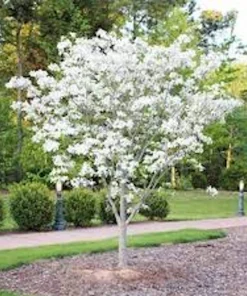

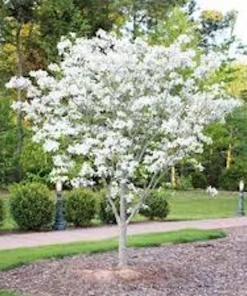

White Dogwood Tree (Cornus florida) Live Plant – 6-12in Tall – Bare Root/Potted – Outdoor
Original price was: $74.99.$49.99Current price is: $49.99.
Bring classic elegance to your garden with a white dogwood tree. This beautiful cornus florida plant, measuring 6-12 inches tall, is known for its iconic white spring flowers and brilliant fall foliage, making it a perfect ornamental addition to any landscape.
Estimated arrival
Sep 29
Oct 04 - Oct 06
Oct 09 - Oct 13
Shop With Confidence
30-Day Plant Health Guarantee
Arrives damaged? We’ll replace it free — see our return policy.
Responsive Support
Email us anytime, we reply within 1 business day.
Expert Packaging
Temperature-controlled shipping to protect your plants in transit.
Secure Checkout
Pay safely with Visa, Mastercard, PayPal.
Plant Specifications
-
USDA Hardiness Zone
5-9 -
Soil Type
Well-draining, acidic soil rich in organic matter -
Sunlight Exposure
Partial shade to full sun -
Expected Planting Period
Spring or fall
Overview
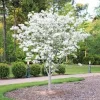
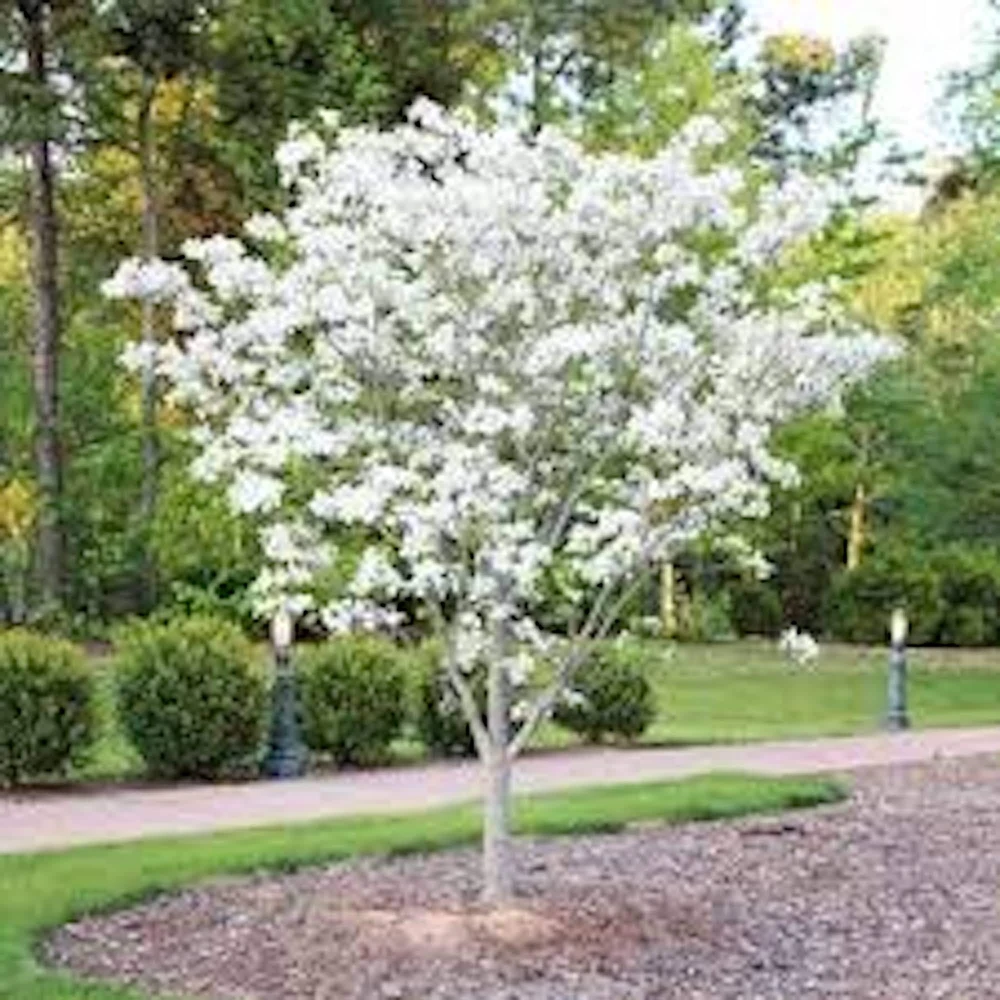
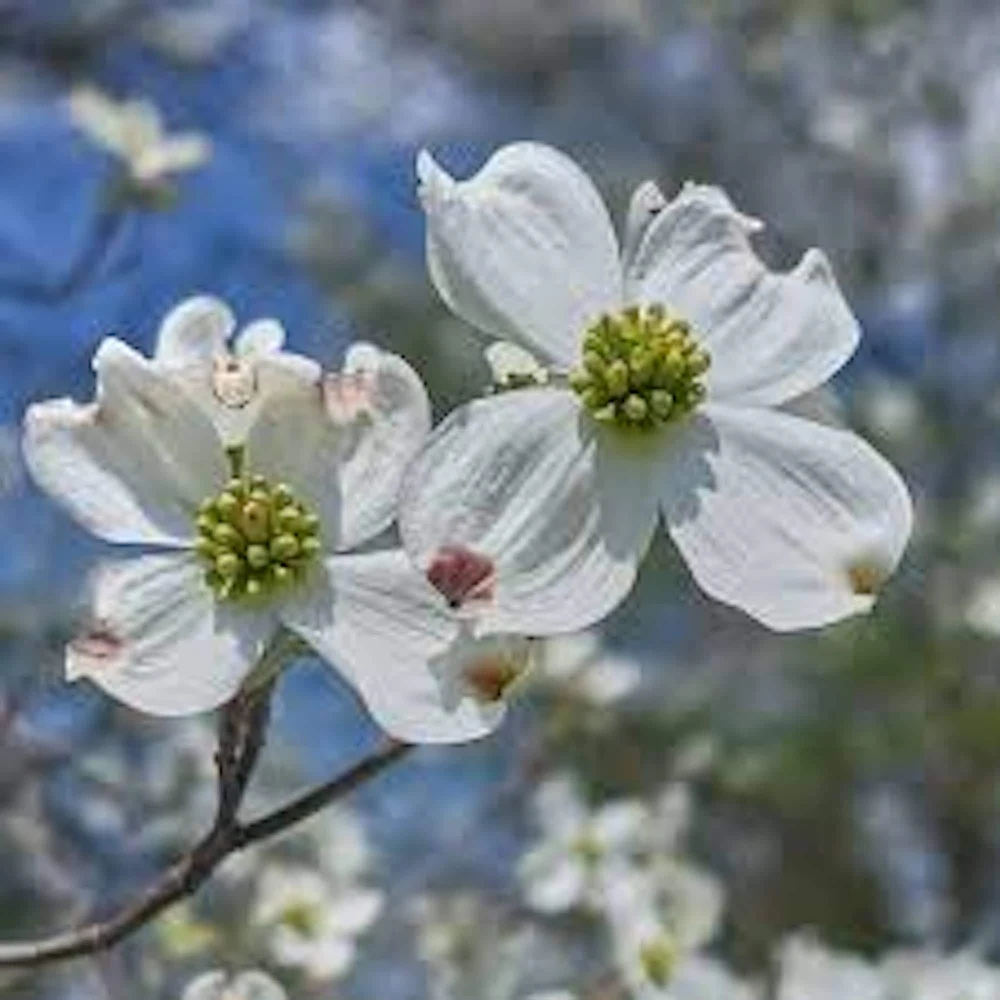
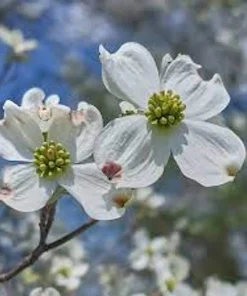
Introduce timeless beauty to your landscape with the magnificent white dogwood tree (Cornus florida). This iconic American native, often referred to as a flowering dogwood tree or American dogwood tree, is cherished for its breathtaking display of white, petal-like bracts that herald the arrival of spring. Growing 6-12 inches tall at shipment, this live plant offers a spectacular show before most other trees awaken from winter dormancy. Beyond its stunning spring blooms, the cornus florida plant provides lush green foliage throughout the summer, transforming into a vibrant tapestry of reds and purples in autumn, culminating in bright red berries that attract local wildlife. Whether you’re looking to create a focal point in your yard or add an understory tree, the white dogwood tree is a versatile and rewarding choice for many gardens across the United States.
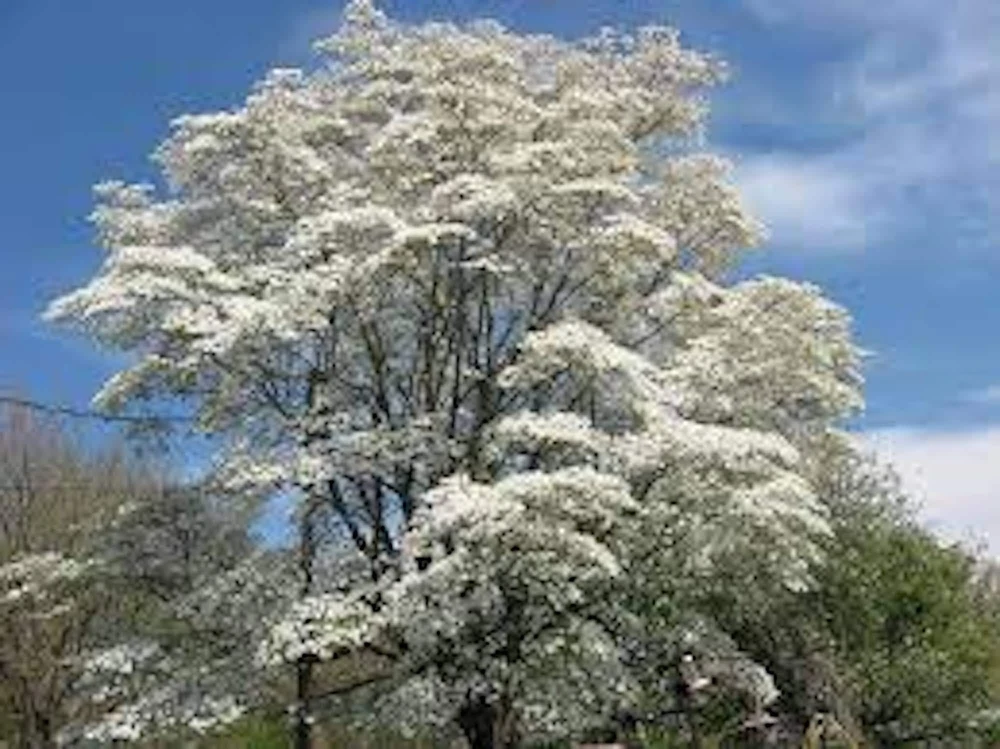
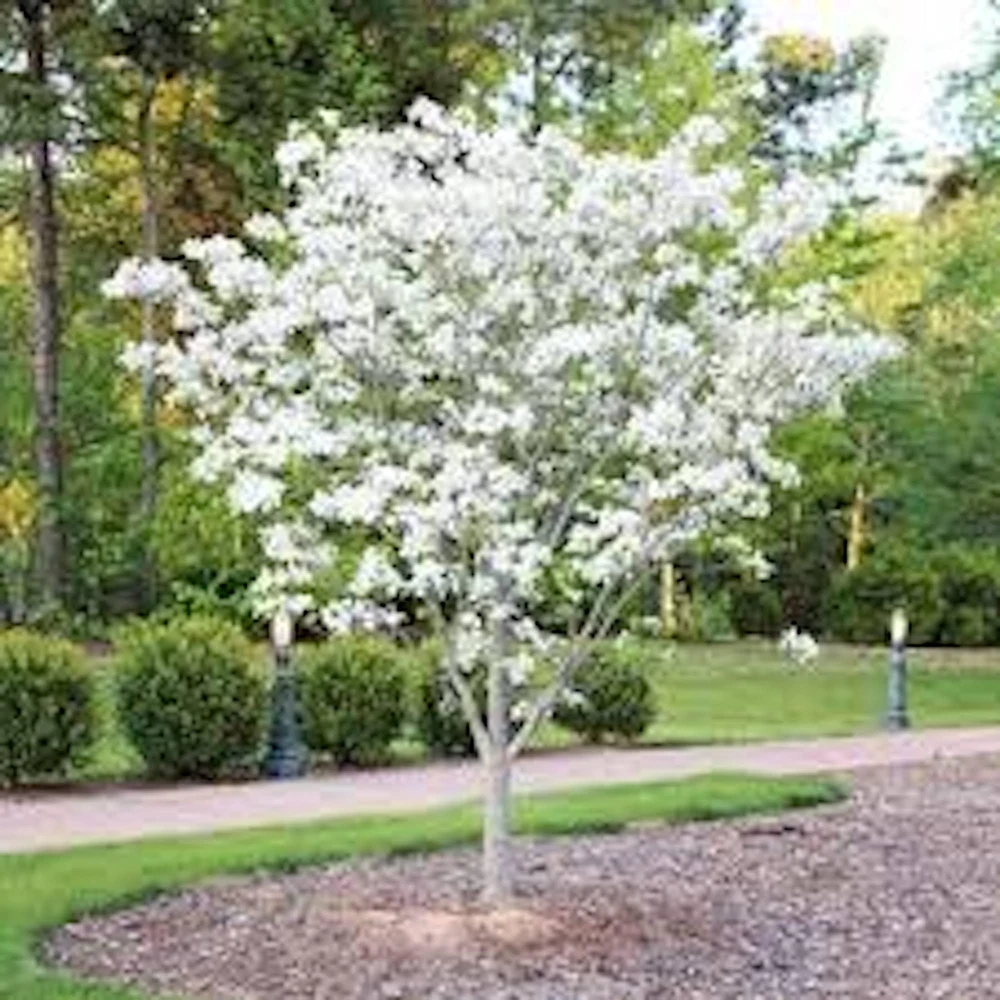
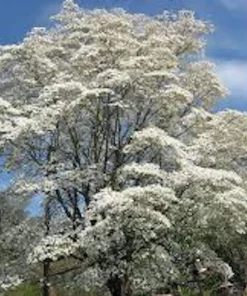
The Cornus florida is a medium-sized deciduous tree that can reach mature heights of 15-40 feet, with a spread of 12-20 feet, offering a graceful, layered canopy. Its medium growth rate of 13-24 inches per year ensures it will establish well in your garden, providing beauty for years to come. This particular offering is a 6-12 inch tall specimen, ready to be planted and begin its journey in your landscape. Prepare to be enchanted by the seasonal transformation and enduring charm of this beloved native tree, a true gem for any outdoor space.
Key Benefits
The white dogwood tree offers a multitude of benefits that make it a standout choice for any garden. From its aesthetic appeal to its ecological contributions, this tree is a valuable addition. Understanding the advantages of planting a cornus florida plant can help you appreciate its full potential in your outdoor living space.
- Stunning Spring Blooms: The most celebrated feature of the flowering dogwood tree is its profusion of delicate white ‘flowers’ (actually bracts) that appear in early spring, often before its leaves emerge. These blossoms create a spectacular visual display, signaling the end of winter and the beginning of the growing season.
- Vibrant Fall Foliage: As summer transitions to autumn, the leaves of the white dogwood tree transform into brilliant shades of red, purple, and scarlet. This dramatic color change adds significant visual interest to the landscape, extending the tree’s ornamental value well beyond its flowering period.
- Wildlife Attraction: The bright red berries produced by the American dogwood tree in late summer and fall are a vital food source for numerous bird species and other wildlife. Planting this tree helps support local ecosystems and brings natural activity to your garden.
- Year-Round Interest: Even in winter, the distinctive, layered branching pattern and attractive bark of the white dogwood tree provide architectural interest. This ensures your garden remains appealing throughout all four seasons, making it a truly versatile landscape plant.
- Adaptable & Resilient: While preferring specific conditions, the cornus florida plant is relatively adaptable once established, thriving in a range of environments within its hardiness zones. Its resilience makes it a reliable choice for many gardeners seeking a long-lived ornamental tree.
- Medium Growth Rate: With a growth rate of 13-24 inches per year, this tree establishes itself steadily without becoming overwhelming, allowing you to enjoy its beauty as it matures.
Plant Care & Growing Tips
Proper flowering dogwood care is essential for ensuring your white dogwood tree thrives and displays its full splendor. While generally robust, understanding its specific needs will lead to a healthier, more vigorous plant. This cornus florida plant requires attention to its light, soil, and watering to reach its full potential and provide years of enjoyment in your garden.
For optimal growth, the white dogwood tree prefers a location with partial shade to full sun. In hotter climates, afternoon shade is beneficial to protect it from intense sun, which can scorch its leaves. It thrives in well-draining, acidic soil rich in organic matter. Avoid planting in heavy clay or overly sandy soils. When planting, ensure the top of the root ball is level with or slightly above the surrounding soil to prevent waterlogging. Consistent moisture is crucial, especially during its establishment period and dry spells. Water deeply once or twice a week, allowing the top few inches of soil to dry out between waterings. Mulch around the base of the tree with 2-4 inches of organic material to help retain soil moisture, regulate soil temperature, and suppress weeds, but keep mulch away from the trunk itself.
The American dogwood tree is hardy in USDA Zones 5-9. Fertilize annually in early spring with a balanced, slow-release fertilizer formulated for acid-loving plants, following package instructions. Pruning should be kept to a minimum, primarily to remove dead, damaged, or diseased branches, or to shape the tree. The best time for pruning is in late winter or early spring before new growth begins, or immediately after flowering. Be vigilant for common pests and diseases such as dogwood anthracnose, powdery mildew, and borers, and address them promptly with appropriate organic or chemical treatments. Good air circulation and proper watering practices are key preventative measures in flowering dogwood care to keep your tree healthy and beautiful.
Size & Details
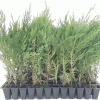
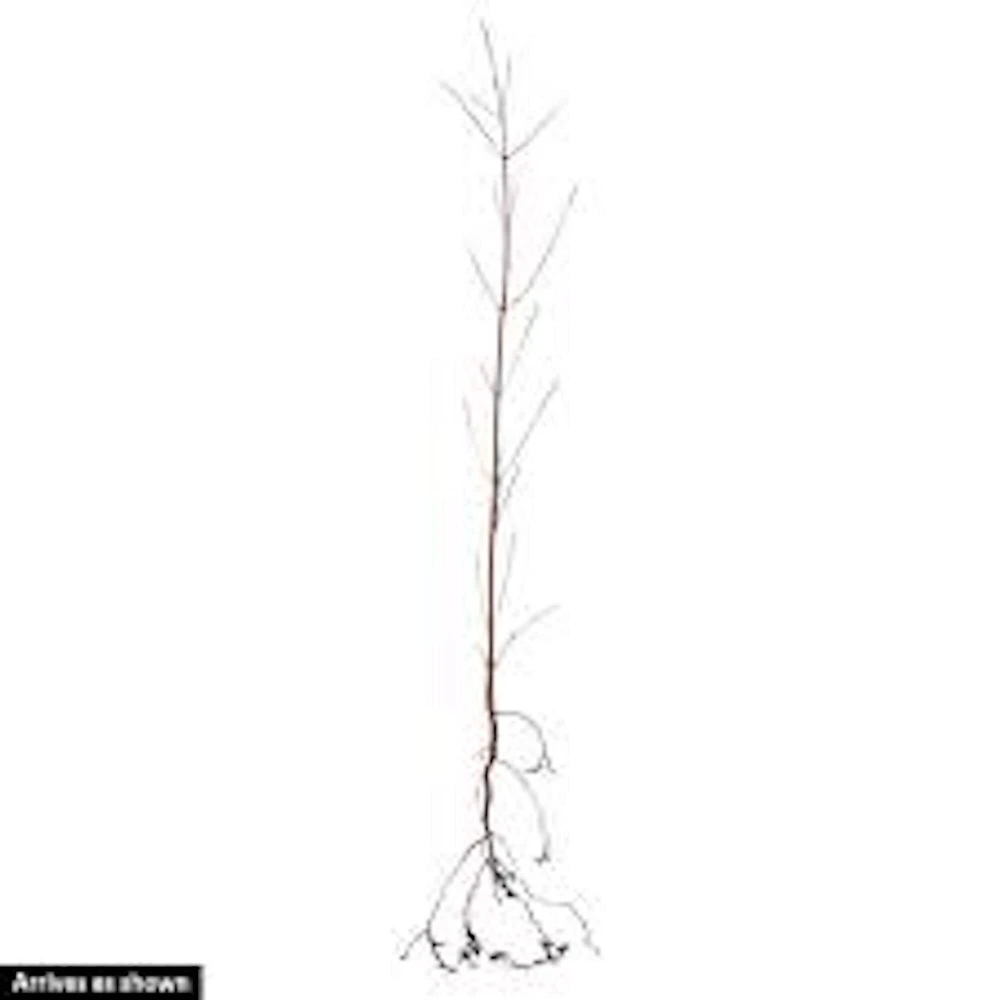
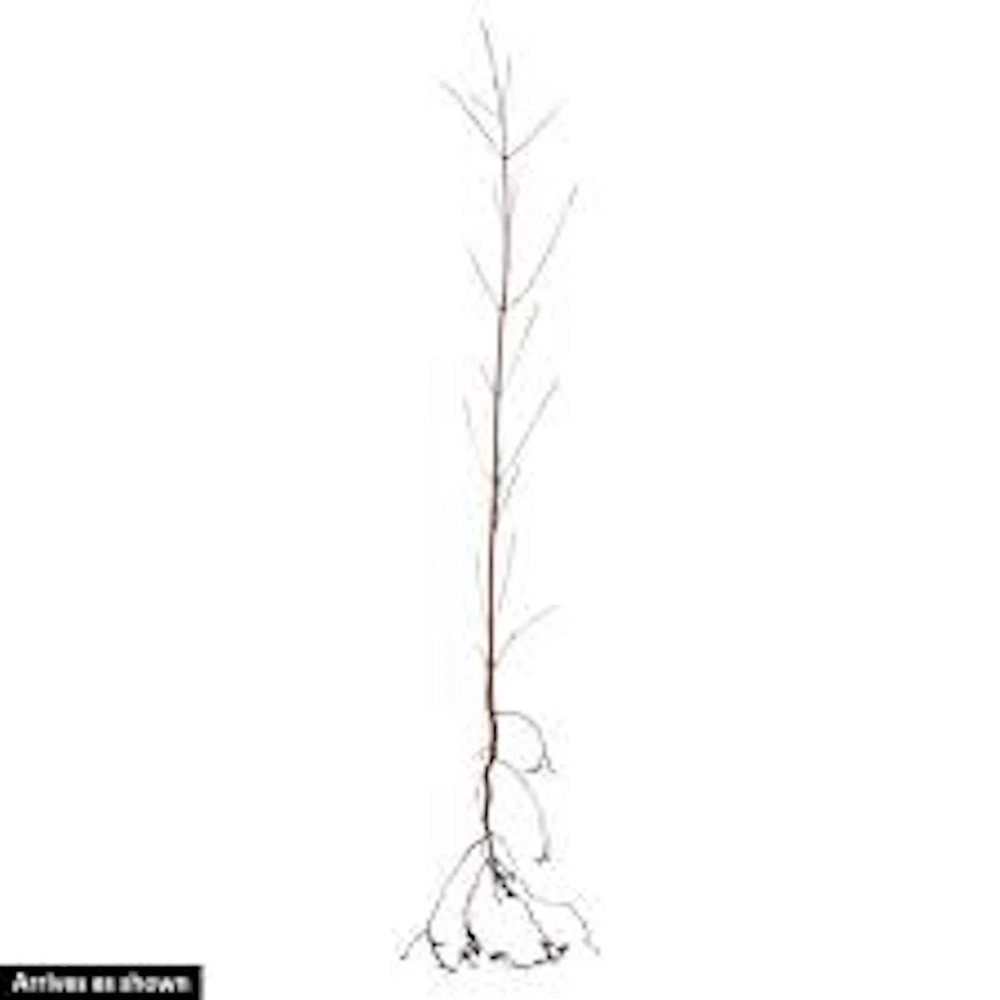
This offering is for one white dogwood tree, approximately 6-12 inches in height. It is a young, vigorous specimen ready for planting in your garden. The tree will ship bare root when dormant, typically during the colder months, ensuring it arrives ready for its new home with minimal stress. During the growing season, it will be shipped in a quart pot, providing a well-established root system for successful transplanting. This size is ideal for establishing a new tree, allowing it to acclimate to your specific growing conditions.
Once mature, the cornus florida plant can reach an impressive height of 15-40 feet with a spread of 12-20 feet, creating a significant presence in the landscape. It exhibits a medium growth rate, typically adding 13-24 inches per year, meaning you will see noticeable progress each season. The mature form is often broad and rounded, with graceful, horizontal branching that adds to its ornamental appeal. This white dogwood tree is a long-term investment in your garden’s beauty.
Frequently Asked Questions
- Q: How big does this plant get? A: This white dogwood tree is shipped at 6-12 inches tall. When mature, it typically reaches a height of 15-40 feet with a spread of 12-20 feet, growing at a medium rate of 13-24 inches per year.
- Q: Is this an indoor or outdoor plant? A: The cornus florida plant is an outdoor tree, best suited for landscape planting in appropriate USDA hardiness zones. It requires outdoor conditions to thrive and complete its natural growth cycle.
- Q: How much sunlight does it need? A: A flowering dogwood tree prefers partial shade to full sun. In hotter climates, providing afternoon shade is recommended to protect its foliage from scorching and ensure optimal growth.
- Q: Is this plant easy to care for? A: With proper planting and consistent flowering dogwood care, this tree is moderately easy to maintain. It requires well-draining soil, consistent moisture, and protection from extreme heat, but is generally a robust native species.
- Q: What condition will it arrive in? A: This white dogwood tree will ship bare root when dormant and in a quart pot during the growing season. Both methods are designed to ensure the plant arrives healthy and ready for successful establishment.
- Q: When is the best time to plant a dogwood tree? A: The best time to plant a dogwood tree for sale is in spring or fall when temperatures are moderate. This allows the tree to establish its root system before the stress of extreme summer heat or winter cold.
- Q: Will it survive winter in my zone? A: The American dogwood tree is hardy in USDA Zones 5-9. If you are within these zones, it should survive winter with proper care and establishment.
Be the first to review “White Dogwood Tree (Cornus florida) Live Plant – 6-12in Tall – Bare Root/Potted – Outdoor”
People Also Viewed



Shrubs
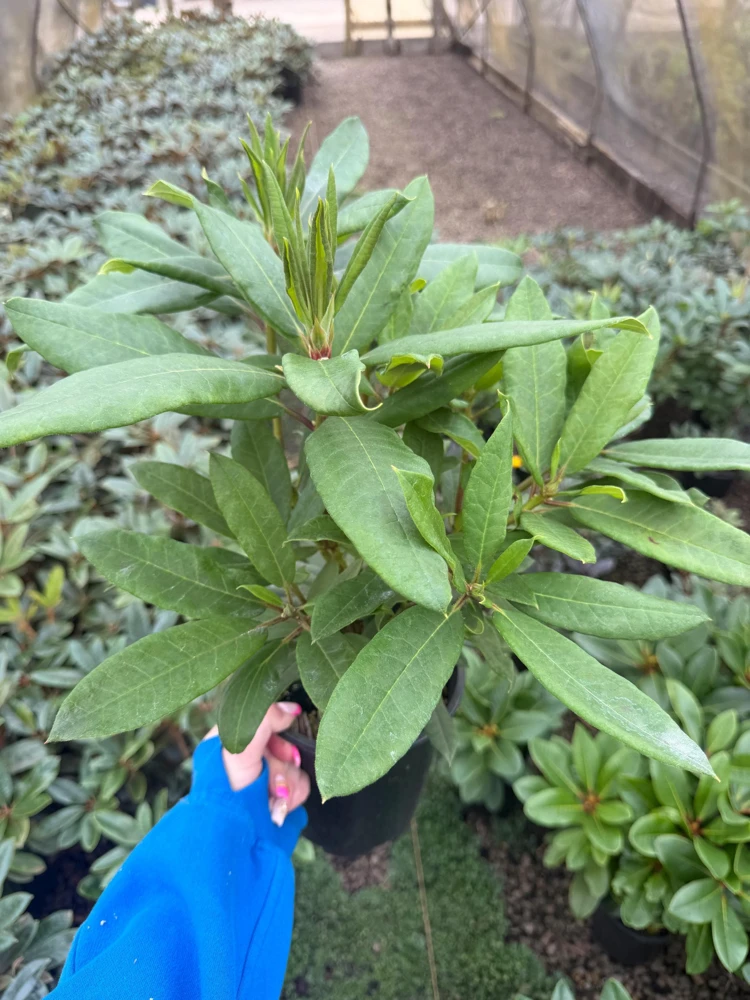
Rhododendron ‘Whitney’s Late Orange’ Live Plant – Yellow Pink Blooms, #1 Container Size, Outdoor
Reviews
There are no reviews yet.