

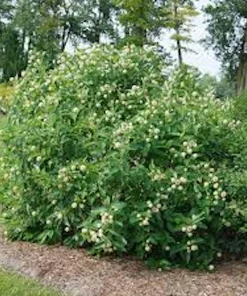
Buttonbush Live Plant – Cephalanthus occidentalis Shrub – 12-24in Tall – Bare Root or Potted
Original price was: $74.99.$49.99Current price is: $49.99.
Add a beautiful buttonbush live plant (Cephalanthus occidentalis) to your landscape. This native deciduous shrub features unique spherical white flowers, perfect for attracting bees, butterflies, and hummingbirds to your garden.
Estimated arrival
Sep 29
Oct 04 - Oct 06
Oct 09 - Oct 13
Shop With Confidence
30-Day Plant Health Guarantee
Arrives damaged? We’ll replace it free — see our return policy.
Responsive Support
Email us anytime, we reply within 1 business day.
Expert Packaging
Temperature-controlled shipping to protect your plants in transit.
Secure Checkout
Pay safely with Visa, Mastercard, PayPal.
Plant Specifications
-
USDA Hardiness Zone
USDA Zones 4-9 -
Soil Type
Moist, rich, organic soil -
Sunlight Exposure
Full sun to partial shade -
Expected Planting Period
Spring to fall
Overview
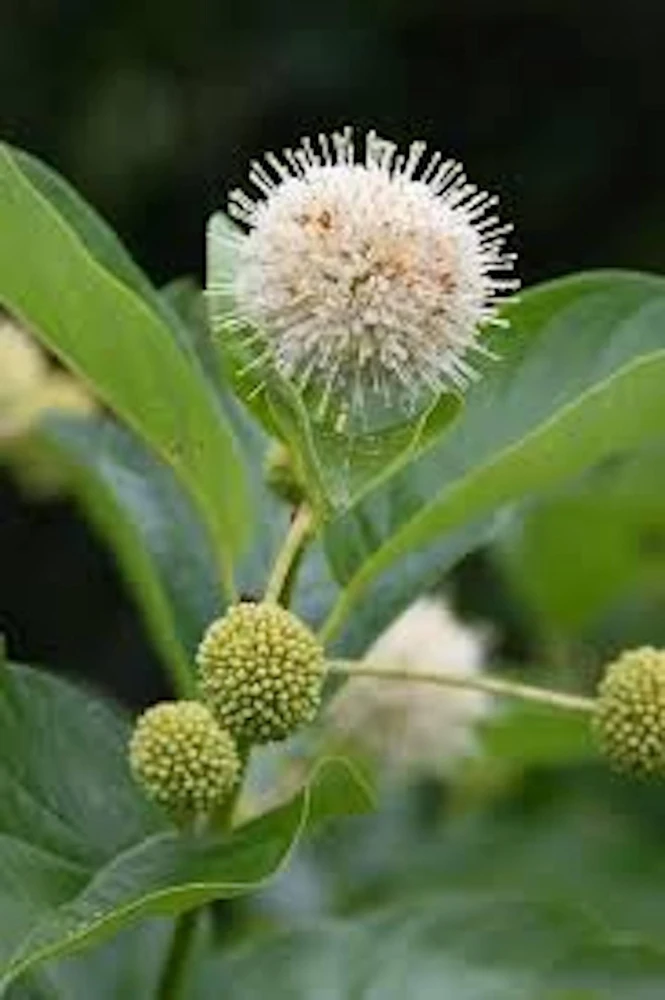
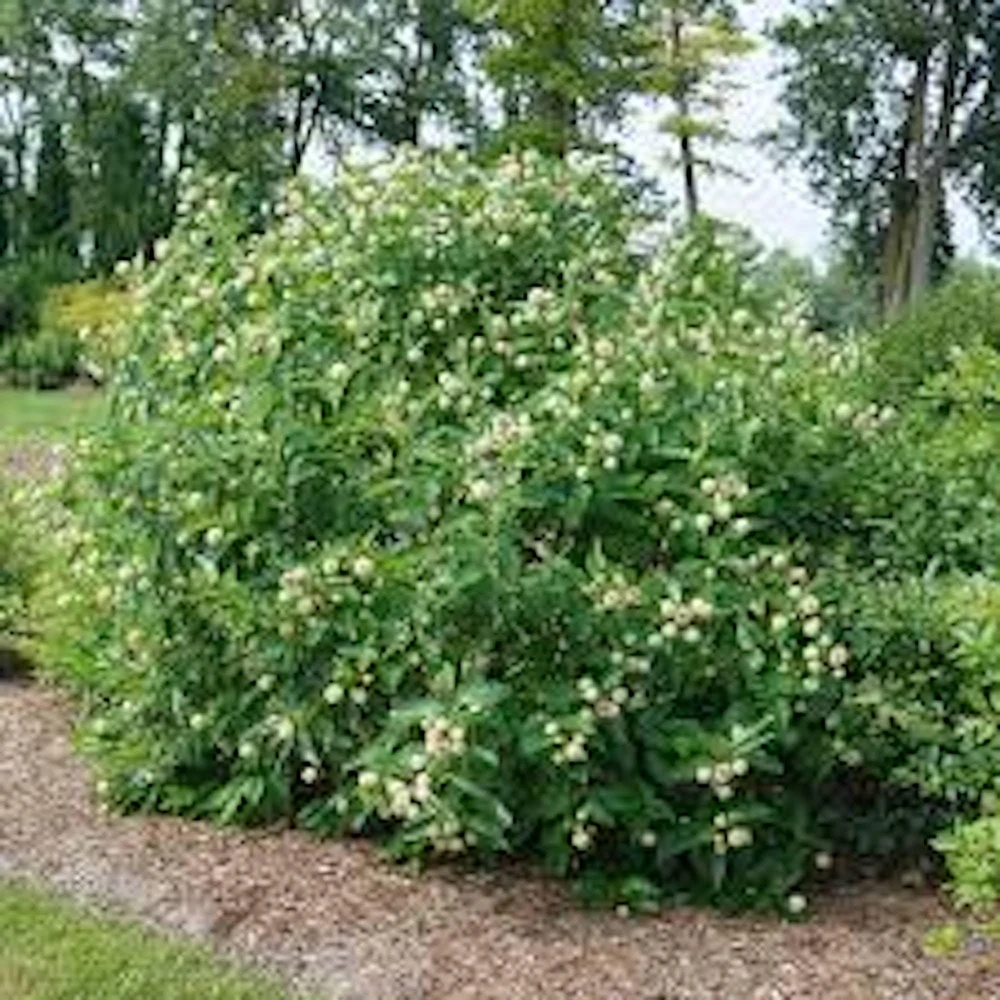
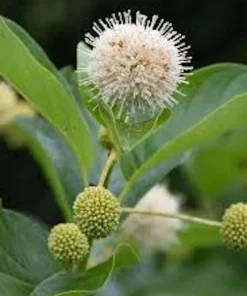
Introduce a captivating native species to your garden with the buttonbush live plant (Cephalanthus occidentalis). This remarkable deciduous shrub is celebrated for its distinctive, spherical white flower clusters that bloom throughout the summer, resembling charming pincushions or buttons. A true gem for any landscape, the Cephalanthus occidentalis shrub thrives in moist to wet conditions, making it an ideal choice for rain gardens, pond edges, or naturalized areas. Its unique beauty and ecological benefits make it a favorite among gardeners seeking to support local wildlife and enhance biodiversity. Whether you’re creating a new garden or looking to fill a challenging wet spot, the buttonbush offers both aesthetic appeal and a vital habitat for pollinators.
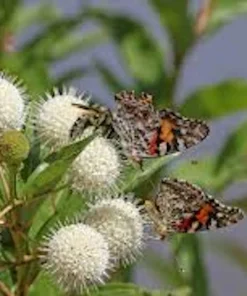
Known by its common name, Buttonbush, this plant is not only visually appealing but also incredibly beneficial to the ecosystem. Its fragrant flowers provide a rich source of nectar for a wide array of pollinators, including various bee species, butterflies, and even hummingbirds. Beyond its floral display, the buttonbush offers interesting seed heads that persist into winter, providing food for birds. This resilient and adaptable shrub is a fantastic addition for those aiming to cultivate a vibrant, wildlife-friendly garden, particularly in areas where moisture is abundant. Embrace the natural charm and ecological value of this exceptional native plant.
Key Benefits
The buttonbush live plant offers a multitude of benefits for both your garden and the environment. Its unique characteristics contribute to a thriving ecosystem and provide continuous visual interest throughout the seasons. Incorporating this native shrub can transform an ordinary space into a dynamic, wildlife-rich sanctuary.
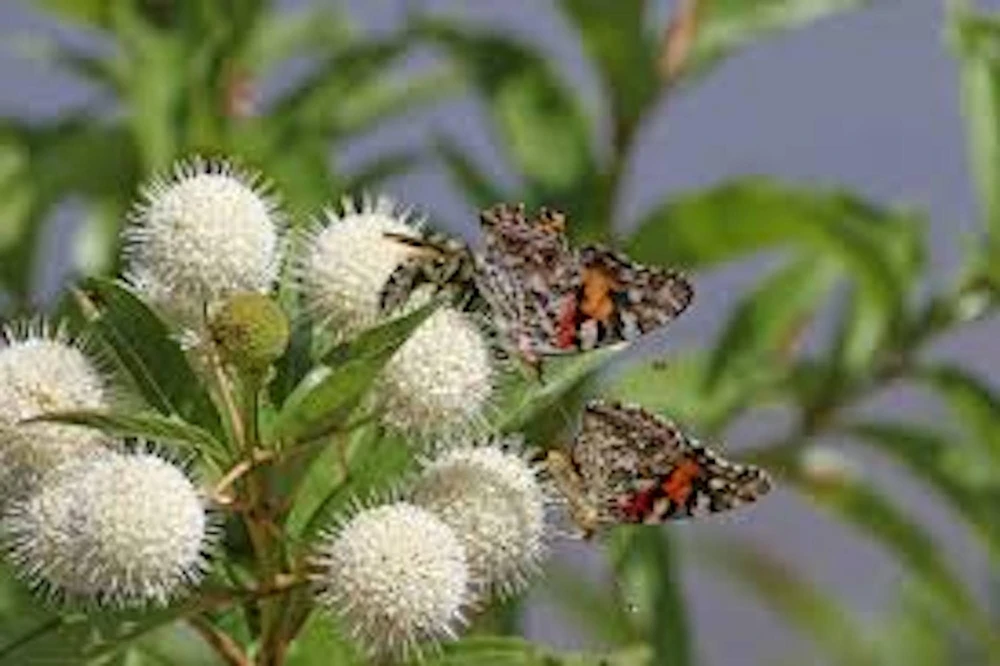
- Attracts Pollinators: The spherical, fragrant flowers of the buttonbush are a magnet for essential pollinators. Bees, butterflies, and hummingbirds are drawn to its nectar-rich blooms, significantly boosting biodiversity in your garden and supporting local ecosystems.
- Unique Ornamental Appeal: With its striking white, globe-like flower clusters and glossy green foliage, the buttonbush provides exceptional visual interest from summer through fall. These distinctive ‘buttons’ are unlike any other shrub, creating a focal point in any landscape design.
- Thrives in Wet Conditions: Unlike many plants, the Cephalanthus occidentalis shrub excels in moist to wet soil conditions, making it perfect for rain gardens, boggy areas, or along water features where other plants might struggle. It’s a reliable choice for challenging damp spots.
- Native and Low Maintenance: As a native wetland plant, the buttonbush is naturally adapted to local conditions, requiring minimal care once established. It’s resistant to many pests and diseases, making it an easy-to-grow option for busy gardeners.
- Wildlife Habitat: Beyond pollinators, the buttonbush provides shelter and food for various wildlife. Birds enjoy the persistent seed heads in winter, and the dense foliage offers cover, enhancing the ecological value of your garden.
- Erosion Control: Its robust root system helps stabilize soil, making it an excellent choice for preventing erosion along stream banks or sloped areas, especially in moisture-prone environments.
- Adaptable to Various Soils: While preferring wet conditions, this resilient shrub can adapt to a range of soil types, from sandy to clay, as long as moisture is consistently available, demonstrating its versatility as a native wetland plant.
Plant Care & Growing Tips
Caring for your buttonbush live plant is relatively straightforward, especially given its native resilience. This plant thrives with consistent moisture and ample sunlight, mimicking its natural habitat along riverbanks and wetlands. For optimal growth and prolific flowering, choose a location that receives full sun to partial shade. Full sun (at least 6 hours of direct sunlight daily) will encourage the most abundant blooms, while partial shade is acceptable, particularly in hotter climates where it can provide some relief from intense afternoon sun. Ensure the soil remains consistently moist, especially during dry spells or in its first year of establishment. While it tolerates occasional flooding, it does not do well in prolonged drought conditions without supplemental watering.
The ideal soil for a Cephalanthus occidentalis shrub is rich, organic, and consistently moist. It can adapt to a variety of soil types including clay, loam, and sand, provided there is adequate moisture. Good drainage is less of a concern for this plant due to its preference for wet feet. Fertilization is generally not necessary for established plants, especially if planted in rich, organic soil. If your soil is poor, a balanced slow-release fertilizer applied in early spring can be beneficial. Pruning can be done in late winter or early spring to maintain shape, remove dead or damaged branches, or to encourage a bushier growth habit. The buttonbush blooms on new wood, so pruning won’t sacrifice the current season’s flowers. This pollinator friendly shrub is generally pest and disease resistant, making it a robust choice for a low-maintenance garden.
This native wetland plant is hardy in USDA Zones 4-9. It can withstand a wide range of temperatures, but protection from extreme winter winds might be beneficial in the colder reaches of its zone. During the growing season, ensure it receives enough water, especially if it’s not in a naturally moist location. Mulching around the base of the plant can help retain soil moisture and suppress weeds. Regular watering during its first year is crucial for developing a strong root system. Once established, it becomes quite drought-tolerant, though it will perform best with consistent moisture. Understanding buttonbush care will ensure your plant flourishes and provides years of enjoyment.
Size & Details
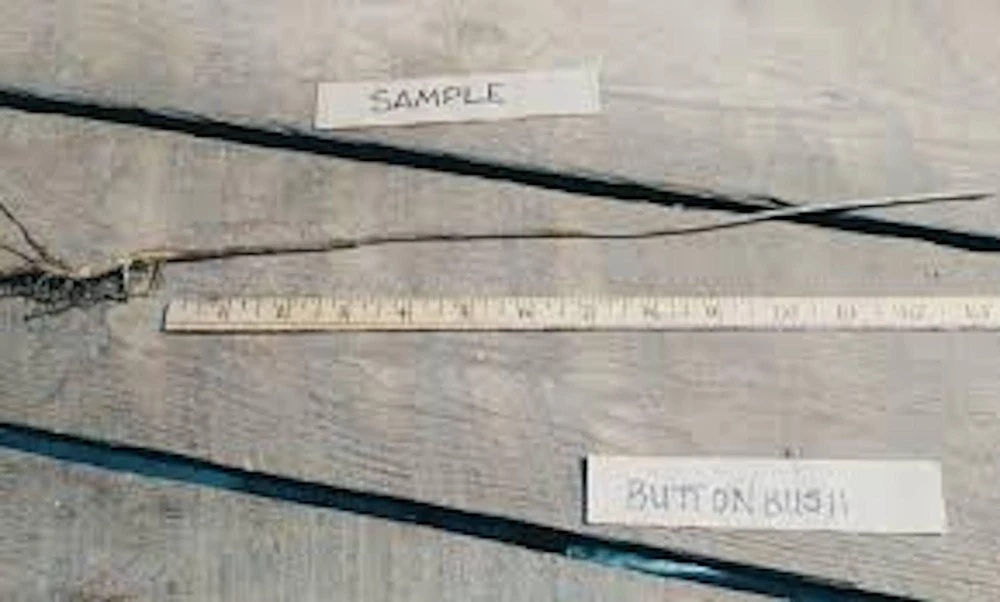
This offering is for a buttonbush live plant, which will arrive as a bare root shrub during the fall and winter months, and potted during the growing season. The plant will be approximately 12-24 inches (30-60 cm) in height upon arrival, ready for planting in your garden. This deciduous shrub typically grows to a mature height of 5-12 feet with a similar spread, creating a substantial presence in the landscape. Its growth rate is moderate, allowing it to establish quickly and begin producing its distinctive spherical flowers within a few seasons.
The Buttonbush is known for its relatively fast establishment, especially when provided with its preferred moist conditions. Expect to see significant growth and flowering within 1-2 years of planting. Its unique flower clusters, which emerge in summer, are a highlight, followed by attractive red-brown seed heads that add winter interest. This resilient Cephalanthus occidentalis shrub is a long-lived perennial, providing many years of beauty and ecological benefit to your garden. When planting, consider its mature size to ensure it has ample space to thrive.
Frequently Asked Questions
- Q: How big does this plant get? A: A buttonbush live plant typically grows to a mature height of 5-12 feet (1.5-3.6 meters) with a similar spread. Its size can vary depending on growing conditions and pruning.
- Q: Is this an indoor or outdoor plant? A: The buttonbush (Cephalanthus occidentalis) is an outdoor shrub. It is a native wetland plant that thrives in garden settings, especially in moist areas.
- Q: How much sunlight does it need? A: This shrub prefers full sun to partial shade. For the most abundant blooms, aim for at least 6 hours of direct sunlight per day.
- Q: Is this plant easy to care for? A: Yes, once established, the buttonbush is a relatively low-maintenance plant. Its natural resilience as a native species contributes to its ease of buttonbush care.
- Q: What condition will it arrive in? A: During fall and winter, it ships as a bare root shrub. In the growing season, it will ship in a pot, ready for transplanting.
- Q: How long until it blooms? A: You can typically expect the Cephalanthus occidentalis shrub to begin flowering within 1-2 years after planting, with blooms appearing in the summer months.
- Q: Will it survive winter in my zone? A: The buttonbush is hardy in USDA Zones 4-9, making it well-suited for a wide range of climates across the US.
- Q: Is this a good plant for attracting wildlife? A: Absolutely! It’s an excellent pollinator friendly shrub, attracting bees, butterflies, and hummingbirds with its fragrant flowers, and birds enjoy its winter seed heads.
- Q: What type of soil does it prefer? A: It thrives in consistently moist to wet, rich, organic soils. It can tolerate various soil types, including clay, loam, and sand, as long as moisture is present.
- Q: Can I prune the buttonbush? A: Yes, you can prune the buttonbush in late winter or early spring to shape it or remove any dead/damaged branches. It blooms on new wood, so pruning won’t affect summer flowers.
Be the first to review “Buttonbush Live Plant – Cephalanthus occidentalis Shrub – 12-24in Tall – Bare Root or Potted”
People Also Viewed
Vegetable Seeds
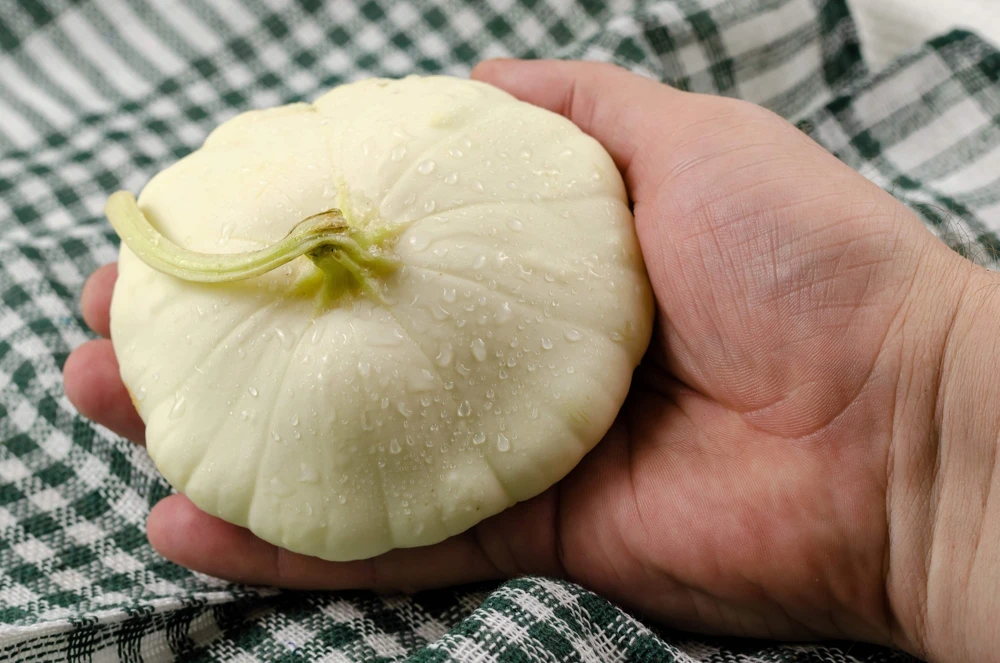
50 White Bush Scallop Squash Seeds – Patty Pan Summer Vegetable
Vegetable Seeds
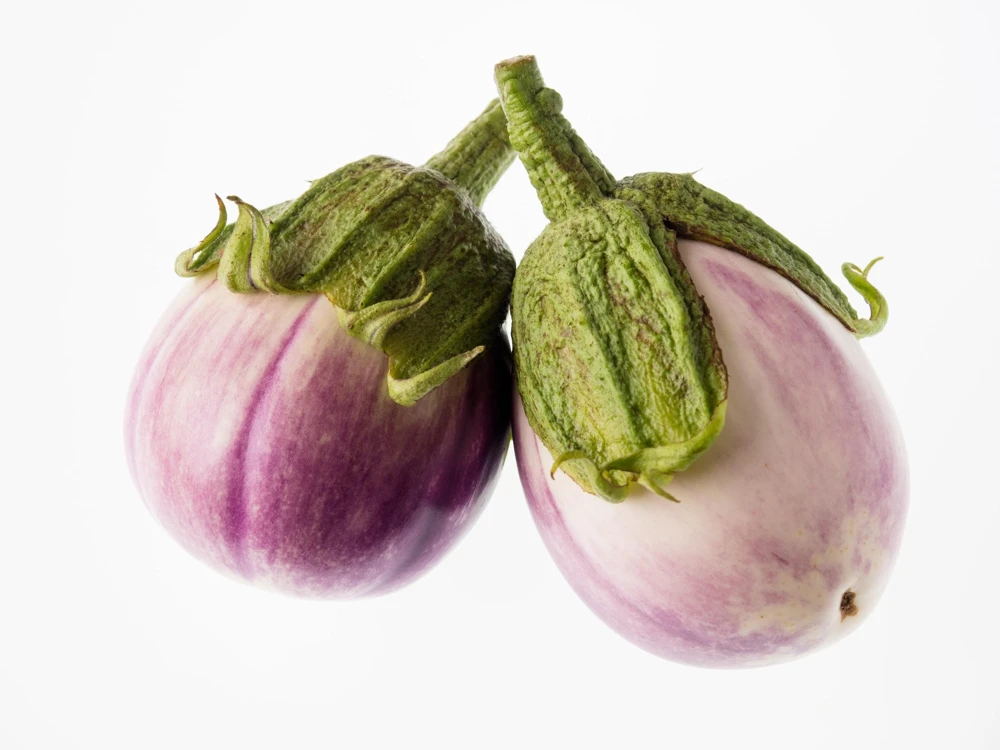
Organic Italian Eggplant Rosa Bianca Seeds – 50 Count – White & Purple Heirloom Vegetable
Reviews
There are no reviews yet.