
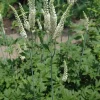
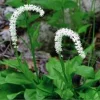
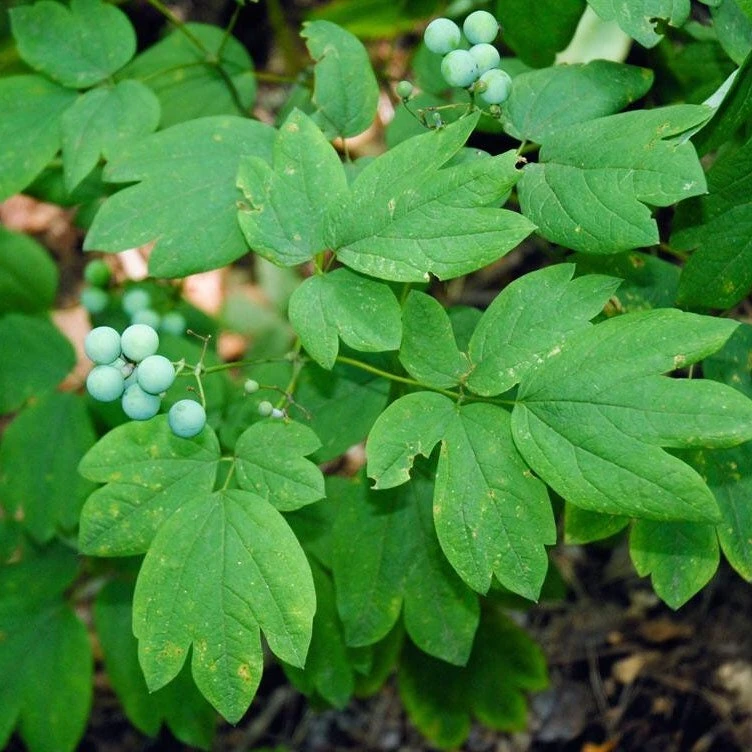
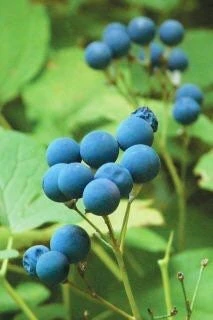
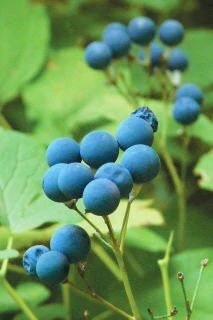
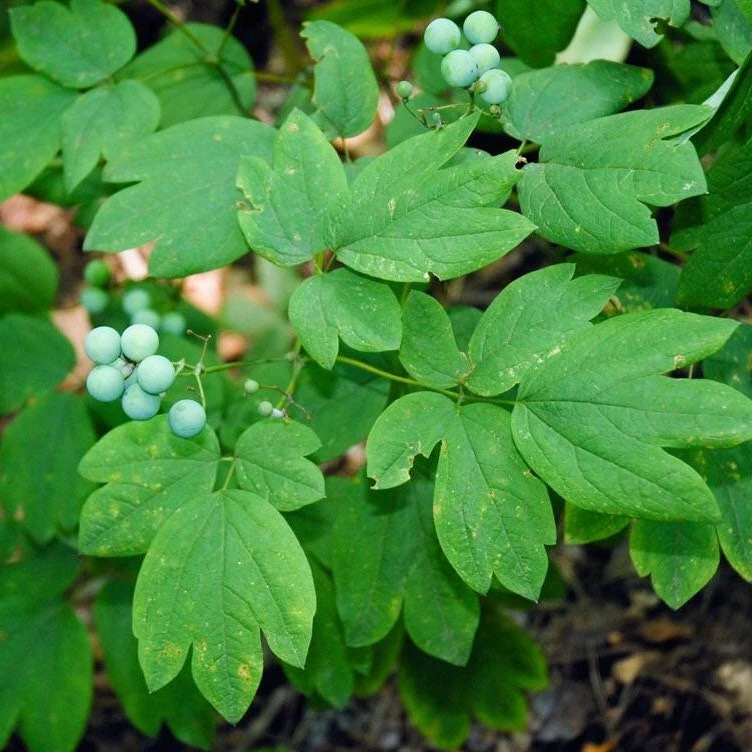
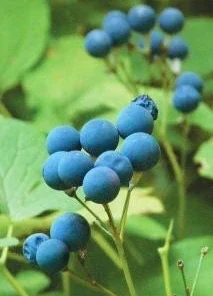
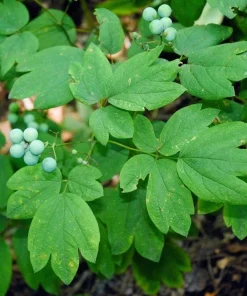
15 Blue Cohosh Bare Root Plants – Caulophyllum Thalictroides Organic Wildflower Perennial
Original price was: $79.99.$54.99Current price is: $54.99.
Plant a vibrant native garden with 15 Blue Cohosh bare root plants. These organic perennial plants (Caulophyllum Thalictroides) are ideal for shaded areas, offering unique blue berries and early spring foliage. Perfect for attracting local wildlife and enhancing natural landscapes.
Estimated arrival
Sep 29
Oct 04 - Oct 06
Oct 09 - Oct 13
Shop With Confidence
30-Day Plant Health Guarantee
Arrives damaged? We’ll replace it free — see our return policy.
Responsive Support
Email us anytime, we reply within 1 business day.
Expert Packaging
Temperature-controlled shipping to protect your plants in transit.
Secure Checkout
Pay safely with Visa, Mastercard, PayPal.
Plant Specifications
-
USDA Hardiness Zone
USDA Zones 3-8 -
Soil Type
Rich, moist, well-draining soil -
Sunlight Exposure
Partial to full shade -
Expected Planting Period
Early spring or fall
Overview
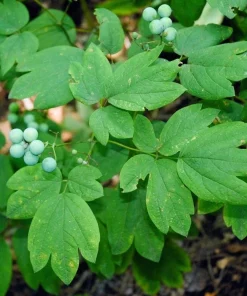
Introduce a touch of native beauty to your garden with these 15 Blue Cohosh bare root plants. Scientifically known as Caulophyllum Thalictroides, Blue Cohosh is a captivating perennial wildflower celebrated for its unique blue berries and delicate, fern-like foliage. This offering includes 15 organically grown bare root plants, carefully harvested per order to ensure maximum freshness and viability upon arrival. Ideal for establishing a naturalized garden, woodland setting, or a shaded border, Blue Cohosh brings early spring interest and a distinctive aesthetic. It’s a fantastic choice for gardeners looking to support local ecosystems and integrate beautiful, low-maintenance native species into their landscape. Each order comes with detailed planting instructions, guiding you to successfully establish your new blue cohosh plant collection.
The blue cohosh plant is a resilient and beautiful addition to any native plant enthusiast’s collection. Thriving in the understory of forests, it’s perfectly adapted to shaded environments, making it an excellent groundcover or accent plant where other sun-loving species might struggle. These organic perennial plants not only enhance the visual appeal of your garden but also provide ecological benefits, attracting pollinators and offering a food source for birds with their striking blue berries. By choosing these bare root plants, you’re investing in a robust foundation for a thriving, sustainable garden.
Key Benefits
Cultivating blue cohosh bare root plants offers numerous advantages for both your garden and the environment. These native wildflowers are incredibly versatile and contribute significantly to biodiversity.
- Native Ecosystem Support: As a native wildflower plant, Blue Cohosh helps restore natural habitats and supports local wildlife, including pollinators and birds who feed on its berries. Integrating native species like Caulophyllum Thalictroides is crucial for ecological balance.
- Shade Loving Perennial: Thrives in shaded and woodland conditions, making it an excellent choice for difficult-to-plant areas under trees or on the north side of buildings where many other plants fail to flourish.
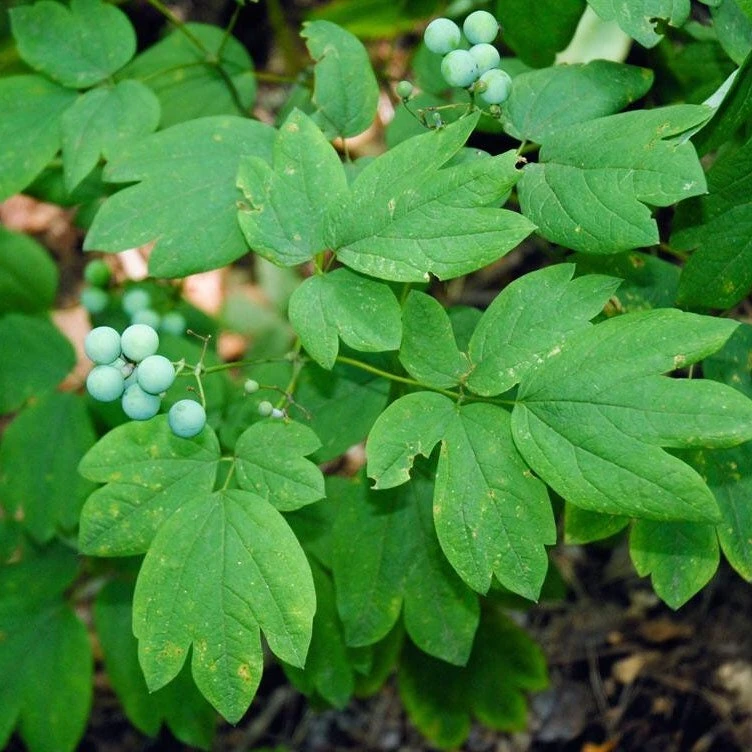
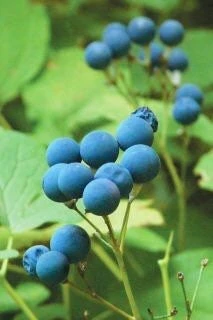
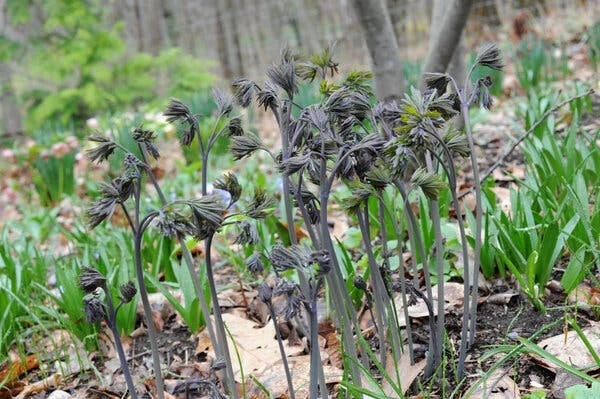
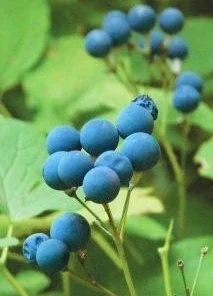
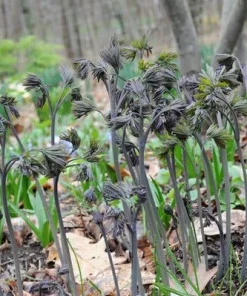
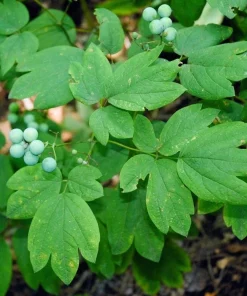
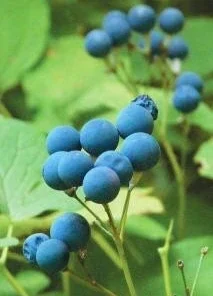
- Unique Aesthetic Appeal: Features attractive, fern-like foliage in spring, followed by distinctive blue berries in late summer, providing visual interest throughout multiple seasons. The berries are particularly striking against the green leaves.
- Low Maintenance: Once established, this organic perennial plant requires minimal care, making it suitable for busy gardeners or those new to native plant cultivation. It is naturally resistant to many pests and diseases.
- Organically Grown: These plants are grown organically, ensuring they are free from harmful pesticides and chemicals, contributing to a healthier garden and environment. This commitment to organic practices supports robust plant growth.
- Erosion Control: Its spreading root system can help stabilize soil on slopes and prevent erosion, particularly in woodland settings. The dense root network is beneficial for soil health and structure.
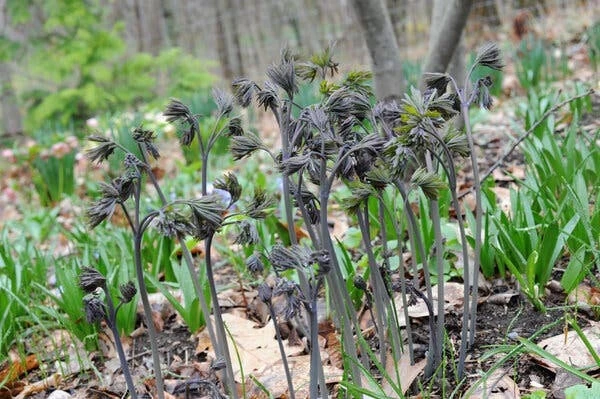
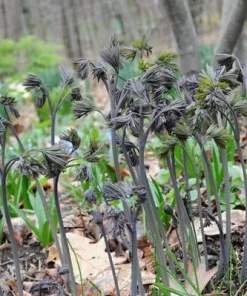
- Early Spring Interest: Blue Cohosh emerges early in spring, often before many other plants, providing a welcome splash of green and unique growth forms as the garden awakens.
Plant Care & Growing Tips
Successfully growing your blue cohosh bare root plants is straightforward with the right approach. These plants are remarkably resilient once established, but a good start is key. When you receive your caulophyllum thalictroides bare roots, it’s best to plant them as soon as possible. If immediate planting isn’t feasible, keep them cool and slightly moist. Dig a hole wide enough to accommodate the roots spread out, and deep enough so the crown of the plant is just at soil level.
Sunlight Requirements: Blue Cohosh prefers partial to full shade. It thrives in the dappled light found under deciduous trees or in areas that receive only morning sun. Avoid direct, intense afternoon sun, which can scorch its delicate foliage. For optimal growth and berry production, aim for at least 3-4 hours of indirect sunlight or filtered light daily. These conditions mimic its natural woodland habitat.
Watering and Soil: This native wildflower plant prefers consistently moist but well-draining soil. It does not tolerate soggy conditions, which can lead to root rot. A rich, organic soil with a slightly acidic to neutral pH is ideal. Incorporate plenty of compost or leaf mold into the planting area to improve soil structure and moisture retention. Water regularly during dry spells, especially in the first year after planting, to help the plant establish a strong root system. Once established, it is fairly drought-tolerant but will benefit from occasional watering during prolonged dry periods.
Temperature and Hardiness: Blue Cohosh is hardy in USDA zones 3-8, making it suitable for a wide range of climates. It is very cold-tolerant and requires a period of winter dormancy. No special winter protection is typically needed within its hardiness zones. Fertilization is generally not required if planted in rich, organic soil. If your soil is poor, a light application of a balanced, slow-release organic fertilizer in early spring can be beneficial. Watch for slugs and snails, which can sometimes be an issue in moist, shaded environments; organic slug baits can be used if necessary.
Size & Details
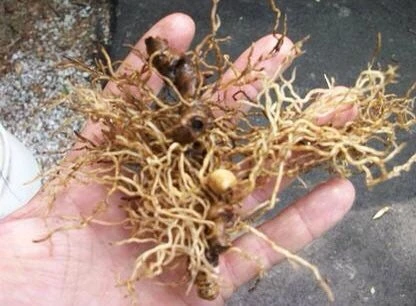
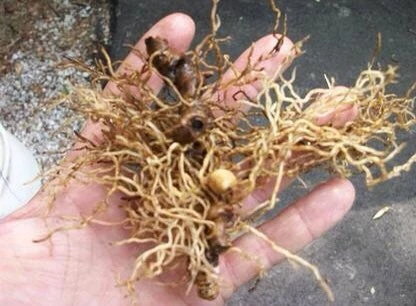
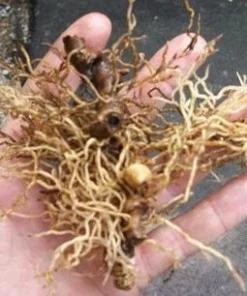
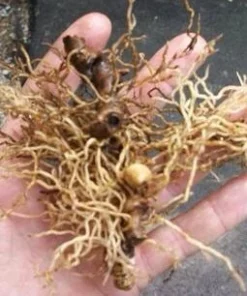
Each order includes 15 Blue Cohosh bare root plants, ready for planting. These bare roots are harvested fresh per order to ensure optimal vitality and are shipped without foliage or a pot. Upon planting, the roots will quickly begin to establish themselves, and foliage will emerge in the spring. Mature caulophyllum thalictroides plants typically reach a height of 1-3 feet with a similar spread, forming attractive clumps over time. The growth rate is moderate, with plants establishing well within the first season and reaching full maturity within 2-3 years.
These organic perennial plants are an excellent investment for long-term garden beauty. Expect to see the characteristic blue berries develop in late summer, following small, yellowish-green flowers in early spring. The plants are robust and designed to thrive in their preferred shaded conditions, becoming a reliable and beautiful part of your landscape for many years. Detailed planting instructions are provided with every order to guide you through the initial setup process, ensuring your blue cohosh plant has the best possible start.
Frequently Asked Questions
- Q: How big will my Blue Cohosh plants get? A: Mature blue cohosh plant specimens typically grow to be 1-3 feet tall and wide, forming an attractive clump. Their size can vary slightly depending on growing conditions and soil richness.
- Q: Is this an indoor or outdoor plant? A: Blue Cohosh is primarily an outdoor plant, native to woodland environments. It thrives in shaded garden beds, naturalized areas, or woodland gardens and is not suited for indoor cultivation.
- Q: How much sunlight does Blue Cohosh need? A: This native wildflower plant prefers partial to full shade. It does best with dappled sunlight throughout the day or morning sun with protection from harsh afternoon rays.
- Q: What condition will the bare roots arrive in? A: Your 15 Blue Cohosh bare root plants will arrive freshly harvested, dormant, and without foliage or a pot. They are carefully packaged to maintain moisture and viability during transit.
- Q: When is the best time to plant Blue Cohosh bare roots? A: The best time to plant blue cohosh bare root plants is in early spring or fall when the weather is cool and moist. This allows the roots to establish before extreme temperatures set in.
- Q: Are the blue berries edible? A: No, the blue berries of Caulophyllum Thalictroides are not considered edible for humans and should not be consumed. They are primarily ornamental and provide food for wildlife.
- Q: Is Blue Cohosh easy to care for? A: Yes, once established in the right conditions (shade and moist, well-draining soil), organic perennial plants like Blue Cohosh are quite low-maintenance. They are resilient and generally pest-free.
- Q: What USDA Hardiness Zones are suitable for Blue Cohosh? A: Blue Cohosh is hardy in USDA Zones 3-8. It is well-adapted to cold winters and thrives in temperate climates within this range.
- Q: How long does it take for Blue Cohosh to establish and produce berries? A: Blue Cohosh bare roots will typically establish and produce foliage in their first year. Berry production usually begins in the second or third year after planting, once the plant has fully matured.
- Q: What type of soil does Caulophyllum Thalictroides prefer? A: This plant thrives in rich, consistently moist, and well-draining soil. Amending with organic matter like compost or leaf mold is highly beneficial.
Be the first to review “15 Blue Cohosh Bare Root Plants – Caulophyllum Thalictroides Organic Wildflower Perennial”
People Also Viewed
Vegetable Seeds
25 Jimmy Nardello Pepper Seeds – Sweet Red Italian Frying Pepper
Reviews
There are no reviews yet.