
Hackberry Tree Live Plant – Sugar Berry Tree (Celtis occidentalis) – 12-24″ Tall
Original price was: $123.99.$98.99Current price is: $98.99.
Cultivate a resilient Hackberry tree live plant (Celtis occidentalis), a versatile deciduous tree known for its rapid growth and adaptability. Perfect for creating shade and attracting wildlife, this Sugarberry tree care is minimal once established. Enjoy its distinctive bark and small, sweet berries.
Estimated arrival
Sep 29
Oct 04 - Oct 06
Oct 09 - Oct 13
Shop With Confidence
30-Day Plant Health Guarantee
Arrives damaged? We’ll replace it free — see our return policy.
Responsive Support
Email us anytime, we reply within 1 business day.
Expert Packaging
Temperature-controlled shipping to protect your plants in transit.
Secure Checkout
Pay safely with Visa, Mastercard, PayPal.
Plant Specifications
-
USDA Hardiness Zone
3-9 -
Soil Type
Well-drained, rich, moist soils -
Sunlight Exposure
Full sun to partial shade -
Expected Planting Period
Spring to early summer
Overview
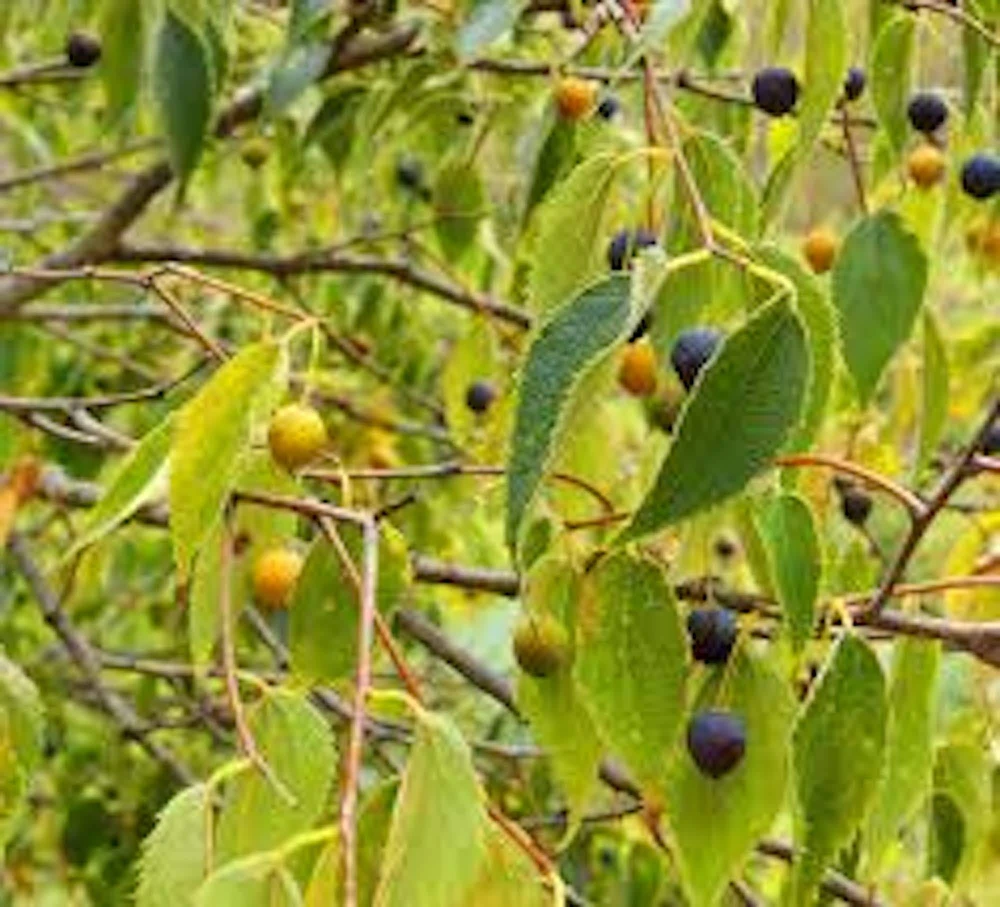
Introduce a robust and adaptable specimen to your landscape with this Hackberry tree live plant. Also widely known as the Sugarberry, False Elm, Nettle tree, or Beaverwood, its botanical name is Celtis occidentalis. This deciduous tree is a fantastic choice for a variety of settings, offering both aesthetic appeal and ecological benefits. Originating from North America, the Hackberry tree live plant is celebrated for its distinctive warty bark, strong wood, and small, sweet, edible berries that are a favorite among birds and other wildlife. It’s an excellent option for those seeking a low-maintenance, drought-tolerant tree that thrives in urban environments and diverse soil conditions, making it a truly versatile addition to any garden or park.
Whether you’re looking to establish a new shade tree, attract local fauna, or simply enjoy a native species with unique characteristics, the Hackberry is an outstanding choice. Its resilience and ability to withstand challenging conditions make it a popular pick among landscapers and home gardeners alike. This particular offering provides a healthy, young Hackberry tree live plant, ready to establish itself and grow into a magnificent mature specimen, enhancing your outdoor space for years to come.
Key Benefits
The Hackberry tree live plant offers a multitude of benefits, making it a highly desirable addition to many landscapes. Its adaptability and ecological value are just a few reasons why it’s a popular choice for gardeners and nature enthusiasts.
- Exceptional Adaptability: The Hackberry tree live plant is remarkably tolerant of a wide range of conditions, including various soil types (from moist to dry), urban pollution, and periods of drought. This makes it an ideal tree for challenging environments and diverse climates.
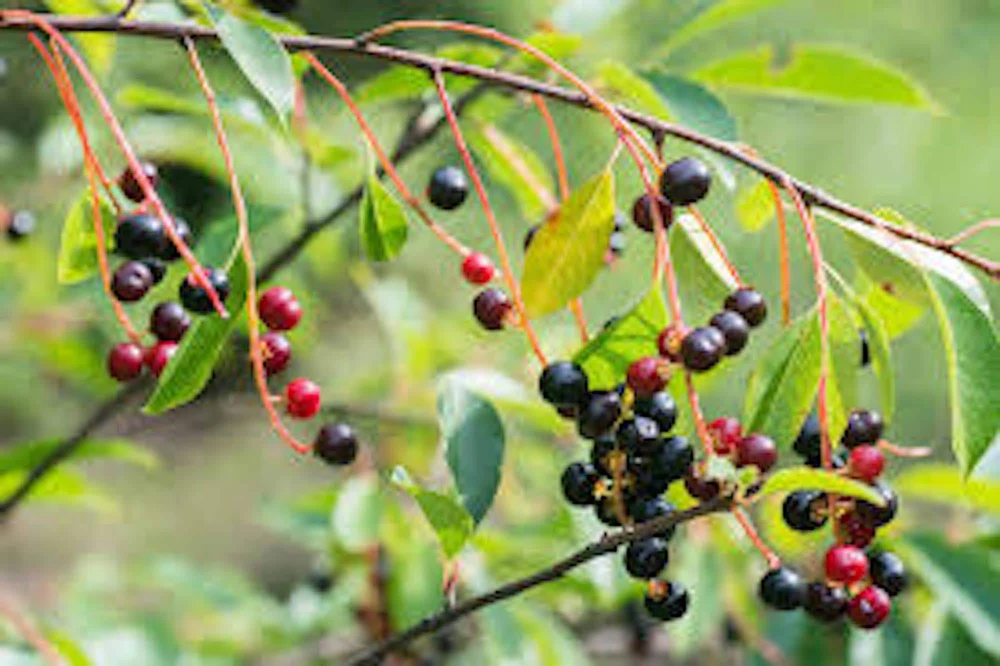
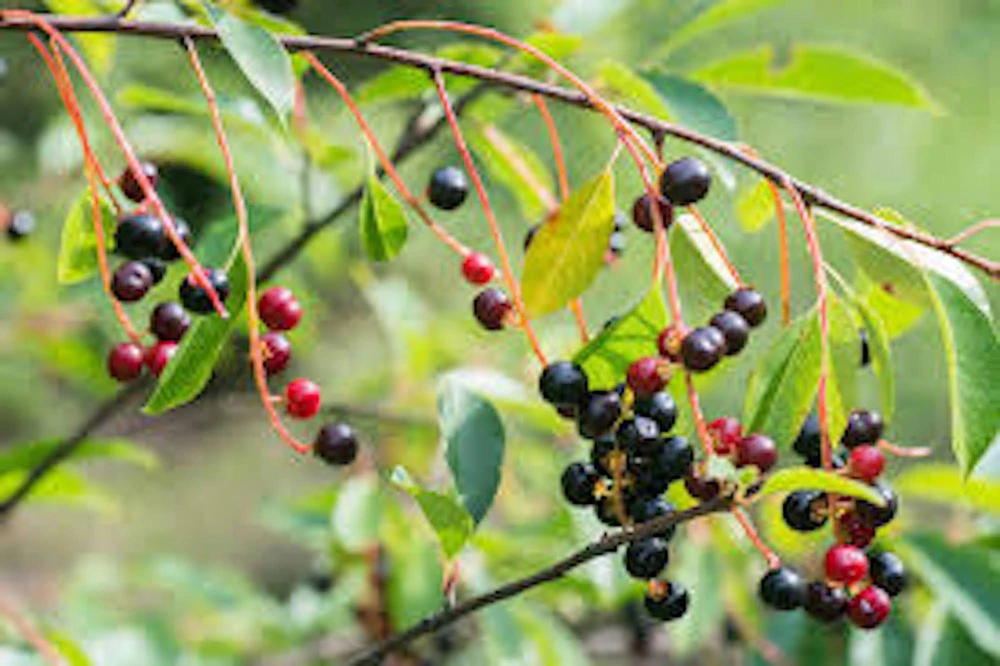
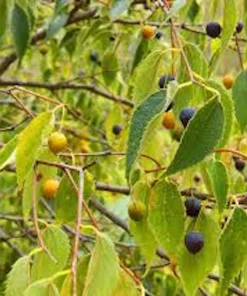
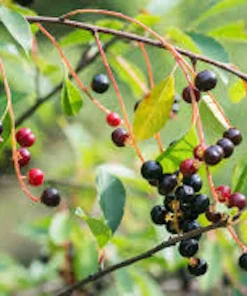
- Wildlife Attraction: The small, purplish berries produced by the Hackberry are a crucial food source for many bird species, including cedar waxwings and robins, as well as other small mammals. It also serves as a host plant for several butterfly species, contributing to biodiversity.
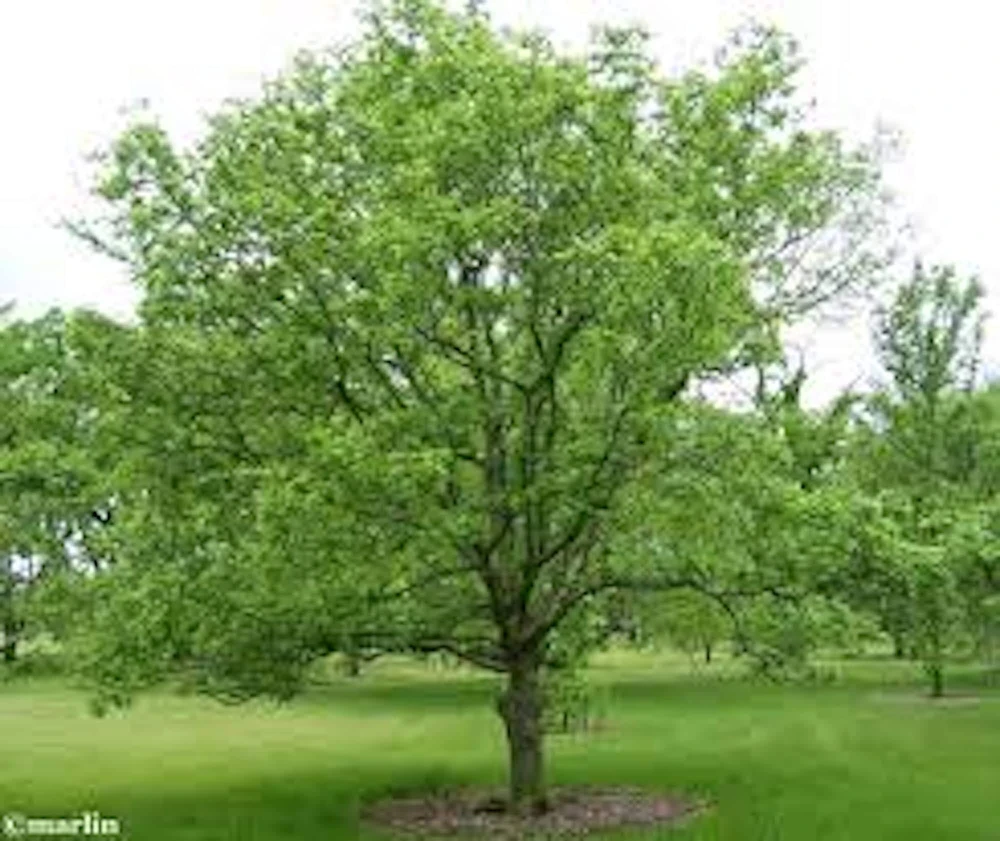
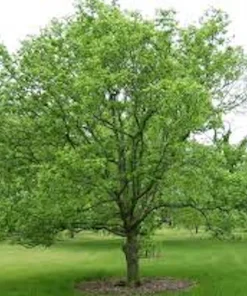
- Shade and Structure: With a mature size typically reaching 40-60 feet tall, the Hackberry provides excellent shade, helping to cool homes and outdoor spaces during warmer months. Its upright, spreading branches create a beautiful, rounded crown.
- Unique Bark Texture: One of the most distinctive features of the Hackberry is its corky, warty bark, which adds significant visual interest to the landscape, particularly in winter when leaves have fallen. This unique texture makes it stand out among other deciduous trees.
- Drought Tolerance: Once established, the Hackberry tree live plant is highly drought-tolerant, requiring minimal supplemental watering. This makes it a sustainable choice for water-conscious gardening and regions with drier climates.
- Low Maintenance: This tree generally requires minimal pruning and is not prone to serious pest or disease issues, making Sugarberry tree care relatively easy. It’s a great option for those seeking a beautiful tree without extensive upkeep.
- Urban Resiliency: Its ability to thrive in urban settings, tolerating compacted soil and air pollution, makes it an excellent street tree or park tree, contributing to green infrastructure in cities. Consider hackberry landscaping for challenging urban sites.
Plant Care & Growing Tips
Proper care ensures your Hackberry tree live plant establishes well and thrives for many years. While known for its resilience, providing optimal conditions during its initial growth stages will promote a strong, healthy tree. The Celtis occidentalis for sale is a hardy tree, but understanding its specific needs will help it reach its full potential.
For sunlight, the Common Hackberry prefers full sun, meaning at least 6 hours of direct sunlight per day. However, it is quite adaptable and can tolerate partial shade, especially in hotter climates. When it comes to soil, this tree is not particularly fussy, growing in a wide range of soil types from moist to dry. For best results and robust growth, it prefers well-drained, rich, and moist soils. Ensure good drainage to prevent root rot, particularly in younger trees. Watering should be regular during the first year of establishment, keeping the soil consistently moist but not waterlogged. Once established, the tree becomes highly drought-tolerant and typically only needs watering during extended dry periods. For mature trees, native hackberry tree often only needs natural rainfall.
The Hackberry tree live plant is incredibly hardy, thriving in USDA Hardiness Zones 3-9. It can withstand a broad range of temperatures, from very cold winters to hot summers. Fertilization is generally not necessary for established trees in good soil. For young trees or those in poor soil, a balanced, slow-release fertilizer can be applied in early spring. Pruning is usually limited to removing dead, diseased, or crossing branches to maintain a strong structure and healthy canopy. Common problems are few, but watch for powdery mildew in humid conditions or occasional pest issues like hackberry nipple gall, which are mostly cosmetic and rarely harmful to the tree’s overall health. Learning good Sugarberry tree care will help you avoid most issues.
Size & Details
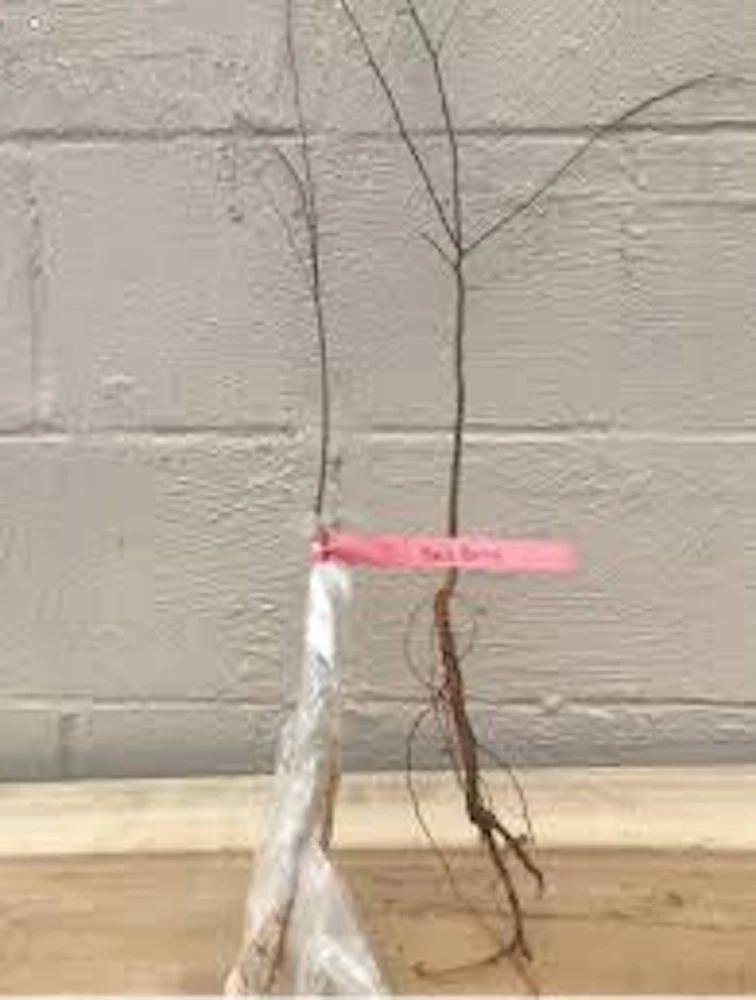
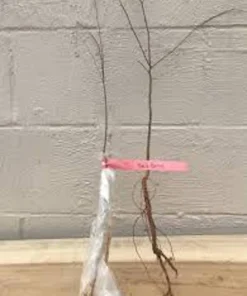
This offering includes Hackberry tree live plant specimens, typically measuring 12-24 inches tall at the time of shipping. These young trees are grown in quart pots, providing a healthy root system ready for transplanting into your garden. The Hackberry (Celtis occidentalis) is a fast-growing deciduous tree that matures into an impressive size. It typically grows 40-60 feet (12-18 meters) tall, with some specimens occasionally exceeding this height. The tree develops a round crown and upright, spreading branches, creating a magnificent silhouette in the landscape. The trunk diameter can reach 1-4 feet (0.3-1.3 meters) wide at maturity.
These trees are shipped bare root, carefully prepared to ensure their health during transit. While they arrive without pots, their robust nature allows them to quickly establish once planted in their permanent location. Expect vigorous growth once planted, with the tree rapidly gaining height and spread. The Hackberry is a long-lived species, providing decades of beauty and environmental benefits. When considering hackberry landscaping, plan for its mature size to ensure adequate space for its growth.
Frequently Asked Questions
- Q: How big does this plant get? A: The Hackberry tree live plant typically grows 40-60 feet tall with a round crown and spreading branches. Its trunk can reach 1-4 feet in diameter at maturity.
- Q: What size pot does it come in? A: The trees are shipped as bare root plants, originating from quart pots, meaning they will arrive without a pot and are ready for immediate planting.
- Q: Is this an indoor or outdoor plant? A: The Hackberry tree (Celtis occidentalis) is an outdoor deciduous tree, ideal for landscaping, providing shade, and attracting wildlife. It is not suitable for indoor cultivation.
- Q: How much sunlight does it need? A: This tree thrives in full sun (at least 6 hours of direct sunlight daily) but can tolerate partial shade. For optimal growth, aim for as much sun as possible.
- Q: Is this plant easy to care for? A: Yes, the Hackberry is known for its low maintenance and adaptability. Once established, Sugarberry tree care is minimal, making it an excellent choice for beginners and busy gardeners.
- Q: What condition will it arrive in? A: Your Celtis occidentalis for sale will arrive as a healthy bare root plant, carefully packaged to ensure its well-being during transit, ready for planting.
- Q: How long until it produces berries? A: Hackberry trees typically begin producing berries within 5-10 years after planting, with fruit production increasing as the tree matures.
- Q: What’s the minimum temperature it can tolerate? A: The Hackberry is very cold hardy, suitable for USDA Zones 3-9, meaning it can withstand winter temperatures well below freezing. This makes it a great choice for a native hackberry tree in many regions.
- Q: Can I use it for landscaping? A: Absolutely! Its adaptability, shade provision, and wildlife benefits make it an excellent choice for hackberry landscaping in residential yards, parks, and urban environments.
- Q: What kind of soil does it prefer? A: While adaptable to various soils, the Hackberry prefers well-drained, rich, and moist soils for best growth. It tolerates both moist and dry conditions once established.
Be the first to review “Hackberry Tree Live Plant – Sugar Berry Tree (Celtis occidentalis) – 12-24″ Tall”
People Also Viewed

Tree Seeds
Fraser Fir Christmas Tree Seeds – Abies Fraseri – 20 Seed Packet – Grow Your Own Holiday Tree
Houseplants
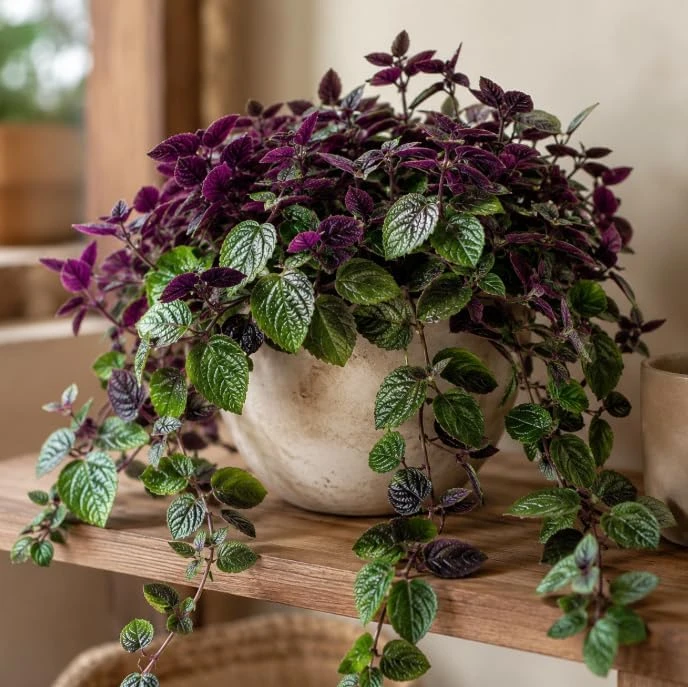
Purple Swedish Ivy Live Plant, 2 Plants in 4-Inch Pot, 3-6 Inch Tall Trailing Houseplant
Reviews
There are no reviews yet.