
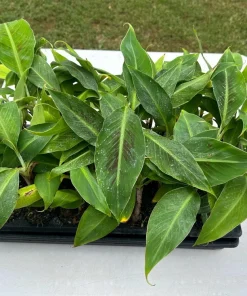
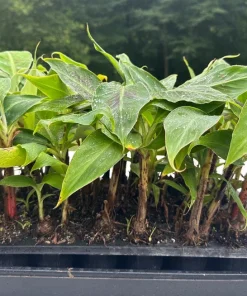
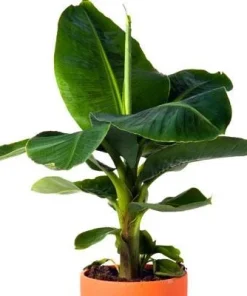
Dwarf Cavendish Banana Plant – Cold Hardy Tropical Fruit Tree – Live Bare Root
Original price was: $69.99.$44.99Current price is: $44.99.
Bring a touch of the tropics to your home with the dwarf cavendish banana plant. This cold hardy banana tree is perfect for patios or in-ground planting, offering delicious fruit and lush foliage. It’s an easy-to-grow tropical fruit tree that thrives in various climates.
Estimated arrival
Sep 29
Oct 04 - Oct 06
Oct 09 - Oct 13
Shop With Confidence
30-Day Plant Health Guarantee
Arrives damaged? We’ll replace it free — see our return policy.
Responsive Support
Email us anytime, we reply within 1 business day.
Expert Packaging
Temperature-controlled shipping to protect your plants in transit.
Secure Checkout
Pay safely with Visa, Mastercard, PayPal.
Plant Specifications
-
USDA Hardiness Zone
USDA zones 5-11 (with winter protection in cooler zones) -
Soil Type
Rich, well-draining soil -
Sunlight Exposure
Full sun (6-8 hours direct light) -
Expected Planting Period
Spring to early summer
Overview
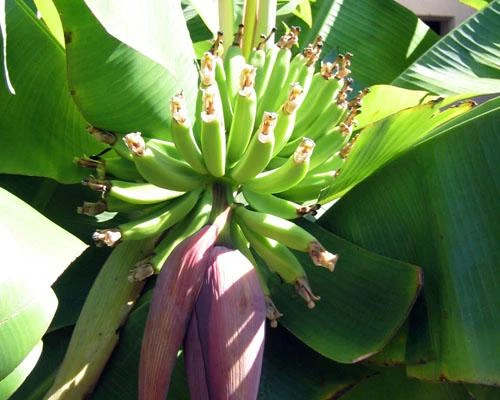
Experience the joy of growing your own tropical fruit with the dwarf cavendish banana plant. This remarkable plant, scientifically known as Musa acuminata ‘Dwarf Cavendish’, is a popular choice for both seasoned gardeners and beginners alike. Unlike its larger relatives, the dwarf cavendish banana plant remains compact, making it an ideal candidate for container gardening on patios or as an attractive addition to your landscape. It’s a true tropical fruit tree that brings exotic flair and the promise of sweet, homegrown bananas right to your doorstep. Despite its tropical origins, this variety boasts a surprising degree of cold hardiness, allowing it to flourish in a wider range of USDA zones.
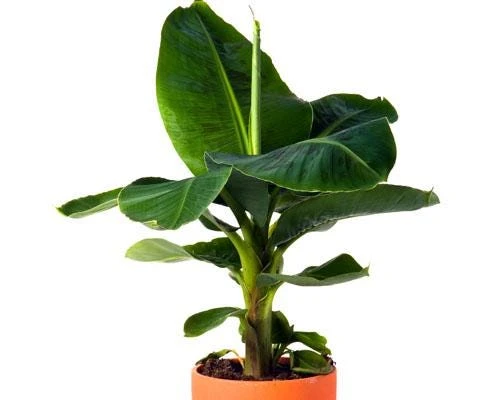
The Dwarf Cavendish is celebrated for its manageable size, typically reaching 5 to 7 feet tall when planted in the ground, and even smaller in pots. Its vibrant green leaves can grow up to 4 feet long, creating a lush, tropical ambiance. This self-fertile variety ensures a bountiful harvest, simplifying the growing process for enthusiasts. Whether you’re looking to enhance your garden’s aesthetic or enjoy fresh, nutritious fruit, the dwarf cavendish banana plant offers a rewarding and beautiful solution.
Key Benefits
The dwarf cavendish banana plant offers a multitude of benefits, making it a highly desirable addition to any garden or patio. Its unique characteristics provide both aesthetic appeal and practical advantages for the home grower.
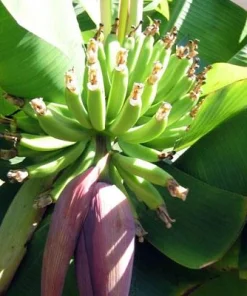
- Homegrown Tropical Fruit: Enjoy a continuous supply of fresh, sweet bananas directly from your garden. There’s nothing quite like the taste of fruit ripened on the plant.
- Compact Size for Versatility: Its dwarf stature allows for cultivation in smaller spaces, including containers on patios, balconies, or even indoors during colder months. This makes it a perfect cold hardy banana tree for diverse living situations.
- Stunning Ornamental Value: The large, vibrant green leaves create a dramatic, tropical focal point in any landscape, enhancing the beauty of poolsides, patios, or garden beds.
- Nutritional Powerhouse: Indulge in bananas rich in vitamins, minerals, and dietary fiber, contributing to gut health, heart health, and overall well-being.
- Self-Fertile & Productive: A single dwarf cavendish banana plant is all you need to produce a generous harvest of bananas, simplifying the pollination process and ensuring fruit production.
- Low Maintenance & Resilient: Known for its ease of care, this plant exhibits good drought tolerance and minimal issues with pests and diseases, making it suitable for gardeners of all skill levels.
- Adaptable to Various Climates: While thriving in warmer zones, its ability to be grown as a patio plant and moved indoors for winter extends its reach to cooler climates, making it a truly versatile musa cavendish.
Plant Care & Growing Tips
Caring for your dwarf cavendish banana plant is relatively straightforward, allowing you to enjoy its tropical beauty and delicious fruit with ease. Understanding its specific needs will ensure a healthy and productive plant. This cold hardy banana tree can adapt to a range of conditions, but optimal care will yield the best results.
Sunlight Requirements: The dwarf cavendish banana plant thrives in full sun, requiring at least 6-8 hours of direct sunlight daily for robust growth and fruit production. If growing indoors, place it near a south-facing window or use supplemental grow lights. In extremely hot climates, some afternoon shade can prevent leaf scorch. Watering Schedule: Banana plants are thirsty. Water deeply and regularly, especially during warm weather and active growth periods. The soil should remain consistently moist but not waterlogged. Allow the top inch of soil to dry slightly between waterings. Reduce watering frequency during cooler months or when the plant is dormant. Soil Type and Drainage: A rich, well-draining soil mix is crucial. A blend of potting mix, compost, and perlite or sand works well. Ensure containers have adequate drainage holes to prevent root rot. Banana plants prefer slightly acidic to neutral soil (pH 6.0-7.0).
Temperature Range and USDA Hardiness Zone: While considered a cold hardy banana tree, the Dwarf Cavendish is ideally suited for USDA growing zones 5 to 11 when moved indoors during winter in cooler zones. It prefers temperatures between 60-90°F (15-32°C). Protect it from frost, relocating patio plants indoors when temperatures drop below 40°F (4°C). Fertilization: Banana plants are heavy feeders. Fertilize regularly during the growing season (spring through fall) with a balanced, slow-release fertilizer or a liquid feed high in potassium. Follow product instructions for dosage and frequency. Common Problems: Watch for common pests like spider mites or aphids, treating with horticultural oil or insecticidal soap if necessary. Ensure good air circulation to prevent fungal issues. Yellowing leaves can indicate overwatering or nutrient deficiencies.
Size & Details
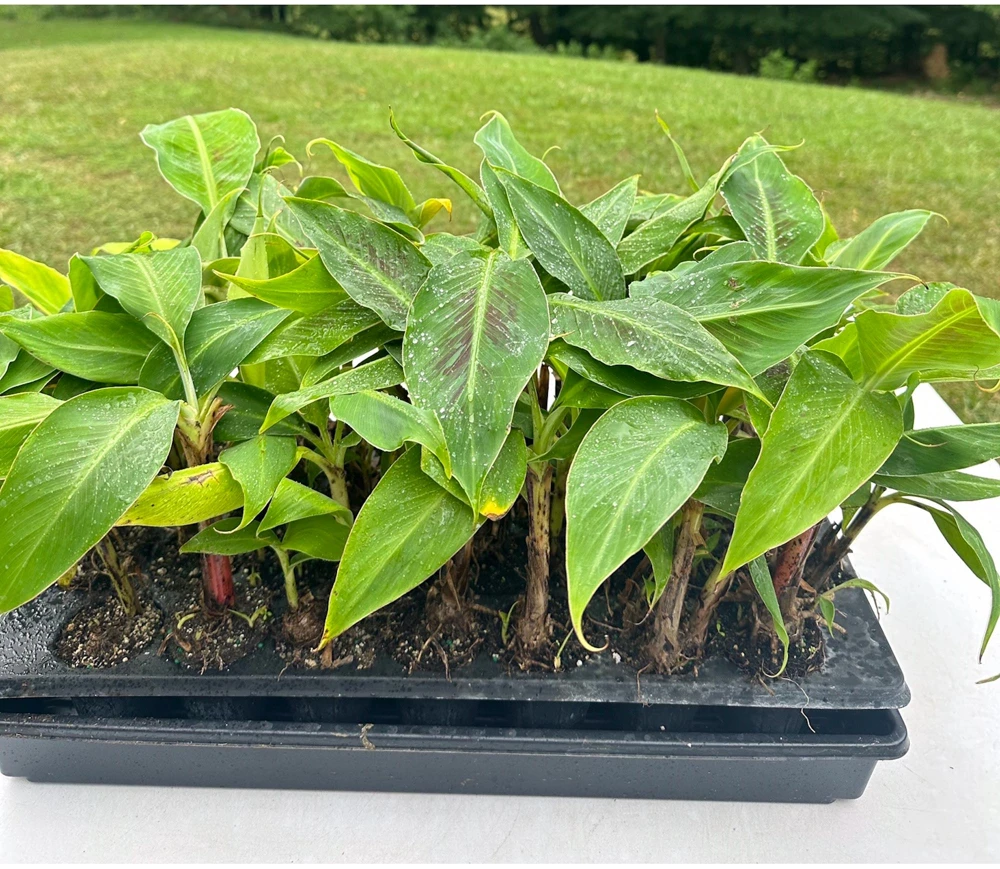
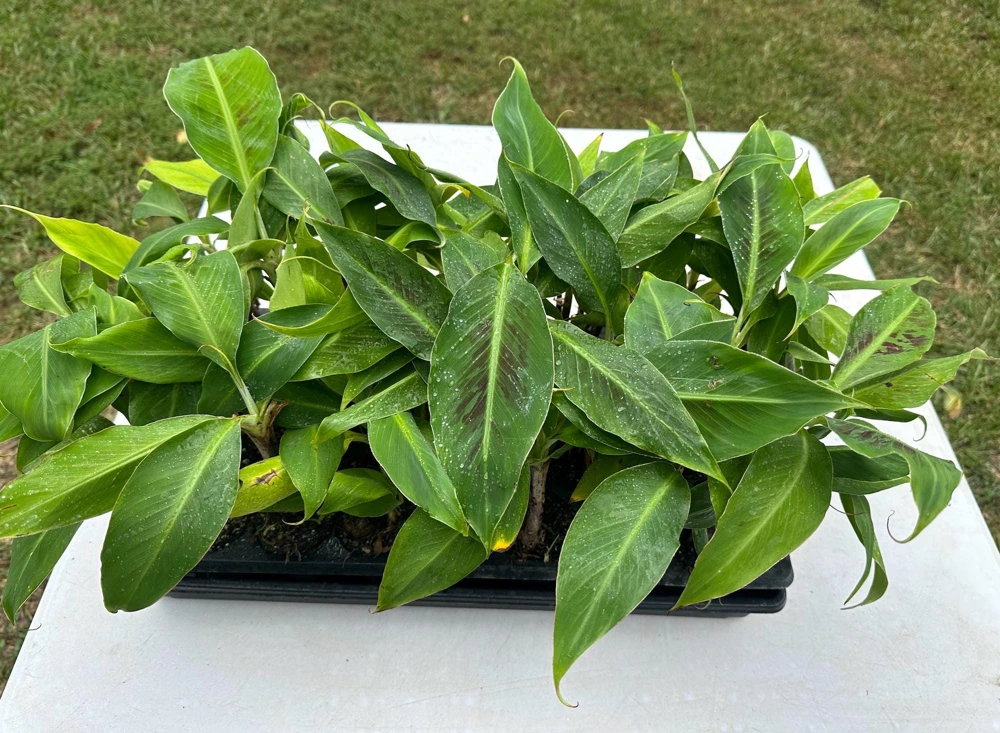
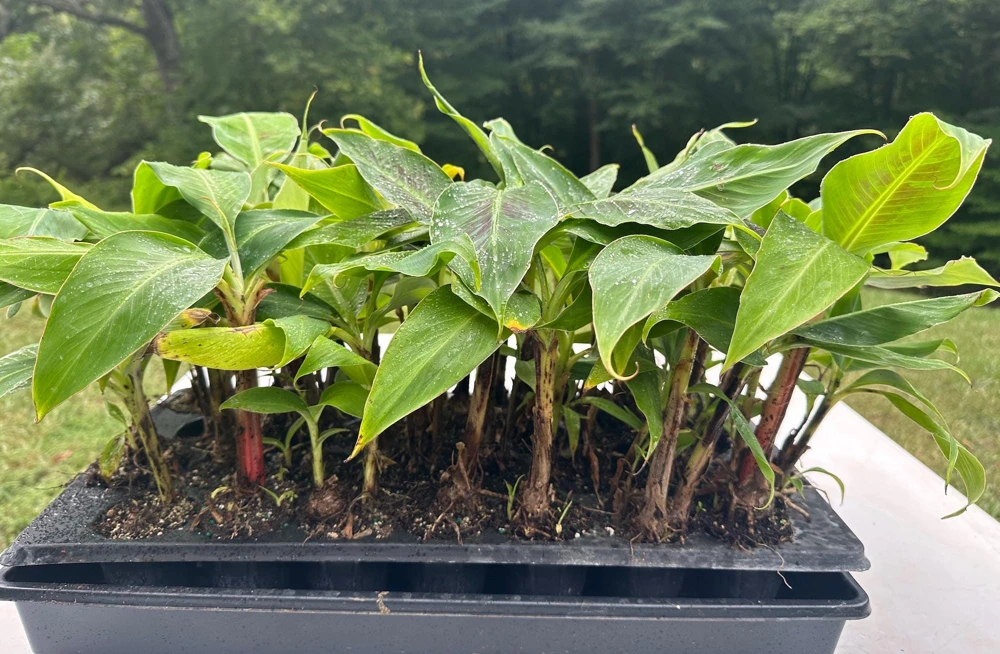
This offering is for a live dwarf cavendish banana plant, shipped as a bare root specimen. This means the plant will arrive without soil or a pot, ready for you to plant directly into your chosen container or garden bed. The bare root method ensures the plant’s energy is conserved during transit, promoting vigorous growth once planted. The mature size of the dwarf cavendish banana plant typically reaches 5 to 7 feet tall and 6 to 8 feet wide when planted in-ground, creating a substantial yet manageable presence in your landscape. When grown in containers, its size can be kept smaller through pruning and root restriction, making it an excellent choice for a musa cavendish on a patio or balcony.
The growth rate of the Dwarf Cavendish is relatively fast under optimal conditions, with plants often producing fruit within 12-18 months of planting. Its lush green foliage adds an instant tropical feel, and the plant is known for its robust nature. This particular variety is chosen for its ease of cultivation and reliable fruit production, making it a rewarding experience for any gardener looking to grow a tropical fruit tree.
Frequently Asked Questions
- Q: How big does this dwarf cavendish banana plant get? A: When planted in the ground, it typically reaches 5 to 7 feet tall and 6 to 8 feet wide. In pots, its size can be managed to stay smaller, making it versatile for various spaces.
- Q: Is this an indoor or outdoor plant? A: The dwarf cavendish banana plant can thrive both outdoors in warmer climates (USDA zones 5-11 with winter protection) and as a patio plant that can be brought indoors during colder months. It adapts well to container living.
- Q: How much sunlight does the cold hardy banana tree need? A: It requires at least 6-8 hours of direct sunlight per day for optimal growth and fruit production. If indoors, place it in a bright, sunny location.
- Q: Is this plant easy to care for? A: Yes, the Dwarf Cavendish is known for being relatively easy to grow. It’s drought-tolerant, has minimal pest and disease issues, and is a low-maintenance option for a tropical fruit tree.
- Q: What condition will the musa cavendish arrive in? A: Your banana plant will arrive as a bare root specimen, meaning it will be shipped without soil or a pot. This method helps reduce transplant shock and promotes healthy establishment.
- Q: How long until it produces fruit? A: Under ideal growing conditions, you can typically expect your dwarf cavendish banana plant to start producing fruit within 12 to 18 months after planting.
- Q: Will it survive winter in my zone? A: In USDA zones 9-11, it can often survive outdoors. In colder zones (5-8), it’s best grown as a patio plant and moved indoors to a sunny spot before the first frost to protect it from freezing temperatures.
- Q: What type of soil is best for this banana plant care? A: A rich, well-draining soil mix is ideal. Incorporating compost and ensuring good drainage will help your plant thrive.
- Q: Can I grow this in a small pot? A: While it can be grown in pots, a larger container (e.g., 15-20 gallons) will allow for better root development and a larger plant. Its compact nature makes it suitable for container gardening.
- Q: Is the dwarf cavendish banana plant self-fertile? A: Yes, this variety is self-fertile, meaning you only need one plant to get a harvest of delicious bananas.
Be the first to review “Dwarf Cavendish Banana Plant – Cold Hardy Tropical Fruit Tree – Live Bare Root”
People Also Viewed

Reviews
There are no reviews yet.