
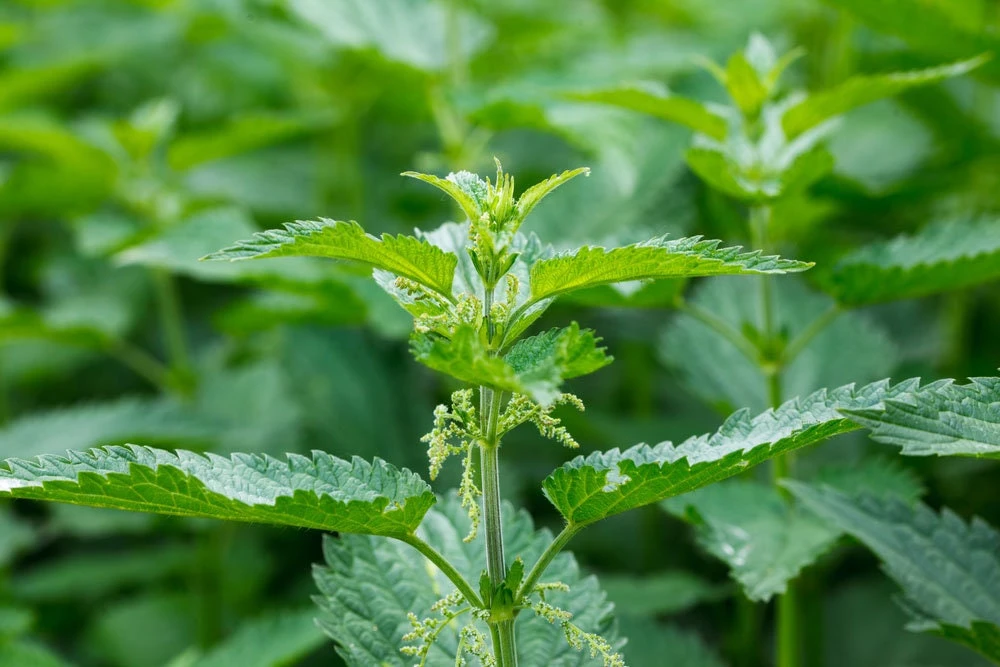
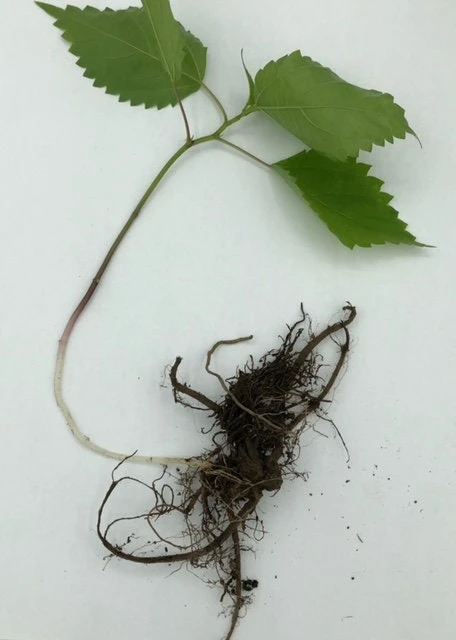
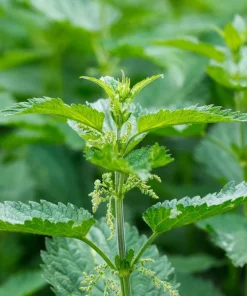
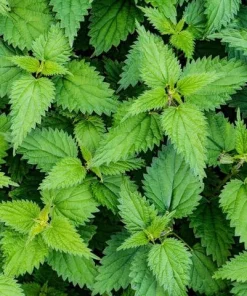
20 Stinging Nettle Bare Roots – Urtica dioica Organic Transplant for Garden
Original price was: $101.99.$76.99Current price is: $76.99.
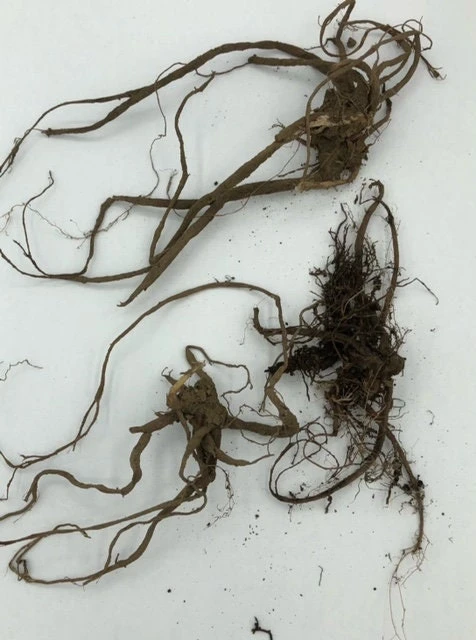
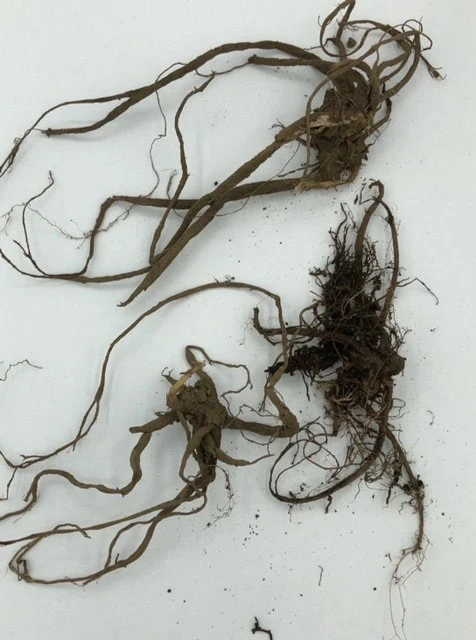
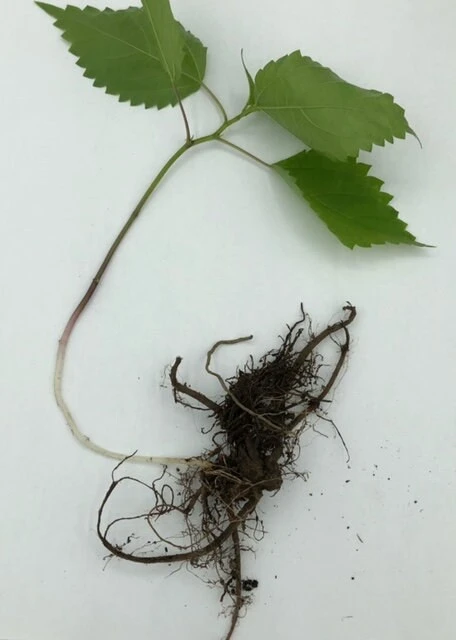
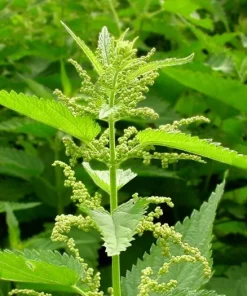
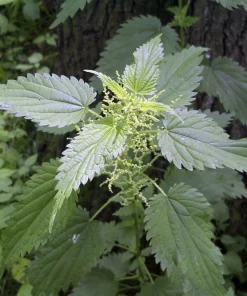
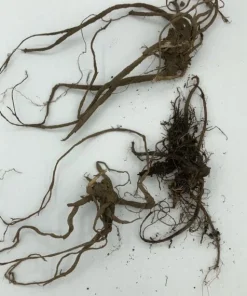
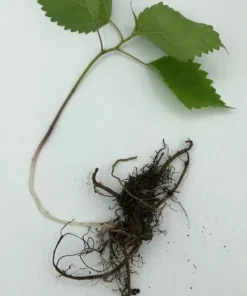
Receive 20 Stinging Nettle bare roots (Urtica dioica), organically grown and ready for transplant. Perfect for establishing a beneficial herb patch in your garden. Comes with planting instructions for easy growth.
Estimated arrival
Sep 29
Oct 04 - Oct 06
Oct 09 - Oct 13
Shop With Confidence
30-Day Plant Health Guarantee
Arrives damaged? We’ll replace it free — see our return policy.
Responsive Support
Email us anytime, we reply within 1 business day.
Expert Packaging
Temperature-controlled shipping to protect your plants in transit.
Secure Checkout
Pay safely with Visa, Mastercard, PayPal.
Plant Specifications
-
USDA Hardiness Zone
USDA zones 3-9 -
Soil Type
Well-draining, rich loamy soil -
Sunlight Exposure
Partial to full sun -
Expected Planting Period
Early spring to fall
Overview
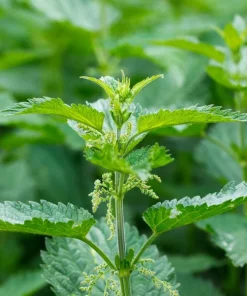
Cultivate your own beneficial herb garden with this offering of stinging nettle bare roots. You will receive 20 individual bare roots of Urtica dioica, commonly known as Stinging Nettle. These plants are organically grown, ensuring a natural and healthy addition to your landscape. Stinging nettle is a versatile perennial herb renowned for its culinary, medicinal, and ecological benefits. It’s a hardy plant that can thrive in various conditions, making it an excellent choice for both experienced gardeners and those new to growing herbs. These bare roots are harvested fresh to order, ensuring optimal viability upon arrival, and come with detailed planting instructions to guide you in successfully establishing your new urtica dioica plant.
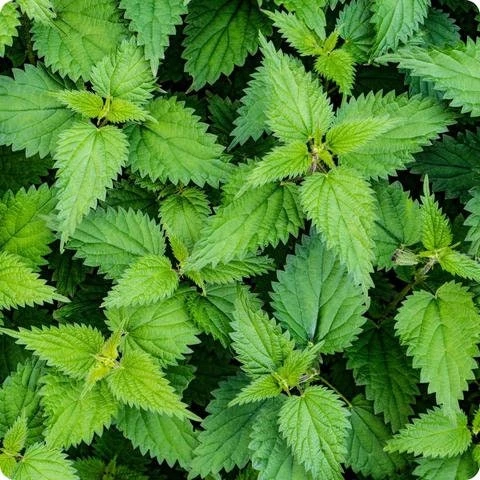
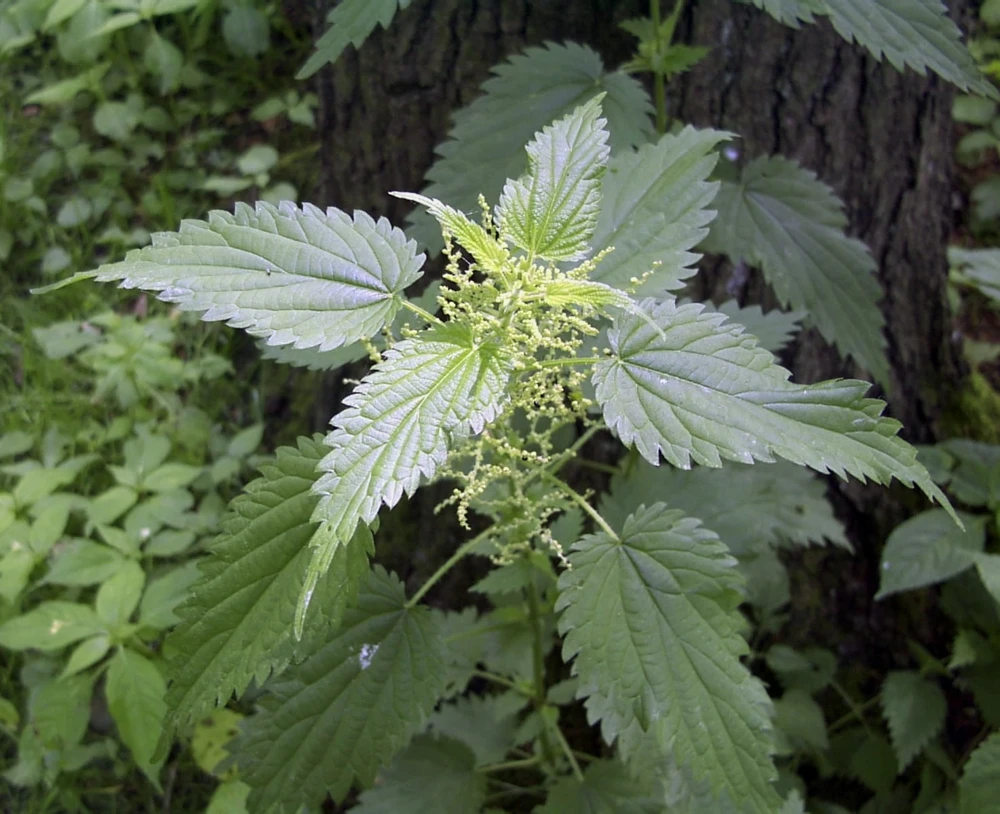
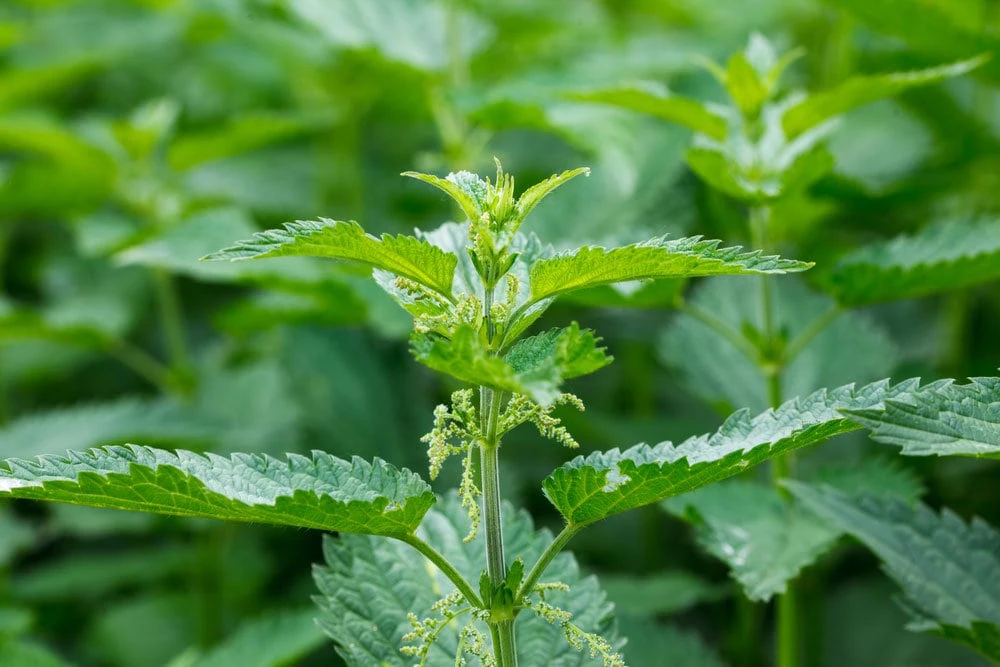
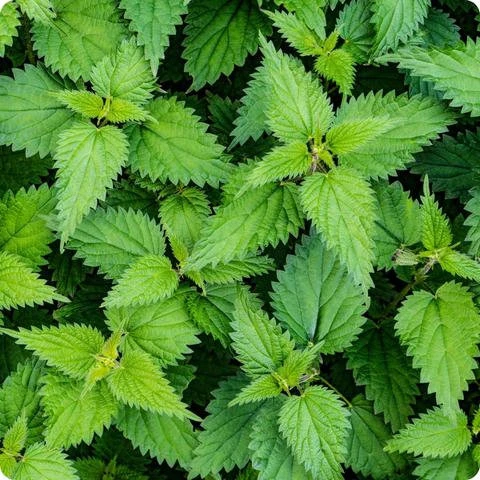
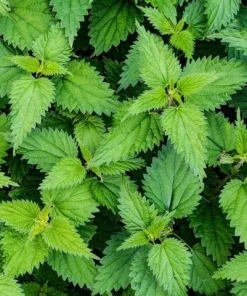
Stinging nettle is an ancient plant with a rich history of use across many cultures. Its distinctive leaves, covered in tiny stinging hairs, are surprisingly edible and nutritious when cooked or dried. Beyond its culinary applications, the organic stinging nettle is also valued for its ecological role, supporting various insect species. Growing your own nettle allows for a continuous supply of this powerful herb, right from your garden. It’s a robust and relatively low-maintenance plant, making it a rewarding addition to any permaculture design or herb garden.
Key Benefits
Adding stinging nettle bare roots to your garden offers a multitude of advantages, from nutritional benefits to supporting local ecosystems. This resilient plant is more than just a garden filler; it’s a powerhouse of utility and natural beauty.
- Nutrient-Rich Edible Herb: Young nettle leaves are packed with vitamins A, C, and K, as well as minerals like iron, calcium, and magnesium. When cooked, the sting is neutralized, making them a delicious and nutritious addition to soups, stews, and teas.
- Supports Biodiversity: Stinging nettle acts as a host plant for several butterfly and moth species, enhancing the ecological diversity of your garden. It also provides shelter for beneficial insects.
- Medicinal Properties: Traditionally, nettle has been used for various herbal remedies, including supporting joint health, seasonal allergy relief, and as a diuretic. Growing your own ensures a fresh, organic supply.
- Soil Improvement: Nettle is known to accumulate nutrients from the soil, and when used as a chop-and-drop mulch or composted, it can enrich the soil, benefiting surrounding plants.
- Easy to Grow: These urtica dioica plant bare roots are resilient and establish quickly, requiring minimal fuss once planted. They are perfect for creating a self-sustaining patch.
- Perennial Growth: Once established, your stinging nettle bare roots will return year after year, providing a continuous harvest without the need for replanting.
- Versatile Use: Beyond culinary and medicinal uses, dried nettle can be used to make natural dyes or even fibers, showcasing the plant’s incredible versatility.
Plant Care & Growing Tips
Caring for your stinging nettle bare roots is straightforward, as these plants are known for their hardiness and adaptability. To ensure successful establishment and vigorous growth, consider the following guidelines for your organic stinging nettle.
Sunlight Requirements: Stinging nettle thrives in locations with partial to full sun, meaning at least 4-6 hours of direct sunlight per day. While it can tolerate some shade, ample sunlight promotes stronger growth and a better yield. Choose a spot in your garden that receives adequate light but also offers some protection during the hottest part of the day in very warm climates. This will help prevent the leaves from scorching.
Watering and Soil: These urtica dioica plant bare roots prefer consistently moist, well-draining soil. Avoid waterlogged conditions, which can lead to root rot. Water regularly, especially during dry spells and when the plants are young and establishing. Once mature, nettle is somewhat drought-tolerant but will perform best with consistent moisture. A rich, loamy soil with a neutral to slightly acidic pH (6.0-7.0) is ideal. Amending heavy clay soils with compost or organic matter will improve drainage and fertility, creating an optimal environment for your grow nettle plant.
Temperature and Hardiness: Stinging nettle is a very hardy perennial, typically thriving in USDA zones 3-9. It can withstand cold winters and will readily re-emerge in spring. Protect young plants from severe frost, but established plants are quite resilient. Fertilization is generally not necessary if planted in rich soil, but a light application of balanced organic fertilizer in spring can encourage lush growth. Watch out for common garden pests, though nettle is generally quite resistant. Regular harvesting of the top leaves also helps to keep the plant healthy and encourages new growth, ensuring a continuous supply of fresh leaves with excellent nettle benefits.
Size & Details
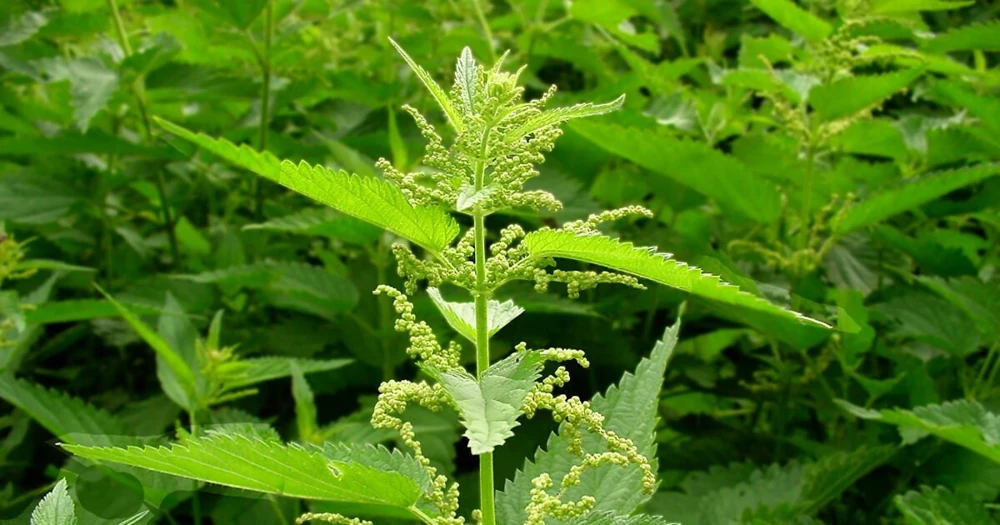
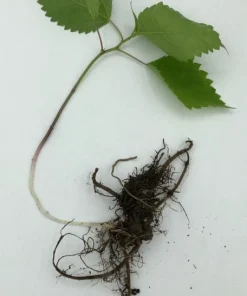
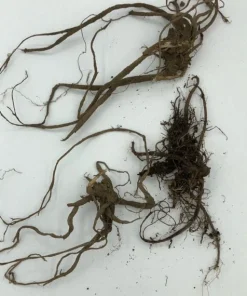
This offering includes 20 Stinging Nettle bare roots, ready for immediate planting. Each bare root is carefully harvested to ensure it is viable and healthy, providing a strong foundation for your future nettle patch. While the exact size of each bare root can vary, they are typically robust enough to establish quickly once planted. Stinging nettle can grow to a height of 2 to 6 feet tall, forming dense clumps if left unmanaged. The growth rate is moderate to fast, with plants typically establishing well within their first growing season and providing harvests soon after. These bare roots are designed for outdoor planting and will develop into full-sized plants over time, offering continuous harvests for years. They are shipped without soil, carefully packaged to maintain moisture and freshness during transit, along with detailed instructions on how to successfully grow nettle plant.
Frequently Asked Questions
- Q: How big does this plant get? A: Stinging nettle can grow quite tall, typically reaching heights of 2 to 6 feet, depending on growing conditions and climate. It forms a bushy clump, especially if left unmanaged, providing ample foliage for harvest.
- Q: Is this an indoor or outdoor plant? A: While it’s possible to grow stinging nettle bare roots in large containers indoors, it thrives best as an outdoor plant. It prefers garden settings where it has space to grow and spread, offering the most robust growth and yield.
- Q: How much sunlight does it need? A: Stinging nettle prefers partial to full sun, meaning it needs at least 4-6 hours of direct sunlight daily. While it can tolerate some shade, more sun generally leads to healthier and more vigorous plants.
- Q: Is this plant easy to care for? A: Yes, stinging nettle is considered very easy to care for. It’s a hardy and resilient plant that requires minimal attention once established, making it suitable for beginners looking to grow nettle plant.
- Q: What condition will it arrive in? A: Your 20 Stinging Nettle bare roots will arrive fresh and carefully packaged without soil, ensuring they are in optimal condition for transplanting. Each order includes detailed planting instructions.
- Q: Can I use stinging nettle in cooking? A: Absolutely! Young stinging nettle leaves are highly nutritious and delicious when cooked. The cooking process neutralizes the sting, making them perfect for soups, teas, pestos, and other dishes. Explore the many nettle benefits in your kitchen.
- Q: When is the best time to plant stinging nettle bare roots? A: The best time to plant stinging nettle bare roots is in early spring or fall. This allows the roots to establish themselves before the extreme heat of summer or the deep cold of winter.
- Q: What’s the minimum temperature this plant can tolerate? A: Stinging nettle is very cold-hardy and can typically tolerate temperatures well below freezing, thriving in USDA zones 3-9. Established plants will go dormant in winter and re-emerge in spring.
- Q: What are the main nettle benefits for health? A: Stinging nettle is traditionally used for its anti-inflammatory properties, supporting joint health, and as a natural diuretic. It’s also rich in vitamins and minerals, contributing to overall wellness.
- Q: How do I harvest the leaves without getting stung? A: When harvesting fresh leaves, it’s recommended to wear gloves to avoid the sting. Once picked, blanching or cooking the leaves will remove the stinging hairs, making them safe to handle and consume.
Be the first to review “20 Stinging Nettle Bare Roots – Urtica dioica Organic Transplant for Garden”
People Also Viewed
Houseplants
Mint Variegated Monstera Live Plant – Rare Tropical Houseplant – 4-6 Inches Tall – Indoor
Reviews
There are no reviews yet.