
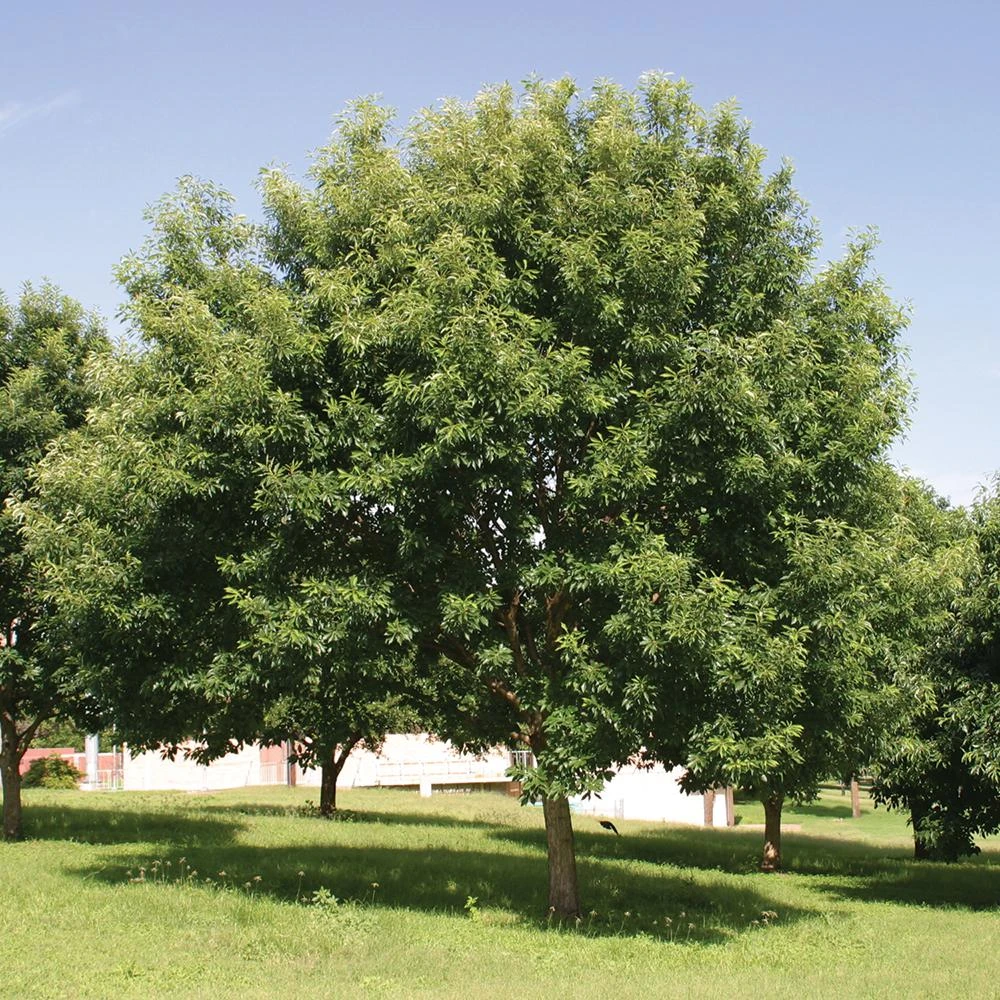
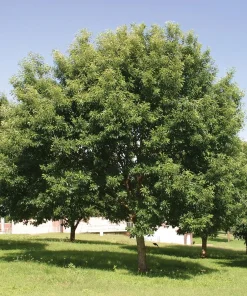
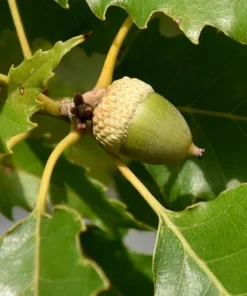
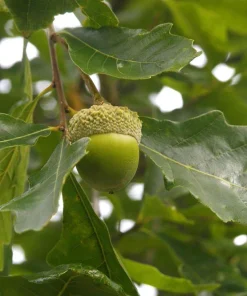
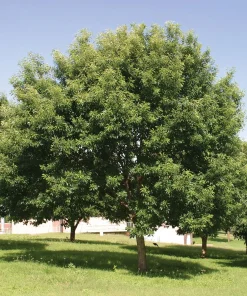
Chinkapin Oak Tree Live Plant 12-24″ Tall Quercus muehlenbergii Starter
Original price was: $74.99.$49.99Current price is: $49.99.
Bring a magnificent chinkapin oak tree to your landscape. This quercus muehlenbergii starter plant, measuring 12-24″ tall, is ideal for establishing a strong, long-lived shade tree. Known for its adaptability and wildlife benefits, it’s an excellent choice for any garden.
Estimated arrival
Sep 29
Oct 04 - Oct 06
Oct 09 - Oct 13
Shop With Confidence
30-Day Plant Health Guarantee
Arrives damaged? We’ll replace it free — see our return policy.
Responsive Support
Email us anytime, we reply within 1 business day.
Expert Packaging
Temperature-controlled shipping to protect your plants in transit.
Secure Checkout
Pay safely with Visa, Mastercard, PayPal.
Plant Specifications
-
USDA Hardiness Zone
USDA zones 4-8 -
Soil Type
Well-draining, loamy soil; tolerant of alkaline soils -
Sunlight Exposure
Full sun -
Expected Planting Period
Spring or Fall
Overview
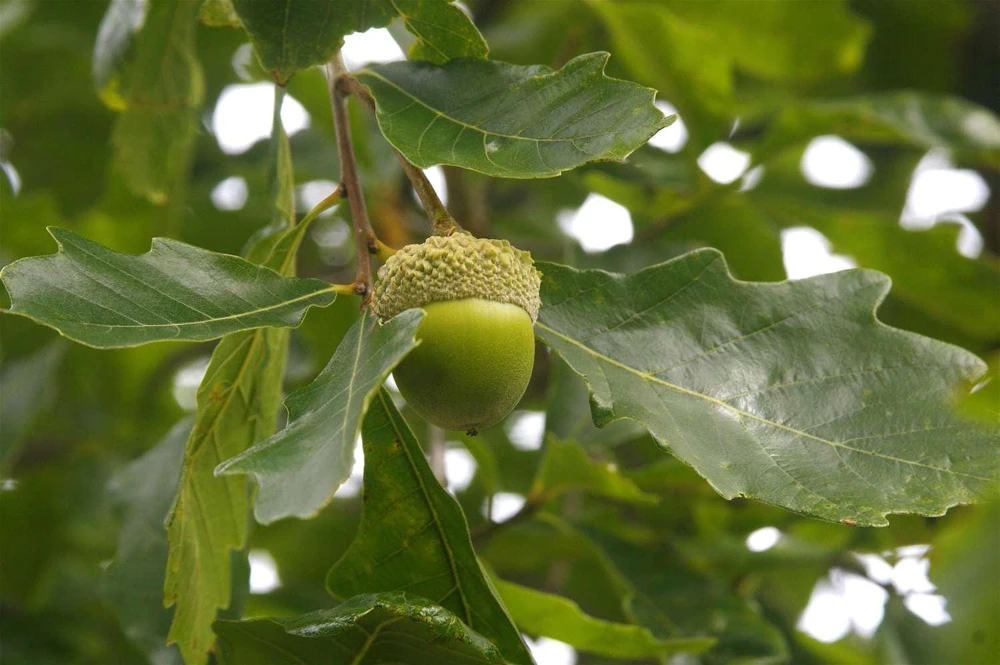
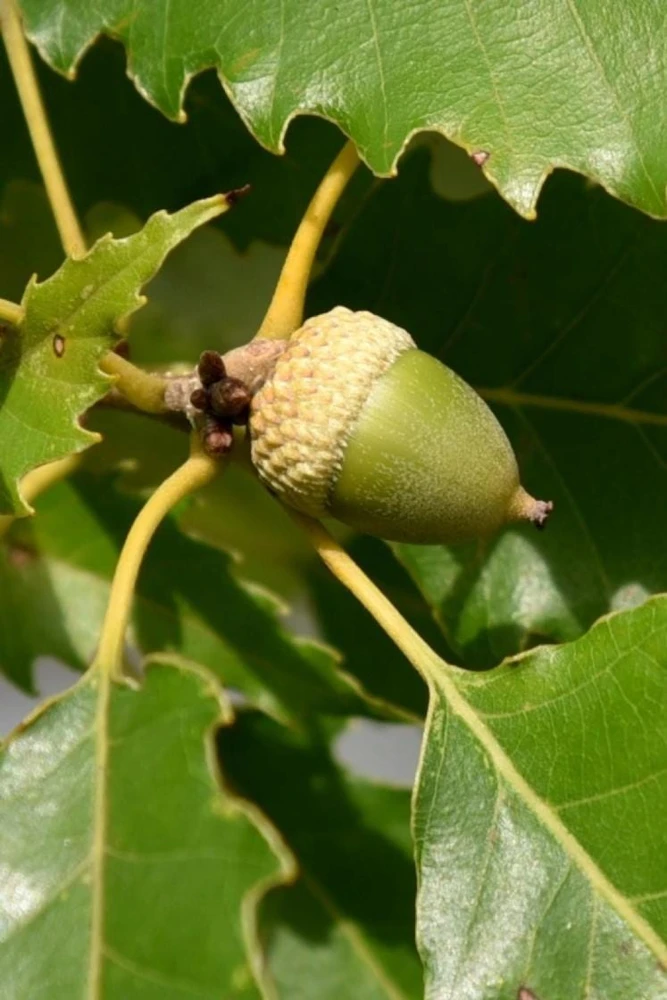
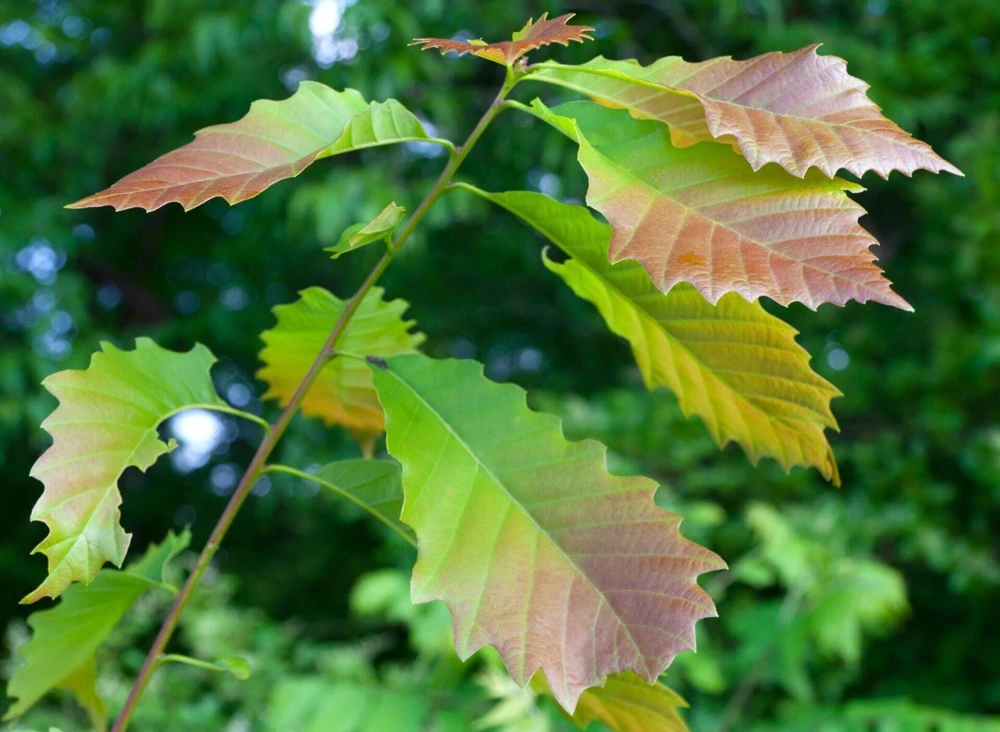
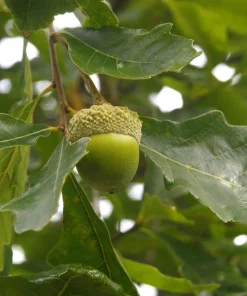
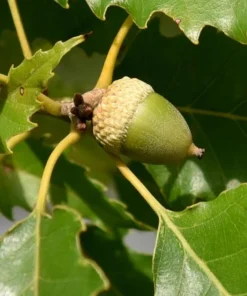
Introduce a majestic and resilient addition to your landscape with the chinkapin oak tree (Quercus muehlenbergii). This live plant is a fantastic choice for gardeners and homeowners looking to establish a robust, long-lived shade tree. Known for its distinctive chestnut-like leaves and sweet acorns, the chinkapin oak plant is a medium to large deciduous tree that belongs to the white oak group. It’s highly valued for its strong timber, attractive appearance, and ecological benefits. This starter plant, typically 12-24 inches tall, provides a head start on growing a magnificent tree that will thrive for generations. Its adaptability to various soil conditions, including alkaline soils, makes it a versatile option for many different environments.
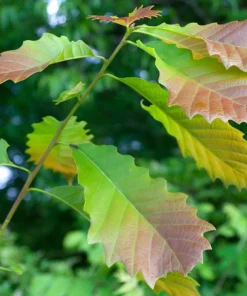
The Quercus muehlenbergii is a true native American treasure, offering both aesthetic beauty and practical advantages. Its rapid growth rate and tolerance to urban conditions make it suitable for a wide range of planting sites, from large estates to suburban backyards. When you buy chinkapin oak, you’re investing in a piece of natural heritage that will enhance your property’s value and biodiversity. The tree’s unique leaf structure and impressive stature provide excellent visual interest throughout the seasons, from the vibrant green of spring and summer to the golden hues of autumn.
Key Benefits
The chinkapin oak tree offers numerous advantages for any landscape, making it a highly desirable choice:
- Excellent Wildlife Habitat: This tree is a phenomenal food source and host plant for a diverse array of wildlife, including white-tailed deer, squirrels, wild turkeys, and numerous butterfly and moth species, significantly boosting local biodiversity.
- Drought Tolerance: Once established, the chinkapin oak tree exhibits remarkable drought tolerance, requiring less supplemental watering compared to many other tree species, making it a low-maintenance option.
- Adaptable to Soil Types: It thrives in a variety of soil conditions, including alkaline soils, which can be challenging for many other trees, demonstrating its hardiness and versatility.
- Strong Timber: The wood of the quercus muehlenbergii is highly valued for its strength and durability, similar to other white oaks, making it a valuable long-term asset.
- Attractive Foliage and Form: With its unique, often coarsely toothed leaves resembling those of a chestnut, and a stately, upright growth habit, it adds significant aesthetic appeal to any garden or park setting.
- Shade Provider: As a medium to large deciduous tree, it develops a broad canopy, providing excellent shade during hot summer months, which can help reduce cooling costs for nearby structures.
- Low Maintenance: Beyond initial establishment, the chinkapin oak plant requires minimal care, resisting many common pests and diseases, making it suitable for busy gardeners.
Plant Care & Growing Tips
Caring for your chinkapin oak tree is relatively straightforward, as this species is known for its hardiness and adaptability. For optimal growth, plant your quercus muehlenbergii in a location that receives full sun, meaning at least 6 hours of direct sunlight per day. While it can tolerate some partial shade, full sun will encourage the strongest growth and best form. Ensure the planting site has good air circulation to prevent fungal issues. This tree is quite tolerant of urban conditions, including compacted soils, but will perform best in well-draining, loamy soil. It’s particularly tolerant of alkaline soils, making it an excellent choice where other trees might struggle.
When it comes to watering, consistent moisture is crucial during the first few years after planting to help establish a strong root system. Water deeply once or twice a week, depending on rainfall and soil type, allowing the soil to dry slightly between waterings. Once established, the chinkapin oak tree is remarkably drought-tolerant and will generally only require watering during extended dry periods. Fertilization is typically not necessary for established trees in good soil, but young trees can benefit from a balanced, slow-release fertilizer in early spring. Pruning should be done in late winter or early spring to remove any dead, damaged, or crossing branches, focusing on developing a strong central leader. The chinkapin oak care routine is minimal once the tree is mature, making it a rewarding long-term investment for your landscape.
The chinkapin oak plant is hardy in USDA zones 4-8. It can withstand cold winters and hot summers, making it suitable for a wide range of climates across the United States. Protect young trees from deer browsing if deer are prevalent in your area, as they may be attracted to the foliage and young bark. Monitor for common oak pests, though the Chinkapin Oak is generally quite resistant. With proper siting and initial care, your chinkapin oak tree will grow into a magnificent specimen.
Size & Details
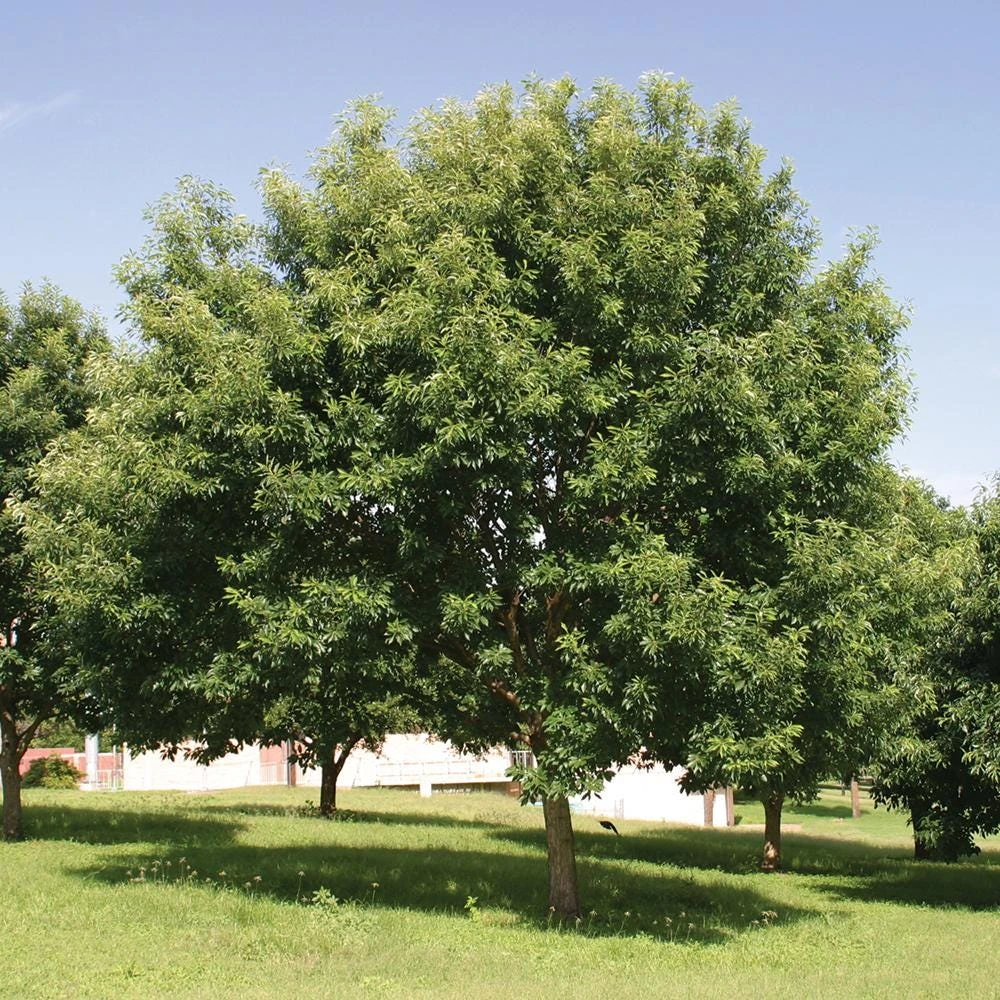
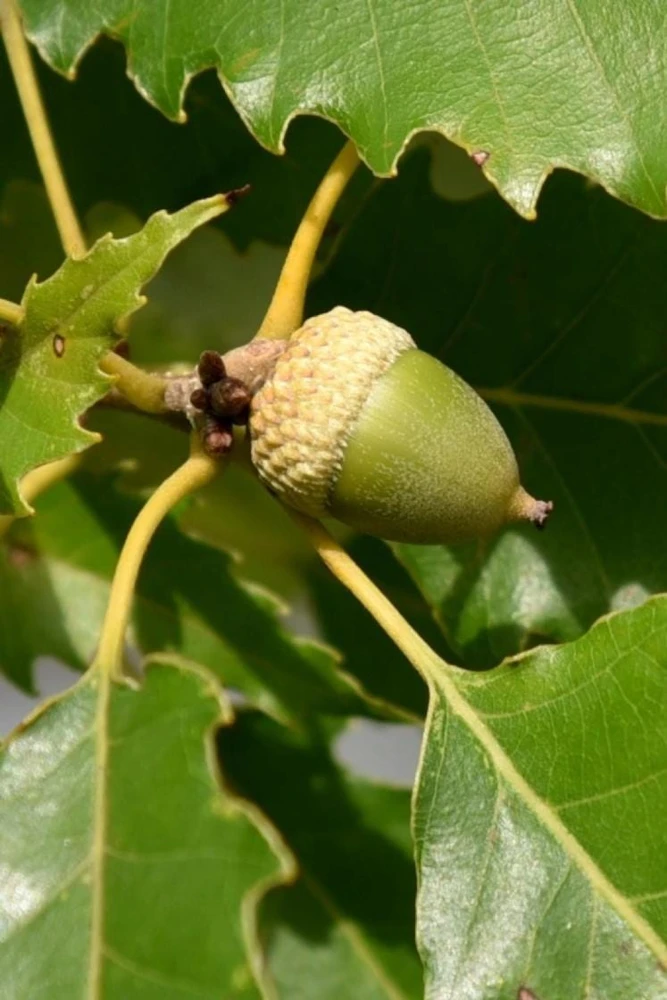
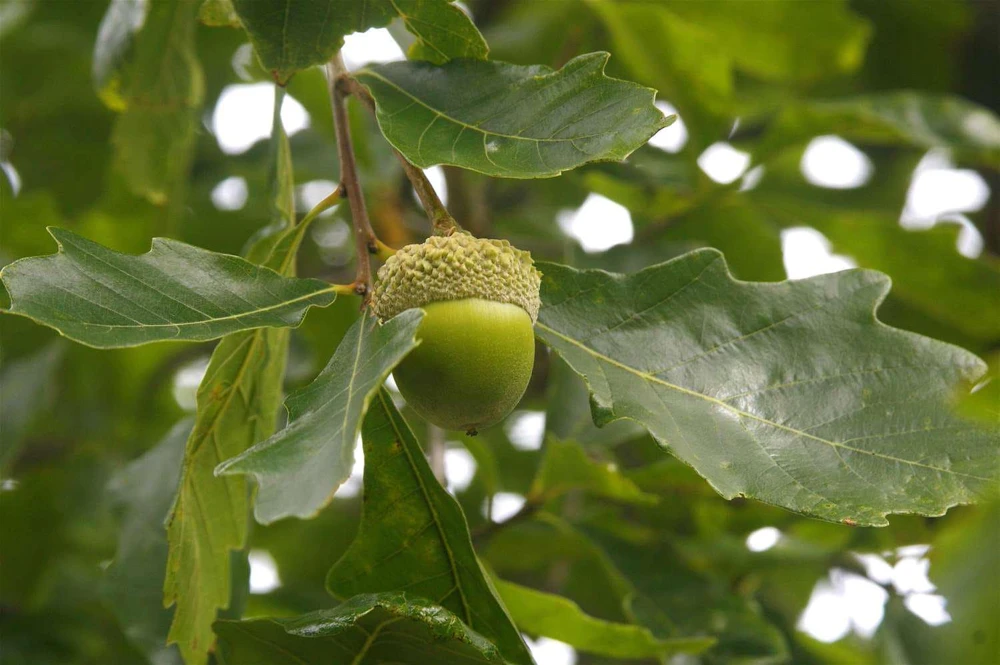
This offering is for one chinkapin oak tree starter plant, approximately 12-24 inches tall. These young trees are shipped as bare-root plants, which is an excellent method for promoting strong root development once planted in your garden. Bare-root plants adapt quickly to their new environment and establish robust root systems. While the initial height is between 12-24 inches, the Quercus muehlenbergii is a fast-growing species, typically adding 12-24 inches of height per year. In maturity, a chinkapin oak tree can reach an impressive height of 40-60 feet with a spread of 30-50 feet, forming a broad, rounded canopy. Expect this tree to live for several decades, often over a century, becoming a prominent feature of your landscape. It will begin producing acorns, a valuable food source for wildlife, within 10-20 years of planting.
Frequently Asked Questions
- Q: How big does this chinkapin oak tree get? A: A mature chinkapin oak tree typically reaches heights of 40-60 feet with a spread of 30-50 feet, forming a grand, rounded canopy. This starter plant is 12-24 inches tall upon arrival.
- Q: Is this an indoor or outdoor plant? A: The chinkapin oak tree is an outdoor deciduous tree. It requires ample space to grow and is not suitable for indoor cultivation.
- Q: How much sunlight does the quercus muehlenbergii need? A: For best growth, the quercus muehlenbergii thrives in full sun, meaning at least 6 hours of direct sunlight daily. It can tolerate some partial shade but will grow more vigorously in full sun.
- Q: Is this plant easy to care for? A: Yes, the chinkapin oak tree is considered relatively easy to care for, especially once established. Its natural hardiness and drought tolerance make chinkapin oak care quite manageable.
- Q: What condition will the chinkapin oak plant arrive in? A: This plant ships as a bare-root starter plant, typically 12-24 inches tall. Bare-root plants are carefully packaged to ensure they arrive healthy and ready for planting.
- Q: When is the best time to plant a chinkapin oak tree? A: The ideal time to plant a chinkapin oak tree is in the spring or fall when temperatures are moderate. This allows the tree to establish its root system before extreme weather conditions.
- Q: Will it survive winter in my zone? A: The chinkapin oak tree is hardy in USDA Zones 4-8, meaning it is well-adapted to survive cold winters in a wide range of climates across the United States.
- Q: What type of soil does the chinkapin oak prefer? A: While adaptable, the chinkapin oak tree prefers well-draining, loamy soils. It is notably tolerant of alkaline soils, making it a good choice for areas where other oaks might struggle.
- Q: How long until it produces acorns? A: A chinkapin oak tree typically begins producing acorns, which are a valuable food source for wildlife, within 10-20 years of planting.
- Q: Why should I buy chinkapin oak for my landscape? A: You should buy chinkapin oak for its strong timber, adaptability to various soils, drought tolerance once established, and its significant contribution to local wildlife as a food source and host plant.
Be the first to review “Chinkapin Oak Tree Live Plant 12-24″ Tall Quercus muehlenbergii Starter”
People Also Viewed


Reviews
There are no reviews yet.