
Northern Catalpa Tree – Catalpa speciosa Live Plant, 12-24in Bare Root Starter
Original price was: $74.99.$49.99Current price is: $49.99.
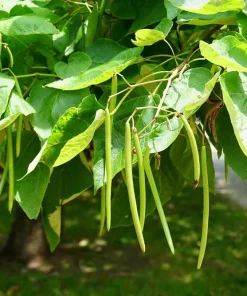
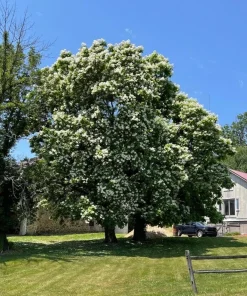
Cultivate a striking northern catalpa tree, known for its rapid growth and elegant white flowers. This 12-24 inch bare root catalpa speciosa plant is perfect for landscaping, offering shade and ornamental appeal. Enjoy its unique bean-like seed pods that add winter interest to your garden.
Estimated arrival
Sep 29
Oct 04 - Oct 06
Oct 09 - Oct 13
Shop With Confidence
30-Day Plant Health Guarantee
Arrives damaged? We’ll replace it free — see our return policy.
Responsive Support
Email us anytime, we reply within 1 business day.
Expert Packaging
Temperature-controlled shipping to protect your plants in transit.
Secure Checkout
Pay safely with Visa, Mastercard, PayPal.
Plant Specifications
-
USDA Hardiness Zone
USDA zones 4-8 -
Soil Type
Moist, well-draining soil -
Sunlight Exposure
Full sun to partial shade -
Expected Planting Period
Early spring
Overview
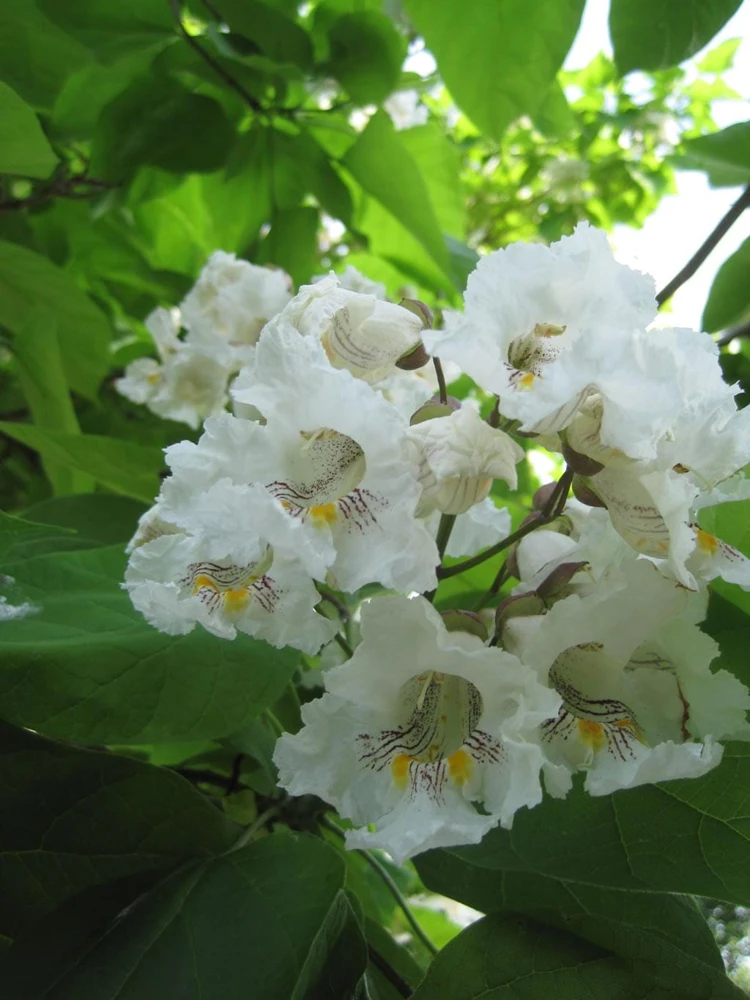
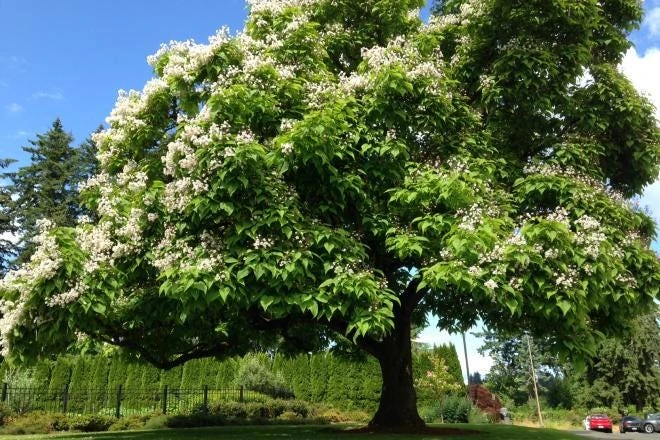
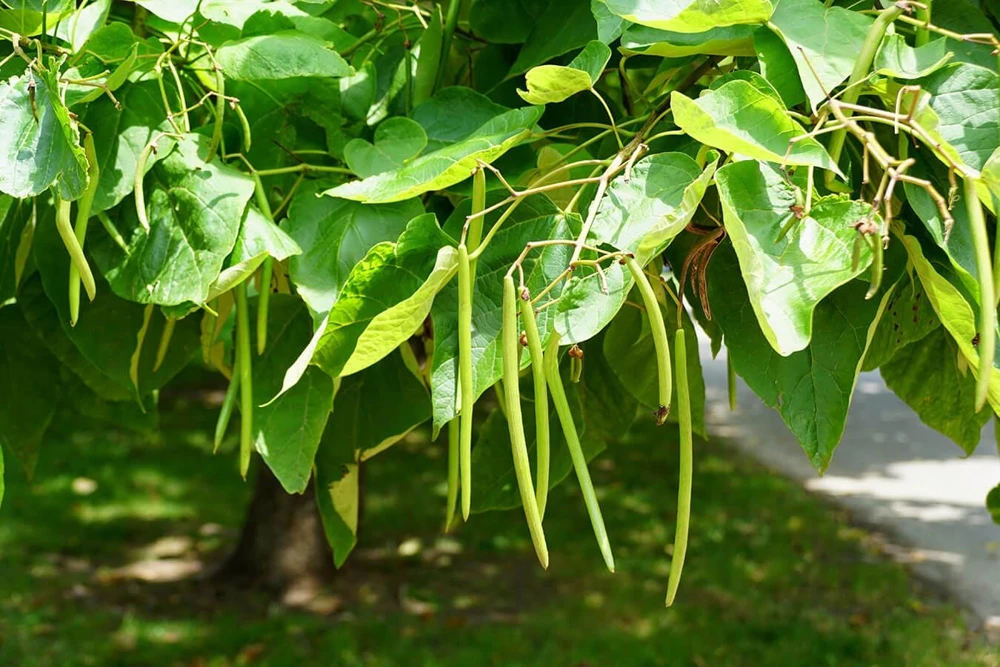
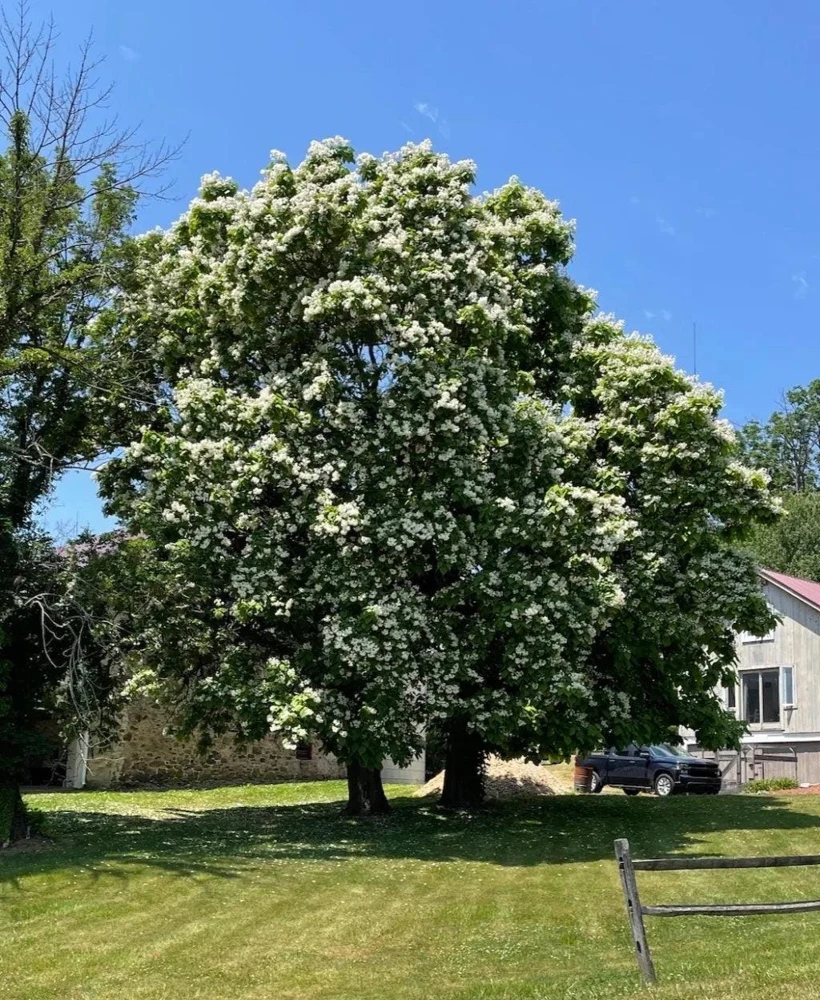
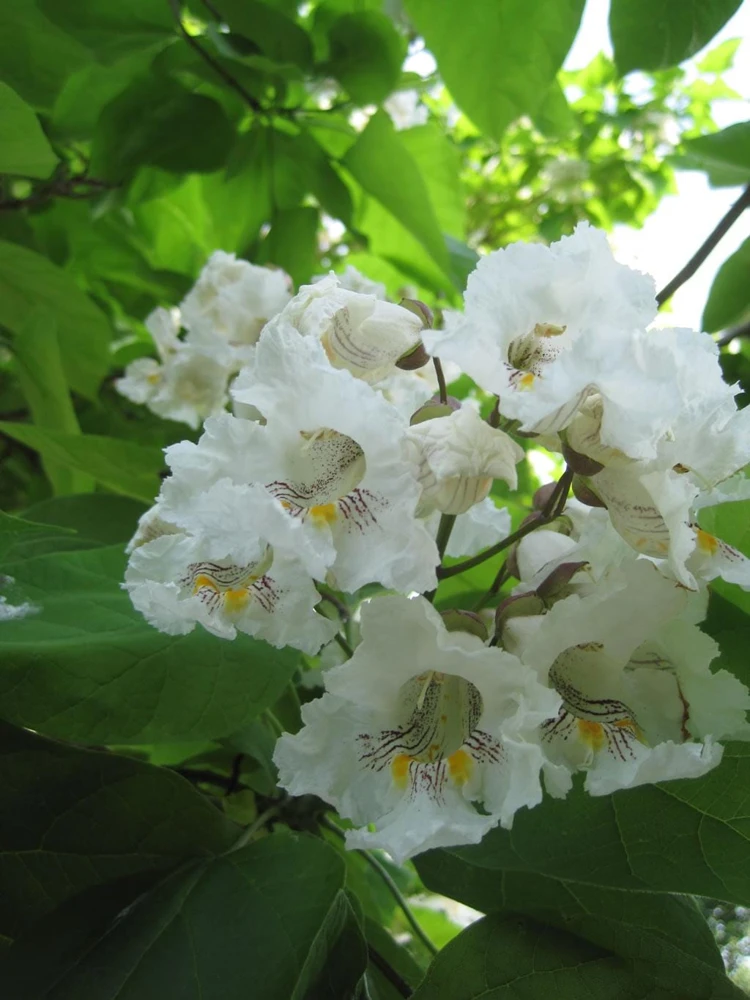
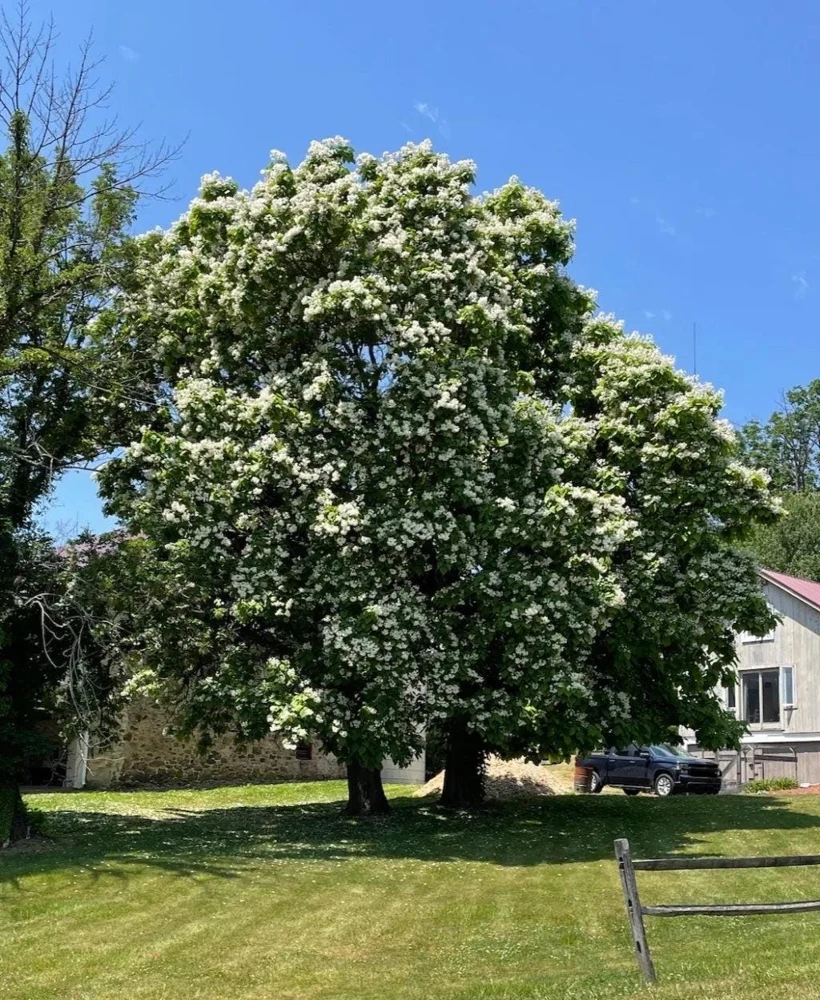
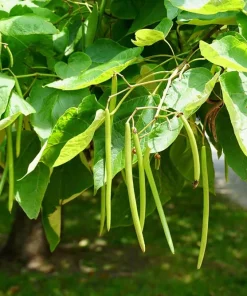
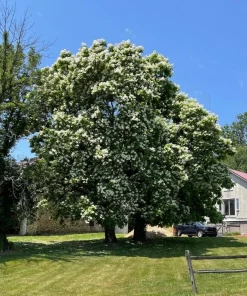
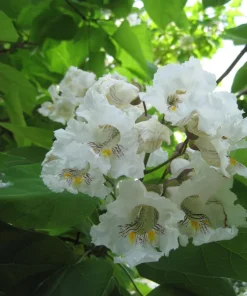
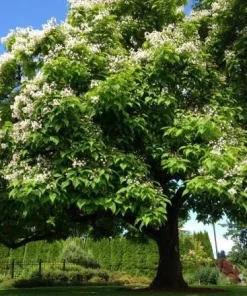
The northern catalpa tree (Catalpa speciosa) is a magnificent and fast-growing deciduous tree, highly prized for its ornamental qualities and robust nature. Often referred to as the cigar tree, hardy catalpa, or western catalpa, this species is a fantastic addition to any landscape seeking a large, stately specimen. Our offering is a 12-24 inch bare root starter plant, ready to establish itself in your garden. Known for its impressive stature, the catalpa speciosa plant typically reaches heights of 40 to 70 feet with a spread of 20 to 40 feet, providing substantial shade and a commanding presence. Its most distinctive features include large, heart-shaped leaves, showy clusters of fragrant, bell-shaped white flowers adorned with yellow stripes and purple spots that bloom in late spring to early summer, and long, slender, bean-like seed pods that persist through the winter, adding unique visual interest. This tree is not only beautiful but also resilient, making it a popular choice for various climates and soil conditions.
The northern catalpa tree is a true spectacle when in bloom, attracting pollinators with its abundant and striking flowers. Beyond its aesthetic appeal, it serves as an excellent shade tree, ideal for larger properties, parks, or as a street tree where space allows. Its rapid growth rate means you won’t have to wait long to enjoy its full splendor. Understanding hardy catalpa care is straightforward, making it suitable for both experienced gardeners and those new to tree planting. This bare root specimen provides an economical and effective way to introduce this majestic tree into your garden, allowing it to adapt quickly to its new environment and thrive.
Key Benefits
The northern catalpa tree offers a multitude of benefits, making it an excellent choice for a variety of landscape designs. Its unique characteristics contribute both aesthetic value and ecological advantages to your outdoor space. Here are some of the key benefits:
-
Spectacular Floral Display: Enjoy abundant clusters of fragrant, bell-shaped white flowers with vibrant yellow stripes and purple spots in late spring to early summer. These showy blooms create a stunning visual impact and attract beneficial pollinators to your garden.
-
Rapid Growth Rate: The catalpa speciosa plant is known for its fast growth, allowing you to establish a large, mature tree relatively quickly. This means you can enjoy the shade and beauty of a full-sized tree sooner than with many other species.
-
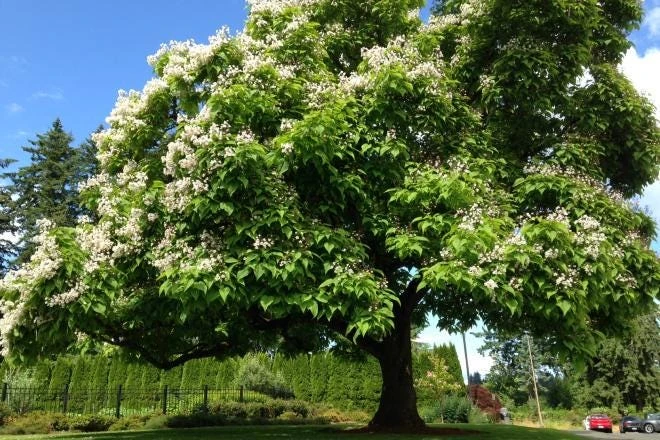
Excellent Shade Provider: With its large leaves and expansive canopy, the northern catalpa tree develops into a superb shade tree. It’s perfect for cooling your home or creating comfortable outdoor living spaces during hot summer months.
-
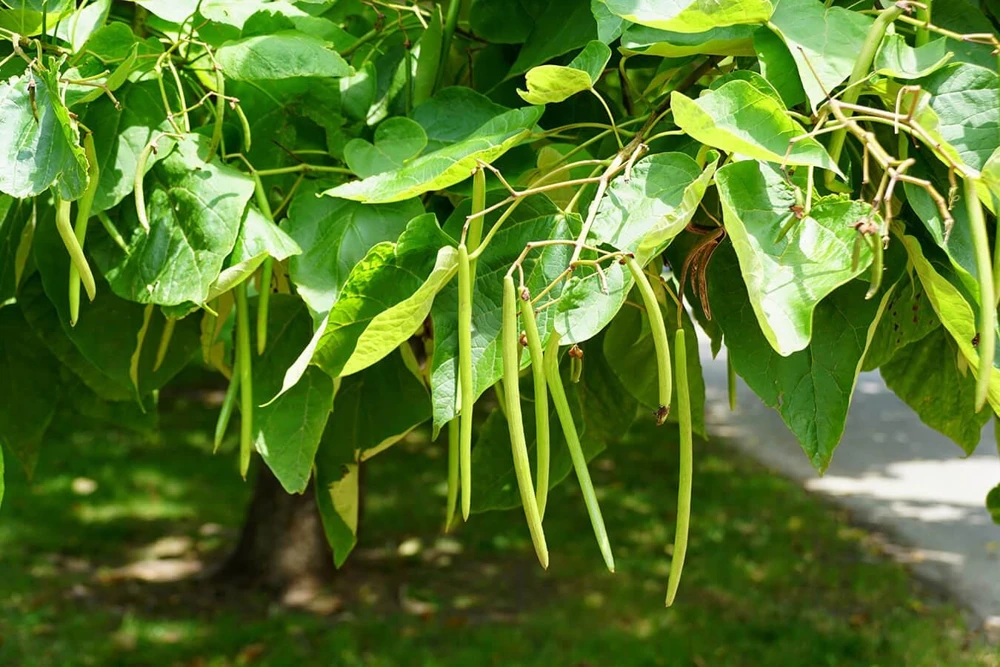
Unique Winter Interest: After the flowers fade, the tree produces long, slender, bean-like seed pods (often giving it the nickname ‘cigar tree’) that remain on the branches throughout the winter. These pods provide distinctive ornamental interest during the colder seasons when many other plants are dormant.
-
Adaptable and Resilient: This hardy species is tolerant of a wide range of soil conditions, including poor soils, and can withstand various urban environments. Its resilience makes hardy catalpa care relatively low-maintenance once established.
-
Wildlife Attraction: The flowers attract hummingbirds and various insects, while the leaves can serve as a food source for catalpa sphinx moth caterpillars, which in turn are a food source for birds. This contributes to local biodiversity.
-
Natural Windbreak: Due to its size and dense foliage, a mature western catalpa growing can act as an effective natural windbreak, protecting your property from strong winds and potentially reducing heating costs.
Plant Care & Growing Tips
Caring for your northern catalpa tree is relatively straightforward, making it a rewarding addition to most landscapes. This hardy species thrives with minimal intervention once established, but proper initial care will ensure a strong start. For optimal growth, select a location that receives full sun to partial shade, meaning at least 6 hours of direct sunlight per day. While the tree can tolerate some shade, more sun will encourage better flowering and a denser canopy. The catalpa speciosa plant is adaptable to various soil types, but it prefers moist, well-draining soil. Avoid areas where water tends to pool, as this can lead to root rot. If your soil is heavy clay, amending it with organic matter like compost can improve drainage and aeration.
Watering is crucial during the establishment phase. For the first year or two after planting, ensure the soil remains consistently moist but not waterlogged. Deep watering once or twice a week, especially during dry periods, is more effective than frequent shallow watering, as it encourages roots to grow deeper. Once established, the northern catalpa tree is quite drought-tolerant and will generally only need supplemental watering during prolonged dry spells. Fertilization is typically not necessary for established trees growing in reasonably fertile soil. If your soil is poor, a balanced, slow-release granular fertilizer can be applied in early spring, following the product’s instructions. When considering hardy catalpa care, it’s also important to be aware of potential pests like the catalpa sphinx moth caterpillar, which can defoliate young trees but rarely causes lasting damage to mature ones. Pruning should focus on removing dead, damaged, or crossing branches to maintain a healthy structure and shape. The tree is generally hardy in USDA zones 4-8.
When planting your bare root western catalpa growing, dig a hole that is wide enough to accommodate the spread of the roots without bending them, and deep enough so that the root collar (where the roots meet the stem) is at or slightly above ground level. Backfill with soil, gently tamping down to remove air pockets, and water thoroughly. Applying a layer of mulch around the base of the tree, keeping it a few inches away from the trunk, will help retain soil moisture, regulate soil temperature, and suppress weeds. With these simple care practices, your northern catalpa tree will flourish and become a majestic feature in your garden for many years to come.
Size & Details
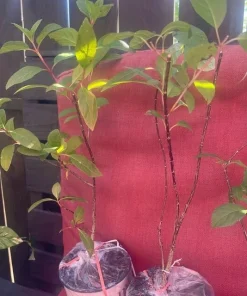
This offering is for one northern catalpa tree, provided as a 12-24 inch bare root starter plant. Bare root plants are shipped without soil around their roots, allowing for easier transport and often quicker establishment in their new environment. Upon planting, this catalpa speciosa plant will begin to develop its root system and grow vigorously. A mature northern catalpa tree typically reaches an impressive height of 40 to 70 feet, with a broad, spreading canopy that can extend 20 to 40 feet wide. Its rapid growth rate means you can expect significant development within a few years of planting.
The tree will produce its distinctive white, bell-shaped flowers in late spring to early summer, usually after a few years of establishment. The long, bean-like seed pods will follow, providing continuous interest through the fall and winter. This species is known for its strong, durable wood, though it’s primarily valued for its ornamental appeal. The cigar tree benefits are numerous, including substantial shade and a unique aesthetic. Ensure you have adequate space for its mature size when selecting a planting location, as it will grow into a large, commanding specimen in your landscape.
Frequently Asked Questions
-
Q: How big does this northern catalpa tree get? A: A mature northern catalpa tree typically reaches an impressive height of 40 to 70 feet with a spread of 20 to 40 feet. It’s a large tree, so ensure you have sufficient space for its growth.
-
Q: Is this an indoor or outdoor plant? A: The catalpa speciosa plant is an outdoor tree. It requires ample space and sunlight to thrive and is not suitable for indoor cultivation.
-
Q: How much sunlight does it need? A: This tree prefers full sun to partial shade, meaning it should receive at least 6 hours of direct sunlight per day for optimal growth and flowering. More sun generally leads to better blooming.
-
Q: Is this plant easy to care for? A: Yes, hardy catalpa care is considered relatively easy once the tree is established. It’s adaptable to various soil conditions and drought-tolerant, making it a low-maintenance choice for many gardeners.
-
Q: What condition will it arrive in? A: This product is a bare root starter plant, meaning it will arrive without soil around its roots. This is a common and effective way to ship deciduous trees, allowing them to establish quickly after planting.
-
Q: When is the best time to plant a western catalpa growing? A: The best time to plant bare root trees like the northern catalpa tree is typically in early spring, after the last hard frost and before new leaf growth fully emerges. This allows the roots to establish before the stress of summer heat.
-
Q: What USDA hardiness zones is the catalpa speciosa plant suitable for? A: The northern catalpa tree is hardy in USDA zones 4 through 8, making it suitable for a wide range of temperate climates across the United States.
-
Q: Will the ‘bean pods’ make a mess? A: The long seed pods are a distinctive feature and can persist through winter. While they eventually fall, they are generally not considered overly messy compared to other fruiting trees. Many find them to add unique winter interest.
-
Q: Does it attract wildlife? A: Yes, the flowers of the northern catalpa tree attract pollinators like hummingbirds and various insects. The leaves are also a food source for the catalpa sphinx moth caterpillars, which in turn are a food source for birds, contributing to local ecosystems.
-
Q: How quickly will it grow? A: The northern catalpa tree is known for its rapid growth rate, especially in its early years. You can expect significant vertical growth and canopy development within the first few seasons after planting.
Be the first to review “Northern Catalpa Tree – Catalpa speciosa Live Plant, 12-24in Bare Root Starter”
People Also Viewed
Fruits
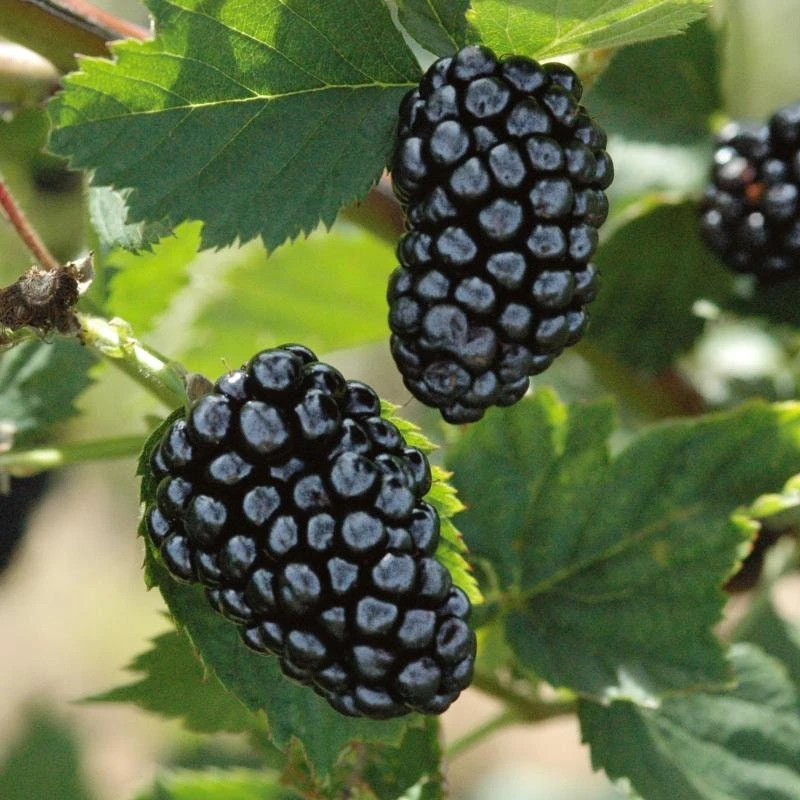
Natchez Thornless Blackberry Plant – Live Starter Plant – 4-6 inch – Outdoor Edible Fruit Shrub
Vines
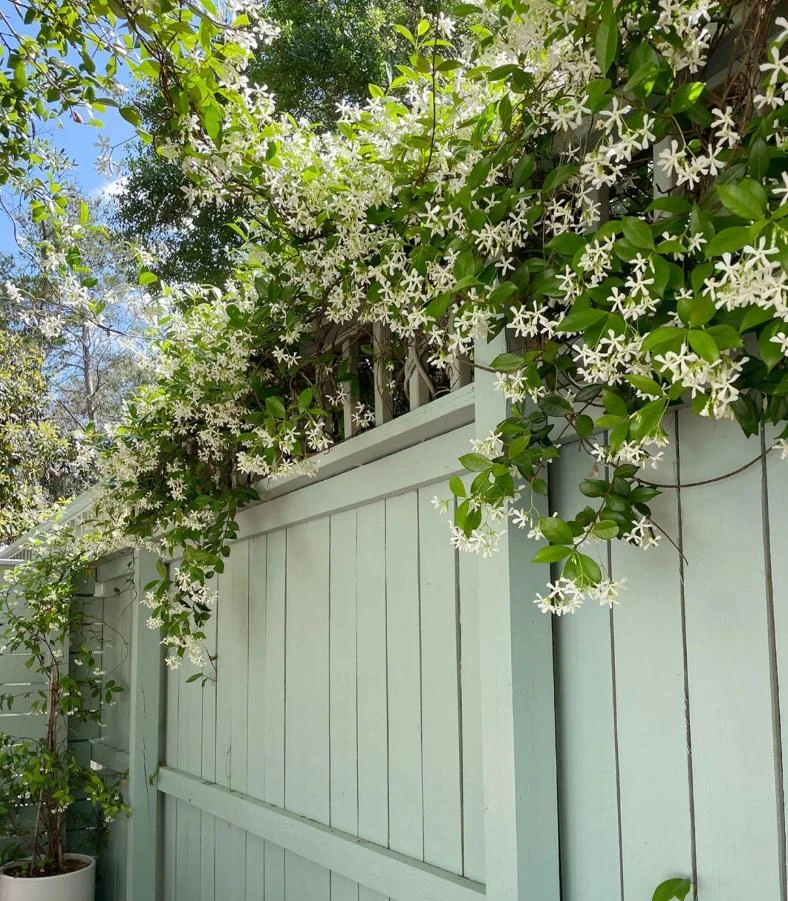
Confederate Jasmine Live Plant – Set of 2, 3-6″ Tall in 3-4″ Pots – Fragrant Evergreen Climbing Vine

Reviews
There are no reviews yet.