

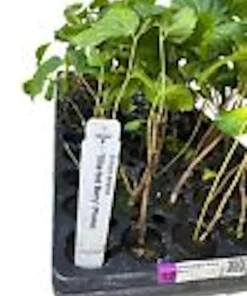
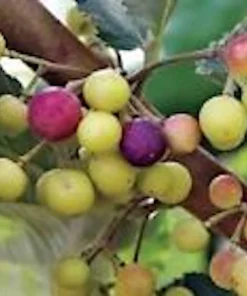
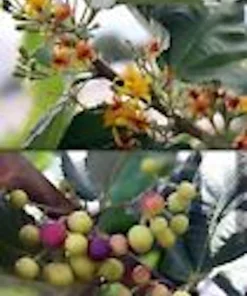
5 Sherbet Berry Live Plants – Grewia Asiatica Edible Fruit Starters, Zones 9-11
Original price was: $124.99.$99.99Current price is: $99.99.
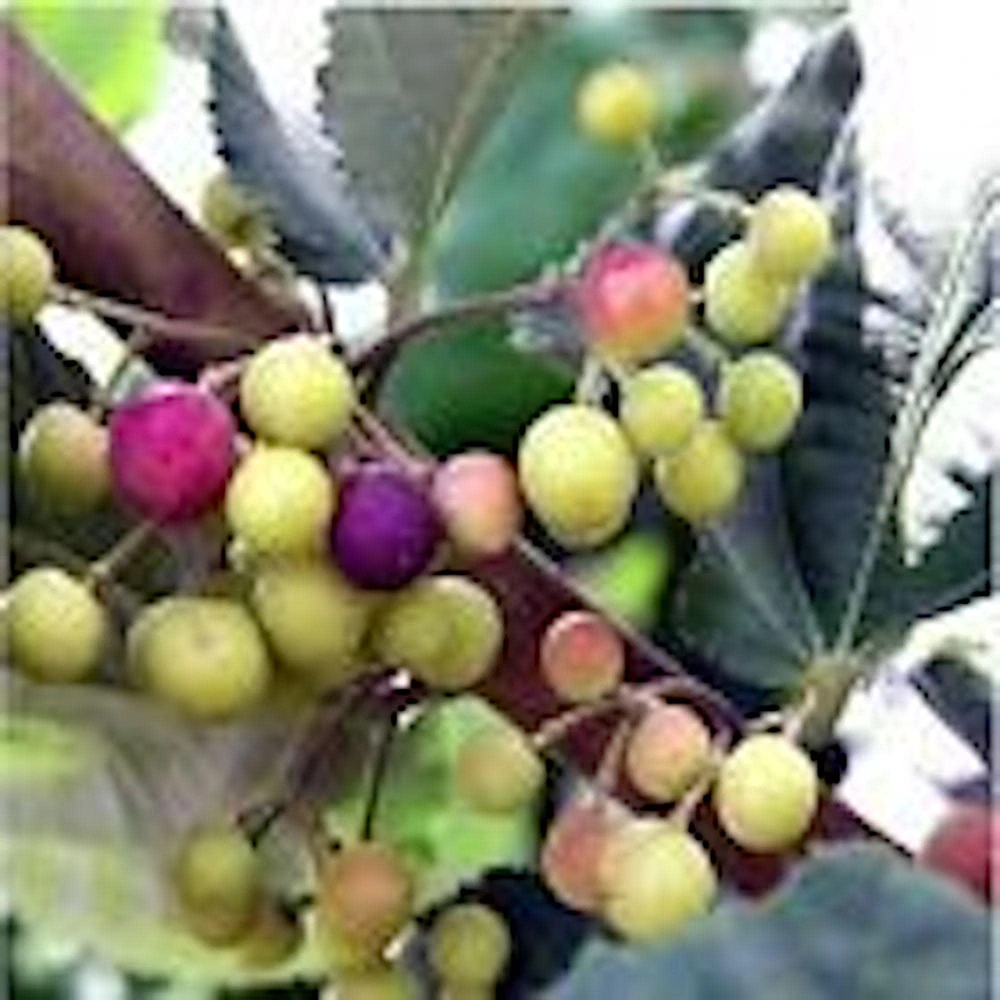
Cultivate your own delicious and antioxidant-rich sherbet berry live plant with this convenient 5-pack of Grewia asiatica plant starters. These drought-tolerant deciduous shrubs produce edible fruit, perfect for eating fresh or making refreshing beverages. Ideal for zones 9-11, these versatile plants can thrive both indoors and outdoors, bringing a touch of the tropics to your garden or home.
Estimated arrival
Sep 29
Oct 04 - Oct 06
Oct 09 - Oct 13
Shop With Confidence
30-Day Plant Health Guarantee
Arrives damaged? We’ll replace it free — see our return policy.
Responsive Support
Email us anytime, we reply within 1 business day.
Expert Packaging
Temperature-controlled shipping to protect your plants in transit.
Secure Checkout
Pay safely with Visa, Mastercard, PayPal.
Plant Specifications
-
USDA Hardiness Zone
USDA zones 9-11 -
Soil Type
Adapts to a wide variety of soils, well-draining -
Sunlight Exposure
Full to part sun -
Expected Planting Period
Year-round in warm climates; spring after last frost in others
Overview
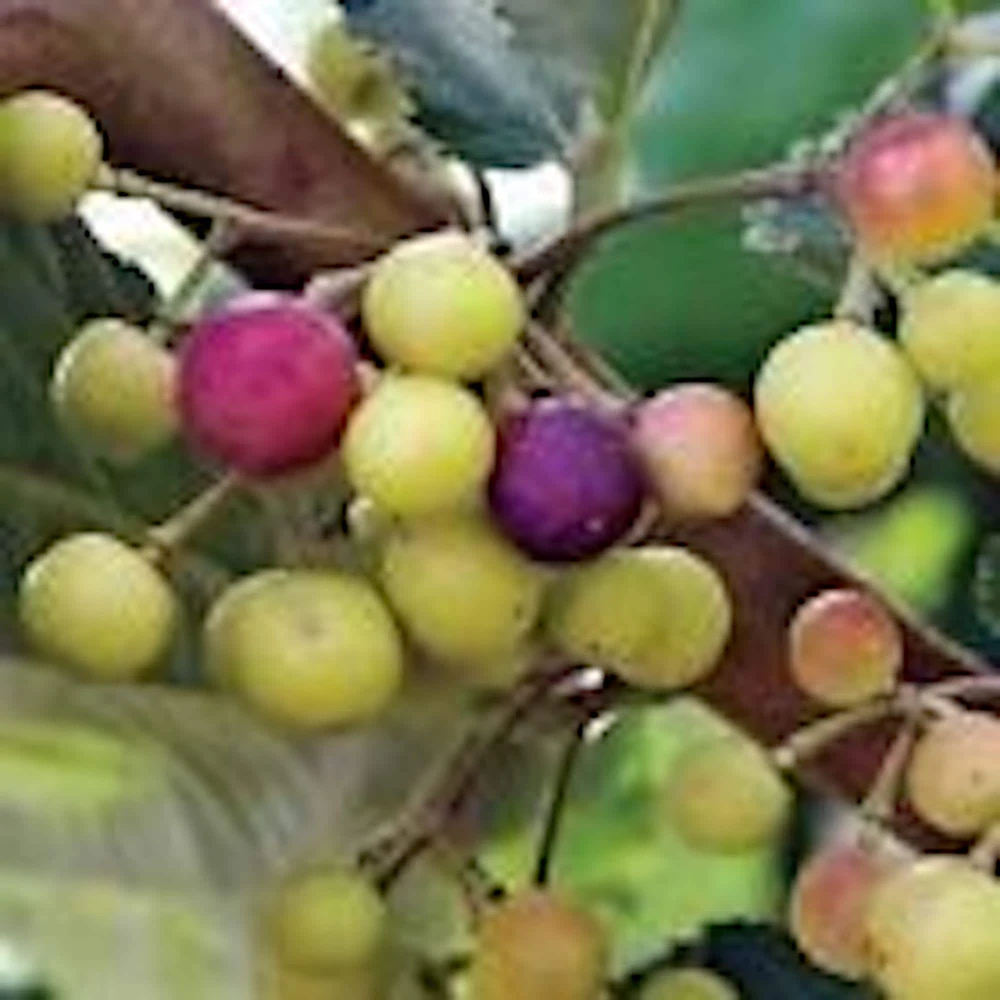
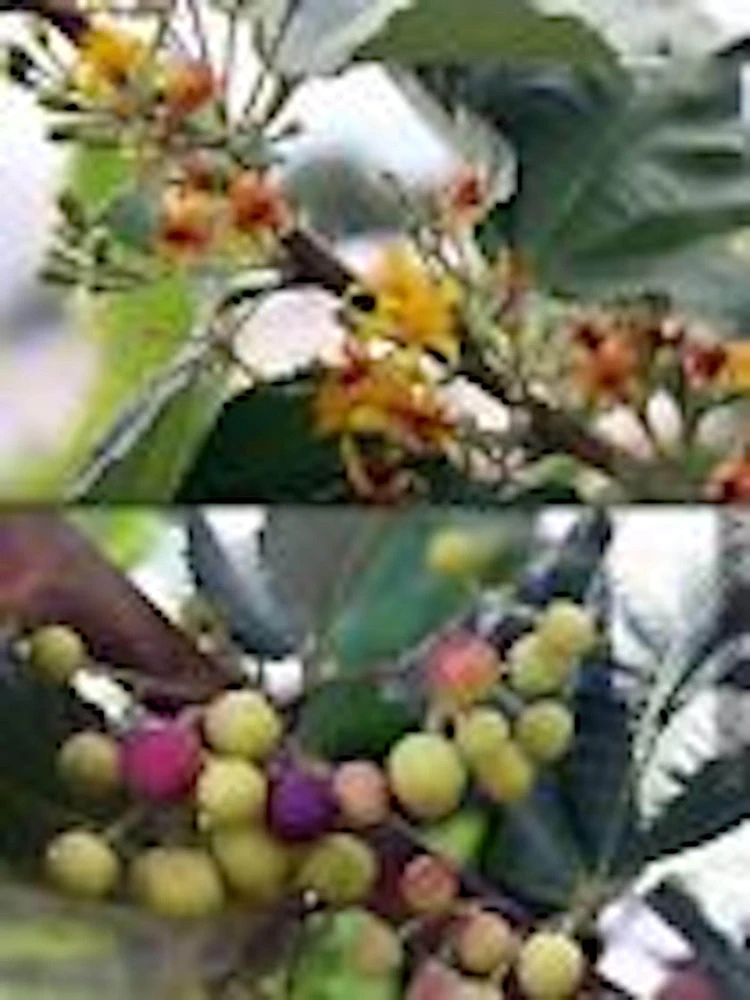
Embark on a rewarding gardening journey with our sherbet berry live plant starters. This offering includes 5 young Grewia asiatica plant specimens, ready to establish themselves in your garden or a suitable container. Known scientifically as Grewia asiatica, the Sherbet Berry, also commonly referred to as Phalsa, is a fascinating deciduous shrub or small tree celebrated for its delicious and health-benefiting fruits. Originating from Southeast Asia, particularly from Pakistan to Cambodia, this plant has been cherished for centuries for its culinary and medicinal value. These starters provide an excellent opportunity to grow your own source of fresh, antioxidant-rich berries, whether you’re an experienced gardener or just beginning your edible landscape adventure. The robust nature of the Sherbet Berry makes it a resilient choice, capable of adapting to various growing conditions.
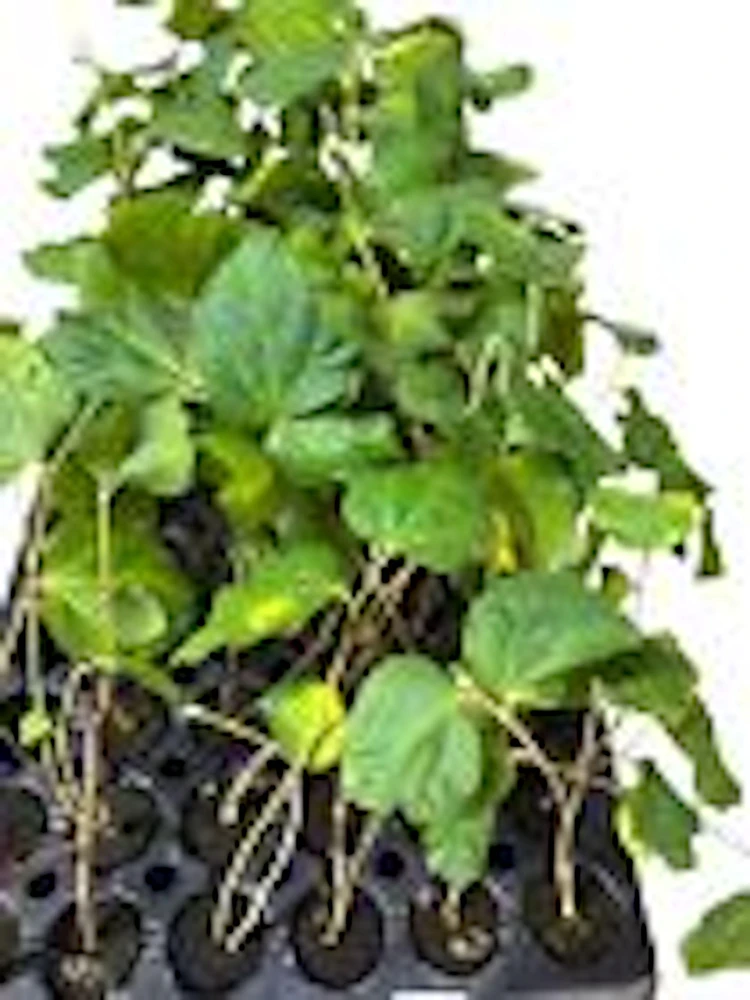
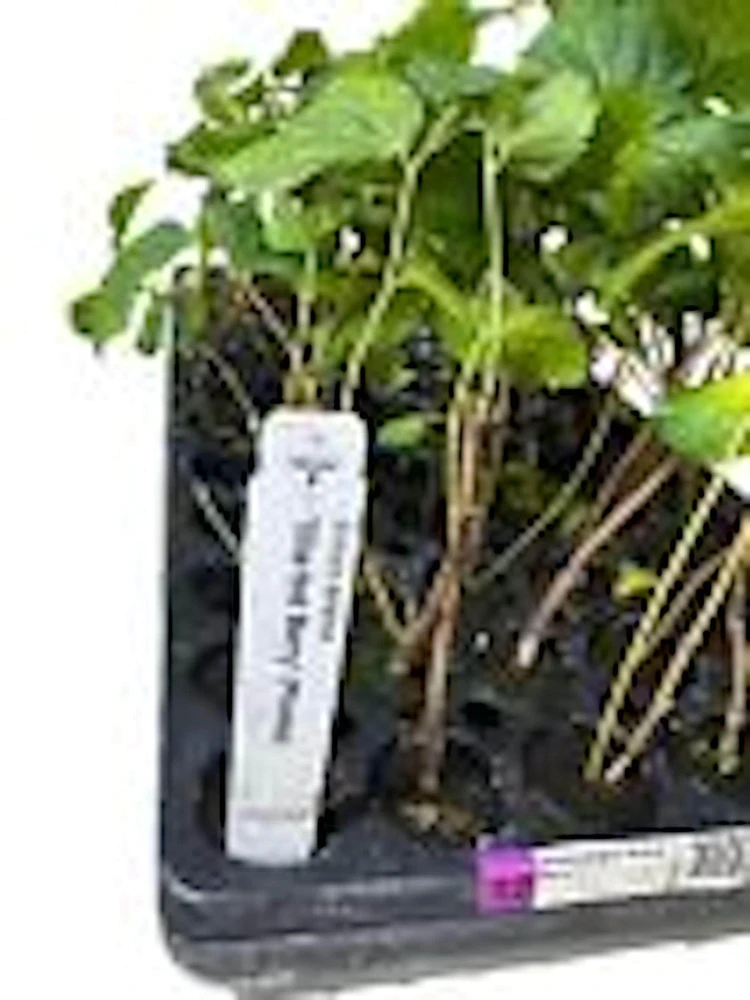
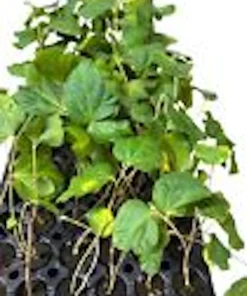
Each of the 5 sherbet berry live plant starters is carefully prepared for transit, ensuring they arrive healthy and ready for planting. These are bare root plants, meaning they are shipped without soil or pots, which is a common and effective method for transporting young plants, reducing stress and promoting quick establishment upon arrival. The Sherbet Berry is not only a source of delightful fruit but also an attractive addition to any garden with its lush foliage. Its adaptability to a wide range of environments makes it a versatile choice for many climates within its recommended hardiness zones. Prepare to enjoy the unique flavor and numerous advantages of homegrown phalsa fruit with these promising starters.
Key Benefits
Growing your own sherbet berry live plant offers a multitude of advantages, from fresh produce to a unique ornamental addition. Here are some of the key benefits:
- Delicious Edible Fruit: The primary benefit is the production of small, sweet-tart berries (phalsa) that are perfect for eating fresh, making juices, sherbets, or jams. Enjoy a unique flavor profile unlike anything found in typical grocery stores.
- Rich in Antioxidants:Grewia asiatica plant berries are packed with antioxidants, contributing to overall health and well-being. Incorporating them into your diet can support a healthy lifestyle.
- Drought-Tolerant Nature: Once established, the Sherbet Berry is remarkably drought-tolerant, requiring less water than many other fruiting plants. This makes it an excellent choice for water-wise gardening.
- Versatile Growing Options: This plant can be grown as a shrub or a small tree and is suitable for both indoor and outdoor cultivation, provided the climate conditions are met. It’s a great option for containers on patios or as part of a landscape.
- Adaptable to Various Soils: The drought tolerant plant is not particular about soil types and can thrive in a wide variety of soils, making it easier to establish in different garden settings.
- Unique Garden Addition: Beyond its fruit, the Sherbet Berry adds an exotic touch to your garden or home. Its deciduous nature offers seasonal interest, and the plant itself is a conversation starter.
- Potential Medicinal Uses: Traditionally, various parts of the phalsa fruit plant have been used in Ayurvedic medicine for their potential therapeutic properties, adding another layer of value to this remarkable plant.
Plant Care & Growing Tips
Caring for your sherbet berry live plant is relatively straightforward, especially given its resilient nature. These drought-tolerant plants are quite adaptable once established. For optimal growth, provide a location with full to part sun. This means at least 6 hours of direct sunlight per day for full sun, or 4-6 hours for part sun. While it can tolerate some shade, ample sunlight promotes better fruit production. The Grewia asiatica plant adapts to a wide variety of soil types, but like most plants, it prefers well-draining soil. Avoid heavy, waterlogged conditions which can lead to root rot. If planting in a container, use a good quality potting mix that drains freely.
Watering needs for the edible fruit tree are average. During the establishment phase, especially after transplanting, keep the soil consistently moist but not soggy. Once mature, these plants exhibit good drought tolerance, meaning they can withstand periods of dryness. However, for continuous fruit production, regular watering during dry spells is recommended. Light frosts will cause the leaves to shed, but generally do not damage the plant, as it is deciduous. It thrives in USDA Zones 9-11, where it can be grown outdoors year-round. In colder zones, it can be grown in containers and brought indoors during winter, or treated as an annual. Fertilize sparingly with a balanced, slow-release fertilizer in early spring to support healthy growth and fruiting. Pruning can be done to maintain shape and size, and to encourage new growth and better fruit yields.
Size & Details
This offering includes 5 sherbet berry live plant starters, shipped bare root to ensure healthy establishment in your chosen location. Each starter is a young plant, ready for transplanting. Upon maturity, the Grewia asiatica plant typically reaches an average height of 6-15 feet, forming a sizable shrub or small tree, depending on pruning and growing conditions. The berries, or phalsa, produced by this phalsa fruit plant range in size from 1/4 to 1/2 inch in diameter. These plants are known for a moderate to fast growth rate under ideal conditions, allowing you to enjoy fresh fruit within a few seasons. They are suitable for growing in containers, which can limit their ultimate size, or directly in the ground in appropriate climates. The deciduous nature means they will shed leaves in colder periods or during very dry conditions, only to re-leaf with the return of favorable weather.
As these are bare root starters, they are shipped without soil or pots. This method allows for efficient shipping and helps the plant acclimate quickly to its new environment. Upon arrival, it is crucial to plant them promptly. The drought tolerant plant will establish its root system and begin to show significant growth within the first growing season. While fruit production can begin within 2-3 years, a mature plant will yield a more abundant harvest. The versatility of growing these plants makes them ideal for various garden designs, from edible landscapes to patio container gardens.
Frequently Asked Questions
- Q: How big does this sherbet berry live plant get? A: The Sherbet Berry typically grows to an average mature height of 6-15 feet, depending on growing conditions and whether it’s pruned as a shrub or allowed to grow into a small tree. Container growing can also restrict its overall size.
- Q: Is this an indoor or outdoor plant? A: This Grewia asiatica plant is versatile and can be grown both indoors and outdoors. It thrives outdoors in USDA Zones 9-11. In colder climates, it can be grown in containers and brought indoors during winter months.
- Q: How much sunlight does it need? A: The Sherbet Berry prefers full to part sun, meaning it needs at least 4-6 hours of direct sunlight per day. More sun generally leads to better fruit production.
- Q: What condition will it arrive in? A: Your edible fruit tree starters will arrive as bare root plants, meaning they are shipped without soil or pots. This is a common and effective method for live plant shipping, ensuring they are ready for immediate planting upon arrival.
- Q: Can I use the fruit in cooking or beverages? A: Absolutely! The berries from this phalsa fruit plant are highly prized. They can be eaten fresh, or made into delicious and tart beverages, jams, and sherbets.
- Q: How long until it produces fruit? A: While young plants may produce some fruit, significant fruit production typically begins within 2-3 years after planting, once the plant has established itself and matured.
- Q: What are the cold tolerance limits for this plant? A: The Sherbet Berry is suitable for USDA Zones 9-11. Light frosts will cause the plant to shed its leaves, but generally do not cause permanent damage. It is deciduous and will regrow foliage in warmer weather.
- Q: Is this plant easy to care for? A: Yes, the drought tolerant plant is considered relatively easy to care for. It’s adaptable to various soils and, once established, is quite drought-tolerant, making it a good choice for gardeners of varying experience levels.
- Q: What kind of soil does it need? A: The Sherbet Berry adapts to a wide variety of soils. However, like most plants, it thrives best in well-draining soil. If planting in a container, use a good quality, free-draining potting mix.
- Q: How many plants are included in this order? A: This offering includes 5 individual sherbet berry live plant starters, providing you with multiple opportunities to establish these wonderful fruit-bearing plants.
Be the first to review “5 Sherbet Berry Live Plants – Grewia Asiatica Edible Fruit Starters, Zones 9-11”
People Also Viewed
Uncategorized
Live Bella Rosella Fuchsia Plant – Medium – 5″ Pot – Shade-Loving Pink Flowering Ornamental Plant
Reviews
There are no reviews yet.