
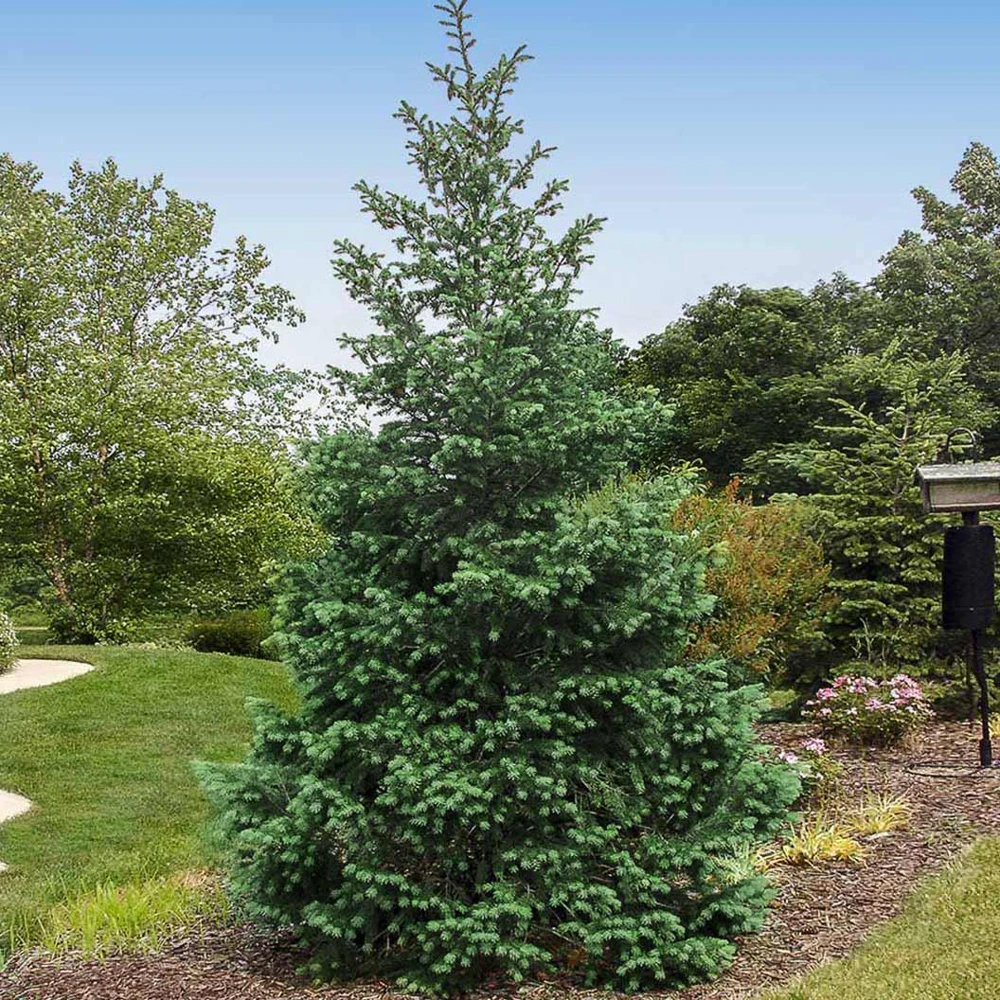
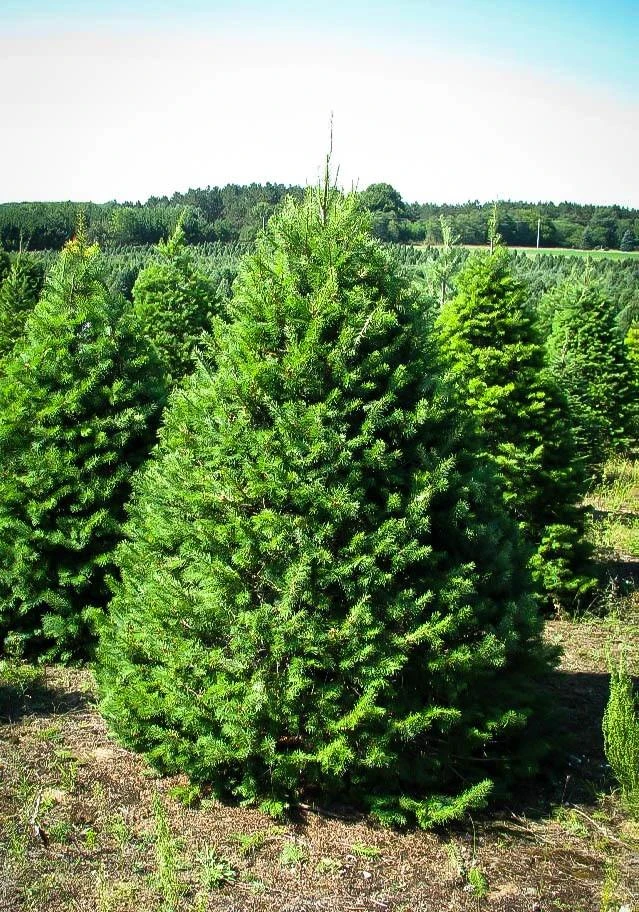
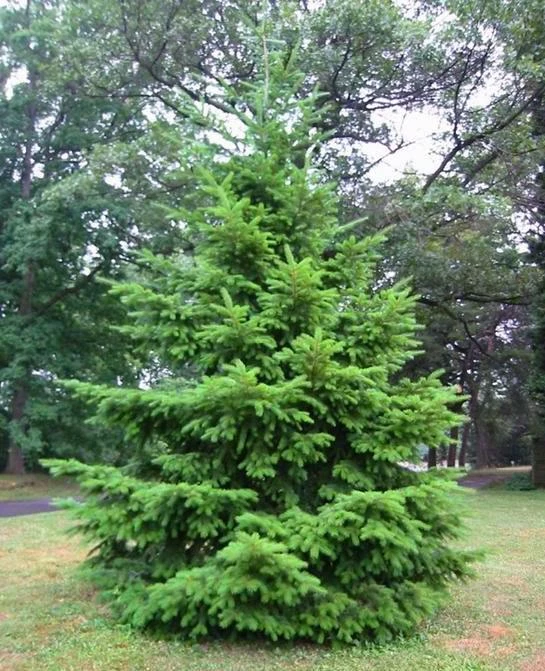
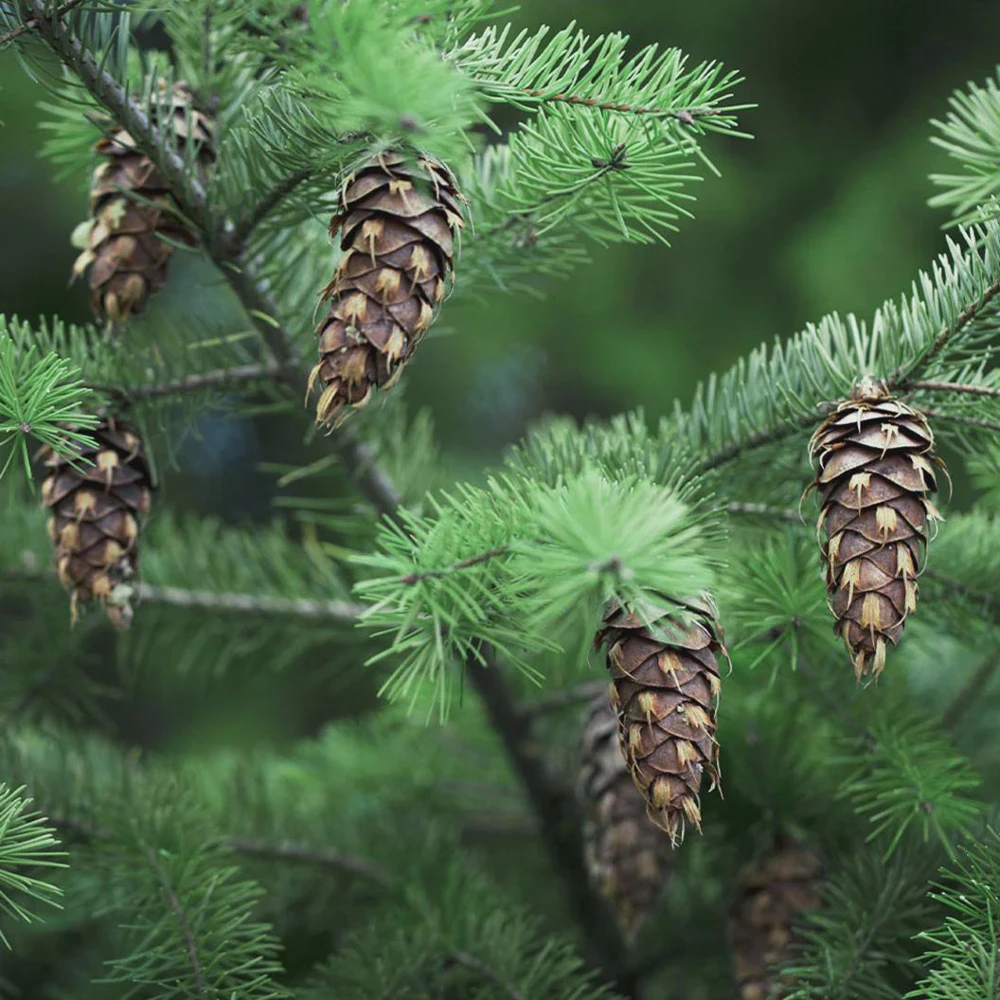
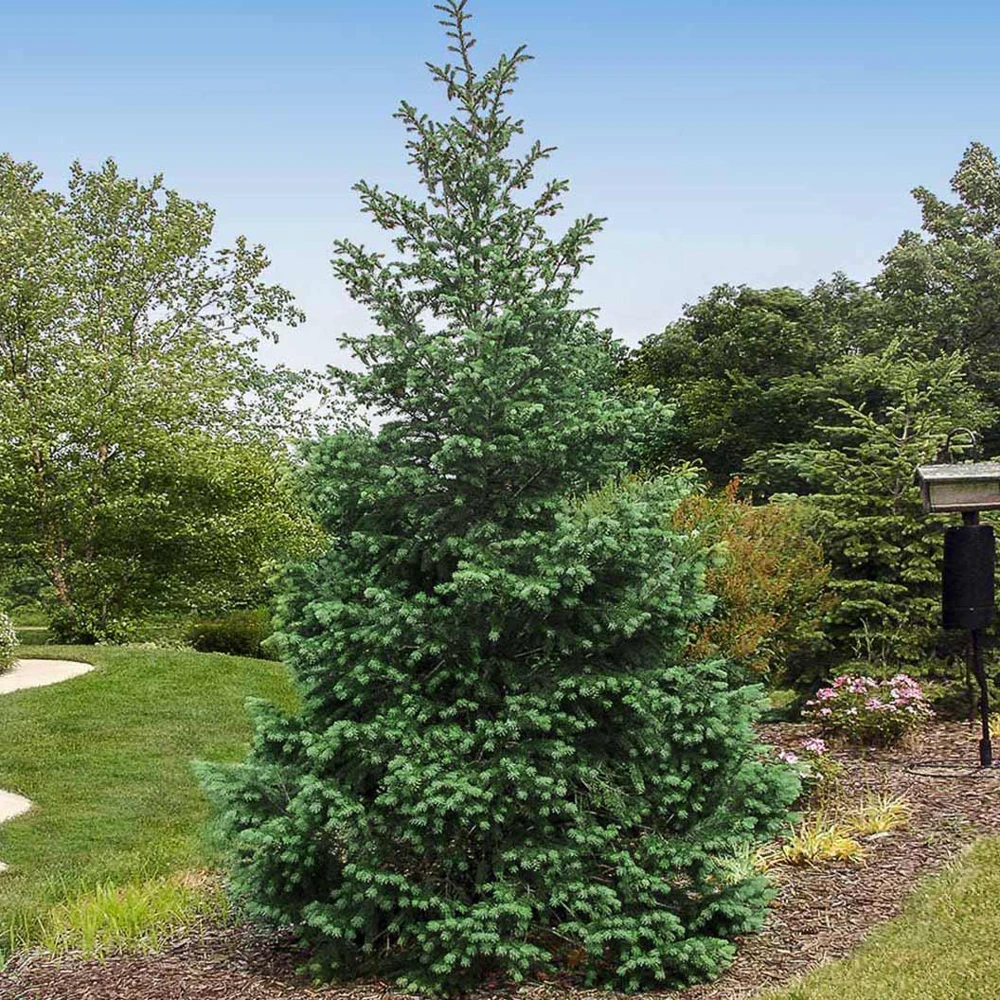
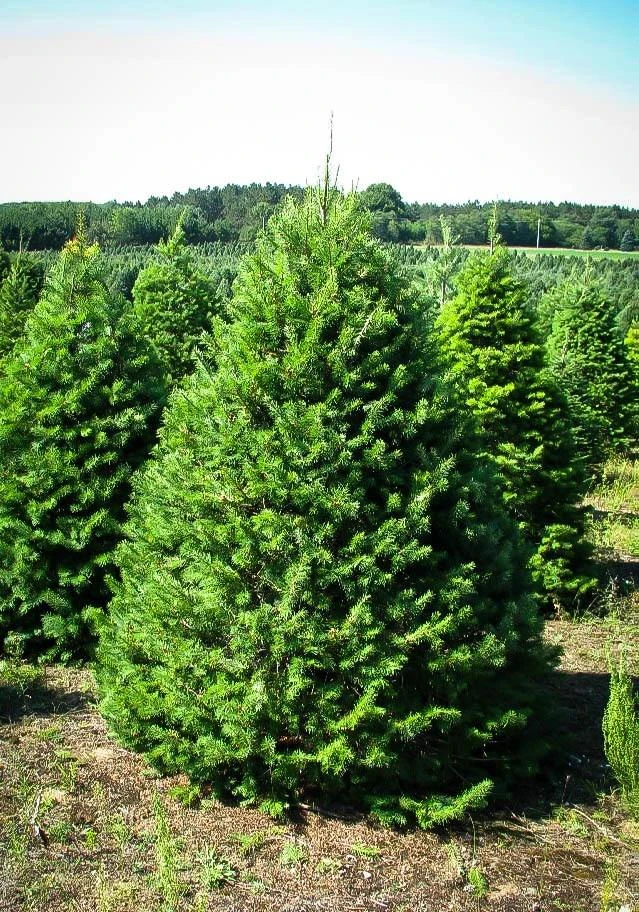
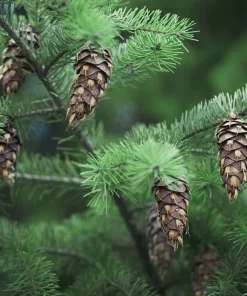
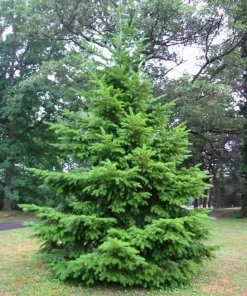
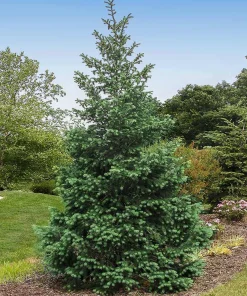
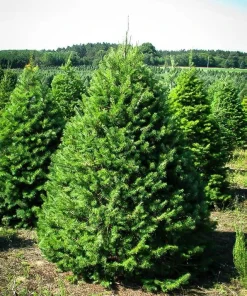
5 Douglas Fir Pseudotsuga menziesii Starter Tree Bare Root – Outdoor Conifer
Original price was: $125.99.$100.99Current price is: $100.99.
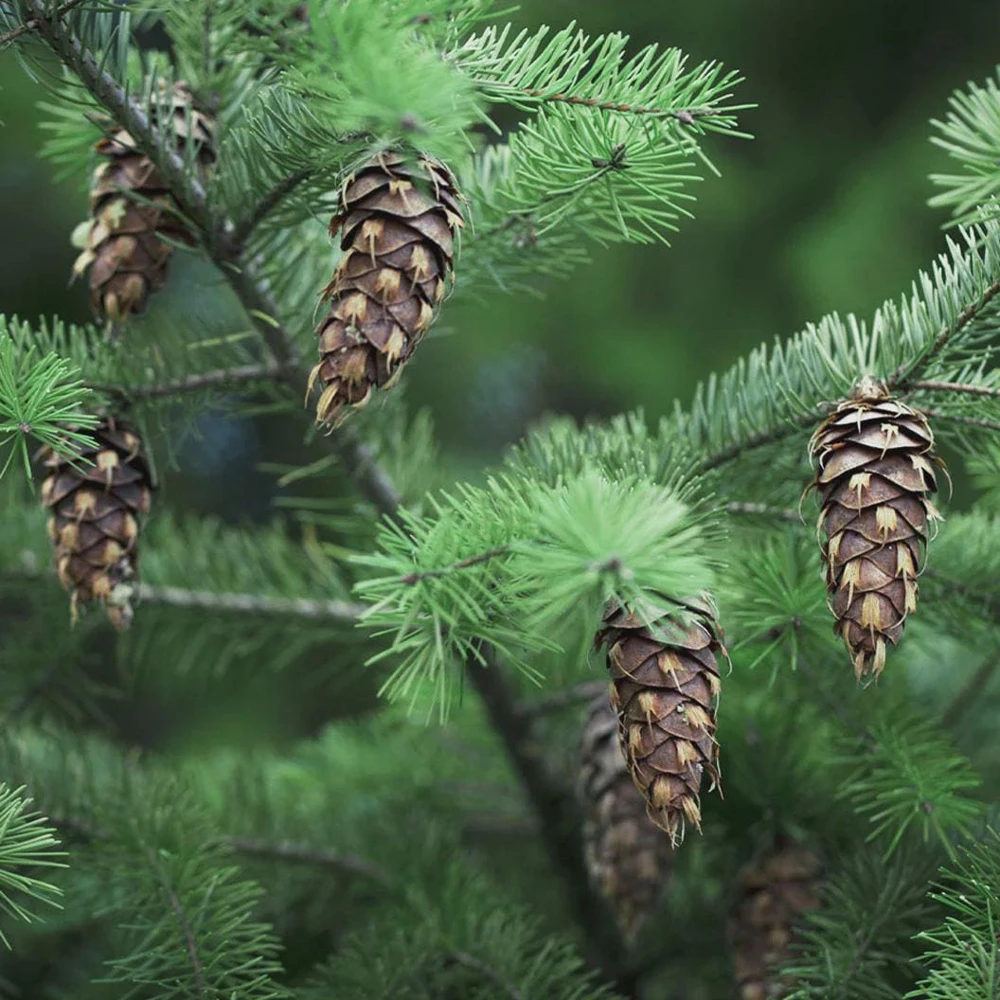
Start your own conifer forest with these 5 Douglas Fir bare root starter trees. Known for their rapid growth and majestic stature, Pseudotsuga menziesii tree are perfect for landscaping, timber, or as future Christmas trees. These hardy seedlings establish quickly in various climates.
Estimated arrival
Sep 29
Oct 04 - Oct 06
Oct 09 - Oct 13
Shop With Confidence
30-Day Plant Health Guarantee
Arrives damaged? We’ll replace it free — see our return policy.
Responsive Support
Email us anytime, we reply within 1 business day.
Expert Packaging
Temperature-controlled shipping to protect your plants in transit.
Secure Checkout
Pay safely with Visa, Mastercard, PayPal.
Plant Specifications
-
USDA Hardiness Zone
USDA Zones 4-6 -
Soil Type
Well-draining, loamy or sandy loam -
Sunlight Exposure
Full sun -
Expected Planting Period
Early spring or late fall
Overview
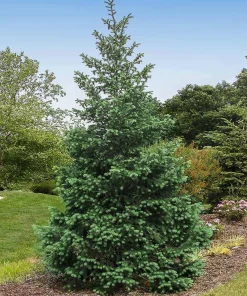
Embark on a rewarding journey of growing your own majestic conifers with this offering of 5 Douglas Fir bare root starter trees. The Douglas Fir, scientifically known as Pseudotsuga menziesii tree, is a truly iconic evergreen, celebrated for its impressive height, valuable timber, and role as a beloved Christmas tree. These starter trees provide an excellent opportunity for gardeners, landscapers, and forestry enthusiasts to cultivate one of North America’s most significant tree species. Originating from the western regions of the continent, the Douglas Fir is renowned for its adaptability and relatively fast growth, making it a popular choice for reforestation, windbreaks, and large-scale landscaping projects. When you plant these Douglas Fir starter tree seedlings, you’re not just planting trees; you’re investing in a future of natural beauty and ecological benefit.
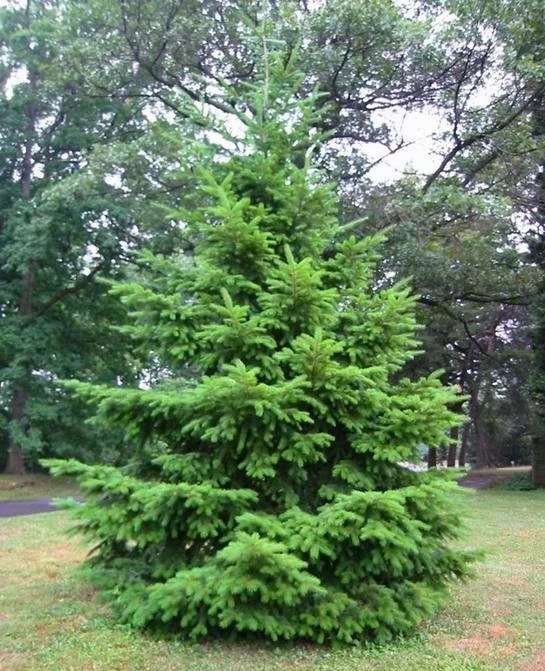
These Pseudotsuga menziesii tree seedlings are shipped bare root when dormant, ensuring they are ready for planting upon arrival. The bare root format allows for easy handling and promotes strong root development once planted. Douglas Firs are known for their distinct pyramidal shape in youth, maturing into grand, stately trees with dense foliage. They provide excellent habitat for wildlife and contribute significantly to air quality. Whether your goal is to create a privacy screen, establish a timber stand, or simply enjoy the grandeur of a rapidly growing conifer, these 5 Douglas Fir bare root trees offer a robust foundation for your green aspirations. Learn how to grow Douglas Fir successfully with our detailed guide.
Key Benefits
The Douglas Fir offers a multitude of benefits for any landscape or garden project, making it a highly desirable choice for planting. These robust trees are not only aesthetically pleasing but also provide significant ecological and practical advantages. Cultivating a Douglas Fir starter tree brings long-term rewards.
- Rapid Growth & Stature: Douglas Firs are known for their relatively fast growth rate, quickly establishing themselves and adding significant height to your landscape. They can reach impressive mature sizes, creating a striking visual impact and providing substantial shade. This makes them ideal if you want to grow Douglas Fir quickly.
- Valuable Timber Resource: As one of the most important timber species in North America, Douglas Fir wood is highly prized for its strength and durability. Planting these trees can be a long-term investment, offering potential future value as a sustainable timber source.
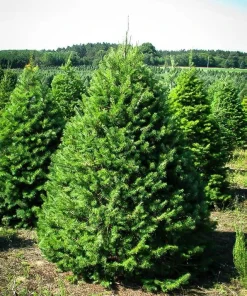
- Iconic Christmas Tree: The dense, attractive foliage and classic conical shape make the Douglas Fir a popular choice for Christmas trees. Growing your own means you can enjoy fresh, fragrant trees for holiday seasons to come.
- Ecological Contributions: These trees provide vital habitat and food sources for various wildlife, including birds and small mammals. They also play a crucial role in carbon sequestration, contributing to a healthier environment. Planting a conifer tree for sale like this supports local ecosystems.
- Versatile Landscaping Use: Ideal for windbreaks, privacy screens, reforestation, or as majestic specimen trees, the Douglas Fir adapts well to various landscaping applications. Its evergreen nature ensures year-round beauty and structure in your garden.
- Hardy and Adaptable: The Pseudotsuga menziesii tree is remarkably hardy and can thrive in a wide range of climates and soil conditions, provided its basic needs are met. This resilience makes it suitable for many regions across the US.
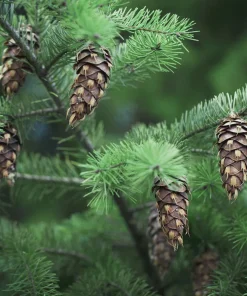
- Aromatic Foliage: The needles of the Douglas Fir emit a pleasant, fresh scent, especially when crushed, adding a delightful olfactory element to your garden or home during the holidays.
Plant Care & Growing Tips
To successfully grow Douglas Fir trees, understanding their specific care requirements is essential. These resilient conifers thrive with proper attention, especially during their establishment phase. Douglas Firs prefer full sun exposure, meaning at least 6-8 hours of direct sunlight per day. While they can tolerate some partial shade, optimal growth and density are achieved in brighter conditions. Ensure your planting site provides ample space for these trees to grow, as they can reach significant heights and widths.
When it comes to watering, consistent moisture is key, particularly for newly planted Douglas Fir bare root seedlings. The soil should be kept moist but never waterlogged. Once established, Douglas Firs are relatively drought-tolerant, but they will benefit from deep watering during prolonged dry spells. Well-draining soil is crucial; a loamy or sandy loam with a slightly acidic to neutral pH (5.0-7.0) is ideal. Avoid heavy clay soils that retain too much water, as this can lead to root rot. Good drainage is paramount for the health of your Pseudotsuga menziesii tree.
Douglas Firs are hardy in USDA Zones 4-6, making them suitable for many temperate regions. Fertilization is generally not necessary for established trees in good soil, but young seedlings can benefit from a balanced, slow-release fertilizer applied in spring. Protect young trees from excessive competition from weeds and grasses, as these can steal vital nutrients and moisture. Mulching around the base of the tree can help retain soil moisture, regulate temperature, and suppress weeds. Pruning is typically minimal, focused on removing dead or damaged branches to maintain the tree’s health and shape. If you’re looking for a robust conifer tree for sale, these care tips will help ensure its success.
Size & Details
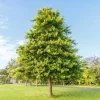
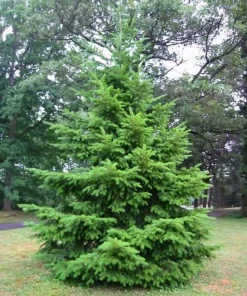
This offering includes 5 Douglas Fir bare root starter trees, ready for planting to establish your future forest or landscape feature. Each seedling is typically 6-12 inches tall at the time of shipping, making them ideal for rapid establishment. Shipped bare root when dormant, these young trees are designed to transplant easily and begin growing vigorously once planted. The Douglas Fir (Pseudotsuga menziesii tree) is a fast-growing conifer, capable of adding 1-2 feet of height per year under optimal conditions. Mature trees can reach impressive heights of 100-250 feet with a spread of 20-50 feet, so plan your planting location accordingly to accommodate their eventual size.
These Douglas Fir starter tree seedlings will develop into magnificent specimens, providing year-round greenery and a strong vertical element to your garden. Expect them to begin showing significant growth in their second year after planting, once their root systems are well-established. They are perfect for reforestation projects, creating natural privacy screens, or growing your own source of Christmas trees. The bare root format ensures a healthy root system, which is crucial for the long-term success of your trees. This conifer tree for sale offers a sustainable and rewarding planting experience.
Frequently Asked Questions
- Q: How big do these Douglas Fir starter trees get? A: These Douglas Fir bare root starter trees are typically 6-12 inches tall when shipped. Once planted, they are fast growers and can reach impressive mature heights of 100-250 feet, with a spread of 20-50 feet, over many years.
- Q: When is the best time to plant these Pseudotsuga menziesii trees? A: The best time to plant Pseudotsuga menziesii tree bare root seedlings is in early spring, after the last hard frost, or in late fall after the leaves have dropped and before the ground freezes. This allows the roots to establish before extreme temperatures.
- Q: How much sunlight does a Douglas Fir need? A: Douglas Firs prefer full sun, ideally receiving at least 6-8 hours of direct sunlight per day. While they can tolerate some partial shade, optimal growth and a dense canopy are achieved in brighter conditions.
- Q: Are these Douglas Fir starter trees easy to care for? A: Yes, these Douglas Fir starter tree seedlings are relatively easy to care for once established. The main focus during the first year is consistent watering and protection from weeds. They are hardy and adaptable to various conditions.
- Q: What kind of soil is best for growing Douglas Fir? A: Douglas Firs thrive in well-draining, moist soil. A loamy or sandy loam with a slightly acidic to neutral pH (5.0-7.0) is ideal. Avoid heavy clay soils that can lead to root rot.
- Q: What condition will the bare root trees arrive in? A: Your 5 Douglas Fir bare root trees will arrive dormant, carefully packaged to protect their root systems. They will not have soil around their roots, which is normal for bare root stock, ready for immediate planting upon arrival.
- Q: Can I use these trees for a Christmas tree farm? A: Absolutely! The Douglas Fir is one of the most popular Christmas tree species due to its classic conical shape, dense needles, and pleasant aroma. These starter trees are an excellent choice if you want to grow Douglas Fir for this purpose.
- Q: What USDA Hardiness Zones are suitable for Douglas Fir? A: Douglas Firs are generally hardy in USDA Zones 4 through 6, making them suitable for a wide range of climates across the United States.
- Q: How often should I water my newly planted Douglas Fir? A: Newly planted Douglas Firs require consistent moisture. Water deeply 2-3 times per week, or more often during hot, dry periods, ensuring the soil remains moist but not waterlogged until the tree is established.
- Q: Is this a good conifer tree for sale for privacy screening? A: Yes, the conifer tree for sale is an excellent choice for privacy screening. Its dense, evergreen foliage creates an effective visual barrier year-round, and its relatively fast growth helps establish privacy quickly.
Be the first to review “5 Douglas Fir Pseudotsuga menziesii Starter Tree Bare Root – Outdoor Conifer”
People Also Viewed




Vegetable Seeds
Hot Portugal Pepper Seeds – 20 Seeds – Very Hot, Early Maturing

Reviews
There are no reviews yet.