
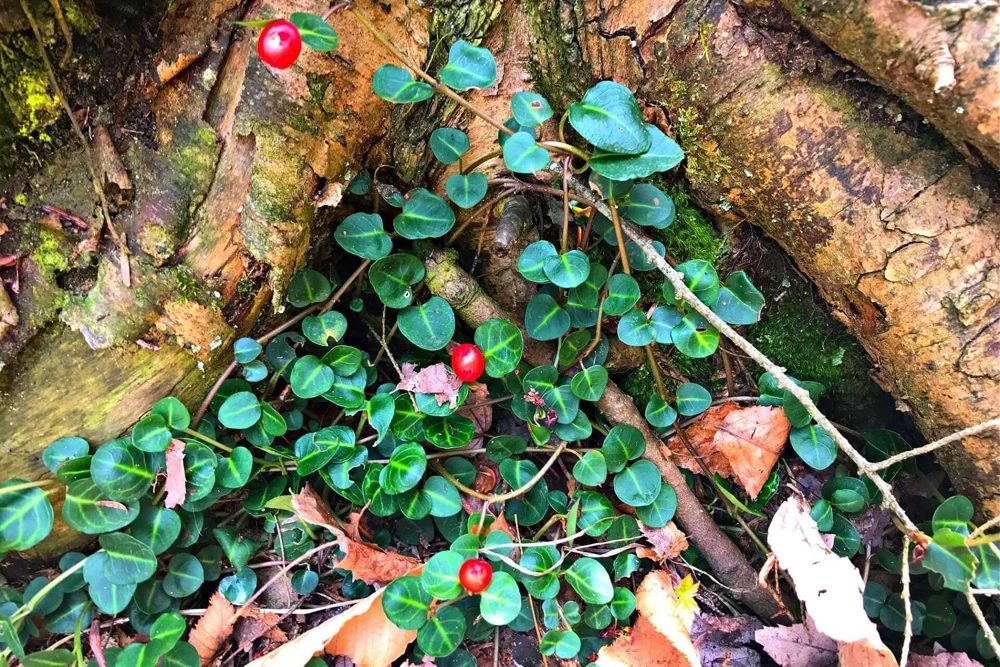
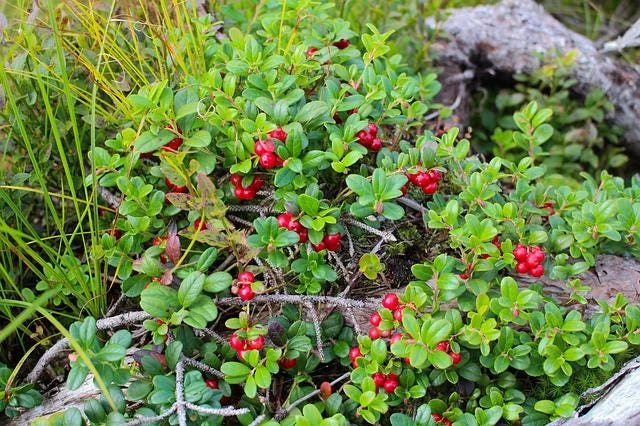
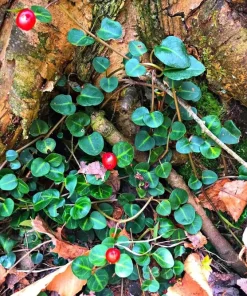
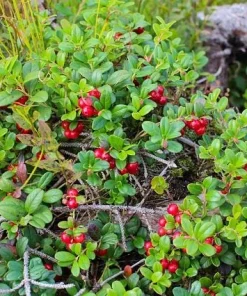
3 Partridge Berry Bare Root Plants – Mitchella repens – Evergreen Groundcover
Original price was: $67.99.$42.99Current price is: $42.99.
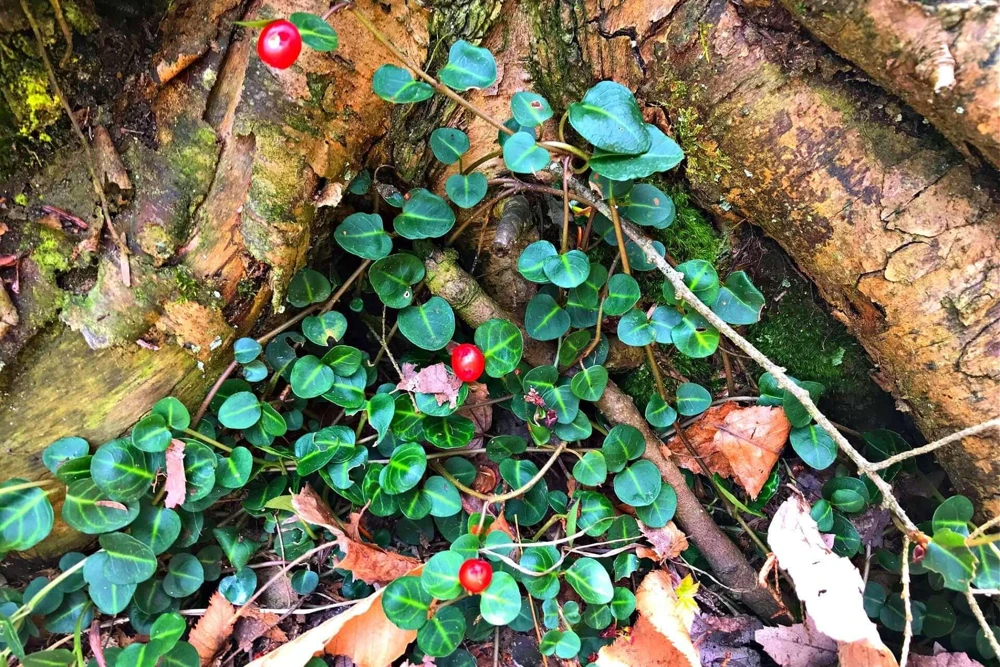
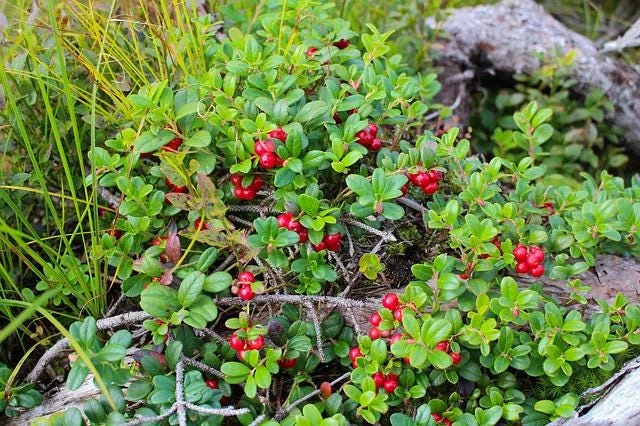
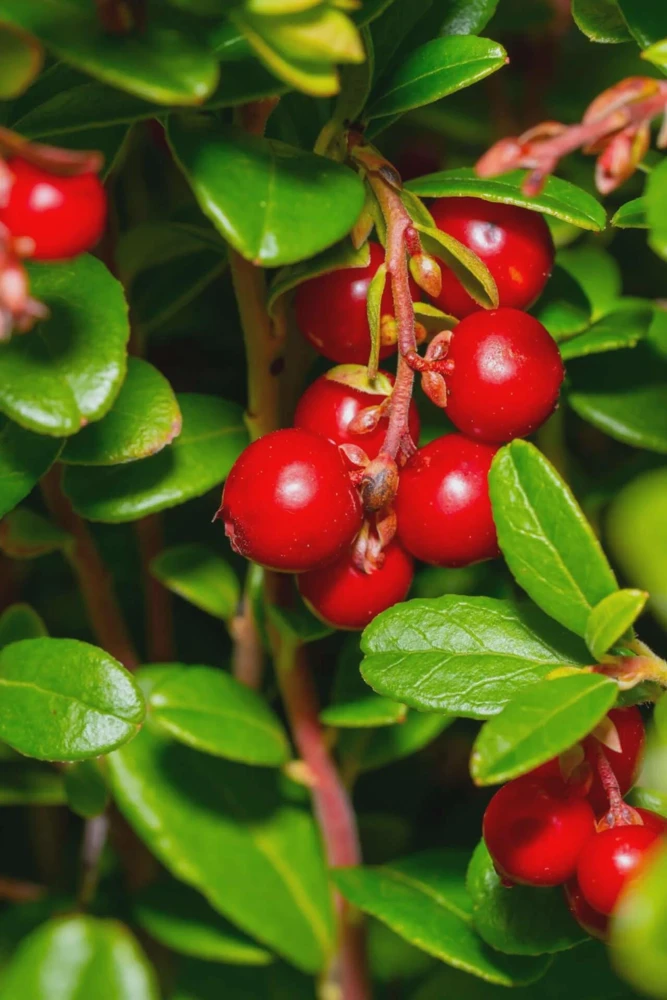
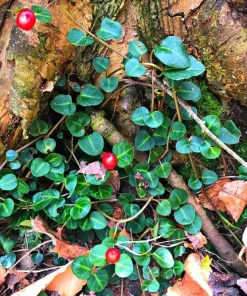
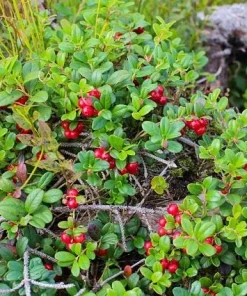
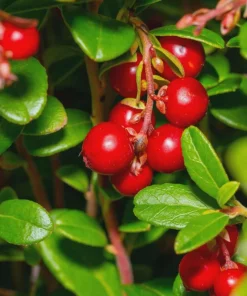
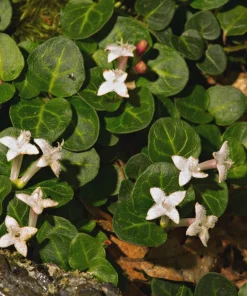
Introduce the charming Partridge Berry bare root to your landscape. This native Mitchella repens plant is an excellent choice for a beautiful, low-maintenance evergreen groundcover in shade garden plants, providing year-round visual interest with delicate flowers and bright red berries.
Estimated arrival
Sep 29
Oct 04 - Oct 06
Oct 09 - Oct 13
Shop With Confidence
30-Day Plant Health Guarantee
Arrives damaged? We’ll replace it free — see our return policy.
Responsive Support
Email us anytime, we reply within 1 business day.
Expert Packaging
Temperature-controlled shipping to protect your plants in transit.
Secure Checkout
Pay safely with Visa, Mastercard, PayPal.
Plant Specifications
-
USDA Hardiness Zone
USDA Zones 3-8 -
Soil Type
Rich, organic, well-draining soil -
Sunlight Exposure
Partial to full shade -
Expected Planting Period
Early spring or fall
Overview
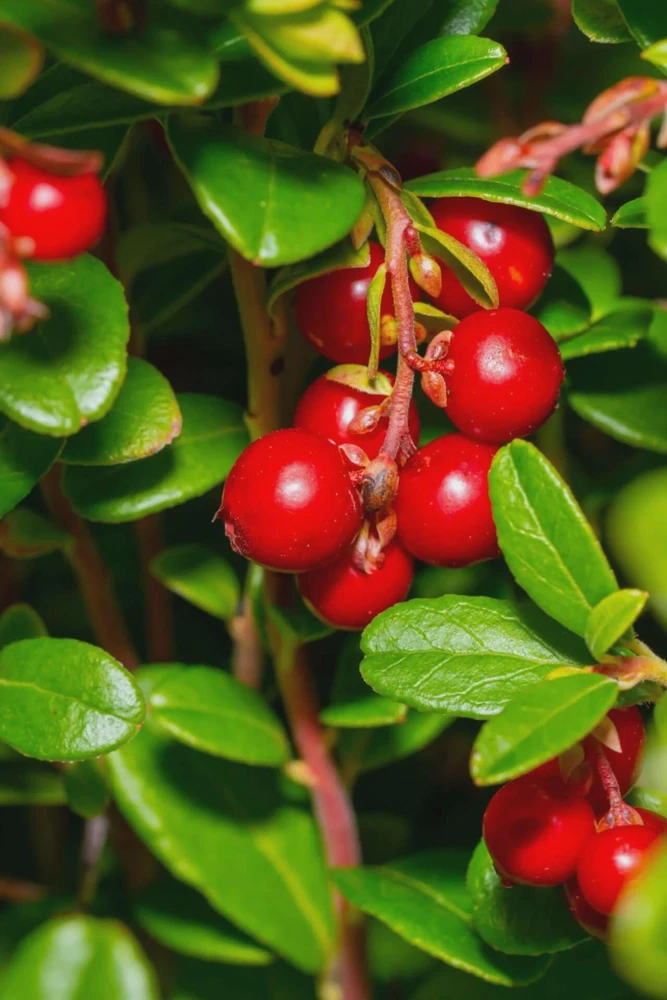
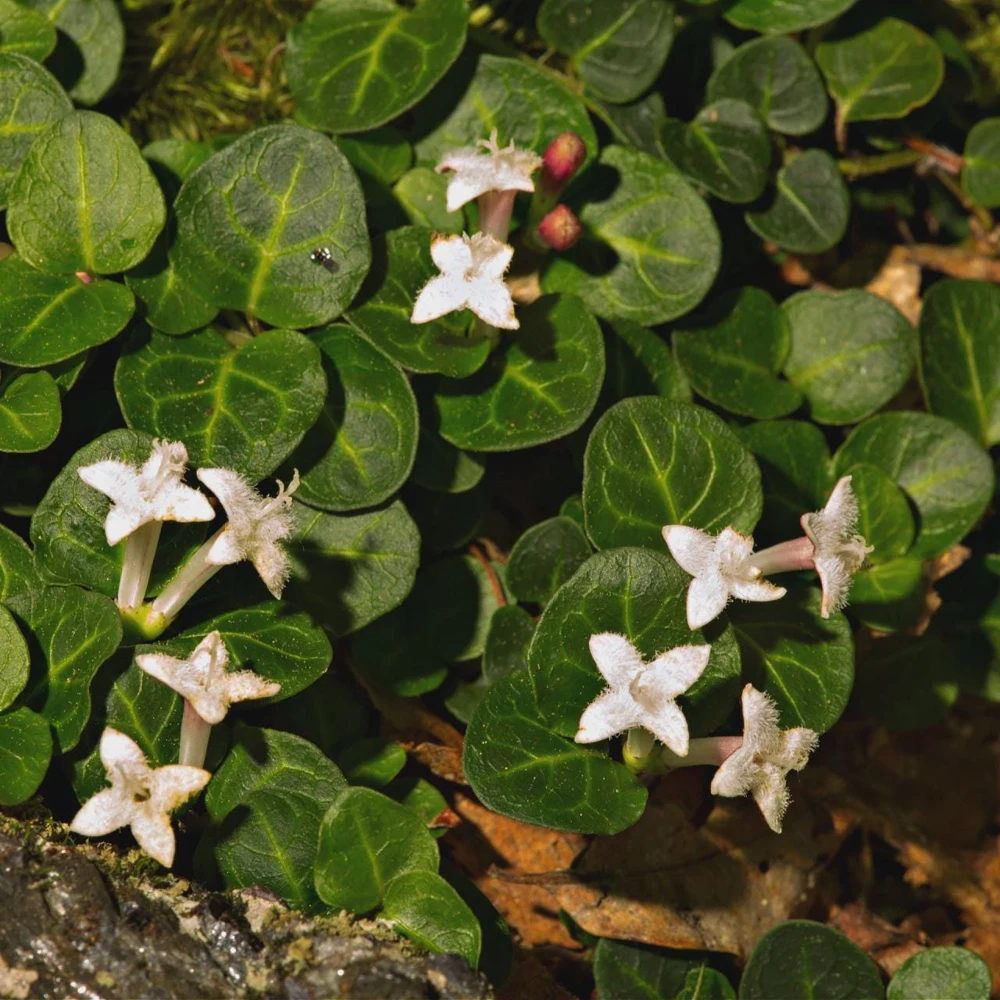
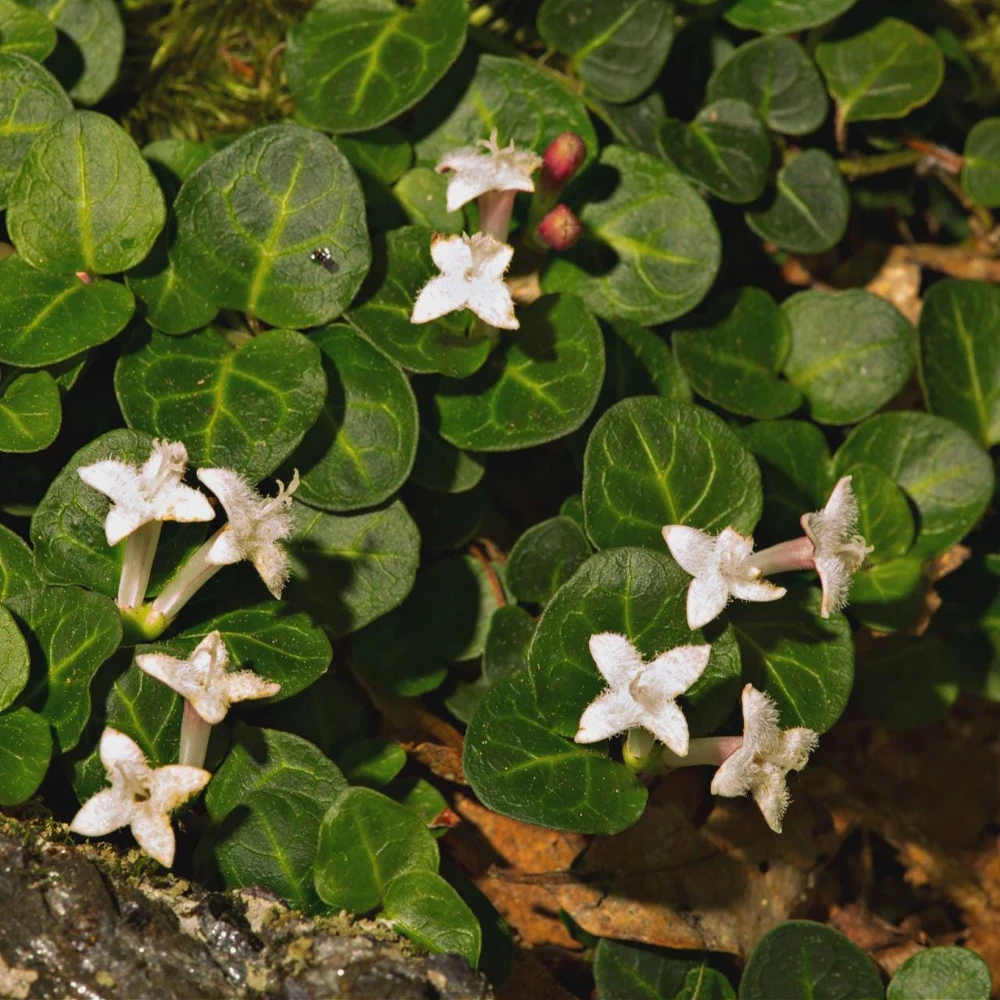
Transform your shady garden spaces with these beautiful Partridge Berry bare root plants. Mitchella repens plant, commonly known as Partridge Berry, is a delightful low-growing, evergreen perennial vine native to the woodlands of eastern North America. Renowned for its year-round visual appeal, this plant is an ideal choice for an evergreen groundcover. It features fragrant white flowers in spring and summer, followed by long-lasting, vibrant scarlet berries that persist through fall and winter, providing a splash of color even in the colder months. This resilient and charming native plant is perfect for creating a lush, natural look in areas where other plants struggle.
The Partridge Berry is not only aesthetically pleasing but also plays a vital role in its ecosystem. Its bright red berries serve as an important food source for various ground-foraging birds, including ruffed grouse, turkeys, and quail, as well as small mammals like chipmunks and mice. By planting Partridge Berry bare root, you’re not just enhancing your garden’s beauty; you’re also contributing to local wildlife support. These bare root specimens are ready to establish quickly, providing a head start to creating a thriving woodland-inspired garden. Embrace the natural beauty and ecological benefits of this wonderful native species.
Key Benefits
Adding the Mitchella repens plant to your garden offers a multitude of advantages, making it a highly desirable choice for various landscaping needs. Its unique characteristics contribute significantly to both the aesthetic and ecological value of your outdoor space. Here are some of the key benefits:
- Year-Round Visual Interest: Unlike many deciduous plants, Partridge Berry retains its attractive green foliage throughout the year. This ensures your garden maintains a vibrant, lush appearance even in winter, providing continuous beauty and structure to your landscape. The evergreen nature of this evergreen groundcover is a major draw.
- Charming Flowers and Berries: In spring, the plant produces delicate, fragrant white flowers that add a subtle elegance. These are followed by striking scarlet berries that ripen in late summer and persist through winter, offering a beautiful contrast against the green leaves and providing a pop of color during colder seasons.
- Excellent Groundcover for Shade: Partridge Berry thrives in shaded conditions, making it an ideal solution for challenging areas under trees or in northern exposures where many other plants fail. It forms a dense mat, helping to suppress weeds and reduce soil erosion, making it a perfect shade garden plant.
- Wildlife Attractor: The long-lasting berries are a crucial food source for various birds and small mammals, attracting diverse wildlife to your garden. This enhances biodiversity and provides opportunities for wildlife observation, enriching your garden experience.
- Low Maintenance: Once established, the Mitchella repens plant requires minimal care. It is drought-tolerant and generally resistant to pests and diseases, making it an excellent choice for gardeners seeking a beautiful yet undemanding plant.
- Native Plant Benefits: As a native woodland plant, Partridge Berry is well-adapted to local conditions, requiring less water and fewer interventions than non-native species. It supports local ecosystems and contributes to ecological restoration efforts.
- Erosion Control: Its spreading habit and root system help stabilize soil on slopes or banks, preventing erosion and maintaining the integrity of your garden’s contours. This functional benefit complements its ornamental appeal.
Plant Care & Growing Tips
Caring for your Partridge Berry bare root plants is relatively straightforward, especially once they are established. This resilient native plant prefers conditions that mimic its natural woodland habitat. For successful growth, focus on providing the right environment and minimal ongoing maintenance. The key to a thriving Mitchella repens plant lies in understanding its preferences for light, soil, and moisture.
Sunlight requirements: Partridge Berry thrives in partial to full shade. It’s best to plant it in an area that receives dappled sunlight throughout the day or deep shade with very little direct sun. Avoid planting in full sun, as this can scorch the leaves and hinder its growth. For an optimal shade garden plant, ensure it’s protected from intense afternoon sun.
Watering schedule and soil moisture preferences: Keep the soil consistently moist, especially during the first year after planting, to help the bare roots establish. Once established, Partridge Berry is fairly drought-tolerant but will appreciate regular watering during prolonged dry spells. The soil should never be waterlogged, as this can lead to root rot. Aim for well-drained, consistently damp soil.
Soil type and drainage requirements: This plant prefers acidic to neutral, rich, organic, and well-draining soil. Amending your soil with compost or leaf mold can significantly improve its texture and nutrient content. Good drainage is crucial to prevent the roots from sitting in excessive moisture. These conditions are ideal for a healthy evergreen groundcover.
Temperature range and USDA hardiness zone: Partridge Berry is hardy in USDA Zones 3-8. It can tolerate a wide range of temperatures, from cold winters to warm summers, as long as its moisture and shade requirements are met. It’s a robust perennial that can withstand typical winter conditions within its hardiness zones.
Fertilization schedule and type: Generally, Partridge Berry does not require heavy fertilization. If your soil is poor, a light application of a balanced, slow-release granular fertilizer in early spring can be beneficial. Alternatively, top-dressing with compost annually will provide sufficient nutrients and improve soil structure. Over-fertilization can lead to excessive foliage growth at the expense of berries.
Common problems and solutions: Partridge Berry is relatively pest and disease-free. The most common issues arise from improper growing conditions, such as too much sun (leading to scorched leaves) or poor drainage (causing root rot). Ensure proper site selection and soil preparation to prevent these problems. If you notice yellowing leaves, it might indicate too much sun or nutrient deficiency, which can often be corrected by adjusting light exposure or adding compost.
Size & Details
Each order includes 3 Partridge Berry bare root plants, providing a good starting quantity to establish a beautiful patch of this desirable evergreen groundcover. Upon arrival, these bare root plants are dormant and ready for planting, offering an economical and effective way to introduce this species into your garden. When mature, the Mitchella repens plant typically grows as a low-lying mat, reaching a height of only 2-6 inches, but can spread indefinitely to cover significant areas, making it an excellent choice for naturalizing. Its slow to moderate growth rate means it will gradually fill in your desired space, creating a dense and attractive cover. Expect the plant to begin establishing and showing new growth shortly after planting, especially in spring. The fragrant white flowers typically appear in late spring to early summer, followed by the distinctive bright red berries that persist through fall and winter, ensuring continuous appeal.
Frequently Asked Questions
- Q: How big does this plant get? A: The Partridge Berry bare root plant is a low-growing groundcover, typically reaching a height of only 2-6 inches. It spreads horizontally, forming a dense mat that can cover a large area over time, making it an excellent choice for filling in shady spots in your garden.
- Q: What condition will the plants arrive in? A: Your order will contain 3 Partridge Berry bare root plants. They will arrive dormant, without soil, and carefully packaged to ensure they are healthy and ready for planting in your garden. This method is ideal for establishing new plants effectively.
- Q: Is this an indoor or outdoor plant? A: The Mitchella repens plant is an outdoor perennial. It is best suited for woodland gardens, naturalized areas, or as an evergreen groundcover in shady outdoor landscapes. It thrives in conditions that mimic its native forest floor environment.
- Q: How much sunlight does it need? A: Partridge Berry prefers partial to full shade. It performs best in areas that receive dappled sunlight or consistent shade throughout the day. Direct, intense afternoon sun should be avoided as it can harm the foliage of this shade garden plant.
- Q: Is this plant easy to care for? A: Yes, once established, Partridge Berry is a relatively low-maintenance plant. It is drought-tolerant and generally resistant to pests and diseases, making it a great option for both experienced and novice gardeners looking for an easy-care groundcover.
- Q: When is the best time to plant Partridge Berry bare roots? A: The ideal time to plant Partridge Berry bare root plants is in early spring or fall. This allows the roots to establish before the stress of summer heat or deep winter cold, giving the plant the best chance for successful growth.
- Q: Will it survive winter in my zone? A: Yes, Partridge Berry is very cold hardy, thriving in USDA Zones 3-8. It is an evergreen groundcover, meaning its foliage will remain green throughout the winter, providing continuous interest even in cold climates.
- Q: Can I use this plant for erosion control? A: Absolutely. The spreading nature of the Mitchella repens plant and its dense root system make it an excellent choice for stabilizing soil on slopes and preventing erosion, especially in shaded or woodland areas where other plants might struggle to establish.
- Q: What kind of soil does Partridge Berry prefer? A: This plant prefers rich, organic, and well-draining soil. It tolerates a range from acidic to neutral pH. Amending your planting site with compost or leaf mold will provide the ideal growing conditions for your shade garden plant.
- Q: Do the berries attract wildlife? A: Yes, the bright red berries of the Partridge Berry are a significant food source for various birds, such as ruffed grouse, turkeys, and quail, as well as small mammals like chipmunks and mice, making it a valuable plant for supporting local wildlife.
Be the first to review “3 Partridge Berry Bare Root Plants – Mitchella repens – Evergreen Groundcover”
People Also Viewed
Succulents
Variegated Rainbow Elephant Bush Live Plant – Portulacaria afra Variegata – 4in Pot – Indoor/Outdoor
Houseplants
Reviews
There are no reviews yet.