


3 Purple Passion Fruit Starter Live Plant – Passiflora Edulis Self-Fertile Vine
Original price was: $91.99.$66.99Current price is: $66.99.
Cultivate your own exotic fruit with this purple passion fruit live plant. The self-fertile passion fruit vine (Passiflora edulis) produces delicious, tangy purple fruits and stunning flowers. Ideal for warm climates, it’s a vigorous grower that attracts pollinators and offers a rewarding harvest.
Estimated arrival
Sep 29
Oct 04 - Oct 06
Oct 09 - Oct 13
Shop With Confidence
30-Day Plant Health Guarantee
Arrives damaged? We’ll replace it free — see our return policy.
Responsive Support
Email us anytime, we reply within 1 business day.
Expert Packaging
Temperature-controlled shipping to protect your plants in transit.
Secure Checkout
Pay safely with Visa, Mastercard, PayPal.
Plant Specifications
-
USDA Hardiness Zone
USDA zones 9–11 -
Soil Type
Well-draining, fertile soil -
Sunlight Exposure
Full sun -
Expected Planting Period
Spring to early summer
Overview
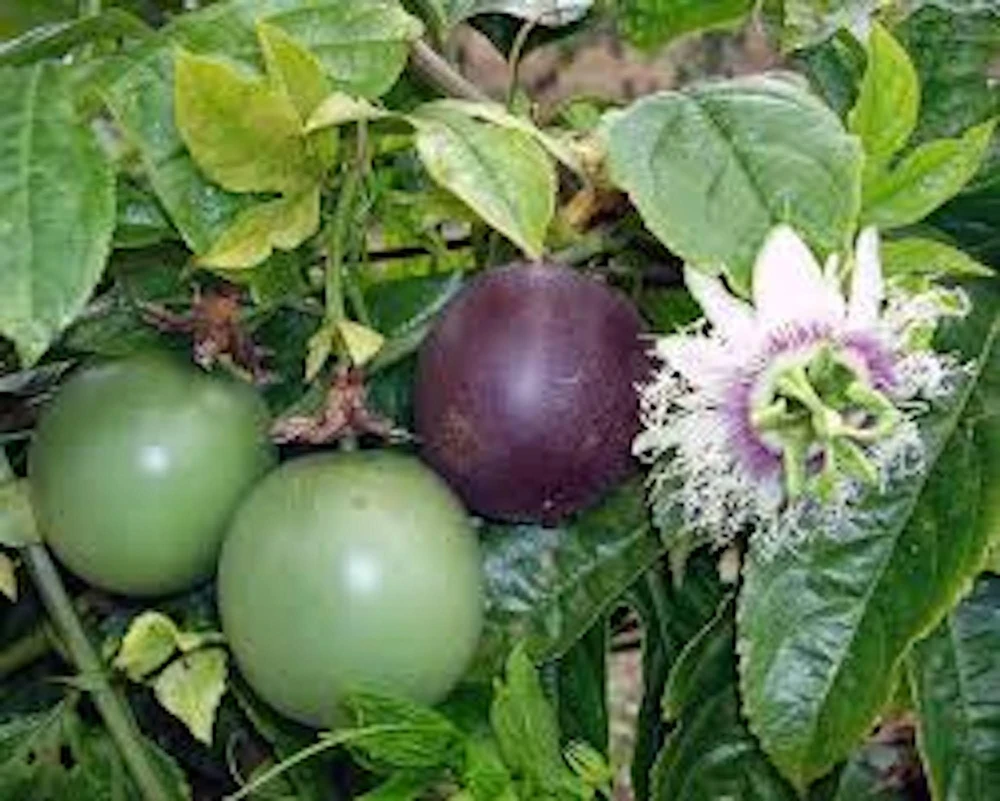
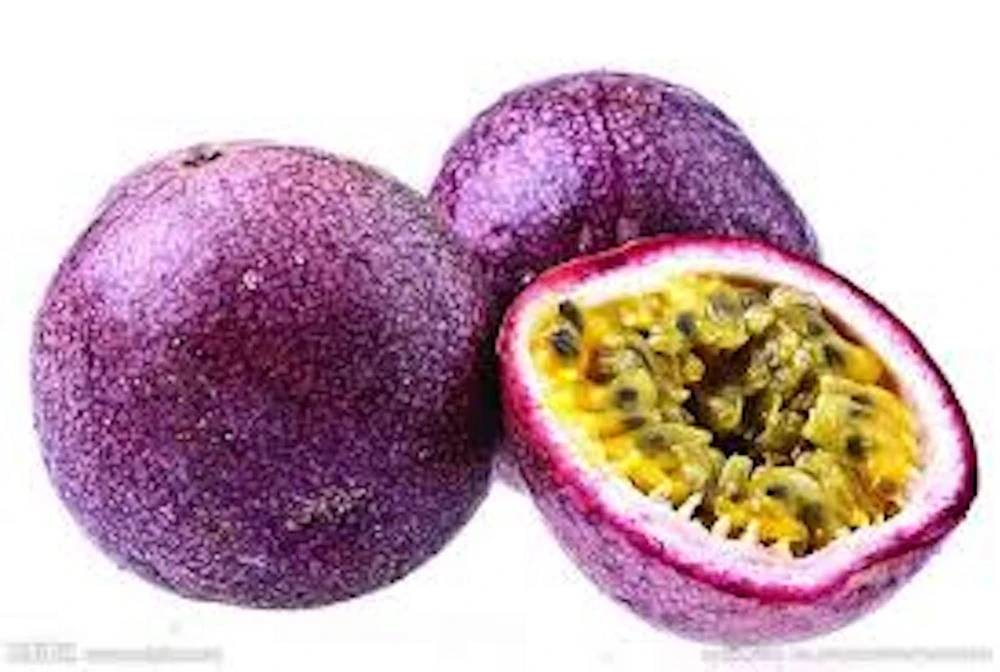
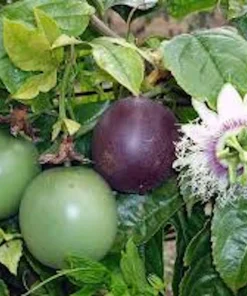
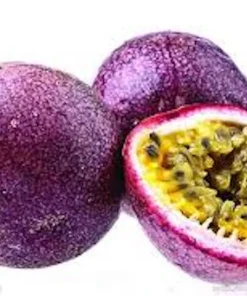
Bring the tropics to your garden with the purple passion fruit live plant, specifically the ‘Possum’ variety of Passiflora edulis. This vigorous, fast-growing vine is celebrated for its delectable, aromatic fruit and captivating, exotic flowers. The ‘Possum’ cultivar is known for its self-fertile nature, meaning you can enjoy a bountiful harvest even with a single plant. The round, purple-skinned fruits are filled with a tantalizingly tangy and sweet pulp, perfect for fresh eating, beverages, desserts, or sauces. Beyond its culinary appeal, this purple passion fruit live plant adds significant ornamental value to any landscape, making it a truly rewarding addition for gardeners.
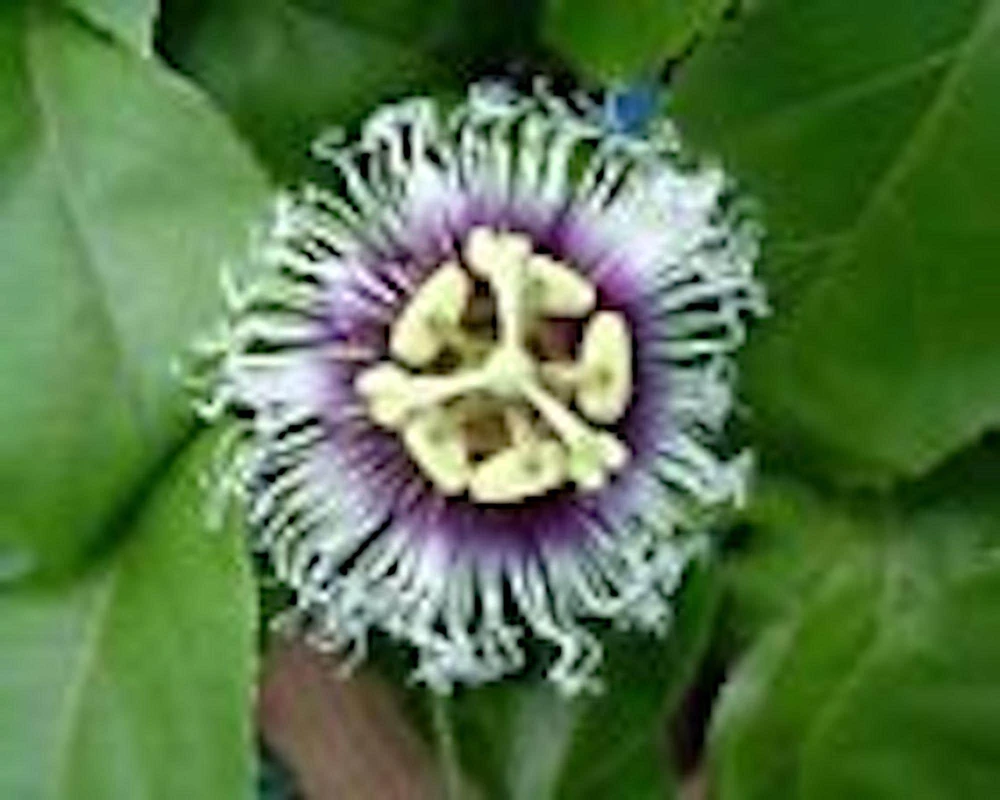
The Passiflora edulis, commonly known as passion fruit, is a robust vine that can reach impressive lengths of 10–15 feet or more. It requires sturdy support like a trellis or arbor to thrive and showcase its lush foliage and vibrant blooms. Originating from warm regions, it flourishes in climates that mimic its natural habitat, making it an excellent choice for gardeners in suitable USDA zones. This plant is not just a producer of delicious fruit; its intricate flowers, with their striking purple, blue, and white hues, are a true spectacle and a magnet for local pollinators.
Key Benefits
The purple passion fruit live plant offers a multitude of benefits for both the gardener and the garden:
- Delicious, Aromatic Fruit: Enjoy a continuous supply of tangy, sweet, and aromatic purple passion fruit, perfect for fresh consumption, juices, desserts, and culinary creations. The fruit is rich in vitamins and antioxidants.
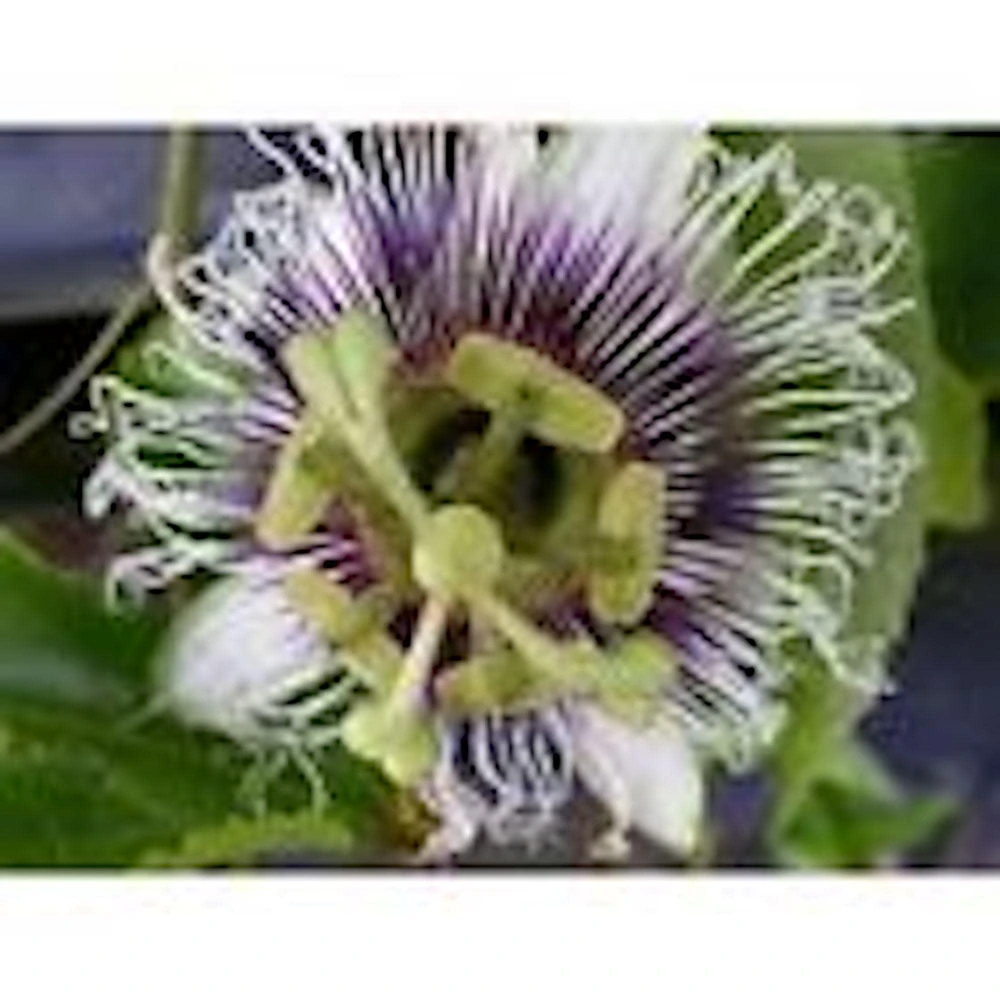
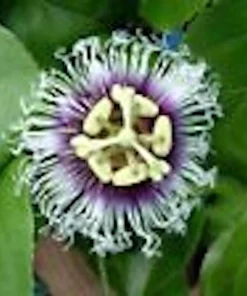
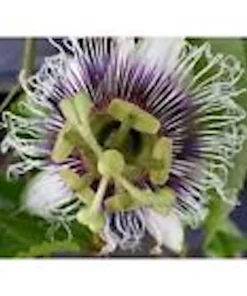
- Stunning Exotic Flowers: Adorn your garden with the uniquely structured, vibrant flowers of the Passiflora edulis, featuring beautiful purple, blue, and white colors that create a tropical ambiance.
- Attracts Pollinators: The nectar-rich flowers are a magnet for bees, butterflies, and other beneficial pollinators, enhancing the biodiversity and health of your garden ecosystem.
- Vigorous Growth: This fast-growing vine quickly covers trellises, arbors, or fences, providing lush green foliage and creating natural privacy screens or shaded areas.
- Self-Fertile Variety: The ‘Possum’ variety is self-fertile passion fruit, ensuring fruit production without the need for a second plant, making it ideal for smaller gardens or single plantings.
- Low Maintenance Once Established: After its initial establishment, the purple passion fruit live plant is relatively easy to care for, requiring consistent watering and occasional feeding to maintain its health and productivity.
- Rewarding Harvest: With proper care, the vine can bear fruit for several seasons, providing a long-lasting and abundant harvest for years to come.
Plant Care & Growing Tips
Successful growing passion fruit vine requires attention to a few key environmental factors. This plant thrives in full sun, meaning it needs at least 6-8 hours of direct sunlight per day to produce abundant flowers and fruit. In extremely hot climates, some afternoon shade can be beneficial to prevent scorching. It’s crucial to provide a sturdy support structure like a trellis, arbor, or fence for the vine to climb, as it can grow quite long and heavy. Ensure the support is in place before planting to avoid disturbing the roots later.
When it comes to soil, the purple passion fruit live plant prefers well-drained, fertile soil with a slightly acidic to neutral pH (6.0-7.0). Amend heavy clay soils with organic matter like compost or aged manure to improve drainage and fertility. Consistent watering is essential, especially during dry spells and when the plant is actively flowering and fruiting. The soil should be kept consistently moist but not waterlogged. Reduce watering slightly during cooler, dormant periods. For optimal growth and fruit production, fertilize regularly during the growing season with a balanced fertilizer, or one slightly higher in phosphorus and potassium to encourage blooming and fruiting.
The ‘Possum’ passiflora edulis care involves protecting it from frost. It is best suited for USDA hardiness zones 9–11, where temperatures rarely drop below freezing. If you live in a cooler zone, consider growing it in a large container that can be moved indoors during winter, or provide adequate winter protection. Pruning should be done in late winter or early spring to remove dead or weak growth and to manage the vine’s size and shape. This also helps to encourage new growth and more flowers. Keep an eye out for common pests like aphids or spider mites, and treat them promptly with organic pest control methods if necessary.
Size & Details
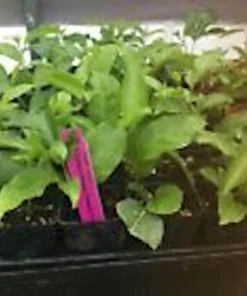
This offering includes 3 purple passion fruit starter live plant specimens, ready for planting and establishment in your garden. Each plant is a young, vigorous vine, typically shipped bare root without pots to ensure safe and efficient transit. Upon arrival, plant them promptly in their desired location or into temporary pots if immediate planting is not possible. The ‘Possum’ variety is a fast grower, and with proper care, these starter plants will quickly develop into mature vines capable of producing fruit. Expect the vine to reach lengths of 10–15 feet or more, requiring adequate space and support to thrive. Fruiting typically begins within one to two years after planting, offering a rewarding harvest for many seasons.
Frequently Asked Questions
- Q: How big does this purple passion fruit live plant get? A: The purple passion fruit live plant is a vigorous vine that can grow quite long, typically reaching 10-15 feet or more in length. It requires a trellis or sturdy support structure to climb and spread effectively.
- Q: Is this an indoor or outdoor plant? A: This passion fruit vine is primarily an outdoor plant, thriving in warm climates. It is best suited for USDA hardiness zones 9–11. In cooler zones, it can be grown in containers and brought indoors during winter.
- Q: How much sunlight does the growing passion fruit vine need? A: The growing passion fruit vine requires full sun, meaning at least 6-8 hours of direct sunlight per day, to produce abundant flowers and fruit.
- Q: What condition will the purple passion fruit starter plant arrive in? A: The purple passion fruit starter live plant typically arrives bare root, meaning without soil or a pot, to facilitate safe and efficient shipping. It should be planted as soon as possible after arrival.
- Q: Is this self-fertile passion fruit plant easy to care for? A: Once established, the self-fertile passion fruit vine is relatively low-maintenance. It requires consistent watering, full sun, and a sturdy support structure. Protection from frost is crucial in colder climates.
- Q: How long until this Passiflora edulis care plant blooms or fruits? A: With proper passiflora edulis care, you can typically expect the vine to start blooming and fruiting within one to two years after planting from a starter plant.
- Q: What’s the minimum temperature this plant can tolerate? A: This passion fruit plant is sensitive to frost and thrives in warm climates. It is generally suited for USDA zones 9–11, where temperatures rarely drop below freezing.
- Q: Can I grow this purple passion fruit live plant in a pot? A: Yes, you can grow the purple passion fruit live plant in a large container if you live in a cooler climate and wish to move it indoors during winter. Ensure the pot has excellent drainage and is large enough to accommodate the vine’s root system.
- Q: What kind of soil does this passion fruit vine prefer? A: This vine prefers well-drained, fertile soil that is slightly acidic to neutral. Amending the soil with organic matter will help improve drainage and nutrient content.
- Q: Do I need more than one plant for fruit production? A: No, the ‘Possum’ variety is a self-fertile passion fruit, meaning a single plant is sufficient for fruit production.
Be the first to review “3 Purple Passion Fruit Starter Live Plant – Passiflora Edulis Self-Fertile Vine”
People Also Viewed
Reviews
There are no reviews yet.