

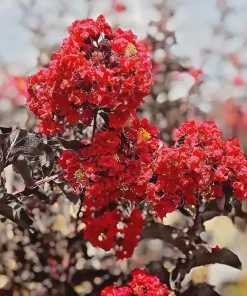
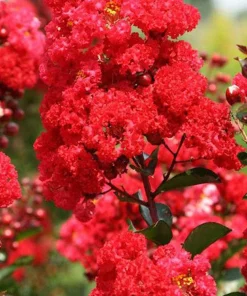
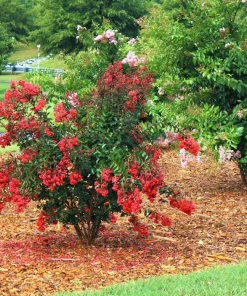
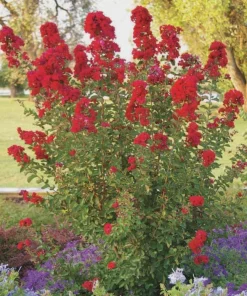
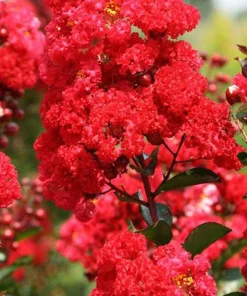
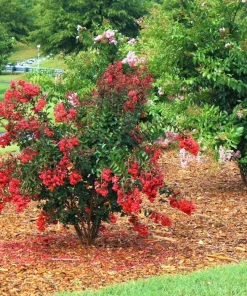
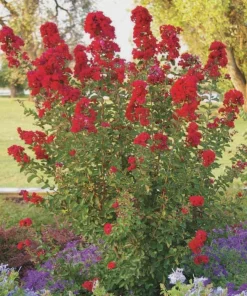
Red Crape Myrtle Live Bush – 12-18 inch Starter Plug – Quart Pot
Original price was: $95.99.$70.99Current price is: $70.99.
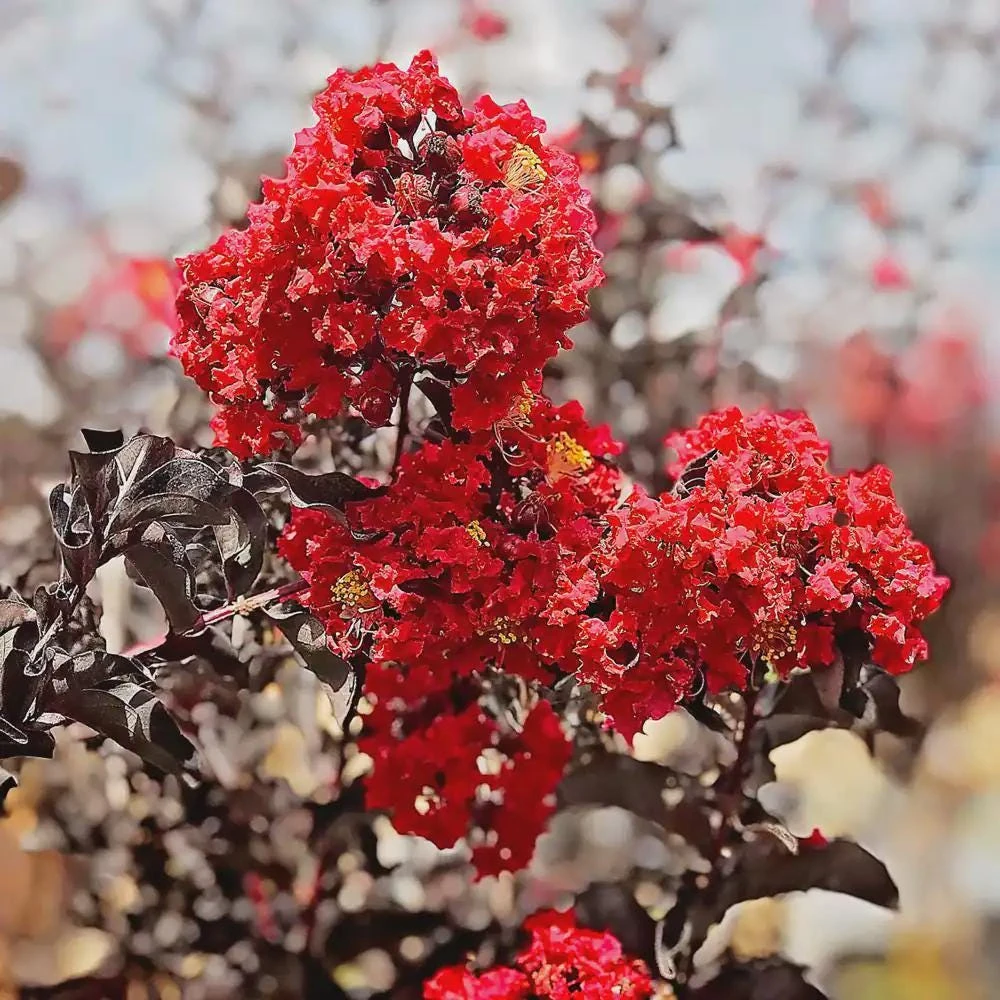
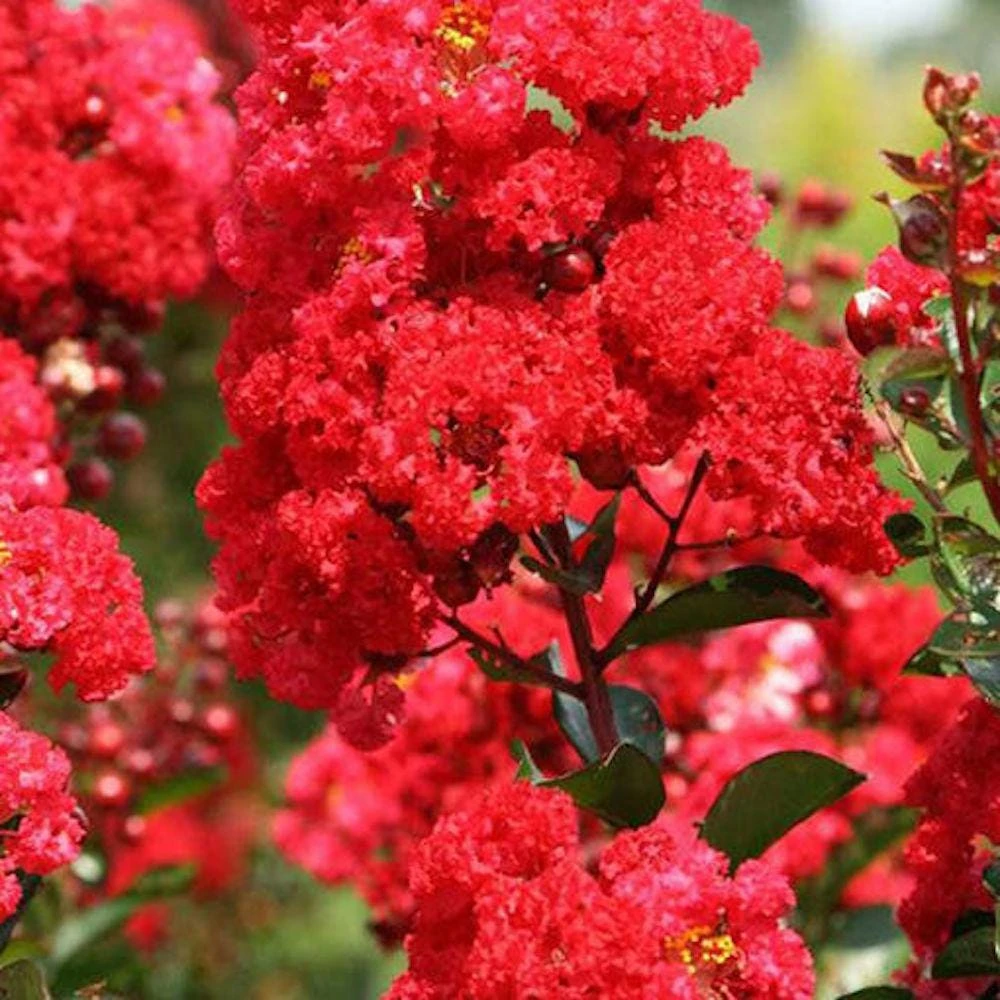
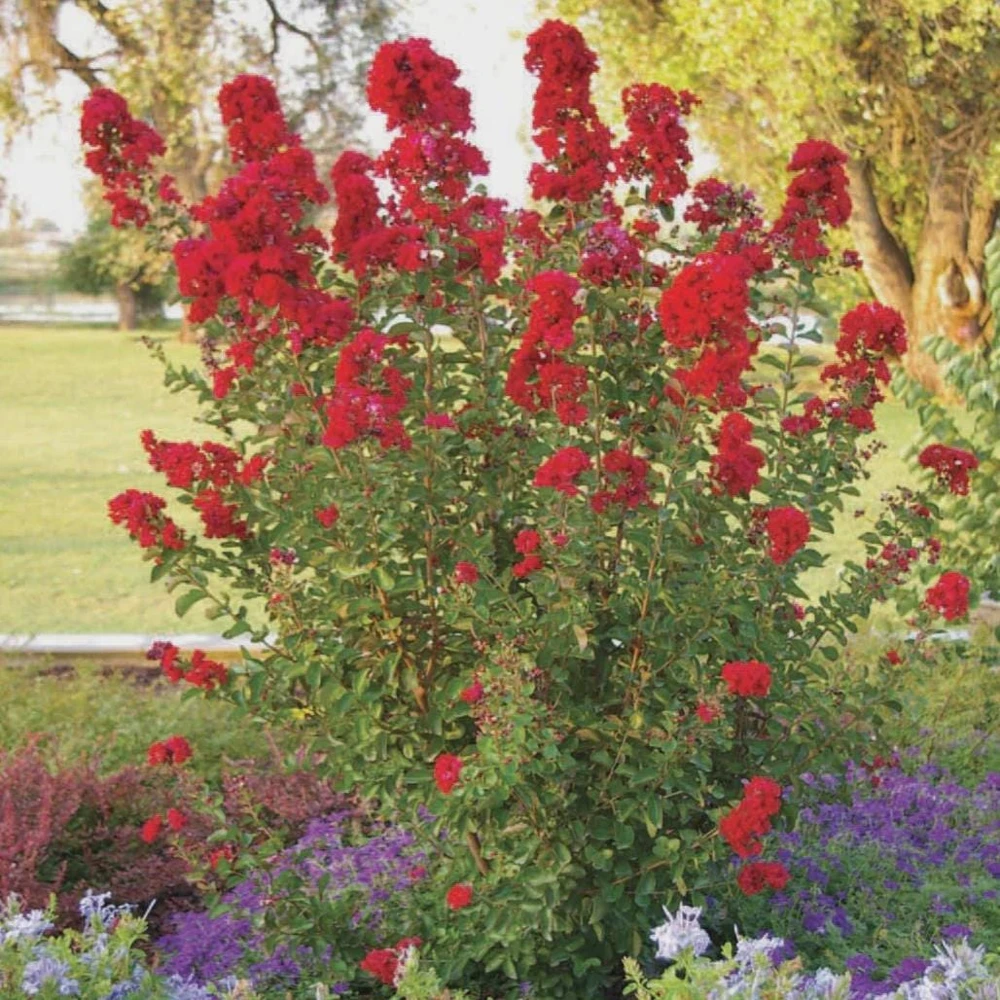
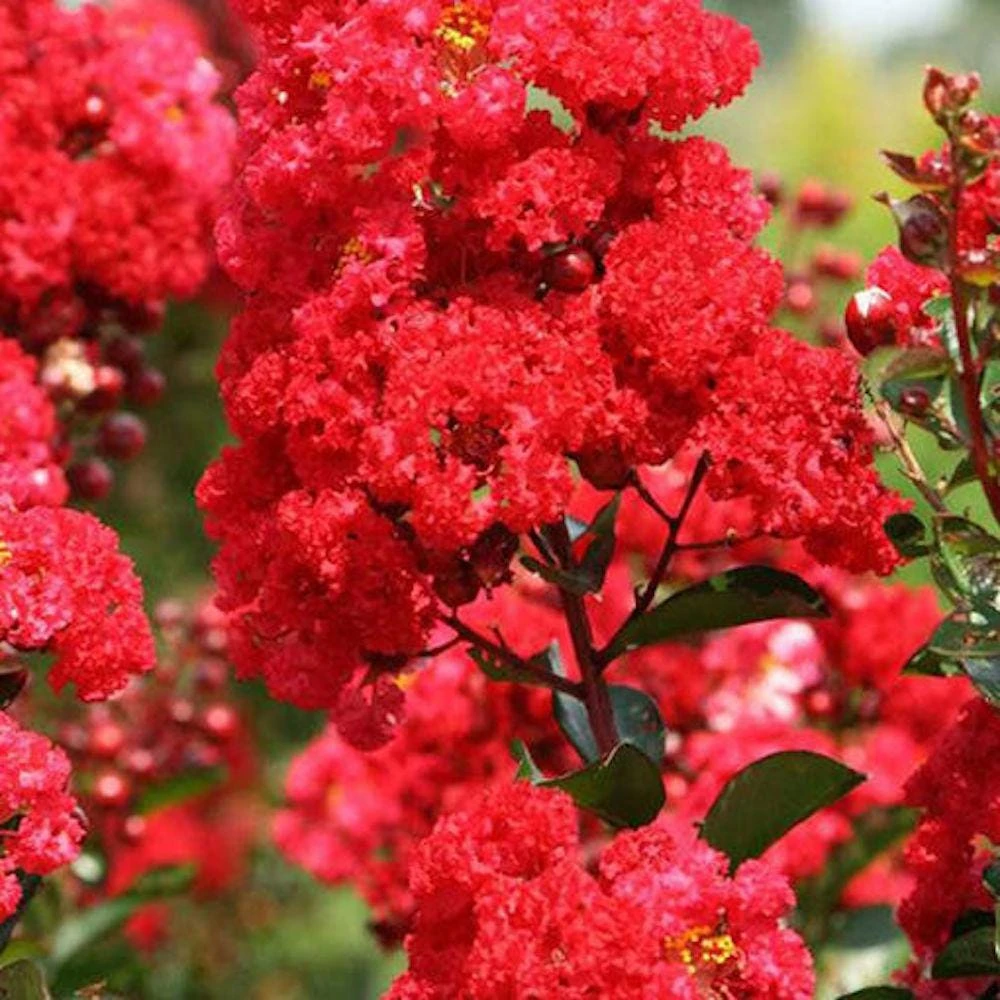
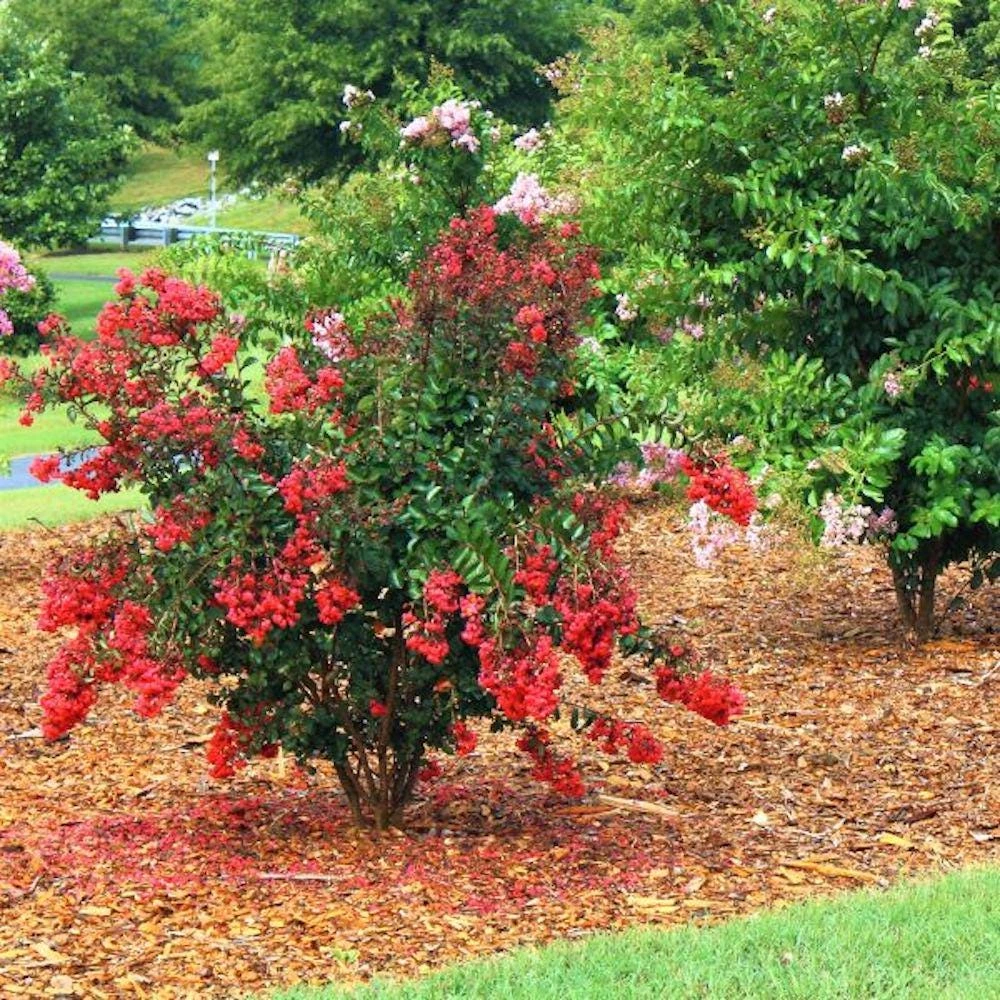
Bring vibrant color to your garden with a red crape myrtle live bush. This 12-18 inch starter plug is ready for planting, offering stunning ruffled red flowers from summer to fall. Known for its low maintenance and attractive peeling bark, it’s perfect for adding year-round interest to your landscape.
Estimated arrival
Sep 29
Oct 04 - Oct 06
Oct 09 - Oct 13
Shop With Confidence
30-Day Plant Health Guarantee
Arrives damaged? We’ll replace it free — see our return policy.
Responsive Support
Email us anytime, we reply within 1 business day.
Expert Packaging
Temperature-controlled shipping to protect your plants in transit.
Secure Checkout
Pay safely with Visa, Mastercard, PayPal.
Plant Specifications
-
USDA Hardiness Zone
USDA Zones 7-9 -
Soil Type
Well-draining, slightly acidic to neutral soil -
Sunlight Exposure
Full sun (6-8+ hours daily) -
Expected Planting Period
Spring or early fall
Overview
Transform your outdoor space with the stunning beauty of a red crape myrtle live bush. These popular deciduous shrubs or small trees are celebrated for their vibrant, ruffled red flowers that bloom profusely, bringing a spectacular display of color from summer well into the fall. The Red Crape Myrtle, scientifically known as Lagerstroemia indica, is a favorite among gardeners for its showy appearance and relatively easy care. This particular offering is for a 12-18 inch starter plug, providing a healthy, established young plant ready to thrive in your landscape. Beyond its breathtaking blooms, the foliage is typically a glossy green, often emerging with attractive red tints in the spring, and transitioning to beautiful shades of orange or red in the autumn, adding multi-season appeal. Mature plants also develop ornamental, peeling bark, which provides unique visual interest even during the dormant winter months.
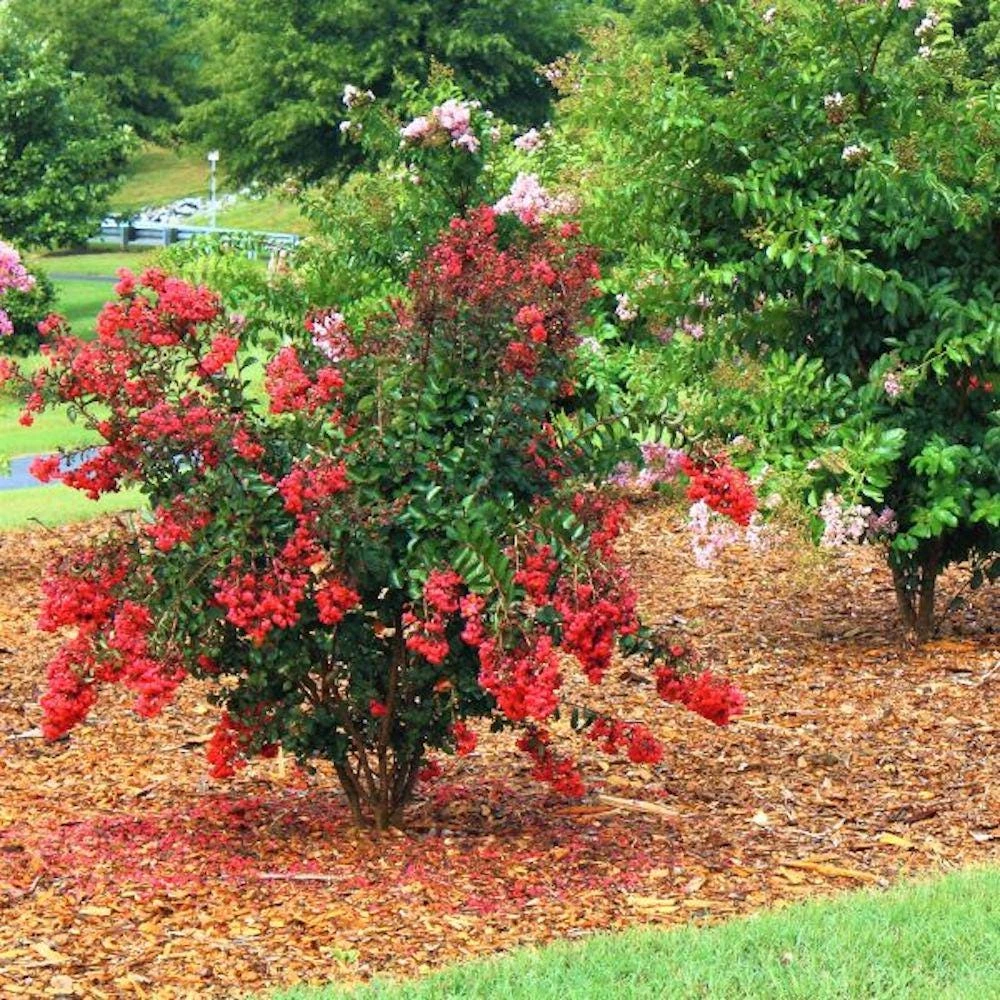
The red crape myrtle live bush is an excellent choice for those looking to add a splash of long-lasting color to their garden beds, borders, or as a specimen plant. Its adaptability and resilience make it a rewarding addition for both experienced and novice gardeners. With its striking appearance and extended bloom period, this crape myrtle shrub is sure to become a focal point in any garden design.
Key Benefits
The red crape myrtle live bush offers numerous advantages for any gardener, combining aesthetic appeal with practical benefits. Its ease of care and long blooming season make it a truly rewarding plant.
- Extended Bloom Season: Enjoy a continuous display of vibrant, ruffled red flowers from early summer through fall, providing consistent color when many other plants have faded. This prolonged blooming period ensures your garden remains lively and attractive for months.
- Low Maintenance: Once established, the crape myrtle is remarkably resilient and requires minimal intervention, making it an ideal choice for busy gardeners. Its drought tolerance and resistance to common pests simplify garden upkeep.
- Year-Round Interest: Beyond its showy flowers, the plant offers attractive glossy green foliage that can develop red tints in spring and vivid fall colors. The ornamental, peeling bark on mature specimens provides unique texture and visual appeal throughout the winter.
- Versatile Landscaping: Perfect for a variety of landscape uses, including specimen planting, hedges, borders, or even as a small ornamental tree. Its adaptable growth habit allows it to fit into diverse garden designs. For optimal results, consider proper red crape myrtle planting techniques.
- Attracts Pollinators: The abundant flowers are a magnet for beneficial pollinators such as bees and butterflies, contributing to the biodiversity and health of your garden ecosystem.
- Hardy and Resilient: Known for its robust nature, the crape myrtle tolerates a range of conditions, including heat and humidity, making it a reliable performer in many climates. Understanding crape myrtle care will help it thrive.
- Architectural Form: As it matures, the crape myrtle develops an elegant, often multi-stemmed structure, adding a strong architectural element to the garden, especially when the unique bark is visible.
Plant Care & Growing Tips
Proper crape myrtle care is essential for ensuring your red crape myrtle live bush flourishes and provides abundant blooms. These plants are generally low-maintenance, but understanding their specific needs will lead to the best results. Crape myrtles thrive in full sun, meaning at least 6-8 hours of direct sunlight per day. Adequate sunlight is crucial for prolific flowering and preventing powdery mildew. Choose a planting site that receives ample sun throughout the day and has good air circulation. In hotter climates, a little afternoon shade can be beneficial to prevent scorching, but too much shade will reduce flower production.
When it comes to watering, young crape myrtles, especially starter plugs, need consistent moisture to establish a strong root system. Water deeply 2-3 times a week during the first growing season, ensuring the soil is moist but not waterlogged. Once established, crape myrtles are quite drought-tolerant and will only need supplemental watering during extended dry periods. Well-draining soil is paramount; they do not tolerate soggy conditions, which can lead to root rot. A slightly acidic to neutral soil pH (6.0-7.0) is ideal. Amending heavy clay soils with organic matter before red crape myrtle planting will improve drainage and aeration.
Crape myrtles are hardy in USDA Zones 7-9, though some varieties can extend into Zone 6 with winter protection. They prefer warm temperatures and are quite tolerant of heat and humidity. Fertilize in early spring with a balanced, slow-release granular fertilizer formulated for flowering shrubs. Avoid over-fertilizing, especially with high-nitrogen formulas, as this can promote leafy growth at the expense of flowers. Pruning is best done in late winter or early spring before new growth begins. Remove dead, damaged, or crossing branches, and thin out overcrowded areas to improve air circulation. “Crape murder” (severe topping) should be avoided; instead, focus on shaping and maintaining the plant’s natural form. For a healthy landscaping crape myrtle, regular monitoring for pests and diseases, though rare, is also a good practice.
Size & Details
This offering includes three red crape myrtle live bush starter plugs, each measuring 12-18 inches in height. These young plants are shipped in a quart pot, providing a well-rooted specimen ready for transplanting into your garden or a larger container. The 12-18 inch size refers to the current height of the plant from the base of the soil to the tip of the highest stem. Crape myrtles are known for their moderate to fast growth rate, typically adding 1-2 feet of height per year under optimal conditions. They can mature into shrubs or small trees ranging from 5 to 25 feet tall and wide, depending on the specific cultivar and pruning practices. The “Quart Pot” indicates the container size in which the starter plug is established, ensuring a healthy root ball for successful planting. These plants are ideal for creating a vibrant landscaping crape myrtle feature, adding both height and long-lasting color to your outdoor design. They are shipped as bare root in fall and winter seasons to ensure dormancy and safe transit.
Frequently Asked Questions
- Q: How big does this red crape myrtle live bush get? A: This starter plug is 12-18 inches tall. Depending on the cultivar and growing conditions, crape myrtles can mature into shrubs or small trees ranging from 5 to 25 feet in height and width. Regular pruning can help control their size and shape.
- Q: Is this an indoor or outdoor plant? A: The red crape myrtle live bush is an outdoor plant, best suited for gardens and landscapes. It requires ample sunlight and is hardy in USDA Zones 7-9, thriving in warm climates.
- Q: How much sunlight does it need? A: Crape myrtles require full sun, meaning at least 6-8 hours of direct sunlight per day, to produce the most abundant and vibrant blooms. Less sun can result in fewer flowers and increased susceptibility to powdery mildew.
- Q: Is this plant easy to care for? A: Yes, crape myrtles are considered relatively easy to care for once established. They are drought-tolerant and generally low-maintenance, making them a great choice for both beginner and experienced gardeners looking for a beautiful crape myrtle shrub.
- Q: What condition will it arrive in? A: The 12-18 inch starter plug will arrive in a quart pot with a healthy root system. During fall and winter, it may be shipped bare root while dormant. We ensure careful packaging to protect the plant during transit.
- Q: When is the best time to plant a red crape myrtle planting? A: The best time for red crape myrtle planting is in spring or early fall, allowing the plant to establish its root system before extreme summer heat or winter cold. Ensure the soil is well-draining.
- Q: Will it survive winter in my zone? A: Crape myrtles are generally hardy in USDA Zones 7-9. In Zone 6, some varieties may survive with winter protection. Always check your specific hardiness zone to ensure optimal growth and survival.
- Q: What type of soil does a landscaping crape myrtle prefer? A: Crape myrtles prefer well-draining soil with a slightly acidic to neutral pH (6.0-7.0). They do not tolerate heavy, waterlogged soils, so amending with organic matter is recommended for clay soils.
- Q: How often should I water my newly planted crape myrtle? A: For the first growing season after red crape myrtle planting, water deeply 2-3 times a week, or more frequently during hot, dry periods, to help establish a strong root system. Reduce watering once established.
- Q: Do I need to prune my crape myrtle? A: Pruning is beneficial for shaping the plant, promoting better air circulation, and encouraging more blooms. It’s best done in late winter or early spring. Avoid heavy topping, often referred to as “crape murder.”
Be the first to review “Red Crape Myrtle Live Bush – 12-18 inch Starter Plug – Quart Pot”
People Also Viewed
Flower Seeds
Shrubs
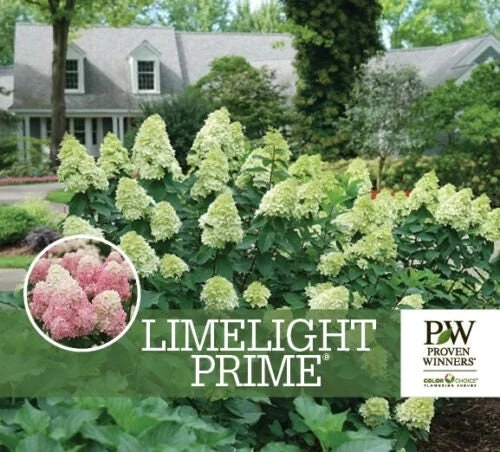
Limelight Prime Panicle Hydrangea Live Shrub – White to Pink Blooms, 6-12 inch Tall, Zones 3-8
Reviews
There are no reviews yet.