


Sawtooth Oak Tree Live Plant – Quercus acutissima 12-24 inch Tall – Outdoor
Original price was: $74.99.$49.99Current price is: $49.99.
Cultivate a magnificent sawtooth oak tree (Quercus acutissima) with this 12-24 inch starter plant. Known for its rapid growth, unique saw-toothed leaves, and abundant acorns, this hardy shade tree is perfect for attracting wildlife and providing golden fall color in your landscape.
Estimated arrival
Sep 29
Oct 04 - Oct 06
Oct 09 - Oct 13
Shop With Confidence
30-Day Plant Health Guarantee
Arrives damaged? We’ll replace it free — see our return policy.
Responsive Support
Email us anytime, we reply within 1 business day.
Expert Packaging
Temperature-controlled shipping to protect your plants in transit.
Secure Checkout
Pay safely with Visa, Mastercard, PayPal.
Plant Specifications
-
USDA Hardiness Zone
5-9 -
Soil Type
Well-draining soil -
Sunlight Exposure
Full sun -
Expected Planting Period
Early spring
Overview
Introduce a majestic addition to your landscape with the sawtooth oak tree (Quercus acutissima). This live plant is a remarkably fast-growing and adaptable shade tree, celebrated for its distinctive saw-toothed leaves, vibrant golden fall foliage, and prolific acorn production. Homeowners and land managers frequently choose the quercus acutissima plant due to its impressive growth rate and robust hardiness. It’s an excellent choice for creating a broad, rounded, and dense canopy, providing ample shade and enhancing the aesthetic appeal of any outdoor space. This species is often sought after by those looking for a resilient and attractive tree that also supports local ecosystems.
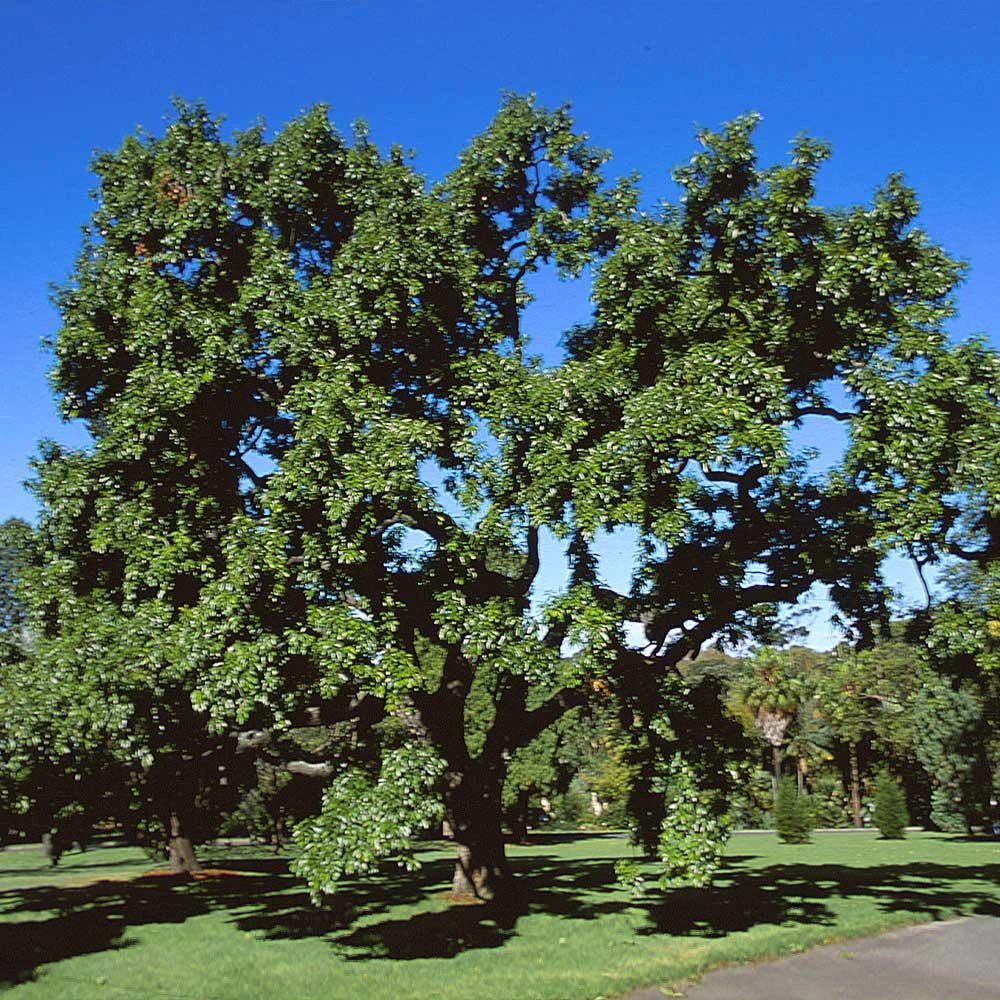
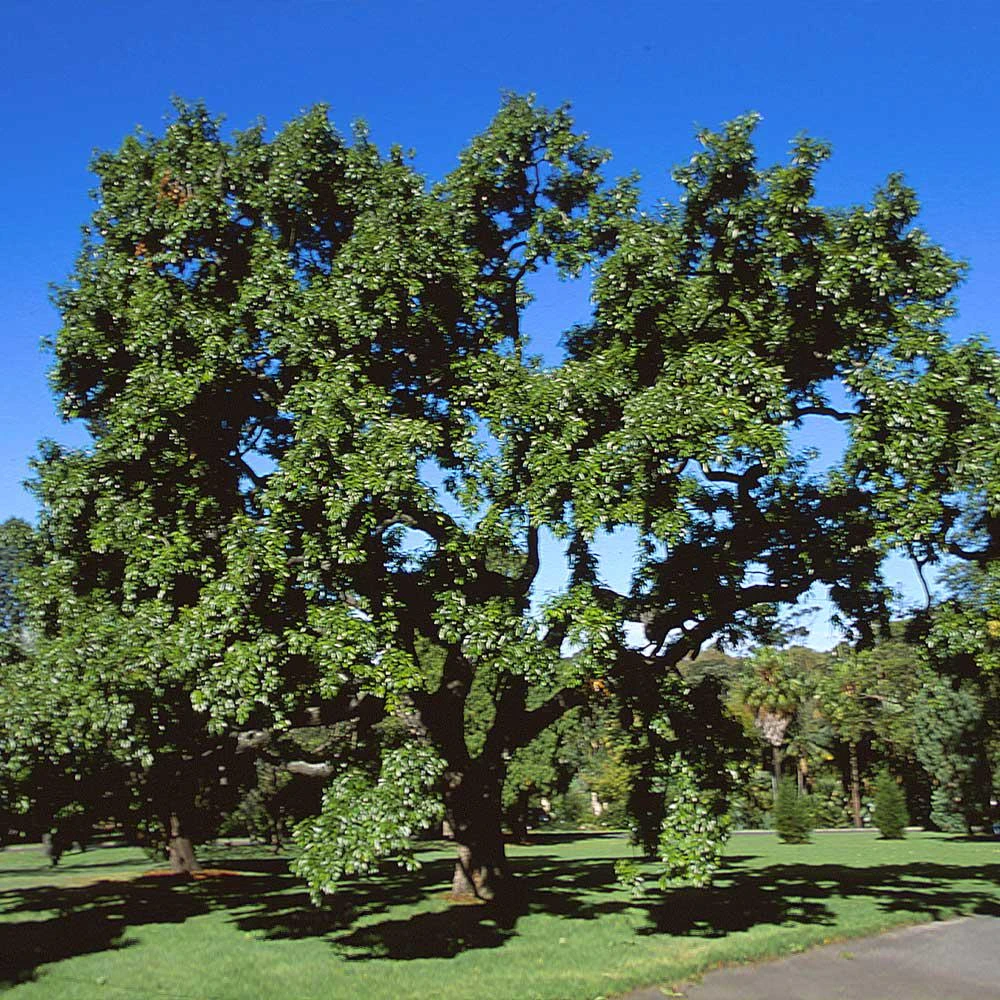
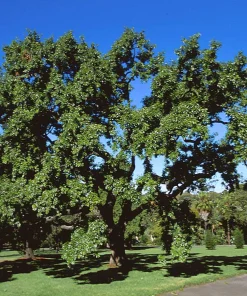
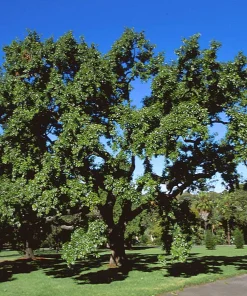
The sawtooth oak tree is native to East Asia and has become a popular ornamental and reforestation tree in North America. It can reach a mature height of 40-60 feet with a similar spread, making it a significant presence in any garden or park. Its rapid establishment and low maintenance requirements make it suitable for various planting projects. Whether you’re aiming to establish a new shade area or provide food for local wildlife, this tree offers an array of benefits that extend beyond its visual charm.
Key Benefits
The sawtooth oak tree offers numerous advantages for any landscape, combining aesthetic appeal with ecological benefits. Its unique characteristics make it a standout choice for various gardening and land management goals.
- Rapid Growth and Shade Provision: The sawtooth oak tree is renowned for its quick growth, rapidly developing into a substantial shade tree. This means you won’t have to wait decades to enjoy a cool, shaded area in your yard, making it an ideal choice for new constructions or areas needing quick canopy cover.
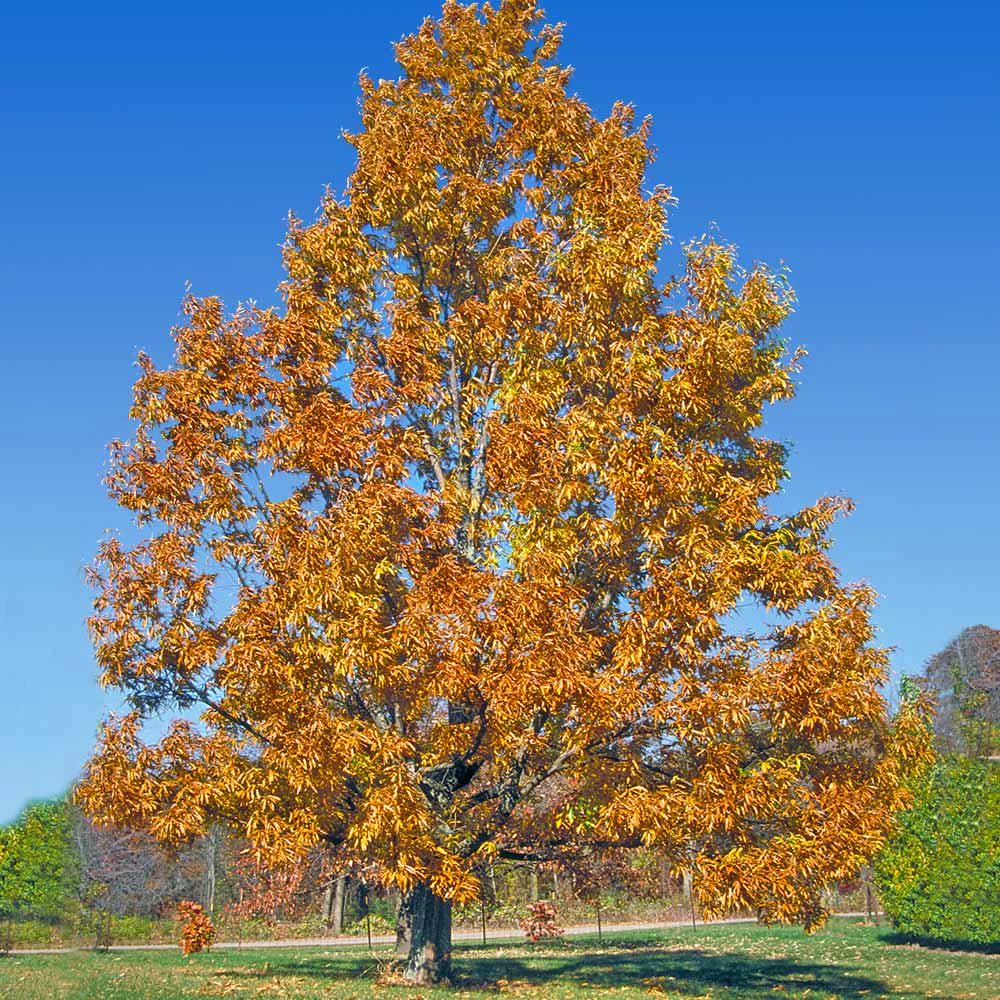
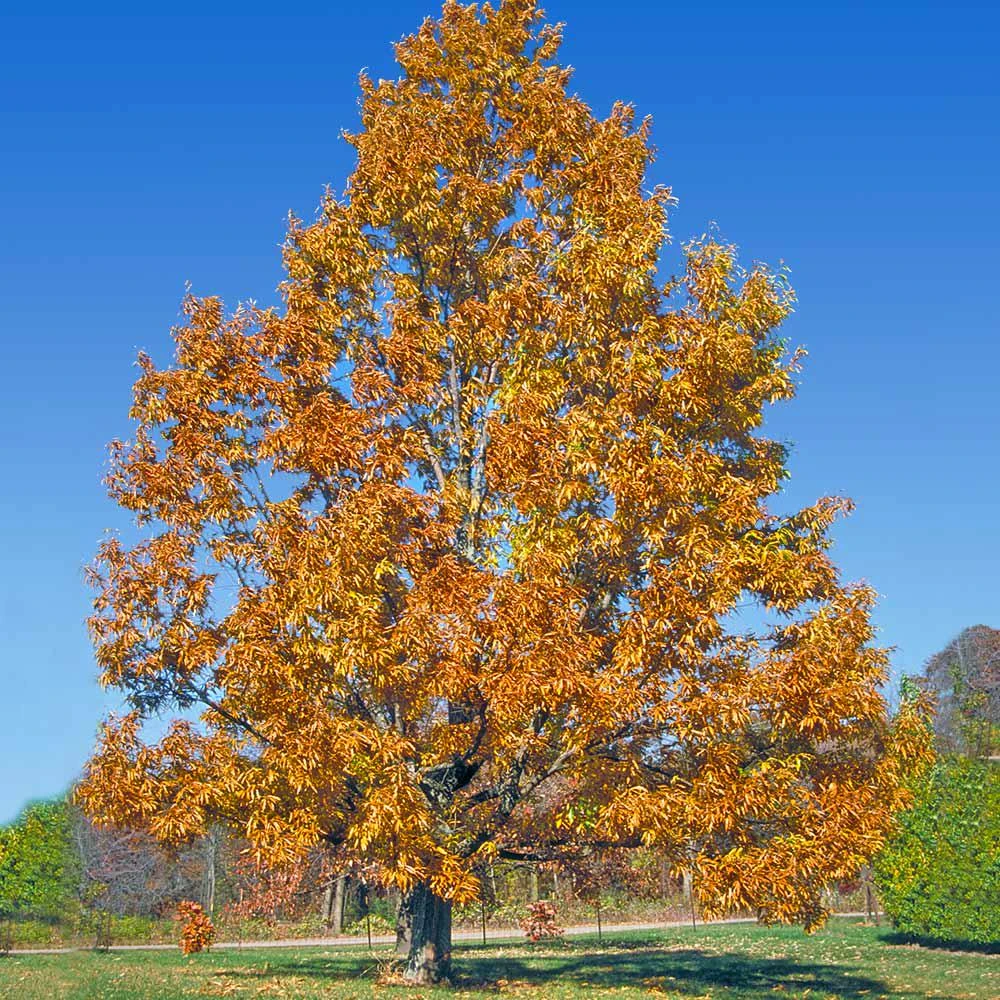
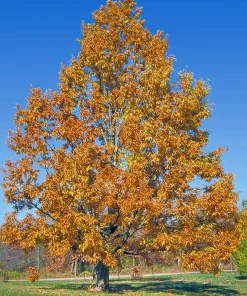
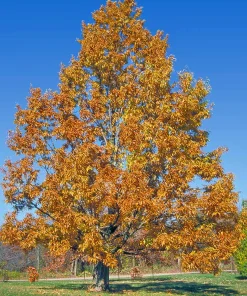
- Stunning Fall Foliage: In autumn, the leaves transform into a brilliant golden-yellow, providing a spectacular display of color that enhances the beauty of your property and adds seasonal interest. This vibrant transformation is a highlight of the fall season.
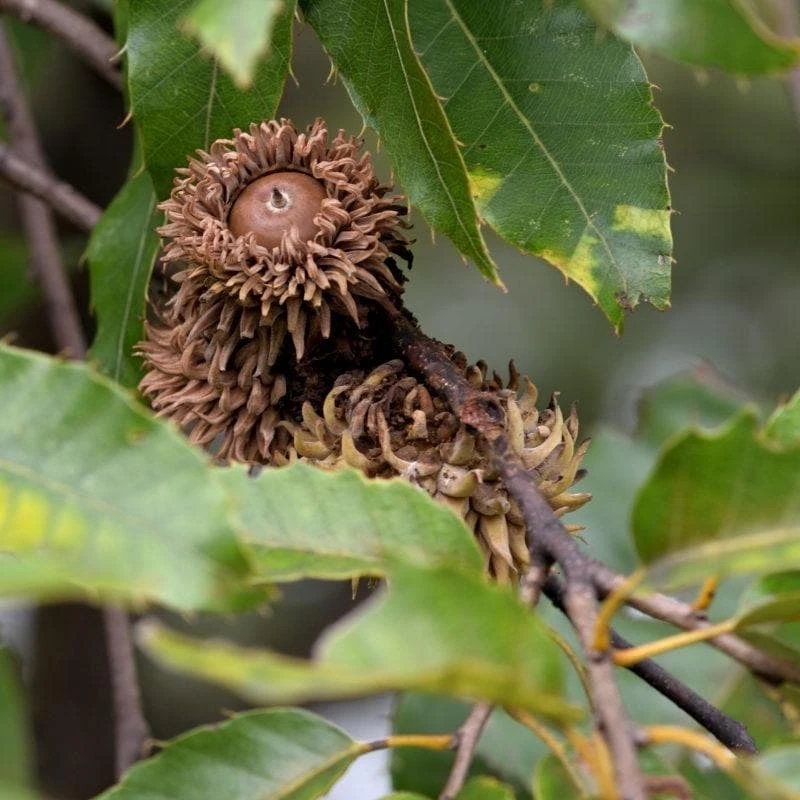
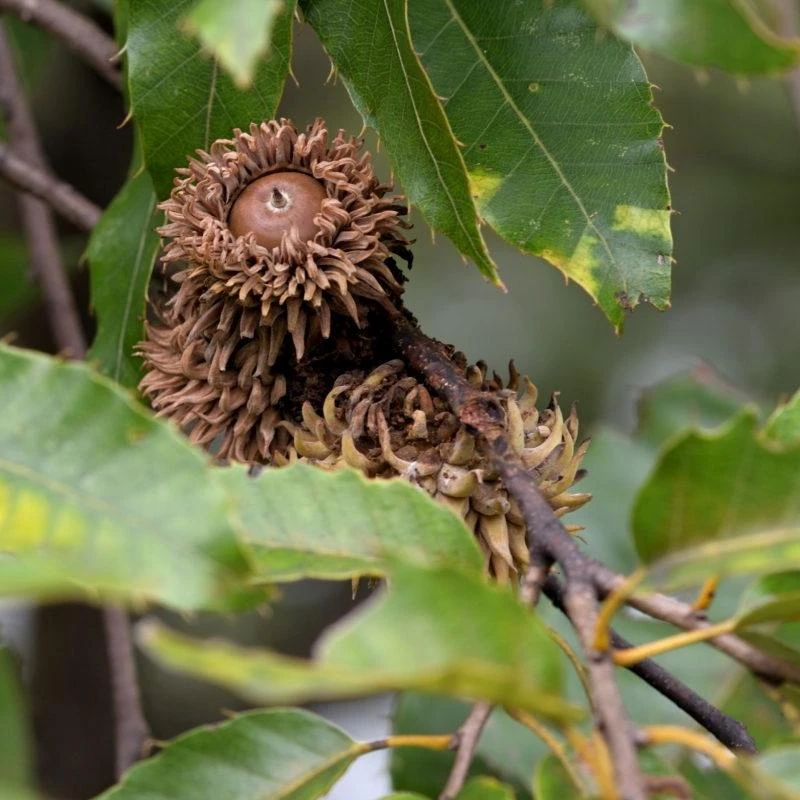
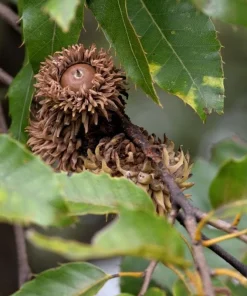
- Wildlife Attraction: The abundant acorn production of the quercus acutissima plant serves as a vital food source for various wildlife, including deer, turkeys, and squirrels. Planting this tree helps support local biodiversity and brings nature closer to your home. This makes it an excellent oak tree for wildlife enthusiasts.
- Adaptability and Hardiness: This tree thrives in a wide range of soil types and environmental conditions, demonstrating excellent adaptability. It is also quite hardy, tolerating urban conditions and various climates within its USDA hardiness zones.
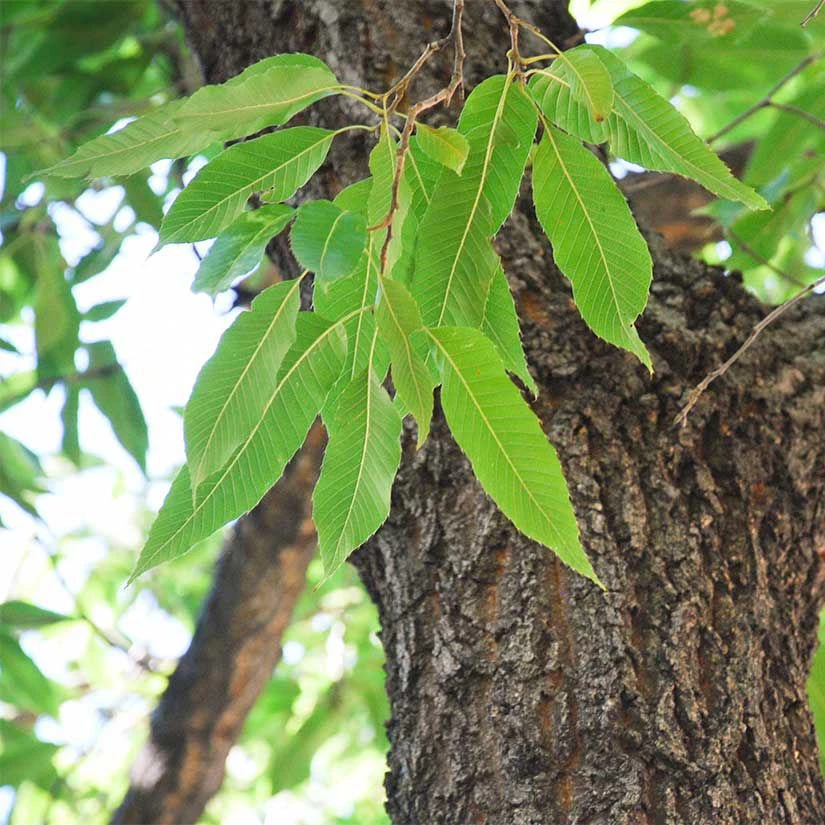
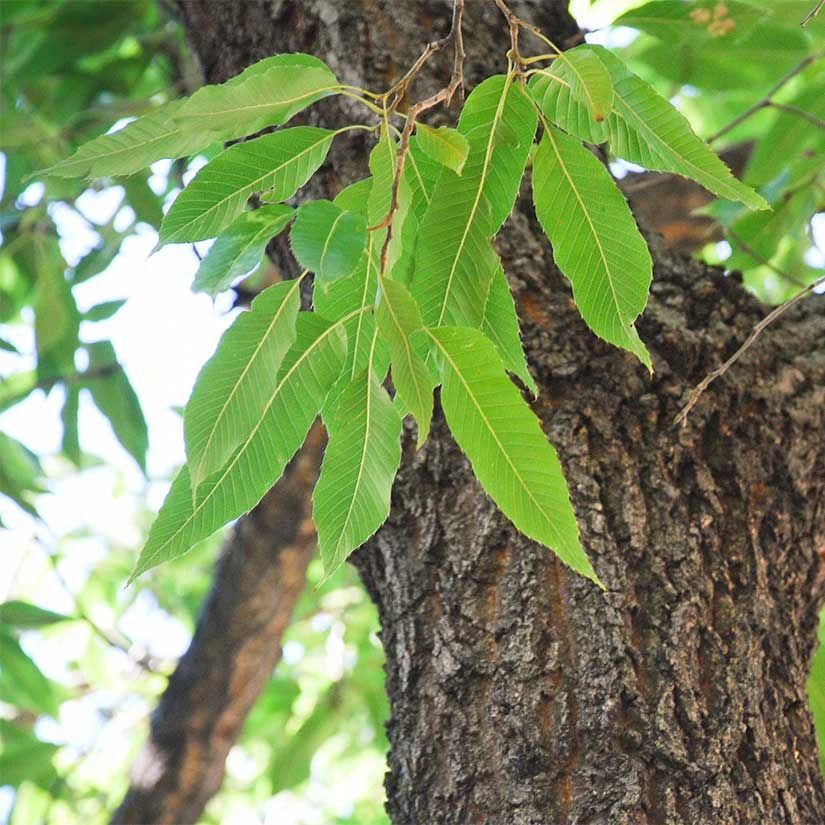
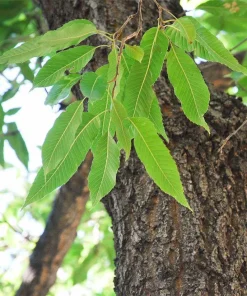
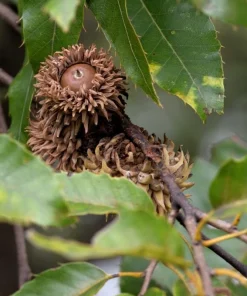
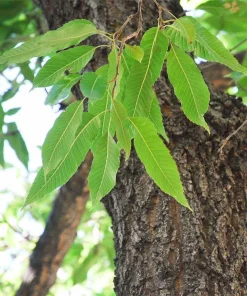
- Unique Leaf Structure: The distinctive saw-toothed edges of its leaves provide an interesting textural element to the tree’s appearance, setting it apart from other oak varieties and adding unique visual interest.
- Long-Term Investment: As a long-lived tree, the sawtooth oak tree represents a lasting investment in your property, increasing its value and providing enjoyment for generations to come.
Plant Care & Growing Tips
Caring for your sawtooth oak tree is relatively straightforward, thanks to its robust and adaptable nature. To ensure optimal growth and health for your fast growing shade tree, follow these essential care guidelines. This tree ships as a bare root starter plant, which requires prompt planting upon arrival to establish successfully.
The sawtooth oak tree prefers a location with full sun, meaning at least 6 hours of direct sunlight per day. While it can tolerate some partial shade, full sun promotes the best growth and acorn production. It is highly adaptable to various soil types, but ideally, it thrives in well-draining soil that is moderately fertile. Avoid planting in areas where water tends to pool, as consistent wet feet can lead to root rot. Once established, it is quite drought-tolerant, but young trees will benefit from regular watering, especially during dry spells. Water deeply once or twice a week, allowing the top few inches of soil to dry out between waterings. Ensure the soil remains consistently moist but not waterlogged for the first year after planting. For successful establishment of your sawtooth oak care, proper watering is crucial.
This species is hardy in USDA hardiness zones 5 through 9, making it suitable for a broad range of climates. It can withstand both cold winters and hot summers once mature. Fertilization is generally not necessary if planted in fertile soil, but if your soil is poor, a balanced, slow-release fertilizer can be applied in early spring. Avoid over-fertilizing, which can harm the tree. Pruning should be done in late winter or early spring to remove any dead, damaged, or crossing branches. Shape the tree as needed to maintain a strong central leader and good branch structure. Keep an eye out for common oak pests and diseases, though the sawtooth oak tree is generally quite resistant. Early detection and treatment are key to preventing serious issues.
Size & Details
This offering is for one sawtooth oak tree live plant, typically arriving as a bare root starter plant. The plant will measure between 12-24 inches tall at the time of shipment, providing a solid foundation for future growth. While the initial height is 12-24 inches, please note that bare root plants can sometimes appear smaller than potted equivalents, but their root systems are robust and ready for establishment.
The quercus acutissima plant is known for its rapid growth rate, quickly developing into a mature tree that can reach 40-60 feet in height with a similar spread. It will form a broad, rounded, and dense canopy over time, making it an excellent long-term investment for shade and aesthetic appeal. This tree is suitable for planting in USDA hardiness zones 5-9 and is known for its adaptability to various conditions. Expect consistent growth after establishment, with visible progress each year as it develops into a magnificent fast growing shade tree.
Frequently Asked Questions
- Q: How big does this sawtooth oak tree get at maturity? A: A mature sawtooth oak tree can reach an impressive height of 40-60 feet with a similar spread, forming a broad and dense canopy perfect for providing extensive shade in your landscape.
- Q: What condition will the quercus acutissima plant arrive in? A: This particular offering is for a bare root starter plant, meaning it will arrive without soil around its roots. This is a common and effective method for shipping deciduous trees, ensuring a healthy root system for planting.
- Q: Is this an indoor or outdoor plant? A: The sawtooth oak tree is an outdoor plant, best suited for planting directly in the ground where it can grow to its full potential and provide significant shade and wildlife benefits.
- Q: How much sunlight does the sawtooth oak tree need? A: For optimal growth and health, the sawtooth oak tree requires full sun exposure, which means at least 6 hours of direct sunlight per day. It can tolerate some partial shade but will thrive best with ample sun.
- Q: Is this tree good for attracting wildlife? A: Yes, the sawtooth oak tree is an excellent choice if you’re looking for an oak tree for wildlife. It produces abundant acorns, which are a valuable food source for deer, turkeys, squirrels, and other animals.
- Q: When is the best time to plant a bare root sawtooth oak tree? A: The ideal time to plant a bare root sawtooth oak tree is in early spring, after the last threat of hard frost has passed but before the tree breaks dormancy. This allows the roots to establish before the stress of summer heat.
- Q: What USDA hardiness zones is this tree suitable for? A: The sawtooth oak tree is hardy in USDA hardiness zones 5 through 9, making it adaptable to a wide range of climates across the United States. Ensure your zone falls within this range for successful growth.
- Q: What kind of soil does the sawtooth oak tree prefer? A: This tree is quite adaptable but prefers well-draining soil. It can tolerate various soil types, including clay, loam, and sandy soils, as long as they do not remain waterlogged.
- Q: Is sawtooth oak care difficult for beginners? A: Generally, sawtooth oak care is considered relatively easy, especially once the tree is established. Its adaptability and hardiness make it a good choice for both experienced gardeners and beginners looking for a low-maintenance shade tree.
- Q: How tall will the starter plant be upon arrival? A: The bare root starter plant will typically be between 12-24 inches tall when it arrives, ready for immediate planting and subsequent growth.
Be the first to review “Sawtooth Oak Tree Live Plant – Quercus acutissima 12-24 inch Tall – Outdoor”
People Also Viewed










Reviews
There are no reviews yet.