

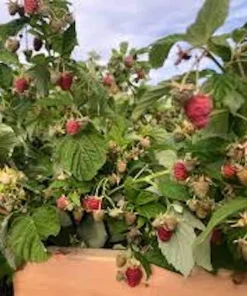
September Red Raspberry Starter Plug – Everbearing Live Plant – Zones 4-8
Original price was: $113.99.$88.99Current price is: $88.99.
Cultivate your own sweet fruit with a September Red raspberry plant. This robust, everbearing variety yields two crops annually and is highly cold-hardy, thriving in USDA Zones 4-8. Enjoy fresh raspberries from your garden.
Estimated arrival
Sep 29
Oct 04 - Oct 06
Oct 09 - Oct 13
Shop With Confidence
30-Day Plant Health Guarantee
Arrives damaged? We’ll replace it free — see our return policy.
Responsive Support
Email us anytime, we reply within 1 business day.
Expert Packaging
Temperature-controlled shipping to protect your plants in transit.
Secure Checkout
Pay safely with Visa, Mastercard, PayPal.
Plant Specifications
-
USDA Hardiness Zone
USDA Zones 4-8 -
Soil Type
Well-draining, fertile, slightly acidic soil -
Sunlight Exposure
Full sun -
Expected Planting Period
Early spring to fall
Overview
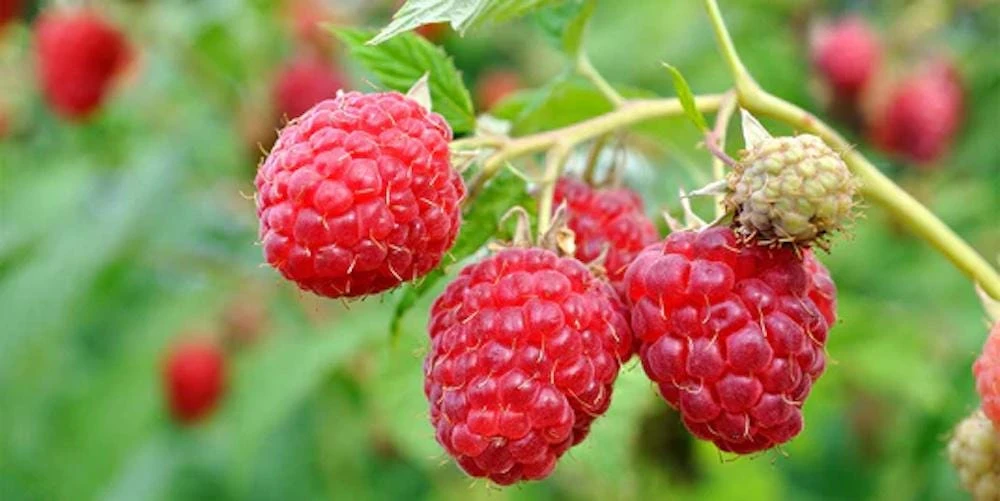
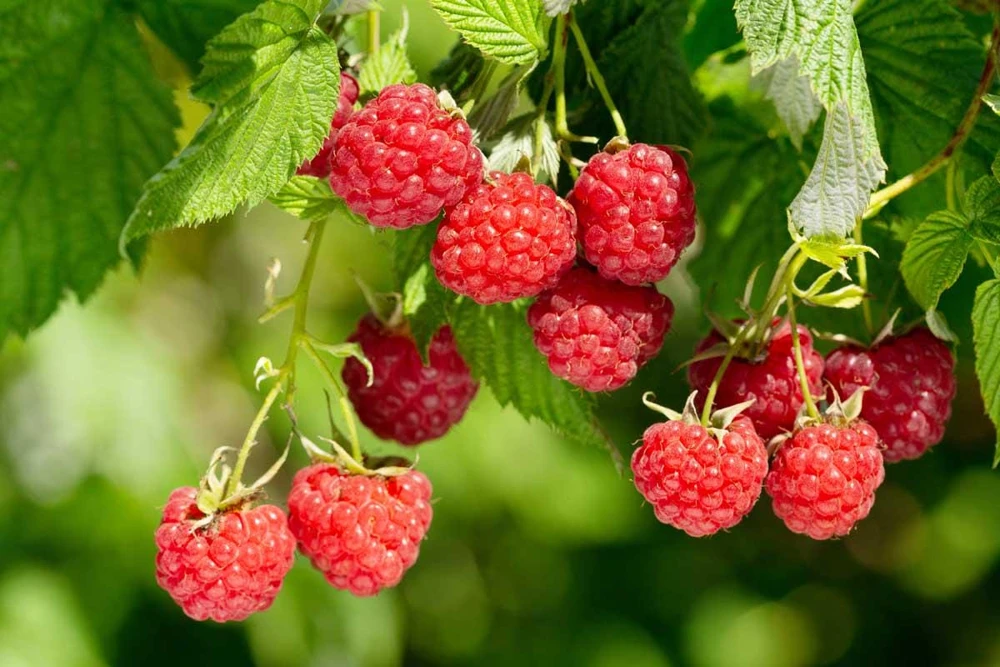
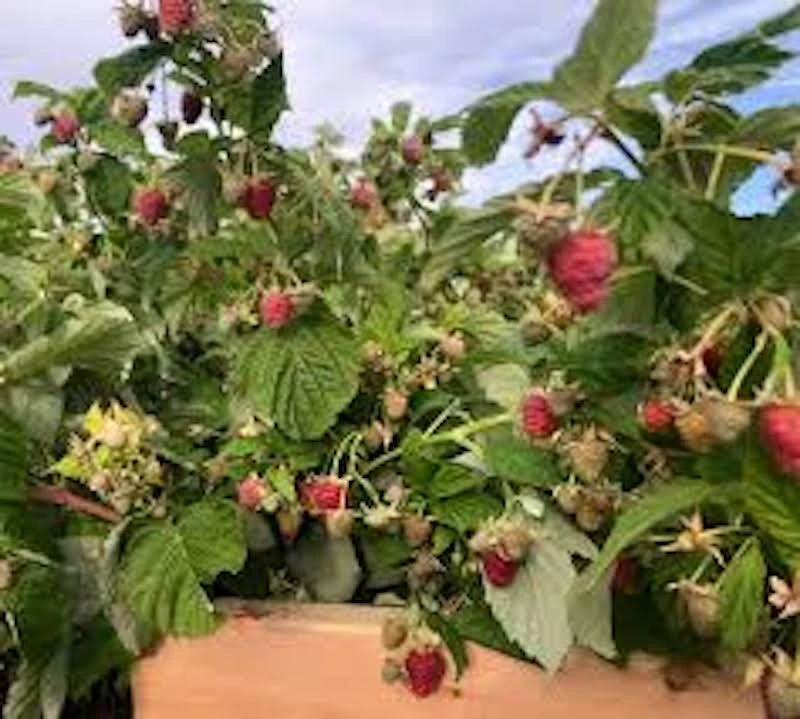
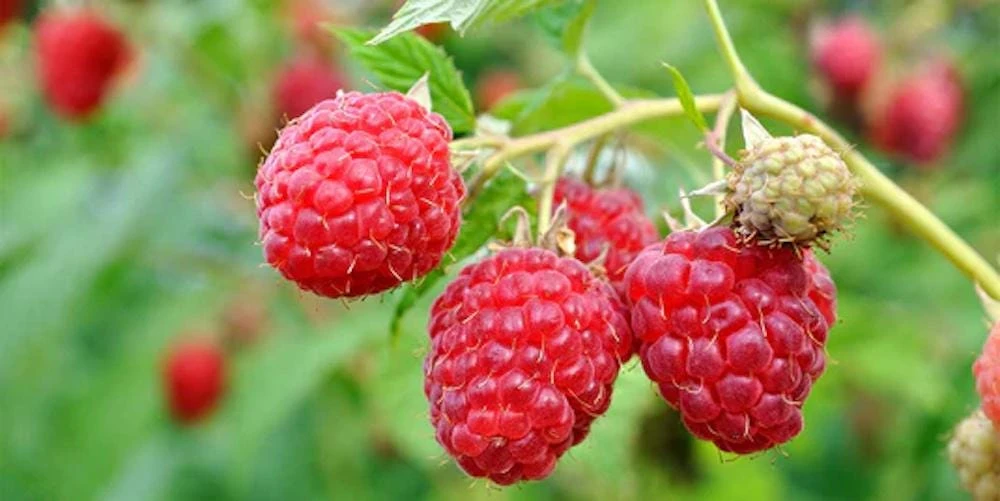
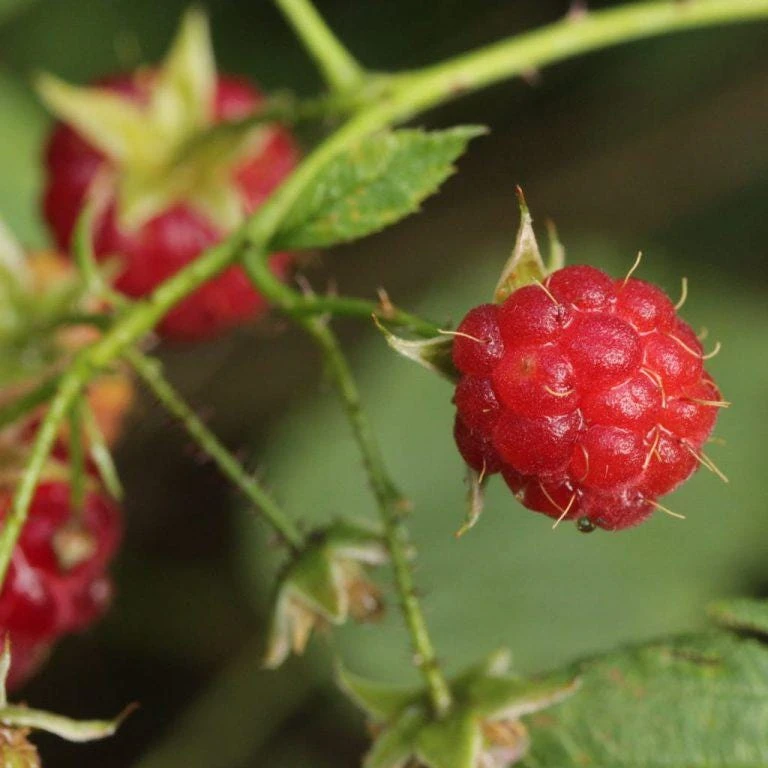
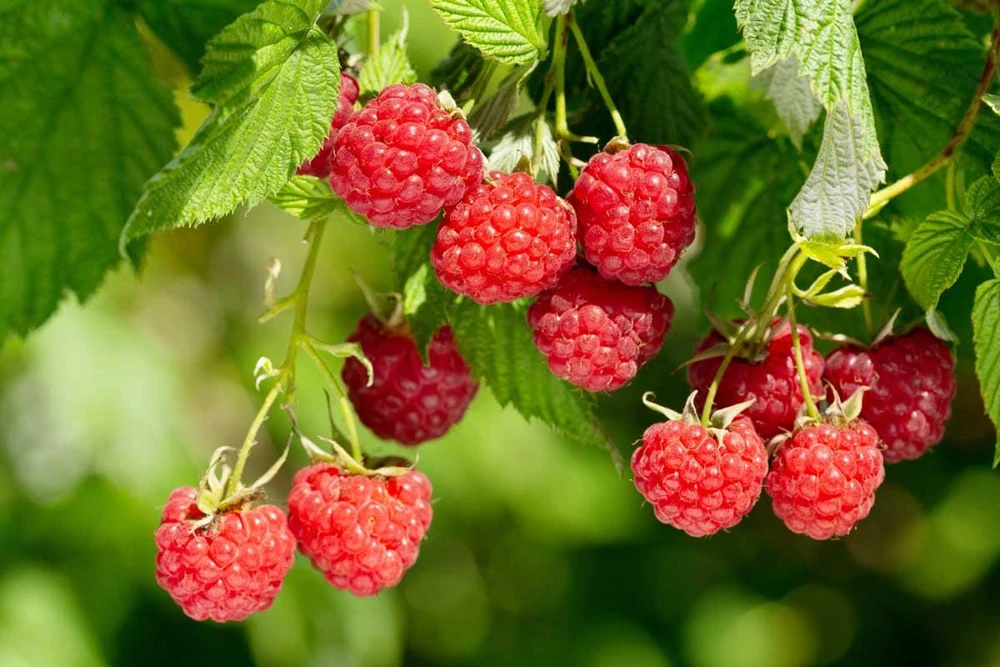
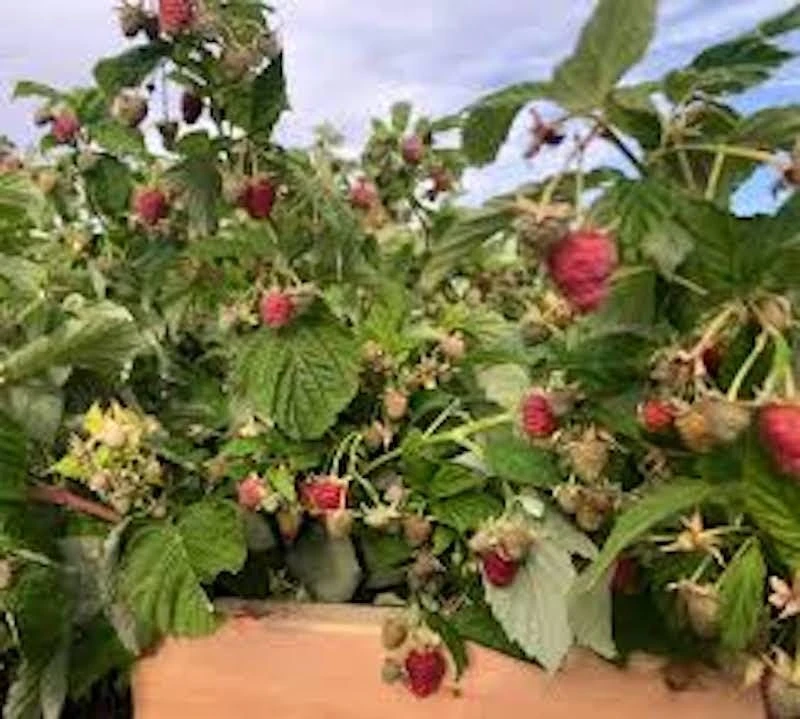
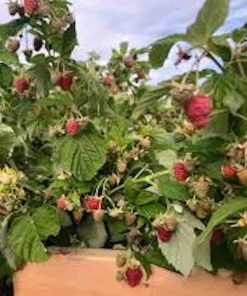
Experience the joy of fresh, homegrown fruit with the September Red raspberry plant. This exceptional variety of Rubus idaeus is celebrated for its impressive cold-hardiness and its unique everbearing nature, providing two bountiful harvests each year. Perfect for home gardeners in a wide range of climates, the September Red raspberry plant offers a reliable source of delicious, sweet berries. Whether you’re a seasoned gardener or just starting out, this vigorous raspberry bush is an excellent addition to any edible landscape, promising a rewarding experience with minimal fuss. Enjoy a light crop in early summer, followed by a much heavier yield from late summer through fall, extending your raspberry season significantly.
Known for its robust growth and adaptability, the September Red raspberry plant is a self-pollinating variety, meaning you only need one plant to start enjoying fruit. Its upright, bushy growth habit makes it relatively easy to manage in the garden. This bare root starter plug is ready to be planted and established, offering a head start on cultivating your own fresh raspberries. Discover the satisfaction of harvesting your own fruit with this dependable and productive plant.
Key Benefits
Adding a September Red raspberry plant to your garden brings numerous advantages, from fresh produce to robust growth. Here are some of the key benefits you can expect:
- Everbearing Production: Enjoy two distinct harvests each year – a lighter crop in early summer (July) and a substantial, heavy crop from late summer through fall (August to October). This extended fruiting season ensures a prolonged supply of fresh raspberries.
- Exceptional Cold-Hardiness: This variety is remarkably cold-tolerant, making it an ideal choice for northern climates and thriving across a broad range of USDA hardiness zones, specifically 4 through 8. Gardeners in colder regions can confidently grow this productive bush.
- Self-Pollinating Convenience: The September Red raspberry plant is self-fertile, eliminating the need for multiple plants to ensure fruit set. A single plant can produce a good yield, simplifying your gardening efforts.
- Vigorous & Upright Growth: Known for its strong, upright, and bushy growth habit, this raspberry shrub typically reaches a manageable size of 3 to 5 feet tall and 3 to 5 feet wide, making it suitable for various garden sizes and easy to integrate into existing landscapes.
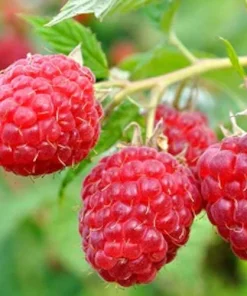
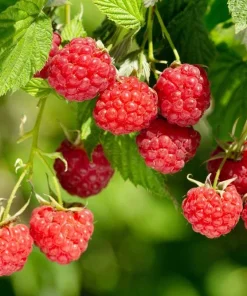
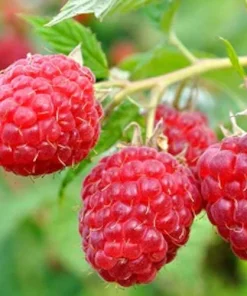
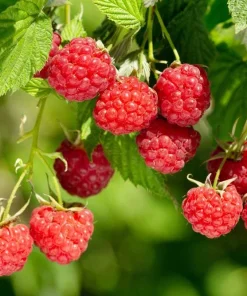
- Delicious & Versatile Fruit: The berries are perfect for fresh eating, baking, jams, jellies, or freezing. Having your own supply of fresh raspberries ensures you always have a healthy and tasty treat on hand.
- Low Maintenance: Once established, these raspberry plants are relatively low-maintenance, requiring basic care like watering, occasional fertilization, and pruning to encourage optimal production.
- Garden Appeal: Beyond its fruit, the vigorous green foliage adds an attractive, natural element to your garden, enhancing its overall aesthetic.
Plant Care & Growing Tips
Proper care is essential for a thriving September Red raspberry plant and abundant harvests. These plants prefer a location with full sun, meaning at least 6-8 hours of direct sunlight per day. Good air circulation is also important to prevent fungal diseases. When it comes to soil, they thrive in well-draining, fertile soil with a slightly acidic pH (6.0-6.8). Amend heavy clay soils with organic matter like compost to improve drainage and aeration. For growing raspberries successfully, ensure the soil remains consistently moist, especially during fruiting periods, but avoid waterlogging, which can lead to root rot. Deep watering once or twice a week is generally better than frequent shallow watering.
The September Red raspberry plant is incredibly cold-hardy, making it suitable for USDA zones 4 through 8. In colder zones, consider applying a layer of mulch around the base of the plant in late fall to provide extra winter protection. Fertilize in early spring with a balanced slow-release fertilizer or an organic compost. Pruning is crucial for everbearing varieties like the September Red. To encourage the best fall crop, prune all canes to the ground in late winter or early spring before new growth begins. Alternatively, for two crops, remove only the tips of the canes that fruited in the fall after the first harvest, allowing the lower parts to fruit in spring. Regularly inspect your plants for pests and diseases, addressing any issues promptly with organic solutions where possible. Understanding how to care for a cold hardy raspberry will ensure years of delicious fruit.
Size & Details
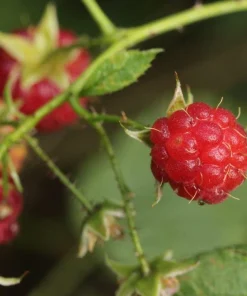
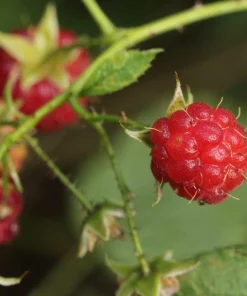
This offering is for a September Red raspberry plant provided as a bare root starter plug. Bare root plants are dormant and arrive without soil around their roots, which is an excellent method for shipping and ensures easy establishment upon planting. The vigorous thorned shrub typically reaches a mature size of 3 to 5 feet in height and 3 to 5 feet in width, creating an attractive and productive bush in your garden. With proper care, these plants will quickly establish and begin producing fruit. Expect a light crop in early summer, followed by a heavy harvest from August through October, making this an ideal choice for gardeners interested in an everbearing raspberry variety. Plant these starter plugs in early spring or fall for best results, allowing them ample time to develop a strong root system before their first fruiting season.
Frequently Asked Questions
- Q: How big will my September Red raspberry plant get? A: The September Red raspberry plant typically grows to a mature size of 3 to 5 feet tall and 3 to 5 feet wide, forming an upright and bushy shrub. Its growth can be managed with proper pruning.
- Q: Is this an indoor or outdoor plant? A: The September Red raspberry plant is an outdoor plant, specifically a fruiting shrub designed for garden cultivation. It thrives in full sun exposure in outdoor environments.
- Q: How much sunlight does a September Red raspberry plant need? A: For optimal growth and fruit production, this raspberry variety requires full sun, meaning at least 6-8 hours of direct sunlight per day.
- Q: Is this plant easy to care for? A: Yes, the September Red raspberry plant is considered relatively easy to care for once established. It requires consistent watering, annual fertilization, and proper pruning techniques for best results.
- Q: What condition will the plant arrive in? A: This product ships as a bare root starter plug. It will arrive dormant, without soil around its roots, which is a standard and effective way to ship and plant raspberry bushes.
- Q: When is the best time to plant the September Red raspberry? A: The best time to plant your everbearing raspberry starter plug is in early spring or in the fall, allowing the plant to establish its root system before extreme temperatures.
- Q: Will the September Red raspberry survive winter in my zone? A: Yes, the September Red raspberry plant is a very cold-hardy variety, thriving in USDA hardiness zones 4 through 8, making it suitable for many northern climates.
- Q: How many crops does the September Red raspberry produce? A: This is an everbearing raspberry variety, meaning it produces two crops per year: a light crop in early summer (July) and a heavy crop in late summer/fall (August through October).
- Q: What kind of soil does this cold hardy raspberry prefer? A: The September Red raspberry thrives in well-draining, fertile soil with a slightly acidic pH. Amending the soil with organic matter is beneficial for its growth.
- Q: Do I need more than one plant for fruit production? A: No, the September Red raspberry plant is self-pollinating, so a single plant is sufficient to produce fruit.
Be the first to review “September Red Raspberry Starter Plug – Everbearing Live Plant – Zones 4-8”
People Also Viewed
Reviews
There are no reviews yet.