
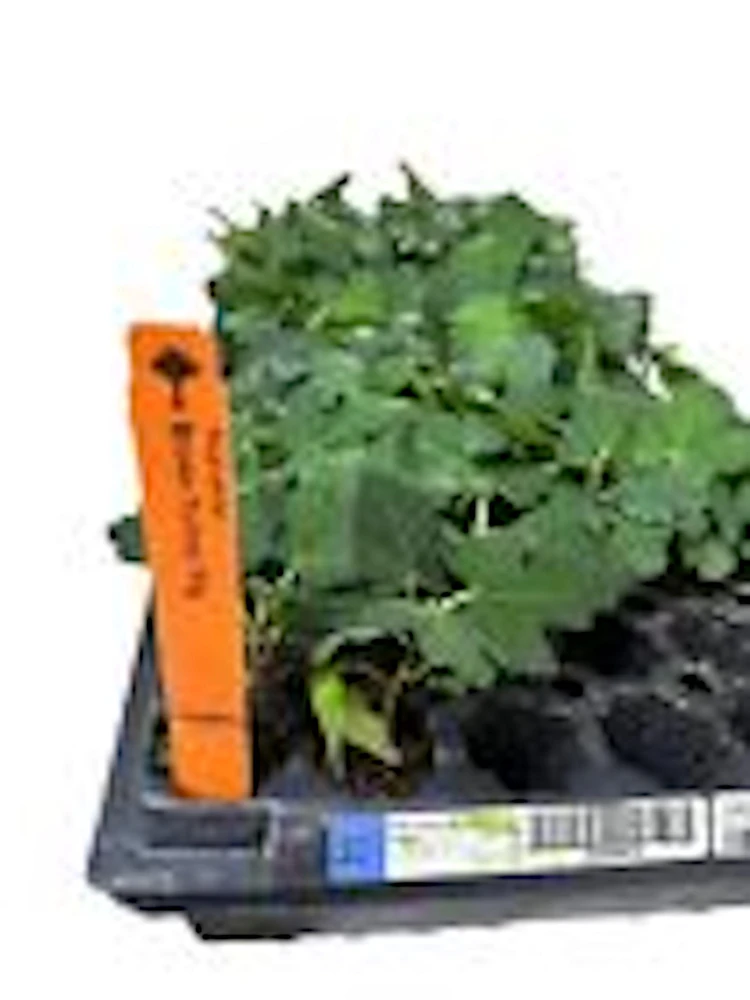
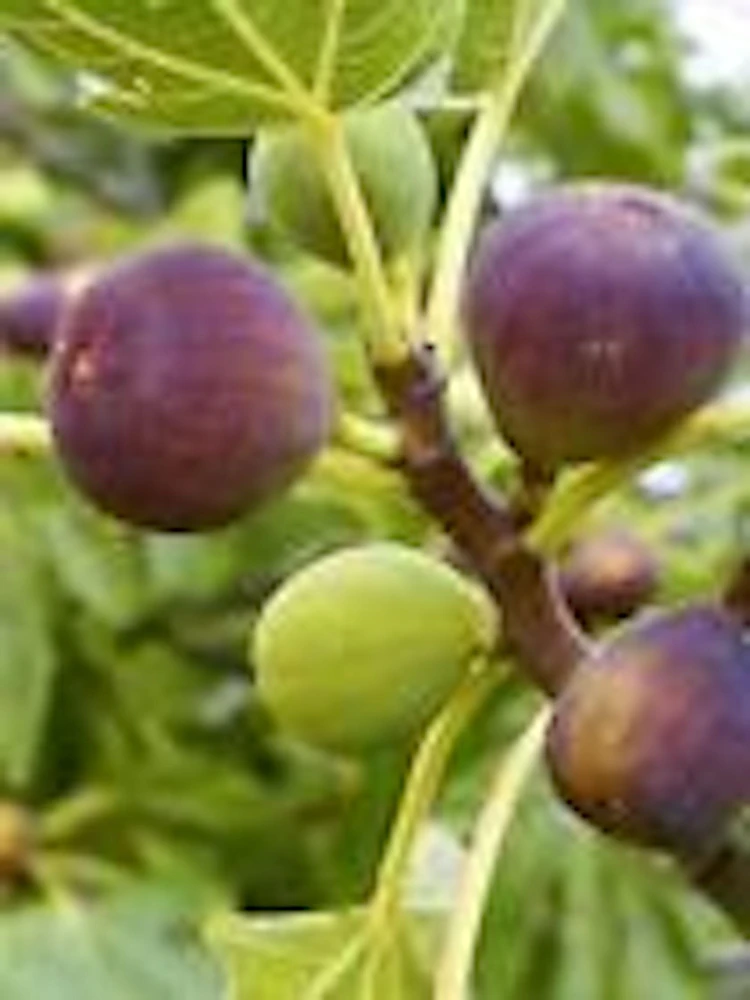
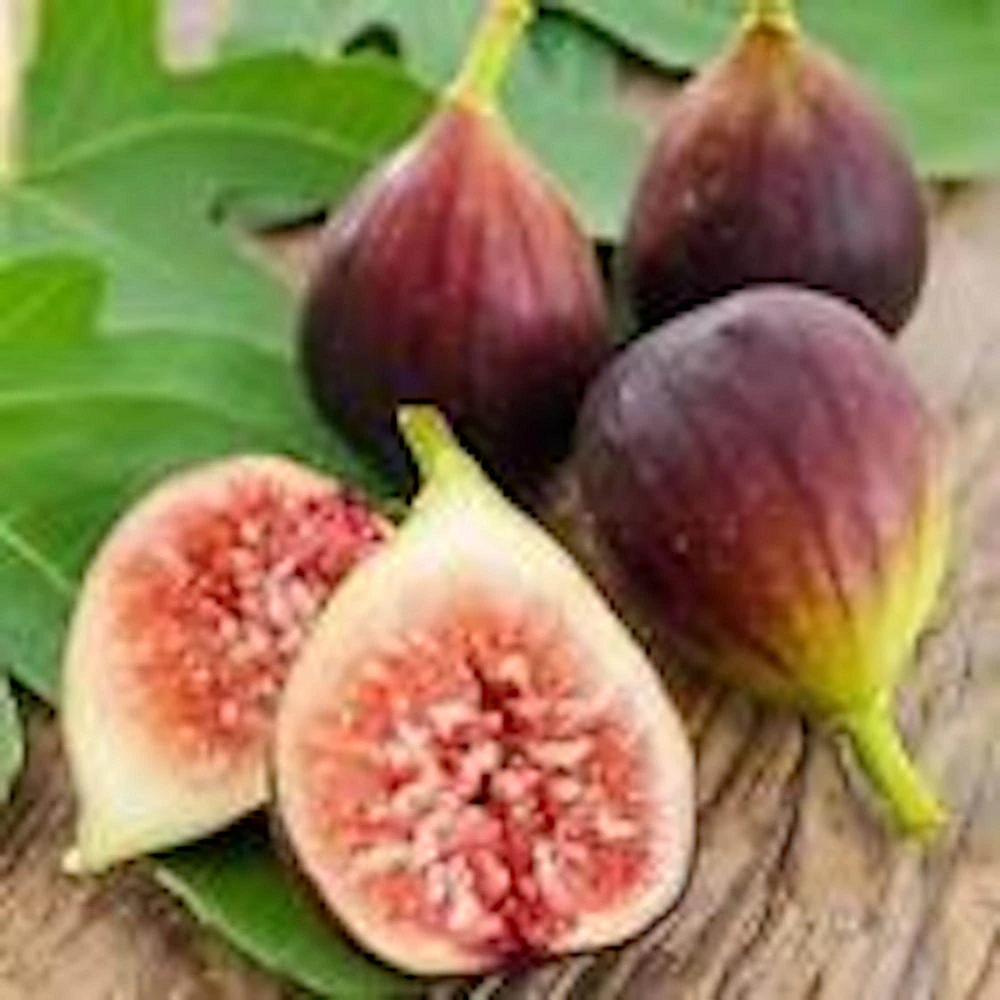
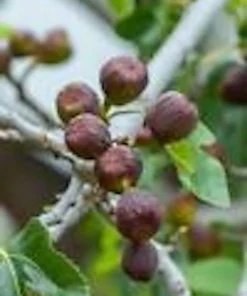
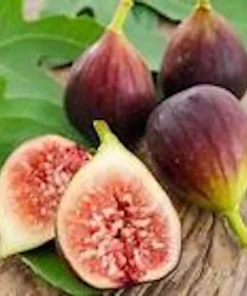
5 Brown Turkey Fig Tree Starter Plants – Ficus Carica Fruiting Perennial
Original price was: $113.99.$88.99Current price is: $88.99.
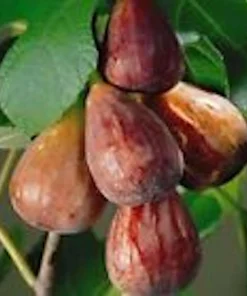
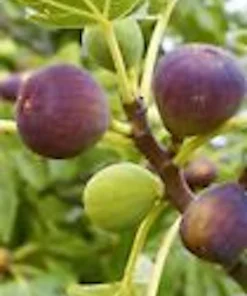
Cultivate your own orchard with these 5 Brown Turkey Fig Tree Starter Plants. These fruiting fig tree perennials (Ficus Carica live plant) yield delicious, sweet figs, perfect for fresh eating. Ideal for warm climates, they are self-fruitful and easy to grow, providing a bountiful harvest from summer into fall.
Estimated arrival
Sep 29
Oct 04 - Oct 06
Oct 09 - Oct 13
Shop With Confidence
30-Day Plant Health Guarantee
Arrives damaged? We’ll replace it free — see our return policy.
Responsive Support
Email us anytime, we reply within 1 business day.
Expert Packaging
Temperature-controlled shipping to protect your plants in transit.
Secure Checkout
Pay safely with Visa, Mastercard, PayPal.
Plant Specifications
-
USDA Hardiness Zone
7-10 -
Soil Type
Well-draining, slightly acidic soil -
Sunlight Exposure
Full sun (6-8+ hours daily) -
Expected Planting Period
Late winter to early spring
Overview
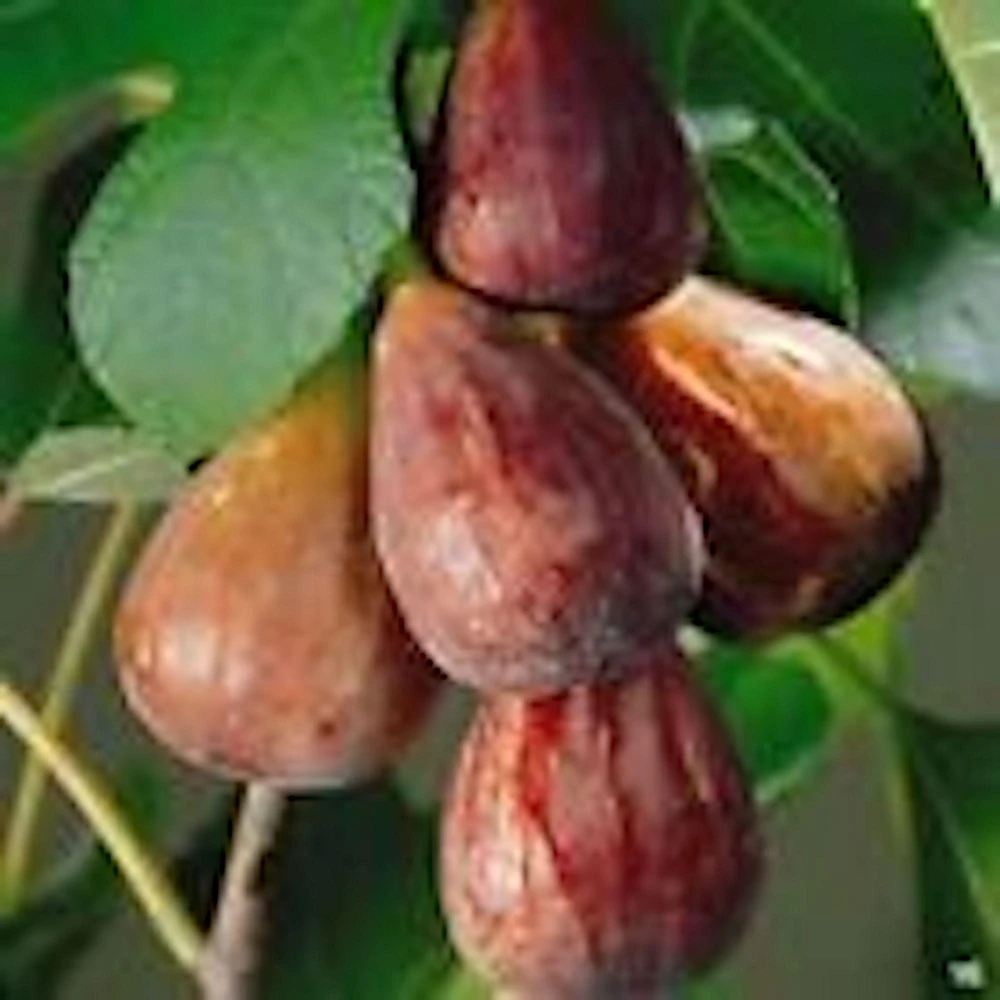
Cultivate a bountiful harvest right in your own backyard with these 5 Brown Turkey Fig Tree Starter Plants. Each offering is a robust Ficus Carica live plant, ready to establish and thrive in your garden. The iconic Brown Turkey fig is cherished for its sweet, rich flavor, best enjoyed fresh from the branch. Unlike many other fruits, figs ripen entirely on the tree, ensuring maximum sweetness and quality when harvested. These perennial fruit trees are known for their resilience and ease of care, making them an excellent choice for both experienced gardeners and enthusiastic beginners looking to enjoy homegrown fruit. Figs are self-fruitful, meaning you only need one plant to produce a crop, though planting multiple can extend your harvest and increase yield.
The common fig tree, or Ficus Carica, is a fascinating species that has been cultivated for thousands of years. These particular fruiting fig tree specimens are renowned for their productivity and adaptability to various warm climates. They do not require pollination to bear fruit, simplifying the growing process significantly. Imagine stepping outside to pick sun-ripened figs, bursting with flavor, for your breakfast or dessert. These starter plants provide the perfect foundation for creating your own edible landscape, promising years of delicious harvests.
Key Benefits
Adding a Brown Turkey Fig Tree Starter Plants to your garden offers numerous advantages, from fresh produce to aesthetic appeal. These benefits make them a highly desirable addition for any home gardener:
- Delicious Homegrown Fruit: Enjoy the unparalleled taste of fresh figs, picked ripe from your own tree. The Brown Turkey variety is celebrated for its sweet, succulent flesh, perfect for eating fresh, preserving, or baking. You’ll experience flavors far superior to store-bought options.
- Self-Pollinating & Easy to Grow: These Ficus Carica live plant specimens are self-fruitful, meaning they do not require another tree for pollination. This simplifies the growing process and guarantees fruit production even with a single tree, making them ideal for gardeners of all skill levels.
- Extended Harvest Season: With proper care and selection, you can enjoy figs from summer into early fall. Some varieties, including the Brown Turkey, can even produce a bonus ‘breba’ crop early in the season, extending your fresh fig supply.
- Drought Tolerant Once Established: While regular watering is crucial during establishment, mature fig trees are surprisingly drought-tolerant, making them a sustainable choice for many landscapes. This reduces the need for constant irrigation once the roots are well-developed.
- Versatile & Adaptable: Fig trees can thrive in various soil conditions, from loamy to sandy, as long as drainage is good. They adapt well to coastal regions and can be grown in the ground or in large containers, offering flexibility for different garden sizes and styles.
- Nutrient-Rich Produce: Figs are not only delicious but also packed with fiber, essential minerals, and vitamins, contributing to a healthy diet. Growing your own ensures you have access to fresh, organic produce.
- Beautiful Landscape Addition: Beyond their fruit, fig trees offer attractive foliage and a unique architectural form, adding a touch of Mediterranean charm to your garden. Their broad leaves provide shade and visual interest throughout the growing season.
Plant Care & Growing Tips
Caring for your Brown Turkey Fig Tree Starter Plants is a rewarding experience that yields delicious fruit. These resilient plants thrive with consistent care, especially during their establishment phase. For optimal growth and fruit production, ensure they receive ample sunlight. Fig trees require at least six to eight hours of direct, daily sunlight to produce an abundant and sweet harvest. Less sunlight can significantly reduce fruit yield. Choose a sunny spot in your garden, ideally with a south-facing exposure, to plant your new trees. This consistent exposure helps in the ripening process and enhances the sugar content of the figs.
When it comes to soil, grow fig trees in well-drained conditions. While they are adaptable to various soil types, slightly acidic and rich, organic soils are best. Regular potting mixes work well for container-grown figs, provided they retain moisture without becoming waterlogged and are well-aerated. During the first year, as your Ficus Carica live plant establishes its root system, water regularly to keep the soil consistently moist. Mulching around the base of the tree can help retain soil moisture and suppress weeds. Once established, fig trees become quite drought-tolerant, but consistent watering is still important, particularly when fruit is developing. Check the soil daily during fruiting periods and water as needed to ensure plump, juicy figs.
Pruning is essential for maintaining the health and productivity of your fruiting fig tree. Prune in late winter or early spring while the tree is dormant to remove dead, diseased, or crossing branches. This also helps shape the tree and encourages new growth that will bear fruit. Fertilize your fig trees in early spring with a balanced fertilizer, and again in mid-summer if needed, to support healthy growth and fruit development. Protecting young trees from harsh winter conditions in colder climates may be necessary, either by wrapping them or bringing container-grown plants indoors. With these simple care practices, your fig trees will flourish and provide you with a continuous supply of delectable fruit for many years.
Size & Details
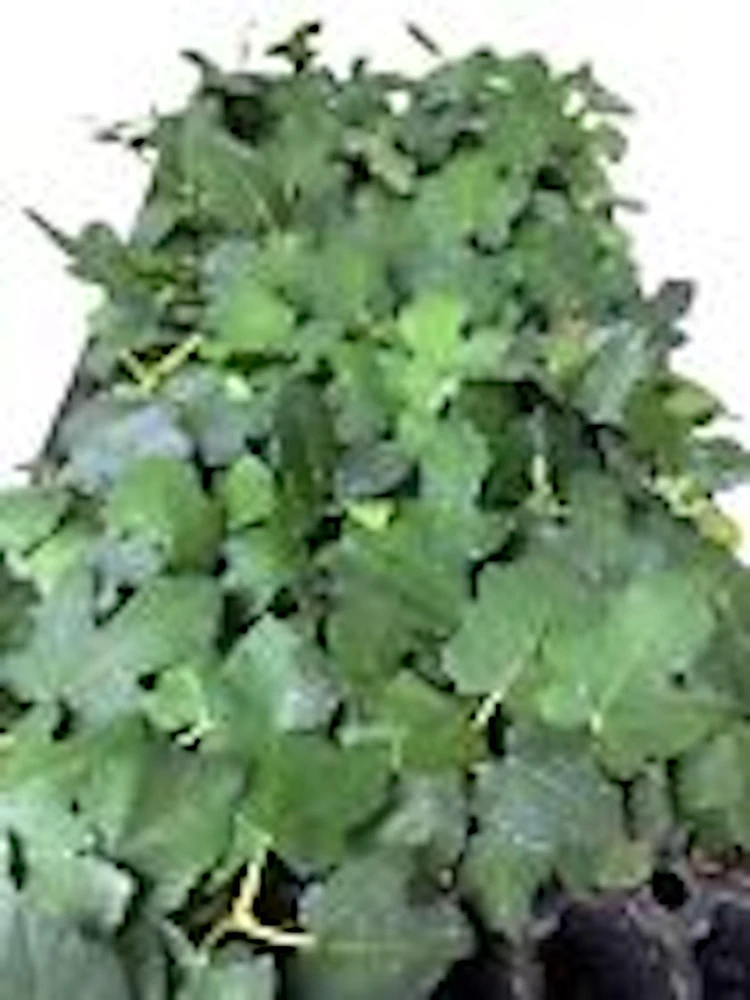
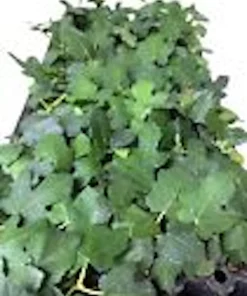
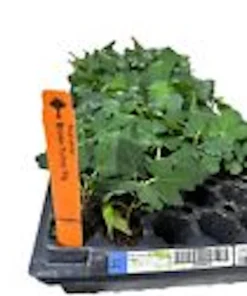
You will receive 5 Brown Turkey Fig Tree Starter Plants, each a healthy, young Ficus Carica live plant. These plants are shipped bare root, without a pot, to ensure safe and efficient transport. Upon arrival, they should be planted promptly in well-drained soil, either directly into your garden or into a sufficiently large container. Mature fig trees can reach a height of 10 to 30 feet, depending on growing conditions and pruning practices. Their spread can also be substantial, so allow ample space if planting multiple trees. With proper care, these starter plants will grow into robust fruiting fig tree specimens, beginning to produce fruit within 1-3 years.
The growth rate of these fig trees is moderate, allowing them to establish a strong root system before focusing heavily on fruit production. Expect your trees to begin yielding a significant harvest once they are 3-5 years old. The size of individual figs can vary, but the Brown Turkey variety typically produces medium to large fruits. These plants are perennials, meaning they will return year after year, offering a long-term investment in your edible garden. Ensure they have adequate space to grow and good air circulation to promote healthy development and abundant fruiting.
Frequently Asked Questions
- Q: How big do these Brown Turkey Fig Tree Starter Plants get? A: Mature Brown Turkey fig trees can grow to be 10 to 30 feet tall with a similar spread, depending on climate, soil conditions, and pruning. They can also be kept smaller with regular pruning, especially if grown in containers.
- Q: Is this an indoor or outdoor plant? A: The Ficus Carica live plant is primarily an outdoor plant, thriving in warm climates. However, in colder regions, they can be grown in large containers and brought indoors during winter to protect them from frost.
- Q: How much sunlight does a fruiting fig tree need? A: For an abundant and sweet harvest, fig trees require full sun, meaning at least six to eight hours of direct sunlight per day. Less sunlight will result in fewer and less sweet figs.
- Q: Is this plant easy to care for? A: Yes, fig trees are generally considered easy to care for, especially once established. They are self-fruitful and drought-tolerant, making them a good choice for gardeners of various experience levels.
- Q: What condition will the plants arrive in? A: These Brown Turkey Fig Tree Starter Plants are shipped bare root, meaning they will arrive without soil or a pot. This method ensures the plants are dormant and minimizes stress during transit, preparing them for successful planting.
- Q: When is the best time to plant these fig trees? A: The best time to plant bare root fig trees is in late winter or early spring, after the last frost, allowing them ample time to establish before the heat of summer.
- Q: What USDA hardiness zones are suitable for grow fig trees? A: Brown Turkey fig trees typically thrive in USDA hardiness zones 7-10. In colder zones, they can be grown in containers and protected during winter or planted in a sheltered location.
Be the first to review “5 Brown Turkey Fig Tree Starter Plants – Ficus Carica Fruiting Perennial”
People Also Viewed






Reviews
There are no reviews yet.