

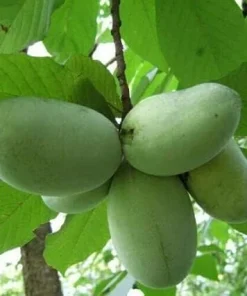
2 Paw Paw Trees Live Plants – Asimina Triloba – Edible Fruit – 3.25″ Pot
Original price was: $69.98.$38.99Current price is: $38.99.
Cultivate your own unique fruit with these paw paw tree live plant specimens. You’ll receive two Asimina triloba plant trees, each shipped in a 3.25-inch pot, ready to grow. Known for their delicious, custard-like fruit, these cold-hardy native trees are a delightful addition to any garden. Perfect for those looking to enjoy homegrown, tropical-flavored fruit and support local wildlife.
Estimated arrival
Oct 14
Oct 19 - Oct 21
Oct 24 - Oct 28
Shop With Confidence
30-Day Plant Health Guarantee
Arrives damaged? We’ll replace it free — see our return policy.
Responsive Support
Email us anytime, we reply within 1 business day.
Expert Packaging
Temperature-controlled shipping to protect your plants in transit.
Secure Checkout
Pay safely with Visa, Mastercard, PayPal.
Plant Specifications
-
USDA Hardiness Zone
4-9 -
Soil Type
Well-draining, rich in organic matter -
Sunlight Exposure
Full sun to partial shade -
Expected Planting Period
Early spring or early fall
Overview
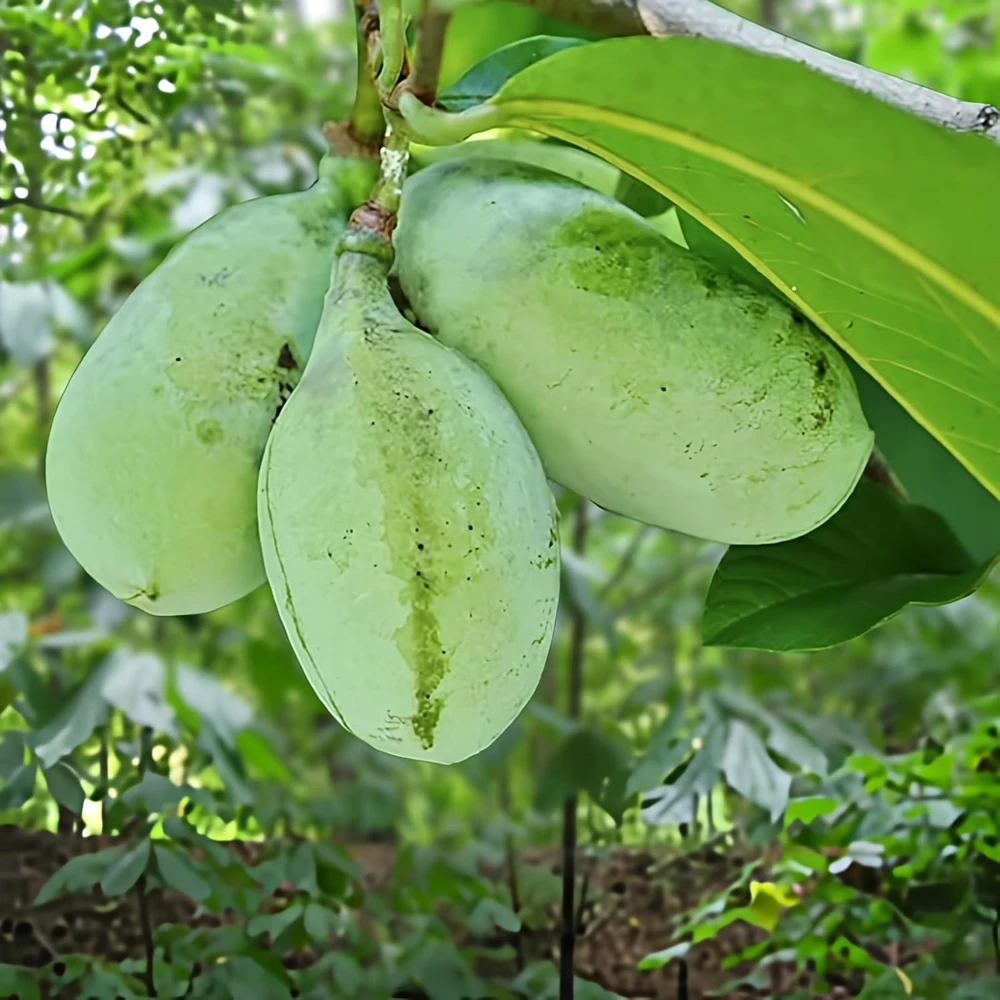
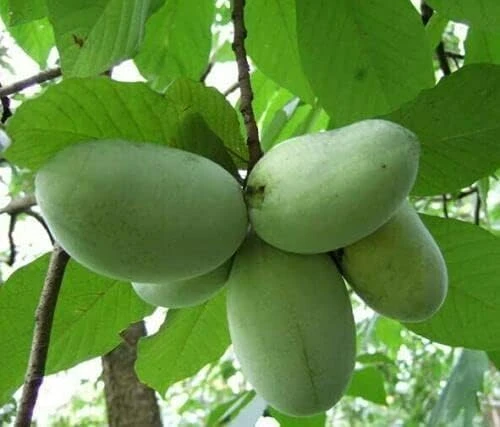
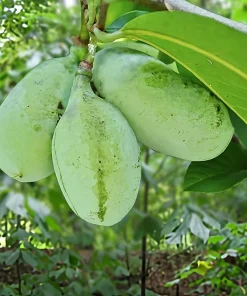
Embark on a unique gardening journey with this offering of two paw paw tree live plant specimens. The Paw Paw tree, scientifically known as Asimina triloba plant, is a fascinating native North American deciduous tree celebrated for its delicious, tropical-flavored fruit. These trees are shipped in 3.25-inch pots, providing a robust start for your edible landscape. Often referred to as the ‘Indiana Banana’ or ‘Poor Man’s Banana,’ the Paw Paw produces greenish-yellow fruit with a creamy texture and hints of banana, mango, and melon. Beyond its delectable fruit, the Paw Paw tree offers significant ecological benefits, serving as a host plant for the striking zebra swallowtail butterfly. This package provides two trees, which is crucial for successful pollination and fruit production, making it an ideal choice for fruit enthusiasts and nature lovers alike.
The unique charm of the paw paw fruit tree lies not only in its taste but also in its resilience. These trees are cold-hardy and adapt well to various climates, thriving in USDA Hardiness Zones 4-9. With their slender, oblong leaves and naturally conical shape, they present an alluring ornamental addition to any garden or orchard. Cultivating your own Paw Paws means enjoying fresh, organic fruit that is rarely found in grocery stores, offering a truly special culinary experience right from your backyard.
Key Benefits
Adding a paw paw tree live plant to your garden offers a multitude of benefits, blending aesthetic appeal with practical advantages for both you and the local ecosystem. These trees are an excellent investment for sustainable gardening and culinary exploration.
- Unique Edible Fruit: Enjoy the rare and delicious Paw Paw fruit, which boasts a custard-like texture and complex flavors reminiscent of banana, mango, and melon. Growing your own ensures access to this perishable, highly sought-after treat.
- Cold Hardy & Resilient: These native North American trees are exceptionally cold-hardy, thriving in a wide range of climates (USDA Zones 4-9), making them suitable for many regions where other tropical fruits cannot grow.
- Ecological Support: The Asimina triloba plant is the sole host plant for the beautiful zebra swallowtail butterfly, providing essential habitat and supporting local biodiversity in your garden.
- Ornamental Value: With their attractive foliage and conical form, Paw Paw trees make a beautiful addition to any landscape, offering visual interest throughout the growing season and into autumn.
- Self-Pollination Potential (with two trees): By planting two paw paw fruit tree specimens, you ensure proper cross-pollination, significantly increasing your chances of a bountiful fruit harvest.
- Low Maintenance: Once established, Paw Paw trees generally require minimal care, making them an excellent choice for gardeners seeking rewarding plants without excessive effort.
- Native Plant Benefits: As a native species, the Paw Paw tree is well-adapted to local conditions, requiring less water and fewer interventions compared to non-native alternatives.
Plant Care & Growing Tips
Proper care is essential for establishing and nurturing your paw paw tree live plant to ensure a bountiful harvest. Paw Paw trees are relatively low-maintenance once established, but they do have specific needs, particularly during their initial years. They prefer a location with at least six hours of direct sunlight per day, though young trees can benefit from some afternoon shade in hotter climates to prevent leaf scorch. Ensure the planting site has good air circulation to deter fungal diseases. When planting, dig a hole twice as wide as the root ball and just as deep, backfilling with well-draining soil that is rich in organic matter. A soil pH between 5.5 and 7.0 is ideal for optimal growth of your Asimina triloba plant.
Watering is crucial, especially for young trees. Keep the soil consistently moist but never waterlogged. Deep watering once or twice a week is usually sufficient during dry periods, reducing frequency as the trees mature. Fertilize sparingly in the spring with a balanced, slow-release fertilizer designed for fruit trees. Avoid high-nitrogen fertilizers, which can promote leafy growth at the expense of fruit production. Pruning should be minimal, primarily focusing on removing dead, damaged, or crossing branches to maintain good structure and air flow. Protect young trees from deer and other pests, and be mindful of the zebra swallowtail butterfly larvae, which will feed on the leaves but typically do not cause significant damage to mature trees. Understanding growing paw paw trees involves patience, as it can take several years for them to begin producing fruit.
Size & Details
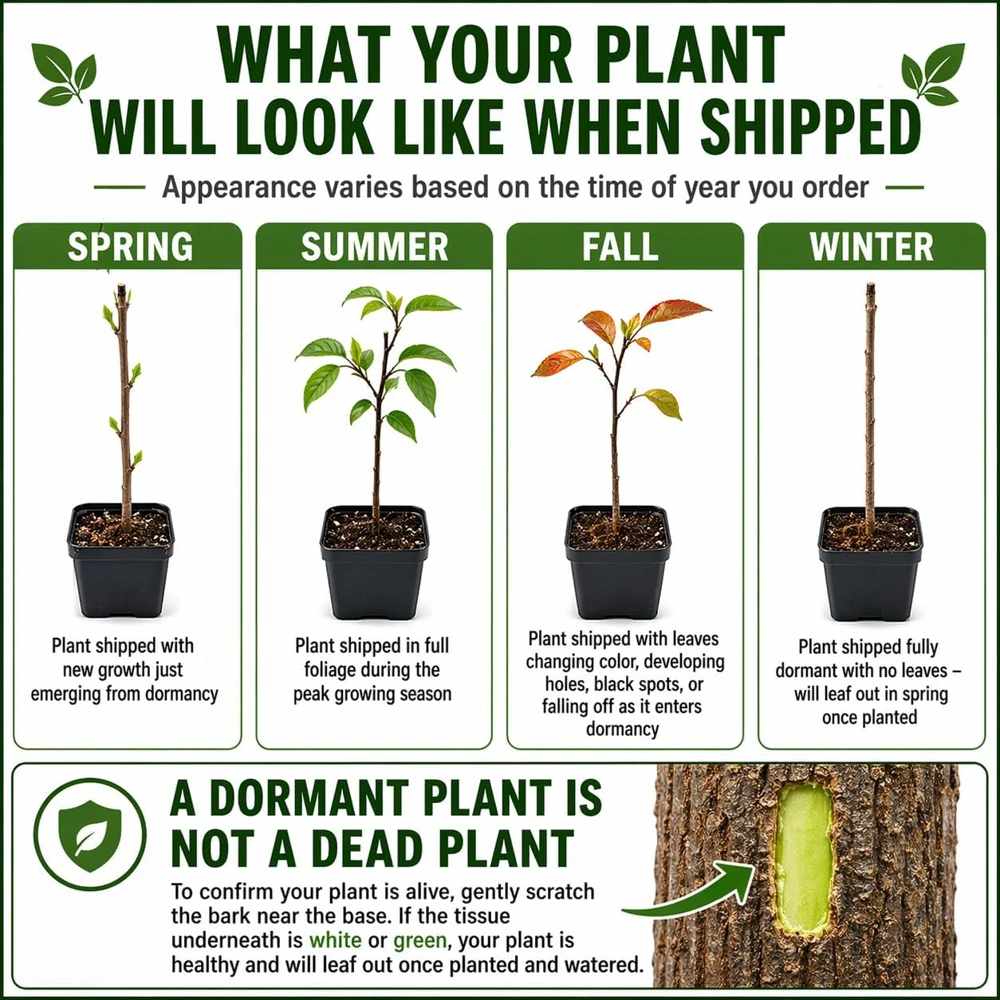
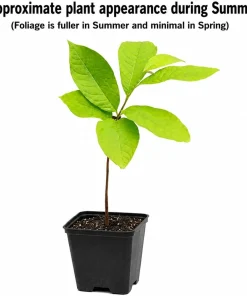
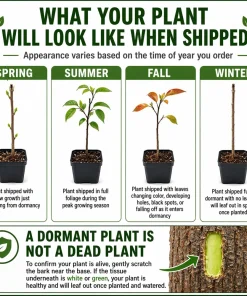
This offering includes two vigorous paw paw tree live plant specimens, each carefully grown and shipped in a 3.25-inch nursery pot. At the time of shipment, these young trees typically range from 6 to 12 inches in height, providing a strong foundation for future growth. Paw Paw trees are deciduous, meaning they will lose their leaves in the fall and remain dormant through winter. If ordered between October and April, your plants will arrive in their natural dormant state, which is normal and healthy for successful transplanting. These trees are known for their moderate growth rate, eventually reaching mature heights of 15-20 feet with a spread of 10-15 feet, creating a beautiful, fruit-bearing canopy. They are cold-hardy and suitable for USDA Zones 4-9. Remember that two trees are essential for cross-pollination, ensuring you have the best chance of harvesting the delicious fruit from your paw paw fruit tree collection.
Frequently Asked Questions
- Q: How big will these Paw Paw trees get? A: A mature paw paw tree live plant typically reaches a height of 15-20 feet and a spread of 10-15 feet. Their growth rate is moderate, and they will establish a strong root system before putting on significant vertical growth.
- Q: What size pot do these Paw Paw trees come in? A: Each Asimina triloba plant is shipped in a 3.25-inch nursery pot. This size is ideal for young trees, providing enough space for initial root development while being compact for safe shipping.
- Q: Is this an indoor or outdoor plant? A: Paw Paw trees are outdoor plants. They require full sun to partial shade and specific environmental conditions to thrive and produce fruit. They are not suitable for long-term indoor cultivation.
- Q: How much sunlight does a Paw Paw tree need? A: For optimal fruit production and healthy growth, a mature paw paw fruit tree needs at least 6 hours of direct sunlight per day. Young trees can benefit from some afternoon shade in hot climates.
- Q: Is this plant easy to care for? A: Once established, Paw Paw trees are relatively easy to care for. They are known for their resilience and require less intensive maintenance than many other fruit trees, making growing paw paw trees a rewarding experience.
- Q: What condition will the plants arrive in? A: Your paw paw tree live plant will arrive in a healthy, well-packaged condition. If ordered during the dormant season (October-April), they will naturally have no leaves, which is normal and helps them acclimate to their new environment.
- Q: When is the best time to plant Paw Paw trees? A: The best time to plant Paw Paw trees is in early spring after the last frost, or in early fall. This allows the roots to establish before extreme temperatures set in.
- Q: Will these trees produce fruit? A: Yes, with two trees for cross-pollination, these Asimina triloba plant specimens are intended to produce delicious Paw Paw fruit once they reach maturity, typically within 3-5 years after planting.
- Q: What hardiness zones are these Paw Paw trees suitable for? A: These Paw Paw trees are cold-hardy and thrive in USDA Hardiness Zones 4-9, making them adaptable to a wide range of climates across the United States.
- Q: Do I need two trees for fruit production? A: Yes, while some Paw Paw varieties are partially self-fertile, planting two different genetic varieties (as provided here) significantly increases the chances of successful cross-pollination and a good fruit harvest. This is key for growing paw paw trees for fruit.
Be the first to review “2 Paw Paw Trees Live Plants – Asimina Triloba – Edible Fruit – 3.25″ Pot”
People Also Viewed
Reviews
There are no reviews yet.