
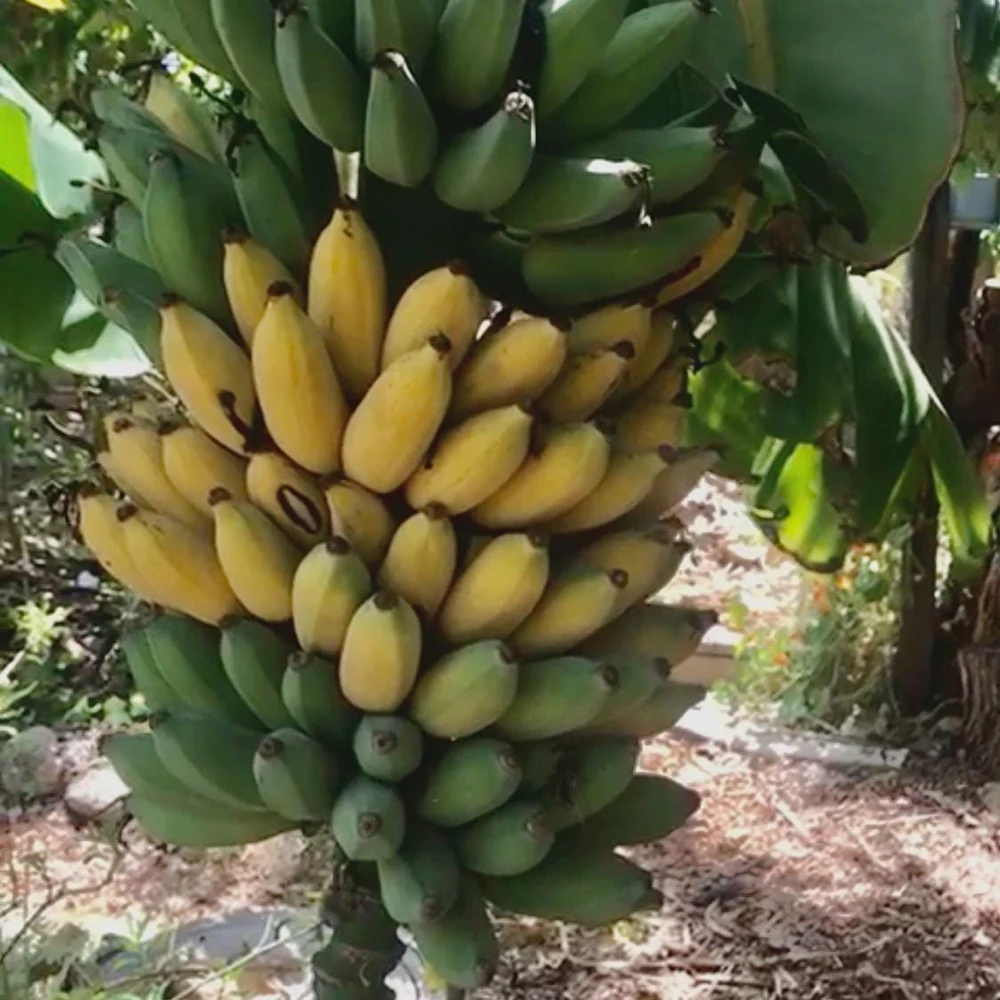
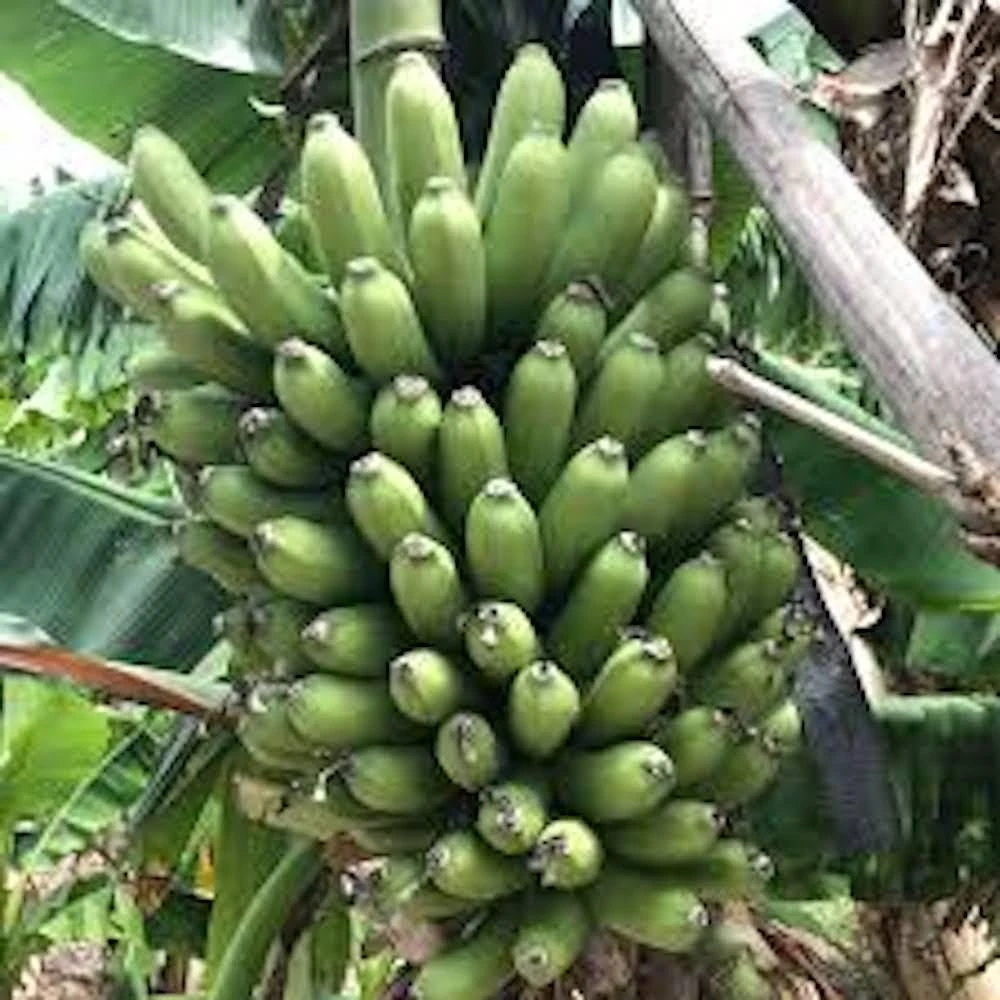
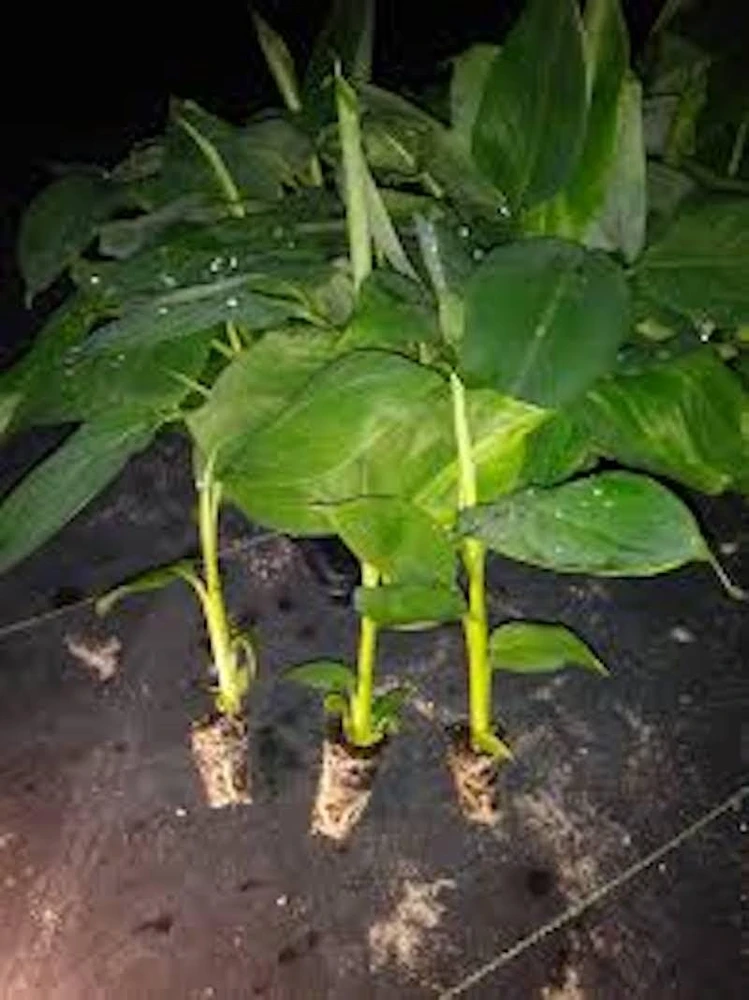
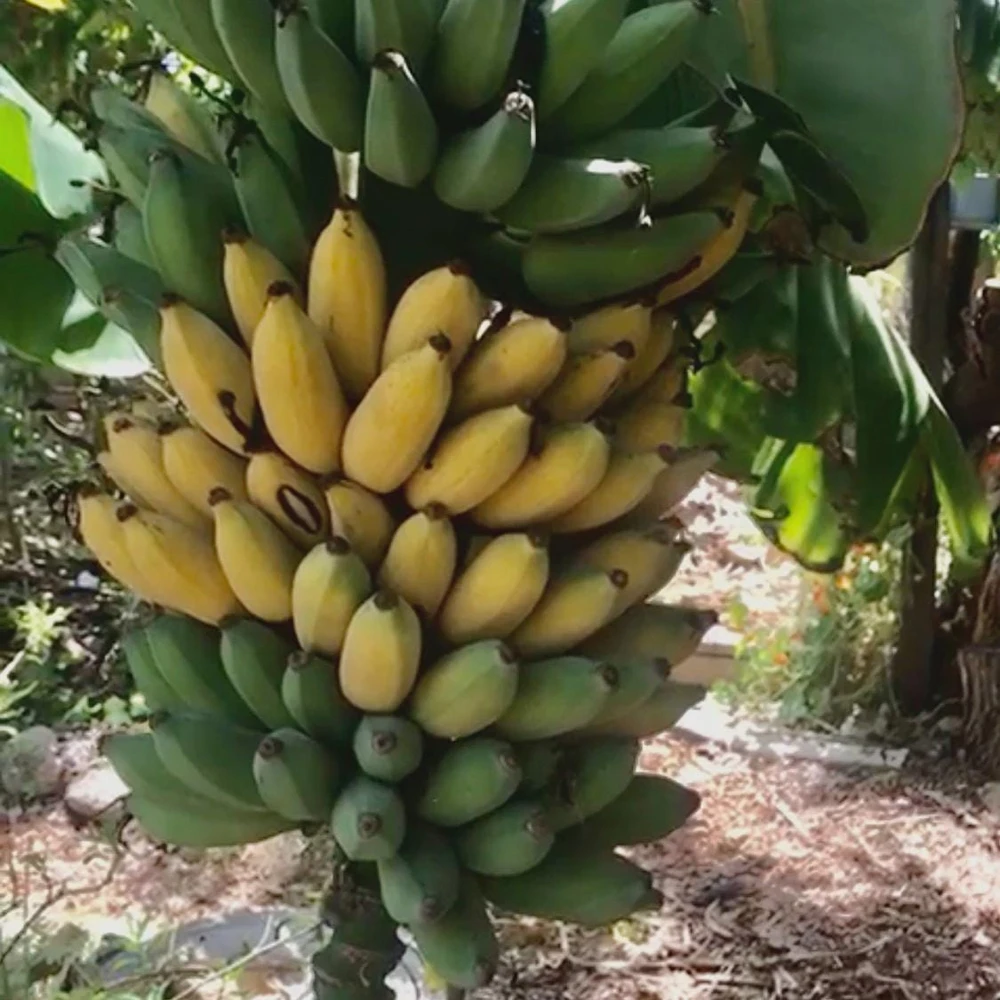
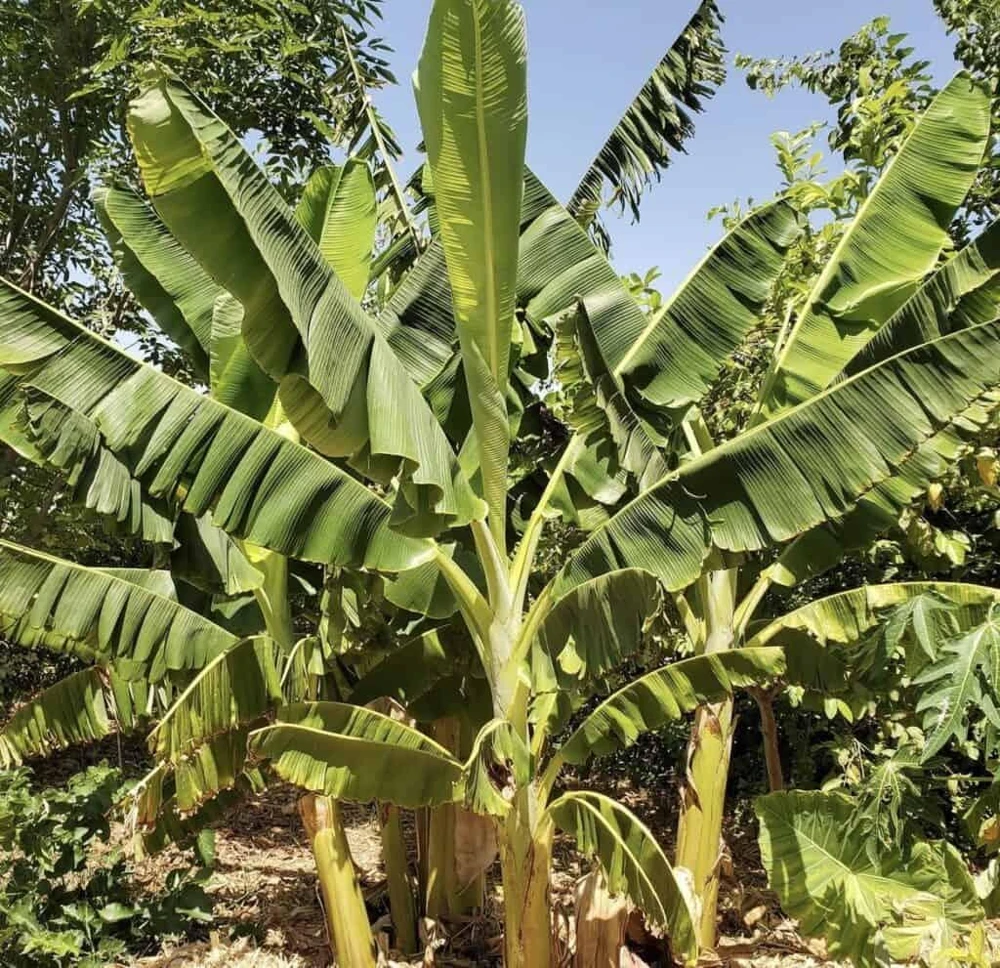
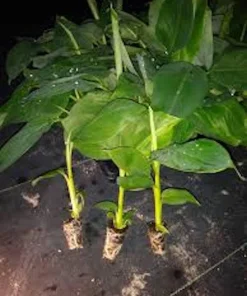
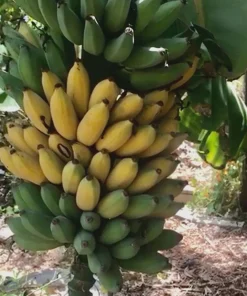
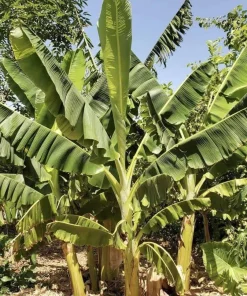
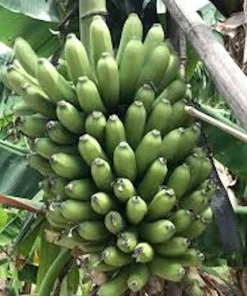
5 Goldfinger Banana Starter Plugs FHIA-01 – Disease Resistant Live Plants
Original price was: $122.99.$97.99Current price is: $97.99.
Cultivate your own delicious and resilient fruit with these 5 Goldfinger banana live plant starter plugs. The FHIA-01 cultivar is celebrated for its strong disease resistance, cold hardiness, and distinctive apple-like flavor, offering a superior alternative to common varieties. These live plants are perfect for home gardeners looking for a robust and productive banana tree.
Estimated arrival
Sep 29
Oct 04 - Oct 06
Oct 09 - Oct 13
Shop With Confidence
30-Day Plant Health Guarantee
Arrives damaged? We’ll replace it free — see our return policy.
Responsive Support
Email us anytime, we reply within 1 business day.
Expert Packaging
Temperature-controlled shipping to protect your plants in transit.
Secure Checkout
Pay safely with Visa, Mastercard, PayPal.
Plant Specifications
-
USDA Hardiness Zone
USDA zones 9-11 (outdoors), suitable for container growing indoors in all zones -
Soil Type
Rich, well-draining loamy soil -
Sunlight Exposure
Full sun (6-8 hours direct sunlight daily) -
Expected Planting Period
Year-round indoors; spring to early summer outdoors
Overview
Embark on a tropical gardening adventure with the 5 Goldfinger banana live plant starter plugs. The Goldfinger banana, scientifically known as FHIA-01, is a remarkable hybrid cultivar developed in Honduras. This specific variety was engineered to address the vulnerabilities of traditional bananas, offering exceptional disease resistance, particularly against common threats like Panama disease and Black Sigatoka that plague Cavendish varieties. Beyond its resilience, the Goldfinger banana live plant stands out for its unique and appealing flavor profile, often described as having delightful hints of apple. These starter plugs provide an excellent foundation for growing your own productive banana trees, bringing a taste of the tropics and a robust, low-maintenance fruit source to your garden or suitable indoor environment.
Each plug represents a healthy, young plant ready to establish roots and flourish. The FHIA-01 cultivar is also noted for its impressive cold hardiness compared to many other banana varieties, making it a more adaptable choice for various climates, though protection in colder zones is still recommended. Whether you’re an experienced horticulturist or a budding gardener, these FHIA-01 banana plant starter plugs offer an exciting opportunity to cultivate a unique and rewarding fruit.
Key Benefits
The Goldfinger banana live plant offers a multitude of advantages for the home gardener, combining culinary delight with horticultural resilience. Its robust nature makes it a superior choice for sustainable fruit production.
- Exceptional Disease Resistance: The FHIA-01 cultivar was specifically bred to be highly resistant to common banana diseases such as Panama disease and Black Sigatoka, significantly reducing the need for chemical treatments and ensuring a healthier plant. This makes it a more reliable and low-maintenance option for fruit production.
- Unique Apple-like Flavor: Unlike traditional bananas, the Goldfinger variety boasts a distinct flavor profile with subtle notes of apple, making it a culinary standout. It’s delicious eaten fresh, used in desserts, or even cooked while still green.
- Enhanced Cold Hardiness: Compared to many other banana types, the cold hardy banana (FHIA-01) exhibits greater tolerance to cooler temperatures. This expands its potential growing range, allowing more gardeners to successfully cultivate this tropical fruit.
- Vigorous Growth & Productivity: These plants are known for their strong growth habit, quickly developing into mature, fruit-bearing trees under optimal conditions. You can expect a good yield of delicious bananas once established.
- Versatile Use: The Goldfinger banana can be enjoyed at various stages of ripeness. When green, it can be cooked as a vegetable, similar to plantains. When ripe, it offers a sweet, tangy, and refreshing fruit.
- Sustainable Gardening Choice: Due to its natural resistance to diseases, the apple banana plant contributes to more environmentally friendly gardening practices by minimizing the need for interventions.
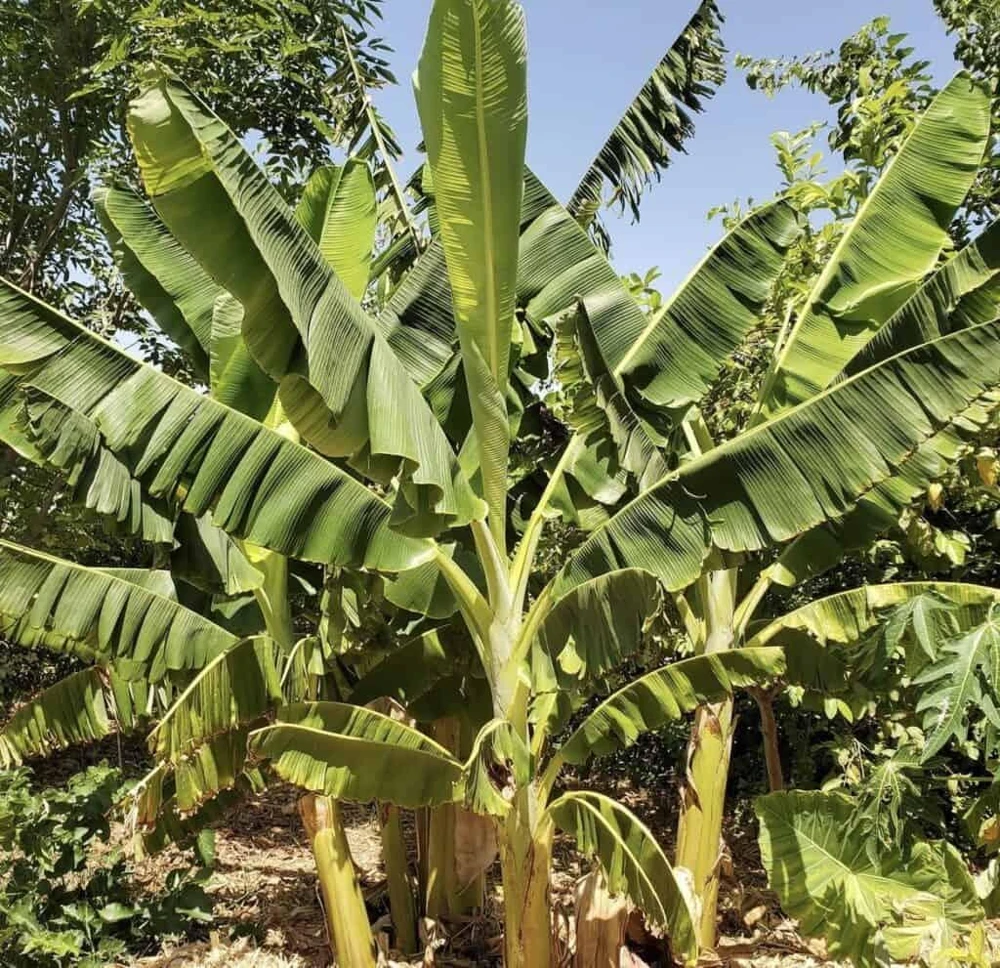
- Aesthetic Appeal: Beyond its fruit, the large, lush leaves of the banana plant add a beautiful, tropical aesthetic to any garden or patio space.
Plant Care & Growing Tips
Caring for your Goldfinger banana live plant involves understanding its tropical origins and providing an environment that mimics its natural habitat. While it is a cold hardy banana compared to others, protection from frost is crucial in cooler climates. These plants thrive in full sun, meaning they need at least 6-8 hours of direct sunlight daily to produce the best fruit. In very hot climates, some afternoon shade can be beneficial to prevent leaf scorch. If growing indoors, place it near a south-facing window or supplement with grow lights.
Watering is key for banana plants; they are heavy feeders and drinkers. The soil should be kept consistently moist but never waterlogged. Good drainage is essential to prevent root rot. Water deeply when the top inch of soil feels dry to the touch, and reduce watering slightly during dormant periods or cooler months. For soil, a rich, well-draining loam is ideal. Incorporate plenty of organic matter, such as compost, to improve fertility and moisture retention. A slightly acidic to neutral pH (6.0-7.0) is preferred. Fertilize regularly during the growing season (spring through fall) with a balanced, slow-release fertilizer or a liquid feed rich in potassium, which is vital for fruit development. Protect your FHIA-01 banana plant from strong winds, which can shred its large leaves.
The ideal temperature range for Goldfinger bananas is between 75-85°F (24-29°C). While they can tolerate brief dips into the 30s°F (around 0°C), prolonged exposure to freezing temperatures will cause damage. In USDA zones below 9, consider growing them in large containers that can be moved indoors during winter or providing significant winter protection. Pruning generally involves removing dead or damaged leaves and suckers (new shoots from the base) to encourage the main plant to put energy into fruit production. Leave 1-2 strong suckers to replace the main plant after it fruits.
Size & Details
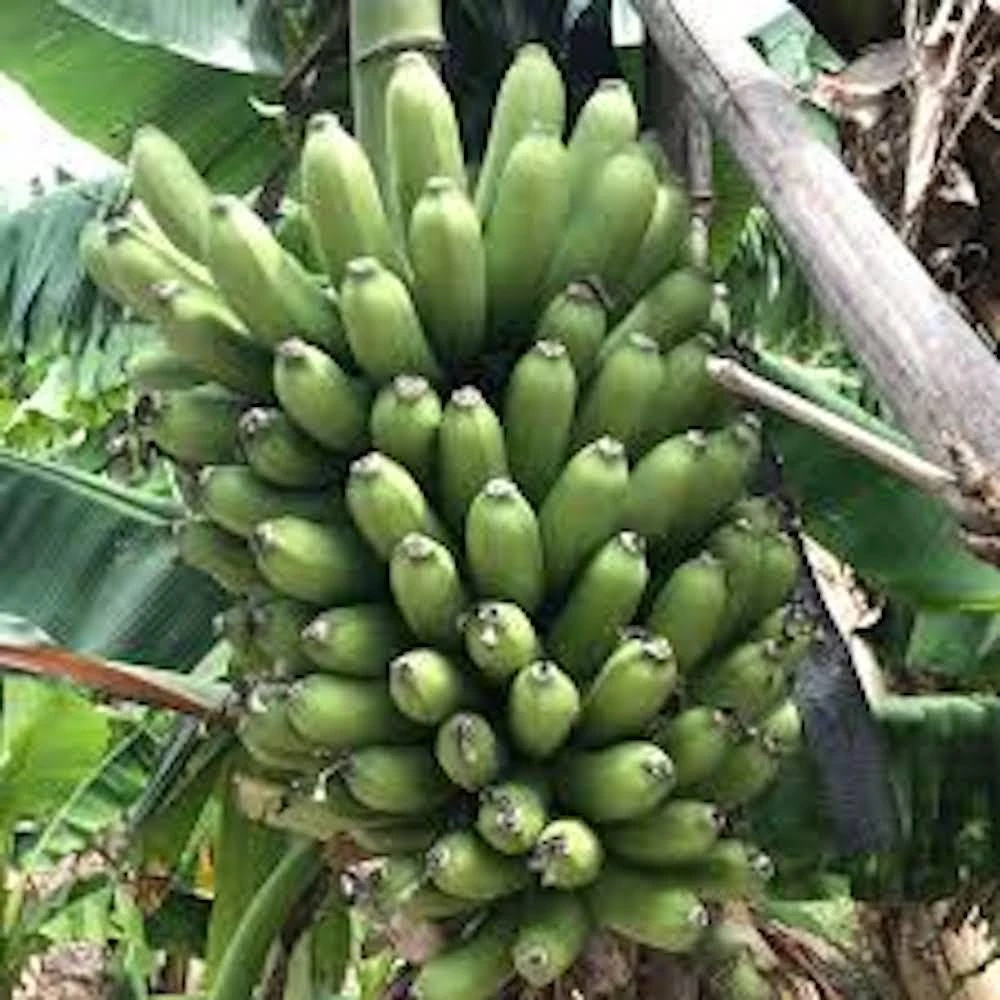
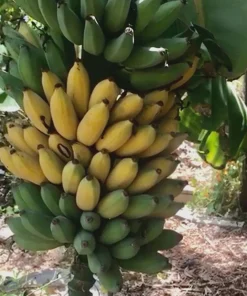
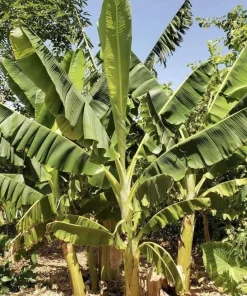
Each order includes 5 Goldfinger banana live plant starter plugs, providing a robust start for multiple plants or a succession of crops. These plugs are typically young plants, well-rooted and ready for transplanting into larger pots or directly into the ground, depending on your climate and growing preferences. While initial size varies, these vigorous FHIA-01 plants are known for their rapid growth, quickly developing into substantial specimens. When mature, a Goldfinger banana plant can reach heights of 10-14 feet (3-4.3 meters) with a spread of 6-8 feet (1.8-2.4 meters), making it a significant presence in the landscape. Fruit production typically begins 12-18 months after planting, with the distinctive apple-flavored bananas ripening in clusters. These plants are shipped bare root, carefully packaged to ensure their health upon arrival, ready for immediate planting.
Frequently Asked Questions
- Q: How big do these Goldfinger banana plants get? A: When mature, the Goldfinger banana live plant can reach an impressive height of 10-14 feet (3-4.3 meters) and spread 6-8 feet (1.8-2.4 meters). They are vigorous growers under optimal conditions.
- Q: Is this an indoor or outdoor plant? A: The FHIA-01 Goldfinger banana can be grown both indoors in large containers in bright light, or outdoors in USDA Zones 9 and above. In colder zones, it thrives as a container plant that can be moved indoors for winter protection.
- Q: How much sunlight does it need? A: This disease resistant banana plant requires full sun, meaning at least 6-8 hours of direct sunlight daily for the best growth and fruit production. In extremely hot climates, some afternoon shade can be beneficial.
- Q: Is this plant easy to care for? A: Given its disease resistance and cold hardiness, the Goldfinger banana is considered relatively easy to care for compared to other banana varieties. Consistent watering, rich soil, and adequate sunlight are key.
- Q: What condition will the starter plugs arrive in? A: The 5 Goldfinger banana live plant starter plugs are shipped bare root, carefully packaged to ensure they arrive healthy and ready for planting.
- Q: How long until it produces fruit? A: Typically, you can expect the Goldfinger banana to start producing fruit approximately 12-18 months after planting, given proper care and growing conditions.
- Q: Will the FHIA-01 banana plant survive winter in my zone? A: The FHIA-01 is known as a cold hardy banana and can tolerate brief dips to near freezing. For zones below USDA 9, it’s best to grow it in a container and bring it indoors or provide significant winter protection.
- Q: Can I cook with the Goldfinger banana? A: Yes, the Goldfinger banana is versatile! It can be eaten fresh when ripe, or cooked as a vegetable when green, similar to plantains. Its unique apple-like flavor adds a delicious twist to many dishes.
- Q: What makes this banana variety disease resistant? A: The Goldfinger banana (FHIA-01) was specifically bred to resist common banana diseases like Panama disease and Black Sigatoka, which are major threats to other popular varieties, making it a more resilient choice.
- Q: What kind of soil does this apple banana plant prefer? A: The Goldfinger banana thrives in rich, well-draining loamy soil with a slightly acidic to neutral pH (6.0-7.0). Amending with organic matter like compost is highly beneficial.
Be the first to review “5 Goldfinger Banana Starter Plugs FHIA-01 – Disease Resistant Live Plants”
People Also Viewed
Reviews
There are no reviews yet.