
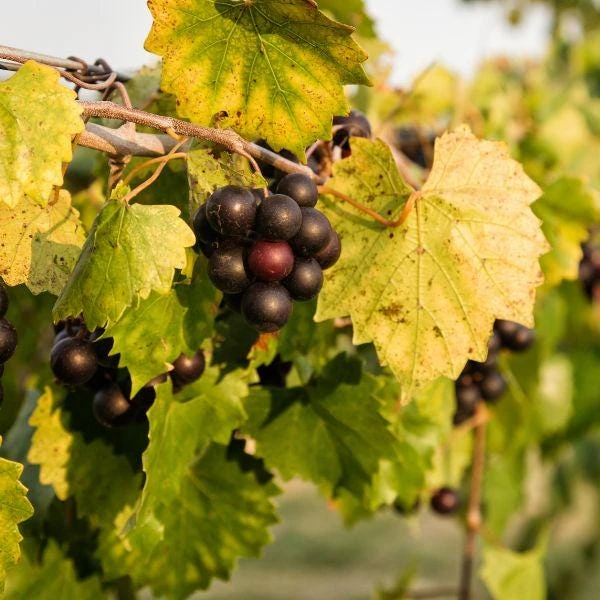
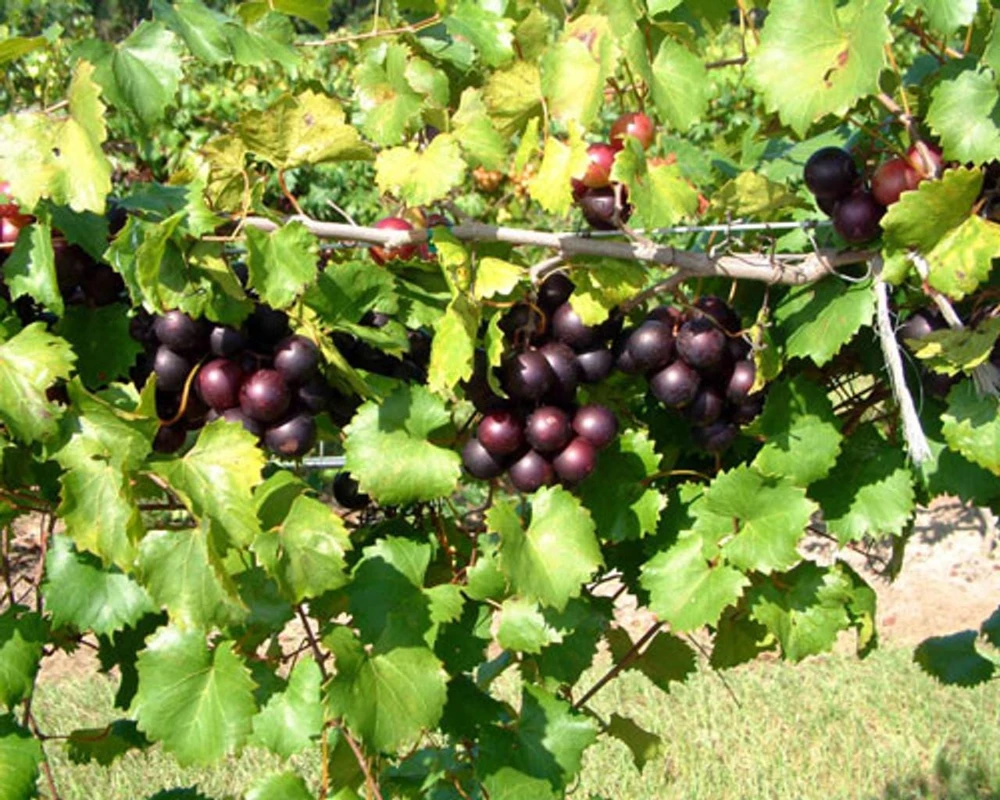
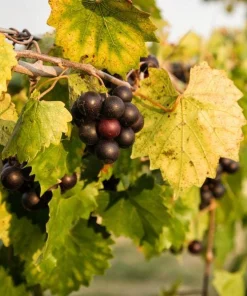
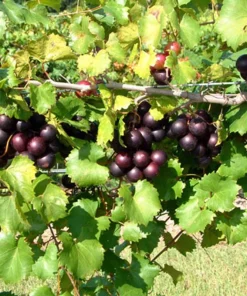
3 Alachua Muscadine Grape Starter Plugs – Vitis rotundifolia Live Plant
Original price was: $93.99.$68.99Current price is: $68.99.
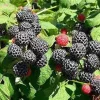
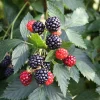
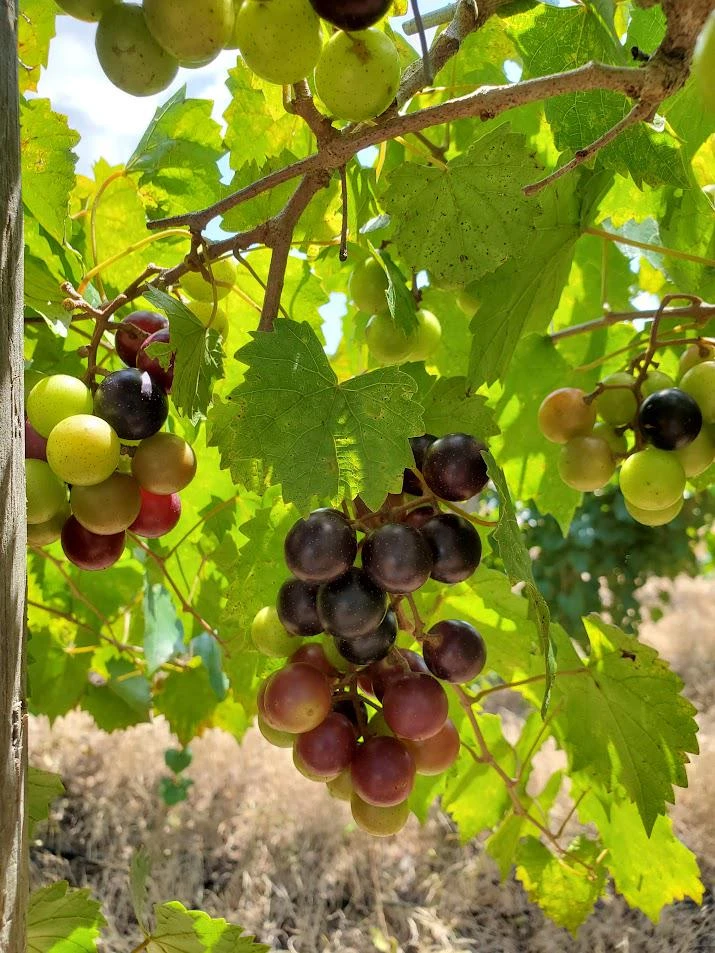
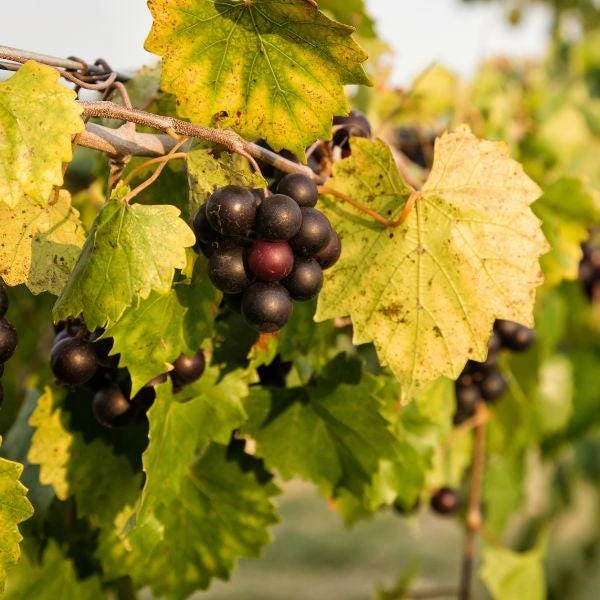
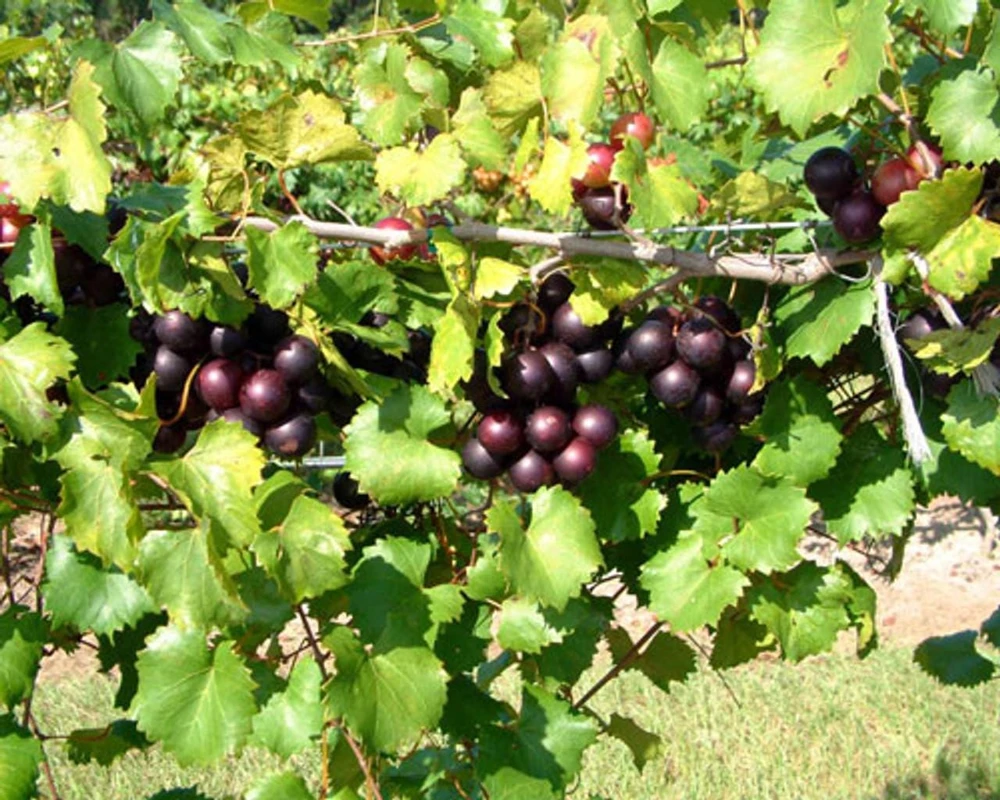
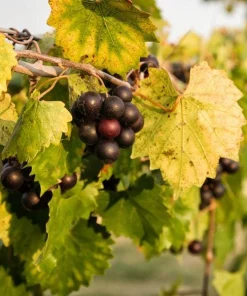
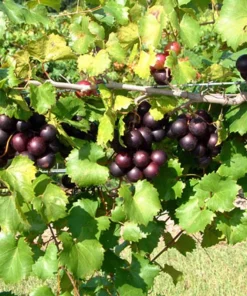
Cultivate your own flavorful harvest with 3 Alachua Muscadine Grape Starter Plugs. These vigorous, self-fertile Vitis rotundifolia Alachua plants are known for their bold, spicy-sweet black grapes, ideal for home gardens in warm, humid climates (USDA Zones 7-10). Enjoy disease resistance and low maintenance with these robust grape vines.
Estimated arrival
Sep 29
Oct 04 - Oct 06
Oct 09 - Oct 13
Shop With Confidence
30-Day Plant Health Guarantee
Arrives damaged? We’ll replace it free — see our return policy.
Responsive Support
Email us anytime, we reply within 1 business day.
Expert Packaging
Temperature-controlled shipping to protect your plants in transit.
Secure Checkout
Pay safely with Visa, Mastercard, PayPal.
Plant Specifications
-
USDA Hardiness Zone
USDA Zones 7–10 -
Soil Type
Well-draining, slightly acidic soil (pH 5.5-6.5) -
Sunlight Exposure
Full sun (6-8+ hours daily) -
Expected Planting Period
Late winter to early spring
Overview
Embark on a rewarding gardening journey with the Alachua Muscadine Grape Starter Plug. This offering includes 3 Alachua Muscadine Grape Starter Plugs of the ‘Alachua’ muscadine grape, scientifically known as Vitis rotundifolia ‘Alachua’. These are not just any grape plants; they are vigorous, self-fertile, black muscadine cultivars celebrated for their distinctive bold, spicy-sweet flavor. Developed in Florida, the ‘Alachua’ muscadine is specifically bred for reliable performance in the challenging climate of the Southeastern United States. As a live plant, each starter plug provides a robust foundation for establishing a thriving grape vine in your home garden. These plants are an excellent choice for both novice and experienced gardeners looking to cultivate delicious, homegrown fruit with minimal fuss.
The ‘Alachua’ muscadine grape is a highly adaptable and resilient variety, making it a standout choice among fruit-bearing plants. Its inherent disease resistance and low maintenance requirements simplify the cultivation process, allowing you to enjoy a bountiful harvest without constant intervention. Thriving in warm, humid Southern climates, this grape vine is perfectly suited for USDA Zones 7–10, exhibiting excellent heat tolerance. By choosing these Vitis rotundifolia Alachua starter plugs, you’re investing in a long-term source of fresh, flavorful grapes, perfect for eating fresh, making jams, jellies, or even wine. Discover the joy of growing your own fruit with these exceptional muscadine grape plants.
Key Benefits
The Alachua Muscadine Grape Starter Plug offers numerous advantages for the home gardener, promising both ease of cultivation and a delicious yield. These benefits make it a superior choice for anyone looking to grow muscadine grapes:
- Exceptional Flavor Profile: The ‘Alachua’ muscadine is renowned for its bold, spicy-sweet black grapes, providing a unique and delightful taste that is a favorite for fresh eating, juices, and preserves.
- Self-Fertile Nature: Unlike some grape varieties that require a separate pollinator, the ‘Alachua’ is self-fertile, meaning a single plant can produce fruit, simplifying planting and ensuring a reliable harvest even with limited space.
- Vigorous Growth & Reliability: These starter plugs grow into robust vines, known for their strong performance and consistent fruit production, especially in the Southeastern United States where they were developed.
- Disease Resistance: The ‘Alachua’ cultivar boasts natural resistance to many common grape diseases, significantly reducing the need for chemical treatments and making muscadine grape plant care much easier.
- Low Maintenance: With its inherent hardiness and disease resistance, this muscadine grape requires less attention than many other fruit-bearing plants, making it an ideal option for busy gardeners.
- Heat Tolerance: Specifically adapted to warm, humid Southern climates (USDA Zones 7–10), the ‘Alachua’ thrives in conditions where other grape varieties might struggle, ensuring successful growth and fruiting.
- Versatile Use: The flavorful grapes can be enjoyed fresh, or used in a variety of culinary applications, including making delicious jams, jellies, pies, and even homemade wine.
Plant Care & Growing Tips
Caring for your Alachua Muscadine Grape Starter Plug is straightforward, especially given its robust nature and disease resistance. To ensure your Vitis rotundifolia Alachua thrives and produces abundant fruit, understanding its specific needs is crucial. Muscadine grapes generally prefer a location with full sun, meaning at least 6-8 hours of direct sunlight per day. Adequate sunlight is essential for optimal fruit development and flavor. While tolerant of various soil types, well-draining, slightly acidic soil (pH 5.5-6.5) is ideal. Amend heavy clay soils with organic matter to improve drainage, and sandy soils with compost to enhance water retention and nutrient availability. Proper soil preparation is key to successful establishment and long-term health of your grape vine.
Watering is particularly important during the establishment phase and dry periods. Young plants require consistent moisture, so water deeply 2-3 times a week, ensuring the soil remains moist but not waterlogged. Once established, muscadines are relatively drought-tolerant but will benefit from supplemental watering during extended dry spells, especially when fruits are developing. Fertilize in early spring before new growth begins, using a balanced fertilizer or one formulated for fruit-bearing plants. Avoid excessive nitrogen, which can promote leafy growth at the expense of fruit production. Pruning is vital for muscadine grapes, typically performed in late winter or early spring while the vine is dormant. Establish a strong framework and prune to encourage fruit production on new growth. Proper pruning also helps to manage vine size and improve air circulation, further aiding in disease prevention. For specific advice on how to grow muscadine grapes, consider local agricultural extension resources.
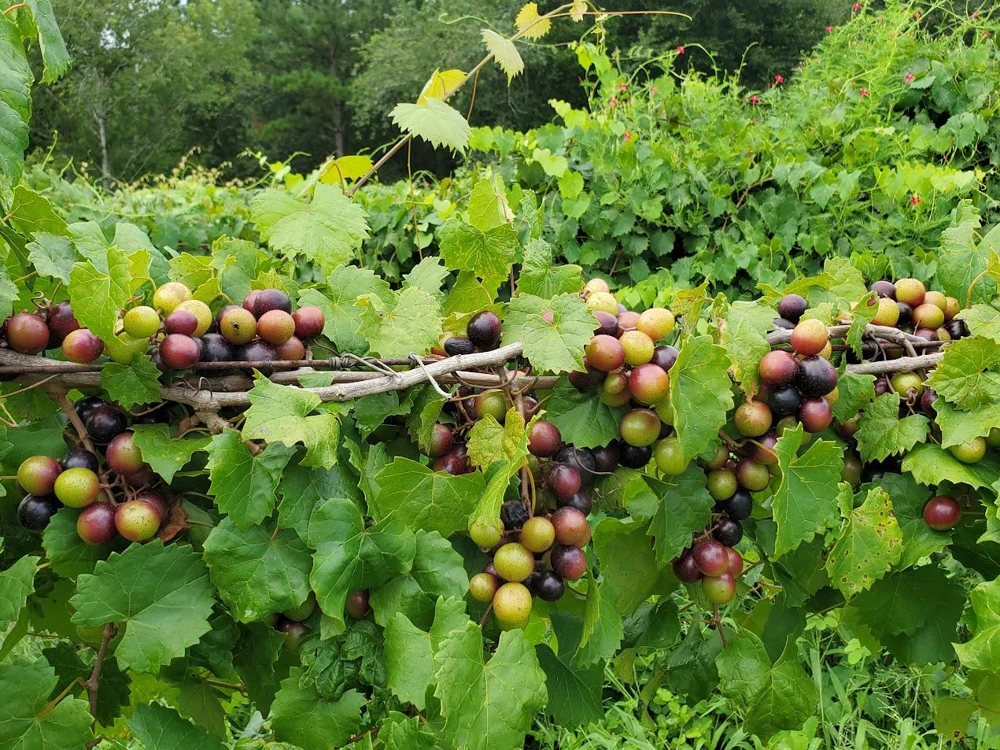
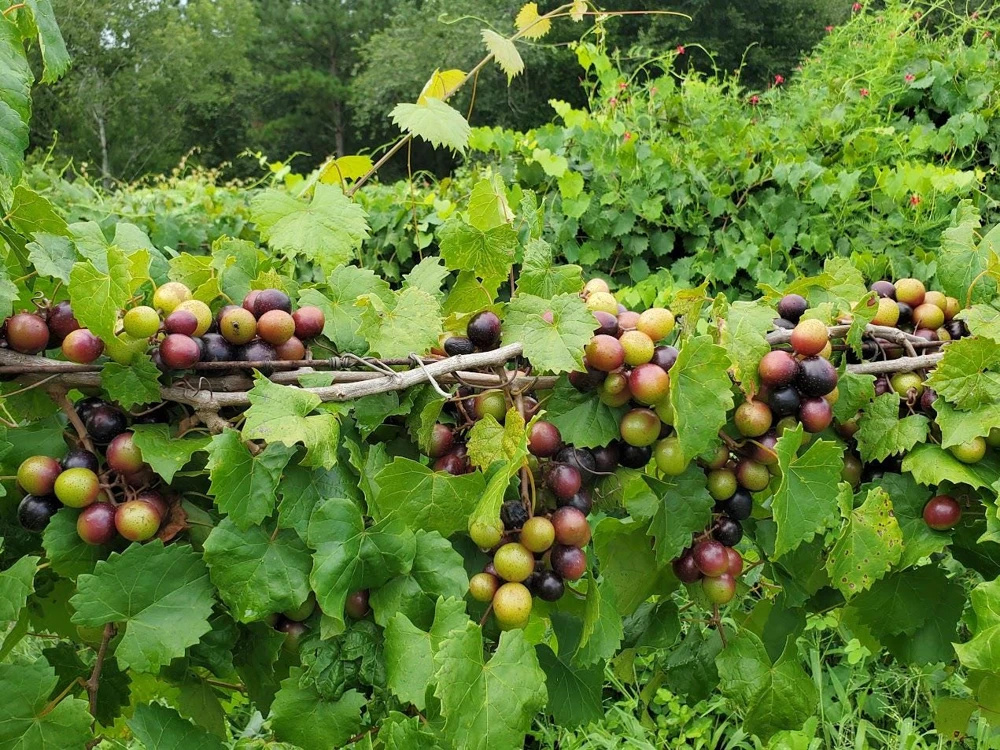
These grape vines are well-suited for USDA Zones 7–10, capable of handling the heat and humidity of Southern climates. Protect young plants from extreme cold snaps if planting in the cooler end of their hardiness range. While the ‘Alachua’ is known for being a disease resistant grape vine, regular inspection for pests and diseases is always a good practice. Address any issues promptly with appropriate organic or conventional treatments. Support structures, such as trellises or arbors, are essential for muscadine grapes as they are vigorous climbers. Providing adequate support will ensure better air circulation, easier harvesting, and overall healthier plants, contributing to successful muscadine grape plant care.
Size & Details
This offering includes 3 Alachua Muscadine Grape Starter Plugs, providing a great start for establishing a small vineyard or a few productive vines in your home garden. These are live bare root plants, meaning they are shipped without soil or a pot, which is a common and effective method for transplanting dormant plants. The ‘Alachua’ muscadine is a vigorous grower, and while the starter plugs are small upon arrival, they will quickly establish themselves with proper care. Expect the vines to begin producing fruit within 2-3 years after planting, with full production typically reached by the 4th or 5th year.
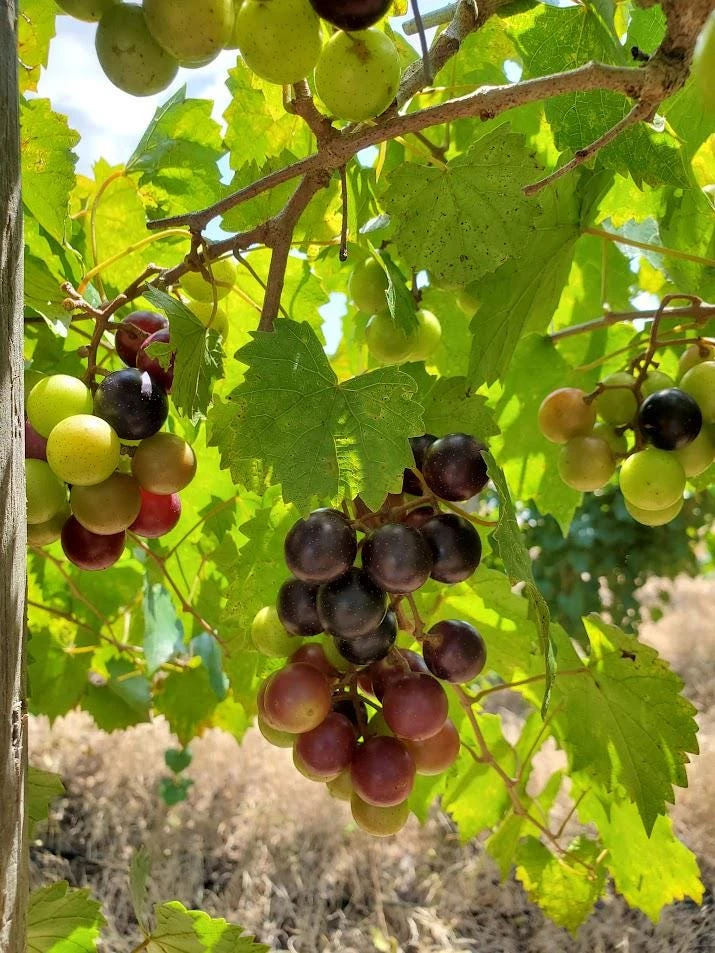
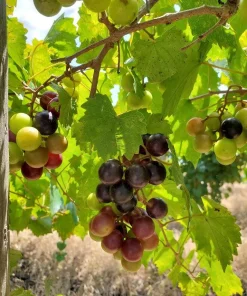
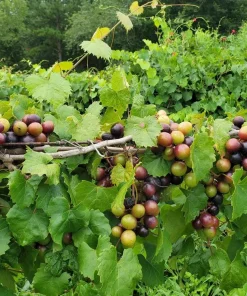
Once mature, ‘Alachua’ muscadine vines can spread significantly, requiring ample space and a sturdy support system. They are known for their strong growth habit, which allows them to quickly cover trellises, arbors, or fences. The grapes themselves are medium to large in size, black in color, and ripen in late summer to early fall. The Alachua Muscadine Grape Starter Plug is an excellent way to introduce this reliable and delicious fruit-bearing vine into your landscape, offering years of fresh, flavorful harvests.
Frequently Asked Questions
- Q: How big do these Alachua Muscadine Grape Starter Plugs get? A: While the starter plugs arrive small, the ‘Alachua’ muscadine grape vine is a vigorous grower. Mature vines can reach lengths of 15-20 feet or more, depending on pruning and support, requiring ample space and a sturdy trellis or arbor.
- Q: Is this an indoor or outdoor plant? A: The Alachua Muscadine Grape Starter Plug is an outdoor plant, specifically suited for growing in USDA Zones 7-10. It thrives in full sun and warm, humid climates.
- Q: How much sunlight does it need? A: For optimal growth and fruit production, muscadine grapes require full sun, meaning at least 6-8 hours of direct sunlight per day.
- Q: Is this plant easy to care for? A: Yes, the ‘Alachua’ muscadine is known for its low maintenance requirements and disease resistance, making muscadine grape plant care relatively easy for both beginner and experienced gardeners.
- Q: What condition will the Alachua Muscadine Grape Starter Plug arrive in? A: These plants ship as bare root starter plugs, meaning they will arrive without soil or a pot. This is a standard and effective method for shipping dormant grape vines.
- Q: When is the best time to plant muscadine grapes? A: The best time to plant muscadine grapes is typically in late winter or early spring, after the last frost, while the plants are still dormant.
- Q: Will this disease resistant grape vine survive winter in my zone? A: The ‘Alachua’ muscadine is hardy in USDA Zones 7-10. If you are in zone 7, providing some winter protection for young plants during severe cold snaps may be beneficial.
- Q: How long until it produces fruit? A: You can typically expect the ‘Alachua’ muscadine grape vine to start producing fruit within 2-3 years after planting, with full production achieved around the 4th or 5th year.
- Q: What are the best uses for ‘Alachua’ muscadine grapes? A: These grapes are excellent for fresh eating due to their bold, spicy-sweet flavor. They are also highly prized for making delicious jams, jellies, juices, and homemade wine.
- Q: What type of soil does the Vitis rotundifolia Alachua prefer? A: Muscadine grapes prefer well-draining, slightly acidic soil with a pH between 5.5 and 6.5. Amending with organic matter can improve soil structure and fertility.
Be the first to review “3 Alachua Muscadine Grape Starter Plugs – Vitis rotundifolia Live Plant”
People Also Viewed
Reviews
There are no reviews yet.