






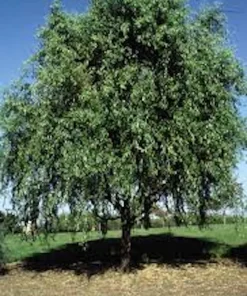
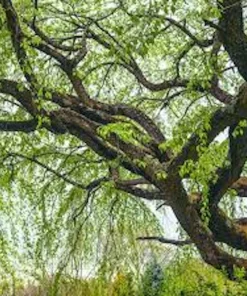
Corkscrew Willow Tree Live Plant – Salix matsudana ‘Tortuosa’ – 2-3 ft Tall – Quart Pot
Original price was: $123.99.$98.99Current price is: $98.99.
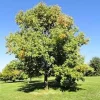
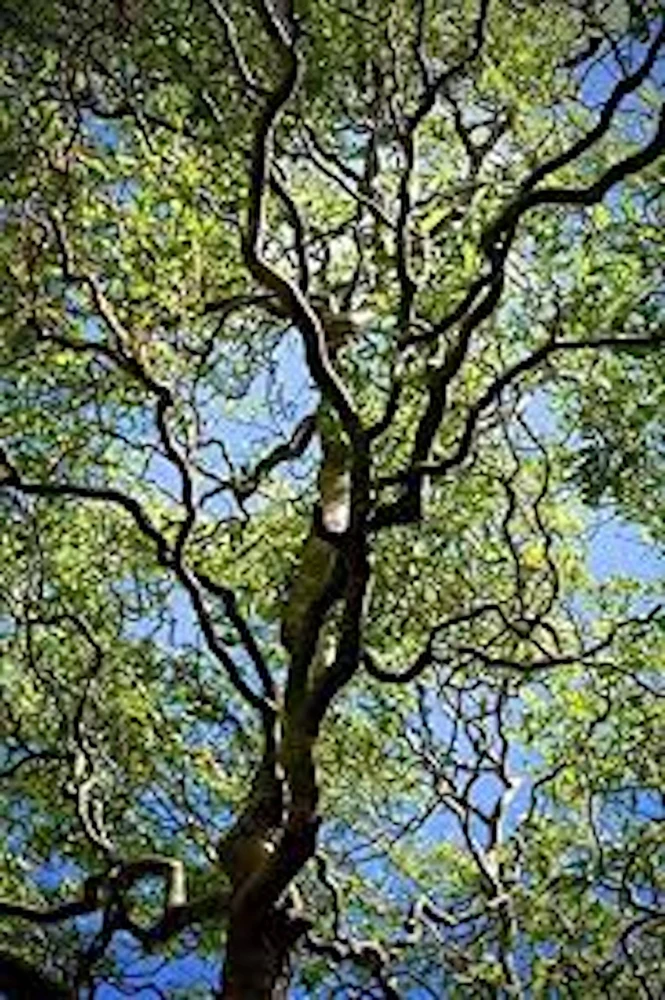
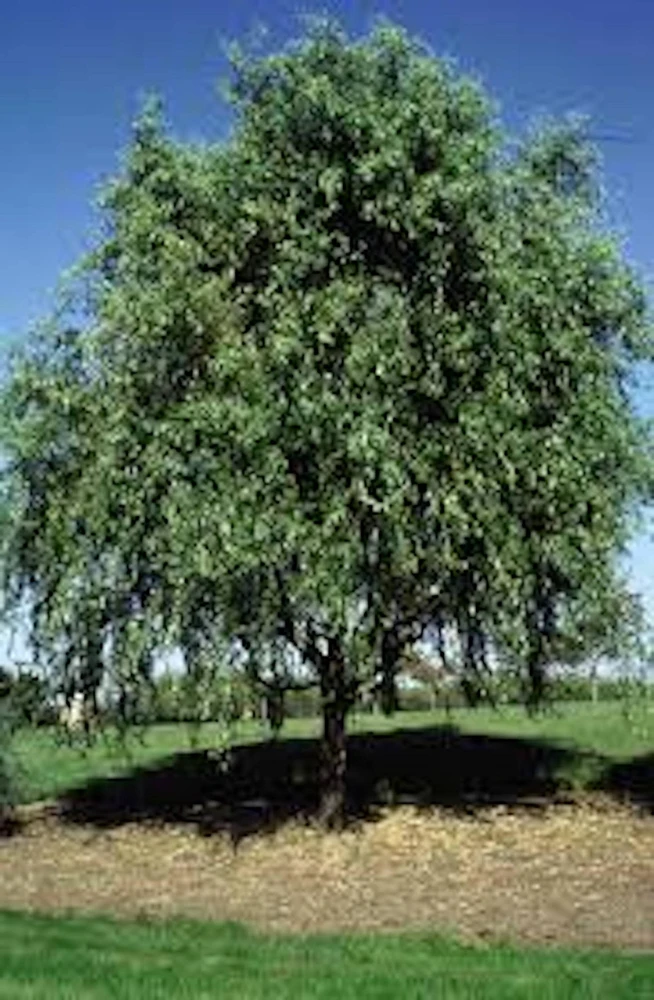
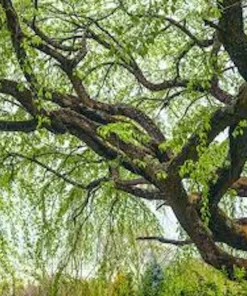
Bring unique architectural beauty to your garden with a corkscrew willow tree. This 2-3 ft live plant, also known as salix matsudana tortuosa, features distinctive twisted branches, providing striking visual interest all year, especially in winter. Perfect for adding a fast-growing, elegant touch to any landscape.
Estimated arrival
Sep 29
Oct 04 - Oct 06
Oct 09 - Oct 13
Shop With Confidence
30-Day Plant Health Guarantee
Arrives damaged? We’ll replace it free — see our return policy.
Responsive Support
Email us anytime, we reply within 1 business day.
Expert Packaging
Temperature-controlled shipping to protect your plants in transit.
Secure Checkout
Pay safely with Visa, Mastercard, PayPal.
Plant Specifications
-
USDA Hardiness Zone
USDA zones 4-8 -
Soil Type
Moist, well-drained soil (clay, loam, sandy) -
Sunlight Exposure
Full sun -
Expected Planting Period
Spring to early fall
Overview
Introduce a touch of dramatic elegance to your garden with the corkscrew willow tree (Salix matsudana ‘Tortuosa’). This unique deciduous tree is celebrated for its distinctively twisted and contorted branches, which create an artistic silhouette, particularly captivating during the winter months after its leaves have fallen. As a live plant, it offers both aesthetic appeal and a dynamic focal point for any landscape design. Known also as the twisted willow plant, this variety is a fast-growing tree, making it an excellent choice for those looking to establish an impactful garden feature relatively quickly. Its remarkable form ensures it stands out, offering year-round visual interest and a conversation starter in your outdoor space. The natural sculptural quality of this tree makes it a favorite among gardeners and landscapers alike, providing an ever-changing display of nature’s artistry.
Key Benefits
The corkscrew willow tree offers a multitude of benefits, making it a highly desirable addition to various garden styles and preferences. Its unique characteristics contribute significantly to landscape aesthetics and environmental well-being. These benefits extend beyond just its unusual appearance, providing practical advantages for gardeners.
- Striking Ornamental Appeal: The most prominent feature of this tree is its dramatically twisted branches, which provide exceptional ornamental value throughout the year. This makes the salix matsudana tortuosa a focal point, especially in winter when its unique structure is most visible.
- Fast Growth Rate: A significant advantage for gardeners, this willow grows rapidly, quickly establishing itself in the landscape and providing shade or visual impact sooner than many other tree species.
- Adaptable to Various Soils: The corkscrew willow tree is highly tolerant of different soil conditions, thriving in moist, well-drained soils including clay, loam, and sandy types, and can even handle wet conditions.
- Low Maintenance: Once established, this unique willow tree requires minimal care, making it suitable for both experienced and novice gardeners looking for a beautiful yet easy-to-manage plant.
- Winter Interest: Its contorted branches are particularly striking in winter, providing architectural beauty when many other plants are dormant. This ensures your garden remains interesting even during colder months.
- Erosion Control: Due to its robust root system and preference for moist conditions, the fast-growing willow can be effective in stabilizing soil near water bodies or in areas prone to erosion.
- Wildlife Habitat: Like many willow species, it can provide shelter and food for various wildlife, contributing to biodiversity in your garden.
Plant Care & Growing Tips
Caring for your corkscrew willow tree is straightforward, especially given its adaptability and vigorous growth. To ensure your salix matsudana tortuosa thrives and develops its characteristic twisted form, providing the right environmental conditions and basic maintenance is key. This twisted willow plant is quite resilient, making it a rewarding addition to many landscapes.
When it comes to sunlight, these trees prefer full sun, meaning at least six hours of direct sunlight per day. While they can tolerate some dappled shade, optimal growth and branch development occur in sunnier locations. They are not particular about soil type and will do well in moist, well-drained soil, including clay, loam, and sandy soils. Importantly, they also tolerate wet conditions, making them excellent choices for planting near ponds, streams, or in rain gardens. Regular watering is crucial, especially during dry spells and in the tree’s first few years, to establish a strong root system. Once mature, they are relatively drought-tolerant but will benefit from consistent moisture. The corkscrew willow tree is hardy in USDA zones 4-8, capable of withstanding a range of winter temperatures.
Fertilization is generally not heavily required for this fast-growing willow, especially if planted in fertile soil. However, an annual application of a balanced, slow-release fertilizer in early spring can promote vigorous growth. Pruning can be done in late winter or early spring to remove dead or damaged branches, shape the tree, or control its size. The unique twisting branches make for interesting cuttings for floral arrangements. Watch out for common willow pests like aphids or willow sawflies, and treat as needed with organic or appropriate insecticides. With proper care, your unique willow tree will become a magnificent and enduring feature in your garden for many years.
Size & Details
This offering includes 5 individual corkscrew willow tree live plants, each standing 2-3 feet tall. They are shipped in quart pots, providing a healthy root system ready for planting. The ‘Tortuosa’ variety, also known as salix matsudana tortuosa, is a fast-growing tree that typically reaches a mature height of 20-40 feet with a spread of 10-20 feet, creating a substantial presence in the landscape. Its distinctive twisted branches begin to show their unique character even at this young starter size, promising an eye-catching display as the tree matures. Expect vigorous growth once established, making it a quick way to add structure and interest to your garden.
Frequently Asked Questions
- Q: How big does this corkscrew willow tree get? A: A: This corkscrew willow tree is a live plant, typically reaching 20-40 feet in height and 10-20 feet in width at maturity. The plants you receive will be 2-3 feet tall, ready to grow into their full potential.
- Q: What size pot does it come in? A: Each twisted willow plant comes in a quart-sized pot, providing a good root ball for transplanting into your garden or a larger container.
- Q: Is this an indoor or outdoor plant? A: The corkscrew willow tree is an outdoor plant, best suited for planting directly in the ground where it has space to grow. It is hardy in USDA zones 4-8.
- Q: How much sunlight does it need? A: This salix matsudana tortuosa thrives in full sun, requiring at least six hours of direct sunlight daily for optimal growth and branch development. It can tolerate some dappled shade.
- Q: Is this plant easy to care for? A: Yes, the unique willow tree is relatively easy to care for once established. It prefers moist soil and full sun but is quite adaptable to various soil conditions.
- Q: What condition will it arrive in? A: Your fast-growing willow plants will arrive as healthy, live starter trees in their quart pots, carefully packaged to ensure their safe journey.
- Q: When is the best time to plant a corkscrew willow? A: The best time to plant your corkscrew willow tree is in spring or early fall, allowing the roots to establish before extreme weather conditions.
- Q: Can I use the branches for crafts or floral arrangements? A: Absolutely! The distinctive twisted branches of the salix matsudana tortuosa are highly prized for their unique form and are often used in floral arrangements, wreaths, and various craft projects, especially during the winter months.
- Q: What kind of soil does it prefer? A: The corkscrew willow tree is quite versatile when it comes to soil, thriving in moist, well-drained soil, including clay, loam, and sandy types. It also tolerates wet conditions well.
- Q: Will it survive winter in my zone? A: If you are in USDA zones 4-8, your twisted willow plant is hardy and should survive winter outdoors. Ensure it has adequate moisture during dry winter spells.
Be the first to review “Corkscrew Willow Tree Live Plant – Salix matsudana ‘Tortuosa’ – 2-3 ft Tall – Quart Pot”
People Also Viewed

Flower Plants
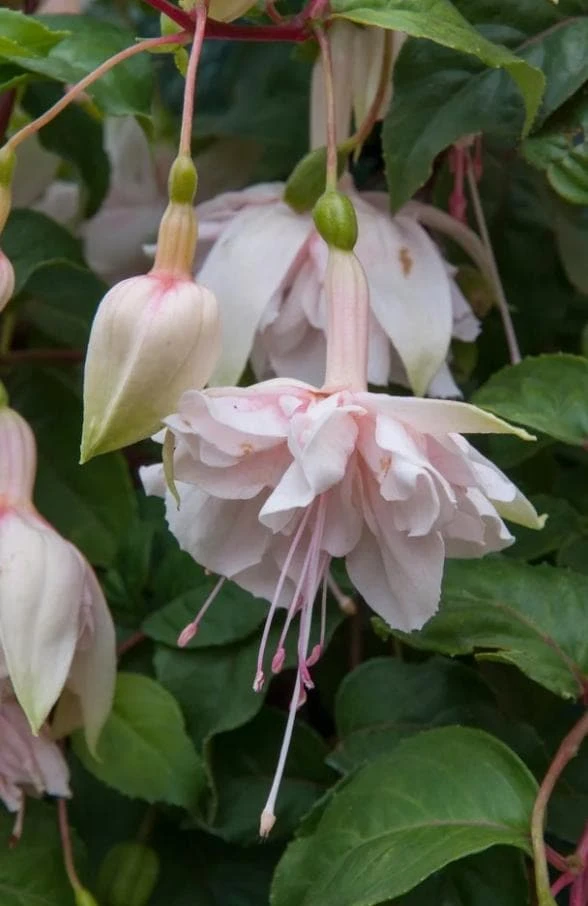
Pink Marshmallow Fuchsia Live Plant – 6″ Pot – Soft Pink Flowers – Shade-Loving Hanging Basket

Houseplants
String of Hearts Plant – Peperomia prostrata Live Plant – 4″ Mini Hanging Basket – Indoor

Reviews
There are no reviews yet.