
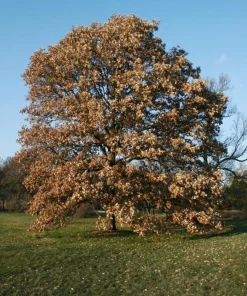
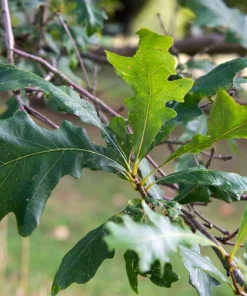
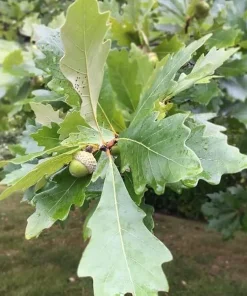
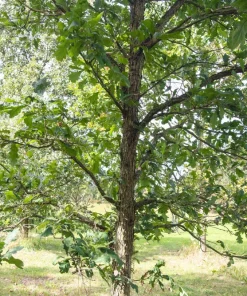
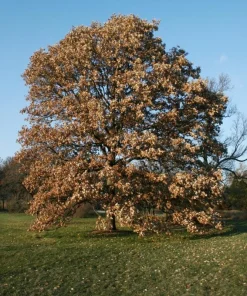
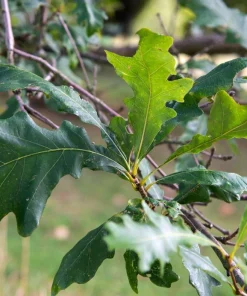
Swamp White Oak Tree Live Plant – Quercus bicolor – 12-24 inch Tall Starter Plant – Quart Pot
Original price was: $101.99.$76.99Current price is: $76.99.
Bring nature to your landscape with a swamp white oak tree. This 12-24 inch tall Quercus bicolor plant is a resilient and beautiful native North American shade tree, known for its striking two-toned leaves and adaptability to various soil conditions. Perfect for attracting wildlife, it’s a long-lived addition to any garden.
Estimated arrival
Sep 29
Oct 04 - Oct 06
Oct 09 - Oct 13
Shop With Confidence
30-Day Plant Health Guarantee
Arrives damaged? We’ll replace it free — see our return policy.
Responsive Support
Email us anytime, we reply within 1 business day.
Expert Packaging
Temperature-controlled shipping to protect your plants in transit.
Secure Checkout
Pay safely with Visa, Mastercard, PayPal.
Plant Specifications
-
USDA Hardiness Zone
4-8 -
Soil Type
Moist, well-draining loamy soil (tolerates clay) -
Sunlight Exposure
Full sun -
Expected Planting Period
Spring or Fall
Overview
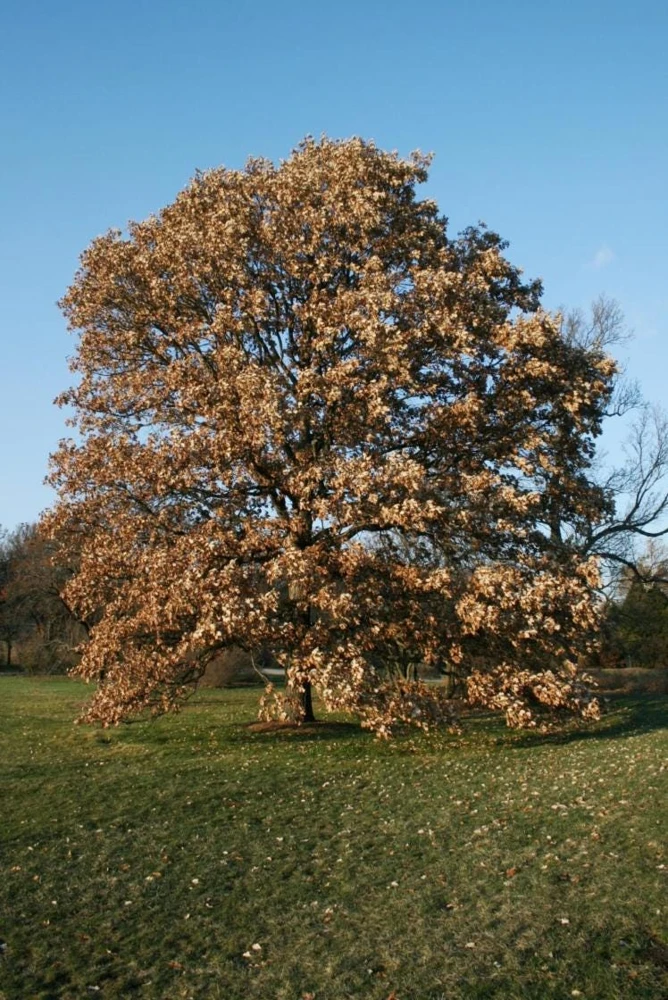
Introduce a magnificent and ecologically beneficial species to your landscape with the swamp white oak tree. This offering includes a healthy Quercus bicolor plant, a large, native North American shade tree renowned for its distinctive two-toned leaves. Despite its name, the swamp white oak tree does not require standing water but thrives in low-lying, wet, or poorly drained areas that may experience occasional flooding, making it an incredibly adaptable shade tree for many environments. As a long-lived tree, often surviving for over 300 years, it represents a lasting investment in your property and local ecosystem. Its robust nature and aesthetic appeal make it a popular choice for homeowners and landscapers alike, providing ample shade and contributing significantly to local biodiversity.
The Quercus bicolor plant is not just a tree; it’s a living ecosystem. Its acorns are a vital food source for a variety of wildlife, including squirrels, deer, turkeys, and ducks, supporting the natural food chain. This native oak tree is a testament to resilience and natural beauty, offering striking foliage that changes with the seasons. Plant this starter plant and watch it grow into a majestic specimen, enriching your outdoor space with its presence and ecological value. It’s an excellent choice for those seeking a durable, attractive, and wildlife-friendly addition to their garden.
Key Benefits
The swamp white oak tree offers numerous advantages for your landscape and local environment. Its unique characteristics make it a standout choice for both aesthetic appeal and ecological contribution.
- Adaptable Shade Tree: The swamp white oak tree is highly adaptable to a wide range of soil conditions, tolerating both wet and dry environments. This makes it an excellent choice for various landscape settings, providing dense shade during hot summer months.
- Wildlife Friendly Tree: Its acorns mature in a single season and are a crucial food source for a diverse array of wildlife, including squirrels, deer, turkeys, and ducks. Planting this tree contributes directly to supporting local fauna.
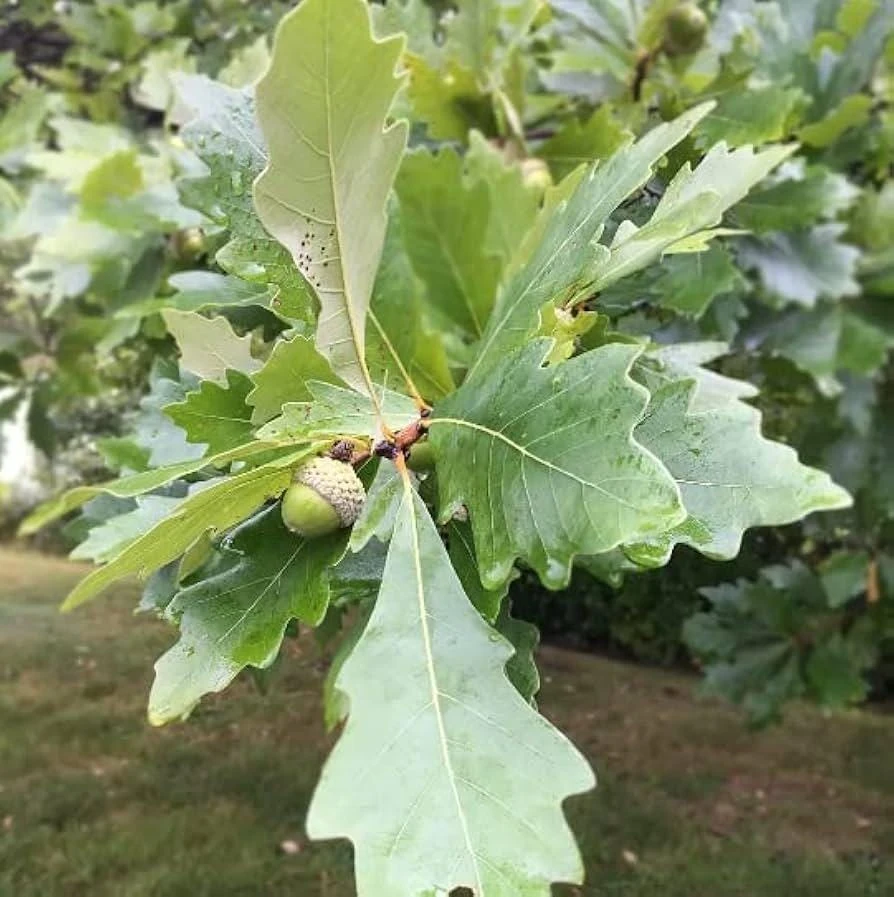
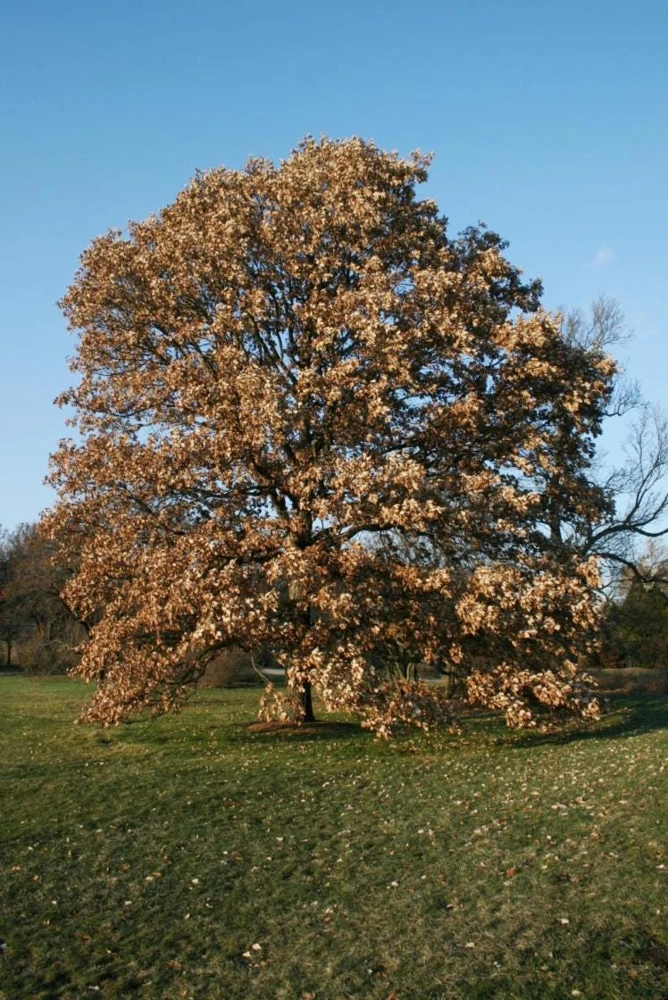
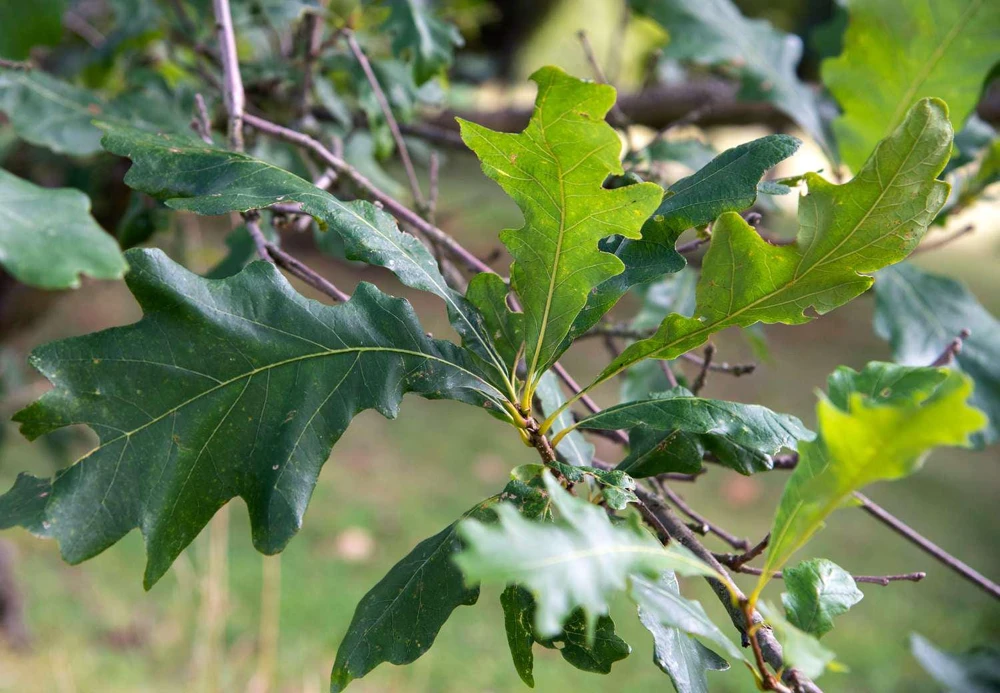
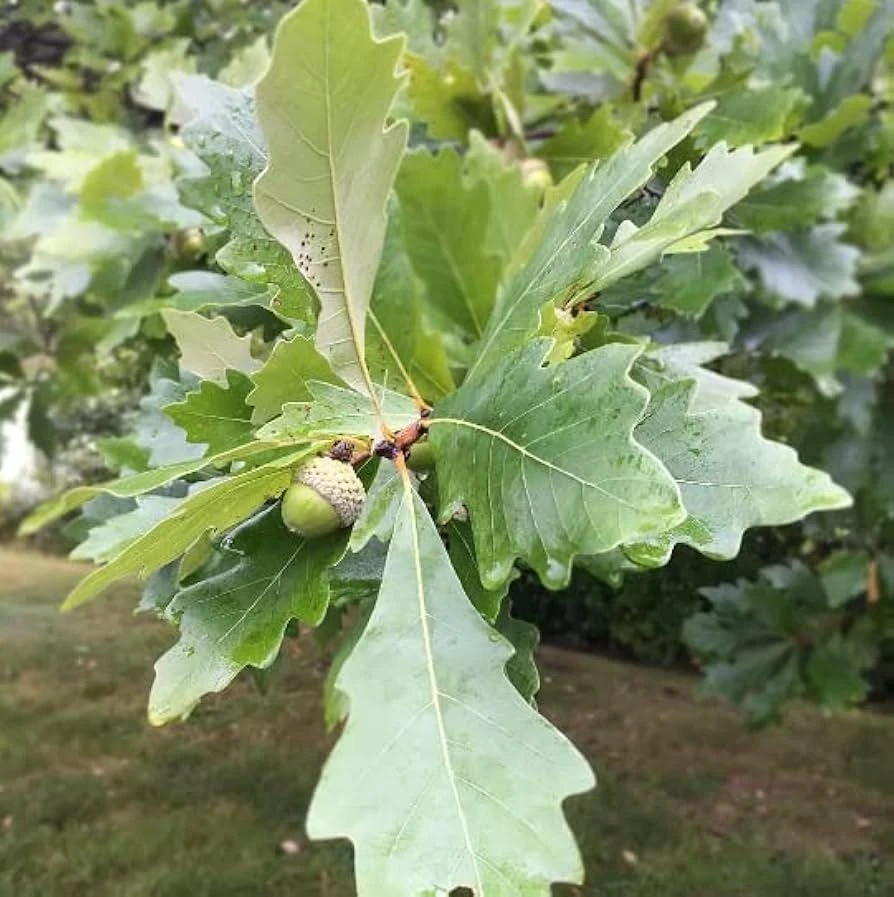
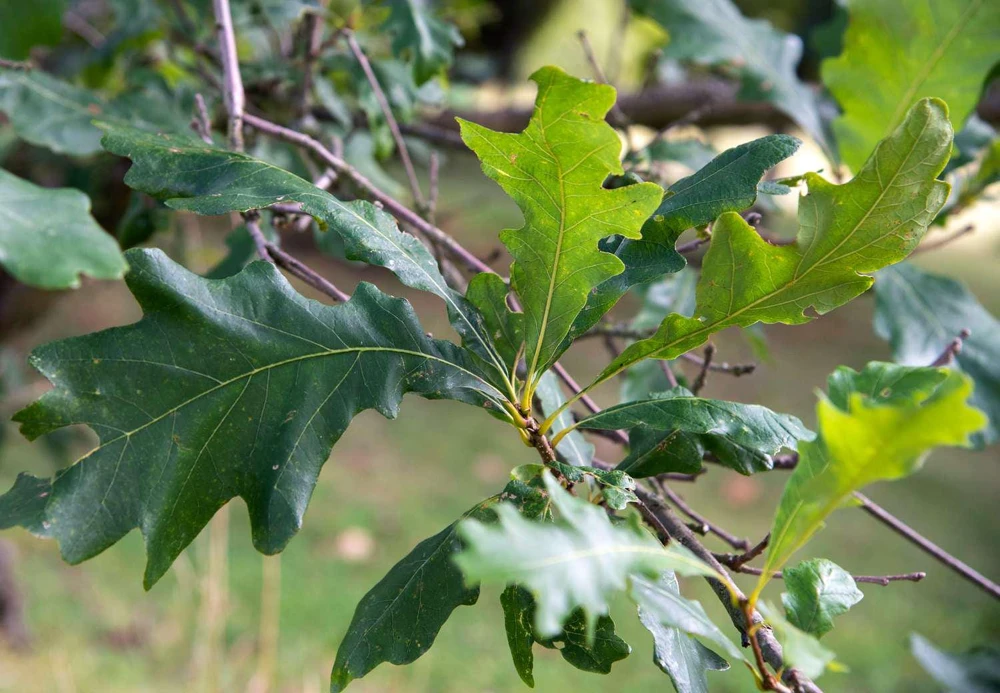
- Distinctive Foliage: Known for its striking two-toned leaves, the Quercus bicolor plant adds significant visual interest to your garden. The leaves are dark green on top and silvery-white underneath, creating a beautiful contrast, especially when stirred by the wind.
- Long-Lived Specimen: This native oak tree is incredibly long-lived, often surviving for over 300 years. It’s an investment that will provide beauty and ecological benefits for generations to come, becoming a cherished part of your property.
- Low Maintenance: Once established, the swamp white oak tree requires minimal care, making it an ideal choice for gardeners who prefer a more hands-off approach. Its natural resilience helps it thrive with little intervention.
- Erosion Control: Due to its preference for moist, low-lying areas, the extensive root system of the Quercus bicolor plant can help stabilize soil and prevent erosion along stream banks or in areas prone to occasional flooding.
- Native North American Species: As a native species, it is well-suited to the North American climate and ecosystems, requiring less intervention than non-native alternatives and supporting local biodiversity.
Plant Care & Growing Tips
Caring for your swamp white oak tree is relatively straightforward, especially given its natural resilience. Understanding its basic needs will ensure a healthy and robust growth. This adaptable shade tree thrives in a variety of conditions, but optimal care will lead to the best results.
Sunlight Requirements: The Quercus bicolor plant prefers full sun, meaning at least 6 hours of direct sunlight per day. While it can tolerate partial shade, full sun exposure promotes the most vigorous growth and best leaf color. Ensure it is planted in a location where it won’t be overshadowed by larger structures or trees as it matures.
Watering & Soil: Despite its name, the swamp white oak tree does not grow in standing water but thrives in moist, well-drained soils. It is highly adaptable and can tolerate both wet and somewhat dry conditions once established. During its first few years, regular watering is crucial, especially during dry spells, to help establish a strong root system. Aim for consistently moist soil without being waterlogged. A good quality, loamy soil with a neutral to slightly acidic pH is ideal. This native oak tree is known for its ability to grow in compacted or clay soils, making it quite versatile.
Temperature & Hardiness: The swamp white oak tree is incredibly hardy, typically thriving in USDA zones 4-8. It can withstand cold winters and hot summers, making it suitable for a wide range of climates across the United States. Protect young trees from extreme cold snaps during their first winter by mulching around the base. Fertilization is generally not necessary for established trees in good soil, but young plants can benefit from a balanced, slow-release tree fertilizer in spring to encourage growth. Watch for common oak pests like borers or cankers, and address them promptly with appropriate organic or chemical treatments if severe. Prune in late winter or early spring to remove dead or damaged branches and to shape the tree.
Size & Details
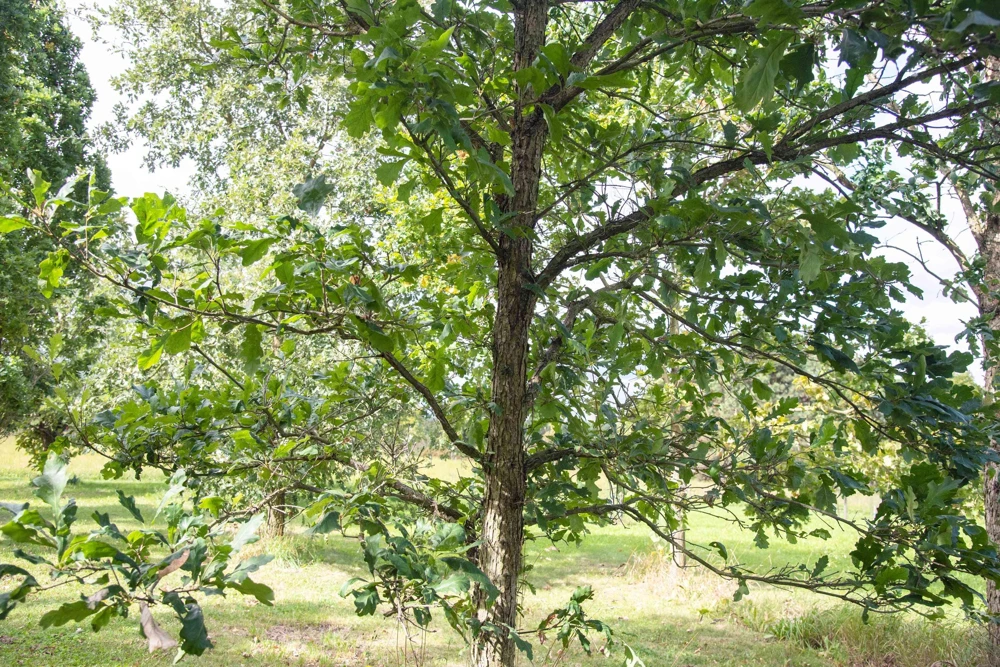
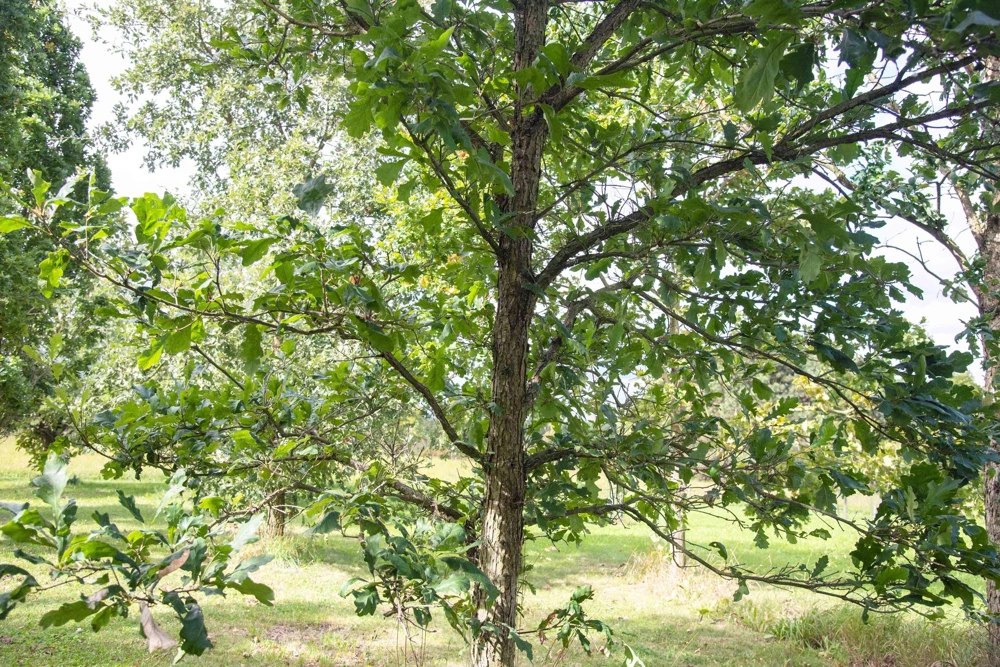
This offering is for a swamp white oak tree starter plant, measuring approximately 12-24 inches tall. It is shipped in a quart-sized pot, providing a well-established root system ready for planting. The minimum height upon arrival will be 12 inches. The Quercus bicolor plant is a moderately fast-growing tree, typically adding 12-18 inches of height per year under ideal conditions. When mature, this adaptable shade tree can reach an impressive height of 50-60 feet with a similar spread, creating a broad, rounded canopy. Its growth rate and ultimate size make it an excellent choice for providing significant shade and a strong focal point in larger landscapes. Plant it where it has ample space to grow and flourish.
Acorns, which are a key feature for this wildlife friendly tree, typically begin to appear once the tree reaches maturity, usually around 20-30 years of age. They grow in pairs on a long, slender stalk (peduncle) and mature in a single season during early fall. This starter plant provides a head start on growing a magnificent specimen that will grace your property for centuries.
Frequently Asked Questions
- Q: How big does this swamp white oak tree get at maturity? A: A mature swamp white oak tree can reach an impressive height of 50-60 feet with a similar spread, forming a broad, rounded crown. It’s a large tree that requires ample space to grow.
- Q: What size pot does the Quercus bicolor plant come in? A: This Quercus bicolor plant is shipped as a starter plant in a quart-sized pot, ensuring a healthy root system for successful transplanting.
- Q: Is this an indoor or outdoor plant? A: The swamp white oak tree is strictly an outdoor plant. It is a large, deciduous tree native to North America and requires open space and natural light to thrive.
- Q: How much sunlight does this native oak tree need? A: This native oak tree prefers full sun, meaning it needs at least 6 hours of direct sunlight per day for optimal growth and health. It can tolerate some partial shade but performs best with more sun.
- Q: Is this tree easy to care for? A: Yes, once established, the swamp white oak tree is considered low maintenance. It is an adaptable shade tree that tolerates various soil conditions and climates, making it relatively easy to care for.
- Q: What condition will the swamp white oak tree arrive in? A: Your swamp white oak tree will arrive as a healthy, live starter plant, typically 12-24 inches tall, securely packaged in its quart pot with soil to ensure its well-being during transit.
- Q: When is the best time to plant this wildlife friendly tree? A: The best time to plant a wildlife friendly tree like the swamp white oak is in the spring or fall when temperatures are moderate and the plant can establish its root system before extreme weather.
- Q: What USDA hardiness zones is the Quercus bicolor plant suitable for? A: The Quercus bicolor plant is highly cold-hardy and thrives in USDA hardiness zones 4 through 8, making it suitable for a wide range of temperate climates.
- Q: Does this tree attract wildlife? A: Absolutely! The swamp white oak tree is an excellent wildlife friendly tree. Its acorns are a vital food source for squirrels, deer, turkeys, and ducks, making it a valuable addition to any wildlife habitat.
- Q: What type of soil does the swamp white oak prefer? A: While adaptable, the swamp white oak tree prefers moist, well-drained, loamy soils. It is particularly tolerant of clay soils and areas that may experience occasional flooding, which is why it’s such an adaptable shade tree.
Be the first to review “Swamp White Oak Tree Live Plant – Quercus bicolor – 12-24 inch Tall Starter Plant – Quart Pot”
People Also Viewed

Reviews
There are no reviews yet.